Nationalism and Revolutions
 Studied by 0 people
 Call Kai
 Learn
Learn Practice Test
 Spaced Repetition
 Match
Match Flashcards
 Knowt Play
1/24

There's no tags or description
Looks like no tags are added yet.
Name | Mastery | Learn | Test | Matching | Spaced |
|---|
No study sessions yet.
25 Terms
Natural Rights
Life, Liberty, and Property

Enlightenment
A movement in the 18th century that advocated the use of reason. They developed new ideas about how people should be governed.

Revolution
a forcible overthrow of a government or social order in favor of a new system.
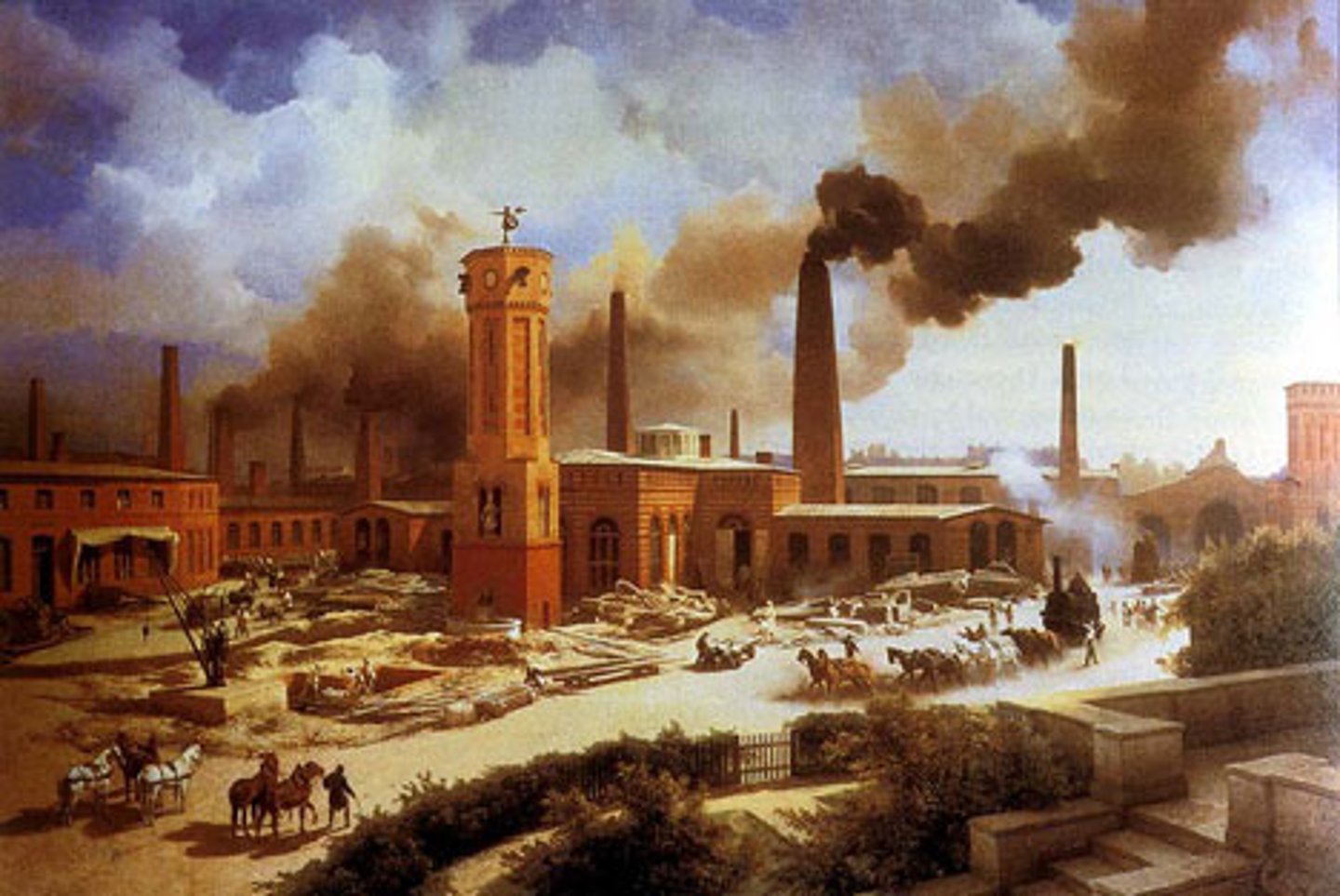
Absolute Monarchy
A government in which the king or queen has absolute power.
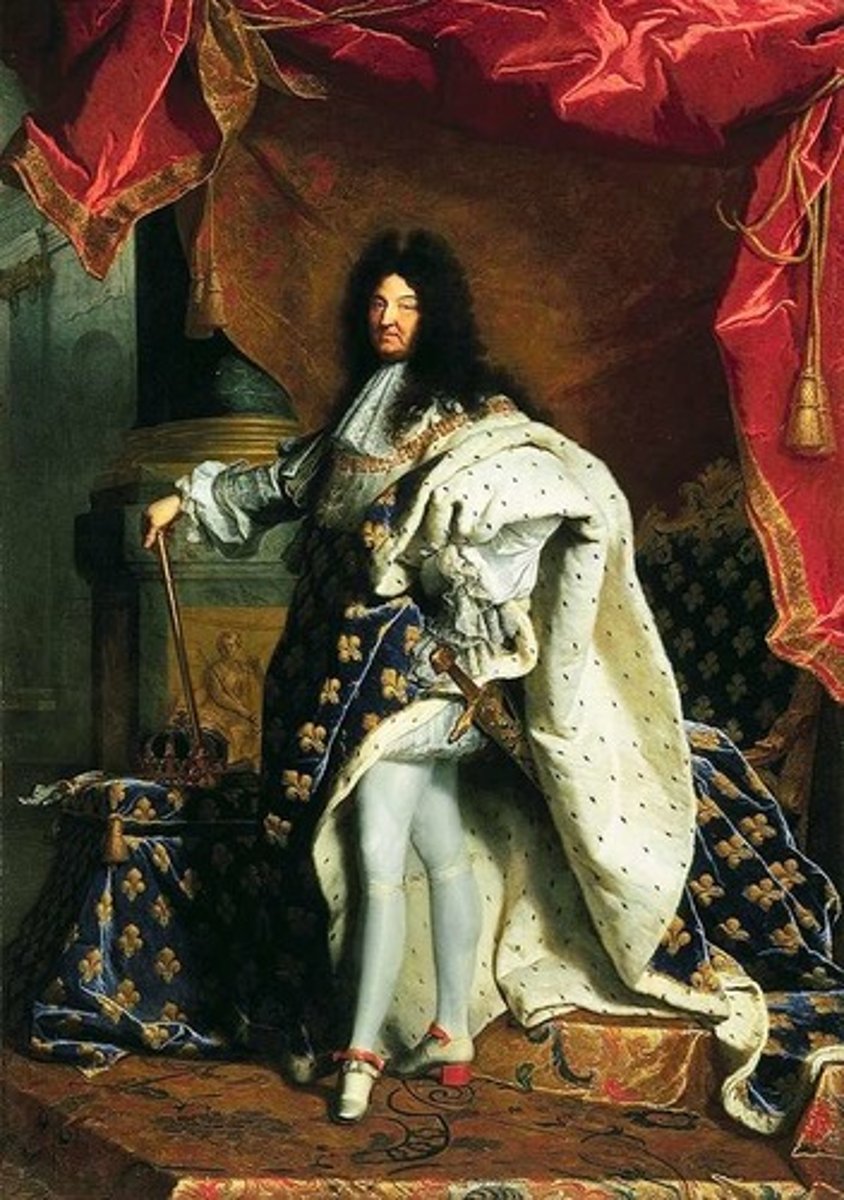
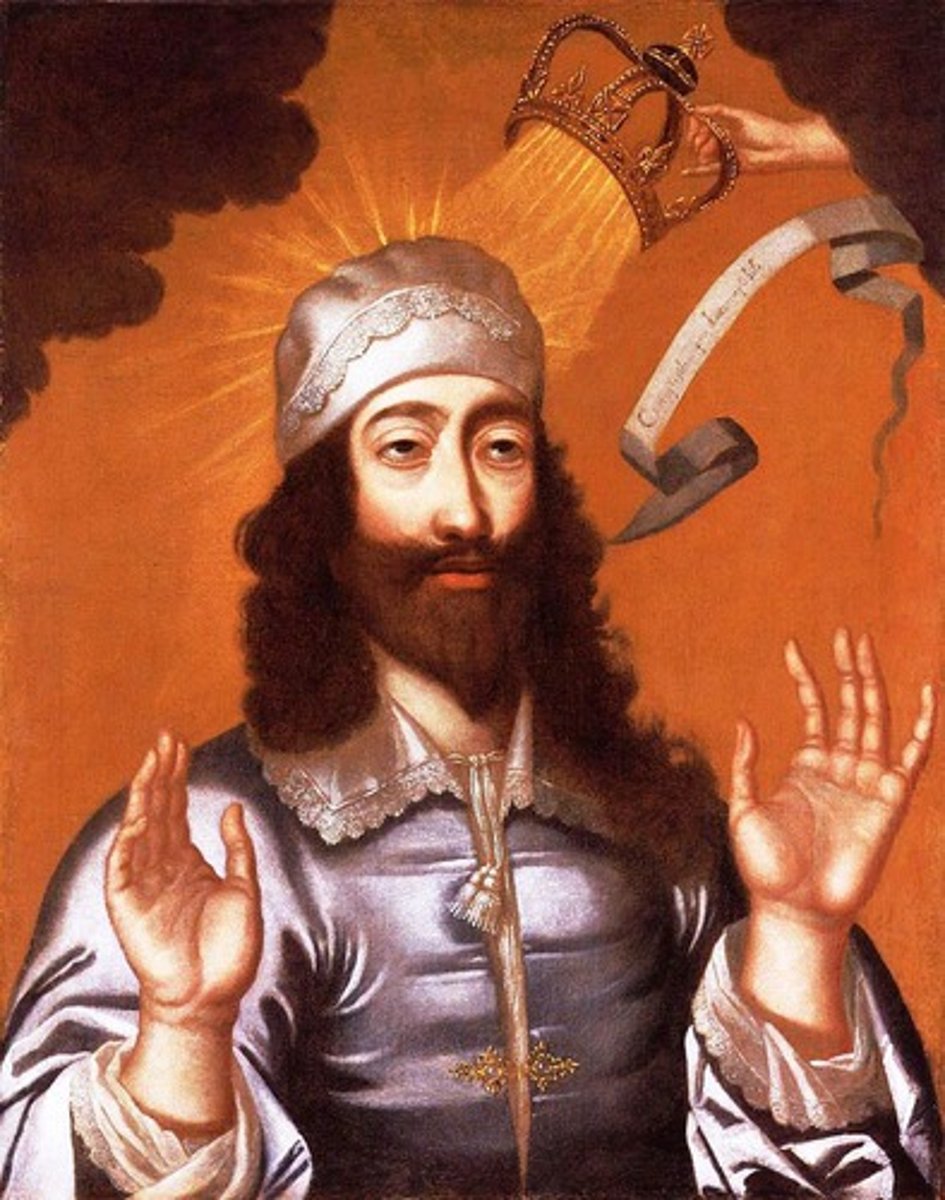
Divine Right
Belief that a rulers authority comes directly from god.
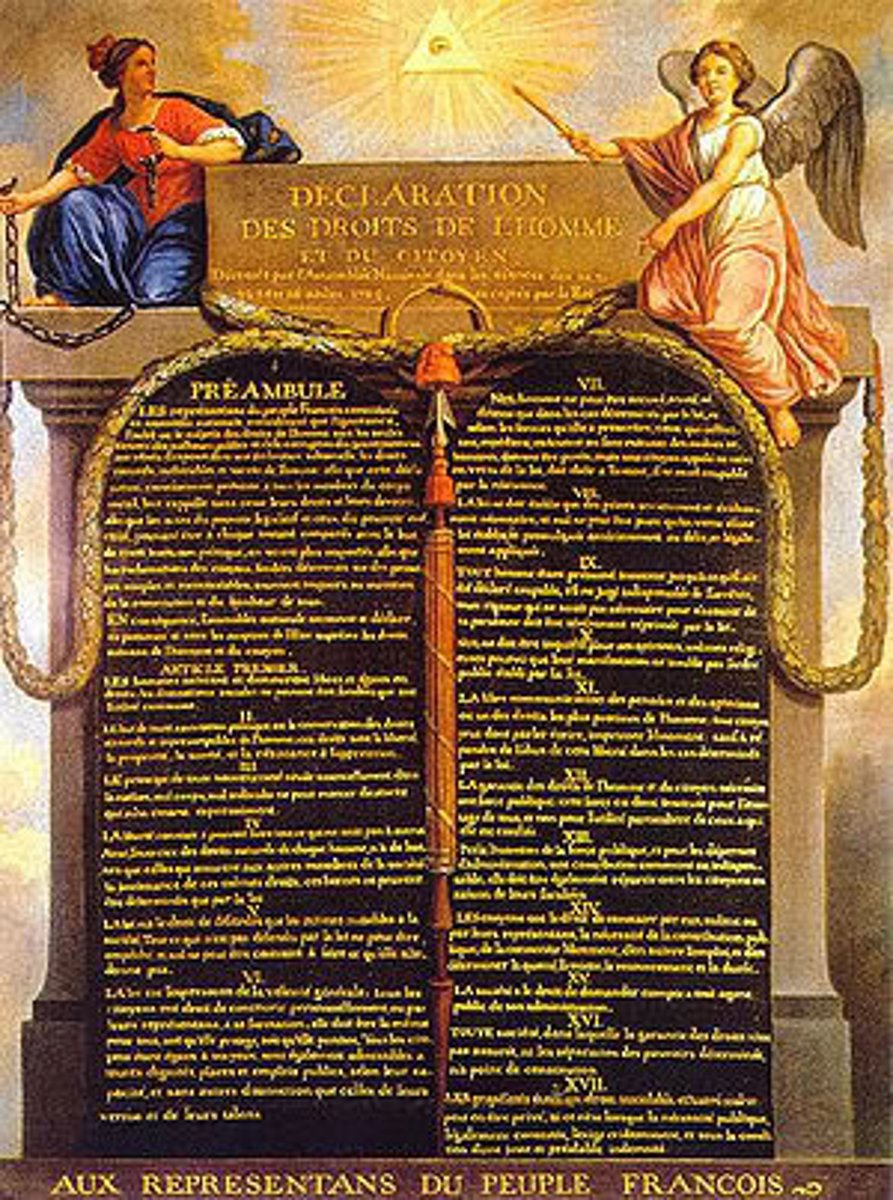
Declaration of the Rights of Man and Citizen
French Revolution document that outlined what the National Assembly considered to be the natural rights of all people and the rights that they possessed as citizens
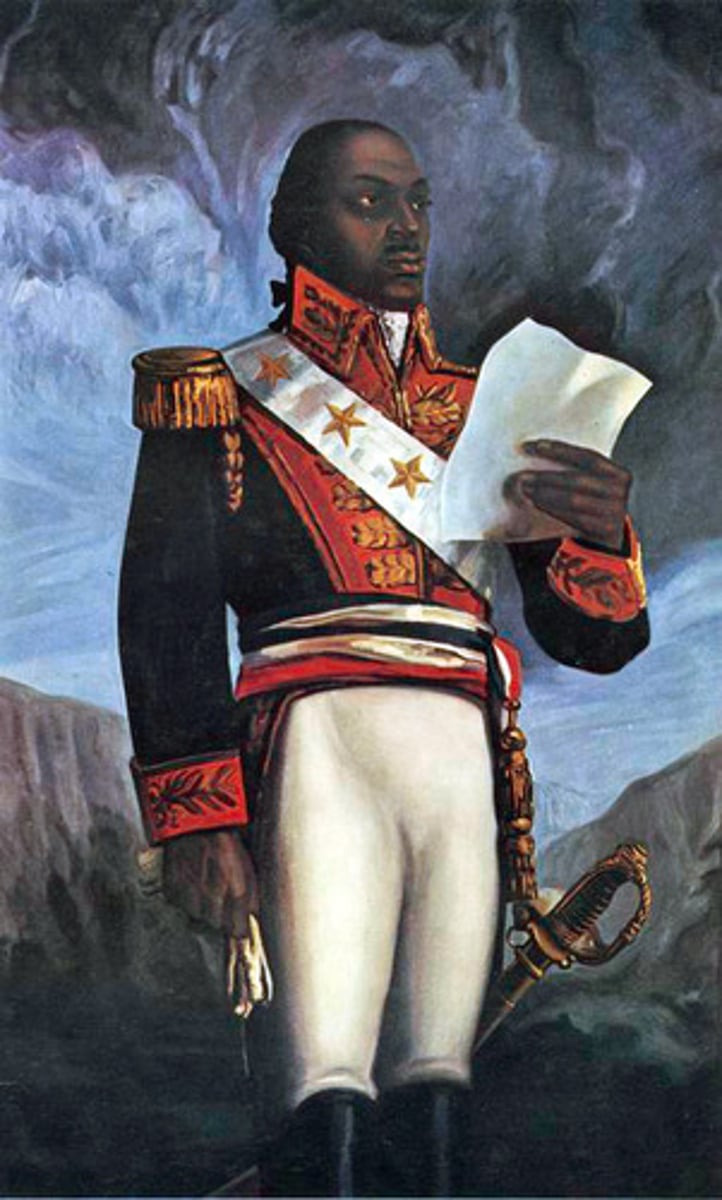
Toussaint L'Ouverture
Leader of the Haitian Revolution. He freed the slaves and gained effective independence for Haiti despite military interventions by the British and French.
Estates General
An assembly of representatives from all three of the estates, or social classes, in France.
National Assembly
French Revolutionary assembly (1789-1791). Called first as the Estates General, the three estates came together and demanded radical change. It passed the Declaration of the Rights of Man in 1789.
Tennis Court Oath
A pledge made by the members of France's National Assembly in 1789, in which they vowed to continue meeting until they had drawn up a new constitution
1791 constitution
Made France a constitutional (limited) monarchy, in which the king had to share power with an elected legislature called the Legislative Assembly. Only male taxpayers could vote
Declaration of the Rights of Man
Statement of fundamental political rights adopted by the French National Assembly at the beginning of the French Revolution.
Louis XVI
- King of France (1774-1792). In 1789 he summoned the Estates-General, but he did not grant the reforms that were demanded and revolution followed. Louis and his queen, Marie Antoinette, were executed in 1793.
Robespierre
leader of the Committee of Public Safety; chief architect of the Reign of Terror
Napoleon Bonaparte
French general who became emperor of the French (1769-1821)
Napoleonic Code
body of French civil laws introduced in 1804; served as model for many nations' civil codes
Reign of Terror
(1793-94) during the French Revolution when thousands were executed for "disloyalty"
Taino
a Native American people of the Caribbean islands - the first group encountered by Columbus and his men when they reached the Americas
Saint Domingue
Haiti half of island of Hispaniola; where the Toussaint L'Overture revolt occurred
Haiti
Name that revolutionaries gave to the former French colony of Saint Domingue; the term means "mountainous" or "rugged" in the Taino language.
Dominican Republic
Shares an island with Haiti
Plantation Economy
This referred to the inefficient, slave-centered economy of the South where all land was used to grow large amounts of cash crops for export.
Le Code Noir
French law code about the treatment of slaves.
Vodou
New World religion with roots in West Africa; prominent in Haiti. Helped organize the revolution.
Dessaline
was a leader of the Haitian Revolution and the first ruler of an independent Haiti under the 1805 constitution hatis first emperor took over after toussaint was born.