A-level - Context - ASND
 Call Kai
 Learn
Learn Practice Test
 Spaced Repetition
 Match
Match Flashcards
 Knowt Play
1/46

Earn XP
Description and Tags
A-level English Literature - A Streetcar Named Desire
Name | Mastery | Learn | Test | Matching | Spaced | Call with Kai | Chat |
|---|
No analytics yet
Send a link to your students to track their progress
47 Terms
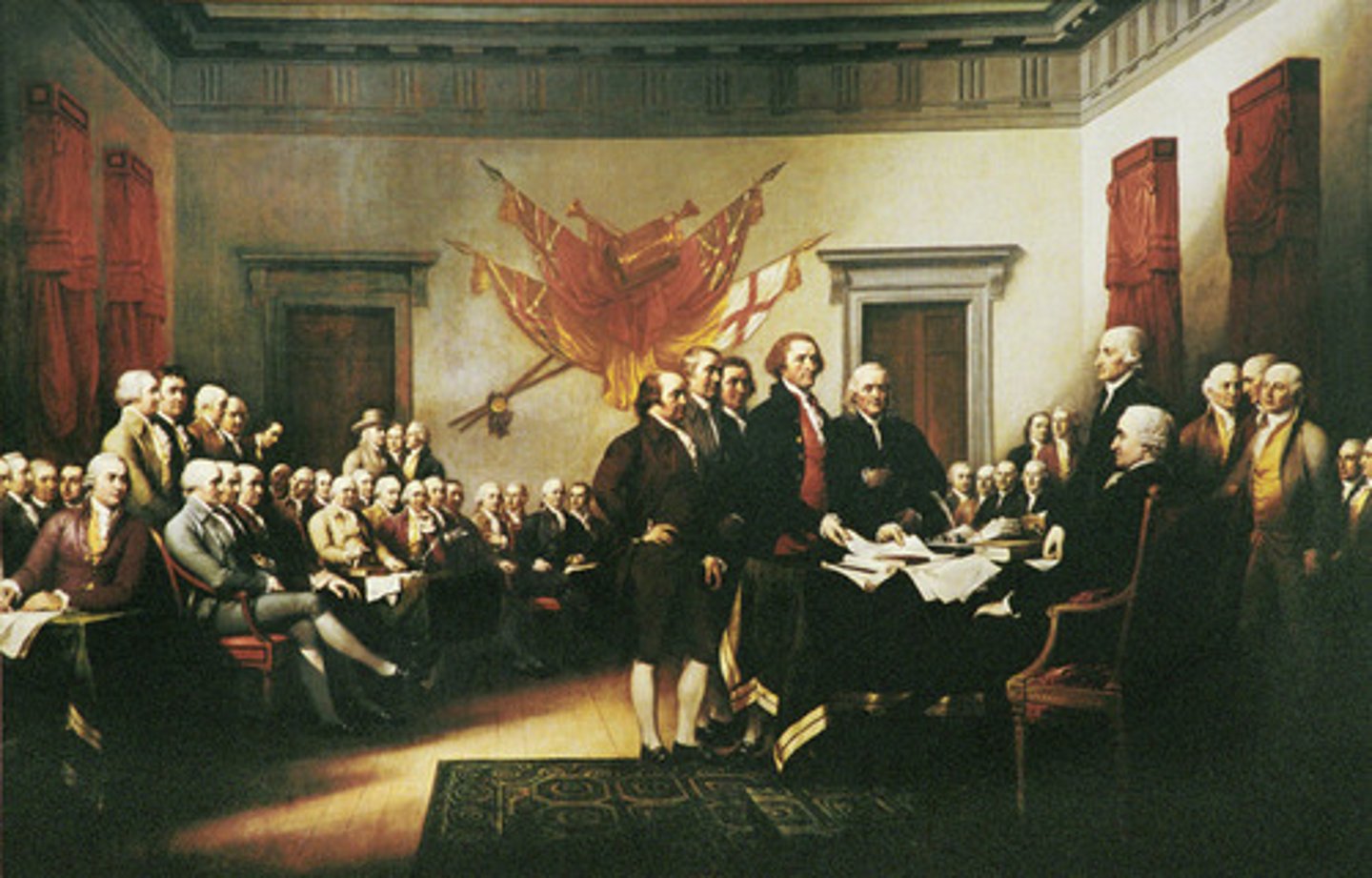
What are the key ideas of the Declaration of Independence?
The existence of equal and 'unalienable' rights, consisting the 'Life, Liberty and the pursuit of happiness'.
U.S Government should operate as 'government by consent', and that Americans should have a say in the running of it instead of the British.
All men are created equal
Individuals have a civic responsibility to protect these rights for themselves and others.
What happened in 17th Century America?
Around the 17th Century, the Pilgrims landed at Plymouth Rock, and America was described at the time as a 'promised land' by the Puritans who lived there.
At the time, Puritans wanted to construct a 'beacon' of community for the rest of the world with the obligation to read God and a generally hopeful, materialistic belief of what the New World could become.
When was the Declaration of Independence written?
1776
When was the U.S. Constitution written?
1787
American Romanticism
1820-1865
It was a movement that attempted to move away from puritan thinking.
It believed that the individual was a 'blank slate' with the potential for good.
It also believed that sensible and enterprising behaviour would result in 'goodness', which was not related at all to God.
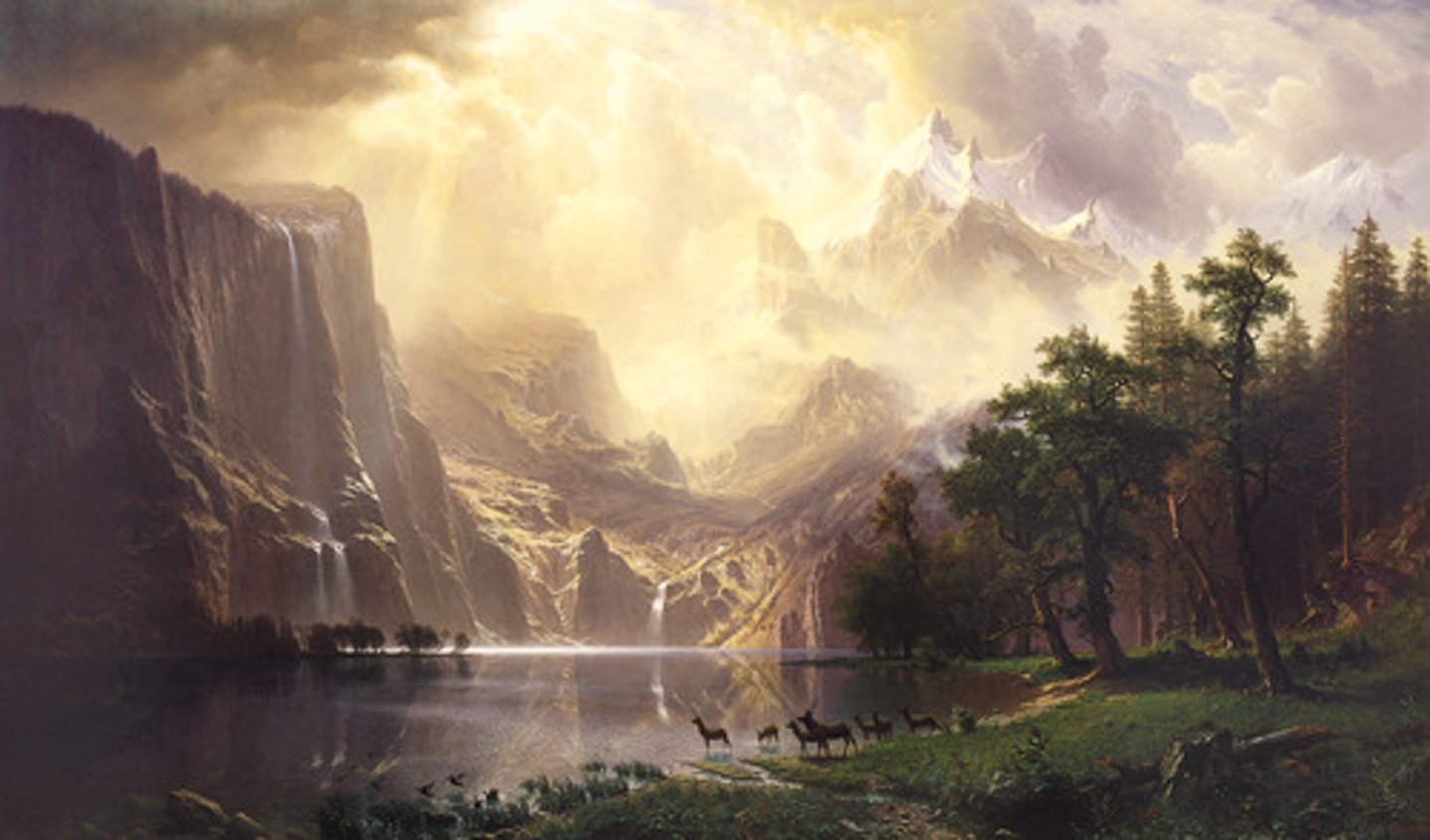
When was the American Civil War?
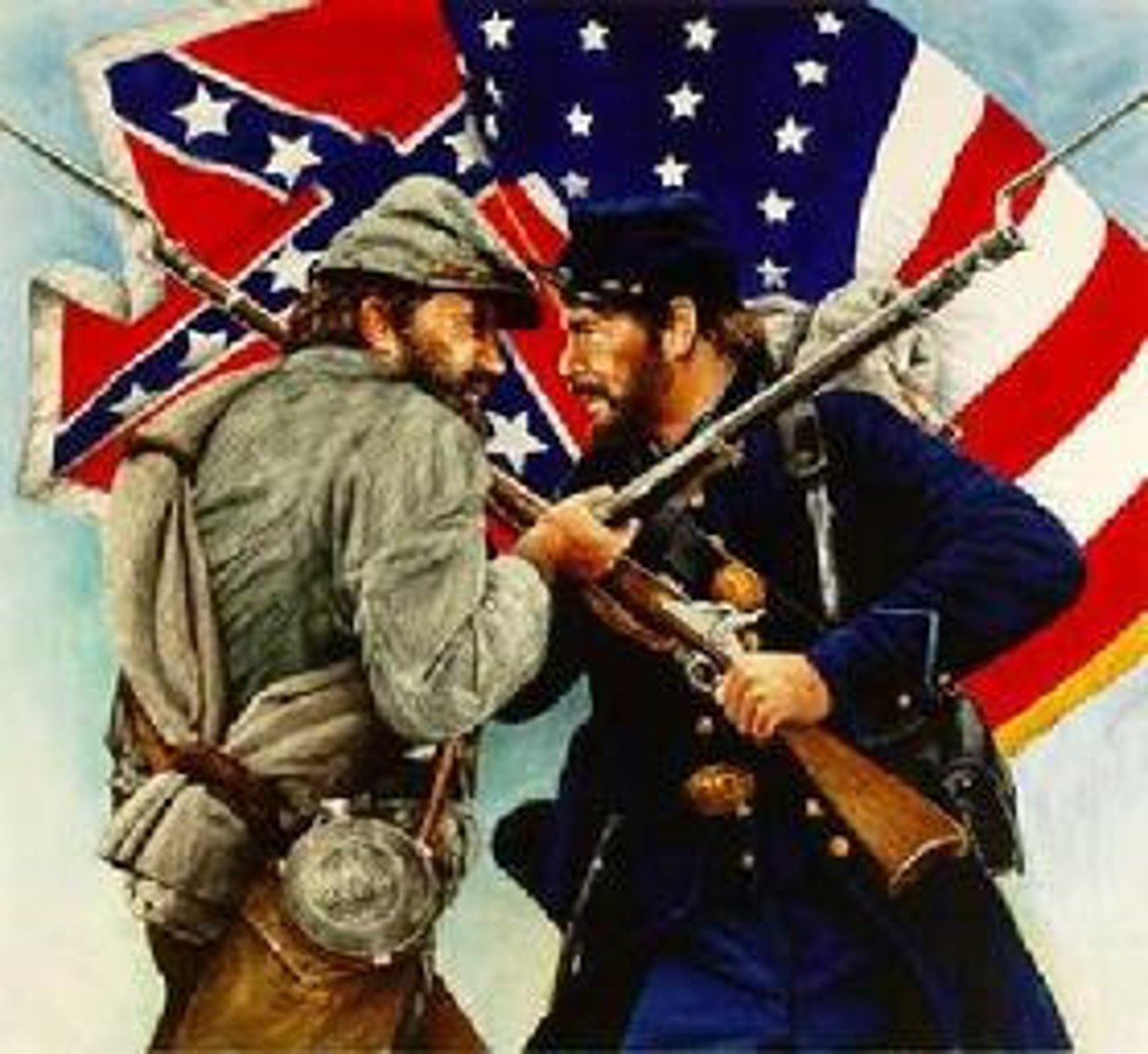
1861-1865
What happened in the American Civil War?
The States had a disagreement on the extent to which states are able to decide their own matters.
The South, who relied on slave labour to sustain their farming economy, wanted to keep slavery whilst the North opposed it.
War broke out when the South and North disagreed on whether new states could vote to legalise slavery
After the war, the South was ravaged financially
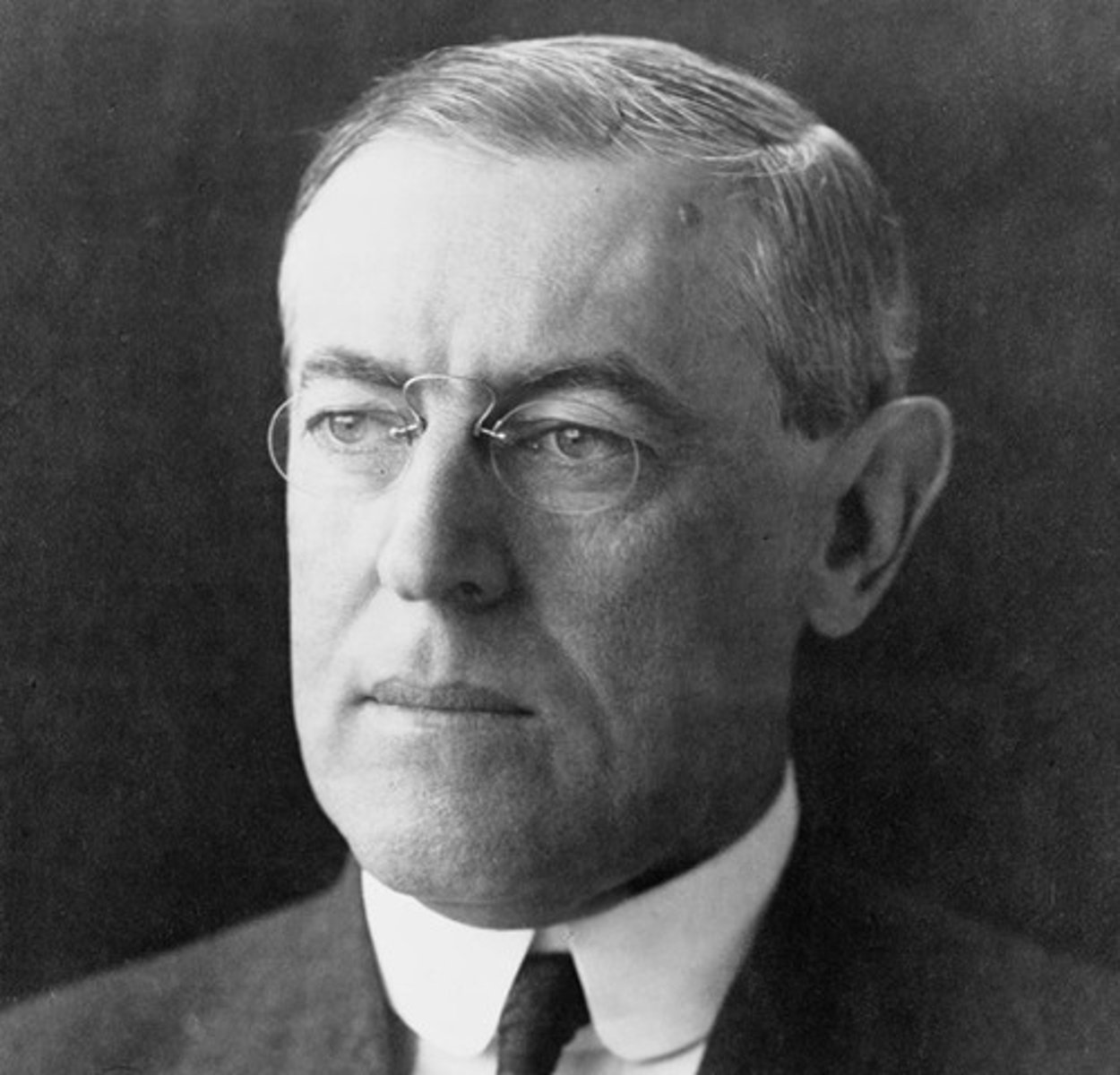
What happened to America during and after WW1?
Woodrow pledged to keep America out of WW1, citing that they wanted to define themselves as a self-reliant nation that was completely separate from the Old World, which was reflective of the majority of American opinion.
However by 1917, the public viewed it necessary to enter the war, as negative perceptions towards Germany grew.
After the war, America began to embrace new technologies including:
- Electricity
- Light Bulb
- Cinema
- Radio
What big amendments occurred during the Jazz Age?
18th Amendment - Prohibition of Alcohol (1919-33)
19th Amendment - Women's Suffrage (1920)
What social attitudes changed during the Jazz Age?
Americans began to question class and gender
Attitudes towards sex changed
Fitzgerald noted how Americans had 'no interest in politics at all'
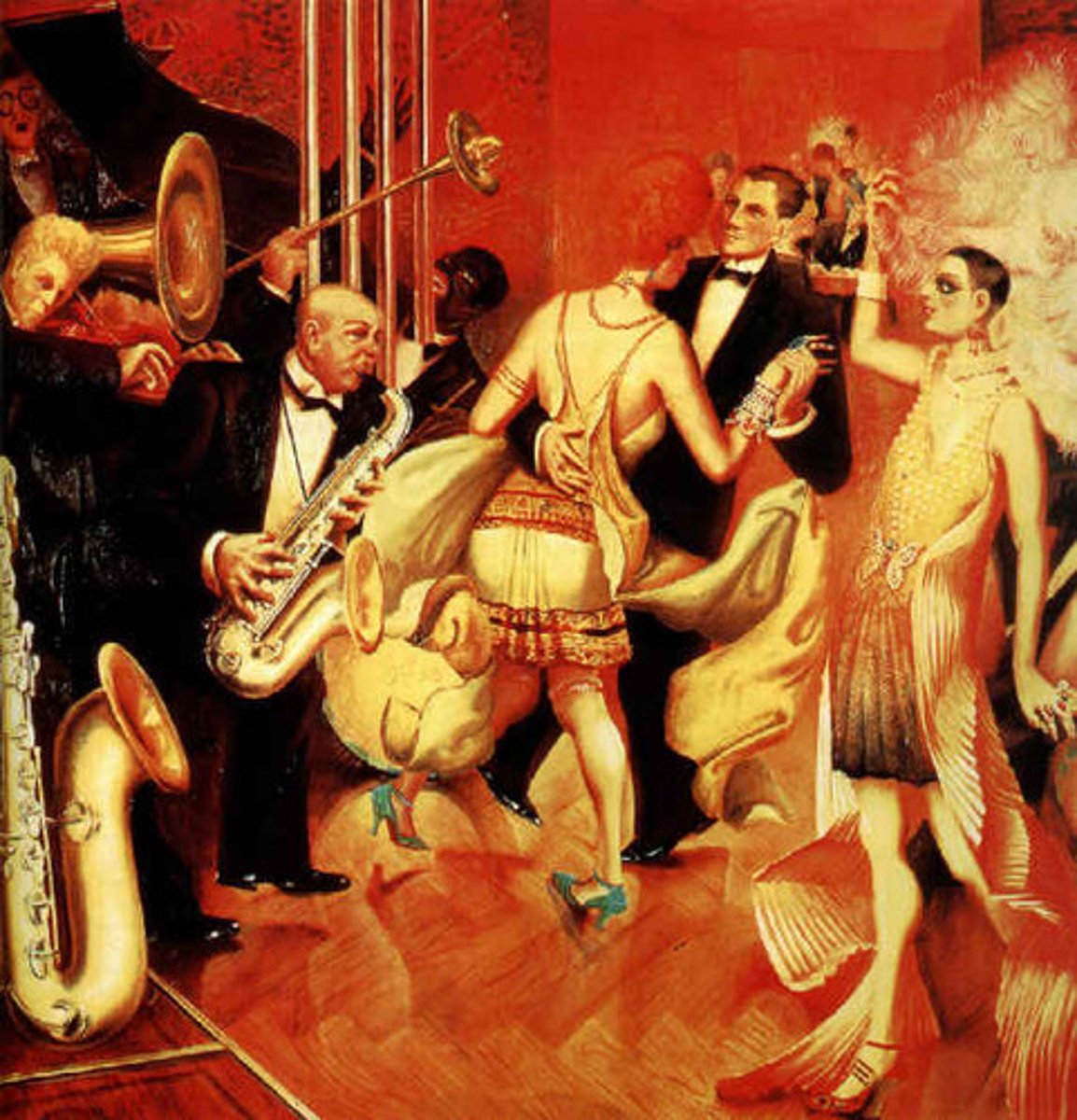
The Jazz Age
Name for the 1920s, because of the popularity of jazz-a new type of American music that combined African rhythms, blues, and ragtime
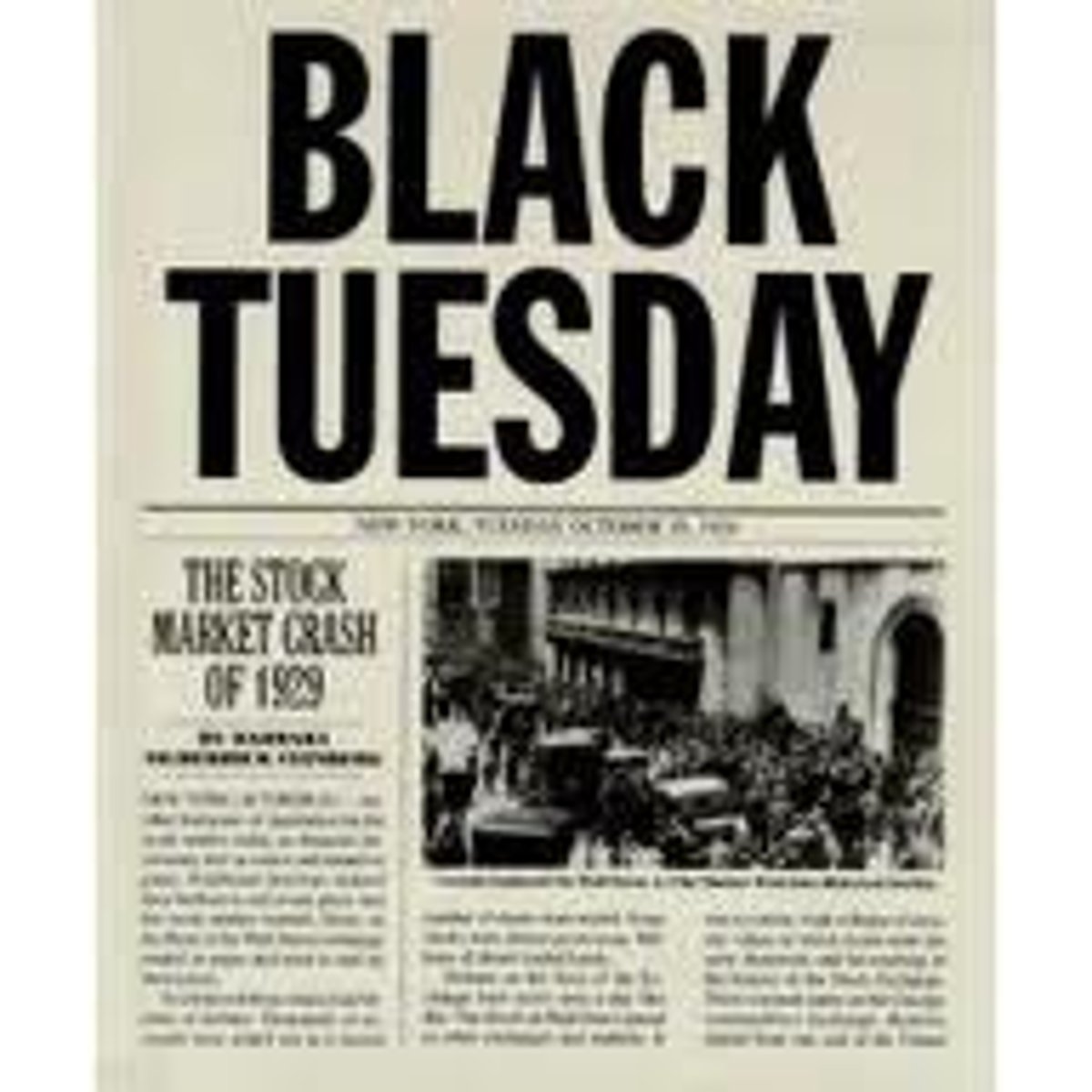
What happened in the Stock Market Crash?
On October 1929, investors rushed to sell all their shares having lost confidence in the market.
This caused over 1/4 of the Labour force to be out of work without welfare, fuelling migration towards the west and east.
This resulted in Roosevelt vowing a 'New Deal', improving the economy by repealing prohibition, closing banks and sorting out the Great Depression by introducing radical plans for a welfare state.
Why did the stock market crash in 1929?
investors lost confidence in the market and rushed to sell their shares
This ocurred after an economic boom and people buying on credit.
What did Franklin D. Roosevelt do to maintain the arts during the Great Depression?
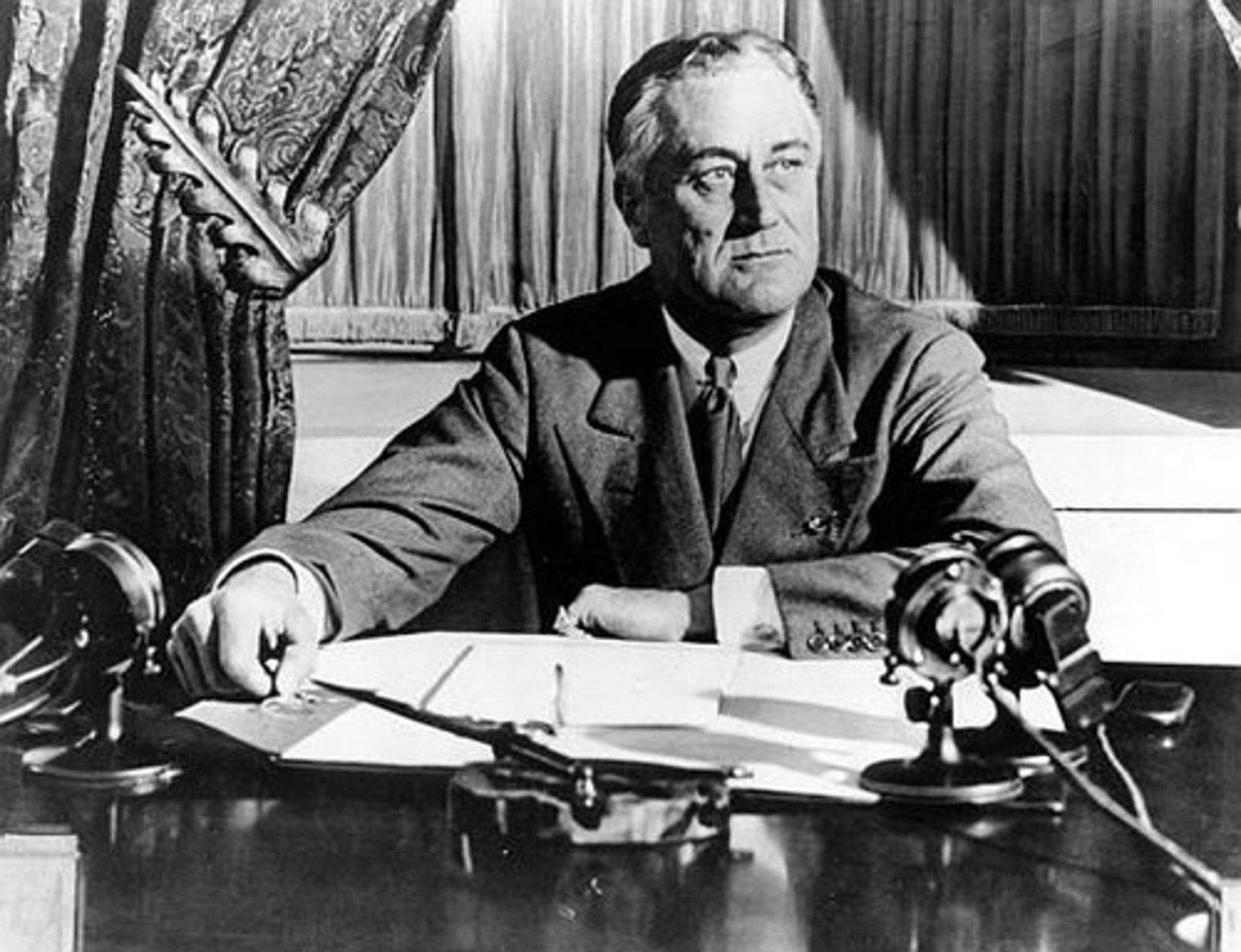
FDR saw the need for media, since many Americans turned to it in order to distract themselves from their harsh economic realities.
In the 1930s, the U.S Government subsidised radio plays, movies and literature.
FDR personally sponsored the Federal Writer's Project.
What happened to America during and after WW2?
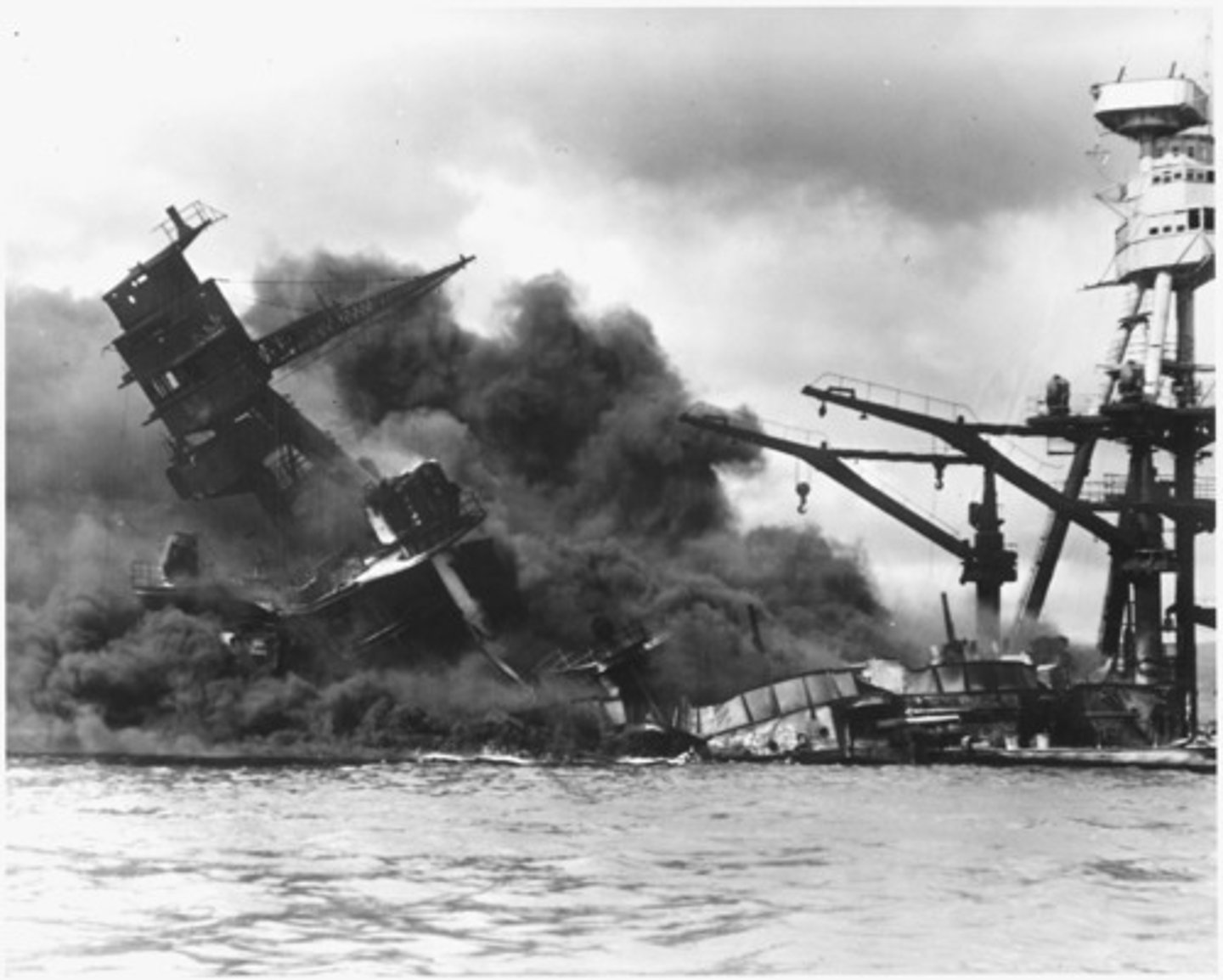
Like WW1, America attempted to stay isolationist, but this failed when Japan bombed Pearl harbour in 1941, causing the U.S to declare war on Japan and Germany.
After WW2, Post-war literature became more angry, critical and bitter towards American society, criticising the early romantic ideas.
Melting Pot
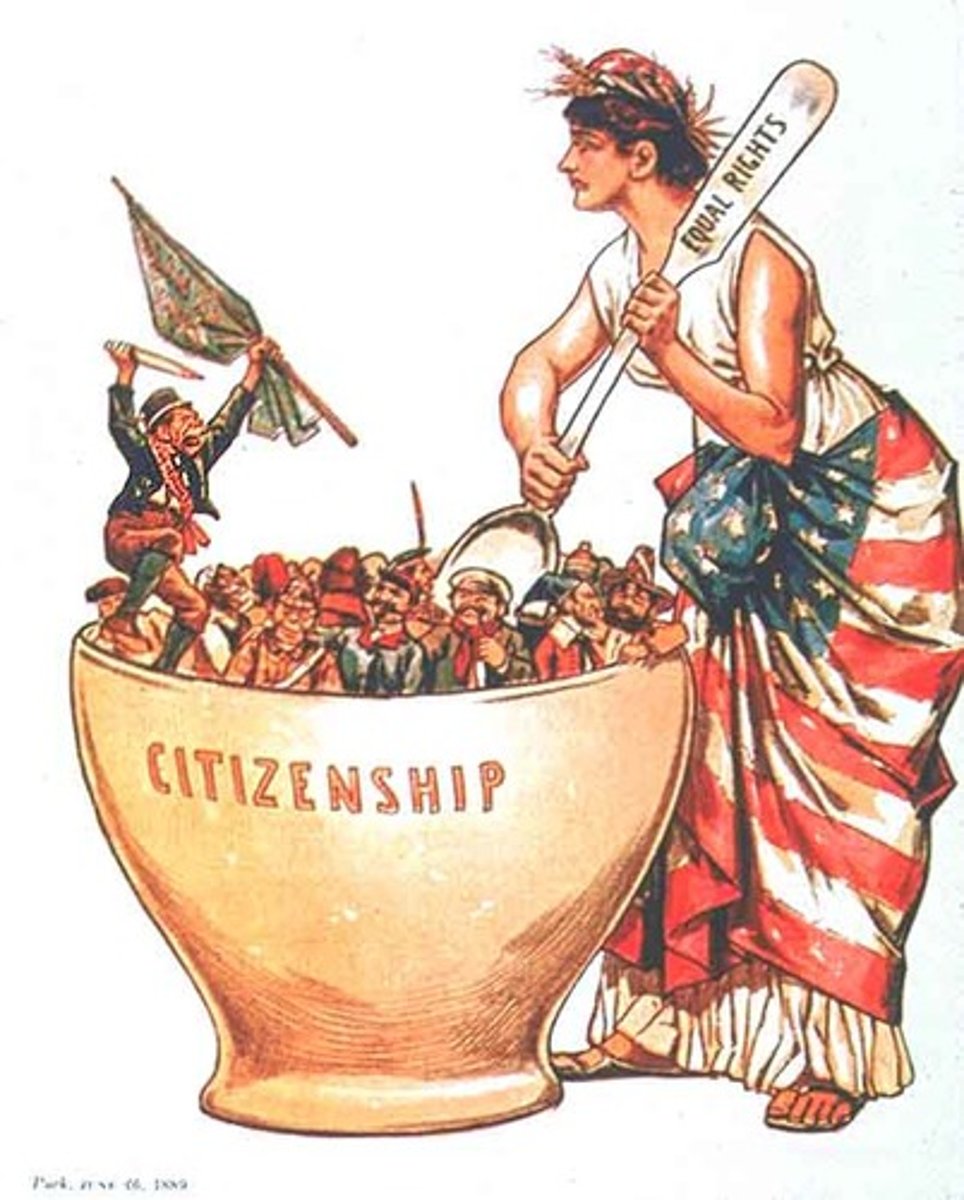
The Melting Pot is that idea that everyone of a heterogenous and multicultural background all 'melt together' to become a more homogenous society under American ideology.
It is more commonly used to describe the cultural integration of immigrants to the U.S
It also describes America becoming more heterogenous due to an influx of new cultural backgrounds shaping society.
American Dream
The ideal that every US citizen has an equal opportunity to achieve success, usually in the form of upwards social mobility. This is achieved through hard work, regardless of social class/background.
This ideal is deep-rooted into the American constitution that says that 'all men are created equal' with the right to 'life, liberty and the pursuit of happiness'.
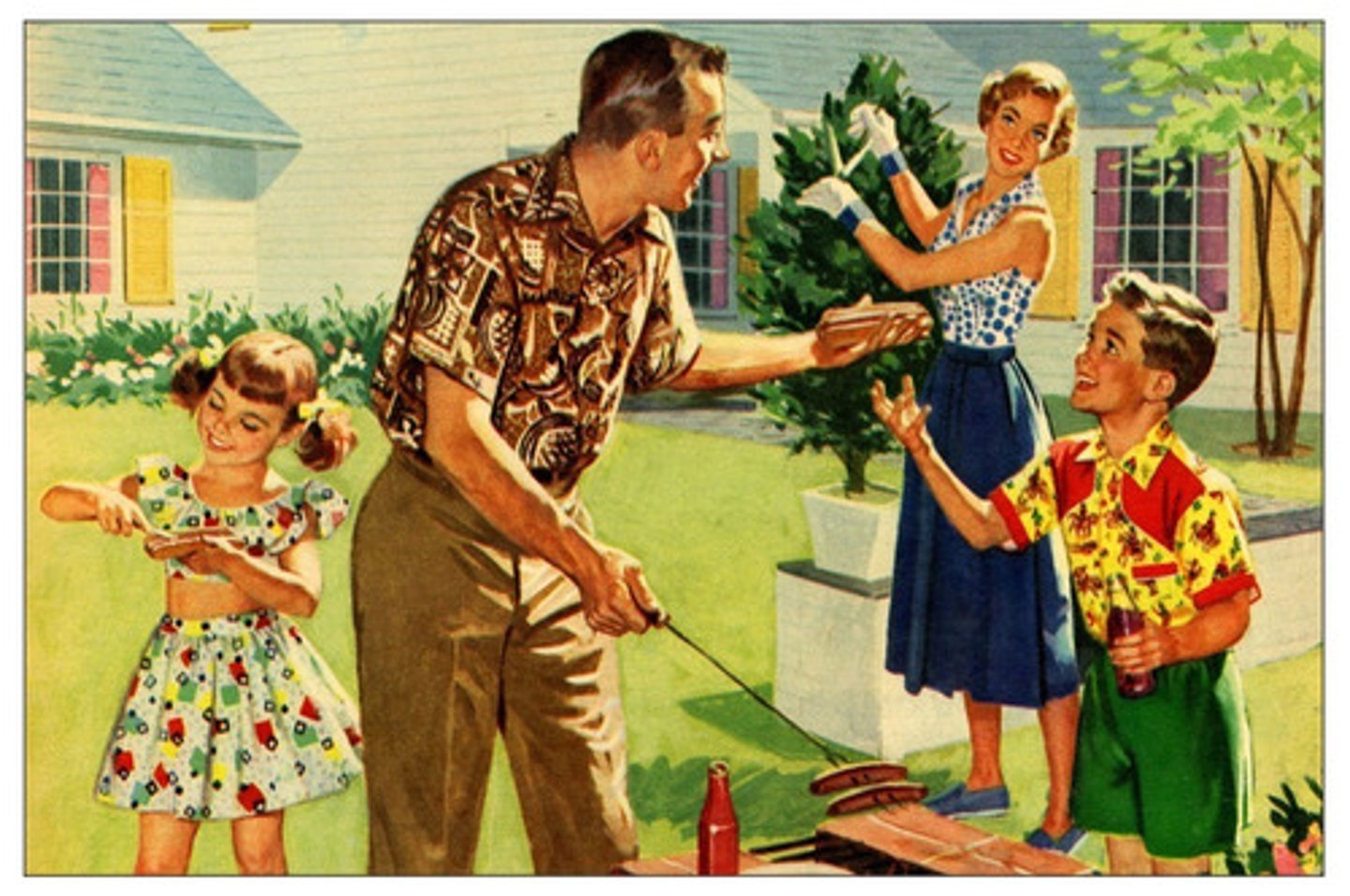
Old Money vs. New Money
Old Money refers to the inherited wealth of the upper class, which seperated them from the lower classes of society.
Inheritors of Old Money were typically depicted as conservative with their wealth and 'quasi-aristocratic' having benefited from slavery.
New Money refers to wealth earned from investment and business, such as John D. Rockefeller.
People who possessed New Money were depicted as having built mansions to flaunt their wealth, in an attempt to emulate the Old World.
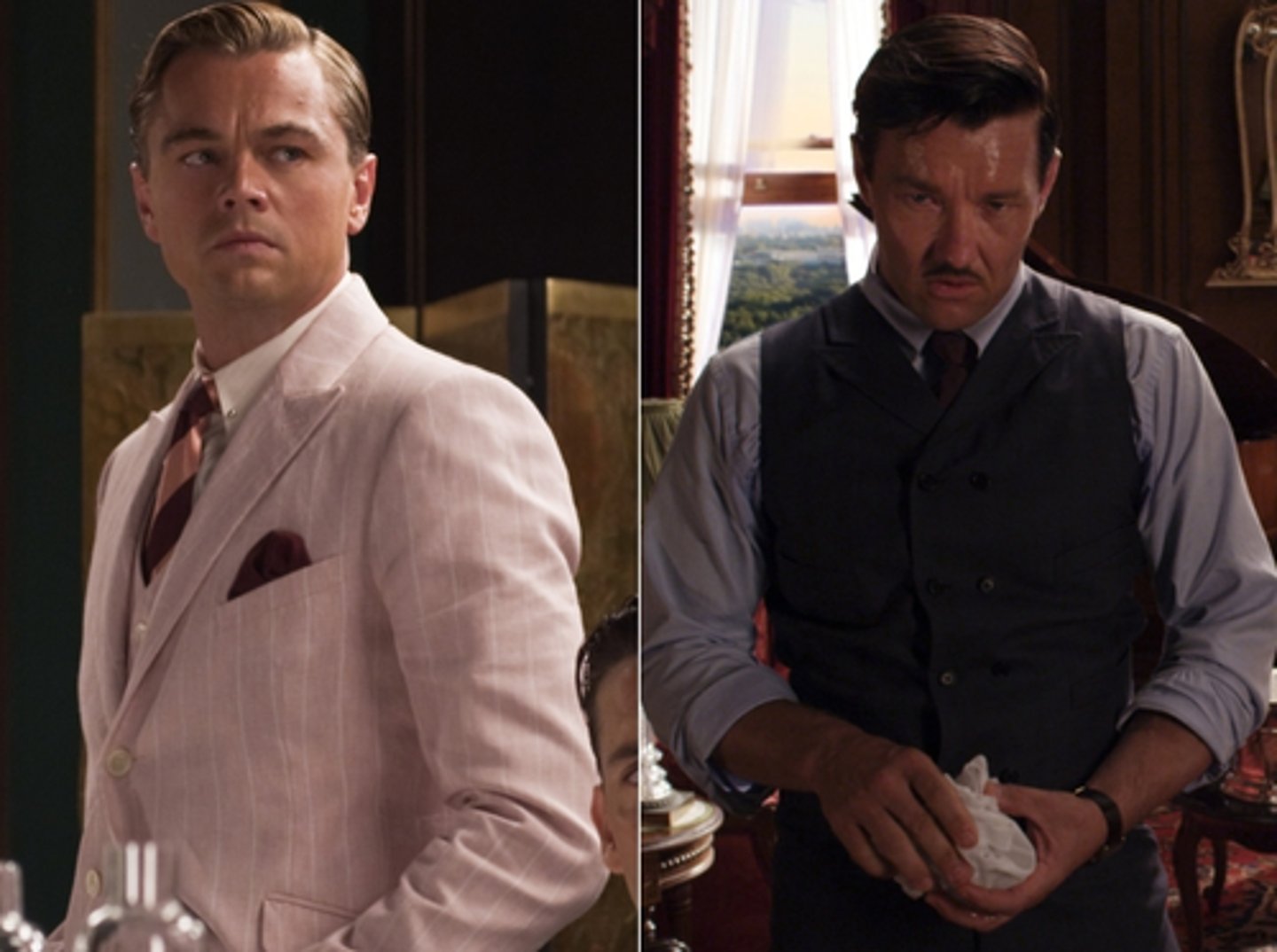
Westward Expansion
The idea that by travelling west, new opportunities can arise.
Examples include:
- The Early Puritans
- Farming settlers and Gold-diggers
- People searching for jobs in the Great Depression
- The building of railways from east to west
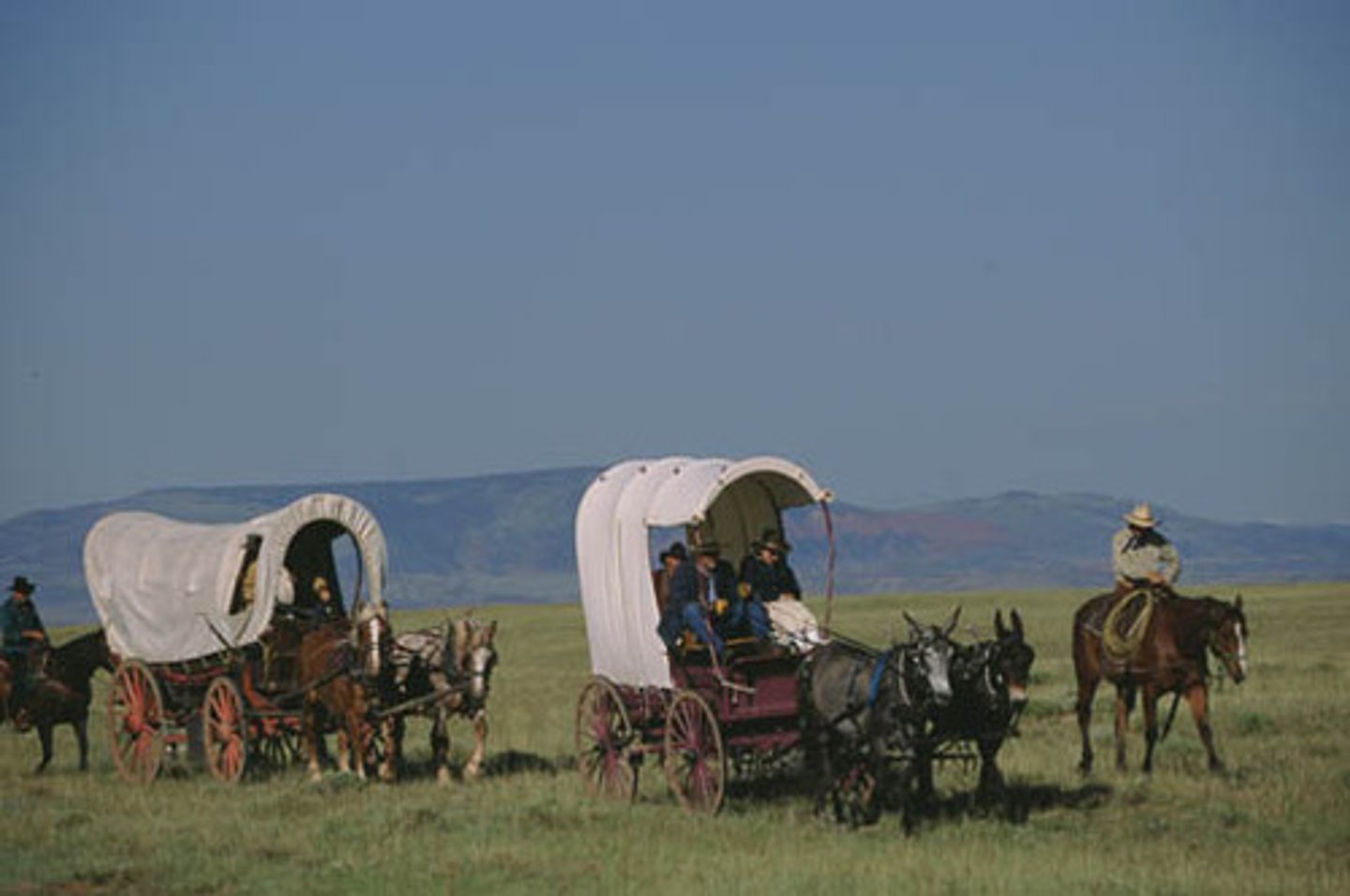
Manifest Destiny
A notion held by a nineteenth-century Americans that the United States was destined to rule the continent, from the Atlantic the Pacific.
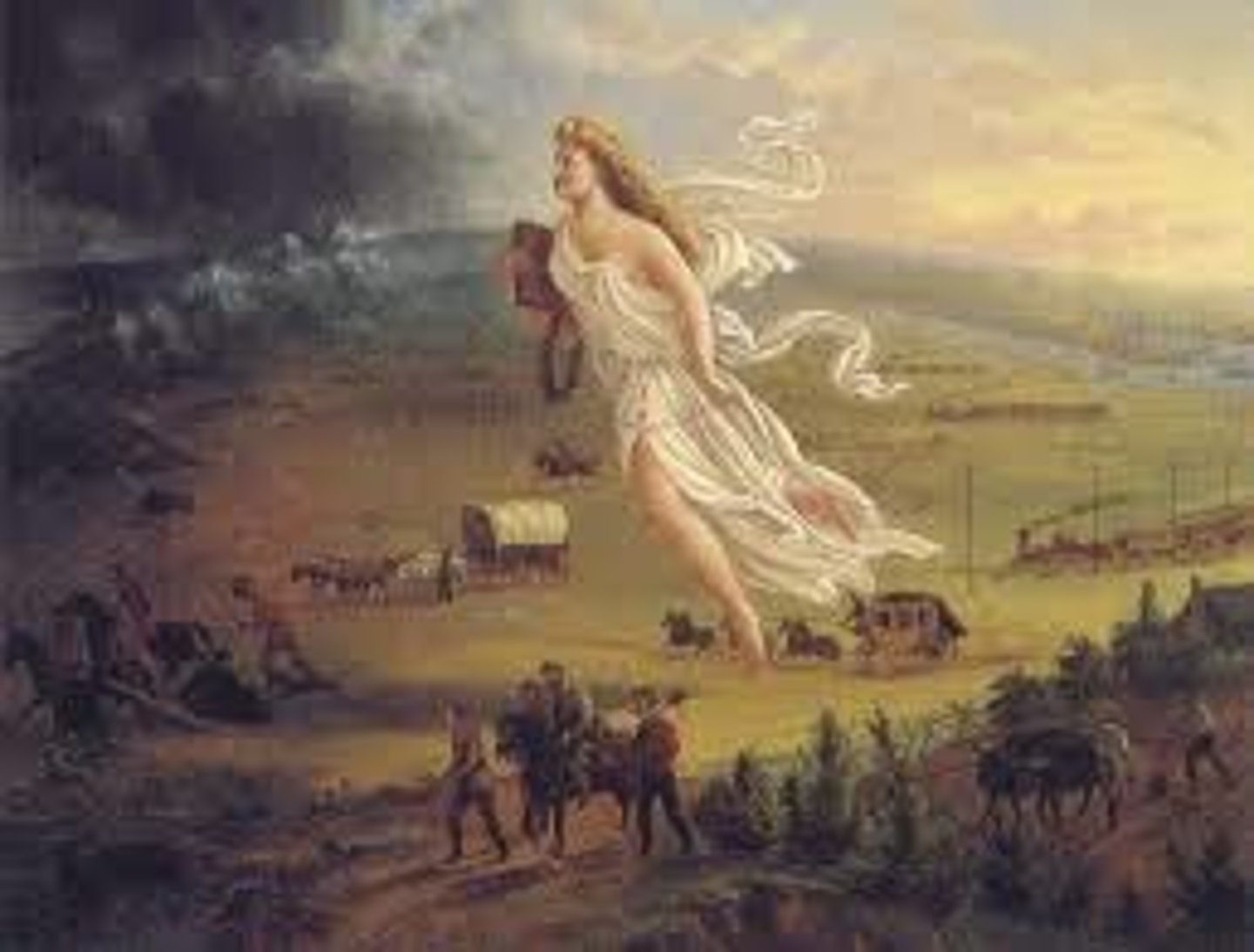
Americanism
The belief in devotion, loyalty or allegiance to the USA
It is a political idea that has been hijacked by both the Left and Right.
The Right may associate it with tradition, religion and social conservatism
The Left may associate it with multiculturalism and environmental regulation.
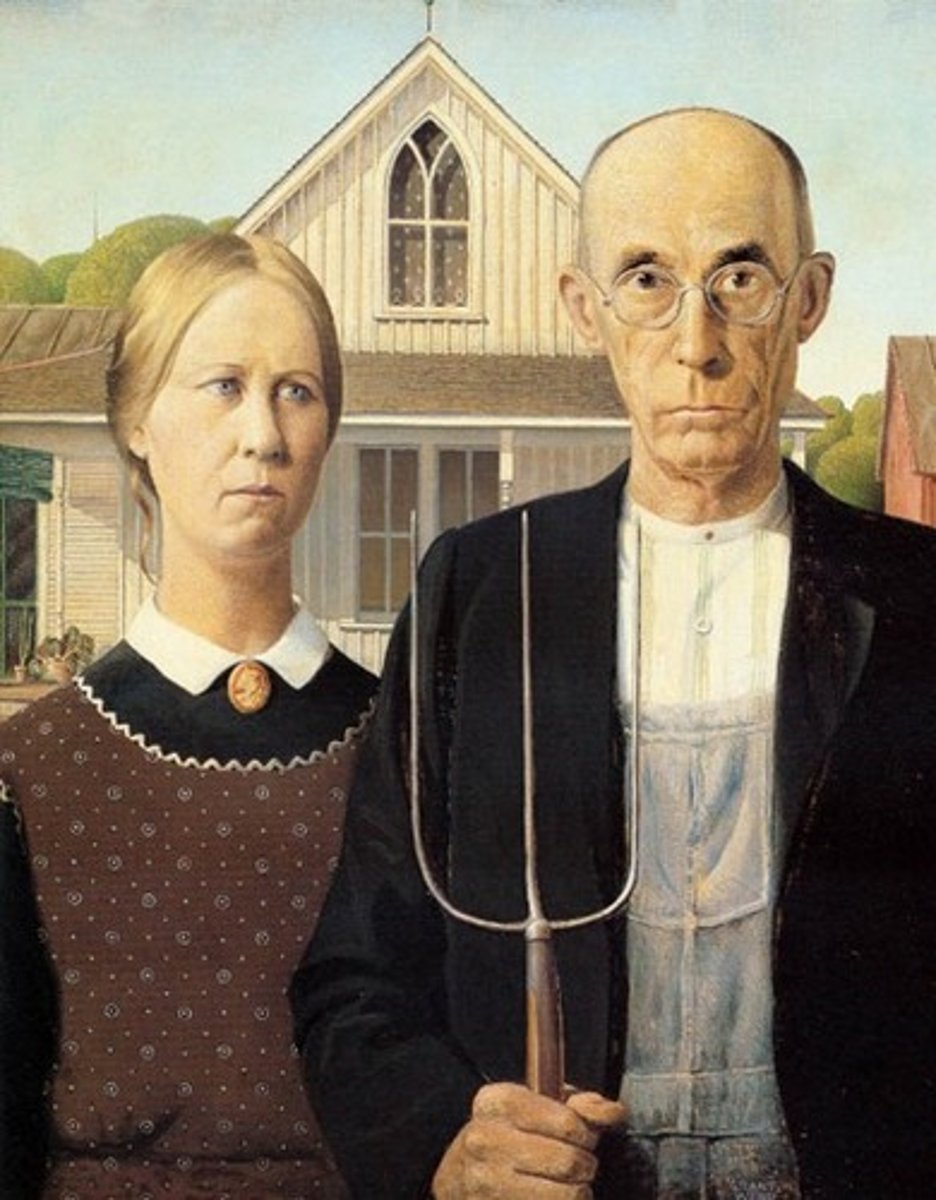
American Exceptionalism
The idea that because of America's differences to the Old World it is exempt from the laws of history that led to the downfall of other nations and because of that America is admired.

What is the counterpart to Elysian Fields in New Orleans?
In real life, Elysian Fields Avenue is a 5 mile street and acts as a mixed residential and commercial area for working class Americans. It is ironically named after the Parisian Avenue des Champs-Élysées, an elegent boulevard of shops and restaurants.
Elysian Fields could represent the 'immigration belt' of New Orleans, which was caused by the Old South migrating to the deindustrialised outskirts of New Orleans, whilst immigrant communities migrating to their old houses in search of industrial jobs.
How has the demographics of New Orleans changed as a result of industrialisation?
In the 1800s, immigrants migrated to the semi-rural peripheries, which provided the best housing that could be afforded with low-skill employment. They subsequently established social and religious institutions in these areas.
As New Orleans became more industrialised in the early 1900s, the upper-classes moved to the peripheries due to the establishment of the streetcar system, and the working class immigrant population moved into the abandoned townhomes (immigration belt) in search of work.
Eventually, New Orleans formed a large working-class population as a result of industrialisation. This was accentuated by WW2, which gave New Orleans an economic boost by converting military factories to consumer goods and reducing unemployment from the 30% during the Great Depression.
How has the demographics of New Orleans changed as a result of immigration?
As the city grew, 'Anglos' settled in the upper periphery and 'Creoles' settled in the lower periphery closer to unskilled labour and cheap land.
The festival ambience and Catholic culture of the lower periphery attracted large immigrant populations, including Eastern Europeans, Jews and emancipated African Americans etc.
Louisiana Civil Code
rules adopted from France's Napoleonic code and some Canadian and Spanish Law.
One of the most important features of the Civil Code is property law, such as how property acquired in marriage is deemed as 'Community Property' and is equally owned regardless of who spends or earns income.
When was Tennessee Williams born?
March 26, 1911
Who were Tennessee Williams' family?
Williams' father, Cornelius, was an alcoholic and a working-class shoe salesman. He neglected his paternal duties and acted as an absent father, engaging in extra-marital affairs and having a violent temper.
His mother, Edwina, was born to a higher-class family. She was locked into an unhappy marriage due to Tennessee being frail, eventually leaving Cornelius in the mid 1930s.
Williams was close to his sister Rose. As a young woman she was diagnosed with schizophrenia and in 1943 was subjected to a lobotomy that left her institutionalised for the rest of her life.
How was Tennessee Williams' childhood?
As a child, Williams nearly died from diphtheria, which left him frail and confined to his own home.
In 1918, he moved to St Louis, which he moved around 16 times in 10 years as a result of his dad's alcoholism.
As a child, he would also participate in writing competitions, getting 3rd in an essay writing competition.
How was Tennessee Williams' time at Uni?
Williams attended the University of Missouri to study journalism, although he was uninterested in his classes, instead writing his first plays and distracted by his first unrequited love.
After he failed a mandatory military training course, his father pulled him out of school put him to work at his shoe factory. His hatred of his job resulted in him writing continuously in the night and on weekends.
In 1936, he attended Washington University in St. Louis, and then transferred to the University of Iowa after not winning the school's poetry prize. He eventually graduated in English.
How was Tennessee Williams' career before Streetcar?
In the 30s, Williams struggled to gain production and an audience for his works, but was awarded a £1000 grant from the Rockefeller Association and worked for MGM film studios at a time.
Between 1944-45, he wrote the Glass Menagerie, which was awarded the best broadway play for the season, and he write A Streetcar Named Desire 2 years after which won a Pulitzer Prize.
Tennessee Williams' Relationships
Frank Merlo - In 1948 he fell in love with him and Merlo became his secretary until he died of Lung Cancer in 1963.
How is Blanche's mental deterioration illuminated by Williams' real life experiences?
Williams' had a sister who had schizophrenia and was institutionalised as a result of having a lobotomy, and Williams developed guilt for failing to prevent it and leaving her at the peak of her decline.
Williams has been through intense suffering as well, having had an abusive alcoholic father, dealing with the grief of his sister's institutionalisation and the death of Frank Merlo and having suffered a year of isolation due to developing diphtheria.
Southern Belle
A young woman of the American Deep South's upper socio-economic class. Southern belles were expected to marry respectable young men, and become ladies of society dedicated to the family and community. The 'southern belle' archetype
is characterised by southern hospitality, a cultivation of beauty, and a flirtatious yet chaste demeanor.Ho
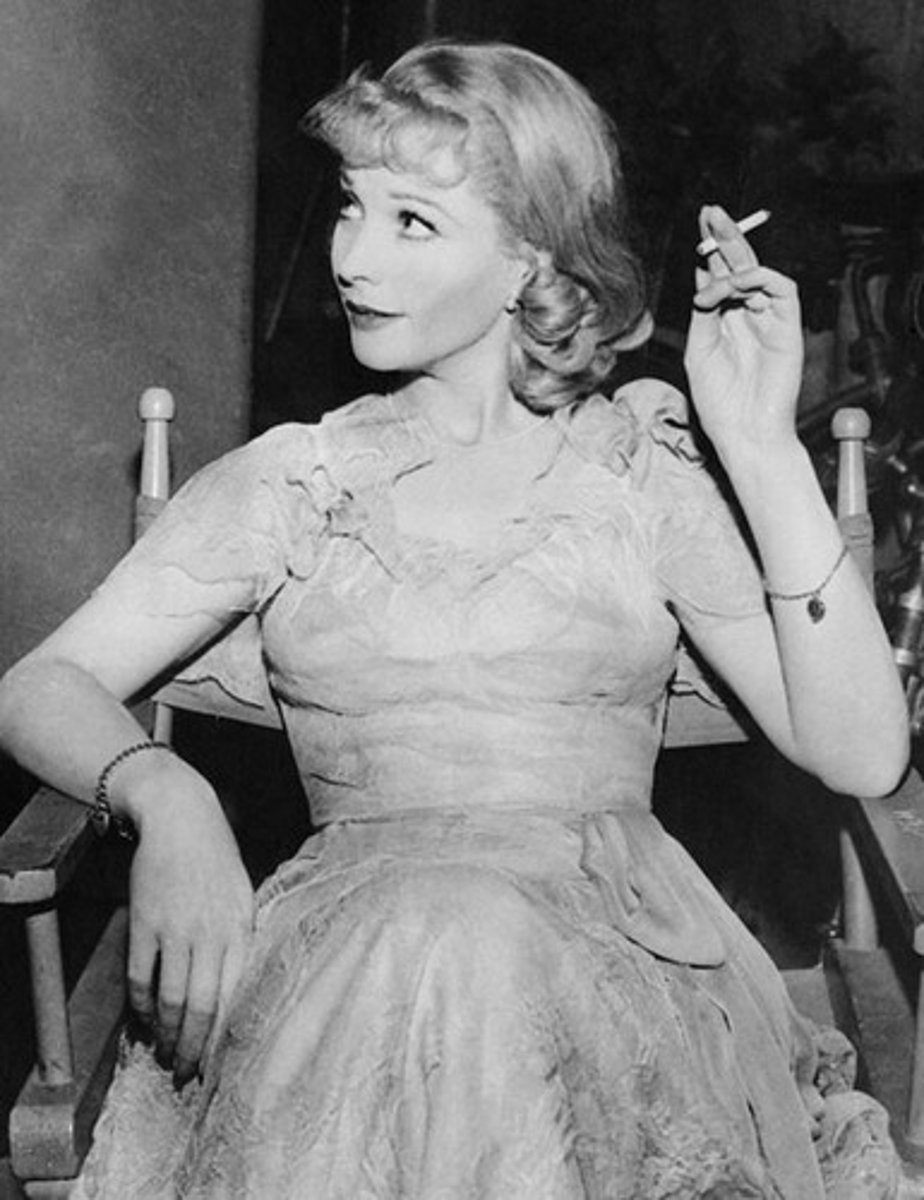
Who could be the inspiration for Blanche?
Williams' mother, who suffered abuse under his father
As well as Williams' sister, who had suffered from institutionalisation like Blanche.
Who could be the inspiration for Stanley?
Williams' father, who berated him for his effeminacy and was a heavy drinker and a gambler
Who could be the inspiration for Allan?
Williams and other homosexuals
What was the original name for a Streetcar Named Desire?
The Poker Night
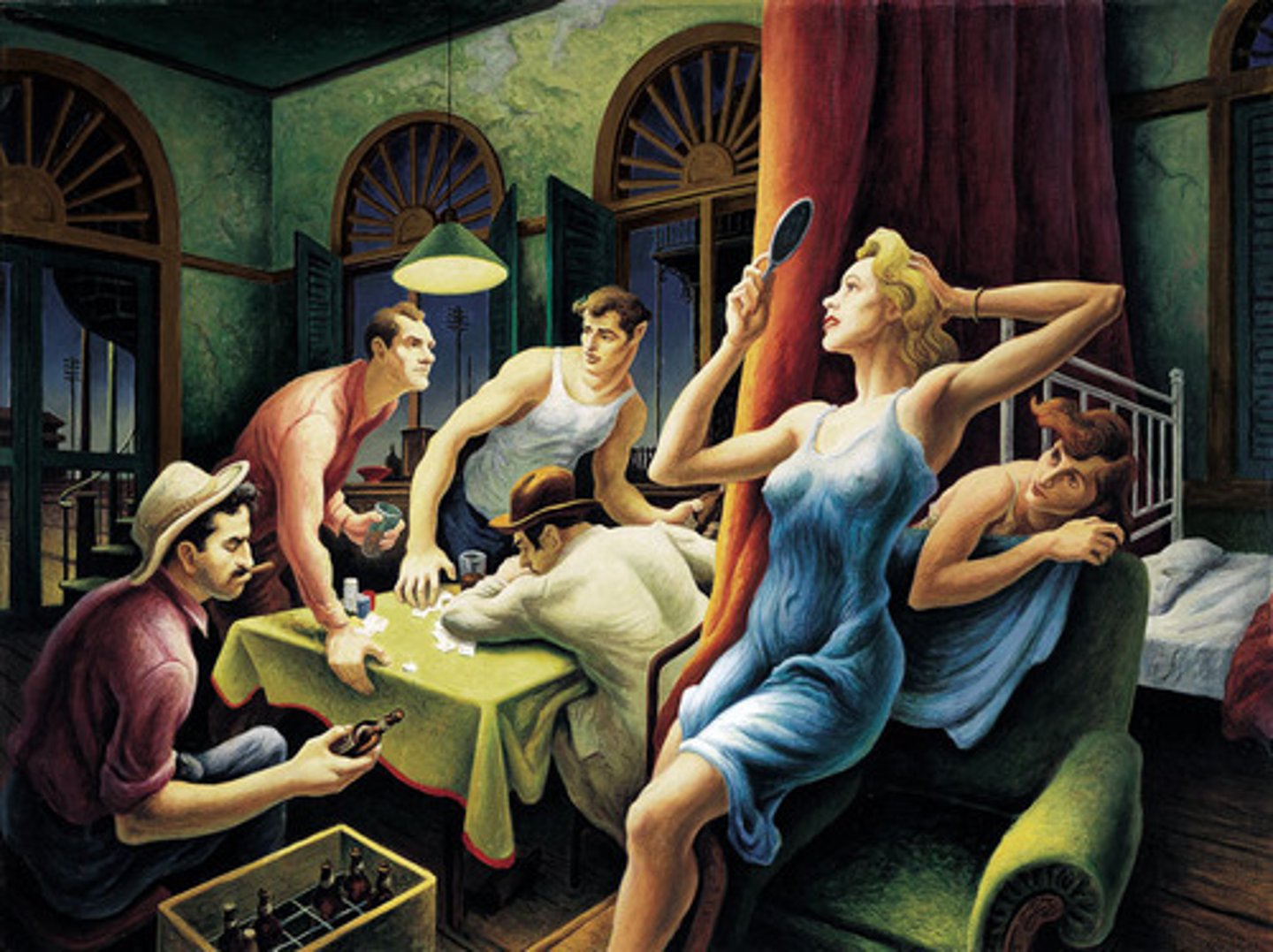
Modern Tragedy and how does it take place in A Streetcar Named Desire?
a dramatic work where the hero is often an ordinary person who faces circumstances with dignity and courage of spirit
Blanche's fatal flaw could be that she is unable to accept her changing social circumstances and her sexuality.
How is social realism reflected in A Streetcar Named Desire?
The realistic detail of New Orleans
The Apartment
The Family Drama that explores class and social relationships
Plastic Theatre
is the use of props, noises and/or stage directions to convey a blatant parallel with the characters states of mind on stage. Thus, the state of Blanche's mind, emotions, and memories converted into the stage setting. Plastic Theatre is hence symbolic, non-realist, metaphorical theatre that uses objects, musical underscoring, costumes, props and theatrical space to create an experience for the audience that suggests poetic truths. Tennessee Williams, author of Streetcar Named Desire, coined this term and used this genre.
antebellum
Belonging to a period before a war especially the American Civil War
Why may Williams have been drawn to choosing the setting as New Orleans?
Having lived in New Orleans in 1938, Williams knew of its socially liberal and sexually-liberal ethos, compared to the rest of the American South that was the opposite.
This would provide provide the metaphor for Old vs. New Money in America and would allow Williams to portray a progressive message.
How did dating and marriage norms change after WW2?
Because 250,000 men died in WW2, the NYT predicted that 750,000 women who wanted to marry would live alone, to the point where Esquire made a half-serious article adovcating for polygamous marriage.
This all created a pressure for women to marry that consequently caused marriage rate to climb and the average age of marriage to decrease.
How were attitudes to Morality and Sexuality in the 1940s-50s?
American Society valued 'going steady' and promiscuity was throwned upon.
How did attitudes to homosexuality shape Williams' plays?
At the time, homosexuality was illegal but tolerated in some places such as New Orleans.
Although Williams declared, 'I am not about to limit myself to writing about gay people', he did include themes of homosexuality in his plays.
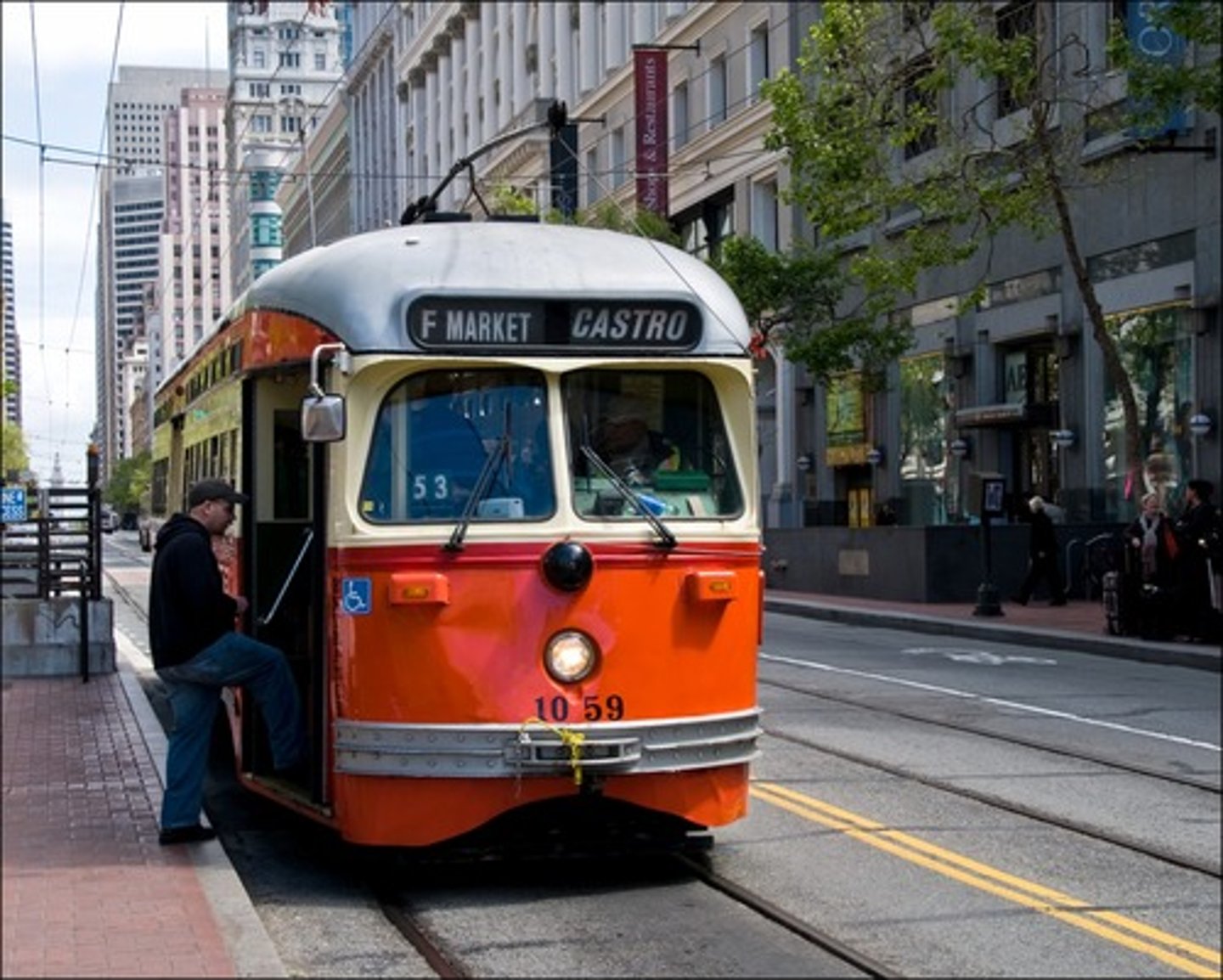
How were Streetcars like in New Orleans?
In New Orleans, streetcars were segregated by race, with 'Star Cars' being designated for African Americans, however they were often crammed with white people regardless.
A standard fare was cheap at 75 cents a ride and was limited to a circular/linear track in the middle of the street
Streetcars were used out of convenience and cost for work-related reasons mostly.
In New Orleans, there is an actual Streetcar named 'Desire' which follows a predestined route like the play.