Microbiology Exam 4: Chapter 17
 Studied by 2 people
 Call Kai
 Learn
Learn Practice Test
 Spaced Repetition
 Match
Match Flashcards
 Knowt Play
1/88

Earn XP
Description and Tags
Overview of Infectious Diseases
Name | Mastery | Learn | Test | Matching | Spaced |
|---|
No study sessions yet.
89 Terms
Microbial intoxications, infectious diseases
Pathogens cause 2 general categories of diseases
Infectious diseases
diseases that are caused by pathogens following colonization of some body site
skin
Epidermis and Dermis relates to infectious diseases of the __________
skin
Dermatitis relates to infectious diseases of the __________
skin
Sebaceous glands relates to infectious diseases of the __________
skin
Folliculitis relates to infectious diseases of the __________
skin
Sty/styes relates to infectious diseases of the __________
skin
Furuncle relates to infectious diseases of the __________
skin
carbuncle relates to infectious diseases of the __________
macule
carbuncle that is a circumscribed alteration in skin color.
Skin surface is neither elevanted nor depressed.
May be of any size or color
patch, 2
a macule greater than _cm in diameter
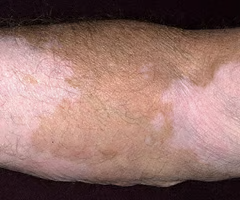
papule
solid, elevated lesion with no visible fluid
may be up to 1/2cm in diameter
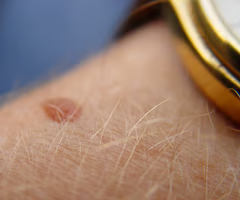
Pustule
circumscribed elevation of the skin that contains a purulent exudate that may be white, yellow, or greenish-yellow in color
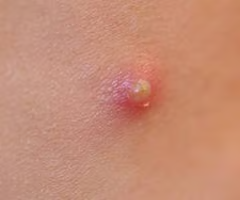
Vesicles
Circumscribed epidermal elevations in skin containing clear fluid
less than 1/2cm in diameter
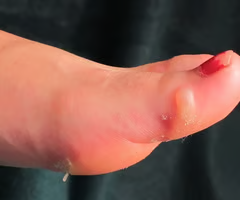
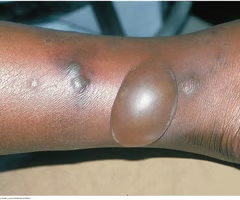
bulla, 1/2
lesions with diameter greater than __cm
eustachian tube, external ear canal, blood/lymph
three pathways for pathogens to enter the ear
otitis media
infection of the middle ear
otitis externa
infection of the outer ear canal
eyes
conjunctiva relates to infectious diseases of the __________
keratitis
inflammation of the cornea
conjunctivitis
inflammation of the conjunctiva (clear membrane that lines eyelid and white part of eye)
keratoconjunctivitis
the inflammation of both the cornea and the conjunctiva
URT
the paranasal sinuses are part of the
URT
nasopharynx is part of the
URT
oropharynx is part of the
URT
epiglottis is part of the
URT
larynx is part of the
LRT
trachea is part of the
LRT
bronchial tubes are part of the
LRT
alveoli of the lungs are part of the
indigenous microflora
____ of the URT may cause opportunistic infections of the respiratory system
LRT infections
most common cause of death from infectious diseases
respiratory system
bronchitis relates to the _
respiratory system
bronchopneumonia relates to the _
respiratory system
epiglottis relates to the _
respiratory system
larynitis relates to the _
respiratory system
pharyngitis relates to the _
respiratory system
pneumonia relates to the _
respiratory system
sinusitis relates to the _
varies
microflora of the mouth ______ from one person to another
300
microflora in mouth consists of about __ identified species of bacteria, both aerobes and anaerobes
stomach and duodenum
most microorganisms in GI tract are destroyed in the _
GI tract
colitis relates to the _
GI tract
diarrhea relates to the _
GI tract
dysentery relates to the _
Gi tract
enteritis relates to the _
GI tract
gastritis relates to the _
GI tract
gastroenteritis relates to the _
GI tract
hepatitis relates to the _
genitourinary
GU system
G.U =
upper UTIs
infections of kidneys and ureters
lower UTIs
infections of bladder, urethra, and prostate
GU system
cystitis relates to the _
GU system
nephritis relates to the _
GU system
ureteritis relates to the _
GU system
urethritis relates to the _
GU system
prostatitis relates to the _
GU system
pylonephritis relates to the _
GU system
gomerulonephritis relates to the _
E. coli
most common cause of cystitis
Chlamydia trachomatis
most common cause of urethritis
E. coli
most common cause of pyelonephritis
genital tract
bartholinitis relates to infectious diseases of the _
genital tract
cervicitis relates to infectious diseases of the _
genital tract
endometritis relates to infectious diseases of the _
genital tract
pelvic inflammatory diseases (PID) relates to infectious diseases of the _
genital tract
vaginitis relates to infectious diseases of the _
genital tract
vulvovaginitis relates to infectious diseases of the _
CAN
STDs ________ include diseases of not only genital and urinary tracts, but other body areas as well (skin, mucous membranes)
cardiovascular system
heart and various vessels
lymphatic system
lymphatic vessel, lymphoid tissue, and lymph
cardiovascular system
endocarditis relates to infectious diseases of the _
cardiovascular system
myocarditis relates to infectious diseases of the _
cardiovascular system
pericarditis relates to infectious diseases of the _
sterile
blood is normally ________
lymphatic system
lyphadenitis relates to infectious diseases of the _
lymphatic system
lymphadenopathy relates to infectious diseases of the _
lymphatic system
lyphangitis relates to infectious diseases of the _
CNS
brain and spinal cord and 3 membranes
PNS
nerves that branch from the brain and spinal cord
no
are there indigenous microflora of nervous system?
CNS
encephalitis relates to infectious diseases of the _
CNS
encephalomyelitis relates to infectious diseases of the _
CNS
meningitis relates to infectious diseases of the _
CNS
meningoencephalitis relates to infectious diseases of the _
CNS
myelitis relates to infectious diseases of the _
H. influenza, N. meningitidis, S. pneumoniae
3 major causes of bacterial meningitis
opportunistic pathogens
microbes that usually do not cause disease, but have the potential to cause disease under certain conditions
common opportunistic infections
Aspergilliosis and other mould infs are ______________