Reduction of 9‑Fluorenone and Aldol Condensation
 Call Kai
 Learn
Learn Practice Test
 Spaced Repetition
 Match
Match Flashcards
 Knowt Play
1/30

Earn XP
Description and Tags
A set of flashcards covering the key concepts and processes involved in the reduction of 9-fluorenone and aldol condensation.
Name | Mastery | Learn | Test | Matching | Spaced | Call with Kai | Chat |
|---|
No analytics yet
Send a link to your students to track their progress
31 Terms
What functional group do you start with in the reduction of 9‑fluorenone?
A ketone.
What functional group is formed after the reduction of 9‑fluorenone?
An alcohol.
What type of reagent performs the reduction of 9‑fluorenone?
A hydride reducing agent.
What ion do hydride reducing agents deliver?
Hydride ion (H⁻).
Name two common hydride reducing agents.
Sodium borohydride (NaBH₄) and lithium aluminum hydride (LiAlH₄).
Which reducing agent is compatible with methanol?
Sodium borohydride (NaBH₄).
Why is LiAlH₄ incompatible with methanol?
It is too reactive because aluminum holds its electrons less tightly.
Why is NaBH₄ considered a weaker reducing agent?
It cannot reduce all functional groups, such as esters.
What is the initial product formed when NaBH₄ reacts with a ketone?
A boroxide salt.
What is the final product after workup in the 9‑fluorenone reduction?
The alcohol (9‑fluorenol).
What color change indicates successful reduction of 9‑fluorenone?
Bright yellow → bright white.
Why must NaBH₄ be added quickly during the reaction setup?
Humidity slowly degrades NaBH₄.
What IR change confirms the reduction of 9‑fluorenone?
Disappearance of the ketone peak and appearance of a narrow O–H peak.
What yield is typical for the 9‑fluorenone reduction?
Most students get ~50%, though ~70% is possible.
What two features are required for an aldol condensation?
A carbonyl group and an alpha proton.
What is the pKa of an alpha proton in a carbonyl compound?
About 18–20.
Why are alpha protons more acidic than alkene hydrogens?
Resonance stabilization of the enolate.
What base is commonly used to remove the alpha proton in aldol condensation?
NaOH.
What species is formed after deprotonation of the alpha carbon?
An enolate with a nucleophilic carbon.
What does the enolate attack during aldol condensation?
An electrophilic carbonyl carbon.
What new bond is formed during aldol condensation?
A carbon–carbon bond.
What products result from aldol addition?
β‑hydroxyaldehydes or β‑hydroxyketones.
What complication arises when reacting acetaldehyde with propanal?
Multiple enolates and multiple carbonyls can form.
What yield is typical for aldol condensation?
Most students get 40–50%, though 70–75% is possible.

9-flor mechanism

Fluorenol IR

Fluorene IR

Aldol mechanism
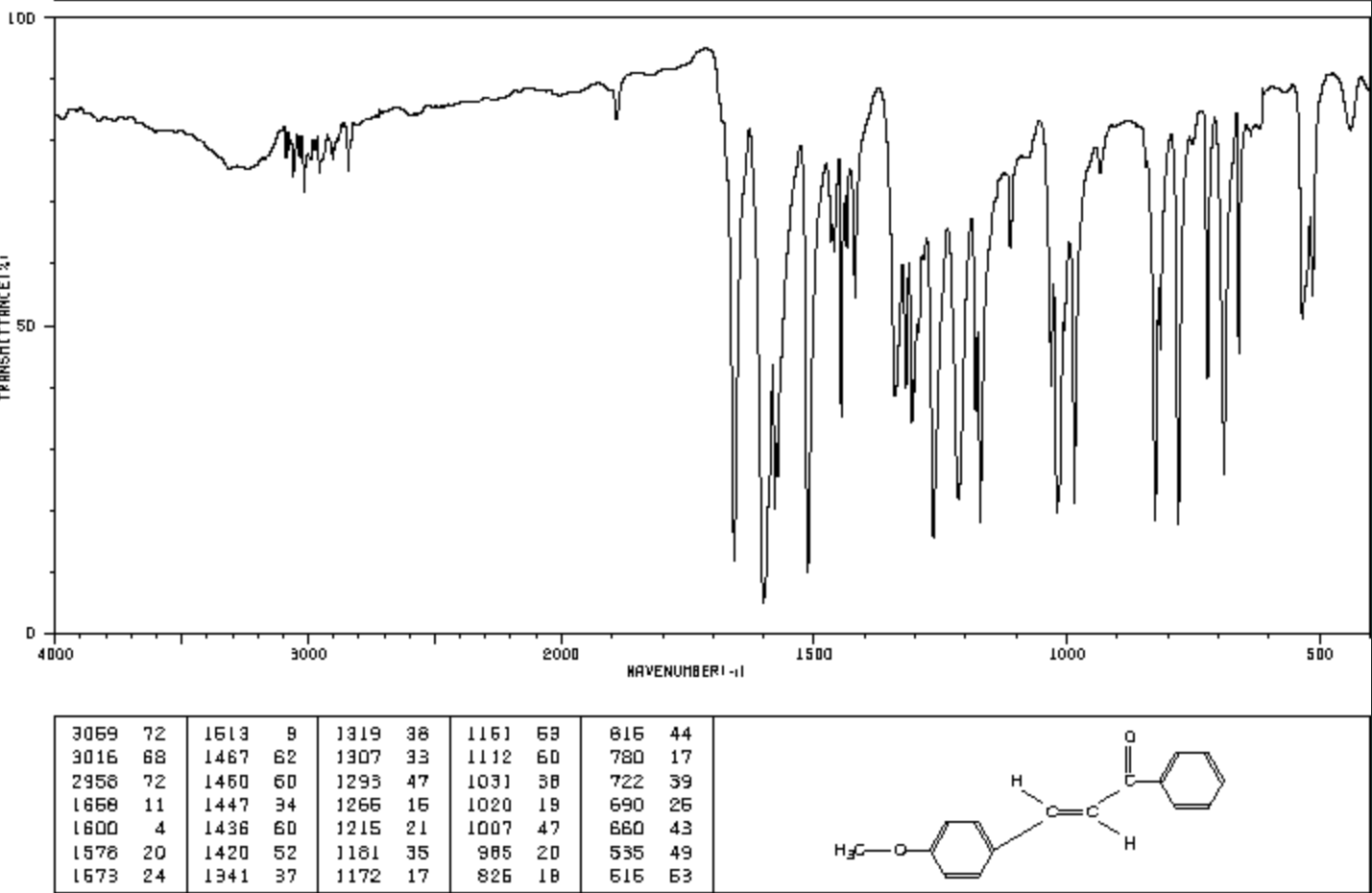
trans-p-Anisalacetophenone IR

Acetophenone IR
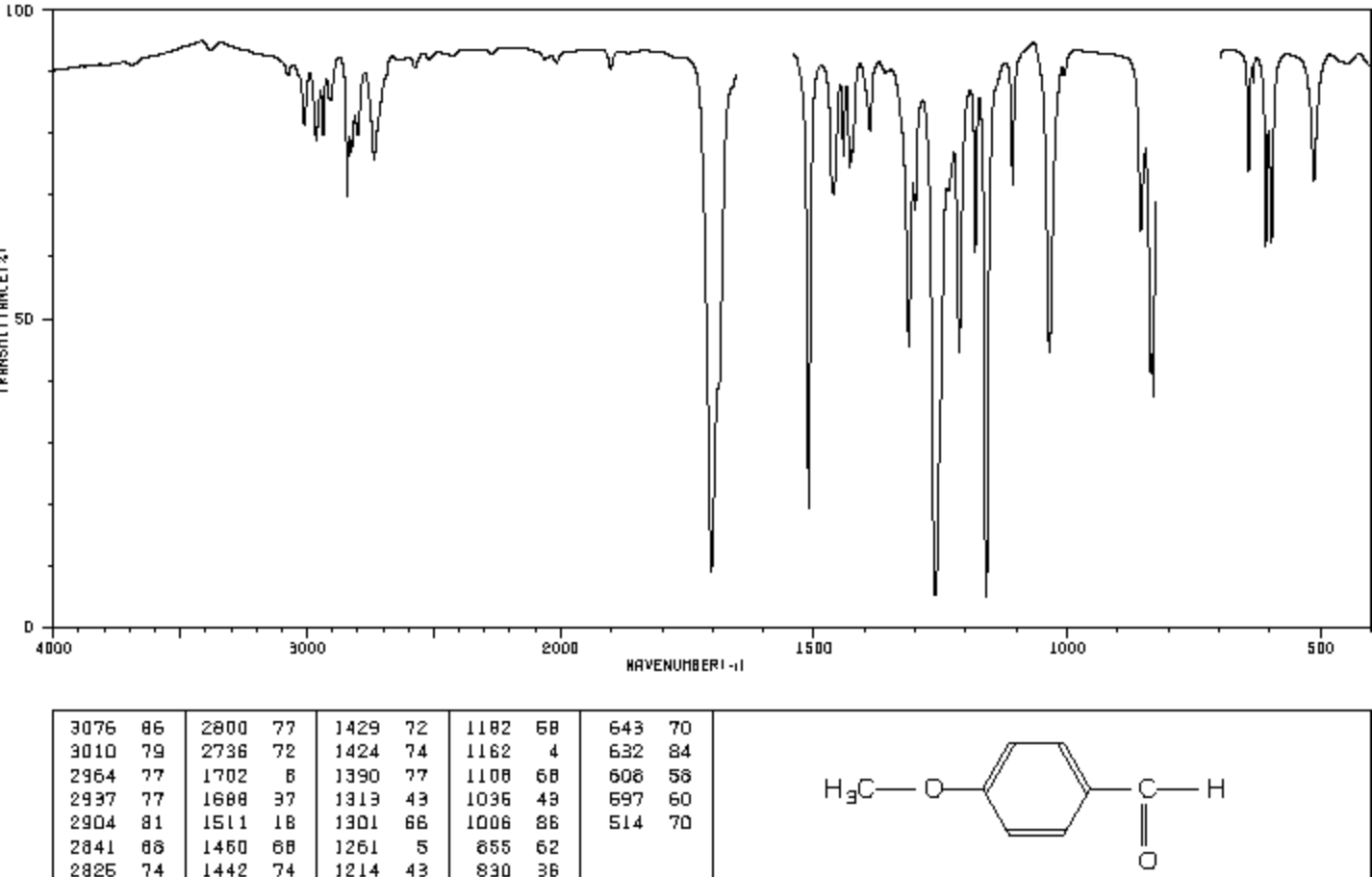
P-Anisaldehyde