Lecture 9: Social influences on health and environmental behaviours
 Studied by 0 people
 Call Kai
 Learn
Learn Practice Test
 Spaced Repetition
 Match
Match Flashcards
 Knowt Play
1/38

There's no tags or description
Looks like no tags are added yet.
Name | Mastery | Learn | Test | Matching | Spaced |
|---|
No study sessions yet.
39 Terms
pro-environmental behaviours
-purposeful action or behaviour that can reduce negative impact on the environment
pro-health behaviours
-purposeful action or behaviour that can reduce negative impact on health
-promote these behaviours to promote health, well-being, quality of life, longevity
social influences
-changes in thoughts, feelings, attitudes or behaviours that result from interaction with another individual or group
-engagement in health and pro-environmental behaviours are influenced by others
different types of social influences
-modelling
-social norms
-social facilitation
-group pressures
-social support
Larsen - method (modelling alcohol intake)
-naturalistic bar setting
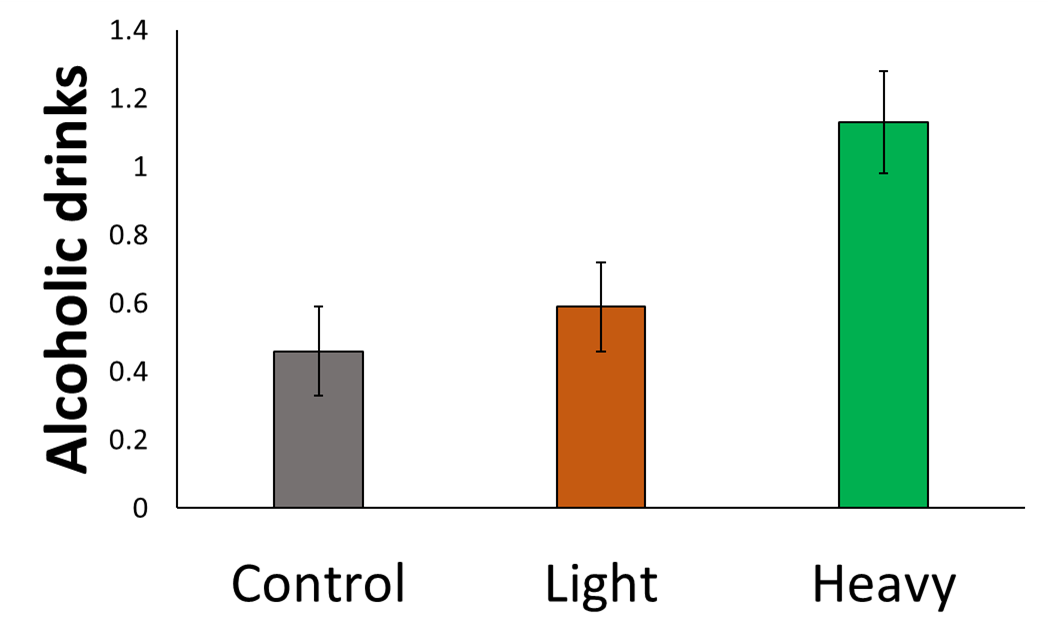
-DV is alcoholic drinks consumed
-confederate ordered first and drank either:
control → two fizzy drinks
light drinking → one alcoholic drink and two fizzy drinks
heavy drinking → three or four alcoholic drinks
Larsen - results (modelling alcohol intake)
-participants in the heavy condition consumed significantly more alcohol compared to participants in the control and light drinking conditions
eating behaviours (modelling and other health behaviours)
-review reported that social modelling influenced food choice or food intake
-studies used live confederates or remote confederates
moderators of social modelling
-effect of social influences can vary depending on:
high need for social acceptance → low self-esteem and high empathy associated with greater modelling
body weight → greater modelling if the social other is the same weight as the participant
explanations for social modelling
social approval
informational influence
automatic mimicry
social approval (explanations for social modelling)
-conformity to a social model is more pronounced when concerns about affiliation are increased
informational influence (explanations for social modelling)
-others provide a point of reference for appropriate behaviours
automatic mimicry (explanations for social modelling)
-mimic and conform to those with whom we identify, communicating liking and a desire to affiliate
social norms
-unwritten rules about how to behave
descriptive social norms
-perceptions about what other people tend to do
injunctive social norms
-perceptions of what others approve of
prescriptive social norms
-focus on what others do or approve of doing
proscriptive social norms
-focus on what others do not do or do not approve of doing
delivery of social norms
-social norms marketing
-personalised normative feedback (PNF)
Goldstein - method (descriptive norms and hotel towel use)
-DV was towel reuse → reused or not reused
-two conditions:
focus on the environment, helping nature
descriptive norm message → focus on other guests reusing towels, “75% of other guests participate in savings program by using towels more than once”
Goldstein - results (descriptive norms and hotel towel use)
-a descriptive norm message increased towel reuse compared to a control message
-similar effects found for other pro-environmental and health behaviours
social norms and student binge drinking
-inaccurate perceptions:
students overestimate how much peers drink and peer support for drinking
drives problematic drinking behaviour
-social norms widely developed and applied to reduce problematic student drinking
Smith - method (descriptive norms and problematic drinking)
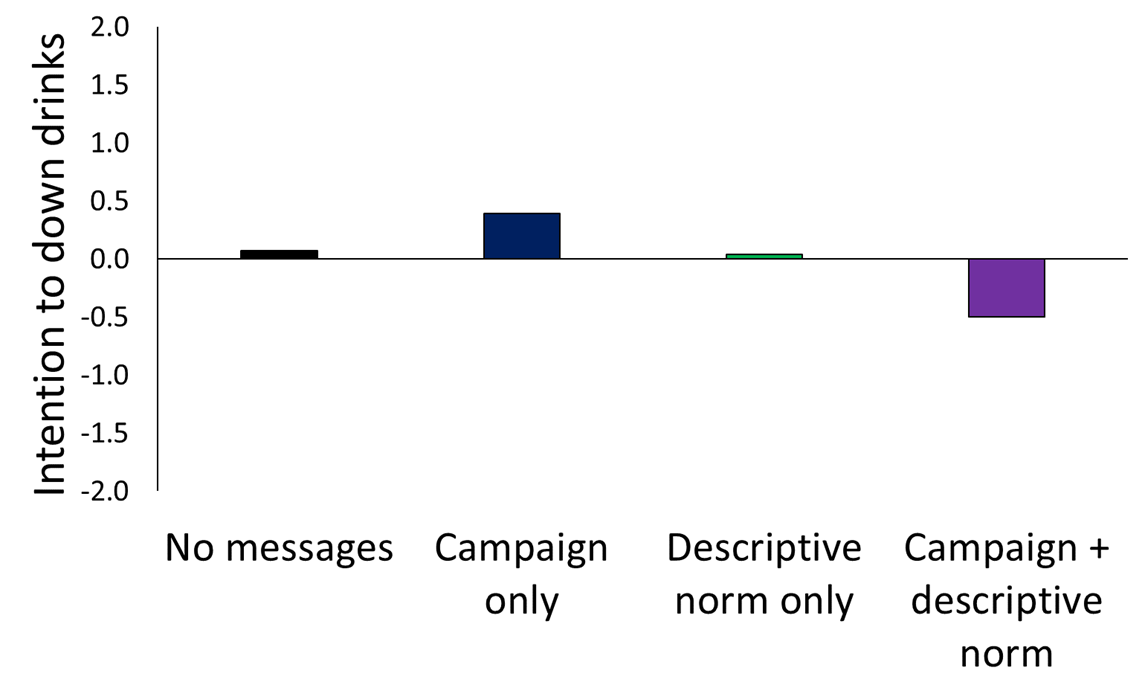
-students allocated to 1 of 4 conditions:
no messages
campaign only → “think before you drink”
descriptive norm only → “65% of students at this University do not down drinks on a night out”
campaign + descriptive norms
-DV was intentions to down drinks
Smith - results (descriptive norms and problematic drinking)
-campaign + descriptive norm messaging reduced intentions to down drinks in students
limitations of Smith (descriptive norms and problematic drinking)
-measured intentions, no measure of actual downing behaviour (intention behaviour gap)
-no data collected on participants’ individual alcohol intake
-however, experimental design did establish effect of descriptive norms
Patel - method (descriptive norms to encourage sustainable diets)
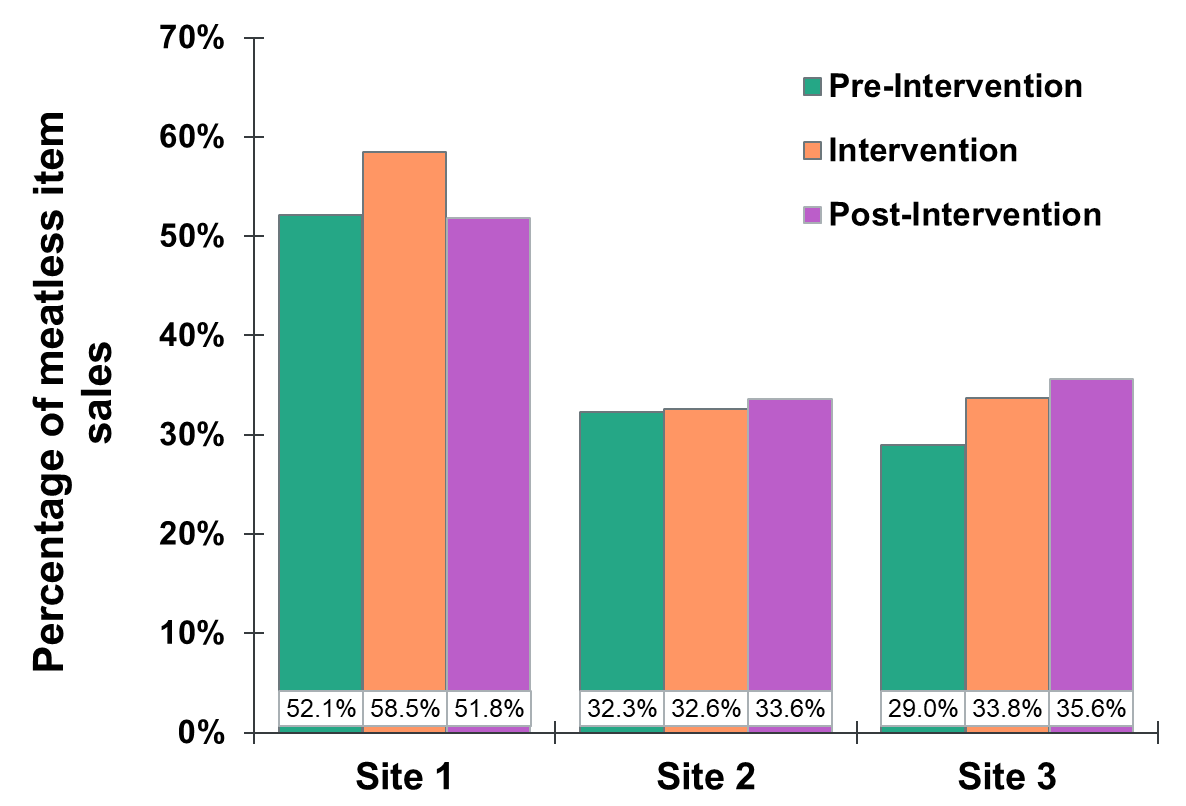
-pre/post intervention design at 3 university food outlets
-pre-intervention 1 week, intervention 1 week, post-intervention 1 week
“most staff and students here have reduced or stopped consuming meat for health, environmental or animal welfare reasons”
-measures → proportion of meat/meat-less food purchases
Patel - results (descriptive norms to encourage sustainable diets)
-no significant differences were found
-aligns with other findings whereby descriptive social norms are not always effective
personalised normative feedback (PNF)
-compares individual perceived norms to true norms
-applied to descriptive and injunctive
Reid - method (injunctive norms and sun protection)
-measured → baseline, intervention, 4-weeks post-intervention
-intentions “I plan to stay in the shade as much as possible when I am outside”
-self-reported sun protection behaviours
perceptions that other women thought tanned skin was perceived as positive was overestimated
perceptions about support to use sun cream was underestimated
Reid - results (injunctive norms and sun protection)
-immediately post-test → participants in the injunctive norm condition reported greater intentions to engage in sun protective behaviour compared to control
-4 weeks follow-up → injunctive group still had stronger intentions to engage in sun protective behaviour and self-reported more use of sun hats compared to the control group
reasons for effectiveness of descriptive norms
-guide on the appropriate way to act
-tend to be more effective in unfamiliar or ambiguous situations
reasons for the effectiveness of injunctive norms
-enable affiliation with social group
boomerang effect
-unintended negative consequences of social norm messages
-engagement in the targeted desired behaviours reduces for some individuals after the social norm message intervention
reasons for boomerang effect
realise an undesirable behaviour is more common than realised
individuals who already engage in the desirable behaviour reduce it to avoid being a sucker to free-riders
Schultz - method (social norms and boomerang effect)
-low and high energy users
-half received a descriptive norm message about neighbourhood energy use
-half receive a descriptive norm message with either good or bad faces (injunctive norm) depending on if they were low or high energy users
-DV was subsequent household energy use
Schultz - results (social norms and boomerang effect)
descriptive norm condition → observe boomerang effect → increase in energy usage in households that were low-energy before descriptive norm message
descriptive and injunctive norm condition → low energy users do not get boomerang effect, continue to use less energy
-so combining descriptive and injunctive norm messaging can prevent boomerang effect because rewarding good behaviour
implication of boomerang effect for interventions
-social norm message-based interventions need to be designed with care to avoid boomerang effects
-message framing:
praise those who engage in the behaviour rather than risk resentment
avoid inadvertently promoting an undesirable behaviour
-target only those who do not engage in the desired behaviour
shared group membership
-influence of group norms are stronger if the individuals identify with the referent group
-group membership can also explain reactance against group norms if the group norm made salient is from an undesirable outgroup
-care is needed to ensure group norm is desirable when forming interventions
focus theory of normative conduct (theoretical approaches)
-motives for conforming:
informational
social approval
positive self-image
theory of normative behaviour (theoretical approaches)
-influence of descriptive norms is moderated by injunctive norms, group membership, behaviour identification and outcome expectations