Final - 232 Lab - Reproductive System
 Call Kai
 Learn
Learn Practice Test
 Spaced Repetition
 Match
Match Flashcards
 Knowt Play
1/75

There's no tags or description
Looks like no tags are added yet.
Name | Mastery | Learn | Test | Matching | Spaced | Call with Kai | Chat |
|---|
No analytics yet
Send a link to your students to track their progress
76 Terms
TERMS - FEMALE
Ovary
Primordial follicle*
Mature follicle*
Oocyte*
Granulosa cells*
Thecal cells*
Antrum*
Corpus luteum*
Corpus albicans
Suspensory ligament
Uterine tube
Fimbriae
Uterus
Endometrium
Myometrium
Cervix
Cervix - Os
Cervix - Pap smear
Broad ligament
Round ligament
Vagina - Rugae
Mons pubis
Urethral opening
Clitoris
Bulb of vestibule (corpus spongiosum*)
Glands clitoris*
Corpus cavernosa*
Clitoral hood (prepuce)
Great vestibular glands*
Labia minora
Labia majora*
MALE
Scrotum*
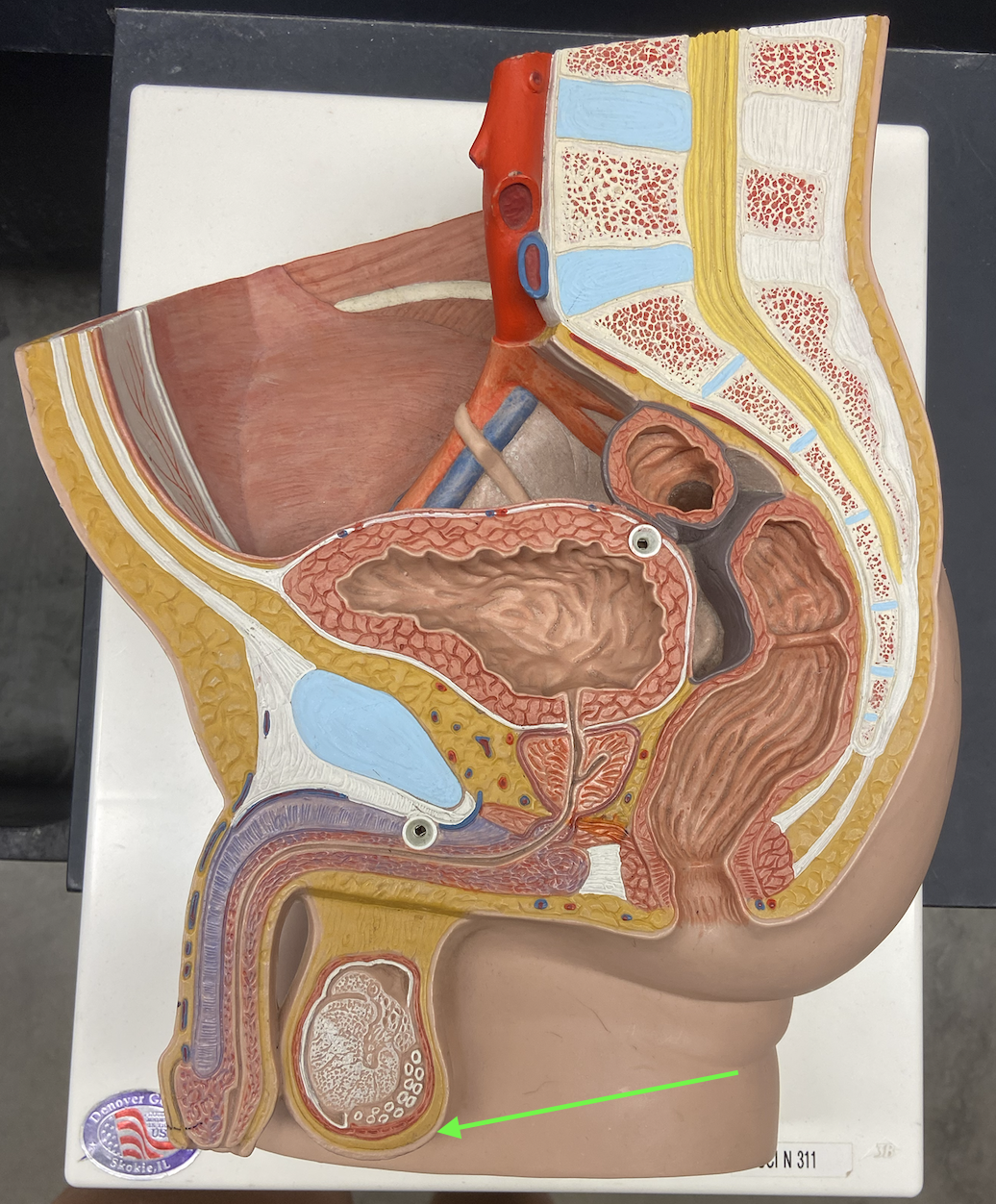
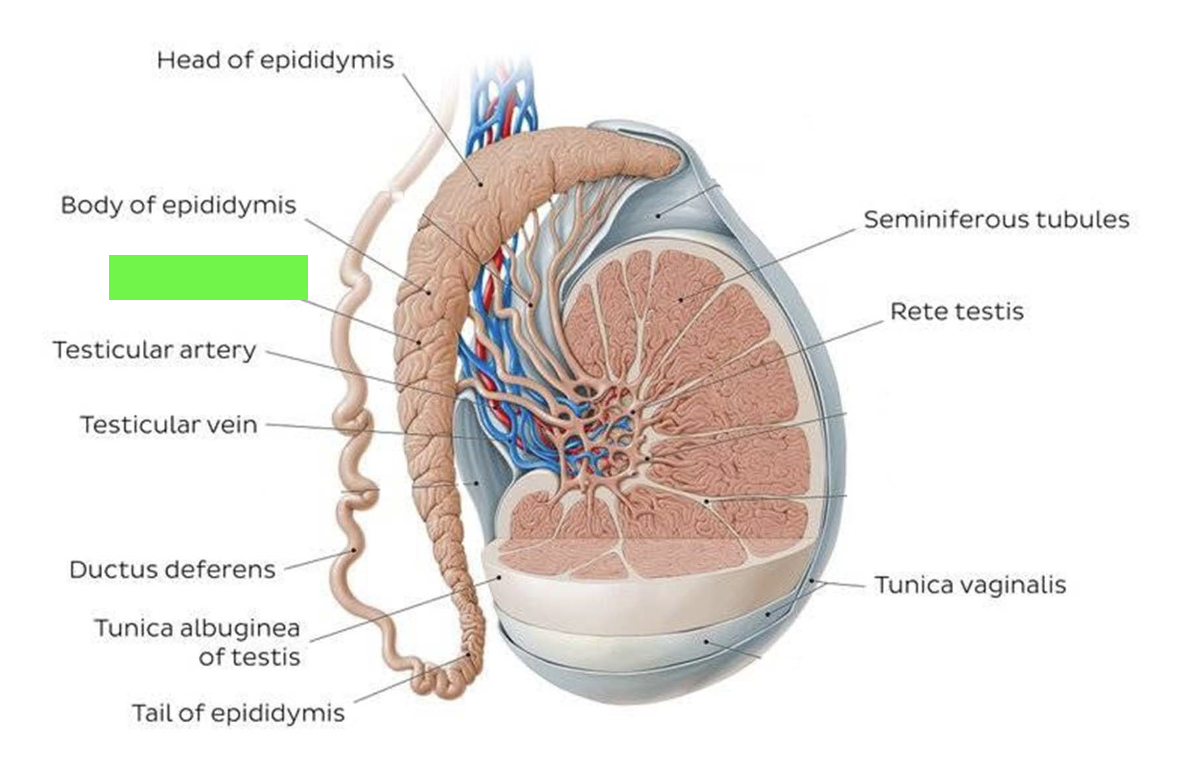
Testis*
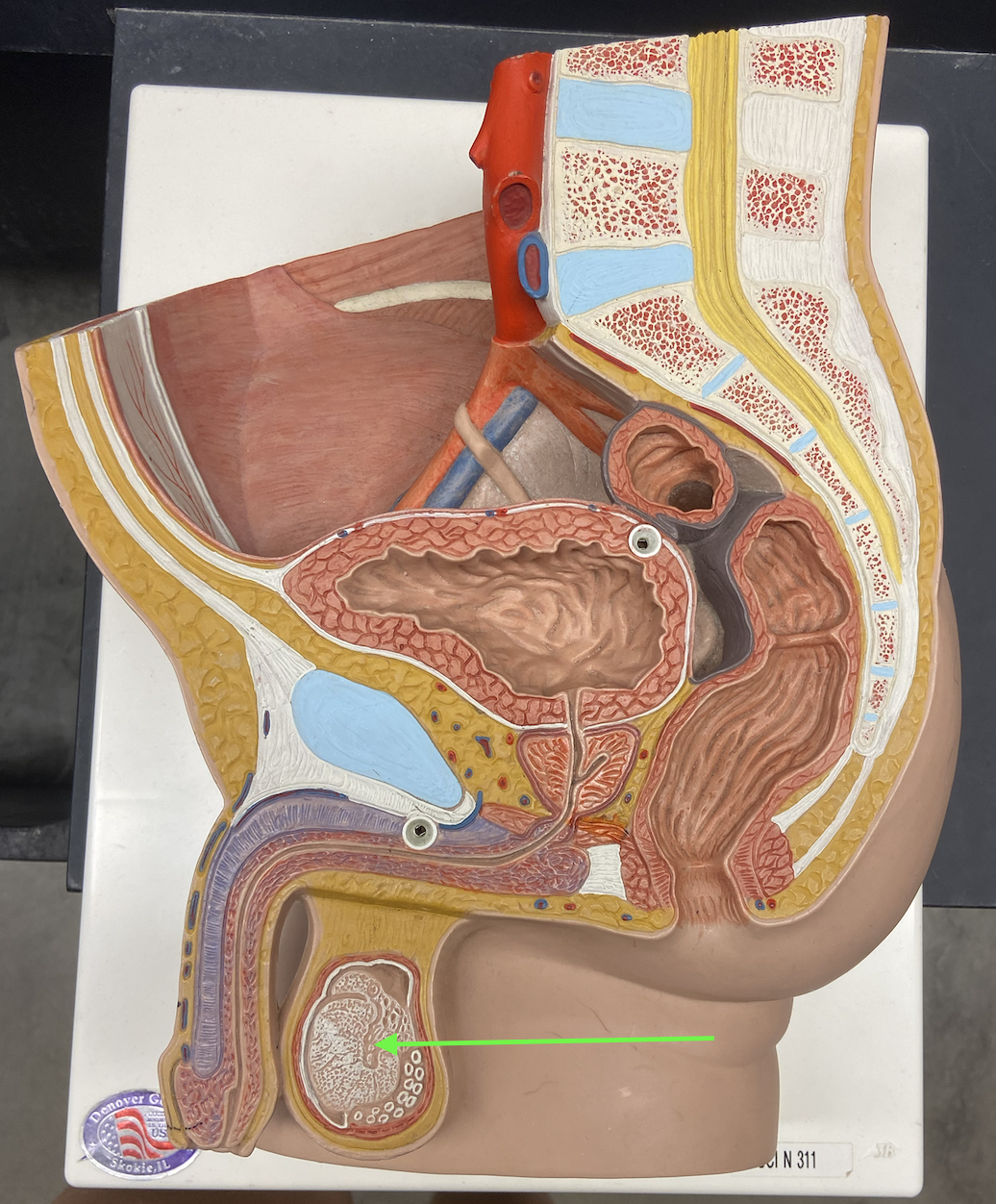
Seminiferous tubule*
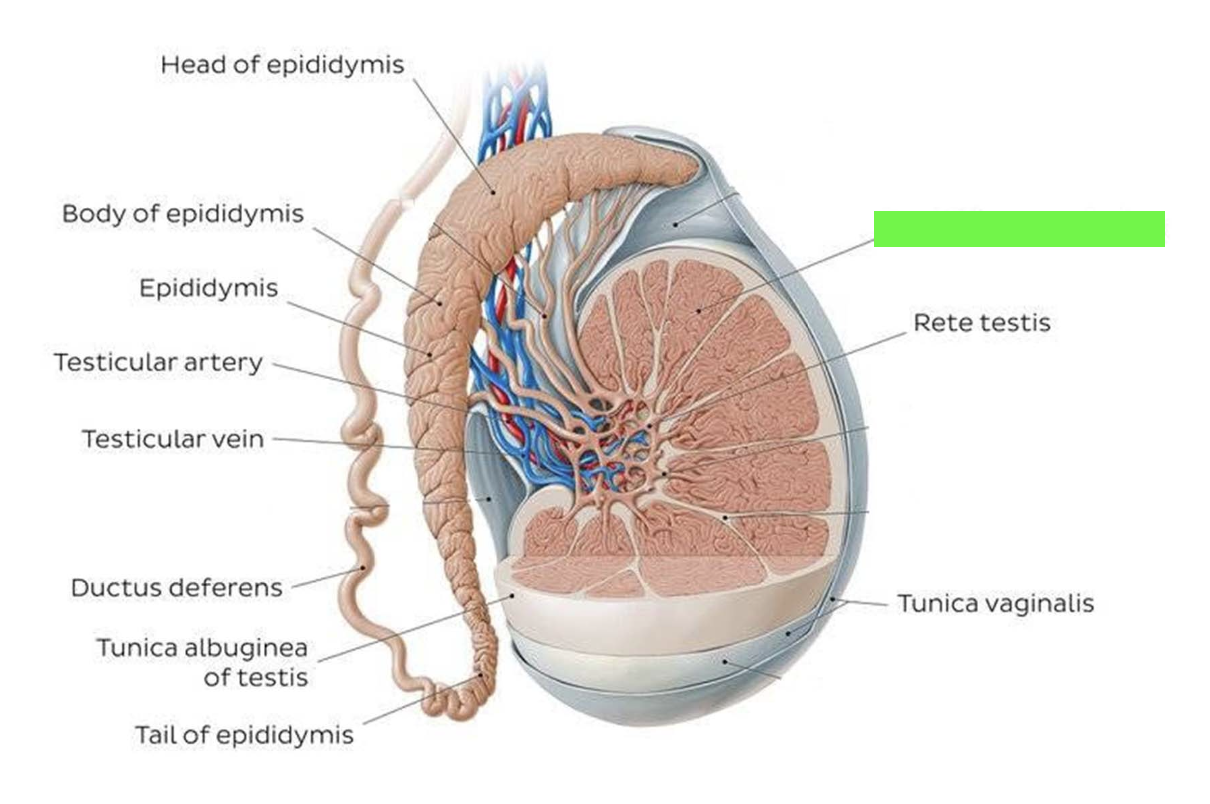
Spermatogonia*
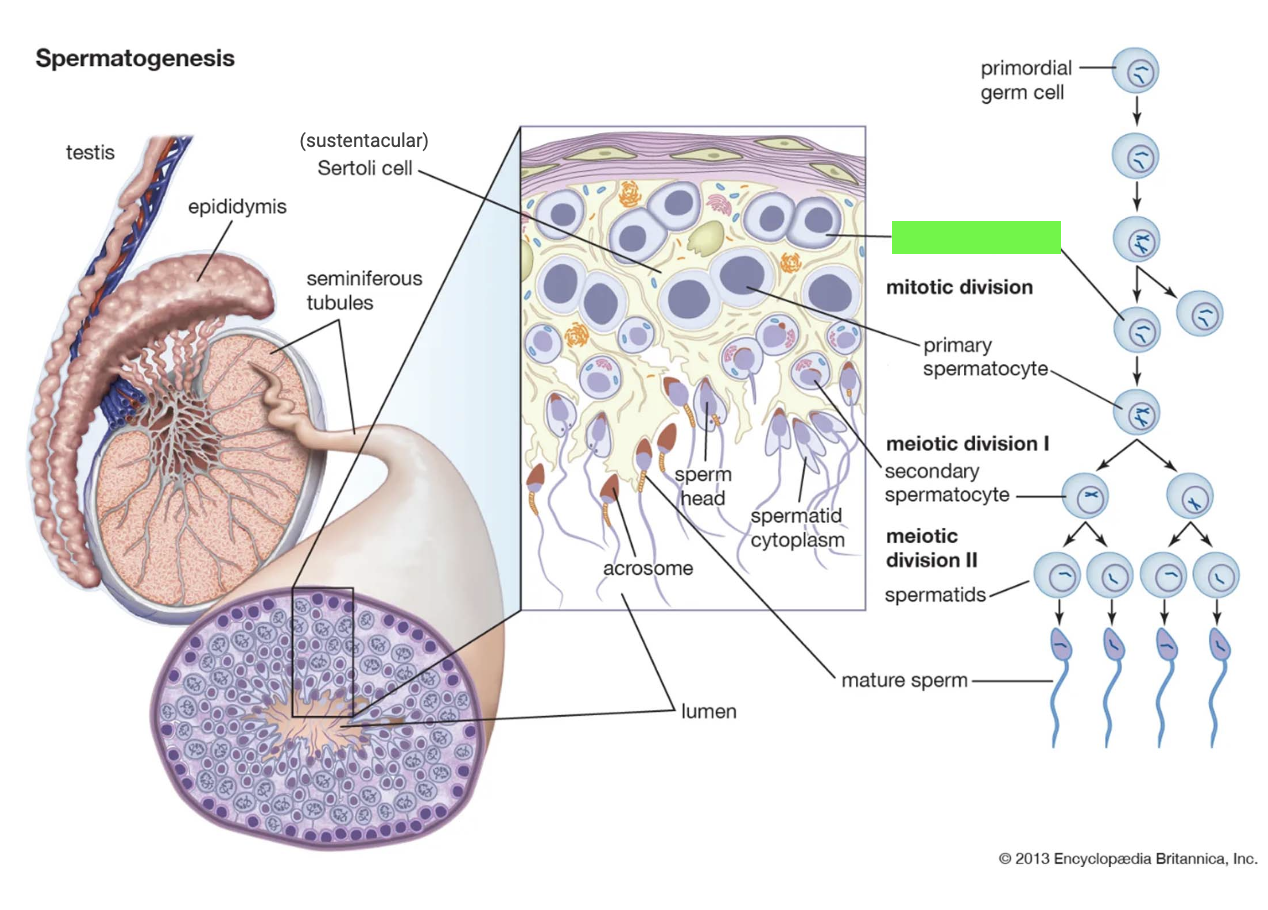
Sperm/spermatozoa*
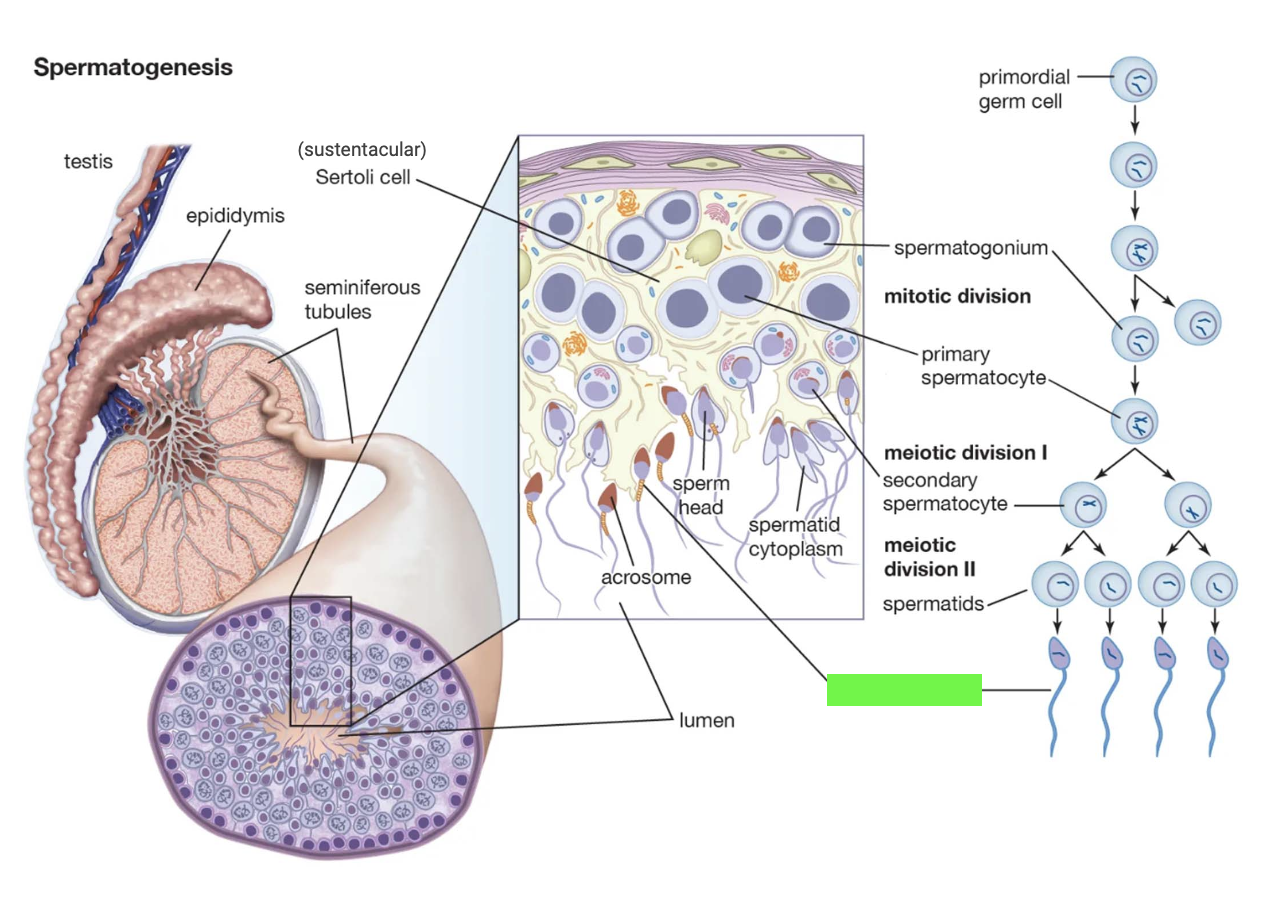
Sustentacular cells
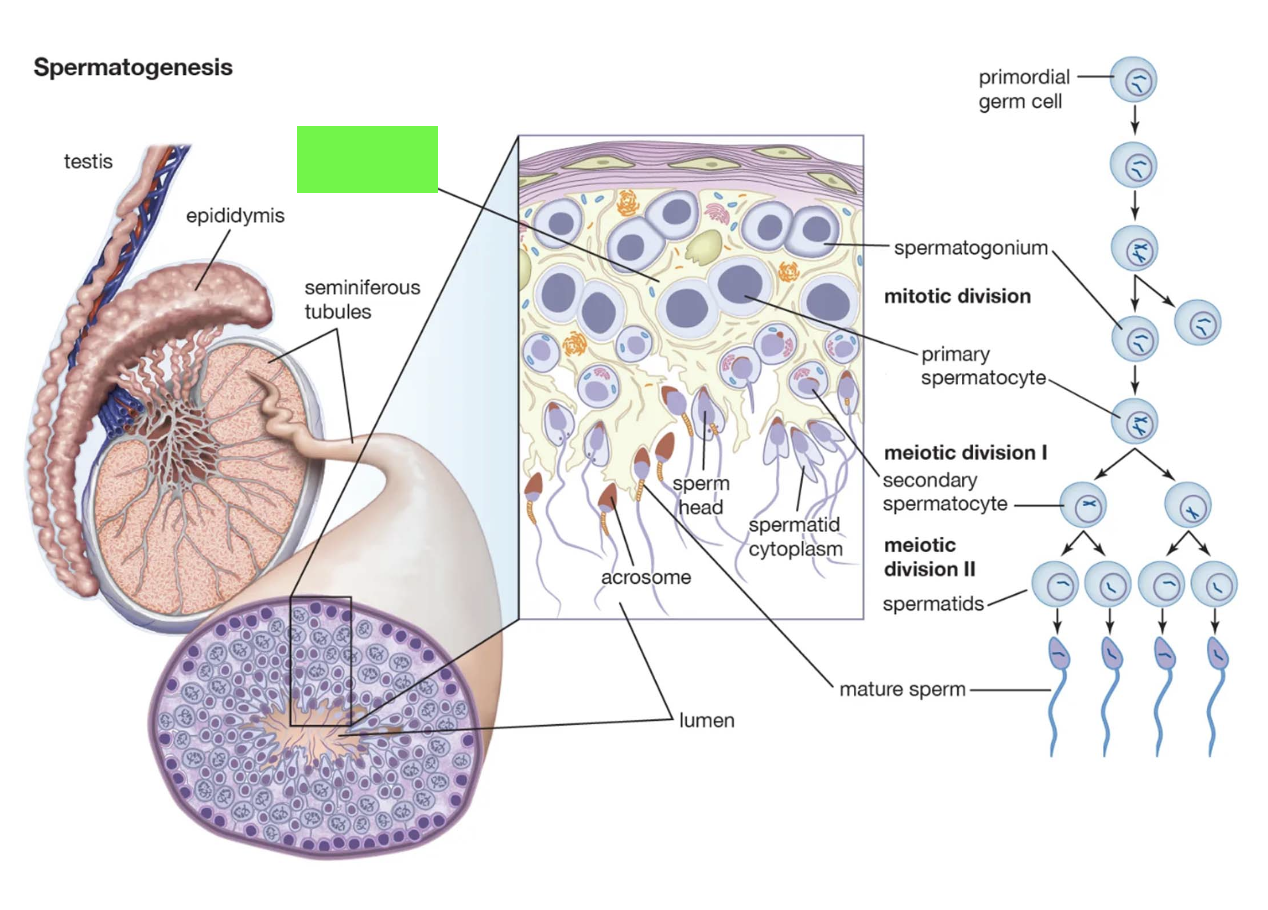
Interstitial cells*
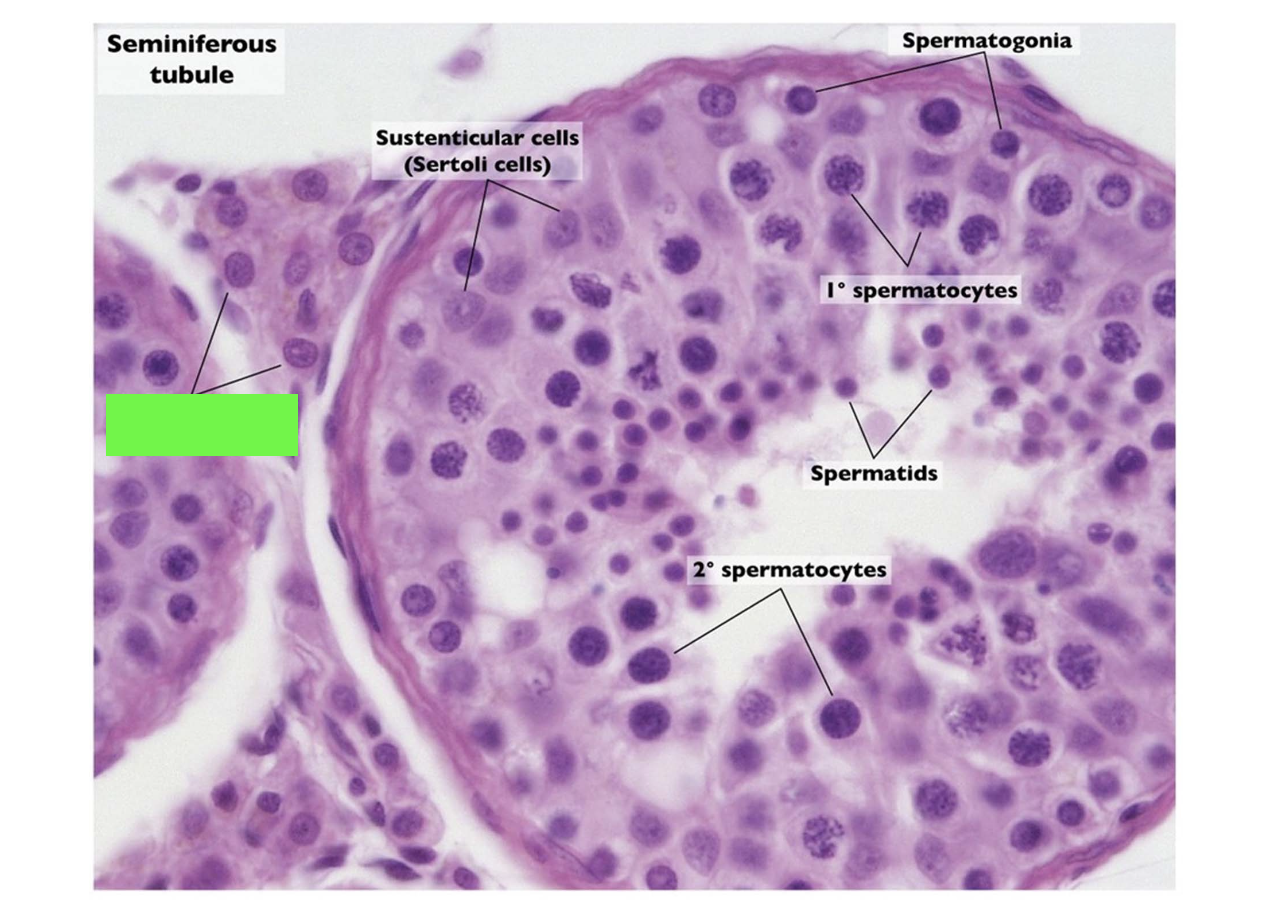
Tunica albuginea
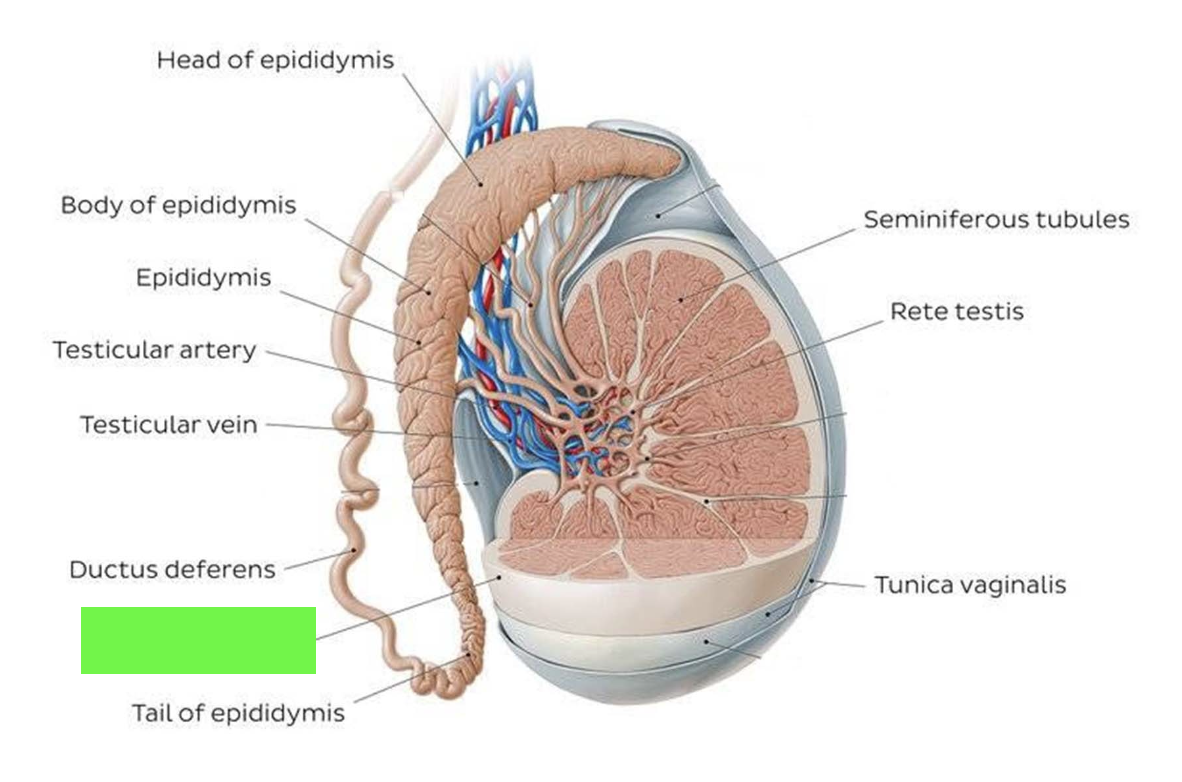
Epididymis
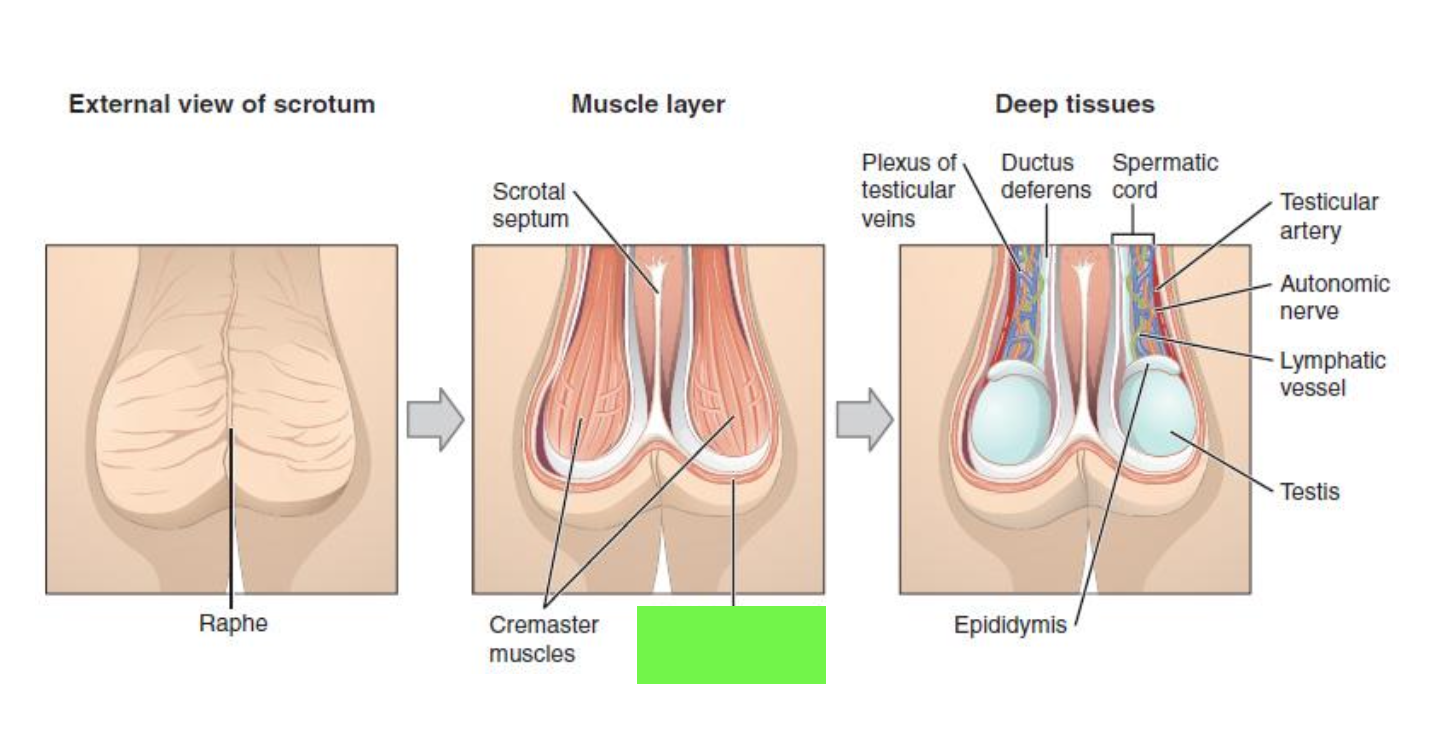
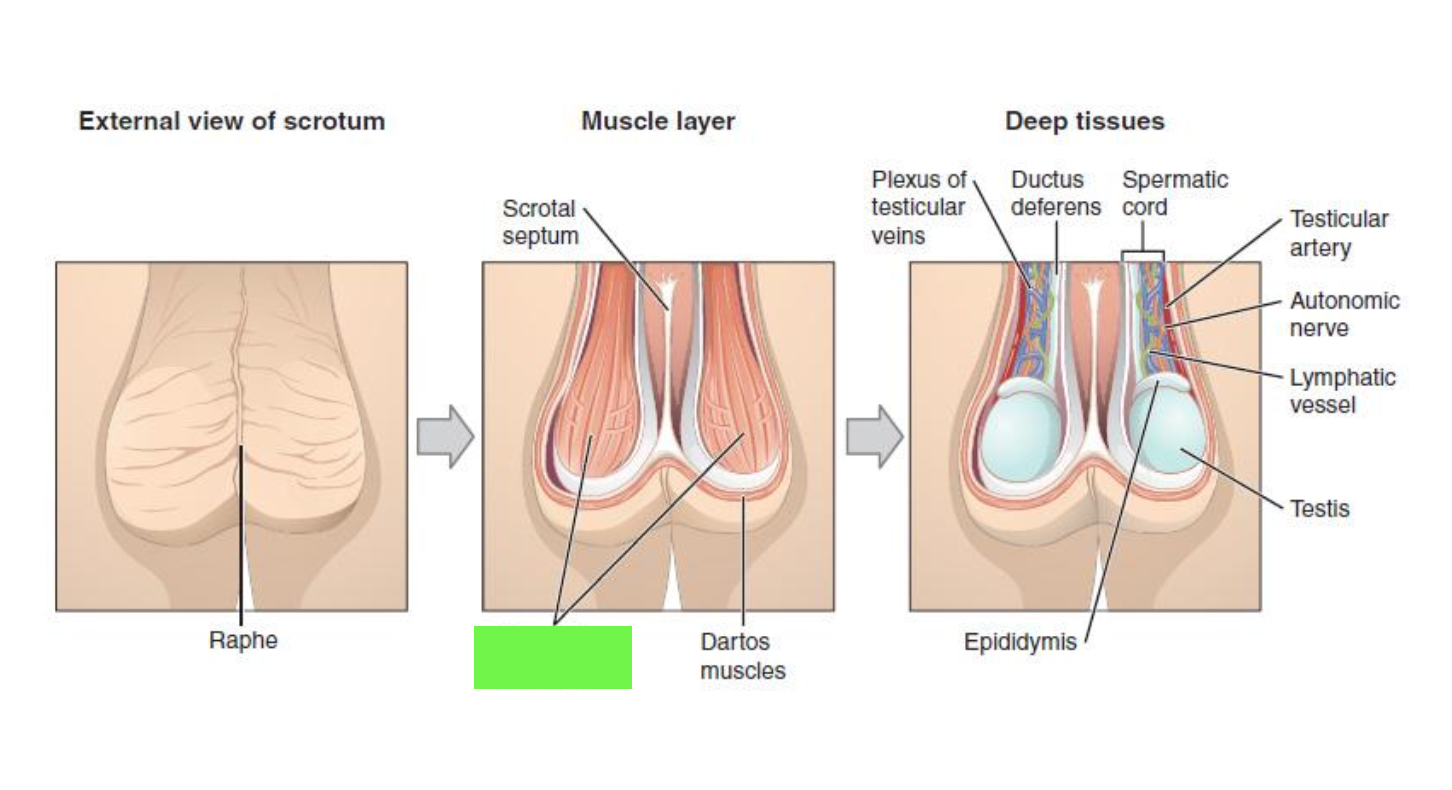
Dartos muscle
Spermatic cord
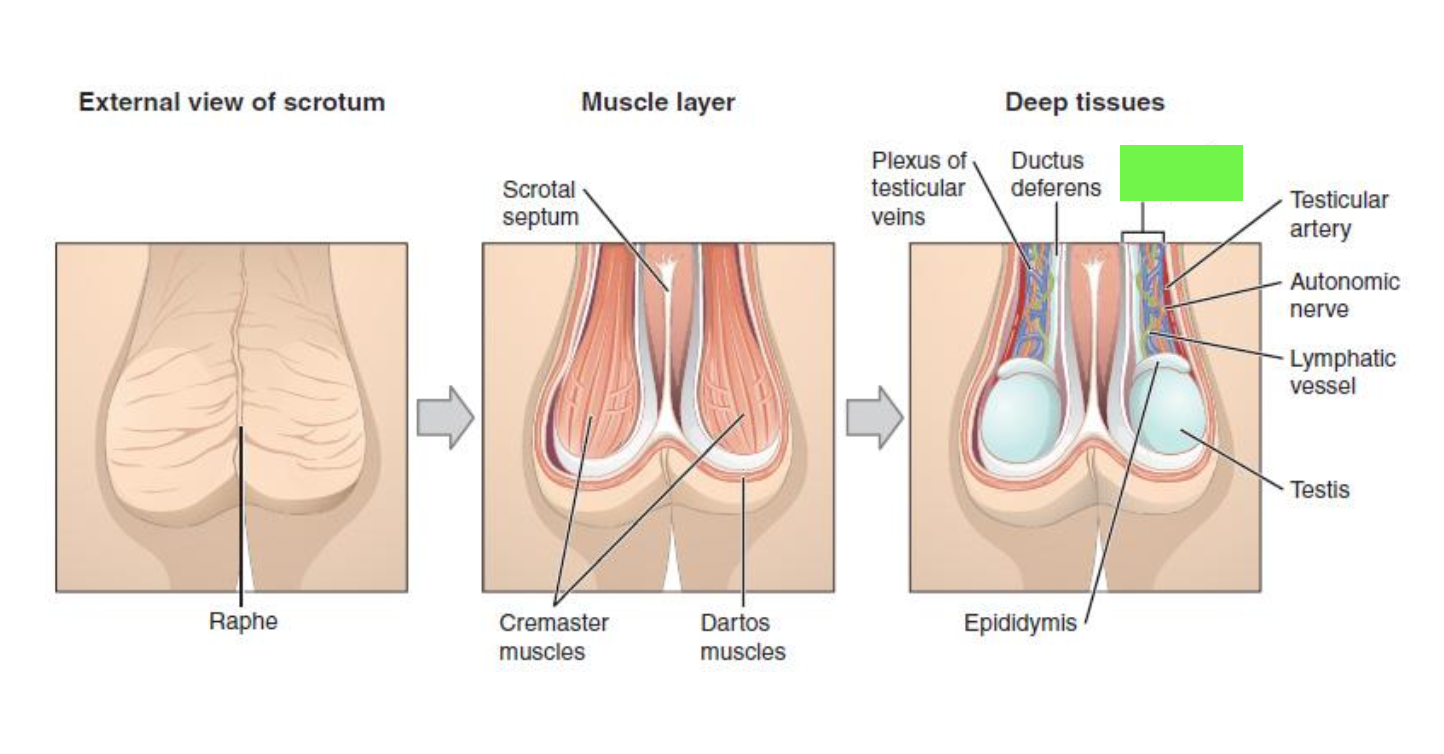
Ductus (vas) deferens
Cremaster muscle
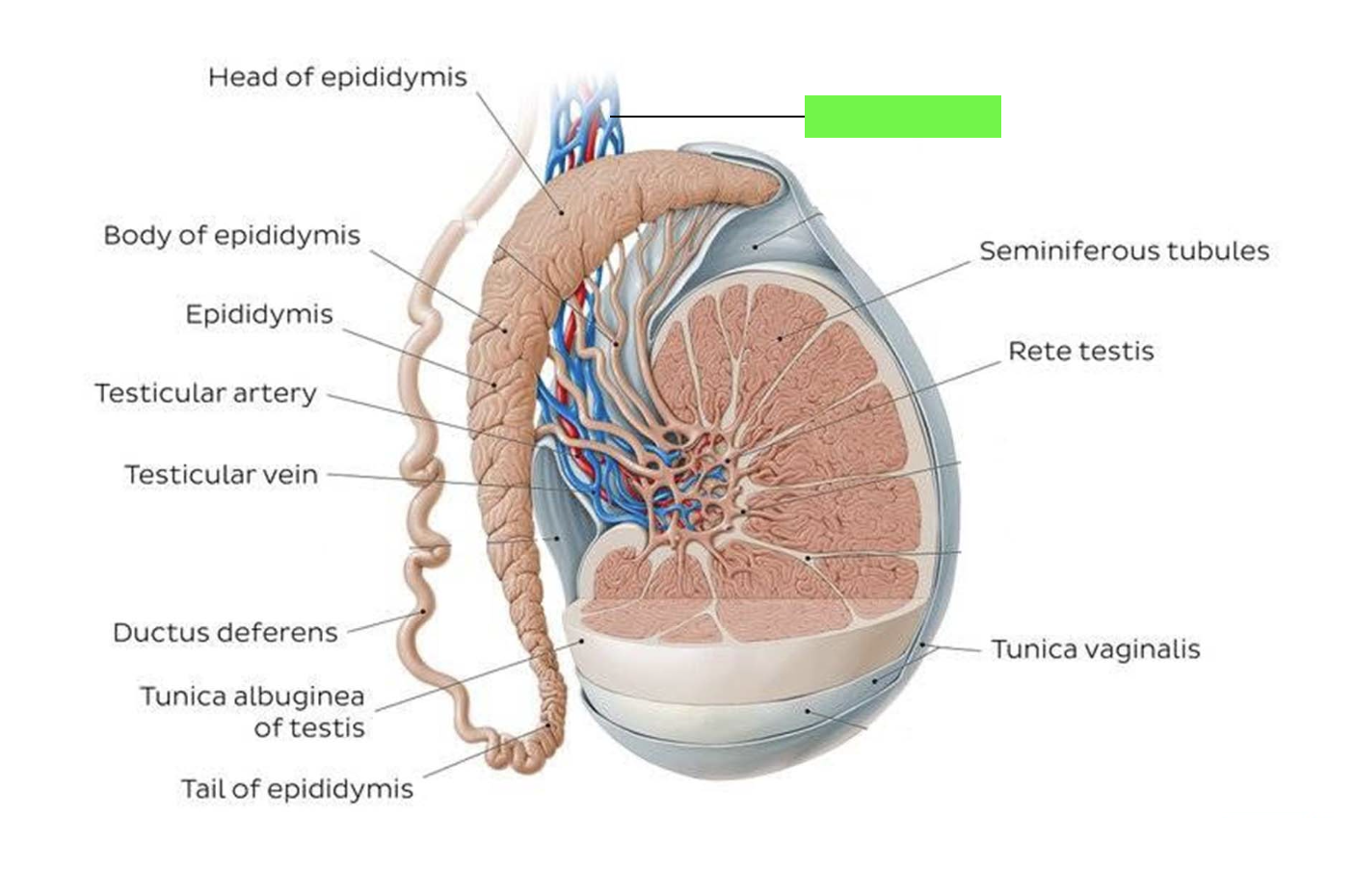
Pampiniform plexis
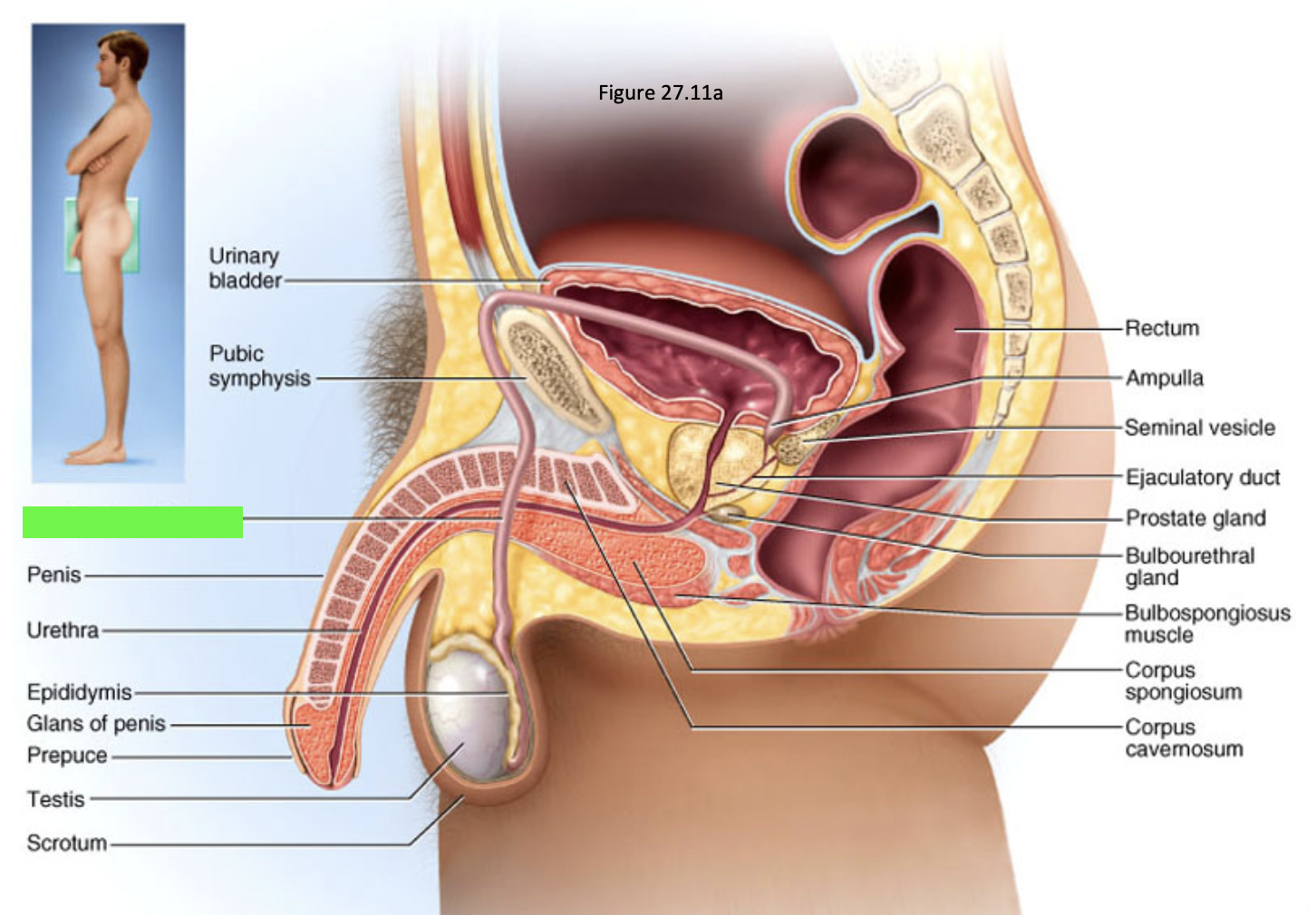
Body/shaft
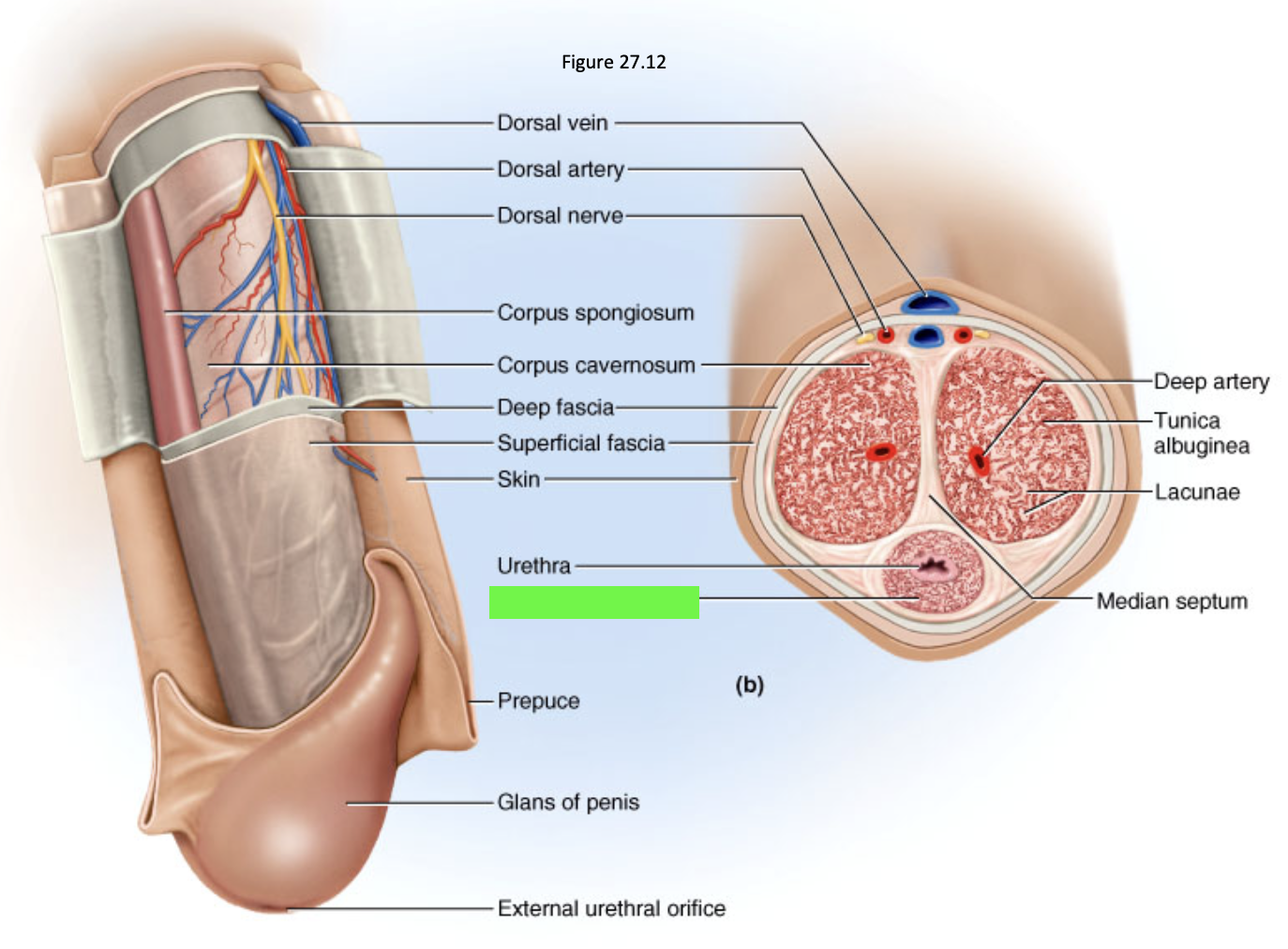
Corpus spongiosum*
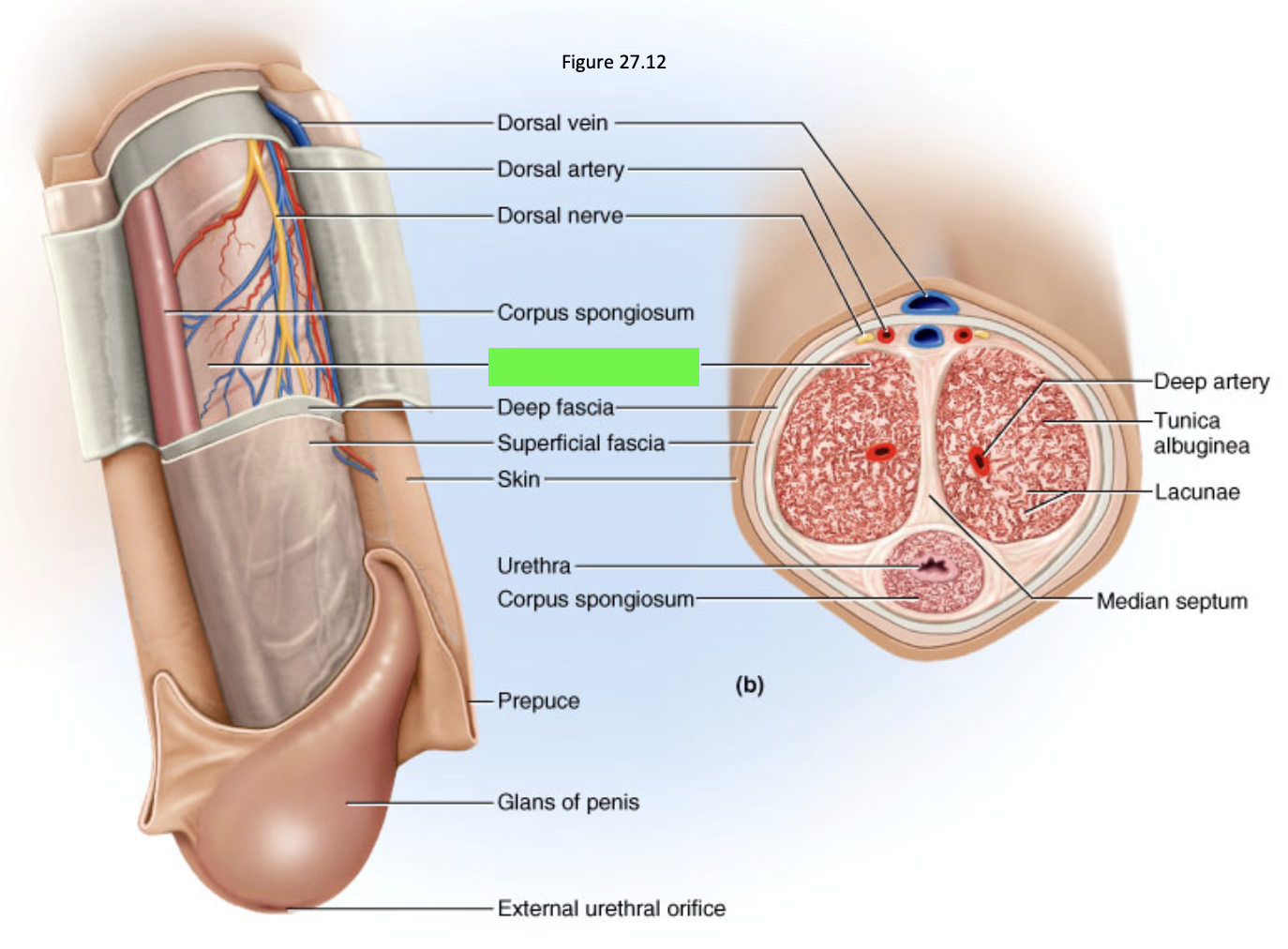
Corpora cavernosa*
Glans penis*
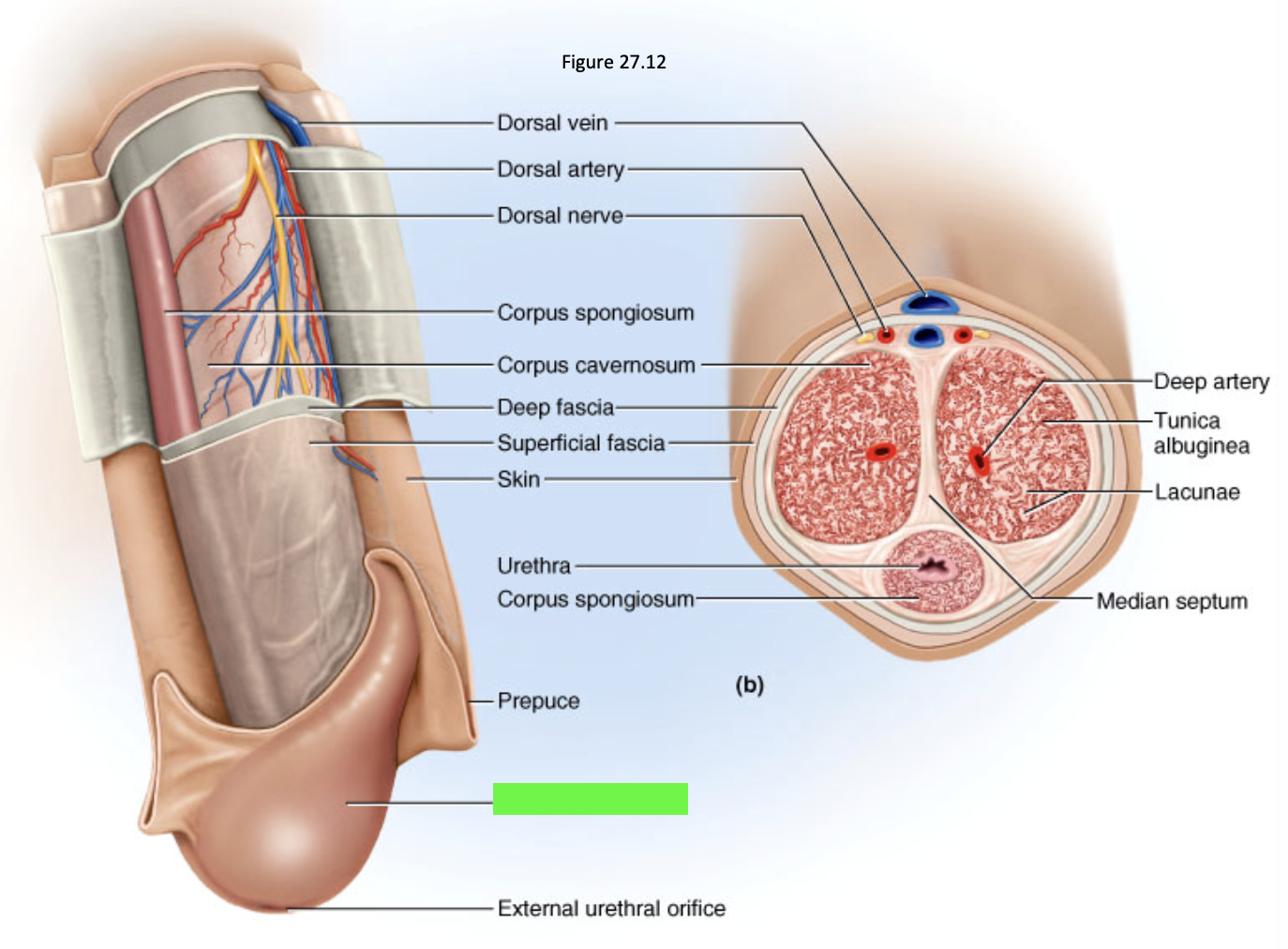
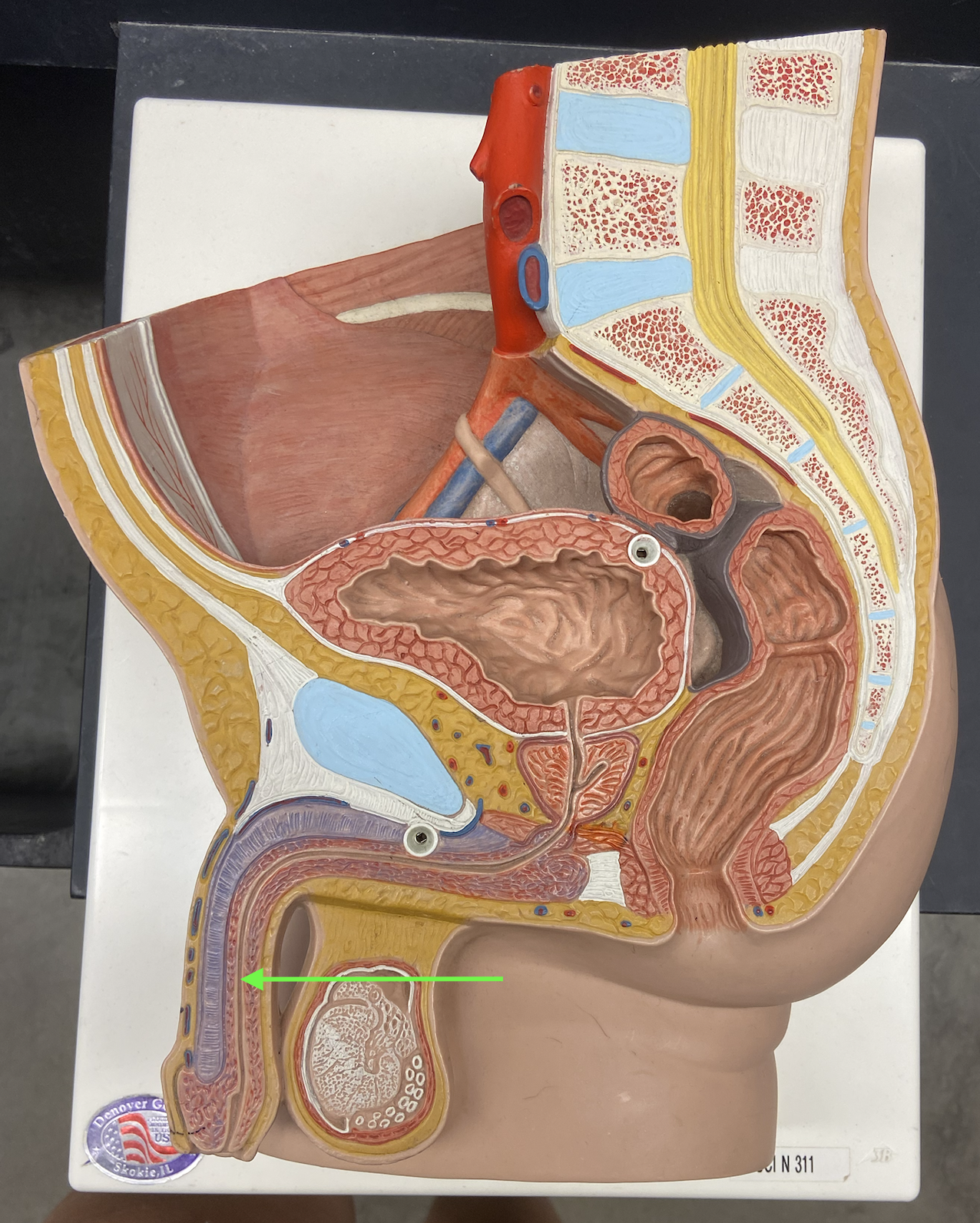
Urethra
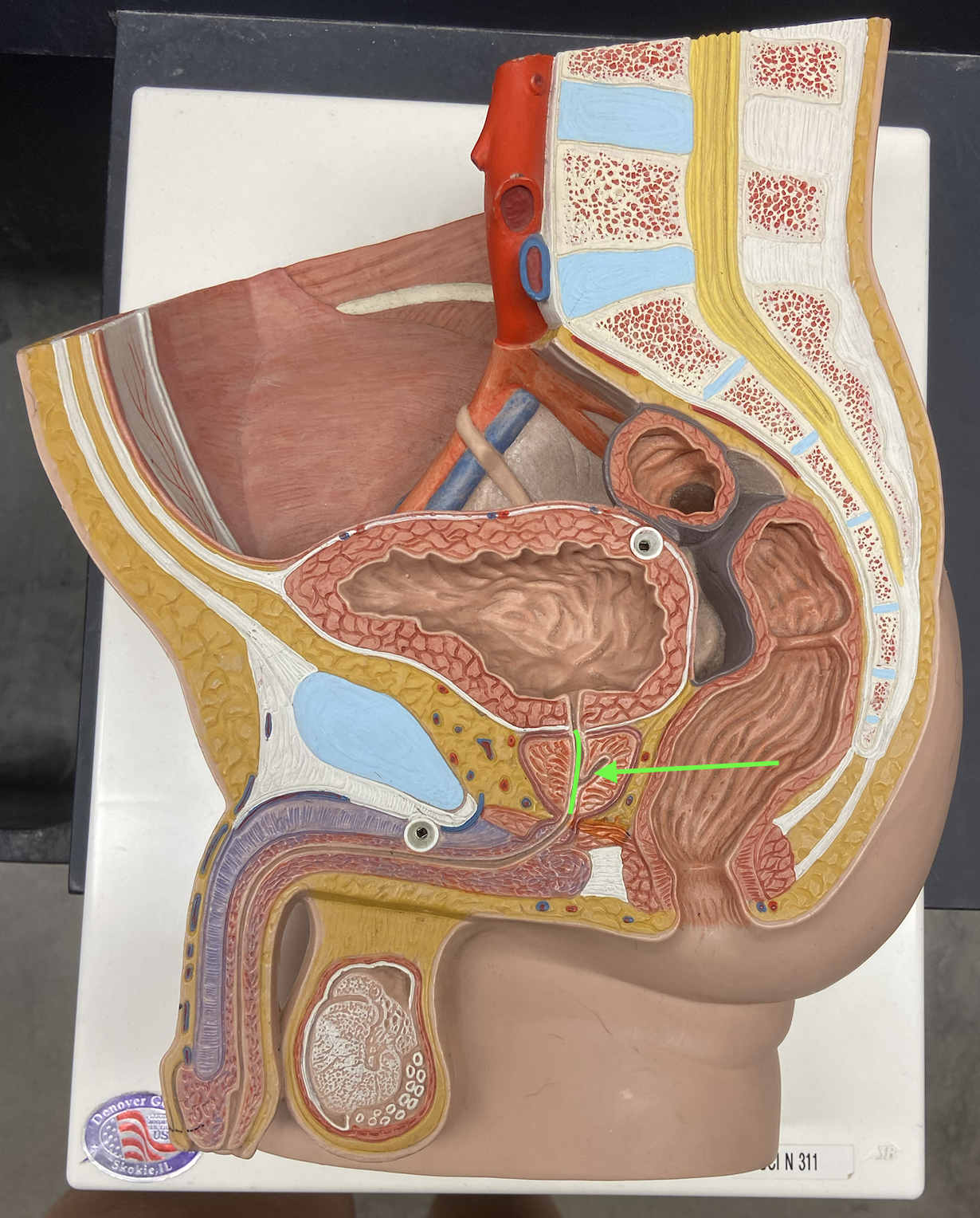
Prostatic urethra
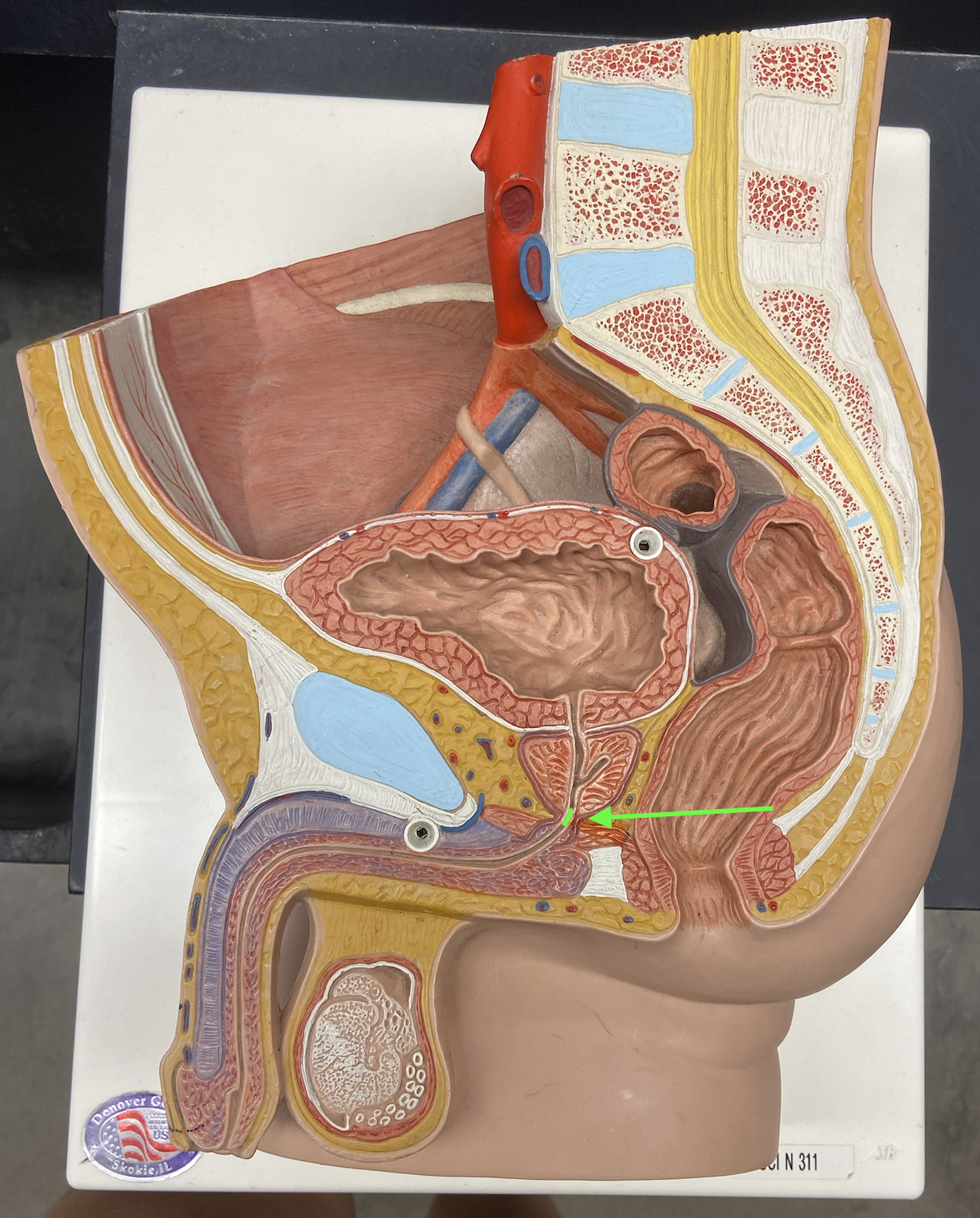
Membranous urethra
Spongy urethra
Ejactory duct
Seminal Vesicles
Prostate gland
Benign prostatic hyperplasia
Bulbourethral gland*
LEARNING OBJECTIVES
locate and explain the function of the erectile tissue
corpus cavernosa
crus attach at ischiopubic rami
corpius spongiosa
function - pleasure
compare and contrast spermatogenesis and oogenesis
table
trace pathway of gametes from production to implantation or expulsion from the body
males - seminiferous tubules, testis, epididymis, vas deferens, ejaculatory duct, urethra (prostatic, membranous, spongy)
females - mature follicle, ovary, timbre, uterine tube, uterus, cervix, vagina
identify and describe the components of external genetlia
female - clitoris, labia minor, labia majora, urethra, vagina
function: allow sperm entry, protect from infection, lubricate and pleasure
male - penisl, urethra, scrotum
identify the site of production and list one function of each hormone below
testosterone - thecal cells (female), interstitial cells (male), adrenal cortex (both)
estrogen - granulosa cells (female)
progesterone - corpus luteum (female), maintain uterus lining
Provide an example of barrier, chemical, hormonal, and surgical contraception methods
barrier -
chemical -
surigcal -
Explain gross anatoy of mammary glands
Identify and describe the 4 major structures of the female reproductive system
ovary, uterine tube, uterus, vagina
Describe a mature ovarian follicle including cell types and the hormones they produce
oocyte, granulosa cells (estrogen), antrum, thecal cells (testosterone)
Describe cervical canver including the cells and tissues involved, how it is screened for, treated, and/or prevented
cervial epithelium, HPV, pap smear, like cancer, Gardasil
Identify and decribe the 5 major structures of the male reproductive system
testis, epididyms, vas deferens, penis, scrotum
Explain the role of temperature in spermatogenesis, identify and describe structures involved in regulating temperature
panpiniform plexus - venous bed that cools arteriel blood
cremaster muscle - around testis
dartos muscle - in scrotum
Describe the gross and microscopc anatomy of the testes
seminiferous tubules, spermatozoa, interstitial cell make testosterone, sustentacular cells support inside, epididymis
List and describe the accessory glands that contribute to semen
sperm + seminal fluid = semen = 200-500 million in 3-5 mL
seminal vescicles - alkaline fluid with fructose and prostaglandins that dilate cervial os
prostate gland - fluid with PSA which helps liquefy semen upon ejaculation
bulbourethral glands - mucus for lubrication
Compare and contrast benign prostatic hyperplasia and prostate cancer, the symptoms of and screening for each, and the prevalence of and treatment (if any) for each
Table