MS SMITH PAGES - Cells as the Basis of Life
 Call Kai
 Learn
Learn Practice Test
 Spaced Repetition
 Match
Match Flashcards
 Knowt Play
1/121

There's no tags or description
Looks like no tags are added yet.
Name | Mastery | Learn | Test | Matching | Spaced | Call with Kai | Chat |
|---|
No analytics yet
Send a link to your students to track their progress
122 Terms
the cell theory
the cell is the smallest, independent unit of life
cells are the units of structure and function in all organisms
new cells arise fro pre-existing cells
cells require and use energy
cells contain DNA which is passed on to daughter cells; it is genetic information
some organisms are unicellular (i.e. made of one cell), others are multicellular (large number of cels of different types which have hierarchical organisational strcuture)
structure and function of cell membrane
separates cell from its surroundings, controls entry adn exit of materials in and out of cell, roles in cell communication, adhesion, binding of hormones
consists of
two layers (bi-layer) of phospholipid molecules
two kinds of membrane proteins
integral - permanently in bilayer
peripheral - move temporarily, not permanent part of bilayer
lipids known as sterols - usually positioned between phospholipids (cholestron in animal cells, ergosterol in fungi, sterol in plant)
glycoproteins - membrane proteins w/carb chains attached
glycolipids phospholipids with carbohydrate chains attached

fluid mosaic model
fluid - both lipids and proteins can continually move in the membrane - crucial for membrane structure in permeability or ease movement of molecules across membrane
mosaic. - pattern formed by variety of integral and peripheral proteins associated with phospholipid bilayer
phospholipids
bilayer consists of 2 layers of lipid molecules arranged with phosphate groups on outside
polar - phosphate head has charge associated, can interact with polar water molecules - hydrophilic
non-polar - lipid tails cant interact with water (repelled by it) - hydrophobic
cell membrane is effectively impermeable to water soluble polar molecules

Explain how the structure of the cell membrane facilitates its semi-permeable nature.
cell membrane allows some molecules to move but not others. structural characteristics of the membrane which assist in controlling movement of molecules include chemical nature of phospholipids, presence of channel and carrier proteins, flexible nature (allows it to enclose molecule sin vesicles).
prokaryotic
smaller (1-10µm) simpler, less specialised
unicellular
no nucleus, only a nucleoid region
contain no membrane bound organelles
contains cytoplasm, ribosomes, cell membrane, and single circular chromosomes (unbound DNA), plasmids (circular rings of DNA)
some have pilli cover surface, involved in adhesion
Some have flagella (singular flagellum), which provide the cell with motility
divide by binary fission
have a cell wall made of peptidoglycan
smaller ribosomes present and free floating in cytoplasm
have cell membrane

eukaryotic cells
larger, more complex
predominantly multicellular, can be unicellular (e.g. yeast)
contain nucleus
contain membrane-bound organelles
many linear chromosomes, bound to histone proteins
larger (10-100µm)
larger ribosomes, attached generally to RER, also free-floating in cytoplasm
divide by either mitosis or meiosis (shmex cells)
cell wall only in plants (cellulose), or fungi (chitin)
have cell membrane
eukaryotic vs prokaryotic cells

structure and function of nucleus and nucelolus
nucleus:
structure - largest organelle (exception of vacuole in plants). consists of DNA (chromosomes), nucleolus, and surrounded by nuclear membrane with nuclear pores
function - controls all cell activity. regulates transcription of genes, directs protein synthesis
nucleolus
structure - composed of RNA and proteins
function - synthesis of rRNA and assembly of ribosomes

structure and function of mitochondrion
structure - double membrane. inner membrane folded into cristae to increase surface area. contains its own circular DNA (mtDNA) which is unbound, ribosomes, enzymes
function - site of latter stages of aerobic respiration (krebs cycle and electron transport chain), synthesises ATP molecules providing energy to cell

structure and function of chloroplast (grana stroma)
strucutre - consists of double membrane. fluid filled matrix called stroma, flattened sac-like membrane disks called thylakoids which have chlrophyll are arranged into stacks called grana (inc SA). contains circular unbound DNA (cpDNA).
grana is where light dependent reactions occur - chlorophyll molecules are also stacked in many layers called lamellae. Lamellae facilitate photosynthesis by increasing the chance that light passing through a chloroplast will be absorbed by chlorophyll molecules.
stroma is light independent - glucose made here.
starch is storage carb in plants made by assembling glucose molecules into complex carbohydrate
function - site of photosynthesis, usually in leaves of plant. produces glucose and oxygen for plant and other organisms

structure and function of vacuole
structure - singe membrane bound sac. contents depend of type of eukaryote and function, karge ones in plants store water, small molecules (e.g. ions, enzymes, and waste
functions - inc storage of water in plants, structural support and osmotic potential regulation in plants, nutrient storage, storage and disposal of waste

structure and function of Golgi body and vesicles
structure - stack of flattened, membrane-bound sacs that are not connected. sacs are surrounded by vesciles (generally smaller than vacuoles, sinle membrane bound sac). contents depend on type of vesicle and function
functions - modification, processing and packaging proteins into vesicles for storage within cell or movement outside of cell

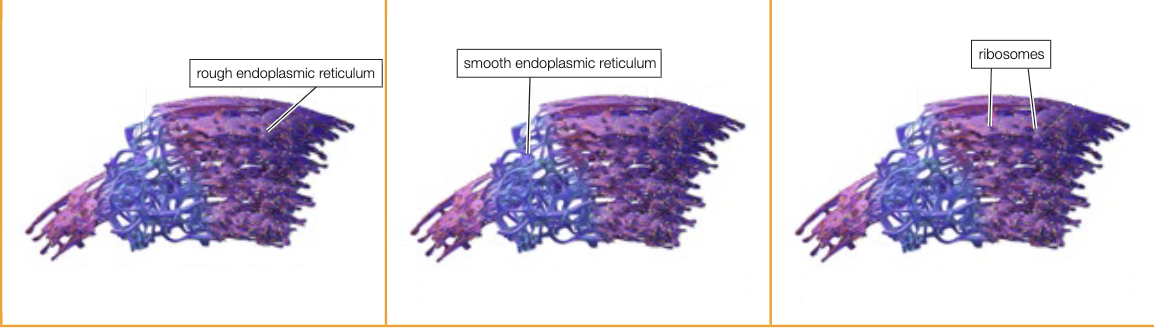
structure and function of RER, SER, and ribosomes
RER
structure - network of interconnected flattened membrane sacs, span from nucleus to cell membrane. contains ribosomes attached to surface
function - inc. SA for cellular processes. attached ribosomes synthesise proteins that RER packages into vesicles and secretes into Golgi body
SER
structure - network of interconnected flattened membrane sacs, dont contain ribosomes on surface
function - synthesis of lipids
Ribosomes
structure - proteins and rRNA. attached to RER or free-floating
function - site of translation (protein synthesis)
structure and function of lysosome
plants and fungi have acidic vacuoles instead of these for same purpose
structure - membrane bound vesicle containing digestive enzymes (lysozymes)
functions - destroy foreign bodies, recycle cellular materials (e.g. non-functional organelles)
structure and function of cytoskeleton and centriole
cytoskeleton
structure - microscopic internal framework of tiny protein micro-filaments and tubules
functions - support movement of organelles inside cell, movement of cell membrane (e.g. endo and exocytosis), assembly of spindle fiber before mitotic division, maintain cell shape in animals
centriole
structure - small structure composed of protein microtubules
function - duplicates prior to cell division so each daughter cell receives centriole. extend from centrioles at opposite poles of cells to attach to centromeres of chromosomes, align them in metaphase plate and seperate sister chromatids or homologous chromosomes

plant vs animal vs fungi
all:
eukaryotic
contain DNA bound by histones
most are multicellular, some unicellular
plant:
contain chloroplast
autotrophic
cell wall made of cellulose - provide level of structure and support, rigid and regular
largest (10-100µm)
vesicles are larger, fewer, and permanent (large central vacuole)
Some have acidic vacuoles performing a similar function to a lysosome
cell membrane has sterols
perform alcohol fermentation
animal:
no cell wall
heterotrophic
larger than plant, bigger than fungal (10-30µm)
more vesicles that are smaller and generally temporary
lysosomes found
cell membrane has cholesterol
have centrioles for cell division
perform lactic acid fermentation
fungi:
cell wall made of chitin - provides a level of structure and support, rigid and regular
heterotrophic
smallest (2-10µm)
vesicles for the transport of molecules and communication processes
Some have acidic vacuoles performing a similar function to a lysosome
cell membrane has ergosterols
perform alcohol fermentation

forms of energy
chemical - energy stored in chemical bonds of complex molecules
radiant (light) - radiated from sun, transformed into chemical energy during photosynthesis. some transferred to animals via feeding relationships
heat (thermal) - caused by movement of atoms or molecules in substance. heat energy inc as atoms vibrate faster or molecules move faster, has implications for all metabolic reactions
kinetic - energy associated with movement of molecules, cell componenets, or whole objects (inc organisms). energy may be required to move molecules (e.g. active transport, move chromosome in cell division)
autotrophs and heterotrophs
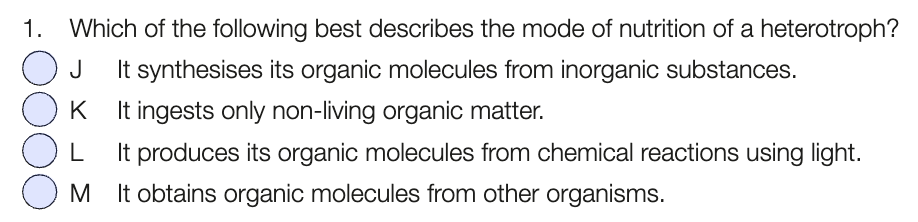
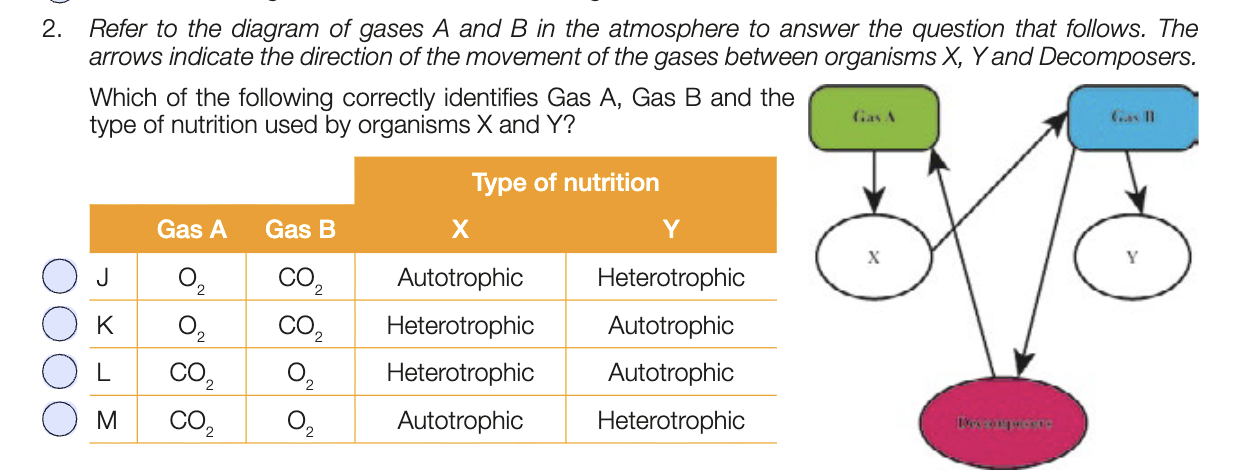
autotroph - organism synthesising organic molecules from simple organism, make own energy, obtain initial energy input from sun or inorganic molecules (hydrogen sulphide)
chemoautotrophs (energy from inorganic) and photoautotrophs (sun)
heterotroph - obtains energy from organic molecules by consuming other organisms or parts of them
photoheterotrophs and chempheterotrophs
both transform energy through aerobic and anaerobic respiration

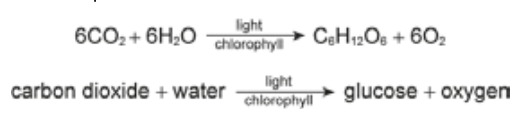
photosynthesis
light energy trapped by green pigment chlorophyll, transformed into chemical energy which is stored in chemical bonds of organic molecules (e.g glucose, starch)
consists of series of metabolic reactions in chloroplasts, light dependent or light independent
chloroplast and guard cells for photosynthesis
chloroplast - membrane-bound organelle, site of photosynthesis. abundant in the mesophyll tissue of leaves, arranged in layers to maximise exposure to light
guard cells - regulate the opening and closing of stomata, when open, gas exchange occurs. open to capture sun and co2 for photosynthesis, close to prevent water loss through transpiration

Limiting factors affecting photosynthesis - light (concentration)
low levels of light intensity means low rate of photosynthesis

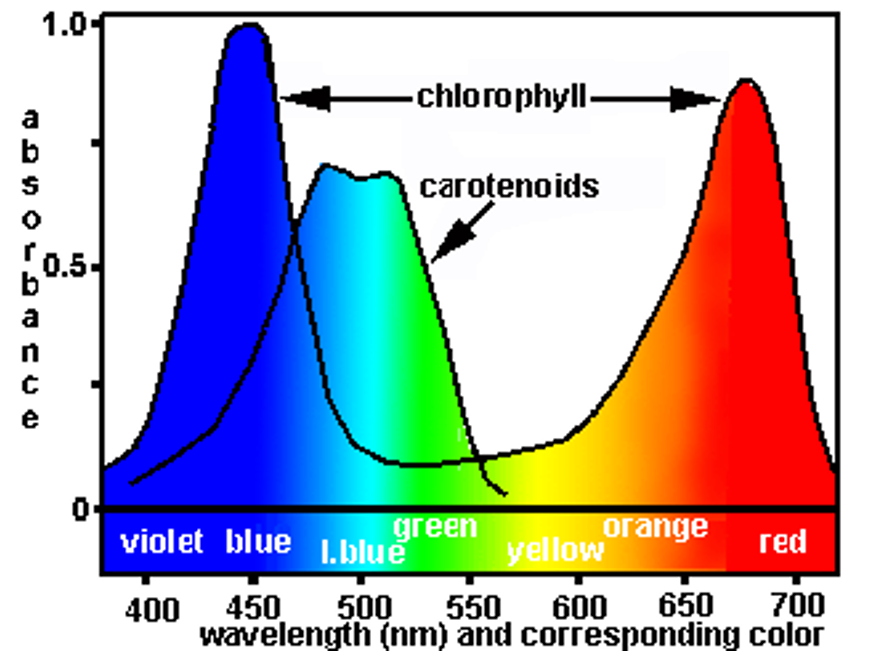
photosynthesis limiting factors - light (wavelength)
red and blue light are most effective - absorbed by chlorophyll to fuel chemical reactions - drives the highest rate of photosynthesis
green light is not reflected, not absorbed, which is why we see green plants - rate of photosynthesis is low if it’s shone at it
ATP
cells immediate source of energy
chemical energy stored in chemical bonds is released and used to generate ATP as large molecules are broken down
atp molecule
2nd most important molecule associated with life (1 is dna)
provides energy for all life processes
maintained in large quantities in cells
energy coupling uni - linked with ADP - ATP can be spent to provide energy and more can be generated
ATP ADP cycle
when a chain with 3 phosphate groups of ATP is converted to ADP (2 phosphate groups), the chemical bond between 2nd and 3rd phosphate groups is broken - energy is released for cellular use
ATP breaks down to form ADP and Pi (inorganic phosphate), releasing a constant amount of free energy
conversely, some energy released from aerobic respiration (40%) is used to drive the conversion of ADP and Pi into ATP
Energy not transferred this way is lost from the cell as heat
ATP can be regenerated quickly, is soluble, and can be transported readily throughout the cell

aerobic respiration (expand on glycolysis)
used to release energy stored in chemical bonds of glucose when oxygen is available
has 3 stages, each with a series of metabolic reactions:
glycolysis
Krebs cycle
electron transport chain
glycolysis occurs first in the cytosol, the last 2 stages occur in mitochondrion
glycolysis - glucose (6-carbon sugar) is broken down by several reactions to form 2 3-carbon molecules (pyruvate)
pyruvate molecules enter mitochondria
generally 36 molecules of ATP are produced

fermentation
occurs in cytosol
extracting energy from the breakdown of glucose in the absence of oxygen
anaerobic
different in plants and animals - plants produce ethanol, animals is lactic acid
only 2ATP per glucose molecule
high production of ethanol by alcohol fermentation is a waste product - accumulation stops fermentation from occurring
Lactic acid is a waste product , diffuses into cells of the bloodstream and is transported to other tissues inc liver, where its broken down to be excreted by the kidneys
high lactic acid levels due to stenous excercise leads to sore muscles, fatigue

M
M

L

L

M

J

K

K
L
Organisms transform energy for cellular use through processes such as aerobic respiration. Explain what it means to say that there is a nett release of energy in the process of aerobic respiration
All reactions need activation energy to start, however, during aerobic respiration, a more complex molecule (glucose) is being broken down into simple molecules (co2, h2o). the breakdown releases more energy than needed for the reaction to occur

a) A, C, E
b) A, B, D
c) A, B, C
d) D, E
e) B
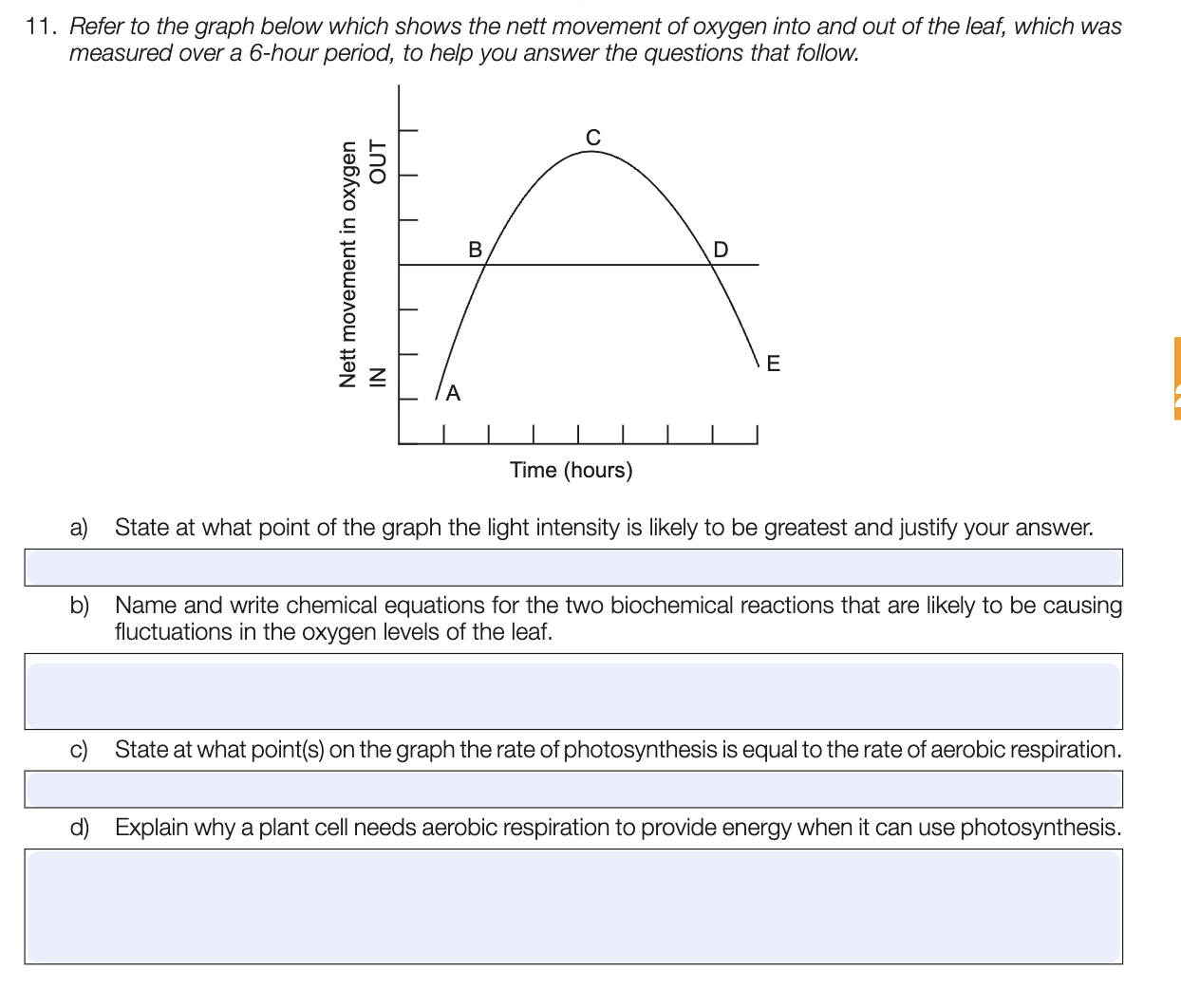
a) C - light is required for photosythesis and oxygen is a product, hence the greatest light intensity would equate with the greatest release of oxygen, which occurs at C
b) Aerobic respiration: C6H12O6 + 6O2→ 6H2O + 6CO2 and photosynthesis: 6H2O + 6CO2 → C6H12O6 + 6O2
c) B and D
d) Photosynthesis allows the plant to make glucose, but not ATP directly. Hence the glucose it makes is broken down in aerobic respiration, releasing energy to make ATP which can provide energy to be used at a cellular level
properties of cell membrane that have an impact on the movement of substance summary
phospholipid bilayer with non-polar tails facing inwards (hydrophobic)
polar phosphate heads (hydrophilic) face outwards as well as on the inside surface of the membrane
semi-permeable
2 types of integral proteins assisting in moving molecules- channel and carrier
fluid-like properties - allows it to break and reform, enclose materials (e.g. proteins in vacuoles/vesicles for bulk transport
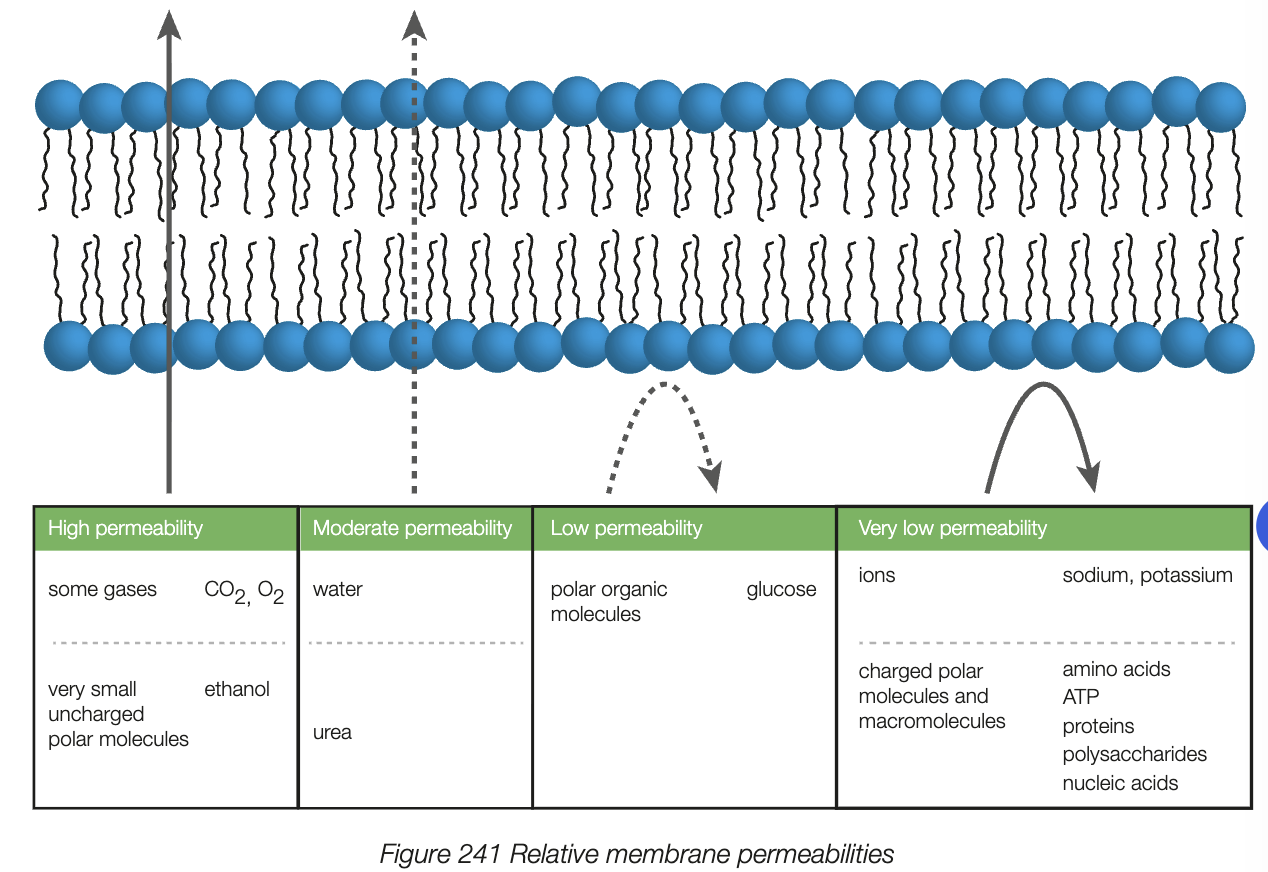
diffusion
passive process
occurs in both liquids and gases (molecules are in a state of constant random motion)
small, uncharged molecules are free to cross the membrane by diffusing in between phospholipid (e.g., O2, CO2)
net random movement of molecules resulting in uniform distribution
region of high concentration to low concentration
steeper concentration gradient, greater diffusion rate

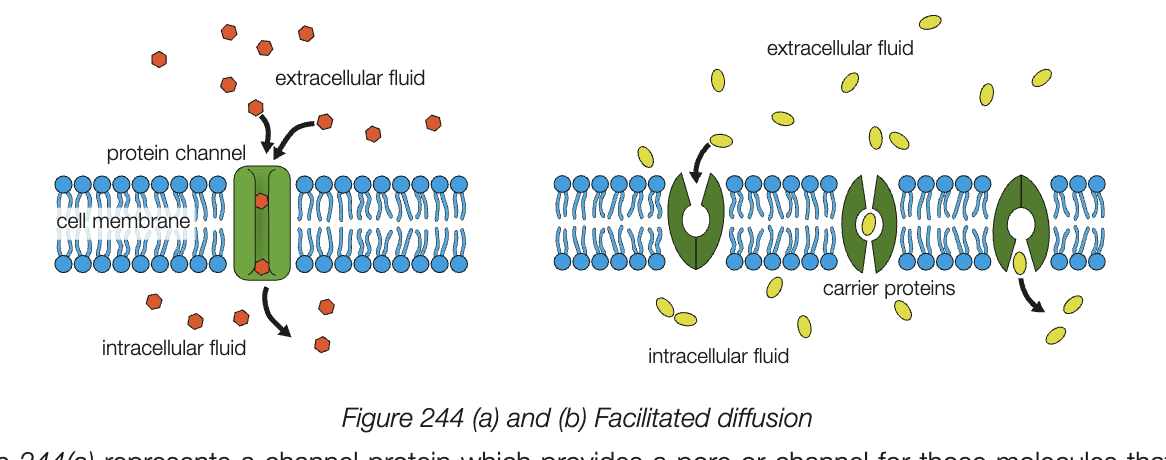
facilitated diffusion
passive process
assisted by carrier and channel proteins
molecules that are too large, hydrophilic, ions, or too charged are moved through this method
high concentration to low concentration
substances move across the membrane more quickly
carrier proteins bind to specific molecule, changes shape of carrier protein, releases molecule inside cell
has degree of specificity
osmosis general information (and aquaporins)
passive process - results in equal solute concentration on each side
diffusion of water form area of high water conc to low conc
affected by concentration of solutes - move from low SOLUTE concentration to HIGH solute concentration
osmotic pressure - pressure causing water to move in direction it does
water moves either directly through bilayer or through channel proteins called aquaporins
aquaporins - regulate movement of water in and out of cell
if dehydrated, ADH hormone (anti-dieuretic hormone) increases, signals kidneys to inc. number of aquaporins in nephron - water is reabsorbed

osmosis - isotonic, hypotonic, hypertonic
isotonic - same solute concentration on either side of membrane - water moves across membrane in both directions, no net movement
hypotonic - if external solution has more free water molecules (low solute concentration - water moves into cell
too hypotonic makes animal cell swell up and burst (cytolysis) - plants have cell wall that exerts pressure so they only get rigid/turgid
hypertonic - external solution has less free water molecules (greater solute concentration), hence water moves out of cell
too hypertonic can make cell shrivel up - plants have cell body shrink from wall
process is called plasmolysis

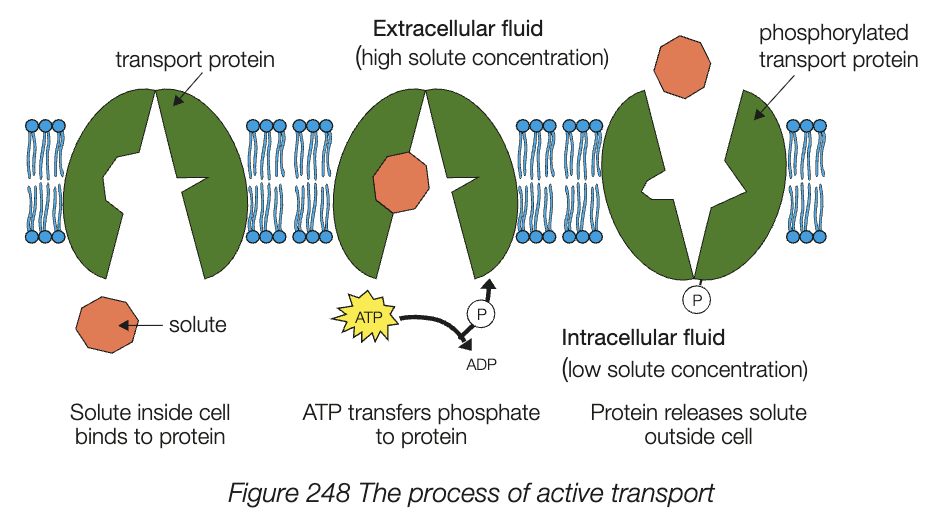
active transport
solutes moved against energy concentration - low conc to high conc
requires input of energy from breakdown of ATP (active process)
carrier proteins have conformational change in shape occurs due to energy, allows it to pump molecules in or out
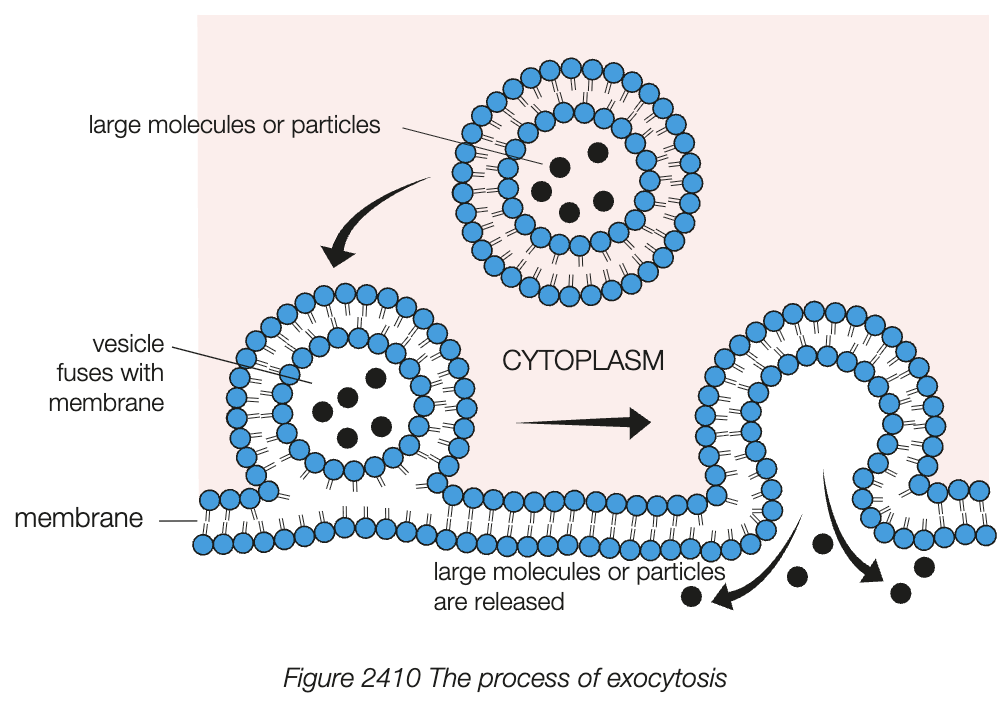
exocytosis
large molecules (e.g. proteins, polysaccharides, nucleic acids) or molecules in bulk are transported out of cell
molecules are packaged inside vesicles, transported to cell membrane by cytoskeleton
fuse with cell membrane which opens to release molecules outside of cell
e.g. inc hormones inside cell secreted to bloodstream, release of digested cell debris by lysosome
factors affecting exchange of materials - surface area to volume ratio
large SA:V, greater efficiency of exchange of materials (exc. other limiting factors)
larger cells will have less cell membrane area relative to volume of cytoplasm
larger SA:V means cells obtain nutrients and dispose of waste more efficiently - reason why cells are microscopic
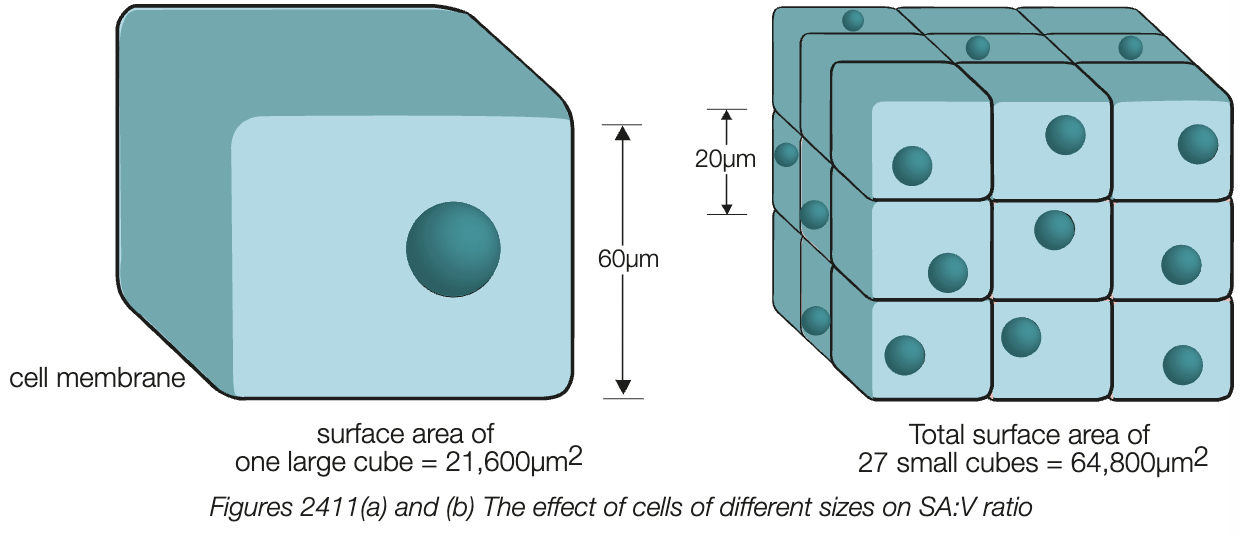
factors affecting exchange of materials - concentration gradient
greater difference in concentration on either side of cell membrane is greater concentration gradient
greater concentration gradient = more rapid rate of diffusion
diffusion - linear relationship
facilitated diffusion - reaches a max pt. where beyond no further increase in rate occurs (plateus)
channel or carrier proteins are fully occupied (saturated) - unable to increase diffusion rate further
organisms have developed structures and processes to max conc gradient to max exchange of materials


a) there are relatively less (free) water molecules on the right side of the membrane (inside the cell). this means that water molecules will move by osmosis from high water/low solute concentration outside cell (in distilled water) to lower water/higher solute concentration (inside cell)
b) if too much water moves into an animal cell, it will lyse (swell and burst). plant cells have a cell wall, hence it will not burst and will only become turgid.

a) osmosis
b) active transport
c) endocytosis
d) endocytosis/phagocytosis
e) diffusion
f) facillitated diffusion

a) the smaller the size of the cell, the greater the SA: V
b) smaller cells have increase SA:V, and the biconcave structure further increases the SA:V. This allows blood cells to exchange oxygen very efficiently in cells


a) simple diffusion is a straight, linear relatinoship. the greater the substrate concentration, the greater the rate of diffusion. in facillitated diffusion, at higher concentraitino the rate of diffusion slows down/plateus
b) simple diffusion occurs across the semi-permeable membrane whereas facillitated diffusion occurs across carrier proteins in the membrane. when carrier protein binding is limited, facillitated diffusino slows donw.

L
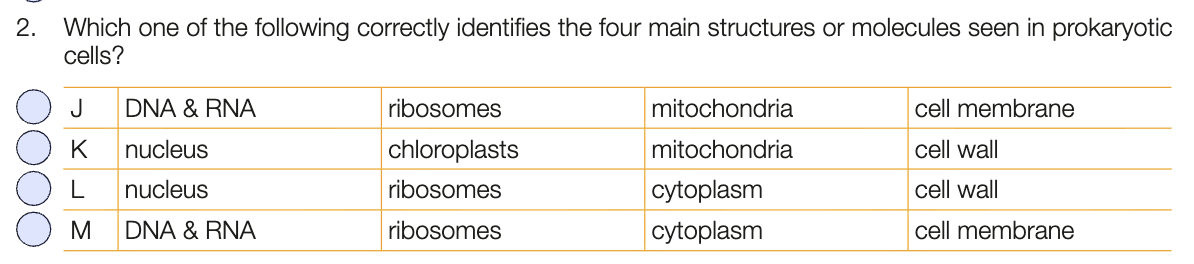
M
metabolism and metabolic pathways
All biochemical reactions occurring in an organism and is critical to the survival of cells and organisms as a whole
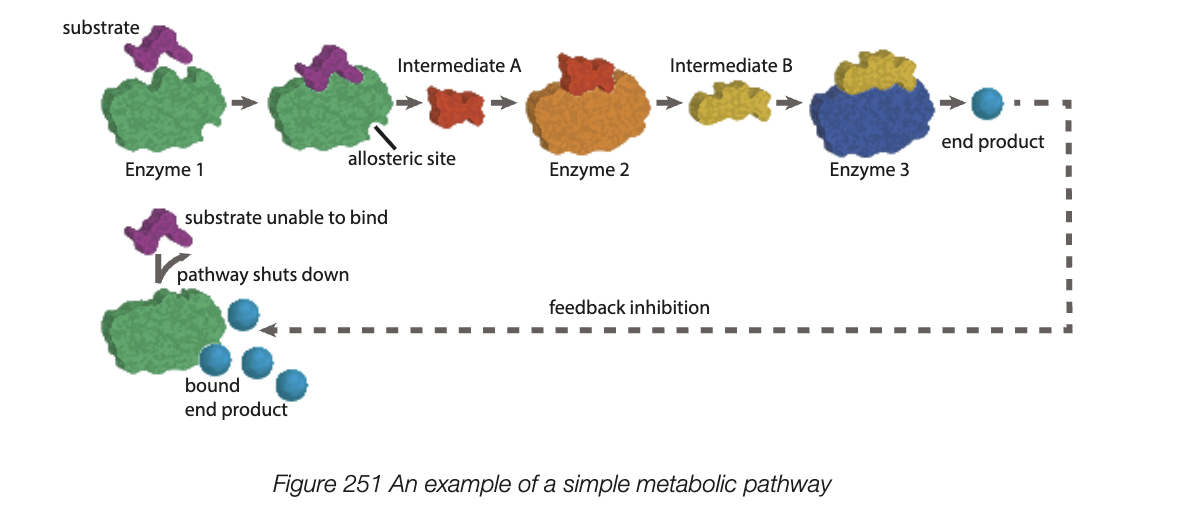
metabolic pathways - substrate for the first reaction is converted to product by the first enzyme - product of that is substrate for the second and so on
sequence of chemical conversions continues til end product is made
each step is catalysed by specific enzyme, each substrate binds to one enzyme only
advantages of many regulated steps in metabolic pathways
cells can exert a greater level of control over the reaction with different enzymes at each step
other substrates can feed in at different pts in the pathway, allowing cells to utilise other resources
Some steps produce intermediate products that are essential molecules needed by cells
cells release energy more gradually, a portion of which is trapped in energy coupling processes (e.g. ATP synthesis)
some chemical energy is transformed into heat - used to maintain stable body temp
heat released gradually - enzymes wont denature
two types of metabolic pathways
release of energy by breaking down complex molecules into simpler ones (e.g. aerobic respiration)
chemically build complex molecules from simple ones (e.g. photosynthesis in plants)
work e.g. of cells resulting from metabolic pathways
mechanical work e.g. contraction of muscle cells or the movement of chromosomes during mitosis
transport work, e.g. active transport of molecules against the concentration gradient
chemical work, e.g., macromolecules, such as proteins and nucleic acids.
way cells maintain work
energy coupling
metabolic reactions link energy releasing pathways to those that require energy with immediate source of energy
drives the work being produced by molecules of ATP
glycolysis (+word equation)
glucose → 2 pyruvate molecules (+2ATP per molecule of glucose converted)
has net release of energy, enables 2 ATP per molecule of glucose converted
consists of a series of reactions
mitochondria as the site of aerobic respiration
2 final steps occur here (krebs cycle/citric acid cycle and electron transport chain)
krebs cycle occurs in matrix
electron transport chain occurs on folded inner membrane extensions (cristae) embedded with enzymes
cristae give inner mitochondrial membrane large SA, which facillitates aerobic respiration - enhances the productivity of ATP
majority of ATP is produced in cell here

chloroplasts as site of photosynthesis
light-dependent reactions occur on a flattened sac-like membrane (thylakoids) which have chlorophyll and enzymes that catalyse them
thylakoids stacked in pile to make grana - large SA - inside chlorophyll molecules are stacked into layers
lamellae are flat, membranous tubes that connect the stacks of thylakoid discs
lamellae increase the chance of light passing through chloroplast will be absorbed by chlorophyll
light independent stages (aka calvin cycle). occurs in stroma - where glucose is formed
choloroplast diagram

importance of regulation of metabolic pathways
Aerobic respiration and photosynthesis are vital to the survival of organisms
ensure processes proceed efficiently and without disruption
Both processes consist of many steps, which are catalysed by specific enzymes, allowing organisms to achieve efficiently by keeping the chemical composition and conditions of cells relatively constant
environmental factors influencing metabolic pathways - cofactors, conenzymes
metabolic pathways in cells are influenced by specific enzymes, thus metabolic pathways are most effective at optimum conditions that suit the enzyme
temp - inc temp causes molecules to move fast, collide more, inc chances of substrate enzyme binding
too high temp - enzyme denatures - shape change
cofactors - inorganic substances in the environment that bind to the active site or elsewhere on the enzyme/substrate - required for the enzyme to function as a catalyst
puts stress on the bonds of the molecule, allowing the reaction to proceed
inc copper, zinc, iron ions
coenzymes - organic molecules that act as cofactors
chemical inhibitors (competitive or non-competitive)
other factors influencing metabolic pathways - end-product inhibition
end-product inhibition - end product binds to allosteric site, changes shape of active site, stops enzyme action
aka feedback inhibition
product acting like this (aka allosteric modulator) provides way for metabolic pathway to be shut down when product is no longer needed.
Limiting factors affecting photosynthesis - Carbon dioxide
as the concentration of carbon dioxide increases, the rate of photosynthesis increases
rate increases proportionally with increase in concentration, but becomes constant as another factor becomes the limiting factor and photosynthesis occurs at maximum achievable rate for given conditions.

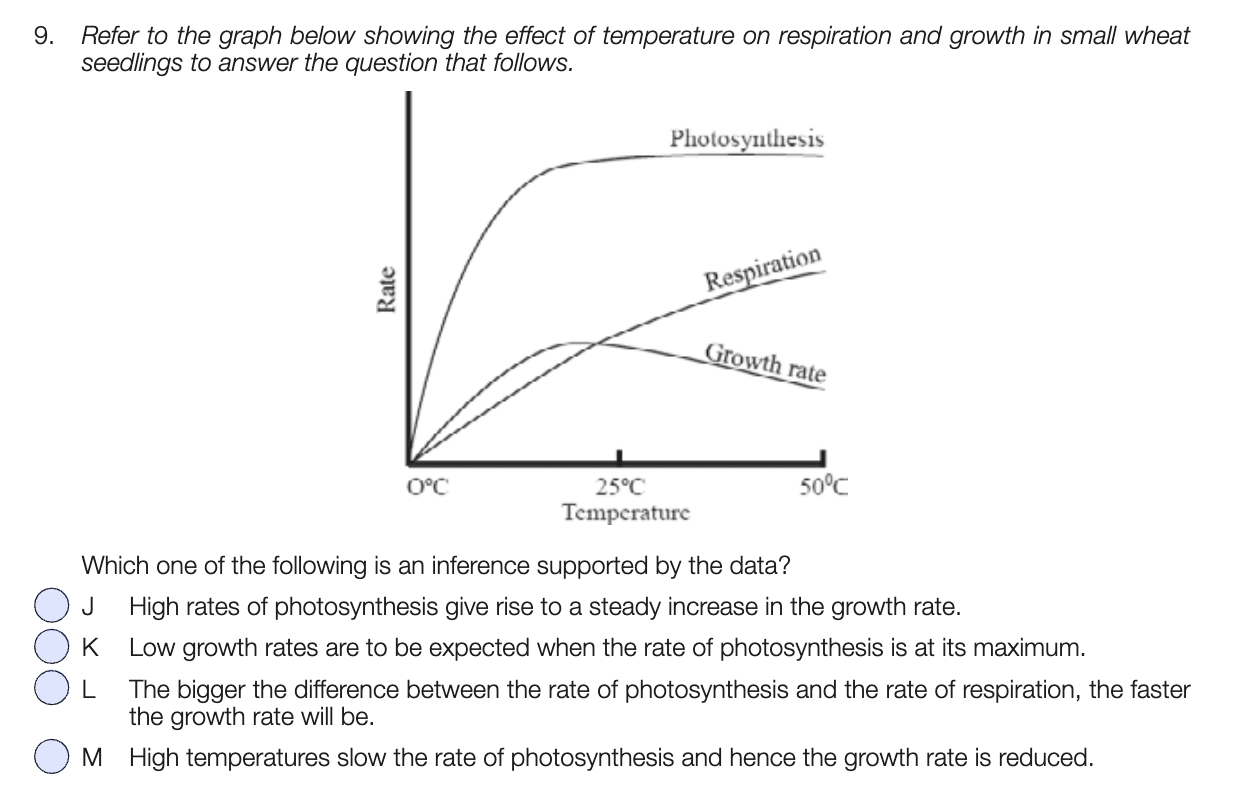
Limiting factors affecting photosynthesis - temperature
rate of reaction stuff from chem
controlls enzymes responsible for calvin cycle
low temp - slower movement of molecules, fewer collisions, slower photosynthesis
optimal temp - ideal range means enzyme activity accelerates
high temp - denatures enzymes
super cold - deactivates enzyme, low rate

how chemicals interfere with cell metabolism
irreversible or reversible binding
irreversible inhibitors - react with the enzyme, chemically alter the structure of individual amino acids that play role in determining the precise shape (hence function and activity) of enzyme
most drugs are chemical inhibitors of enzyme

K
M

M

K

a) each enzyme catalyses a different substrate/intermediate compound based on its unique shape. enzymes are proteins, and proteins are made up of one or more polypeptide chains. Each polypeptide is coded for by a specific gene; hence, different genes will code for different enzymes within the metabolic pathway
b) end product inhibition on enzyme 1 stops it from converting the precursor to the first intermediary compound, stopping tryptophan production OR end product inhibition on gene 3, which will act on enzyme 3, preventing conversion of compound 2 to 3, stopping production
c) it conserves useful resources which would be wasted if unncessarily converted into tryptophan if tehre are already adequate levels of it

a) Eukaryotic - shows linear chromosomes
b) A - sister chromatids are separating and moving towards the poles, they are pulled away by shortening spindle fibres (tubulin is being removed). B - chromosomes are unravelling as they form 2 new nuclei
c) sister chromatids are identical, made by DNA during semiconservative replication

a) A - anaphase B - metaphase C - prophase D - telophase E - interphase
b) C, B, A, D

a) the closer to the root, the greater the number of cells that have visible chromosomes and are undergoing cell division
b) cells that are closer to the root are actively dividing and growing
ploidy
describes the number of sets of chromosomes (symbol n)
diploid - 2 sets of chromosomes (2n) - one from each parent
haploid - 1 set of chromosomes (n)

meiosis and fertilisation
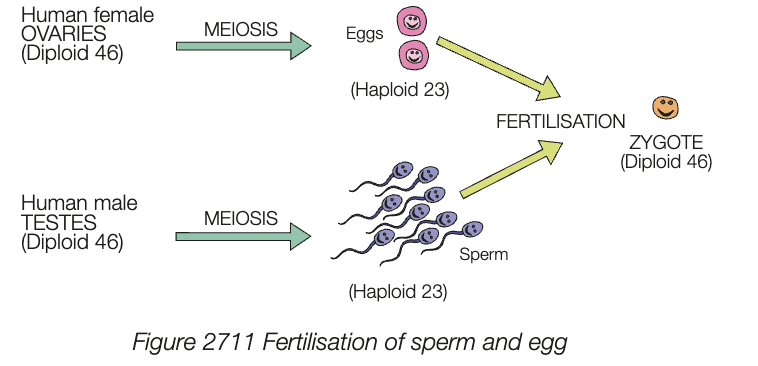
produces haploid cells known as gametes (sex cells) - e.g. sperm and egg cells
during fertilisation, 2 haploid cells fuse to restore diploid number and produce a zygote
zygote undergoes mitotic divisions maintaining diploid no. throughout all somatic cells
results in 4 genetically variable haploid cells - either male or female gametes.
is reduction division - from diploid to haploid and if fertilisation occurs, diploid again
homologous chromosomes
pairs of chromosomes - one maternal, one paternal
each is similar in length (except sex chromosomes)
centromere of each chromosome is in similar position
have same banding pattern after being stained with particular dye
at corresponding positions on each member of pair, genes code for same characteristic (may be different allele forms).

involves meiosis (2 nuclear divisions) and cytokinesis (2 divisions of cytosol)
purpose is to produce sperm in males, eggs in females that are haploid
haploid cells will have ½ no of chromosomes as somatic - one member from each homologous pair
diploid number restored in fertilisation
occurs in the testes and ovaries of humans
germline cell - cells that have the capacity to divide by meiosis and give rise to gametes

meiosis steps - meiosis 1
chromatin undergoes DNA replication, makes 2 identical chromatids attached at centromere
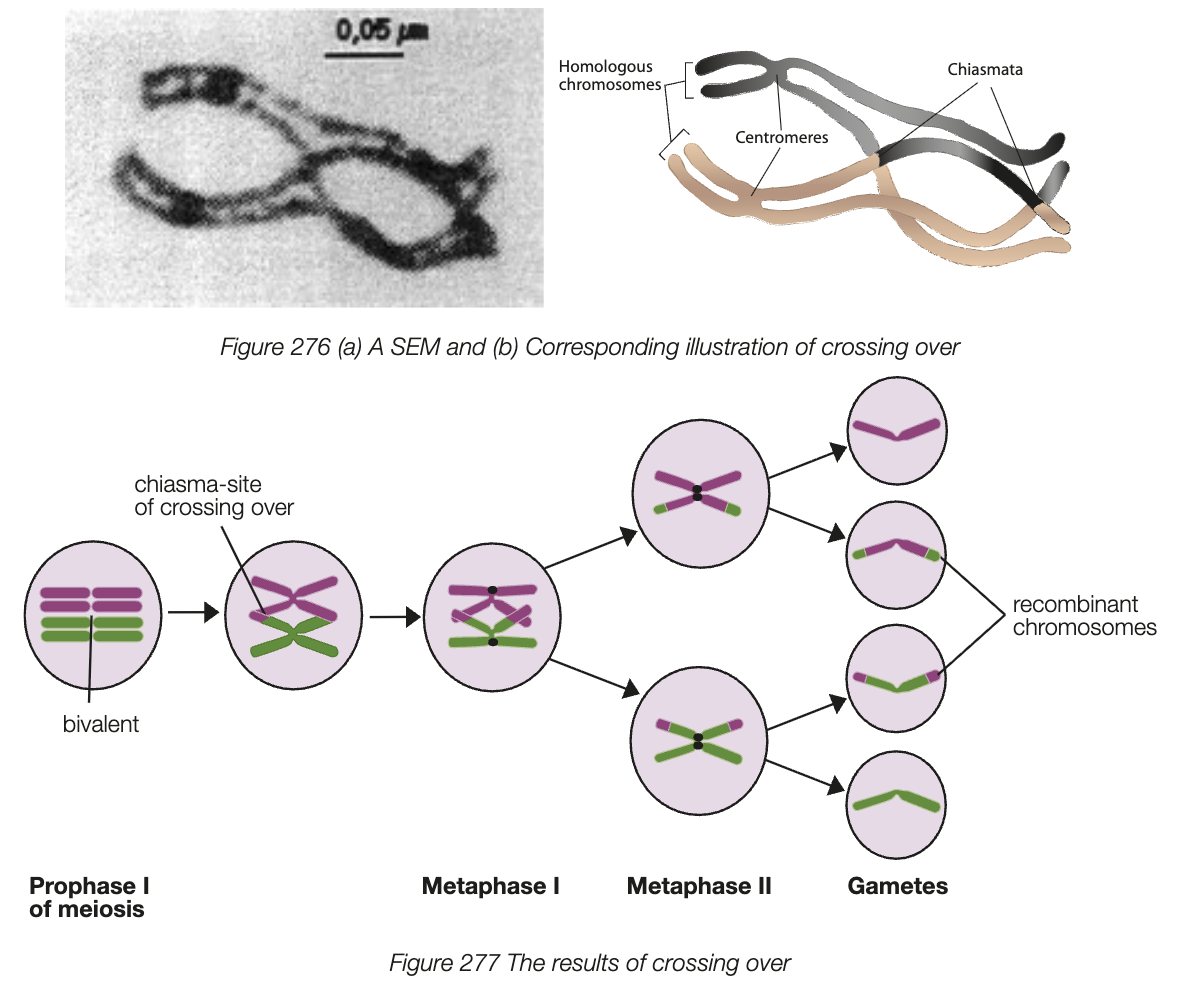
prophase 1 - chromatin condenses, chromosomes are visible (identical sister chromatids). homologous chromosomes pair up to form bivalent. fragments of chromatids are exchanged, forms new combination of maternal and paternal genes in process called crossing over. nucleolus disappears, nuclear membrane breaks down - homologous pairs are moved to cytoplasm. spindles radiate towards equator of cell
metaphase 1 - pair of homologous chromosomes (bivalents) move to equator of cell by spindle fibres. homologous chromosomes line up next to each other (either side of metaphase plate). side of metaphase plate chromosomes lines up on is random - independent assortment. results in random assortment of maternal and paternal genes in haploid cells
anaphase 1 - randomly arranged homologous pairs are separated by spindle fibres - pull towards opposite pole of cell. sister chromatids are not separated during anaphase 1 only homologous pairs
telophase 1 - chromosmes arrive at poles of cell (some organisms decondense chromsomes into chromatin and form nuclei around 2 haploid sets of chromosomes)
cytokinesis - divides cytoplasm into 2 daughter cells - produces 2 haploid cells with one set of chromosmes, but both cells have their sister chromatids.

meiosis steps - meiosis 2
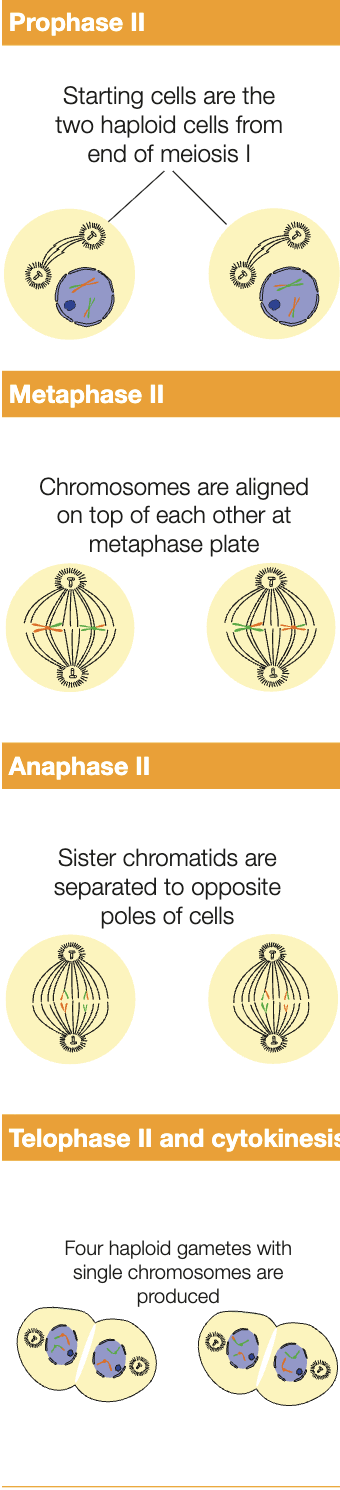
prophase 2 - no DNA replication occurs to the two haploid cells produced from meiosis 1 (sister chromatids are already present). if needed, chromatin condenses, the nucleus and nucleolus break down - chromosomes are in the cytoplasm. The new spindle apparatus starts to form
metaphase 2 - spindle fibres from opposite poles attach to centromeres of chromosomes, each with 2 identical sister chromatids - moves them to the metaphase plate, where they vertically align
anaphase 2 - sister chromatids of each chromosome are separated and move to opposite poles
telophase 2 - nuclear membrane forms around each of 4 sets of chromosomes, and the nucleolus for each cell becomes visible. chromosomes decondense
cytokinesis - divides each cytoplasm - results in 4 genetically variable haploid cells
sources of genetic variation in sexual reproduction - crossing over
prophase 1 - homologous chromosomes (2 identical sister chromatids) sit next to each other (synapsis)
Non-sister chromatids are in contact at many pts called chiasmata
enzymes cut identical sites on non-sister chromatids and sections of DNA swap between them
chromosomes show different combinations of genes
result of crossing over is a recombinant chromosome
produces a new combo of maternal and paternal genes - greater genetic diversity in the gametes formed
sources of genetic variation in sexual reproduction - independent assortment
results in random assortment of genes
occurs during metaphase 1 - homologous maternal and paternal chromosomes randomly line up on either equator of cell - equal chance for chromosome to be on left or right
mathematical representation of number of possible combinations is 2n , where n = number of homologous pairs in the organism (humans is 223)

sources of genetic variation in sexual reproduction - fertilisation
fusion of 2 gametes restores diploid number of chromosomes
introduces variation as the new zygote formed has genetic material from 2 different parents
comparison of mitotic and meiotic division


J

L
M

3

L

K
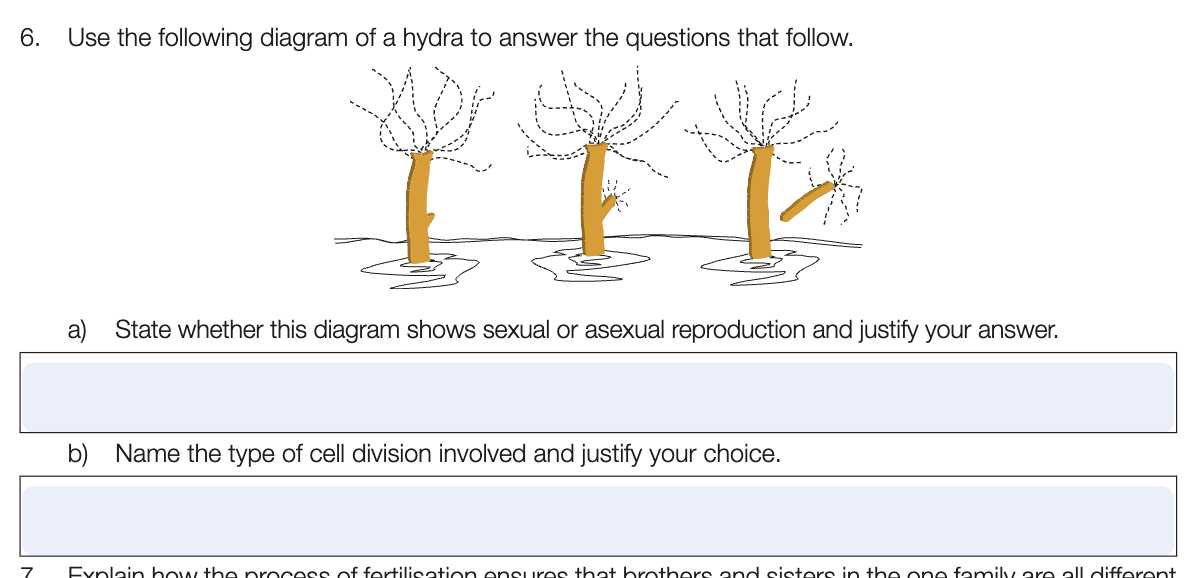
a) asexual reproduction - it shows a daughter hydra budding from the parent, which does not involve meiosis/fertilisation, therefore is not sexually reproducing
b) Hydra consists of eukaryotic cells. as they reproduce asexually, the type of division is mitosis.
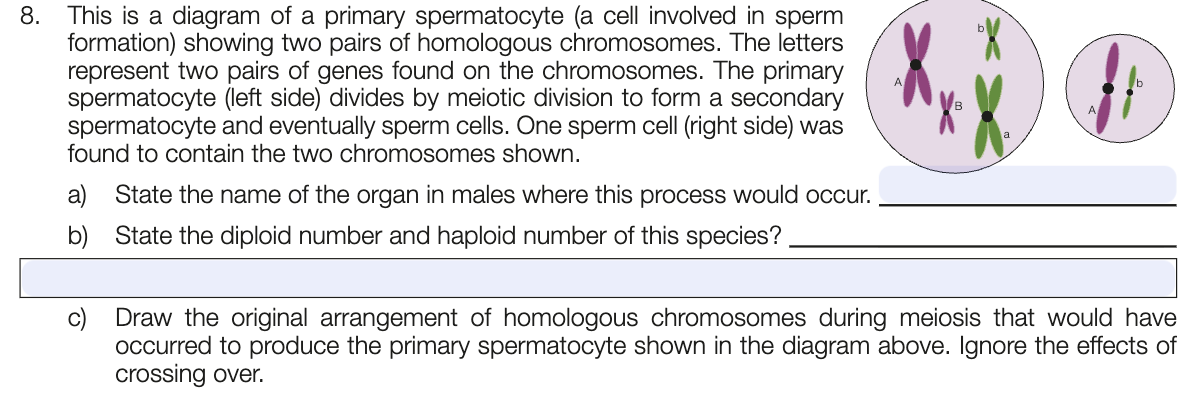
a) testes
b) diploid no. = 2n = 4, haploid no. = n = 2
c) image

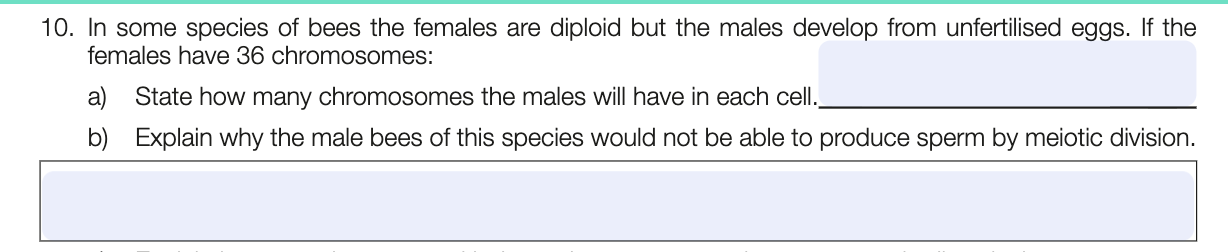
a) 18
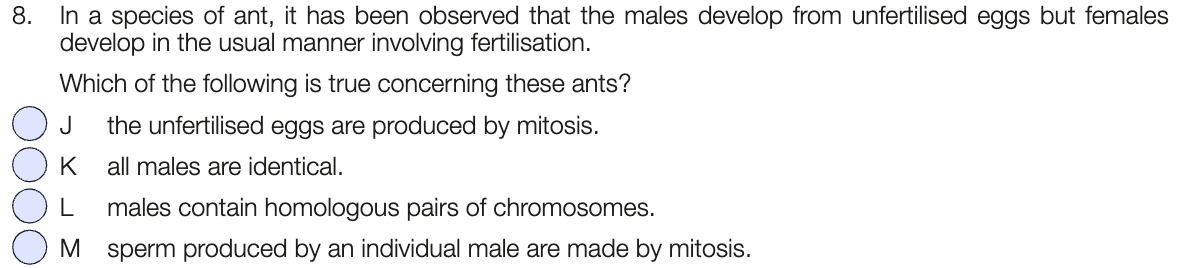
b) male bees are haploid as they develop from unfertilised eggs. Meiosis cannot occur since there are no homologous pairs to separate. reduction division cannot occur and the diploid number will not be restored upon fertilisation

a) independent assortment involves random pairing and separation of maternal and paternal chromosomes, producing a new combination of chromosomes.
crossing over swaps sections of sister chromatids between 1 homologous maternal and paternal chromosome pair, hence, new combo og genes are formed on the homologous chromosome.
both processes increase genetic diversity of resulting gametes
b) see image

Market gardeners often grow strawberry plants from cuttings rather than using seed which has been produced by sexual reproduction. Using your understanding of sexual and asexual reproduction, discuss why this might be the preferred method to propagate new strawberry plants.
asexual reproduction produces clones of the parent, whereas sexual reproduction produces variation in offspring. In strawberry production a desired trait which is genetically inherited can be larger, sweeter strawberries. to produce new plants with this characteristics, asexual reproduction is used so as to not chance the variation introduced by sexual reproduction

a) A - meiosis B - mitosis (growth) C - mitosis D - fertilisation
b) sexual phases - A and D - meiosis and fertilisation. asexual phases - B and C - involve mitosis
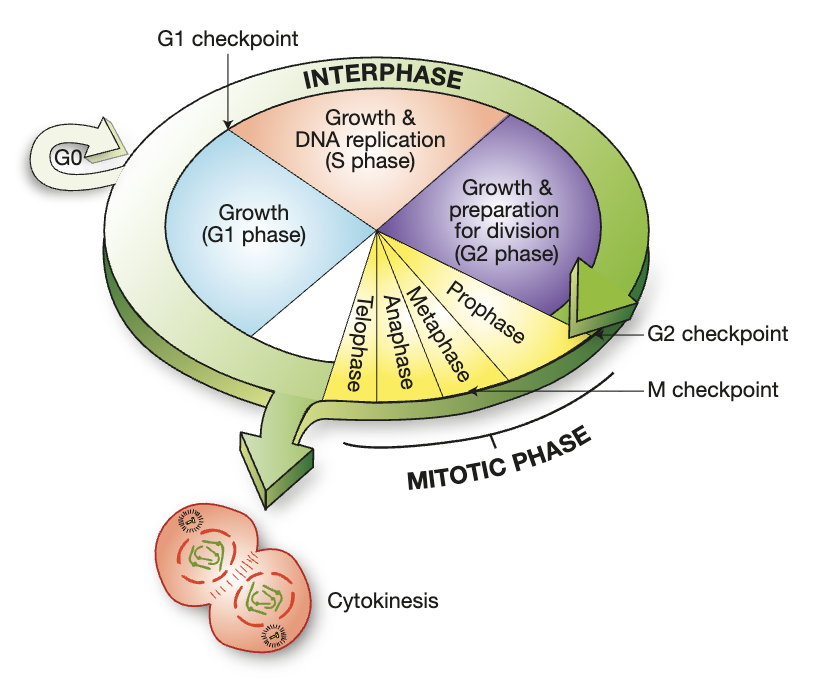
cell cycle stages
mitosis - division of the nucleus
cytokinesis - division of cytoplasm, formation of 2 new nuclei
interphase - time between divisions
very active phase, many processes and biochemical reactions occur (transcription, translation, DNA replication)
3 stages - G1, S, G2, G0 - gaps and synthesis
G0 - when cells are not dividing - can enter permanently if never divide again (e.g. nerve cells) or temporarily after a particular trigger (e.g. damage to tissue)