The Language of Medicine - Chapter 15 (Musculoskeletal System)
 Call Kai
 Learn
Learn Practice Test
 Spaced Repetition
 Match
Match Flashcards
 Knowt Play
1/243

There's no tags or description
Looks like no tags are added yet.
Name | Mastery | Learn | Test | Matching | Spaced | Call with Kai | Chat |
|---|
No analytics yet
Send a link to your students to track their progress
244 Terms
acetabulum
rounded depression, or socket, in the pelvis that joins the femur(thigh bone), forming the hip joint
acromion
outward extension of the shoulder blade forming the point of the shoulder
bone
dense, hard connective tissue composing the skeleton
bone depression
opening or hollow region serving as a connection for bones, or passageways for blood vessels and nerves

bone process
enlarged area that extends from bones as an attachment for muscles, tendons, and ligaments.
calcium
one of the mineral constituents of bone
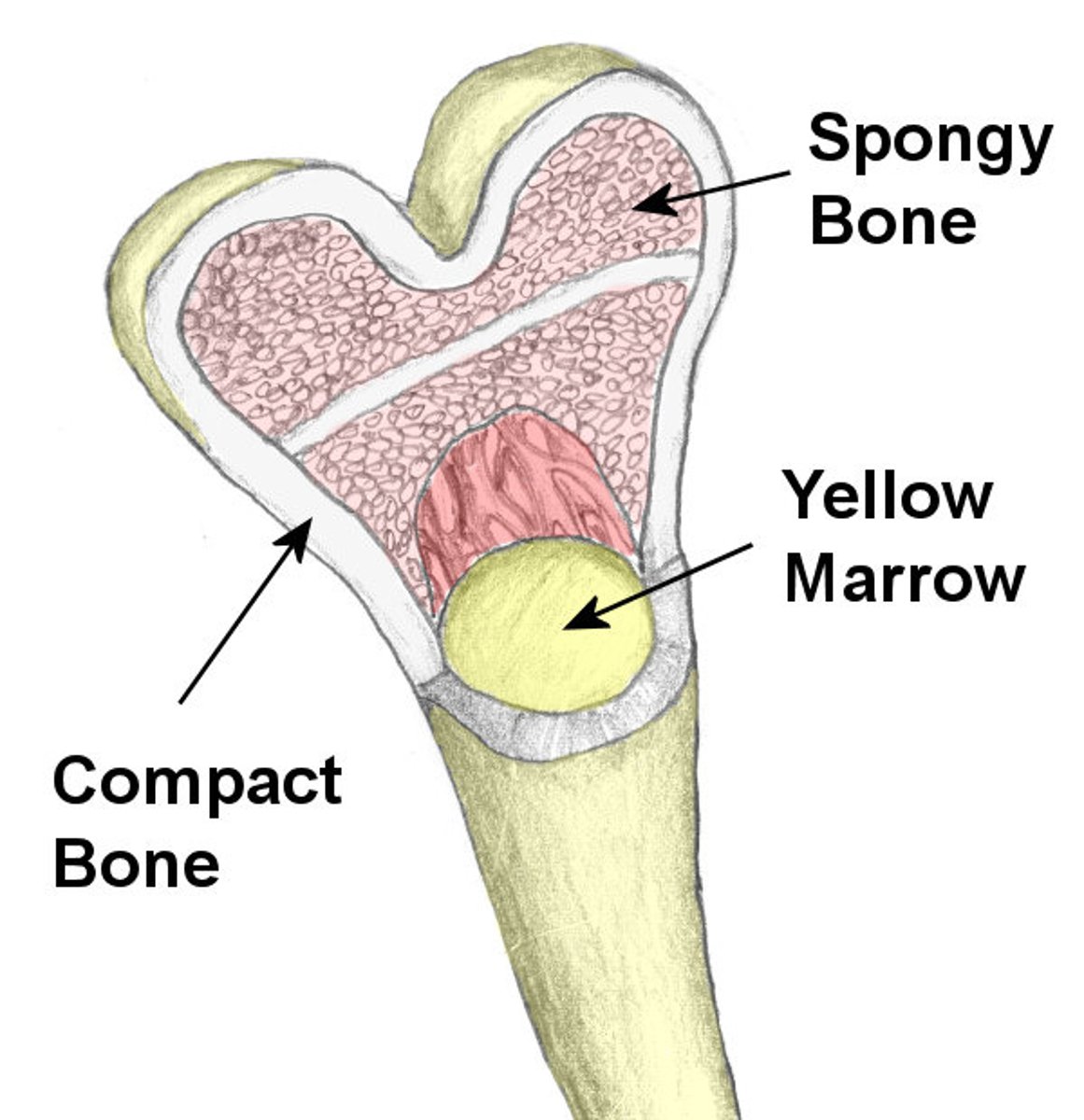
cancellous bone
spongy, porous, bone tissue in the inner part of the bone

cartilage
flexible, connective tissue; found in the immature skeleton, at the epiphyseal growth plate
collagen
Dense, connective tissue protein strands found in the bone and other tissues
compact bone
hard dense bone tissue, usually found around the outer portion of bones
cranial bones
skull bones; ethmoid, frontal, occipital, parietal, sphenoid, and temporal
diaphysis
shaft, or mid-portion, of a long bone
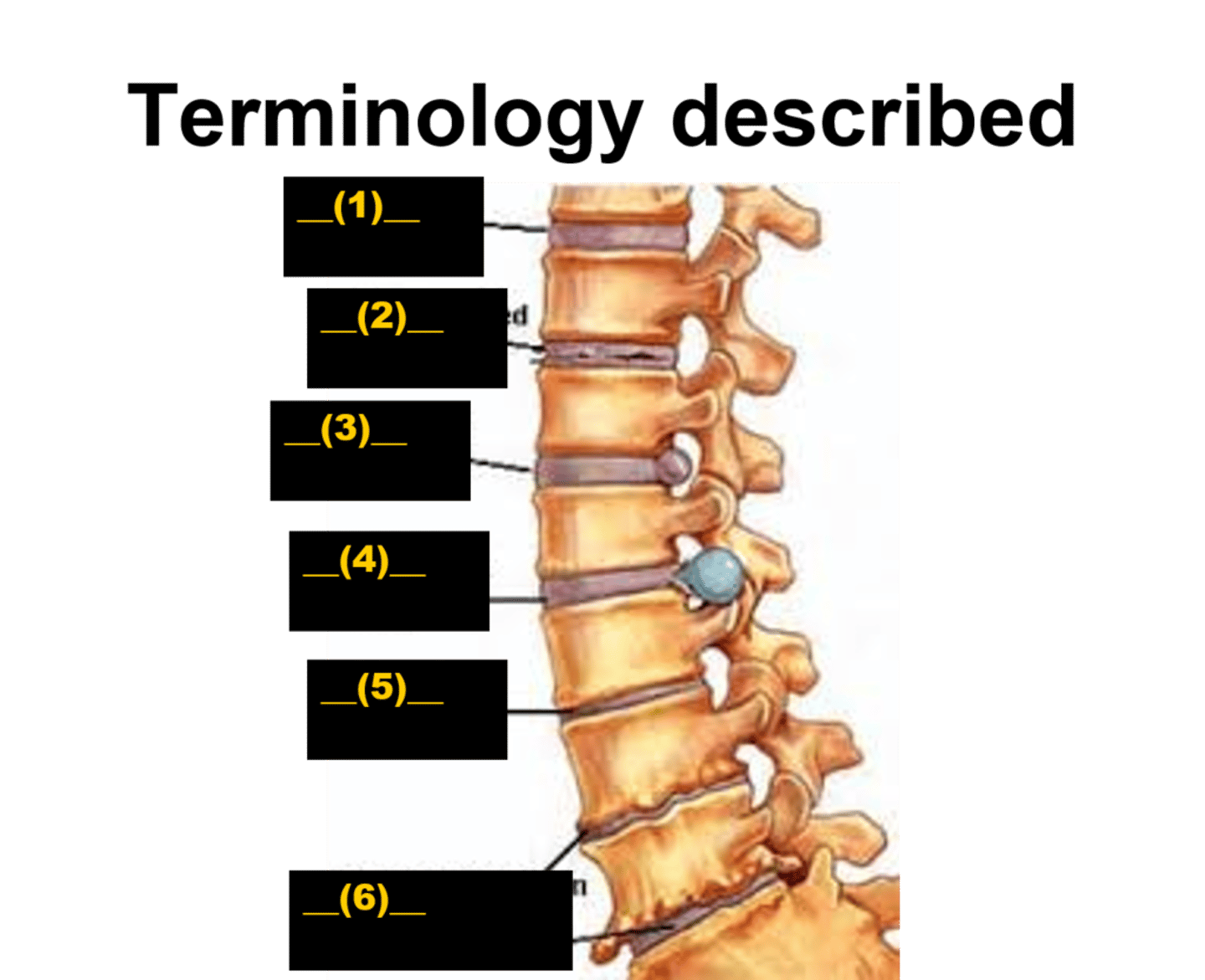
disk (disc)
flat, round, plate-like structure
epiphyseal plate
cartilaginous area at the ends of long bones where lengthwise growth takes place in the immature skeleton
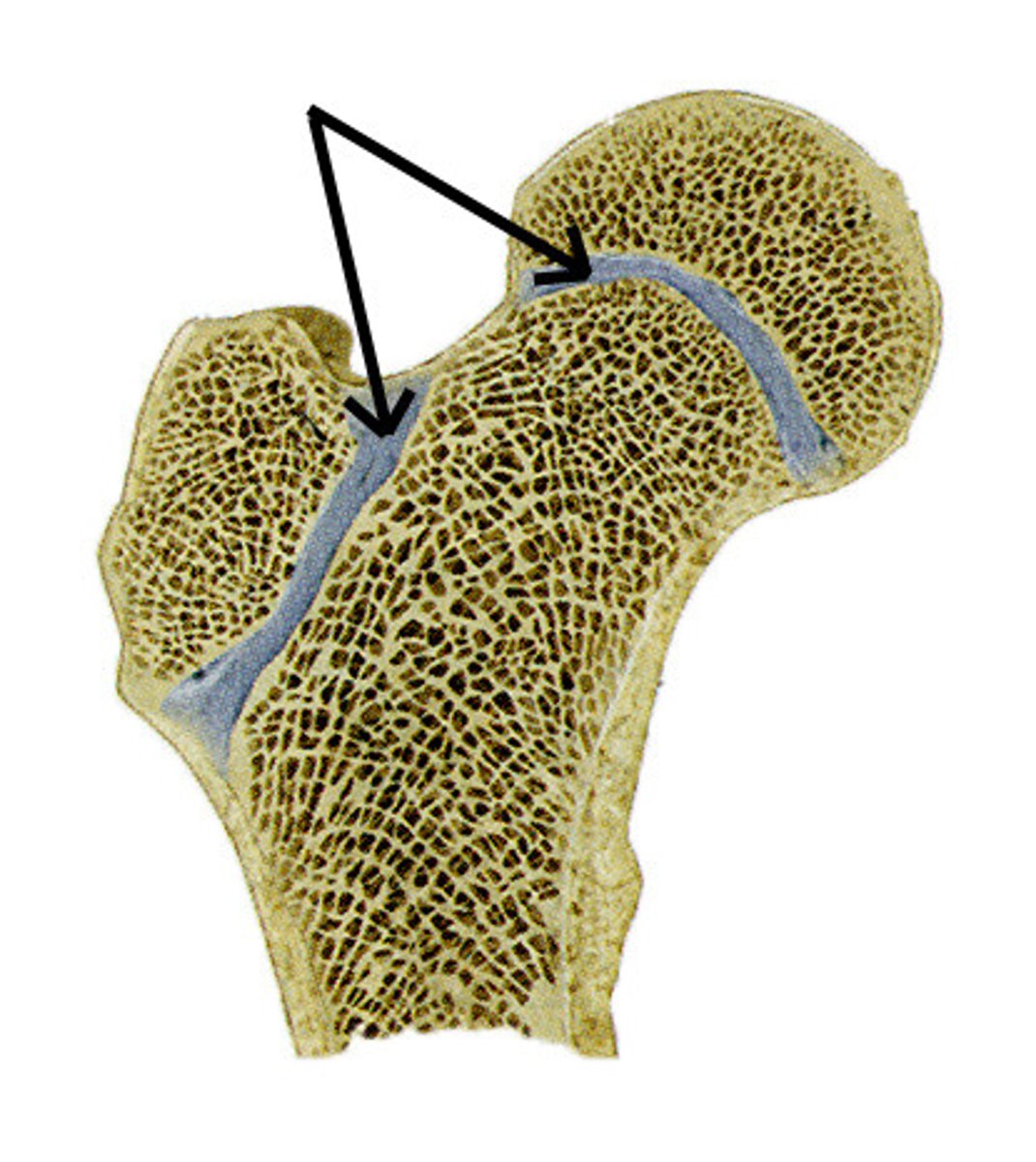
epiphysis
each end of a long bone; the area beyond the epiphyseal plate
facial bones
bones of the face; lacrimal, mandibular, maxillary, nasal, vomer, and zygomatic
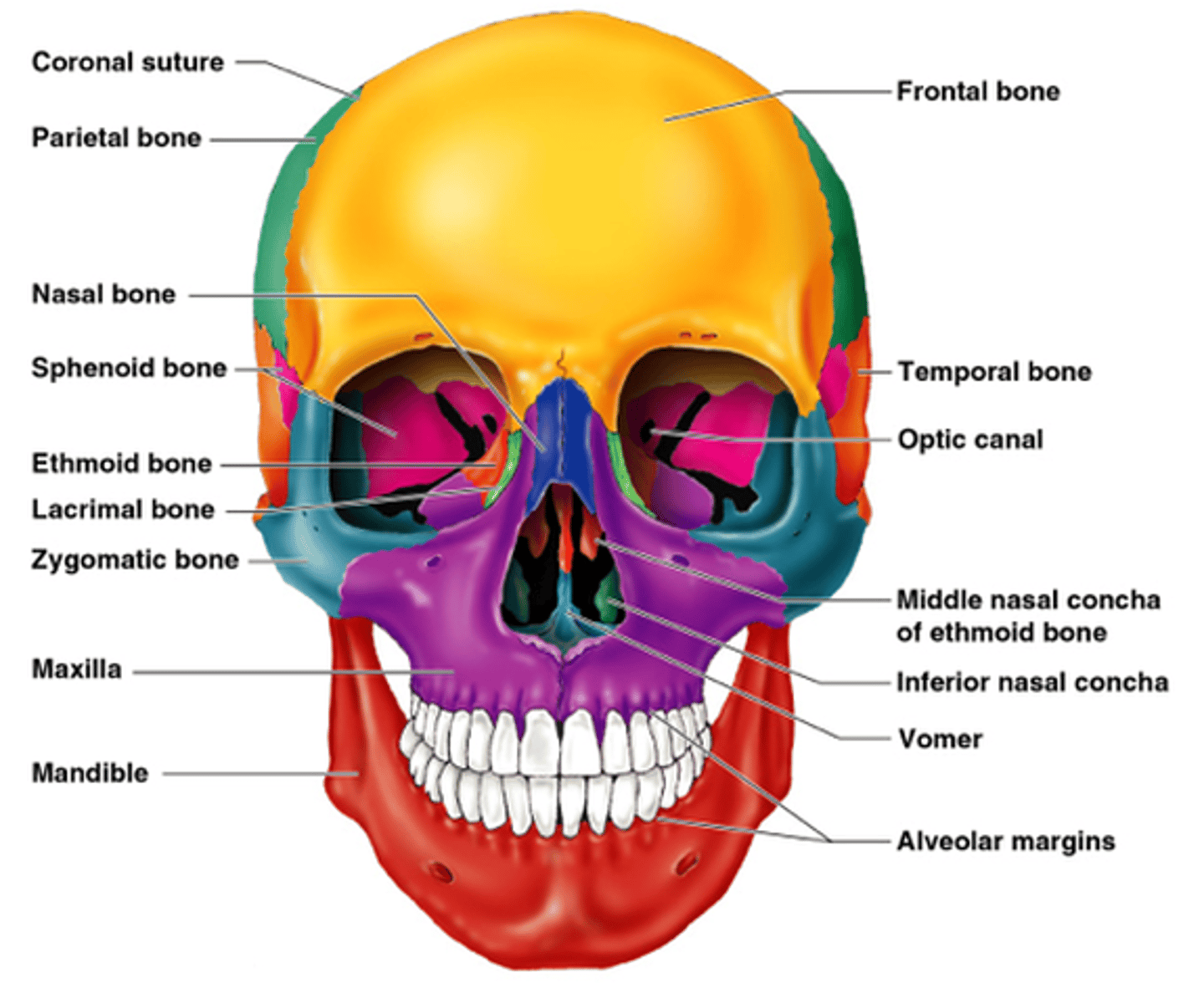
fontanelle
soft spot (incomplete bone formation) between the skull bones of an infant
foramen magnum
opening of the occipital bone through which the spinal cord passes
haversian canals
minute spaces filled with blood vessels; found in compact bone
ligament
fibrous connective tissue that binds bones to other bones
malleolus
round process on both sides of the ankle joint
manubrium
upper portion of the sternum; joins with the clavicle to form the sternoclavicular joint
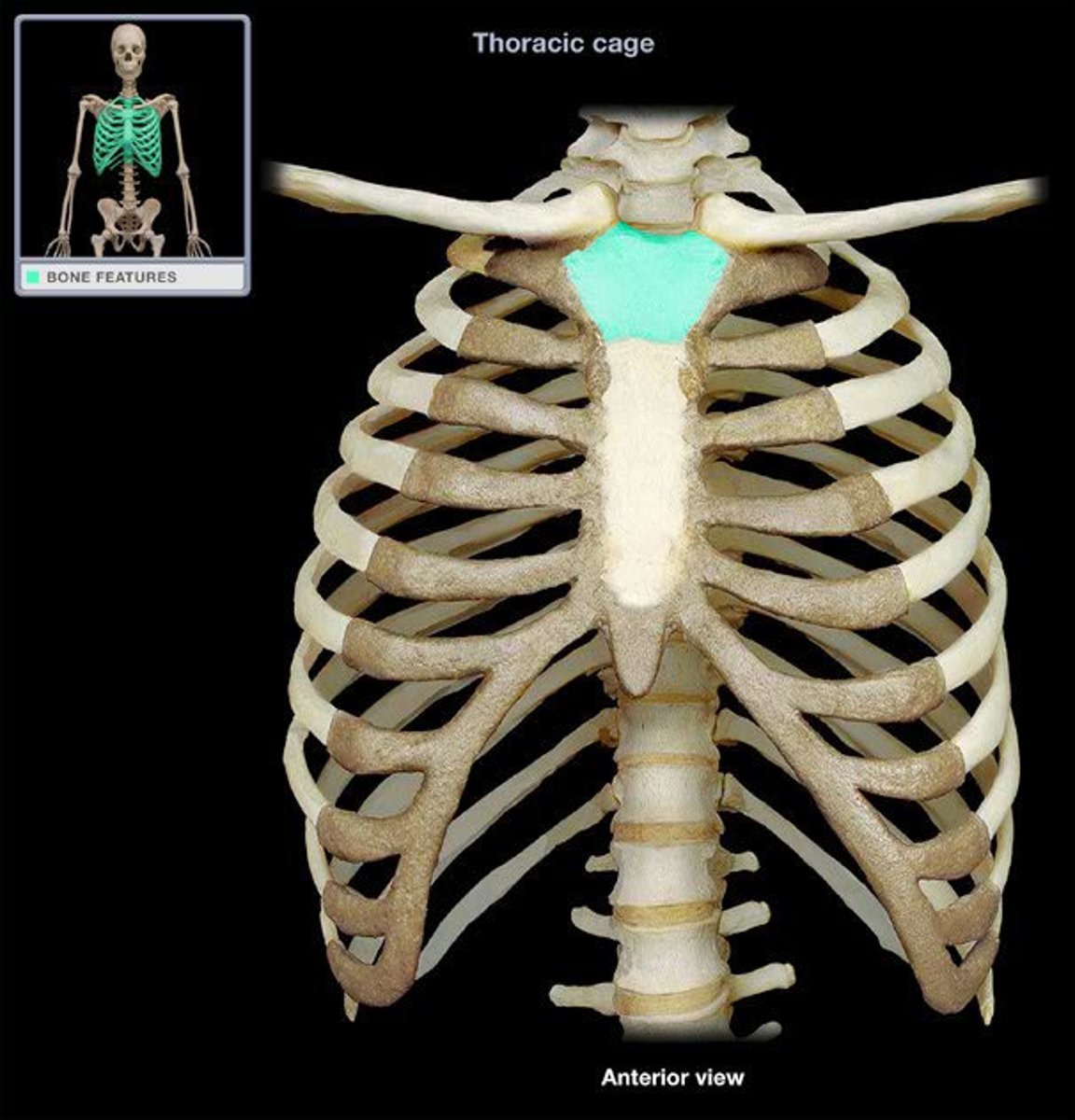
mastoid process
rounded projection on the temporal bone behind the ear
medullary cavity
central, hollowed-out area in the shaft of a long bone
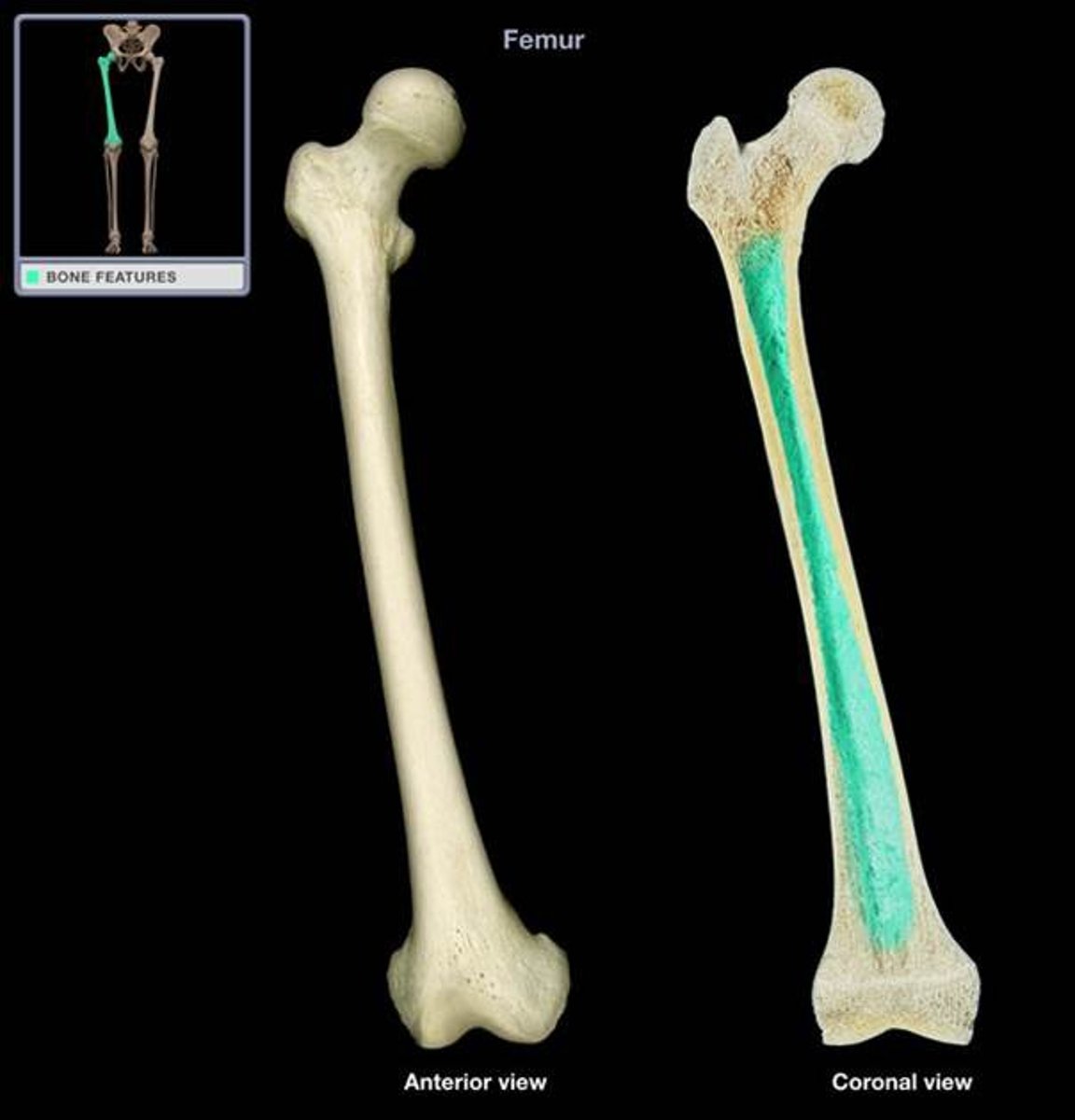
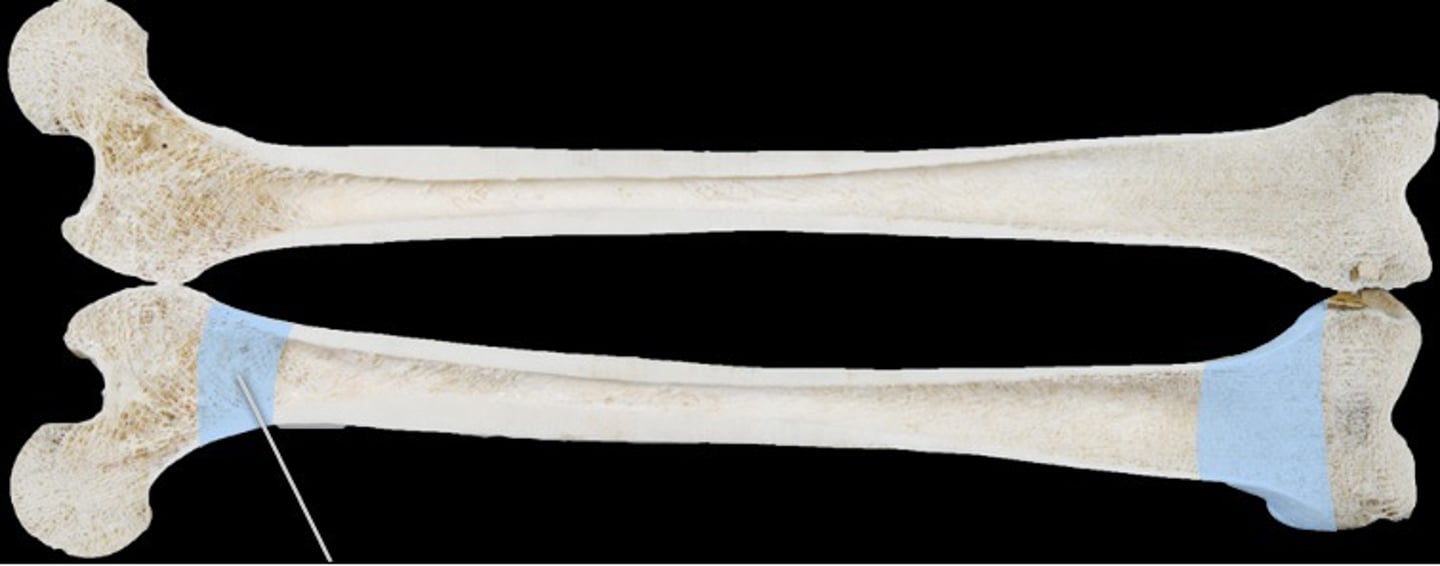
metaphysis
flared portion of a long bone, between the diaphysis and the epiphyseal plate
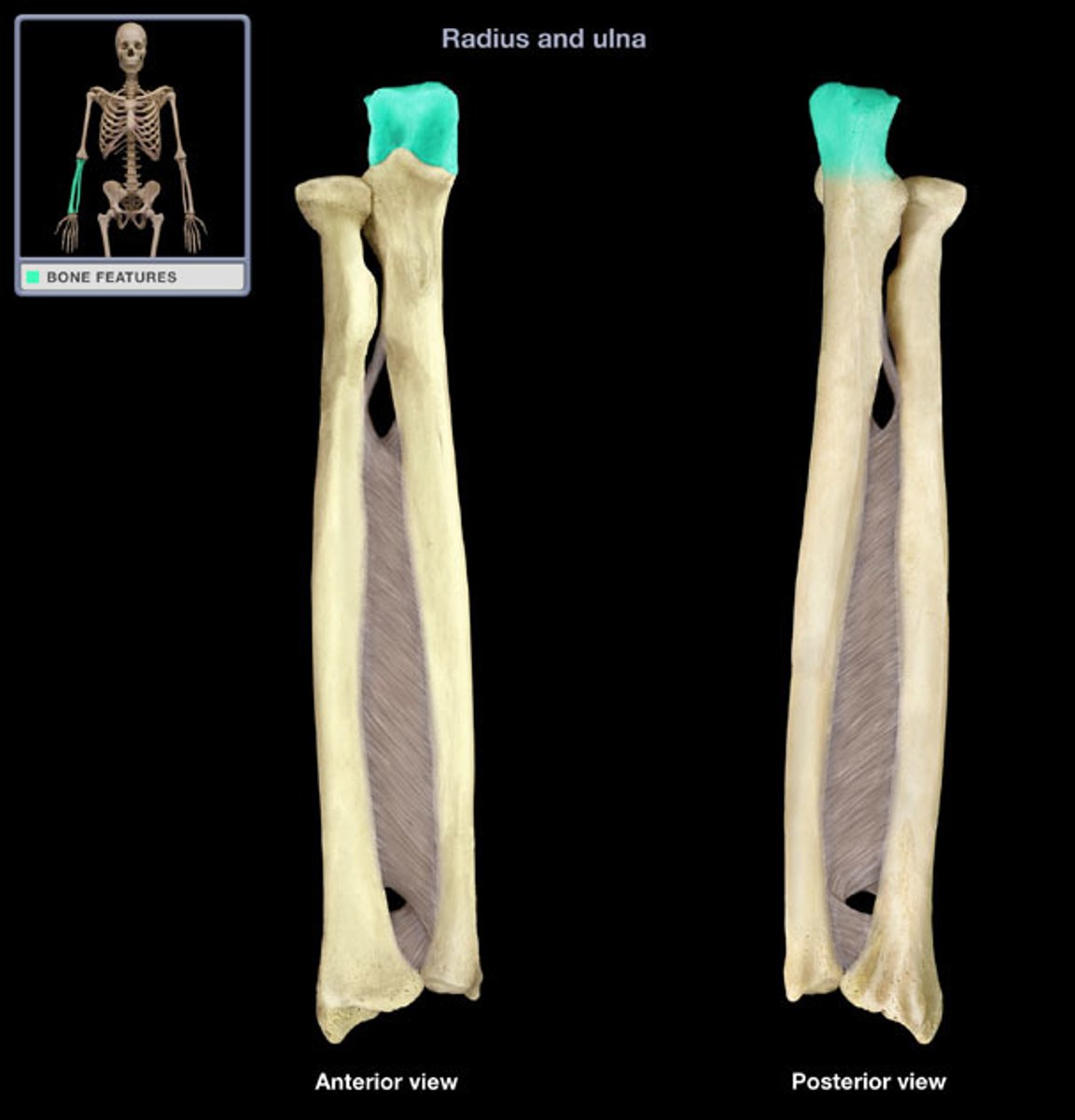
olecranon
large process on the proximal end of the ulna at the elbow
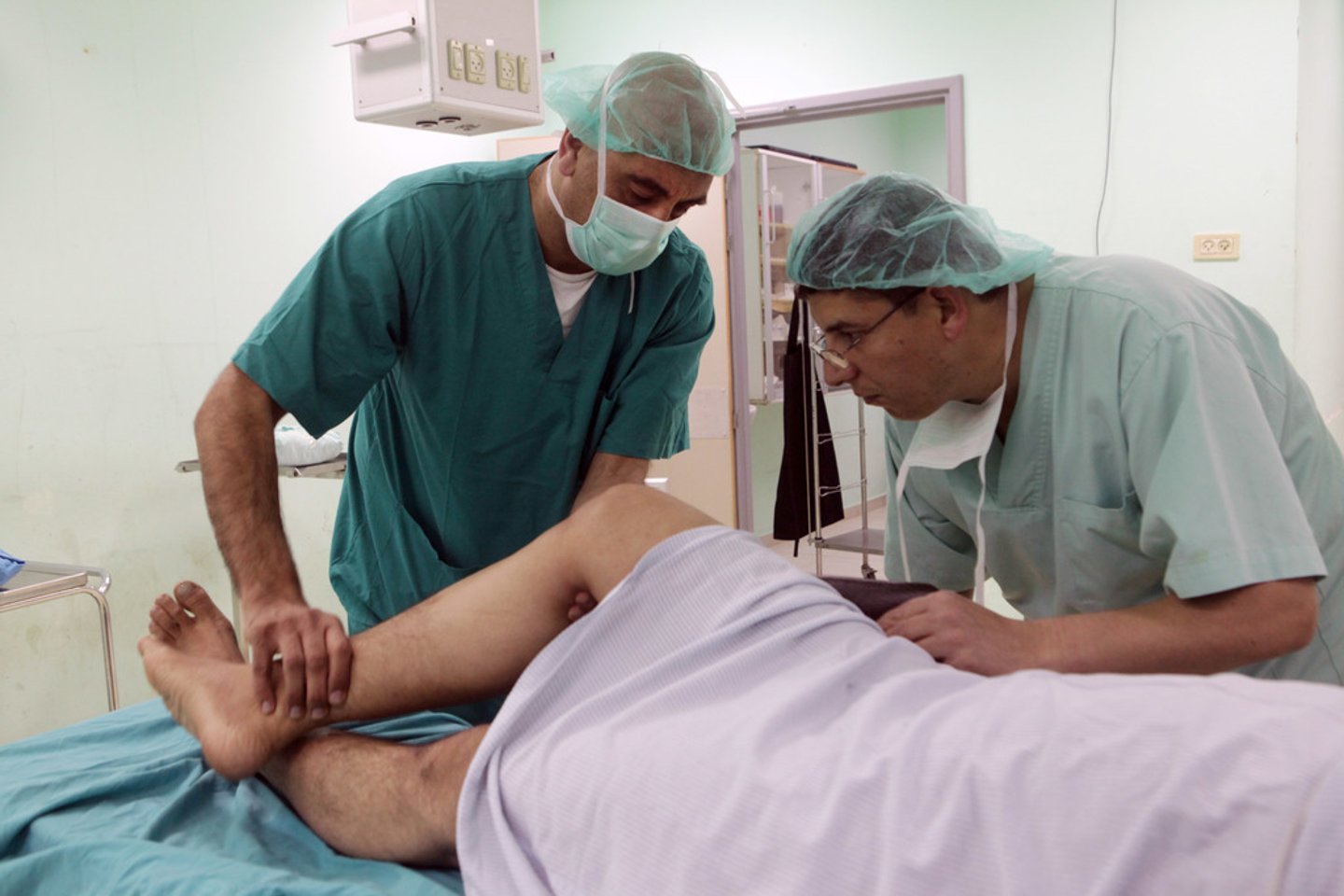
orthopedist
medical doctor who specializes in bone, joint, and muscle conditons
osseous tissue
bone tissue
ossification
process of bone formation
osteoblast
bone cell that helps form bony tissue
osteoclast
bone cell that absorbs and removes unwanted bony tissue
periosteum
membrane surrounding bones; rich in blood vessels and nerve tissue
phosphorus
mineral substance found in bones in combination with calcium
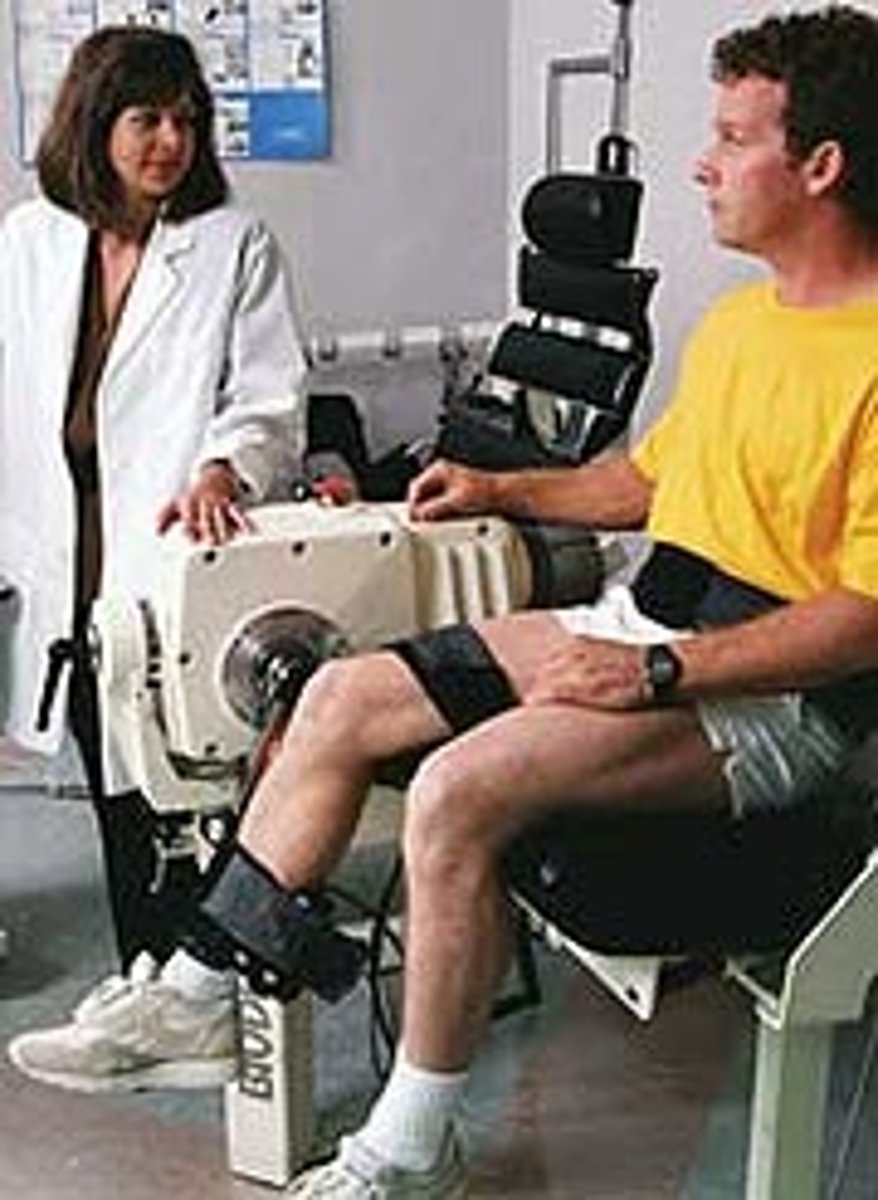
physiatrist
medical doctor specializing in rehabilitation
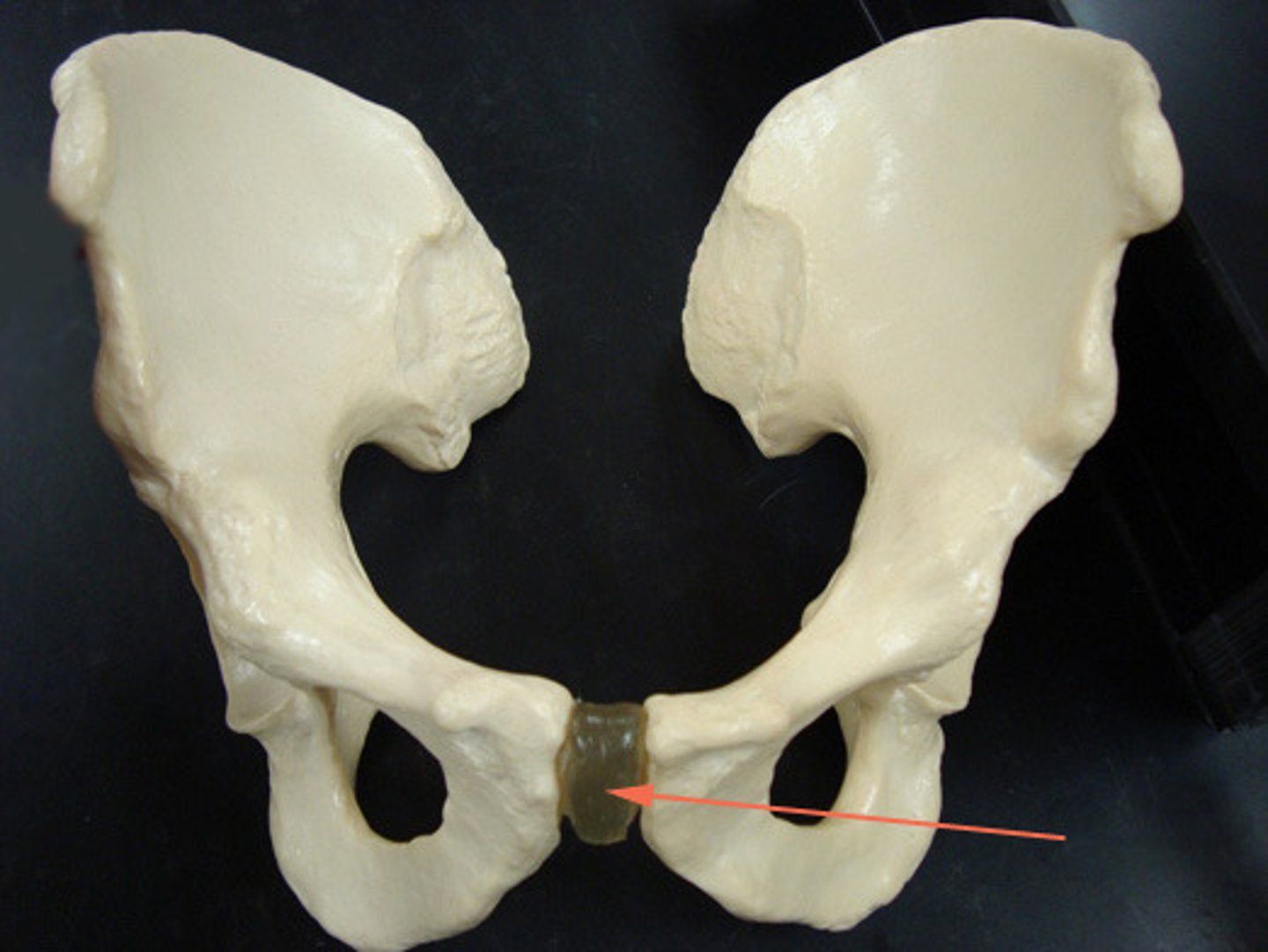
pubic symphysis
area of confluence (coming together) of the two pubic bones in the pelvis
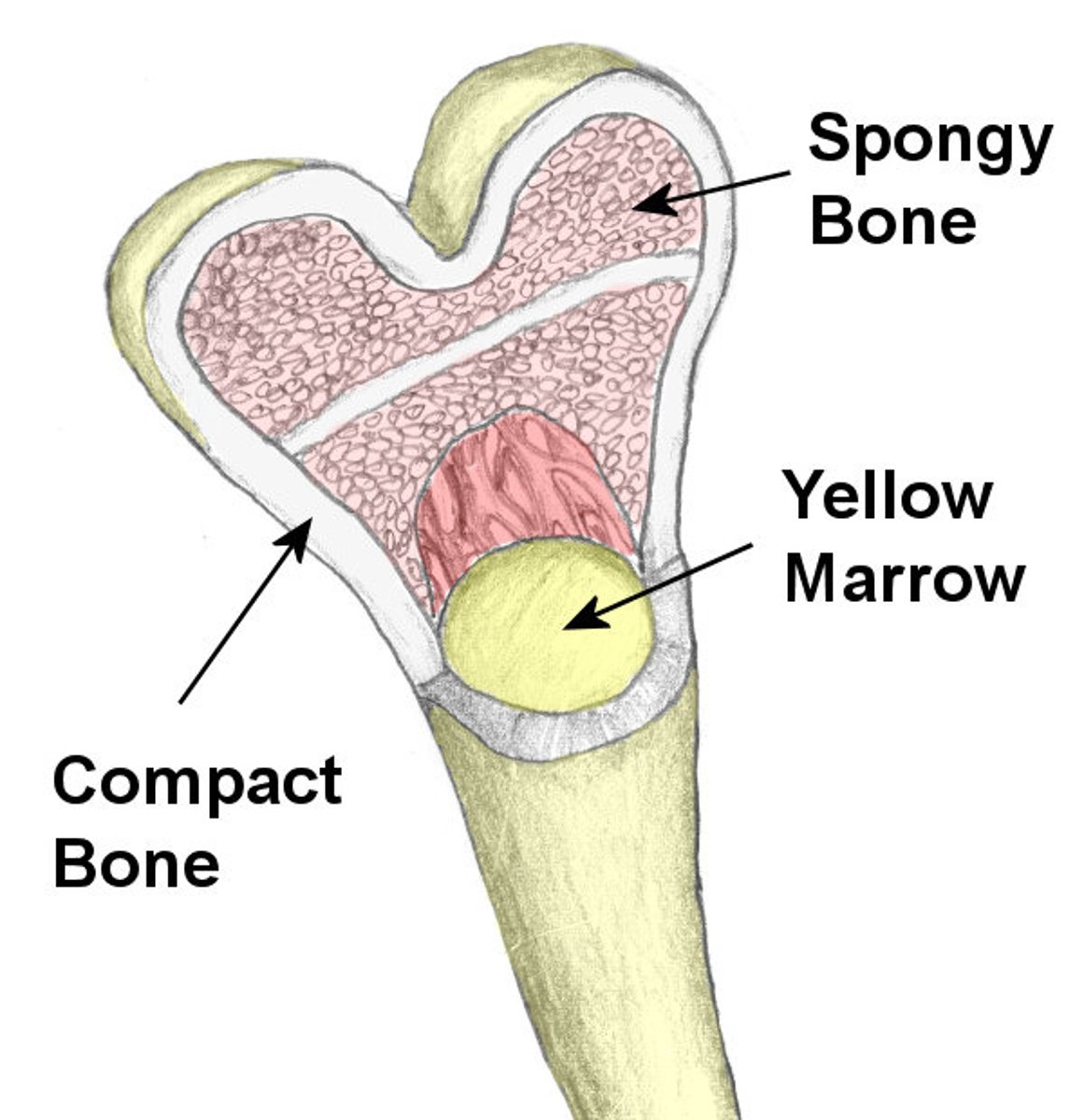
red bone marrow
found in cancellous bone; site of hematopoiesis
ribs
twelve pairs of curved bones that form the chest wall
sella turcica
depression in the sphenoid bone where the pituitary gland is located
sinus
hollow air cavity within a bone
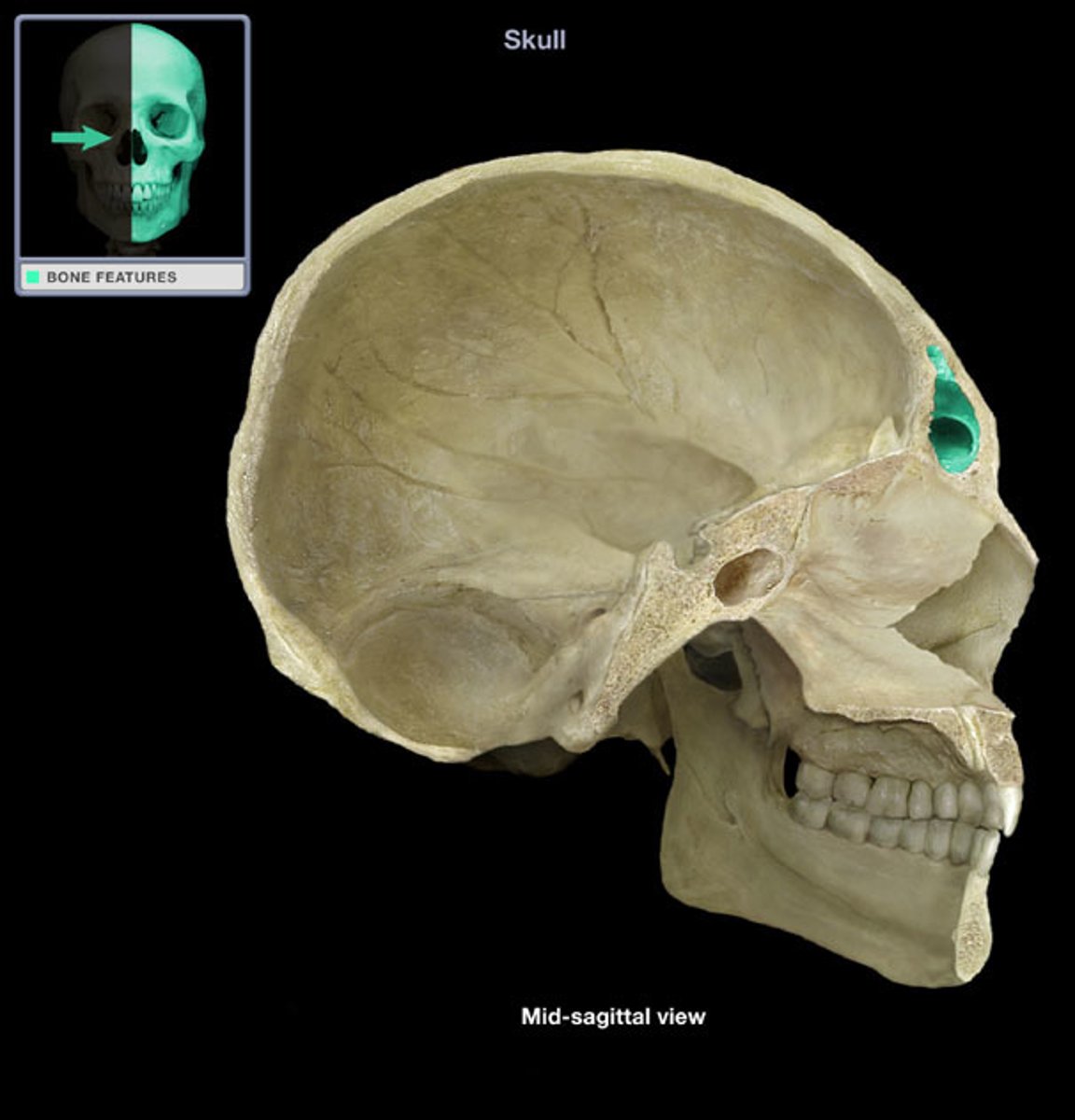
styloid process
pole-like process extending downward the temporal bone on each side of the skull
suture
immovable joint between bones, such as the skull
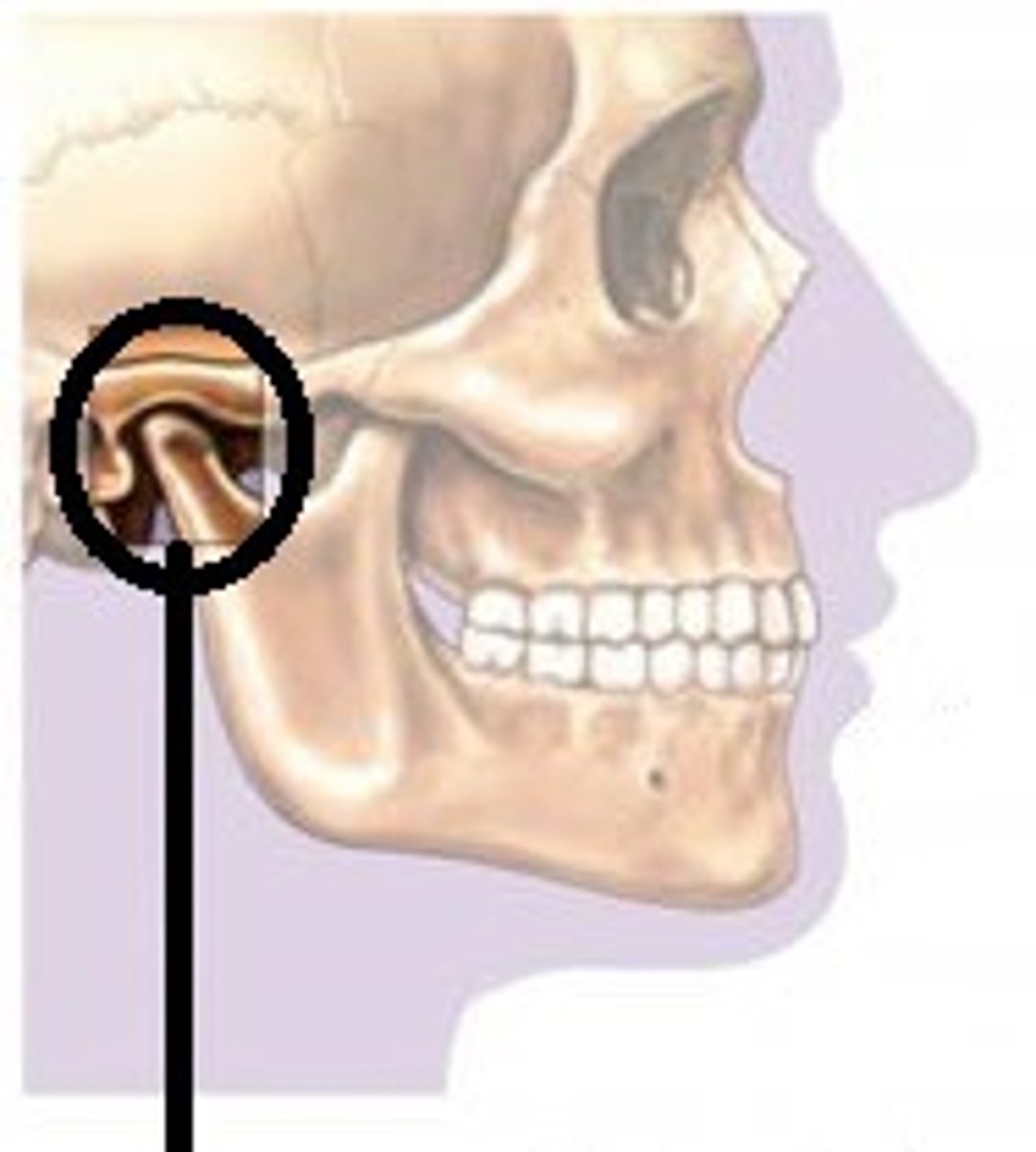
temporomandibular joint
connection on either side of the head between the temporal bone of the skull and mandibular bone of the jaw
tendon
fibrous connective tissue that binds muscles to bones
trabeculae
supporting bundles of bony fibers in cancellous (spongy) bone
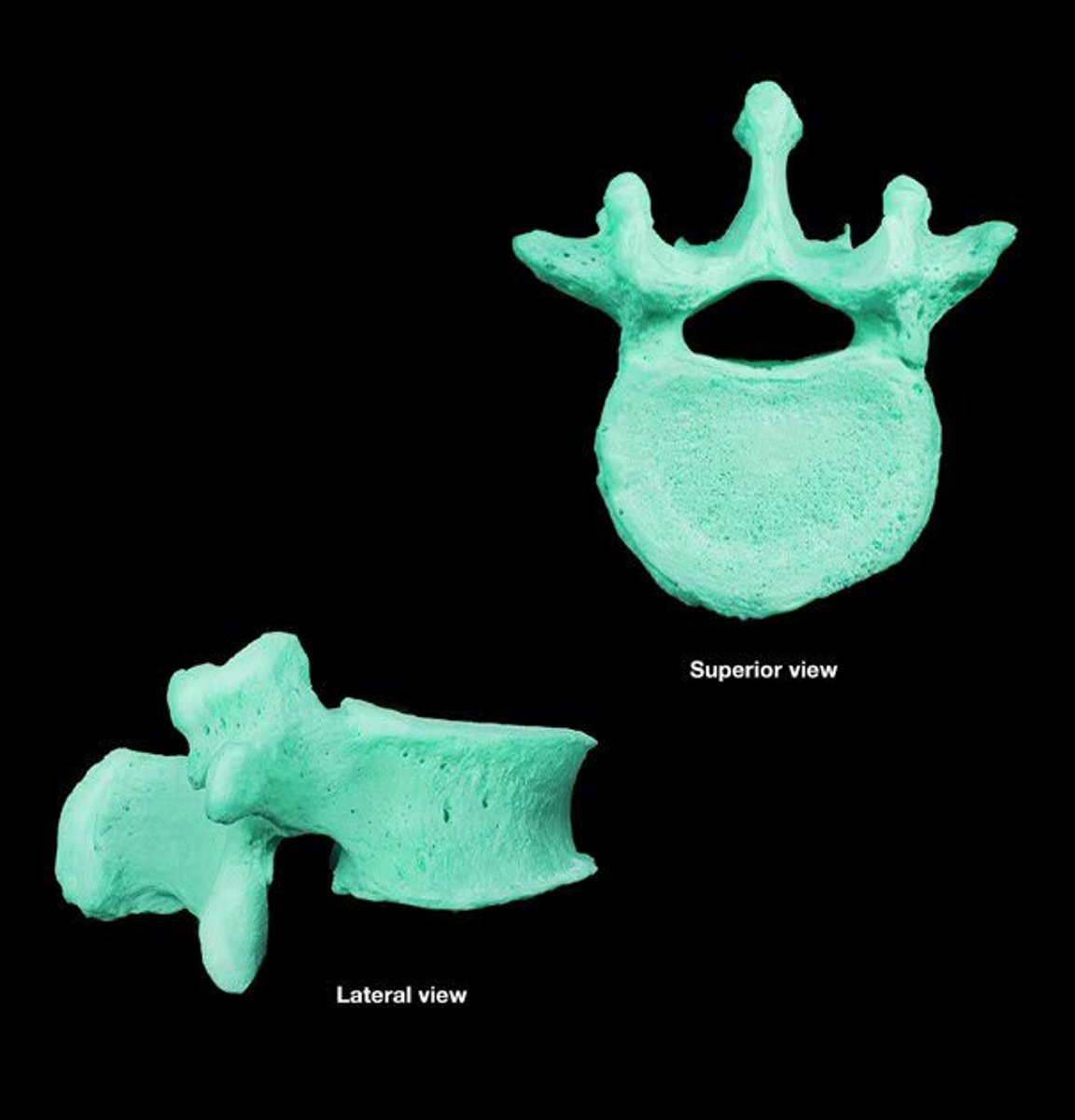
vertebra
individual segment of the spine composed of the vertebral body, vertebral arch, spinous process, transverse process, and lamina, enclosing the neural canal and spinal cord
xiphoid process
lower, narrow portion of the sternum
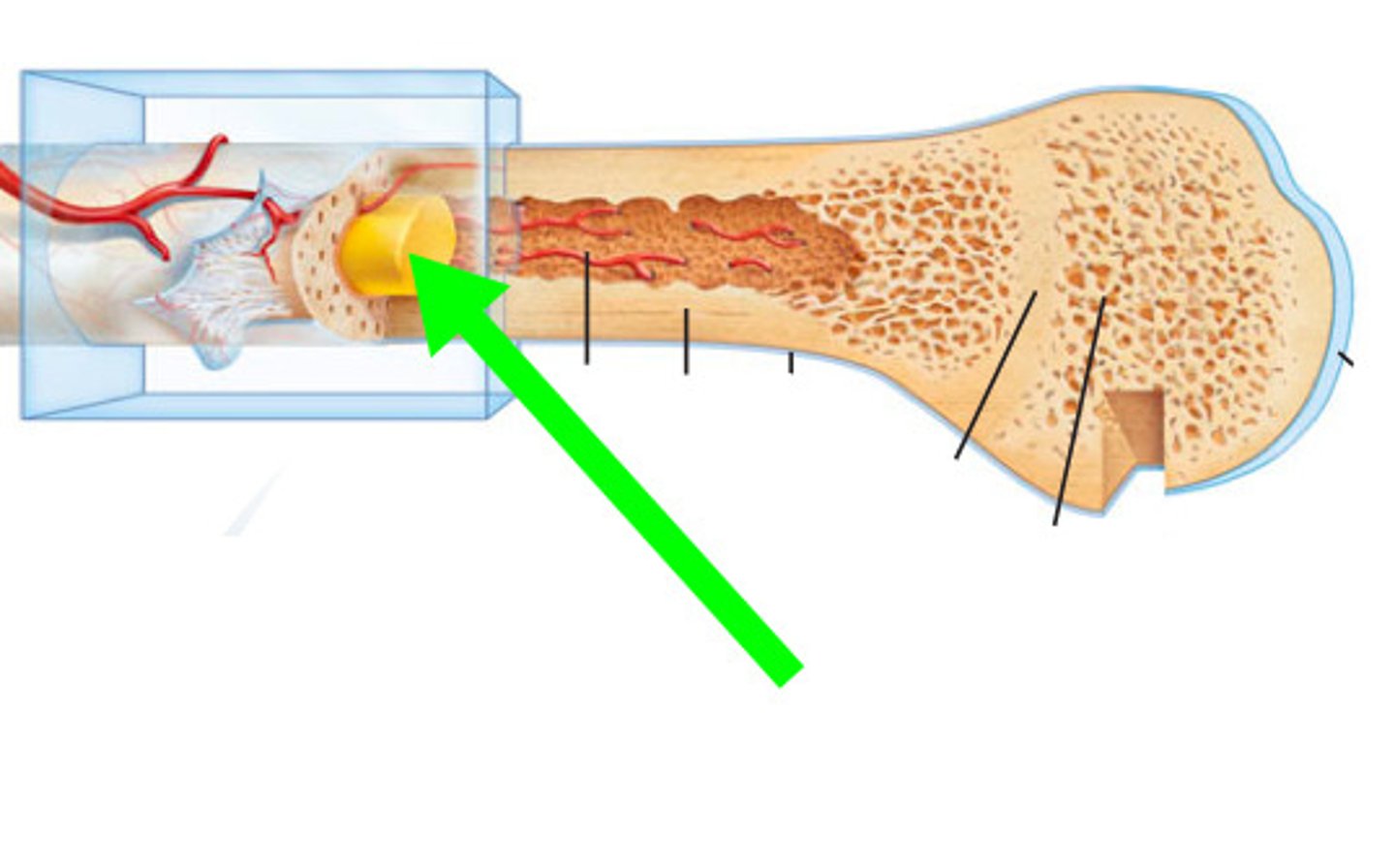
yellow bone marrow
fatty tissue found in the medullary cavity of most adult long bones
calc/o, calci/o
calcium
kyph/o
humpback, hunchback (posterior curvature in the thoracic cavity)
lamin/o
lamina (part of the vertebral arch)
lord/o
curve, swayback (anterior curvature in the lumbar region)
lumb/o
loins, lower back
myel/o
bone marrow
orth/o
straight
oste/o
bone
scoli/o
crooked, bent (lateral curvature)
spondyl/o
vertebra (combining form is used to make words about conditions of the structure)
vertebr/o
vertebra (combining form is used to describe the structure itself)
-blast
embryonic or immature cell
-clast
to break
-listhesis
slipping
-malacia
softening
-physis
to grow
-porosis
pore, passage
-tome
instrument to cut
acetabul/o
acetabulum
calcane/o
calcaneus (heel)
carp/o
carpals
clavicul/o
clavicle
cost/o
ribs
crani/o
cranium (skull)
femor/o
femur
fibul/o
fibula
humer/o
humerus
ili/o
ilium
ischi/o
ischium
malleol/o
malleolus
mandibul/o
mandible
maxill/o
maxilla
metacarp/o
metacarpals
metatars/o
metatarsals
olecran/o
olecranon
patell/o
patella
pelv/o
pelvis
perone/o
fibula
phalang/o
phalanges (finger and/or toe bones)
pub/o
pubis
radi/o
radius
scapul/o
scapula
stern/o
sternum
tars/o
tarsals
tibi/o
tibia
uln/o
ulna
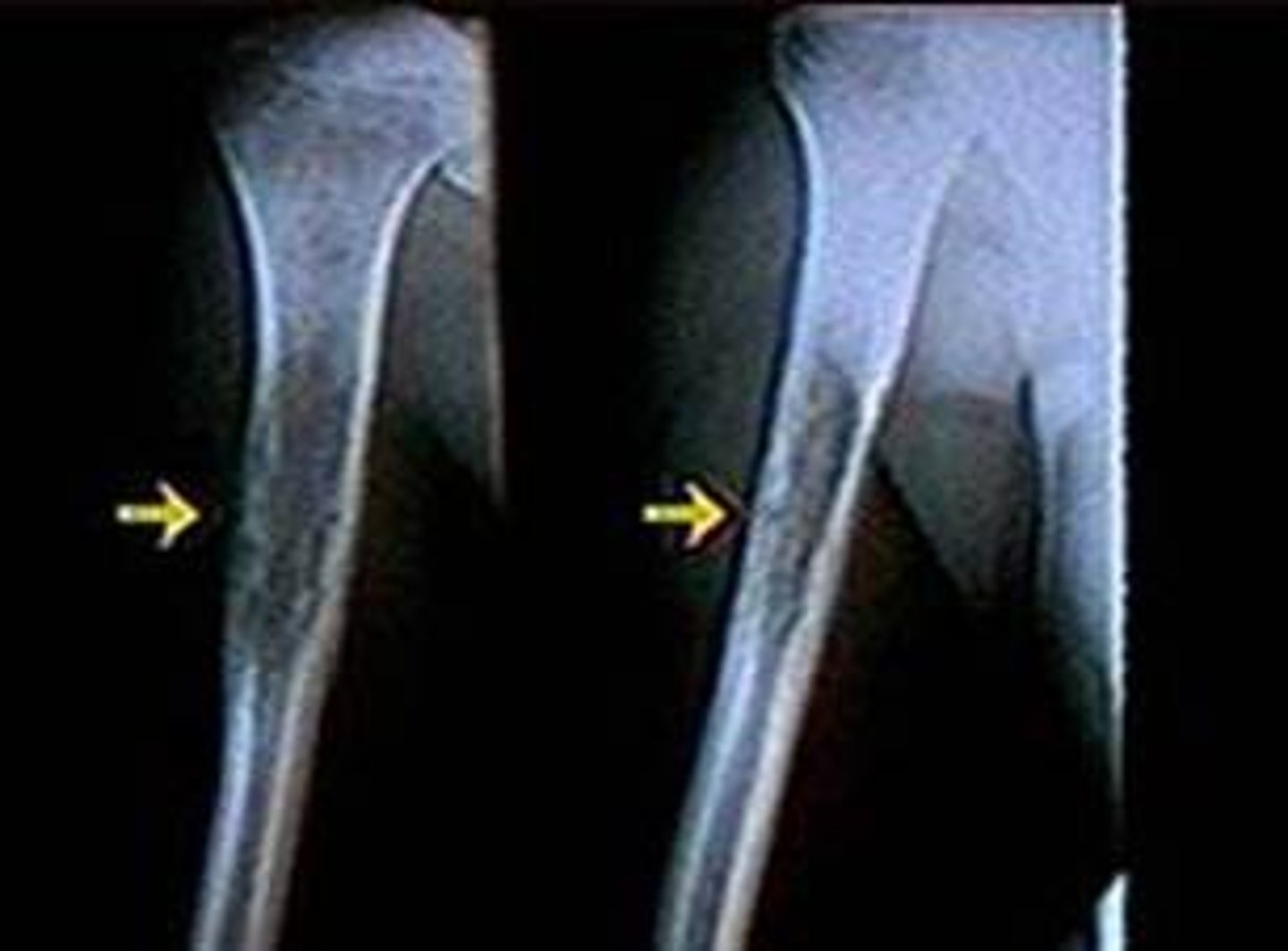
Ewing sarcoma
rare malignant tumor arising in bone; most often occurring in children. Pain and swelling are common, especially if the tumor involves the shaft (medullar cavity) of a long bone. This tumor usually occurs at an early age between 5 and 15 years, and combined treatment with surgery, radiotherapy, and chemotherapy represents the best chance for cure (60% to 70% of patients are cured if metastasis has not occurred).
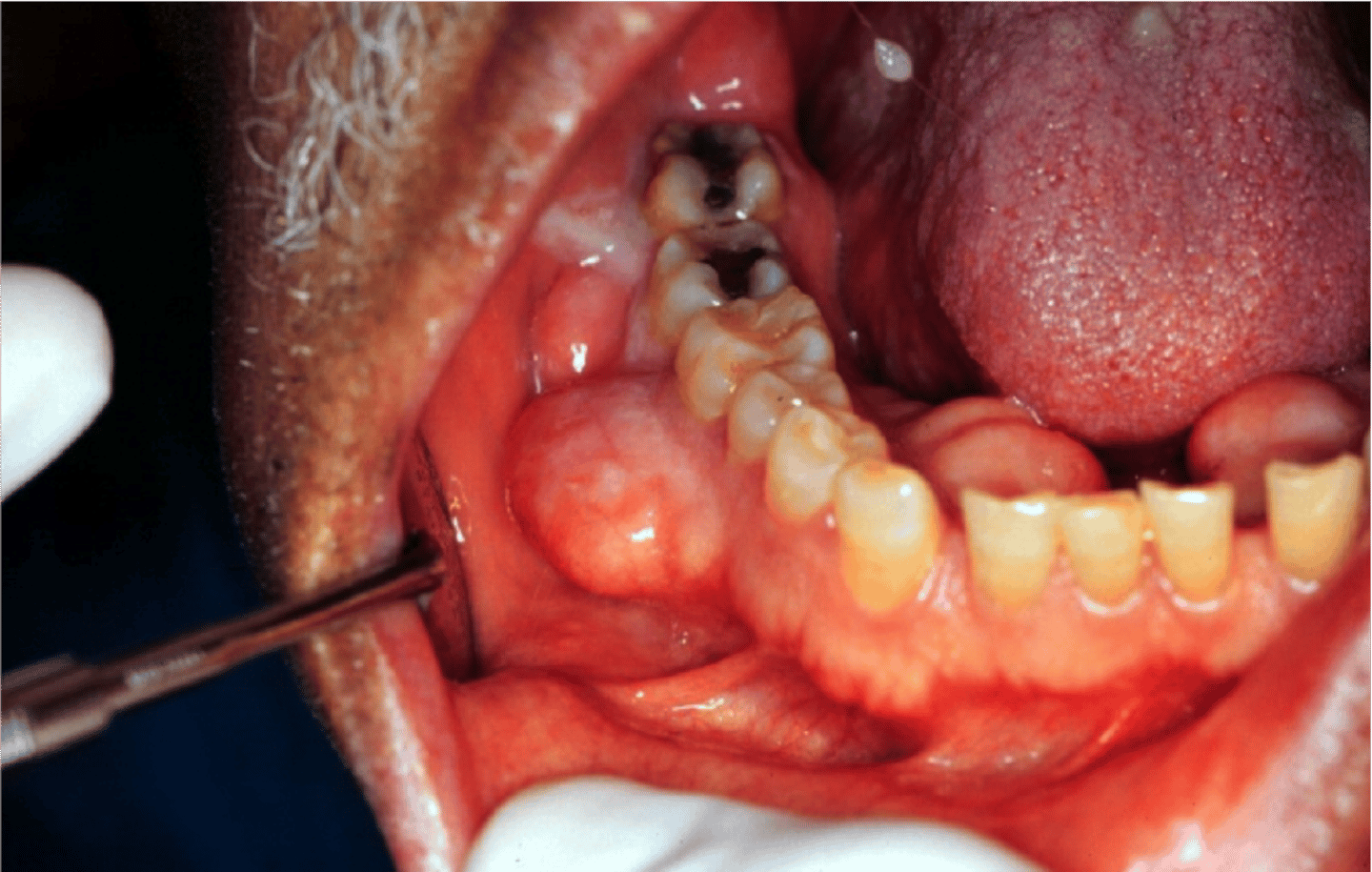
exostosis
Bony growth (benign) arising from the surface of bone
fracture
traumatic breaking of a bone
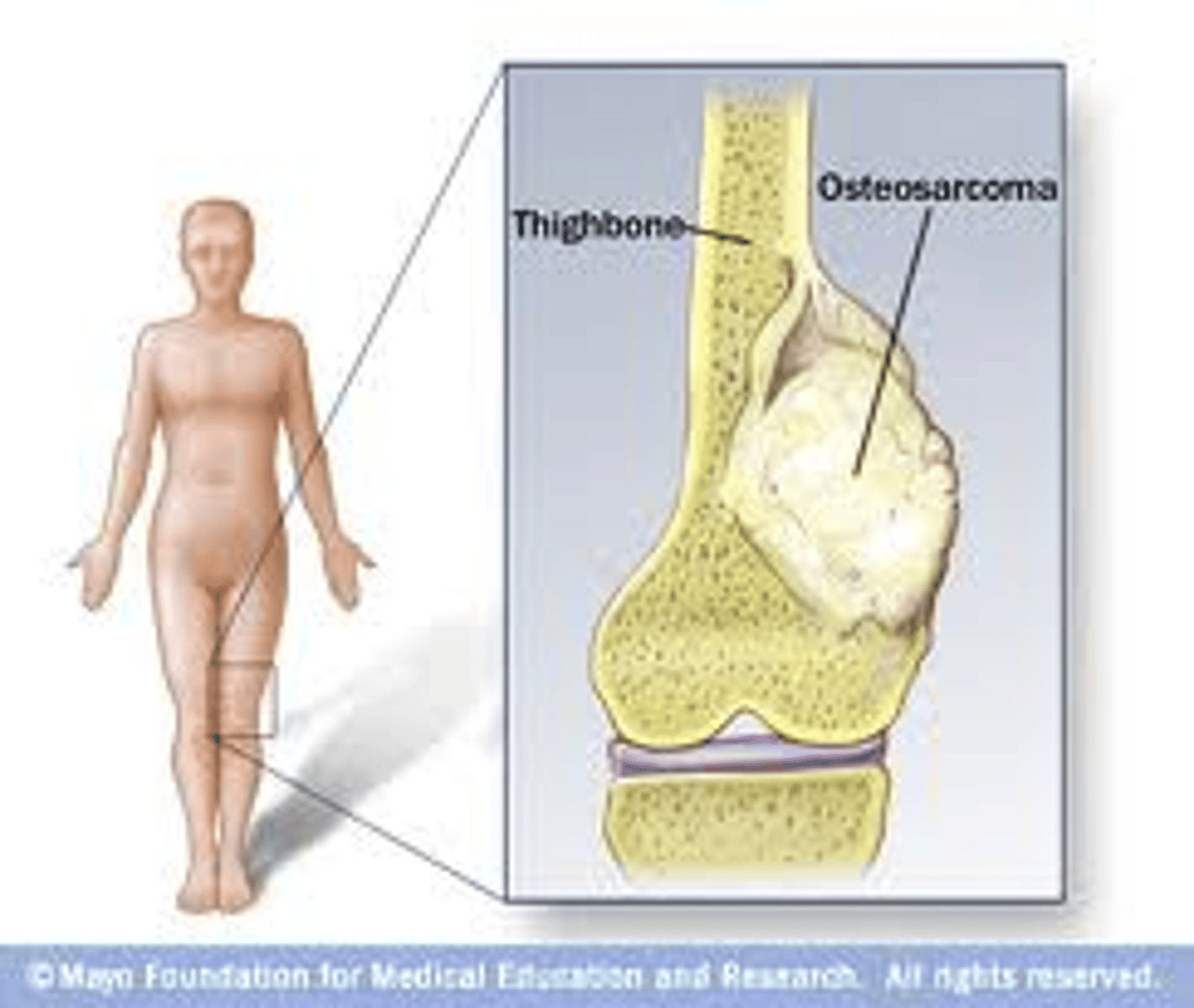
osteogenic sarcoma (osteosarcoma)
common malignant tumor arising from osteoblasts, found primarily in children and adolescents
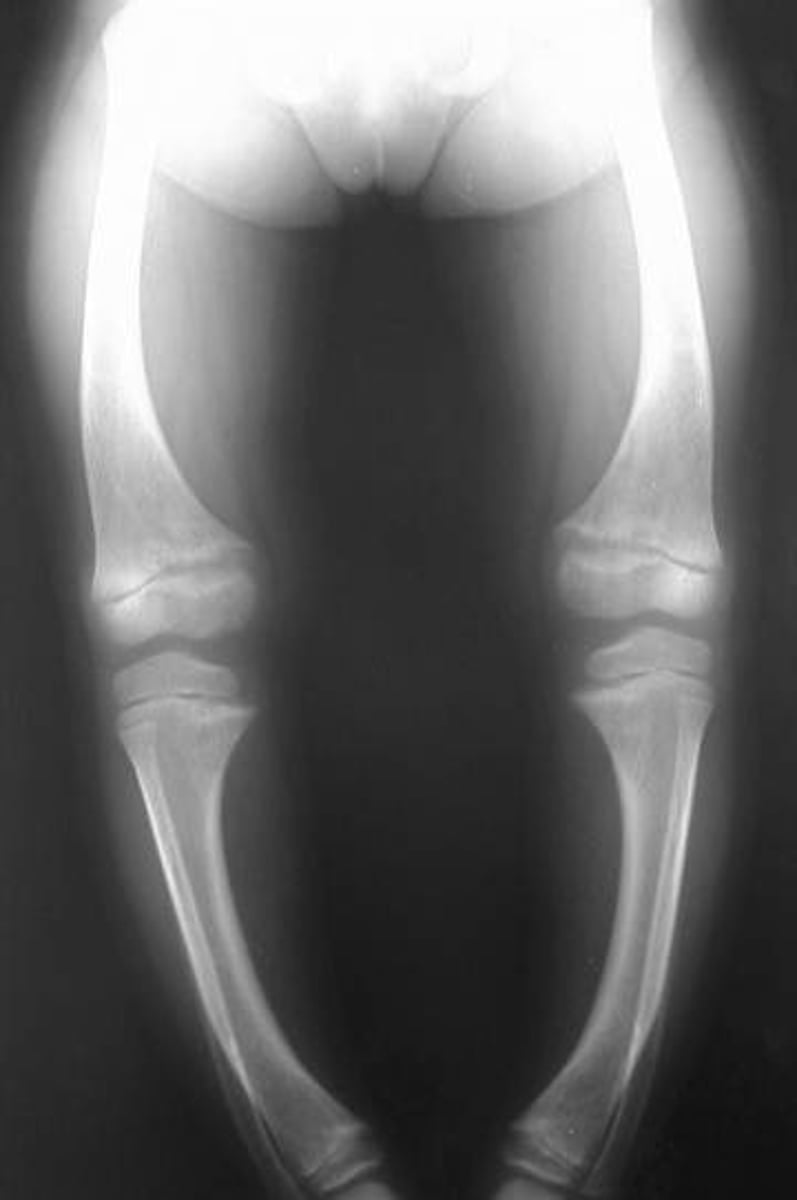
osteomalacia
softening of bone, with inadequate amounts of mineral (calcium) in the bone - seen in vitamin D deficiency - known as rickets in children
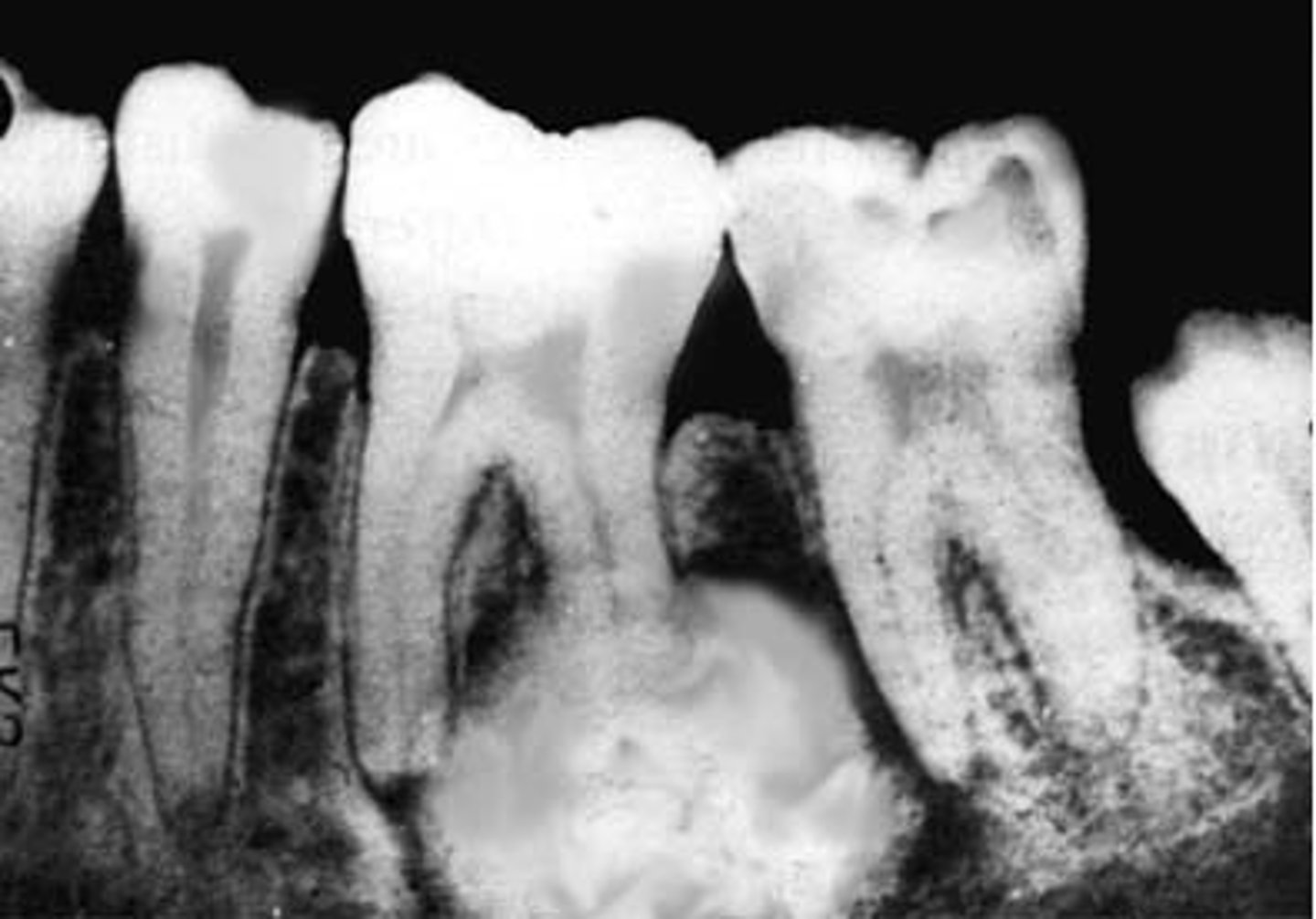
osteomyelitis
Inflammation of the bone and the bone marrow secondary to infection
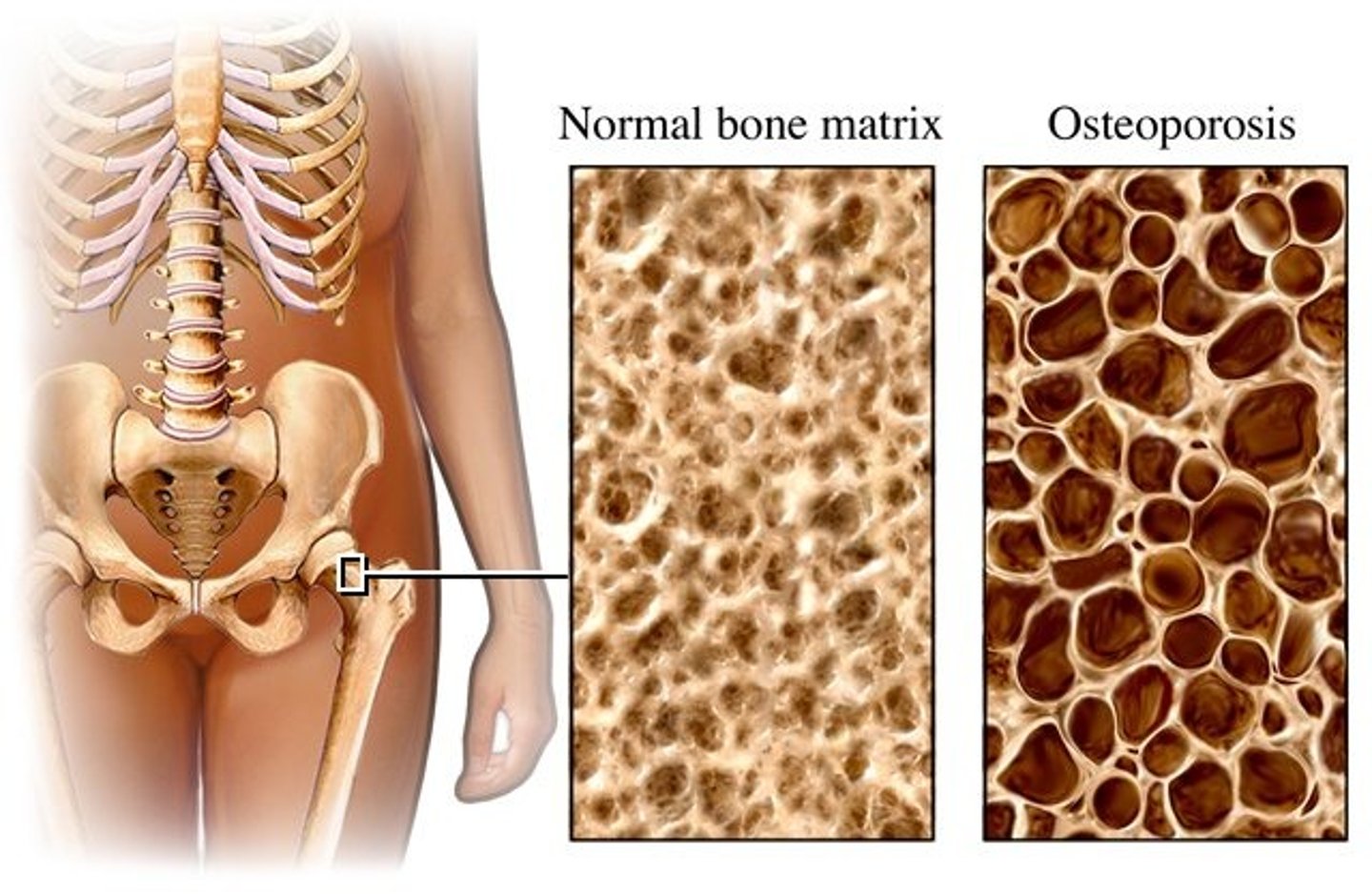
osteoporosis
decrease in bone density (mass); thinning and weakening of bone