102 Intro to Psychology
 Call Kai
 Learn
Learn Practice Test
 Spaced Repetition
 Match
Match Flashcards
 Knowt Play
1/15

There's no tags or description
Looks like no tags are added yet.
Name | Mastery | Learn | Test | Matching | Spaced | Call with Kai | Chat |
|---|
No analytics yet
Send a link to your students to track their progress
16 Terms
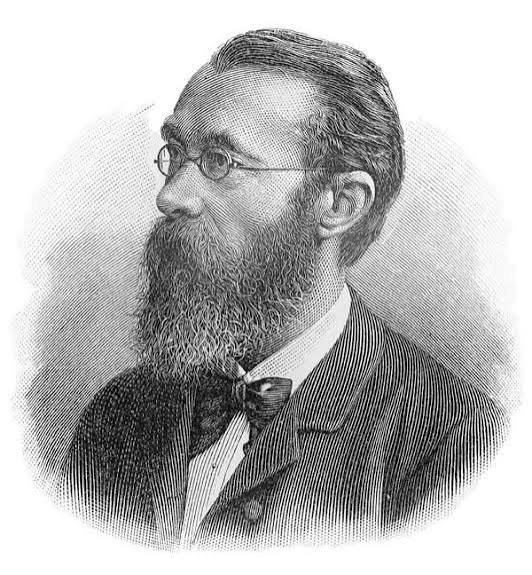
Wilhelm Wundt- The birth of psychology (1879)
He established the first psychology lab in Leipzig, Germany, using introspection to analyze internal elements of experience.
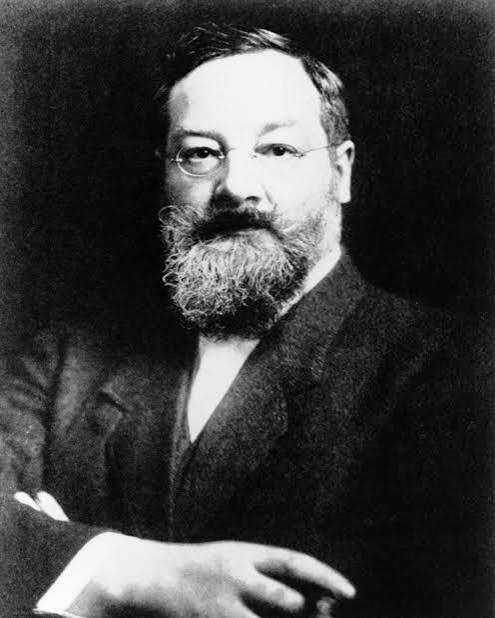
Edward Bradford Structuralism Titchener
He focused on describing the fundamental components of conscious experience (the what). Famous metaphor: "Structuralism is to anatomy…"
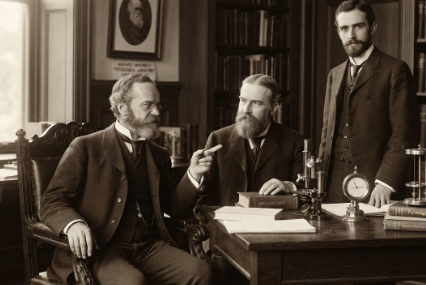
William James, G. Stanley Hall, James McKeen Cattell -Functionalism
They emphasized the purpose and function of behavior and consciousness (the how and why). Famous metaphor: "…as Functionalism is to physiology."
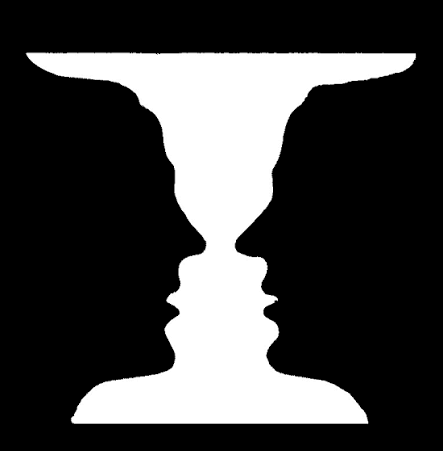
Gestalt Psychology
Focuses on the whole of an experience rather than individual components; precursor to cognitive psychology. Famous principle: "The whole is greater than the sum of its parts."
John B. Watson, B.F. Skinner, Ivan Pavlov -Behaviorism
Rejected internal mental processes and focused on observable and measurable behavior through conditioning and reinforcement.
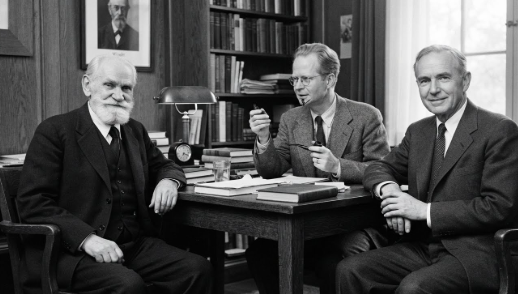
Frederic Bartlett, Jerome Bruner, Roger Brown, George Miller -Cognitive Psychology
They investigated how people think and process information, re-opening the 'black box' of the mind. Working memory limit: "The Magic Number Seven plus or minus 2."
Industrial/Organizational (I/O) Psychologist
A practitioner who works within business and industry to assist with human resources, hiring, and employee training.
Counseling Psychologist
A practitioner who helps individuals navigate everyday life problems rather than severe mental illnesses.
Empiricism
The philosophical belief that all knowledge comes from experience and sensory observation.
Operational Definition
Translating a vague hypothesis into specific, testable, and measurable procedures.
Random Assignment
Assigning participants to different experimental conditions purely by chance to ensure groups are statistically similar.
Who founded the American Psychological Association (APA) and established the first psychological journal in America?
G. Stanley Hall
C) Third-variable problem
In correlational research, if a researcher is studying the effects of ice cream consumption on shark attacks and realizes both increase during summer due to warm weather, which limitation does weather represent?
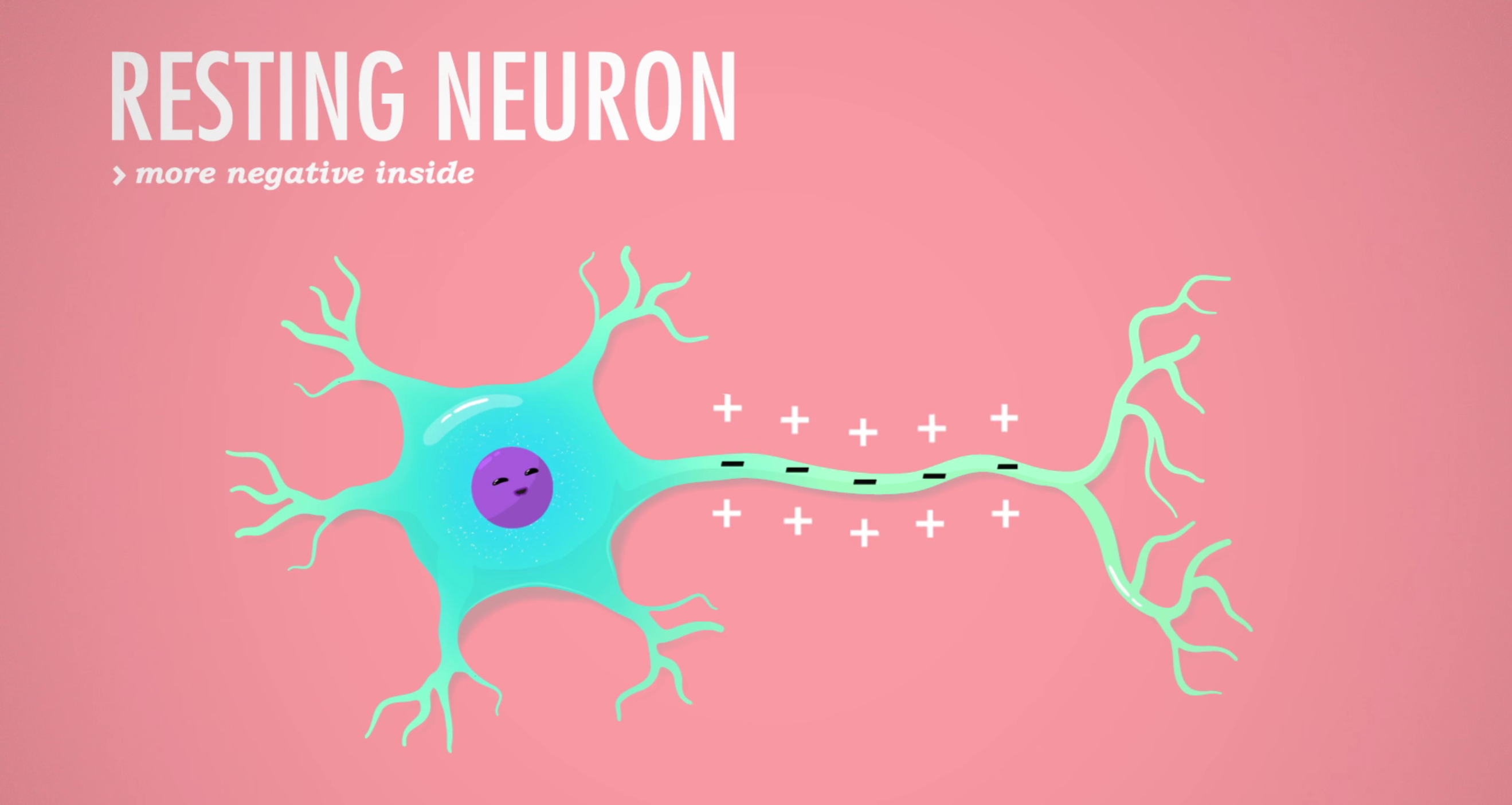
Resting State
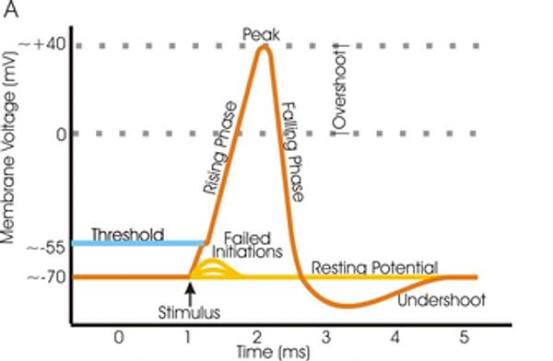
The standard electrical charge of an inactive neuron, sitting at -70 mV.
Threshold of Excitation
The critical membrane potential (around -50 mV) that must be reached to trigger an action potential.
All-or-None Law
A neuron either fires completely or it does not fire at all; there is no such thing as a weak or strong action potential.