Chapter 21 Reaction, Revolution, and Romanticism 1815-1850
 Studied by 0 people
 Call Kai
 Learn
Learn Practice Test
 Spaced Repetition
 Match
Match Flashcards
 Knowt Play
1/29

There's no tags or description
Looks like no tags are added yet.
Name | Mastery | Learn | Test | Matching | Spaced |
|---|
No study sessions yet.
30 Terms
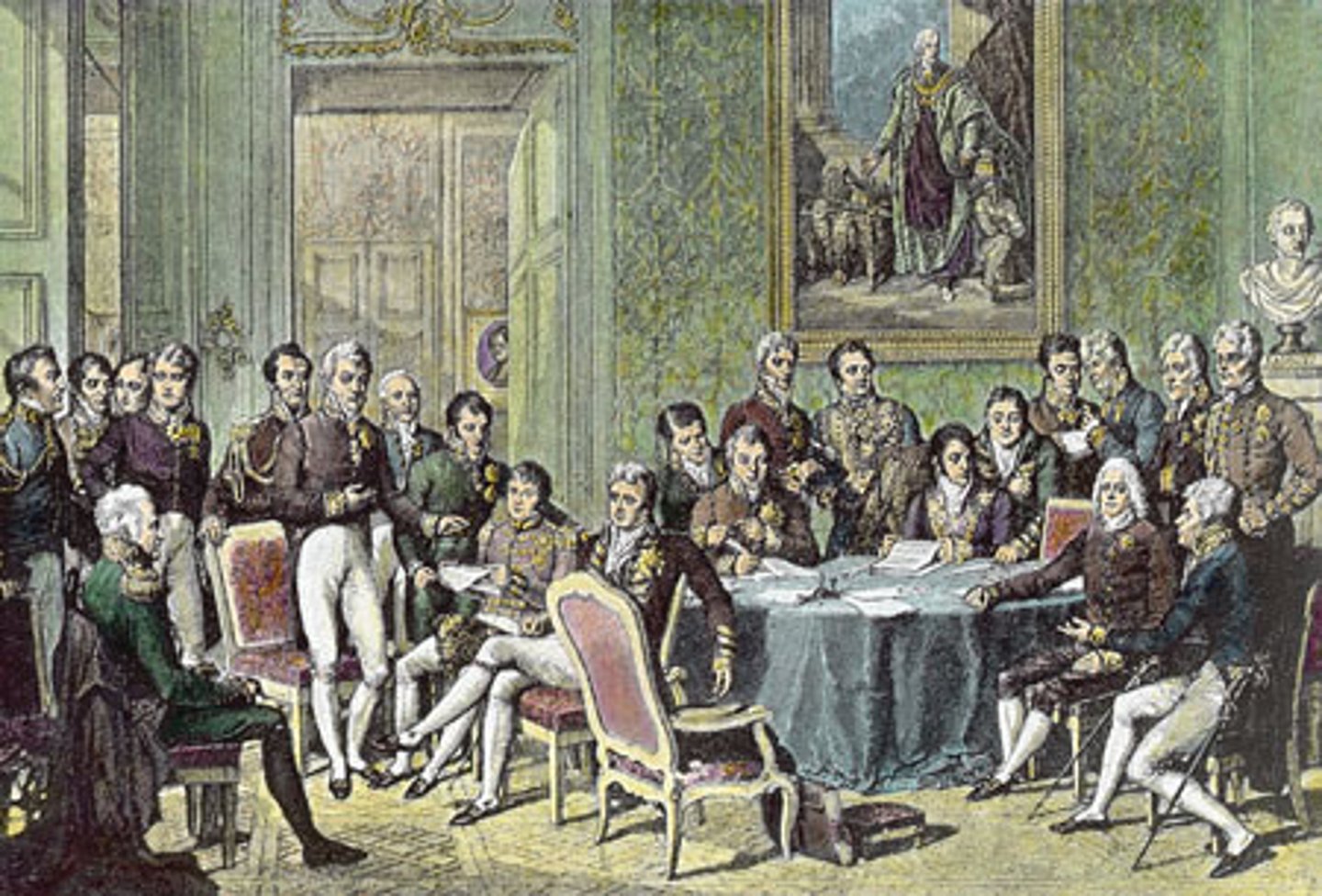
Congress of Vienna - 1814
A meeting of the major powers against Napoleon's France, Great Britain, Austria, Prussia and Russia to arrange a peace settlement even before the Napoleonic Wars were over.
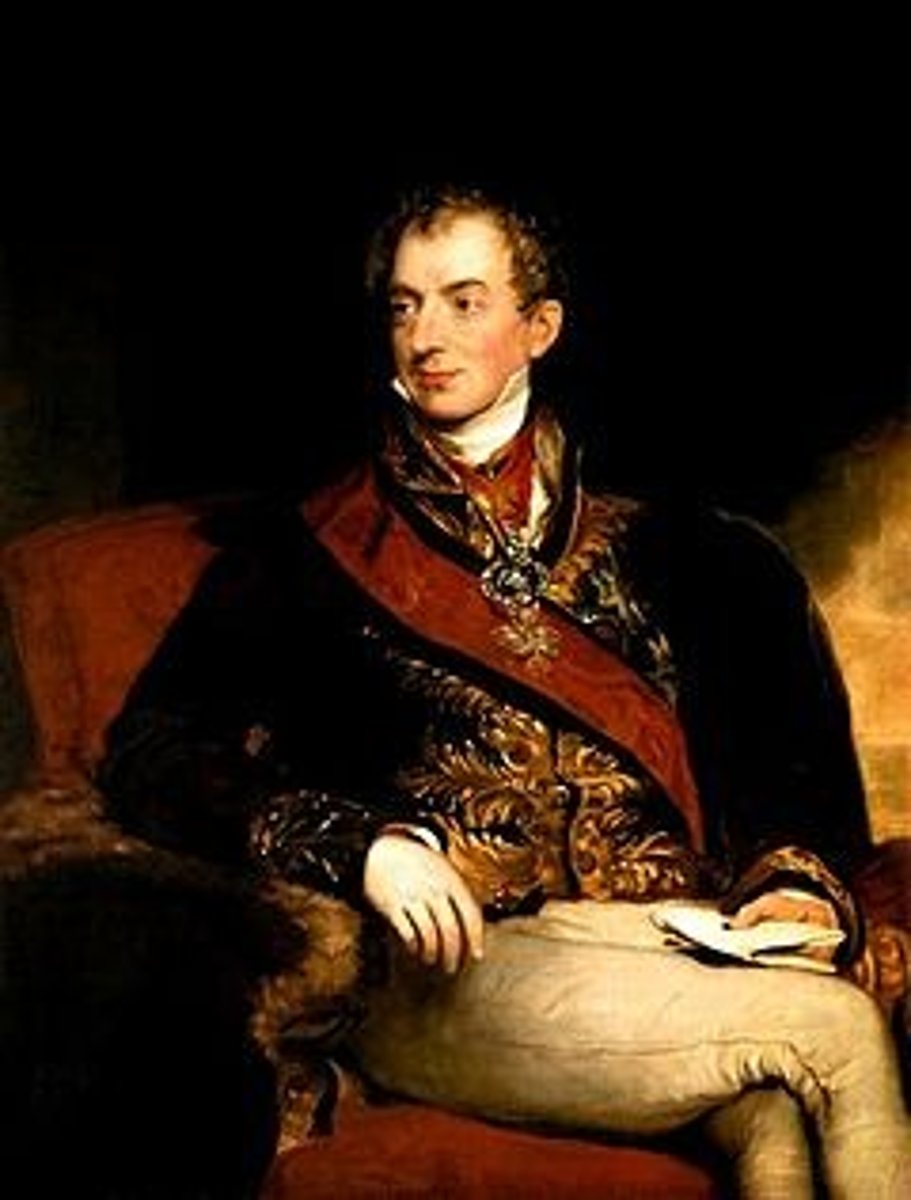
Prince Klemens von Metternich
An experienced diplomat that was the driving force and guiding hand of the power restructuring of Europe after the end of the Napoleonic Wars. He used the Principle of Legitimacy as a stabilizing force in post war Europe.
Principle of Legitimacy
A push after the Napoleonic Wars to return the legitimate monarchs or their family lines back to power in the European nations to preserve traditional institutions.
Balance of Power
An attempt in Europe to make sure no one nation or group of nations would grow too powerful. It was a system that sought to make war unlikely because the combatants would be too even to have an advantage preventing future wars of aggression... in theory.
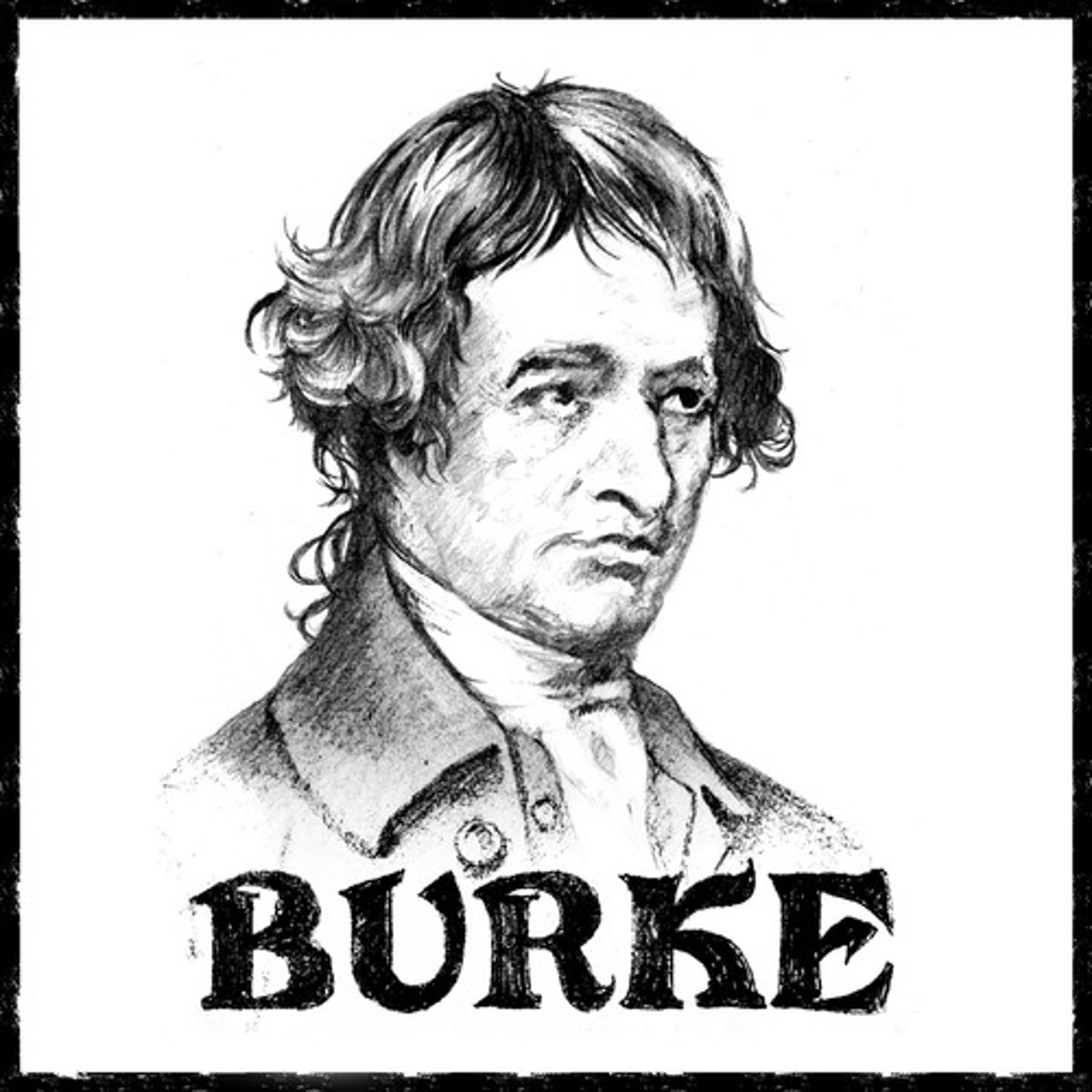
Conservatism
A political ideology that was popular after the chaotic years of the French Revolution and the Napoleonic Wars. This ideology was described as a stable partnership between the people and the government and rejected radical and drastic changes. It sought order through orderly, traditional and controlled policies.
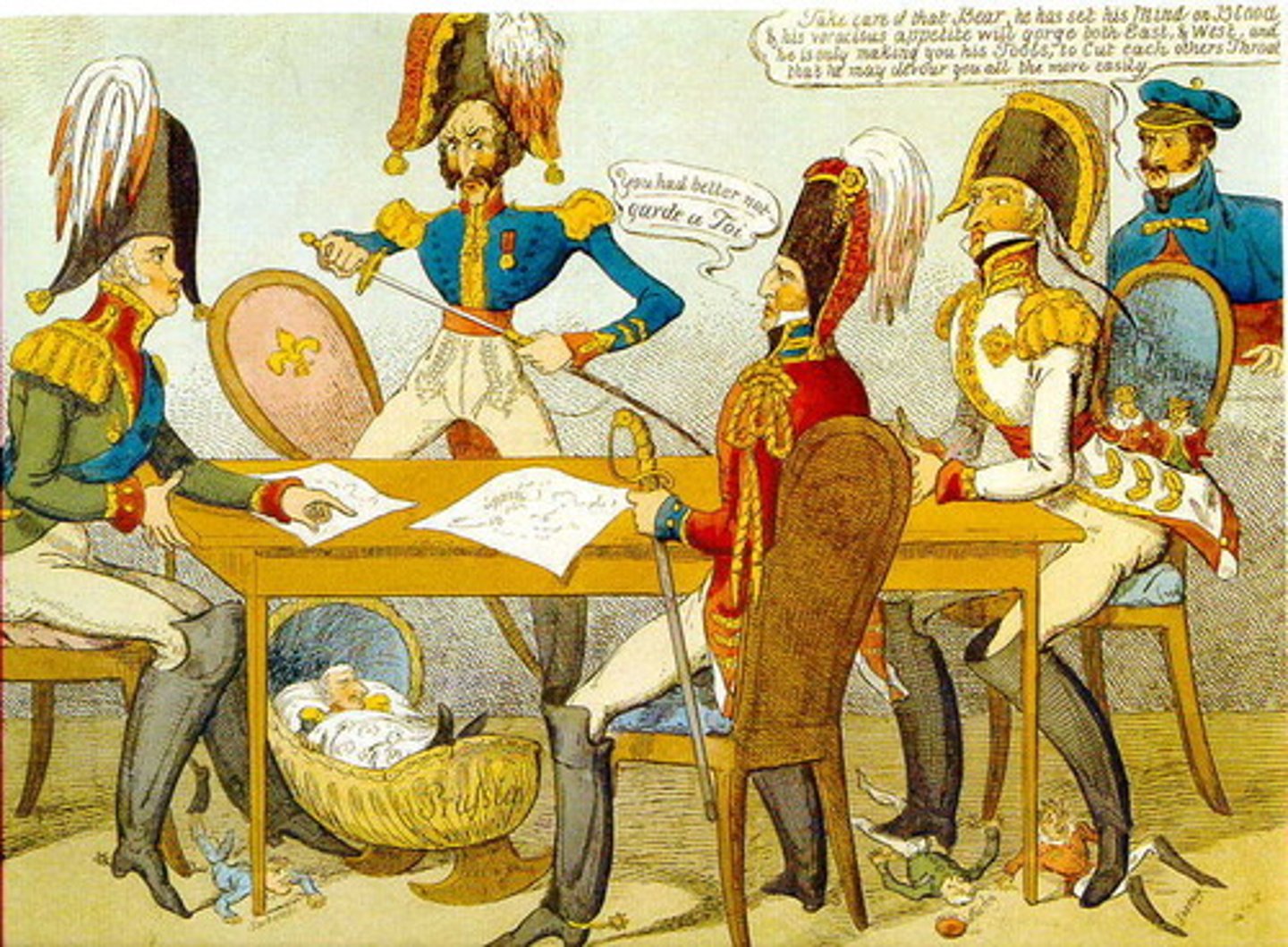
The Concert of Europe
The formal alliance of the 4 major powers, Great Britain, Russia, Prussia and Austria to be later, a 5th, France that sought to discuss their common interests and examine measures that will be judged best for all the member nations and would maintain the peace of Europe.
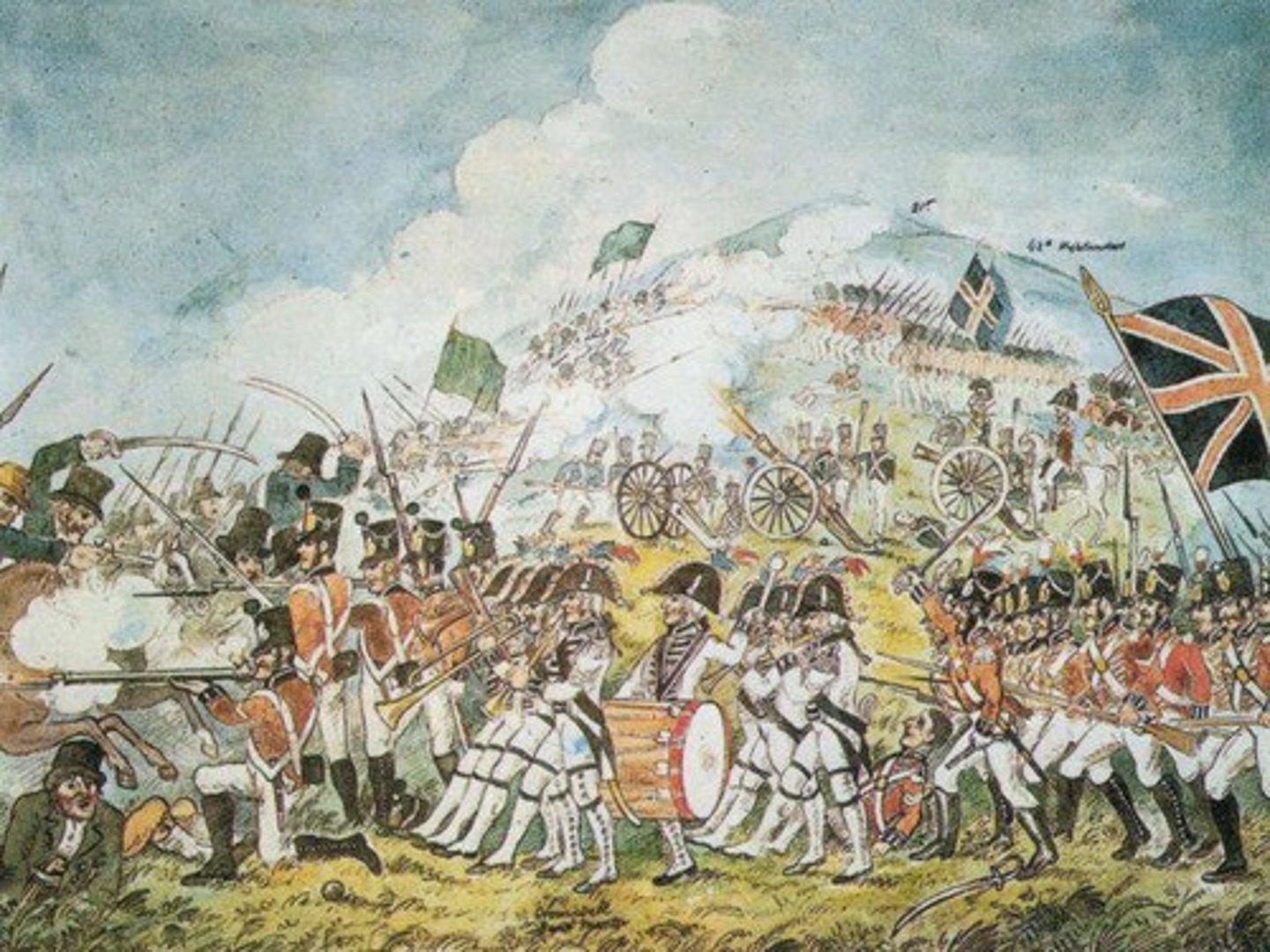
Principle of Intervention
The idea and policy that if any nation that changed their government through revolution and threatened the status quo of the surrounding nations, should be invaded so the 'legitimate' monarchies could be placed back in power. Great Britain did not agree to this however.
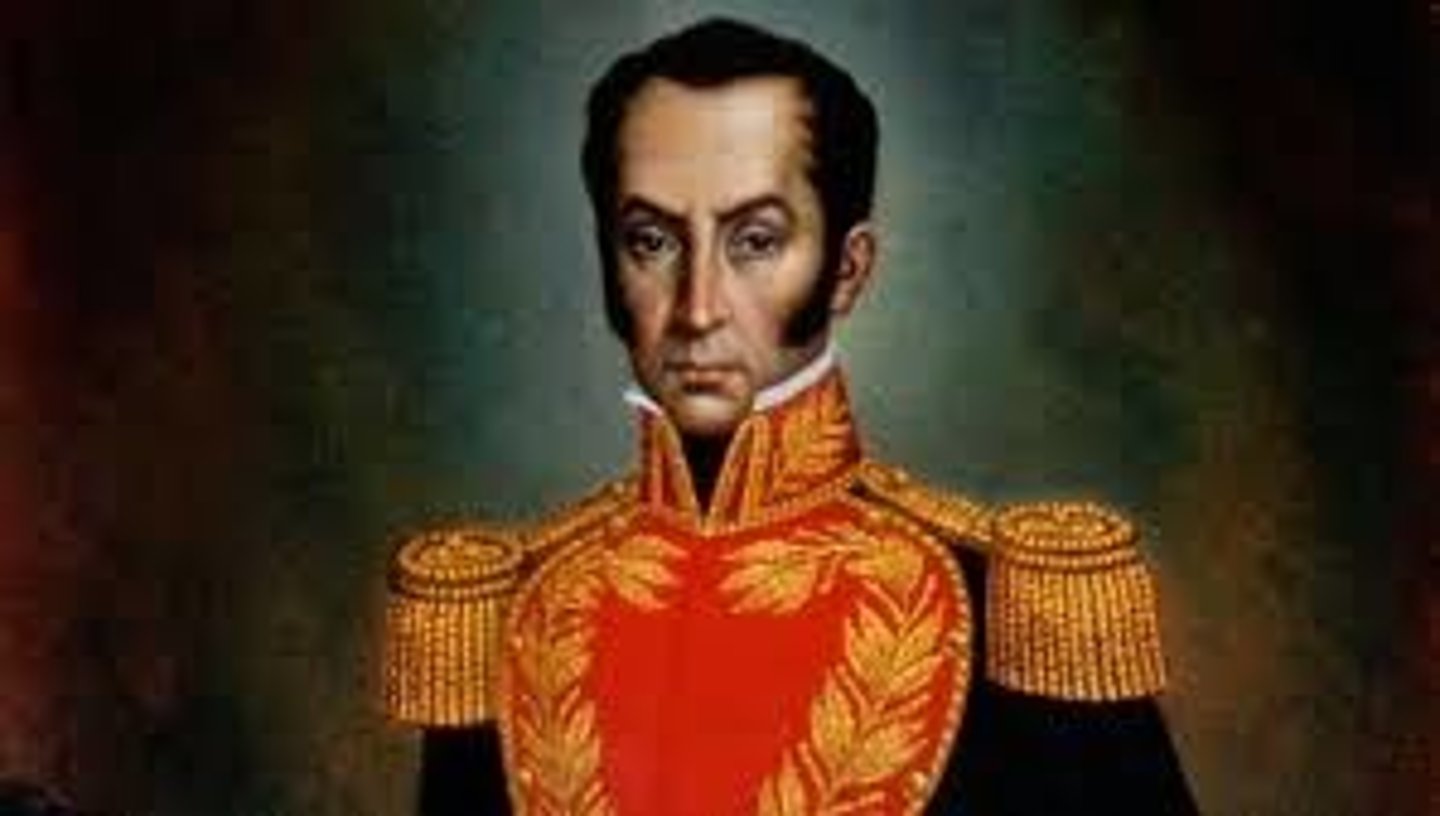
Simon Bolivar
Often said to be the 'George Washington' of Latin America. He would go on to lead rebellions that would lead to the liberation of Venezuela, Colombia, Ecuador and Peru by defeating Spanish forces.
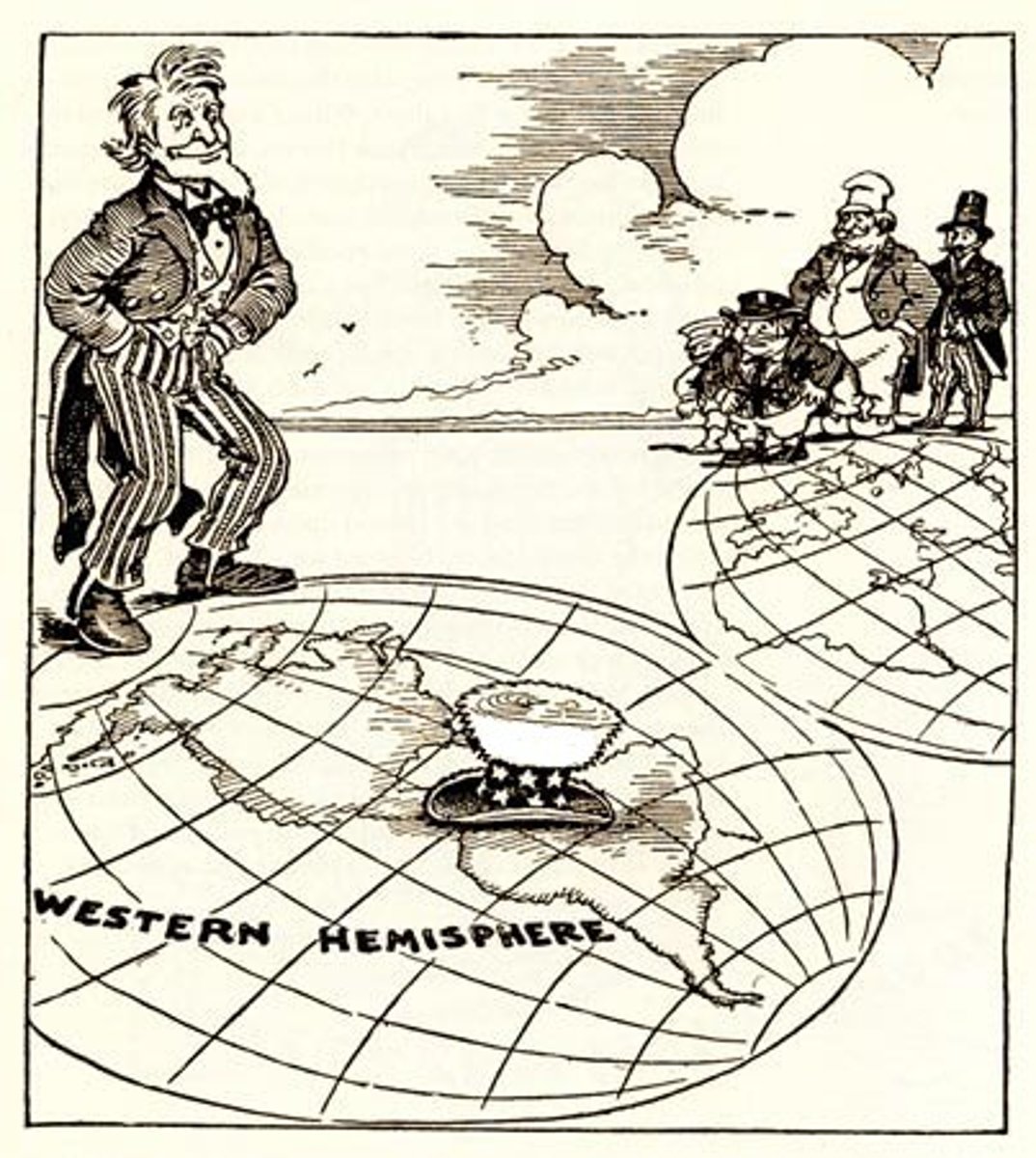
Monroe Doctrine
A policy set up by U.S. President Monroe in 1823 that sought to restrict the European nations from invading Latin America and keeping them out of U.S. sphere of influence.
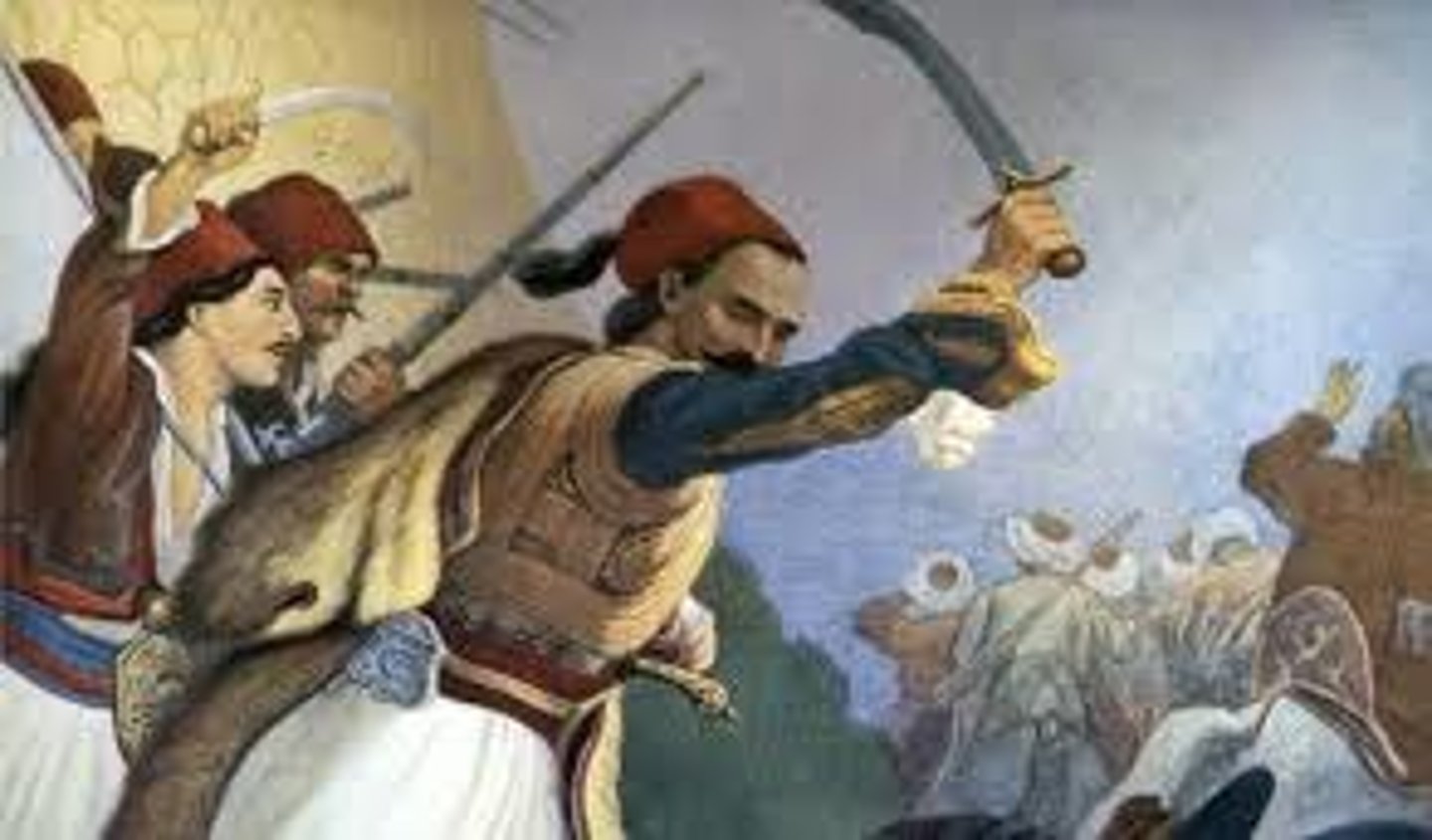
The Greek Revolt of 1821
The only major revolution to be successful under the Principle of Intervention. It had the support of the major European powers because it broke away from the Ottoman Empire and it established a monarchy as it's form of government.
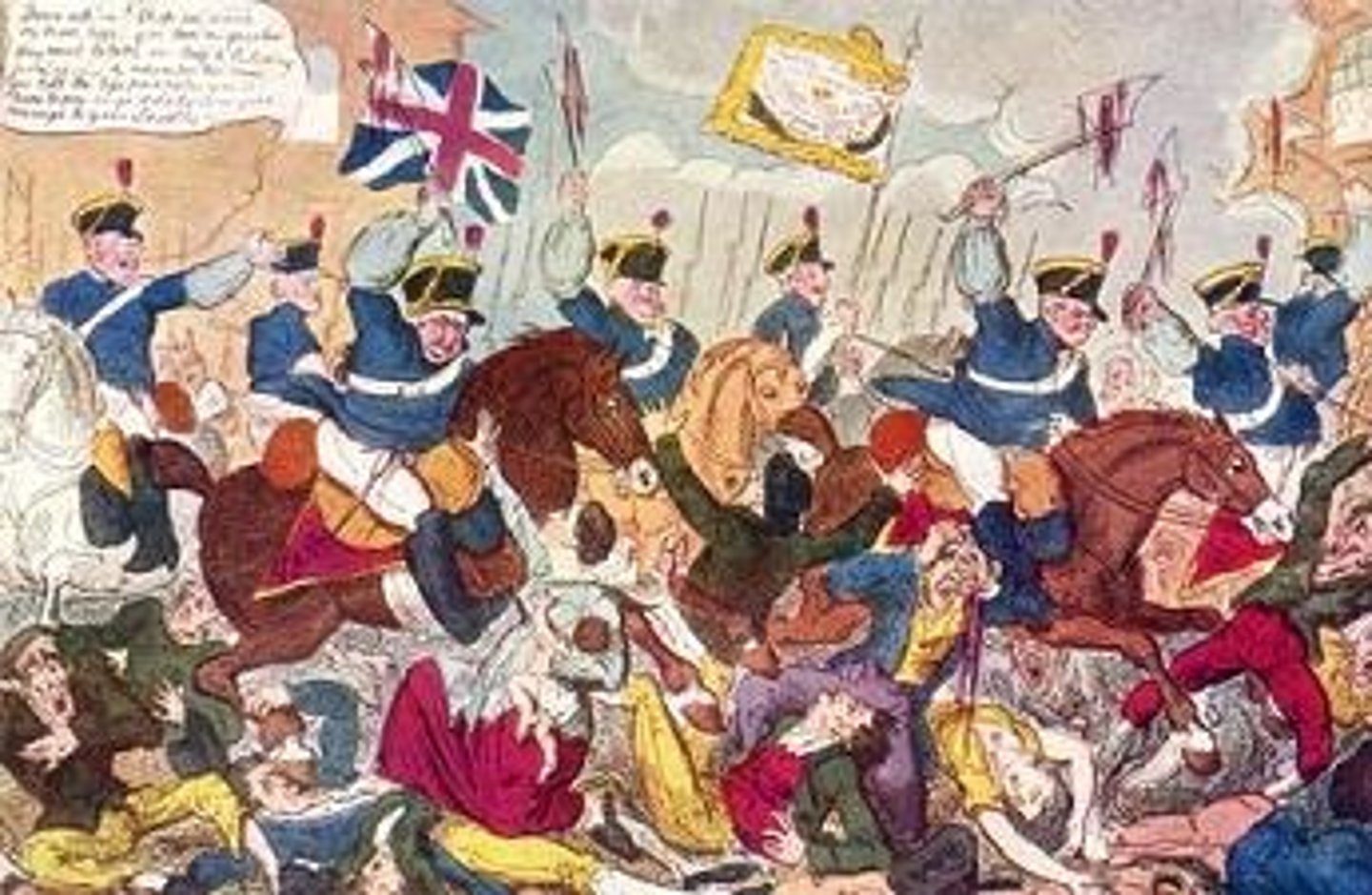
The Peterloo Massacre
The name given for mass protests in England by the poor that were brutally put down and would see 11 deaths. The government would seek to limit the way the poor could protest and gather in large groups.
Ultraroyalists
A group in France that sought to regain the full power of the landed aristocracy, restore the power of the Catholic Church and see the monarchy return to its full power after the defeat of Napoleon.
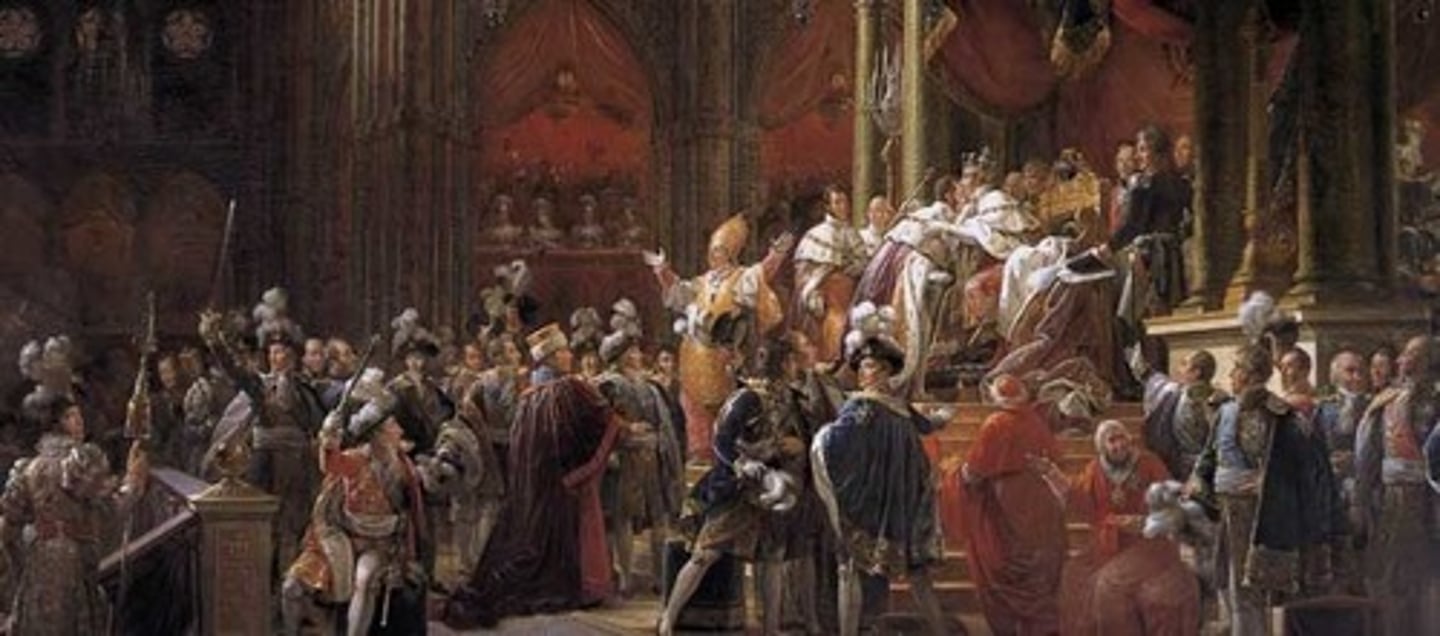
Ministerial Responsibility
A compromise by the king of France to have his government ministers be responsible to the legislature. He violated his promise on this in 1829 however leading France to the brink of another revolution.
Burschenschaften
A movement led by German university students and teachers that sought to see a unified Germany. This movement was successfully suppressed by the actions of Metternich and the other German rulers.
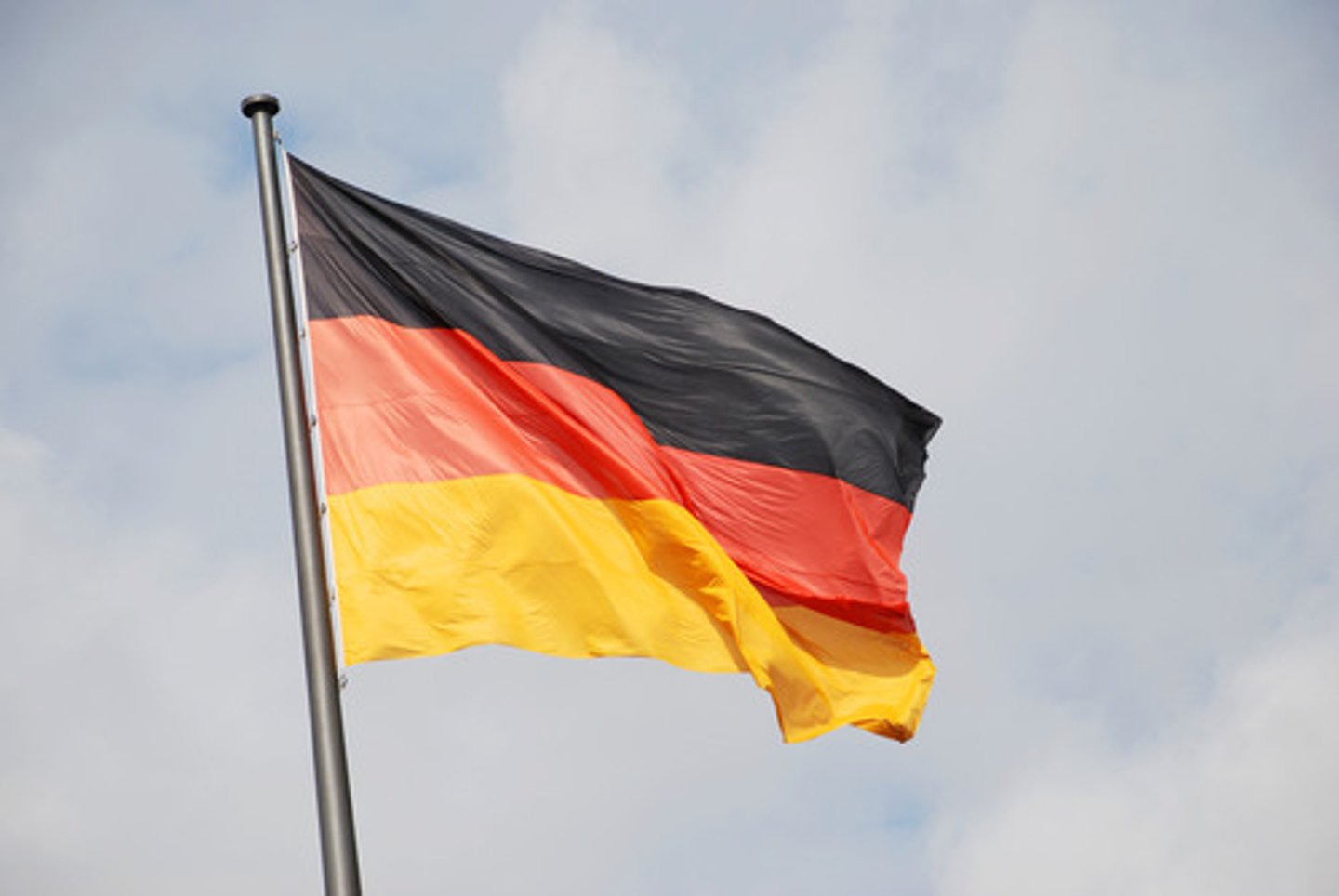
Liberalism
An ideology that was rooted in the ideas of the Enlightenment of the eighteenth century and the American and French revolutions. It stated that people should be as free from restraint as possible.
Iron Law of Wages
This idea comes from David Ricardo in his book, Principles of Political Economy. It states that the more workers you have, the lower the standard of living and wages society will have.

Political Liberalism
The belief in protection of civil liberties, the basic rights of all people, equality under the law, freedom of assembly, speech, press and freedom from arbitrary arrest. Heavily influenced by thinkers like John Locke.
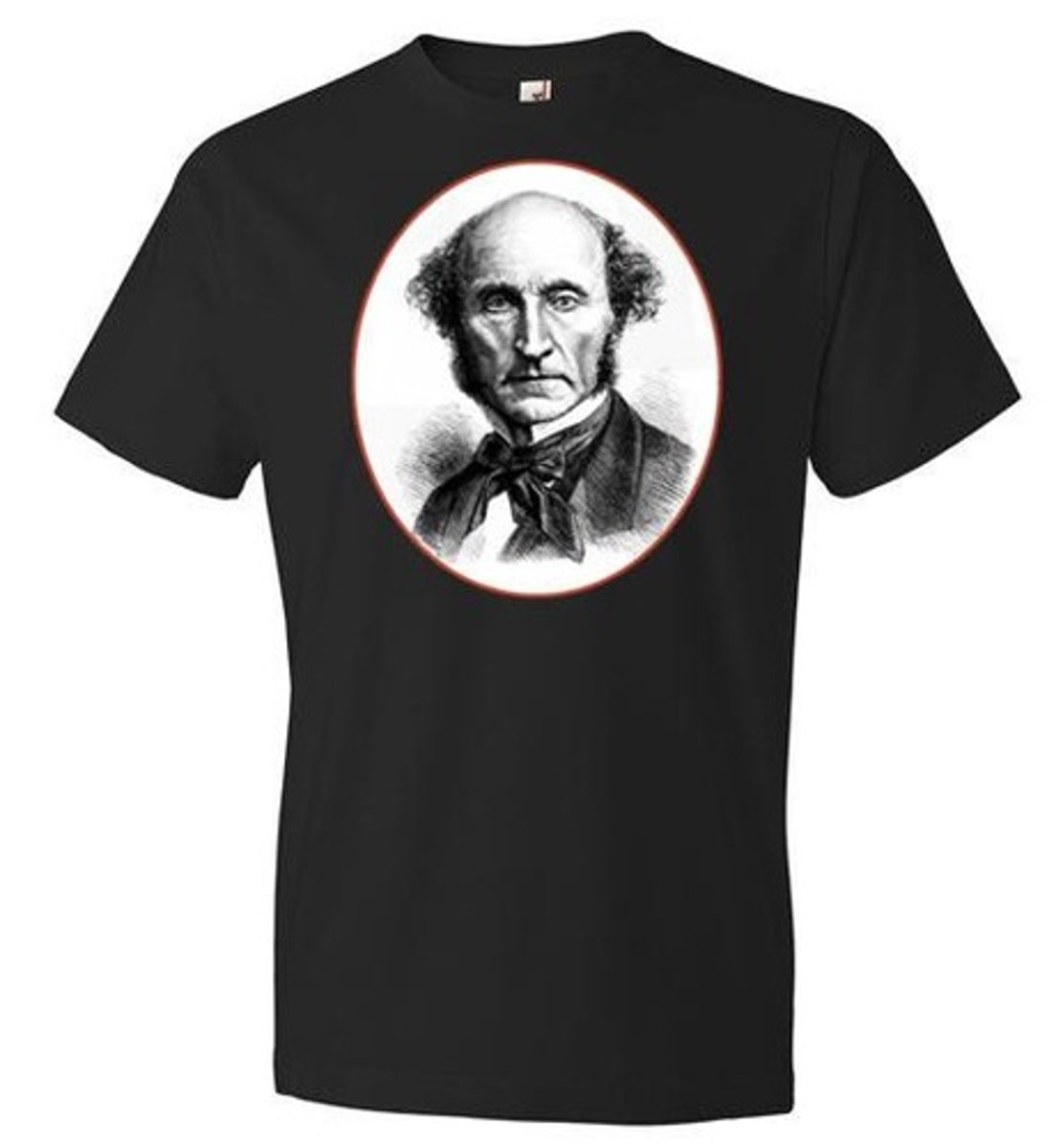
John Stuart Mill
An English philosopher who wrote On Liberty. He famously stated that individuals mush have absolute freedom of opinion and sentiment on all subjects. This right he said should be protected from both the attacks from the government as well as a tyranny of the majority or real freedom of expression does not really exist.
Nationalism
A sense of community with others around you that have common institutions, traditions, language and customs. It would become an important factor after the French Revolution.
Utopian Socialists
The term given to early Socialists who believed that private property, and competition found in early capitalistic countries was a negative condition. They believed that everyone should work together and work towards a common good. Sadly, most of the early experiments using these methods failed.
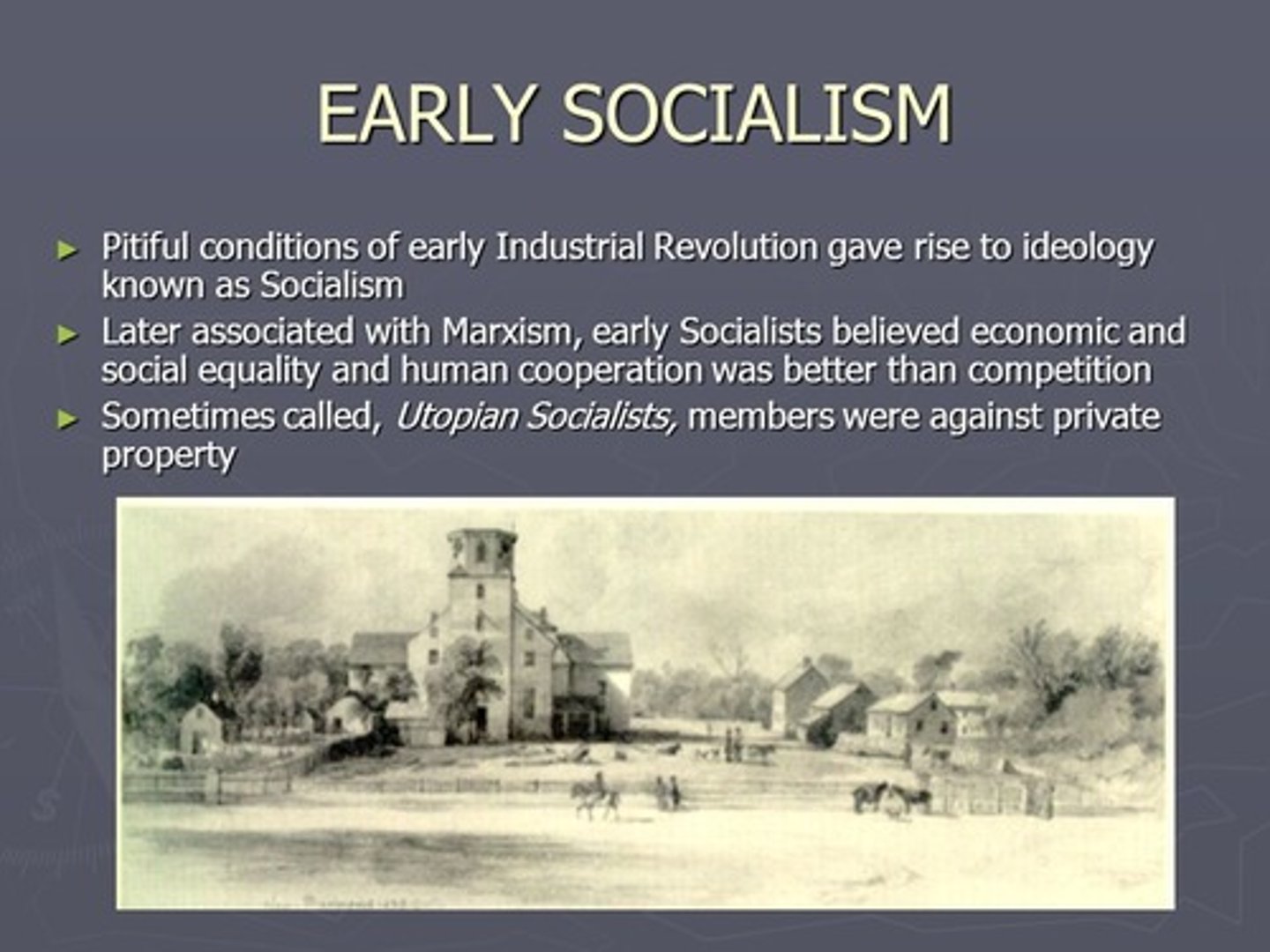
The July Revolution
The result from the French people when King Charles X limited freedoms and cracked down on descent. The result was his loss of power and removal from the throne.
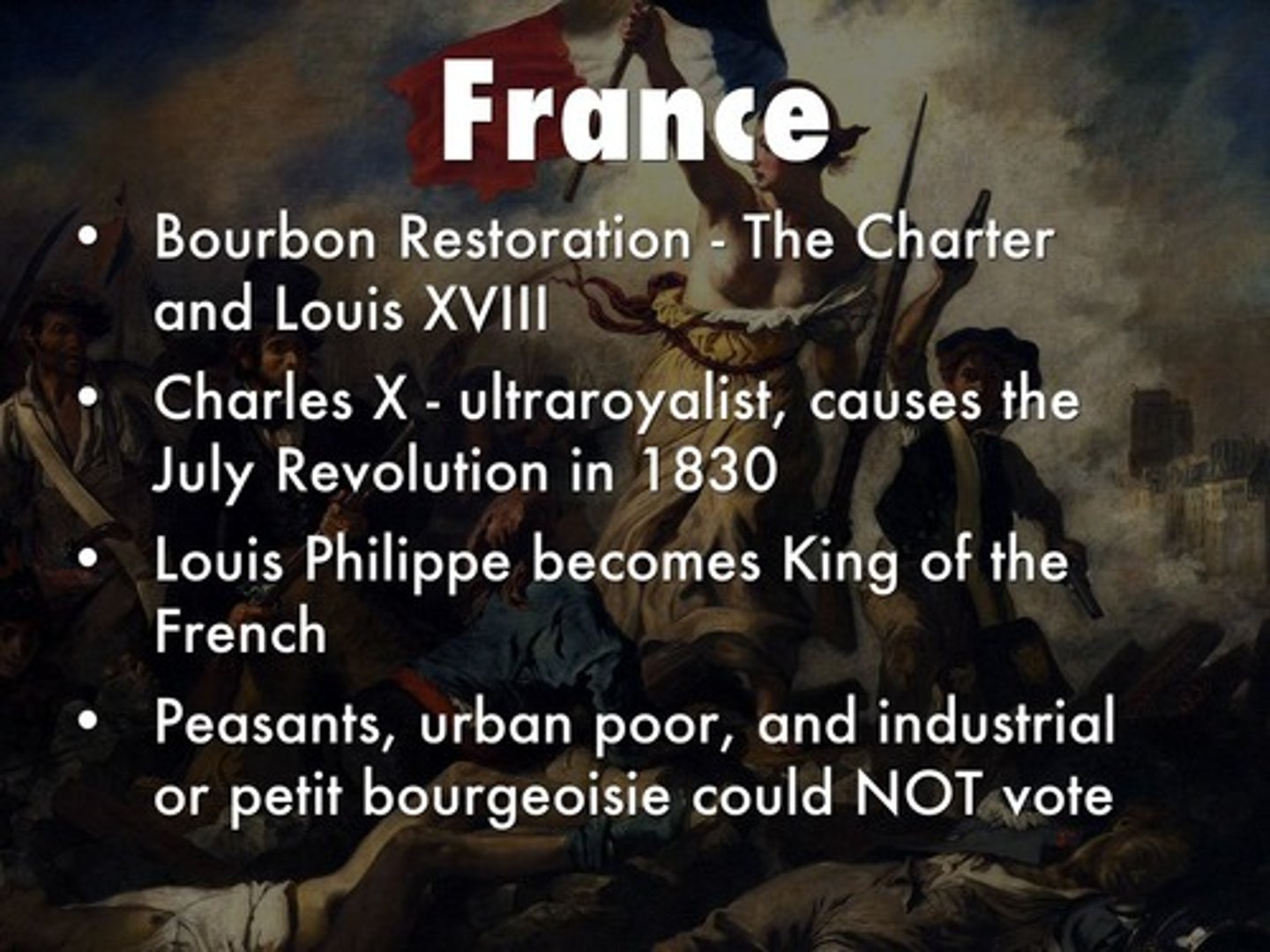
Louis-Philippe
He was the cousin of King Charles X. He would succeed him as the King of France and would rule as a constitutional king and even dressed like his upper middle class roots. He was often called the 'Bourgeois Monarch' because of this. He himself however would be driven from power in 1848.
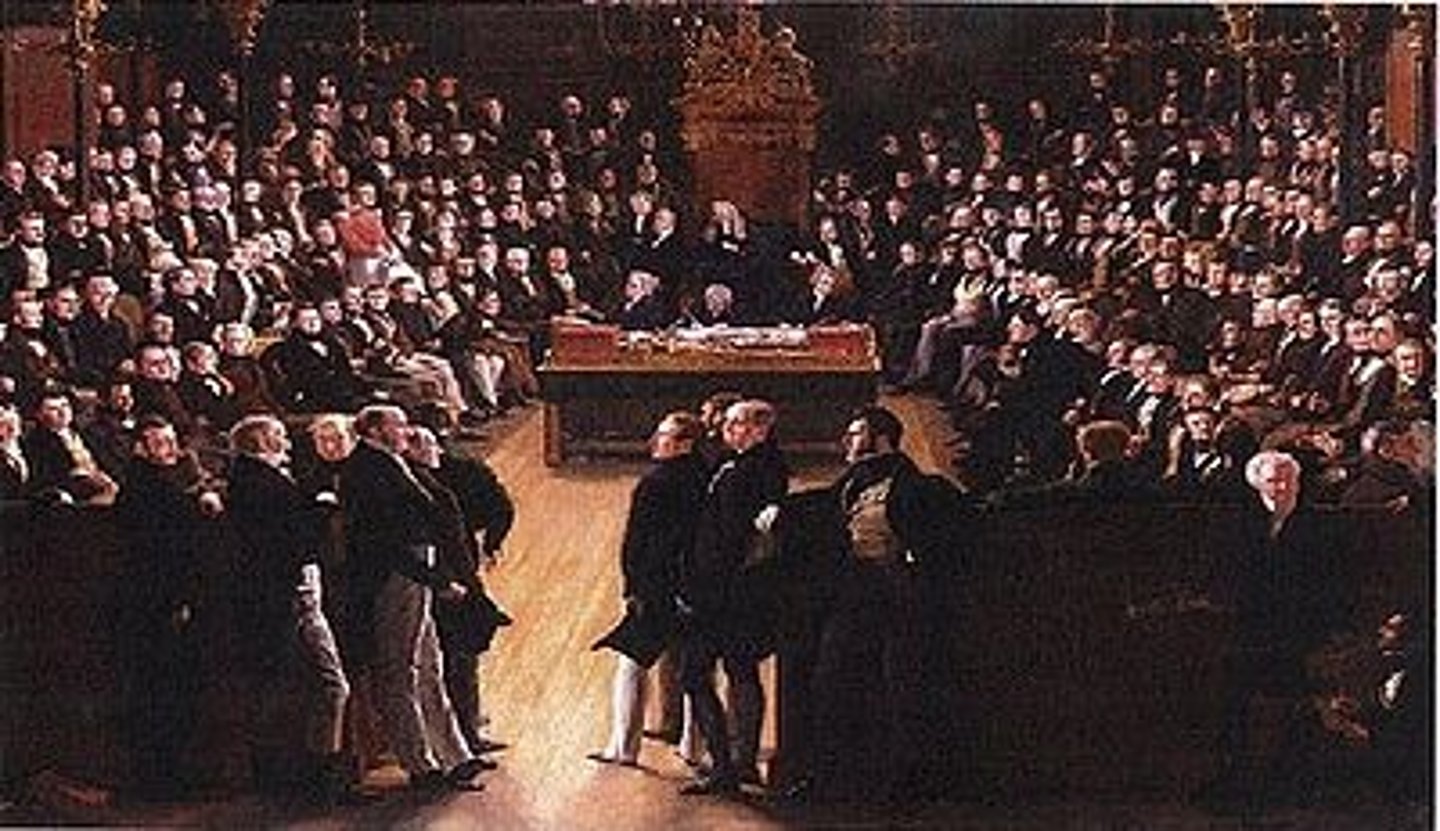
The Reform Act of 1832
This was an attempt to enlarge the number of people who could vote and be represented in the British Parliament. It did nearly double those who could vote in England, but still only one in 30 people got the right to vote even with this act.
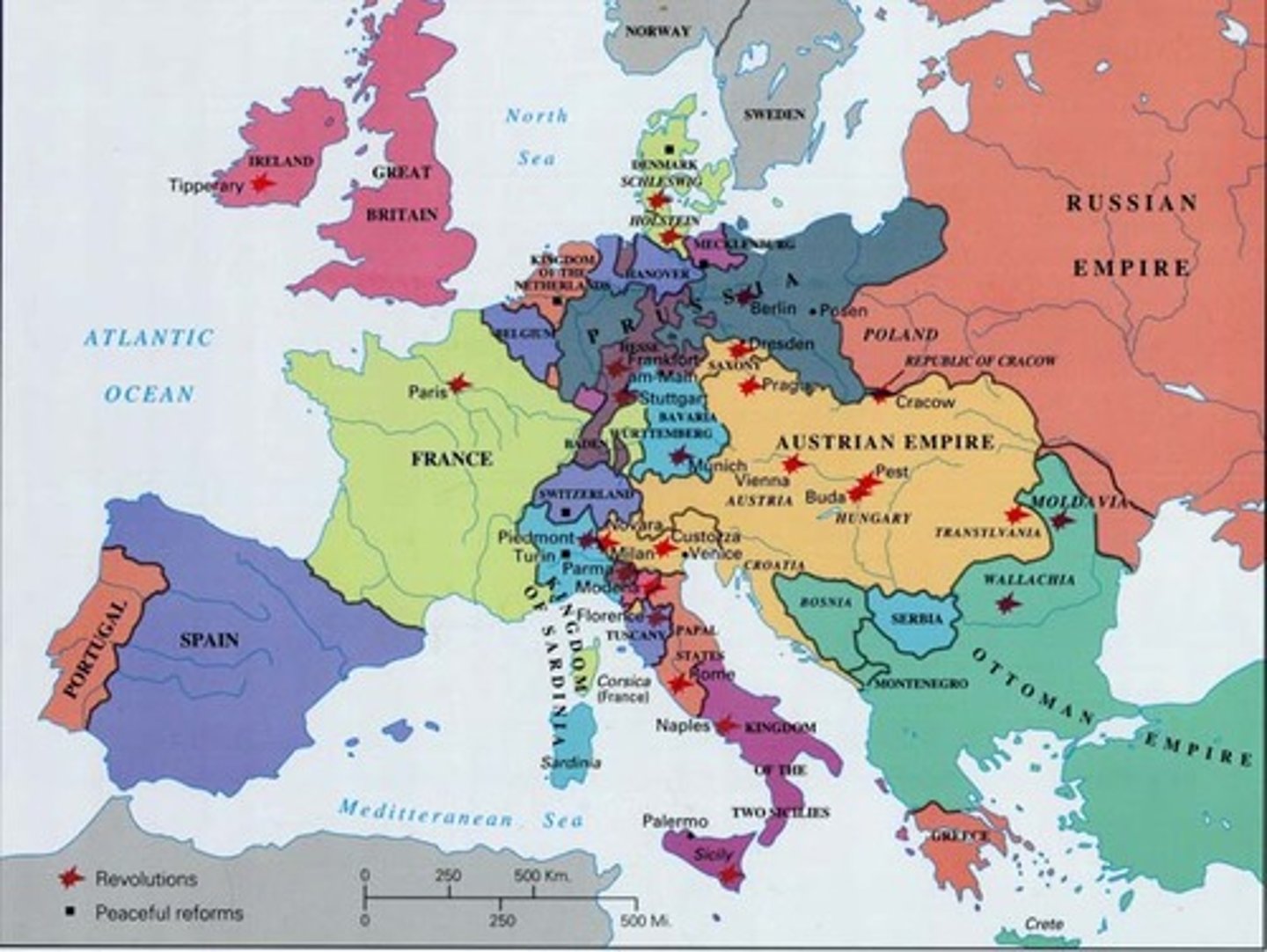
Revolutions of 1848
A series of revolts and uprisings across Europe sparked by people wanting more rights and representation. Liberalism and Nationalism would be major factors in fighting against the old Conservative orders.
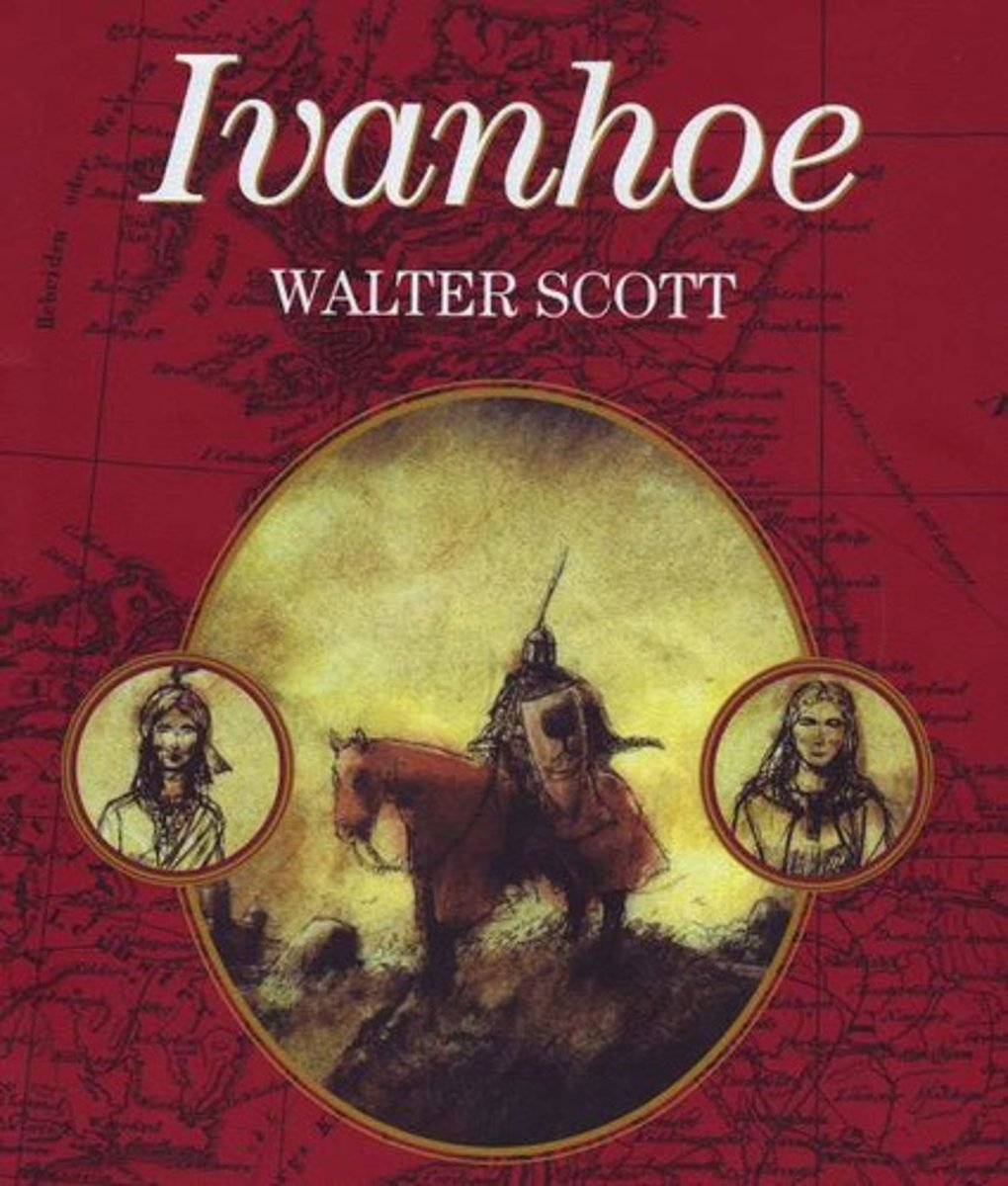
Romanticism
The authors of this style of book emphasized sentiment, inner feelings in their works. Individualism was another major aspect of the movement. Many of the classics used historical periods as the backgrounds for their stories.
Gothic Literature
An exaggerated form of Romantic style literature, it often used historical backgrounds, focused on the bizarre and unusual. Famous examples would include the short stories of Edgar Allan Poe, and the Mary Shelley's Frankenstein.

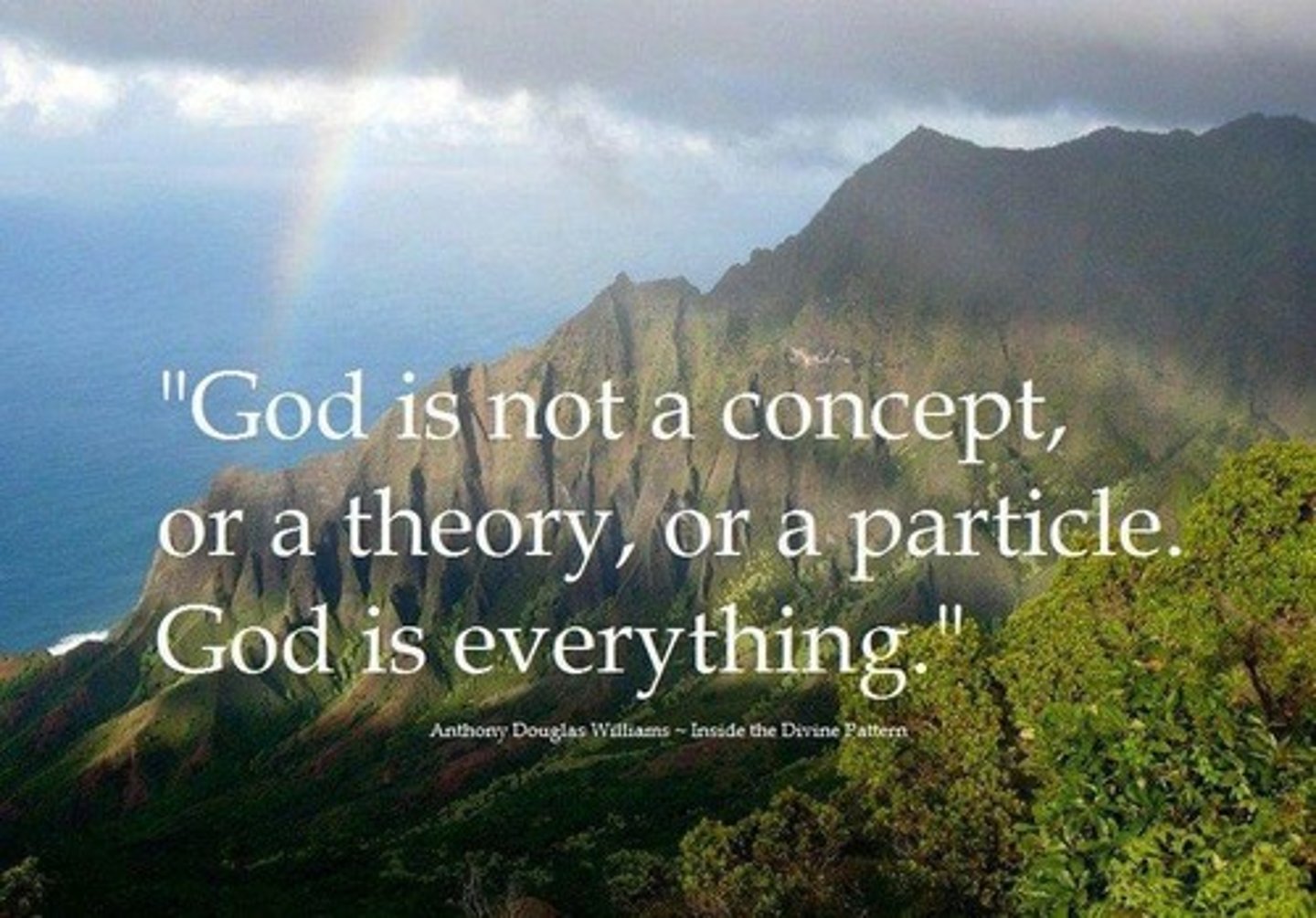
Pantheism
The view of god popular with many Romantics, that god could be found everywhere around them. They saw god's presence in nature itself and proof to them that he was all around us.
Romanticism in Art
There are two major factors shared by artists in this movement. First they saw the artistic expression as a reflection of the artist's inner feelings, and second the painting should mirror the artist's vision of the world and be the instrument of his own imagination. Three major examples include, Friedrich, Turner and Delacroix.

Romanticism in Music
This style of music let the composers delve deeply into human emotions. One quotes sums this up so well; "No other art can so sublimely arouse human sentiments in the innermost heart of man." Some great example include Beethoven and Berlioz.
Revival of Religion during Romanticism
This period saw an increase in people returning to the church, both Catholic and Protestant. One Catholic reasoned why, "You could not enter a Gothic church without feeling a kind of awe and a vague sentiment of Divinity..."