Clostridium
 Call Kai
 Learn
Learn Practice Test
 Spaced Repetition
 Match
Match Flashcards
 Knowt Play
1/75

There's no tags or description
Looks like no tags are added yet.
Name | Mastery | Learn | Test | Matching | Spaced | Call with Kai | Chat |
|---|
No analytics yet
Send a link to your students to track their progress
76 Terms
Clostridium spp.
Large Gram-positive obligate anaerobic spore-forming rods
Habitat of Clostridium spp.
Soil intestines feces water and decaying organic matter
Major virulence factor of pathogenic Clostridia
Exotoxins
Neurotoxic Clostridia cause disease by what mechanism?
Toxin production with minimal tissue invasion
Histotoxic Clostridia primarily affect which tissues? (3)
Muscle liver and intestines
Most toxic exotoxin known
Botulinum toxin
Unique appearance of C. tetani
Terminal endospore giving a drumstick appearance
Habitat of C. tetani and of which animals?
Soil and intestines of horses and ruminants
Most susceptible species to tetanus
Horses and humans
Species relatively resistant to tetanus
Dogs cats and chickens
Two toxins produced by C. tetani
Tetanospasmin and tetanolysin
Transmission of tetanus
Puncture wounds umbilical infections uterine infections
Condition required for tetanus spore germination
Anaerobic environment
How does tetanospasmin reach the CNS?
Intra-axonal transport
Tetanus causes what type of paralysis?
Spastic paralysis
Mechanism of tetanus paralysis
Blocks inhibitory neurotransmitter release
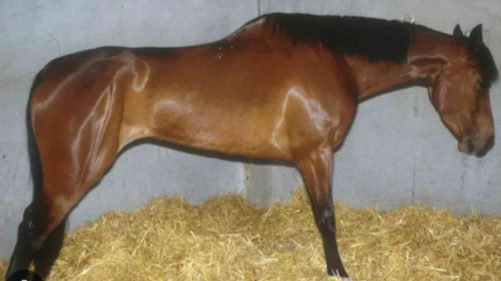
Classic equine tetanus signs
Prolapsed third eyelid erect ears stiff gait elevated tail head
Typical stance in tetanus
Sawhorse stance
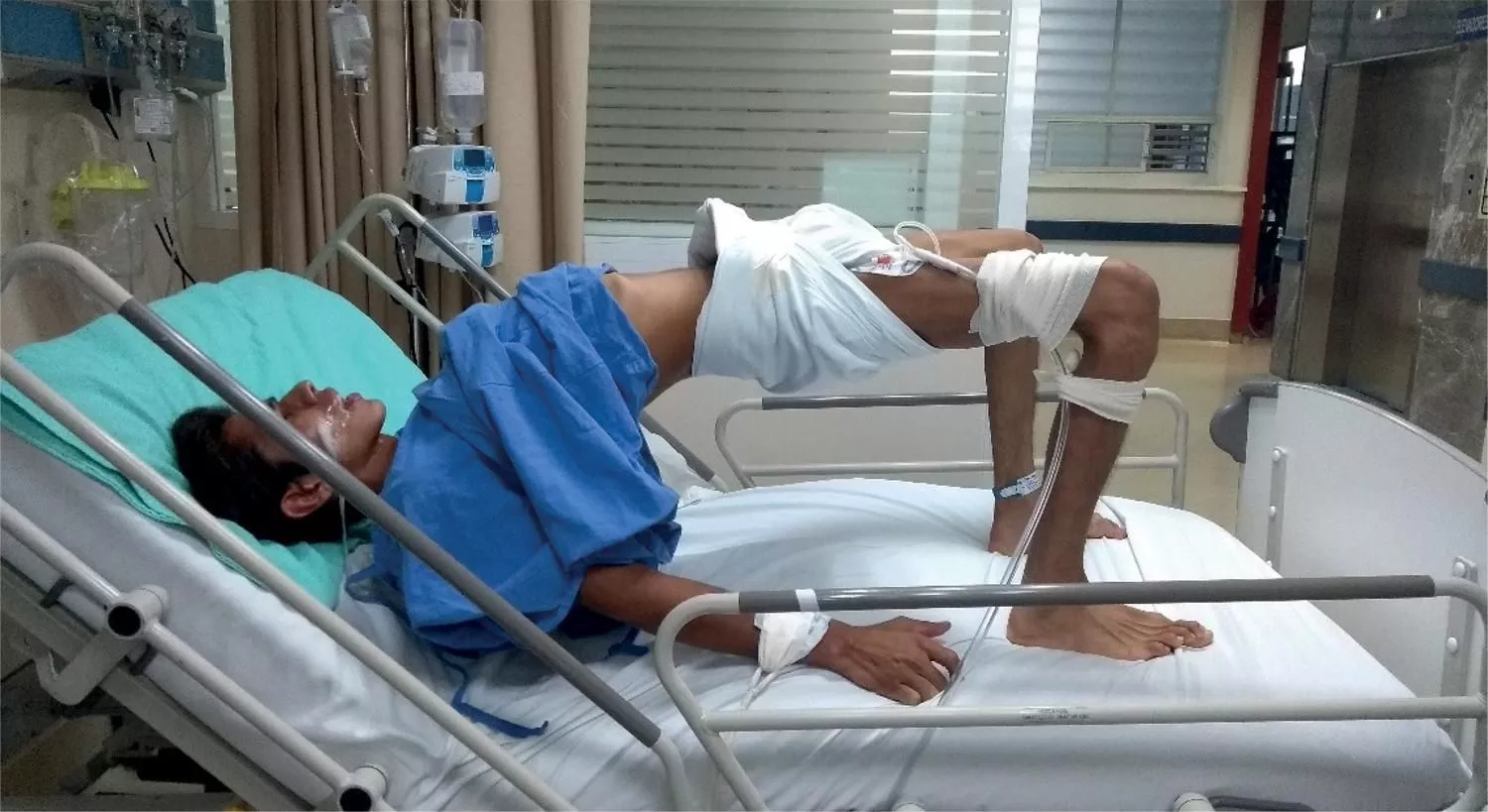
Characteristic severe extension of head and neck in tetanus
Opisthotonus
Main cause of death in tetanus
Respiratory failure
Method of tetanus prevention
Toxoid vaccination
Botulism is usually caused by what?
Preformed toxin
Species highly susceptible to botulism
Humans , poultry, waterfowl, ruminants horses
Species relatively resistant to botulism
Pigs dogs cats
Botulism causes what type of paralysis?
Flaccid paralysis
Mechanism of botulinum toxin
Blocks acetylcholine release at the neuromuscular junction
Major source of botulism in animals
Contaminated feed containing preformed toxin
Main cause of death in botulism
Respiratory failure
Floppy baby syndrome
Infant botulism
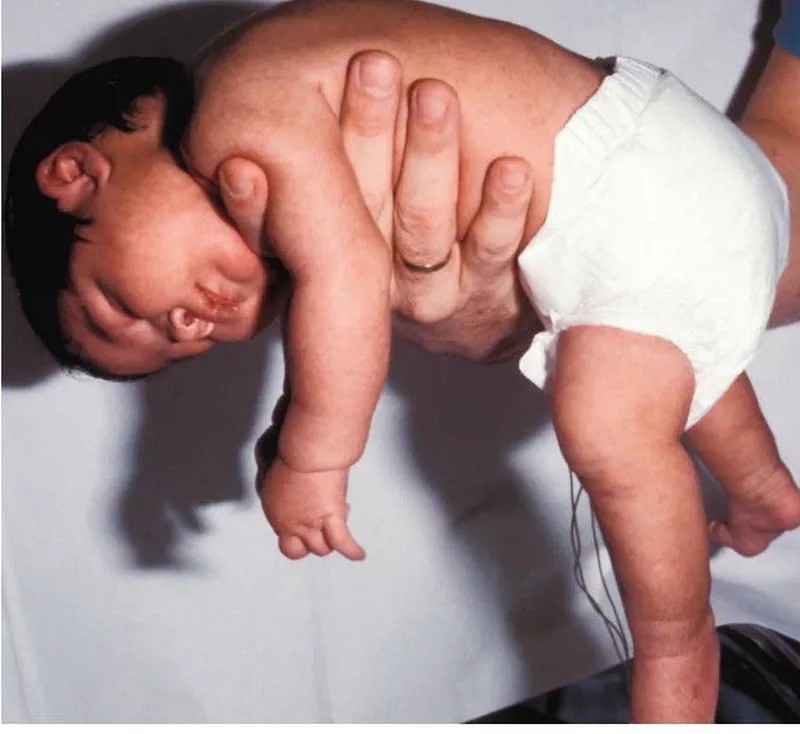
Shaker foal syndrome
Toxicoinfectious botulism in foals
Limberneck
Type C botulism in poultry
Lamziekte (associated with what)
Botulism in cattle associated with phosphorus deficiency and pica
Characteristic sign of equine botulism
Inability to withdraw the tongue
Causative agent of blackleg
Clostridium chauvoei
Species affected by blackleg
Cattle sheep goats
Age group most affected by blackleg
Young cattle 6 months to 2 years
Where do blackleg spores germinate?
Damaged muscle
Major lesion of blackleg
Emphysematous necrotizing myositis
Characteristic feature of blackleg lesions
Gas bubbles with rancid odor
Blackleg in cattle is usually what type of infection?
Endogenous infection
Disease caused by C. septicum
Malignant edema
Typical source of malignant edema
Wound contamination
Major lesion of malignant edema
Necrotic cellulitis with edema
Key difference between malignant edema and blackleg
Little or no gas in malignant edema
Disease caused by C. novyi type B
Black disease
Predisposing factor for black disease
Liver fluke migration
Where do C. novyi spores remain dormant?
Liver
Trigger for black disease
Hepatic injury causing spore germination
Characteristic feature of black disease
Sudden death with hepatic necrosis
Disease caused by C. haemolyticum
Bacillary hemoglobinuria (red water disease)
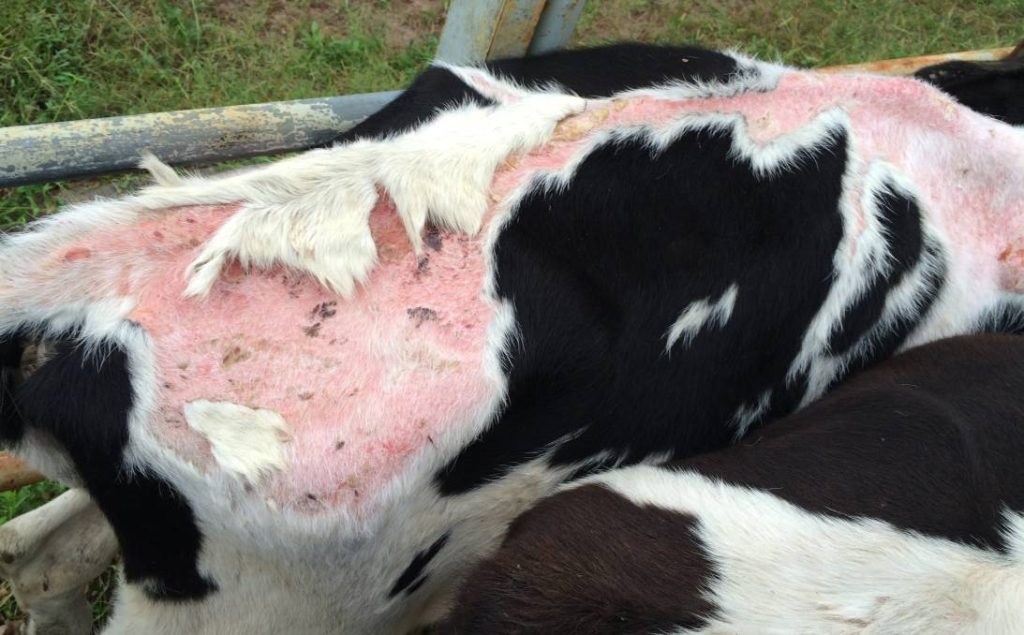
Predisposing factor for bacillary hemoglobinuria
Liver fluke infection
Characteristic urine finding in bacillary hemoglobinuria
Hemoglobinuria producing port-wine colored urine
Major lesion of bacillary hemoglobinuria
Hepatic infarcts
Habitat of C. perfringens
Soil and intestinal tract
Major predisposing factor for enterotoxemia
High concentrate diet
Most important toxin produced by all C. perfringens types
Alpha toxin
Alpha toxin is what enzyme?
Phospholipase C
Alpha toxin damages which cells?
RBCs, leukocytes, endothelial cells, and platelets
Type A major toxins
Alpha toxin and enterotoxin
Yellow lamb disease is associated with which type?
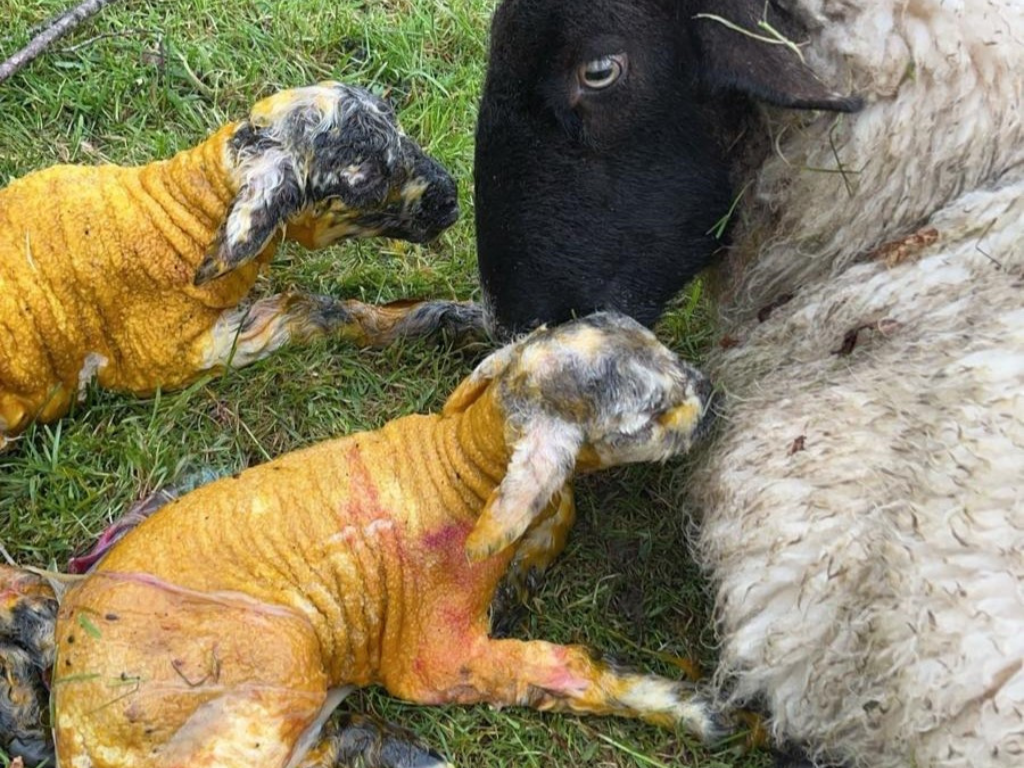
Type A
Human diseases caused by Type A
Food poisoning and gas gangrene
Type B disease
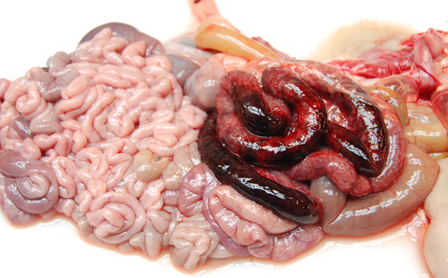
Lamb dysentery (destroys the lining of the gut)
Type C major toxin
Beta toxin
Type C primarily affects which animals?
Neonatal lambs calves foals piglets and kids
Major lesion of Type C enterotoxemia
Necrohemorrhagic enteritis
Type C in poultry causes what disease?
Necrotic enteritis
Type D major toxin
Epsilon toxin
Type D nickname
Overeating disease
Type D nickname
Pulpy kidney disease
Animals commonly affected by Type D
Rapidly growing lambs
Organs targeted in Type D disease (3)
Intestines CNS and kidneys
Classic lesion in Type D disease
Pulpy kidney
Causative agent of Tyzzer's disease
Clostridium piliforme
Unique feature of C. piliforme
Intracellular bacterium that cannot be grown on artificial media
Age group affected by Tyzzer's disease in horses
Foals younger than 6 weeks
Major lesion in Tyzzer's disease
Extensive hepatic necrosis