9.3. PARASITES
 Note
Note Call Kai
 Learn
Learn Practice Test
 Spaced Repetition
 Match
Match Flashcards
 Knowt Play
1/17

There's no tags or description
Looks like no tags are added yet.
Name | Mastery | Learn | Test | Matching | Spaced | Call with Kai | Chat |
|---|
No analytics yet
Send a link to your students to track their progress
18 Terms
Arthropods
Arthropods play a significant role in medicine, both as direct agents of disease and as vectors transmitting various pathogens. Here's an elaboration on the provided list and their medical significance:
Myriapoda + Pentasomida+ Crustacea+ Chelicerata + Insecta
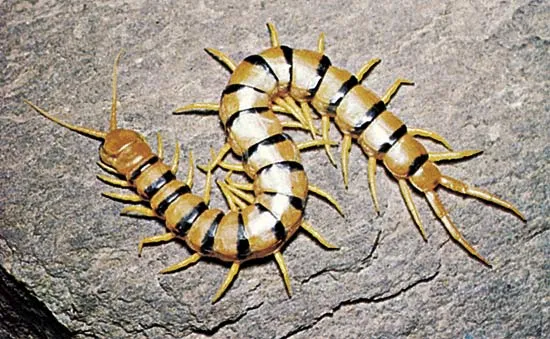
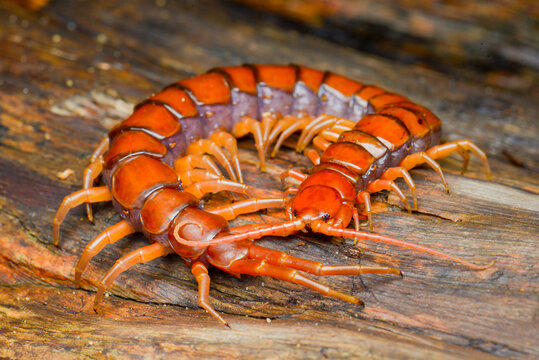
Myriapoda
Centipedes possess venomous claws; their bites can cause pain, swelling, redness, and, in rare cases, severe allergic reactions, especially in sensitive individuals.
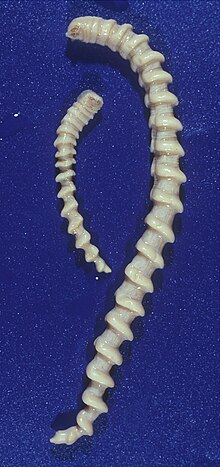
Pentastomida
Tongue worms can infect humans, causing pentastomiasis, a typically zoonotic infection where humans are accidental hosts.
Crustacea types
Copepods
Decapods
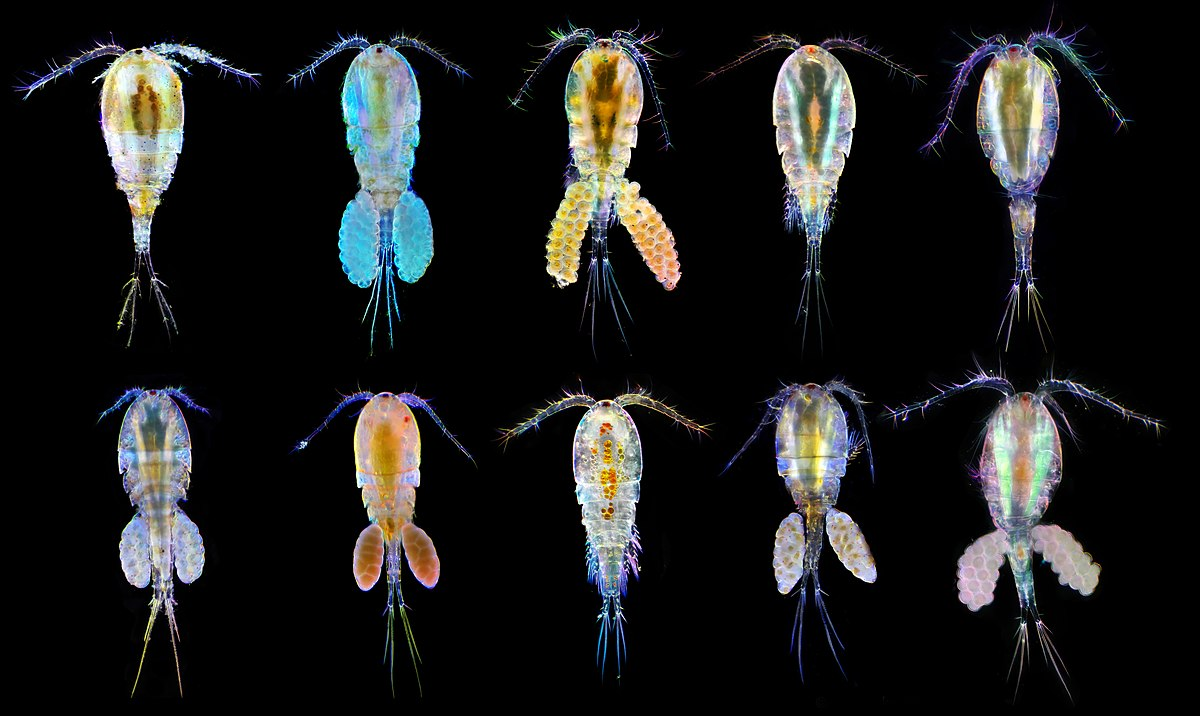
Crustacea - Copepods
Freshwater copepods can be intermediate hosts for Dracunculus medinensis, the parasite causing Guinea worm disease.
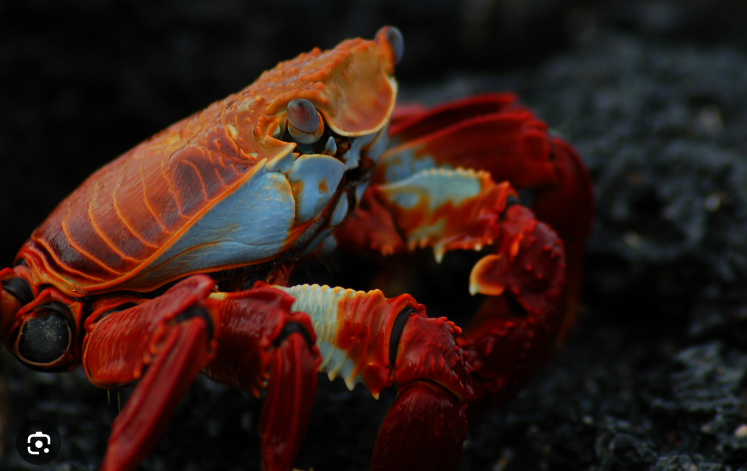
Crustacea - Decapods
Decapods (Crabs, Crayfish) can act as intermediate hosts for various parasitic flukes that infect humans.
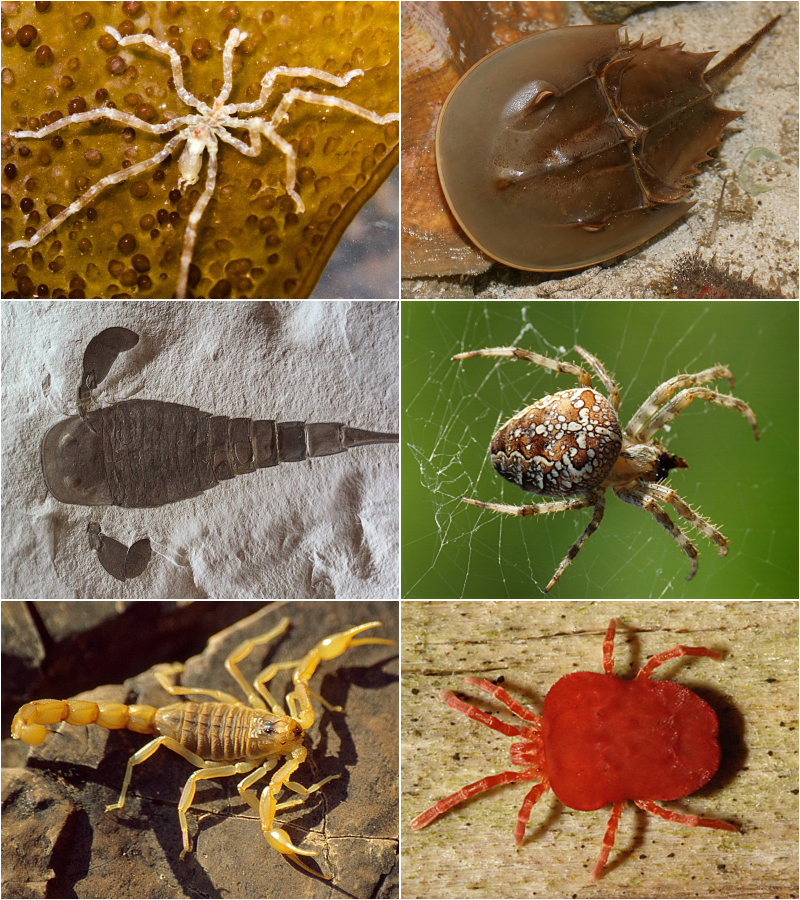
Chelicerata types
Spiders
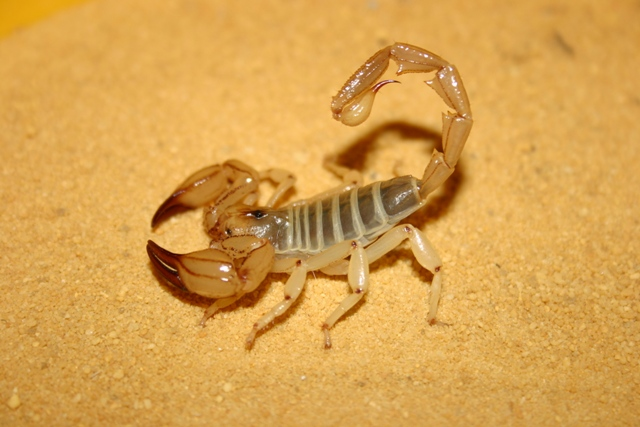
Scorpions
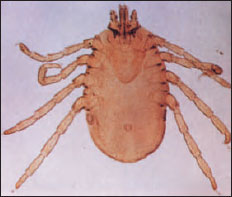
Mites
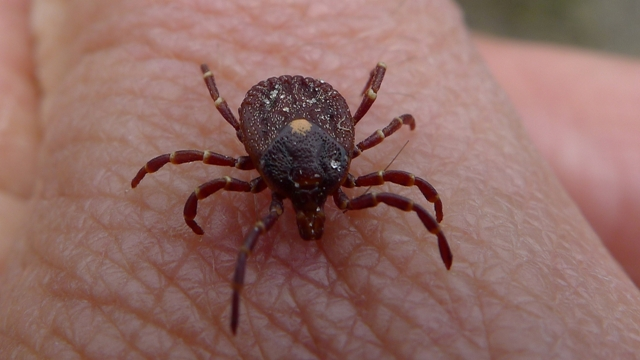
Ticks
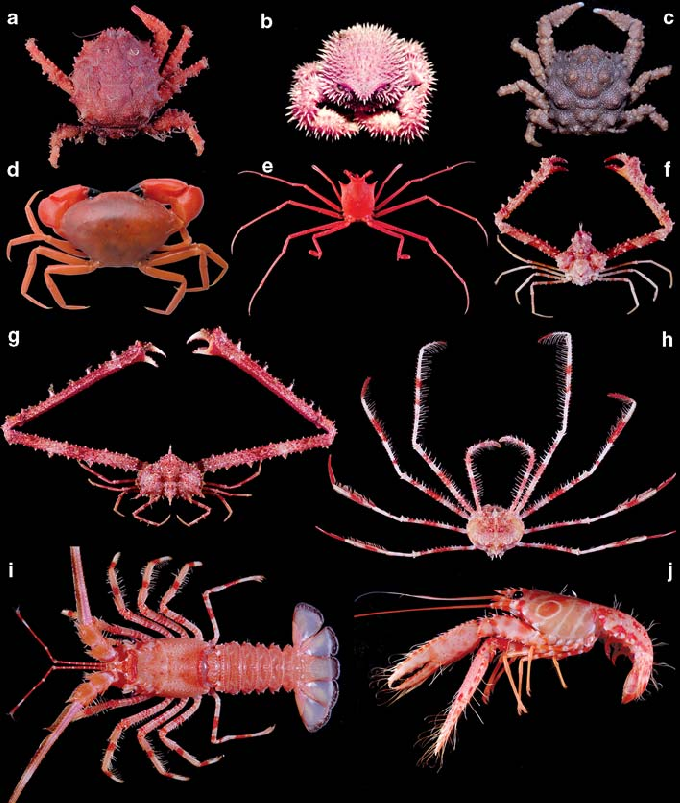
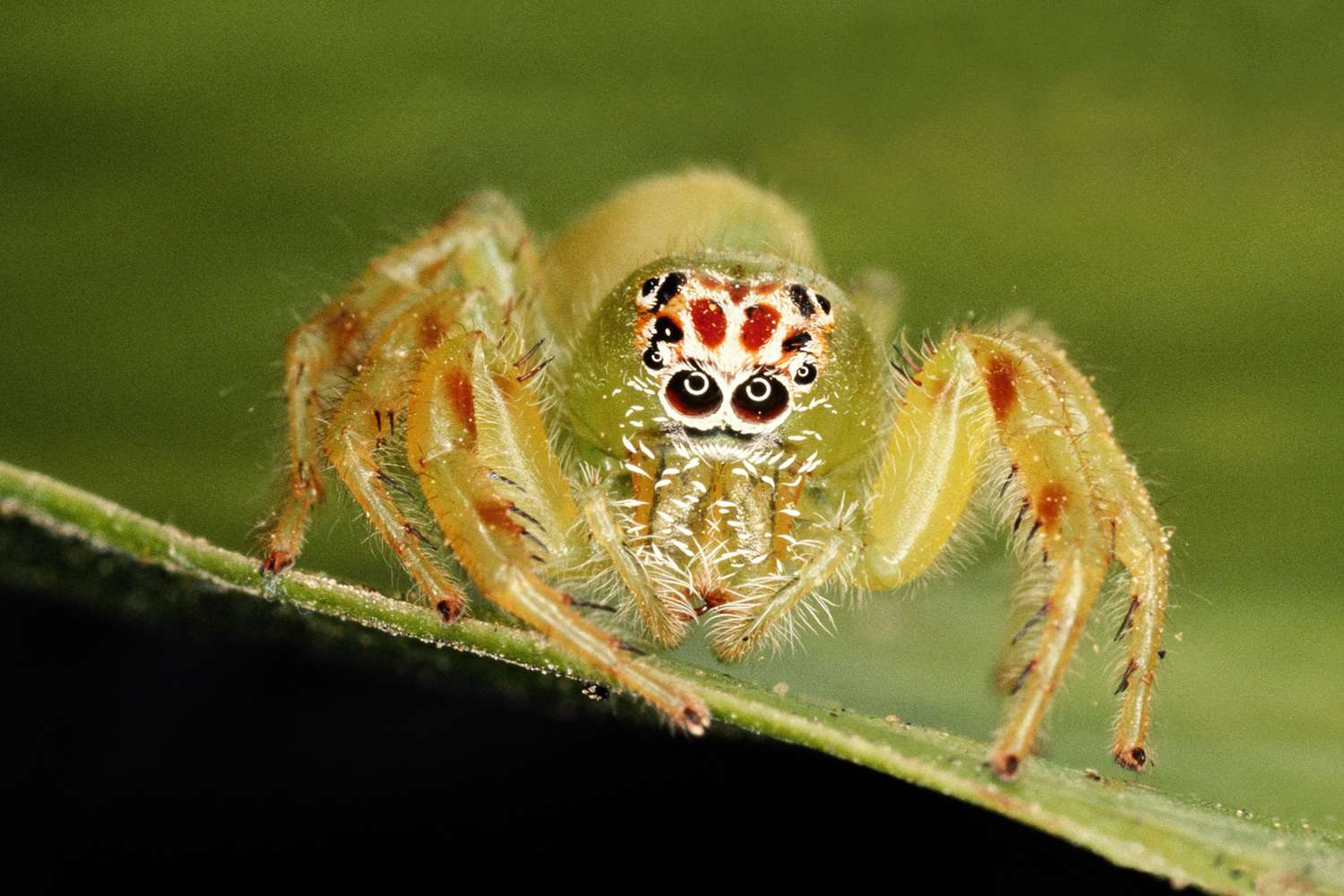
Chelicerata - Spiders
Some, like the Black Widow or Brown Recluse, can deliver medically significant bites causing local and systemic symptoms. Most spider bites are harmless.
Chelicerata - Scorpions
Some species have potent venom causing systemic symptoms, and in rare cases, death.
Chelicerata - Mites
Responsible for conditions like scabies (Sarcoptes scabiei) and can cause allergic reactions.
Chelicerata - Ticks
Vectors for pathogens causing Lyme disease, Rocky Mountain spotted fever, Tick-borne encephalitis, among others.
Insecta Types
Flies
Mosquitoes
Lice
Fleas
Bugs
Stinging Insects
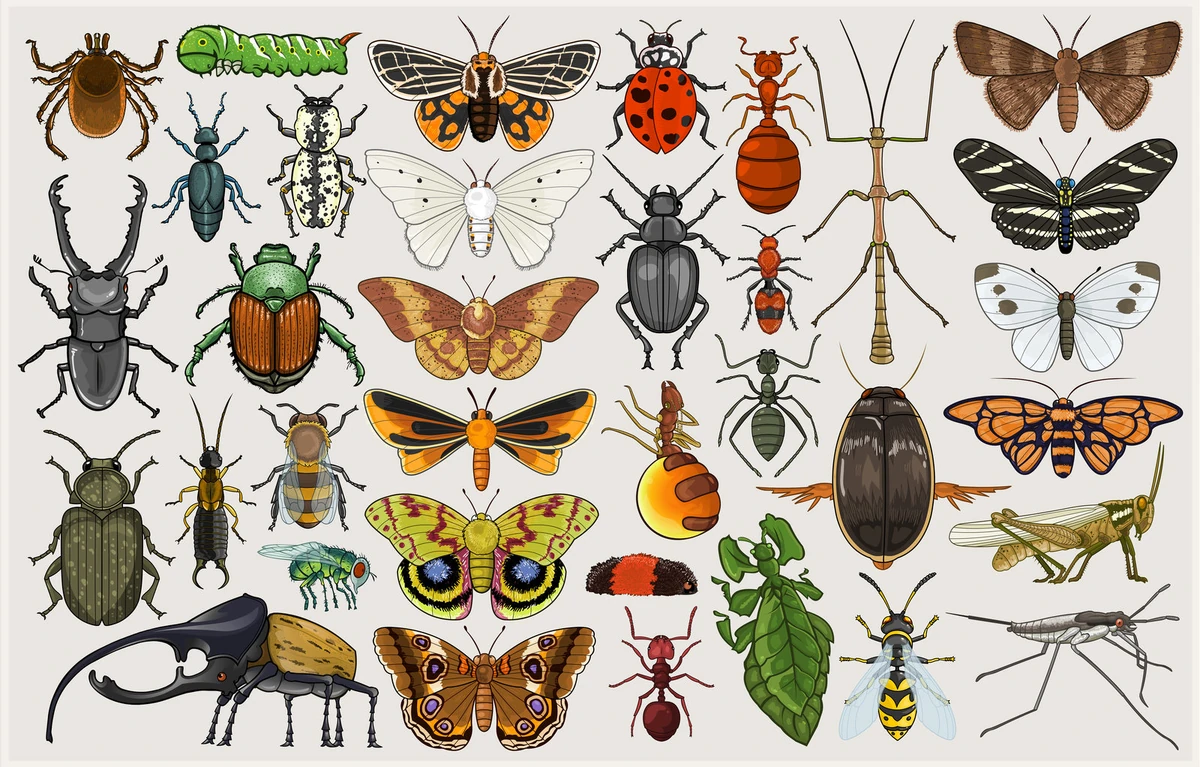
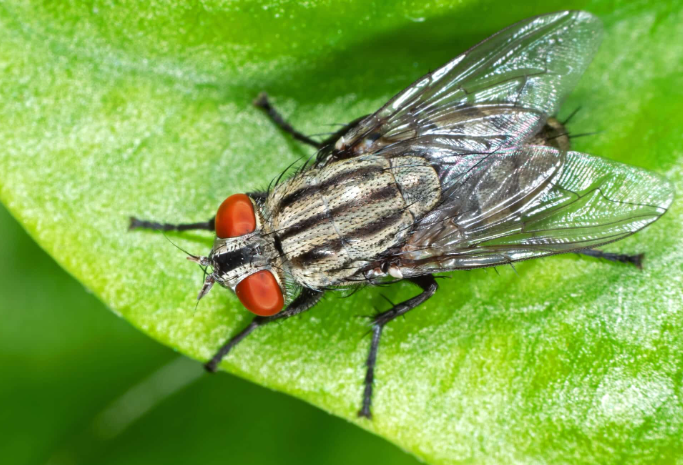
Insecta - Flies
Vectors for diseases like African sleeping sickness (tsetse flies) and Leishmaniasis (sandflies).
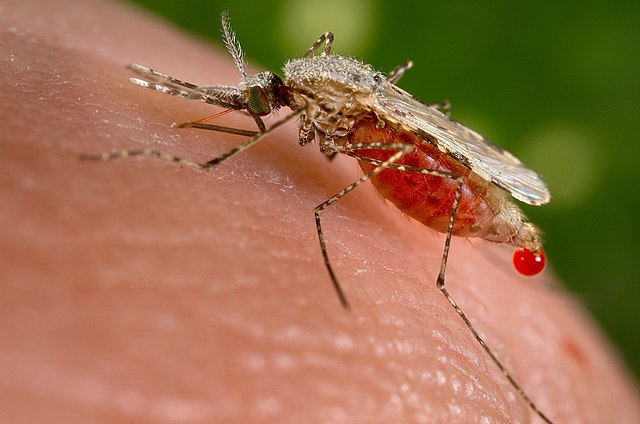
Insecta - Mosquitoes
Vectors for diseases including malaria, dengue, Zika virus, chikungunya, and West Nile virus.
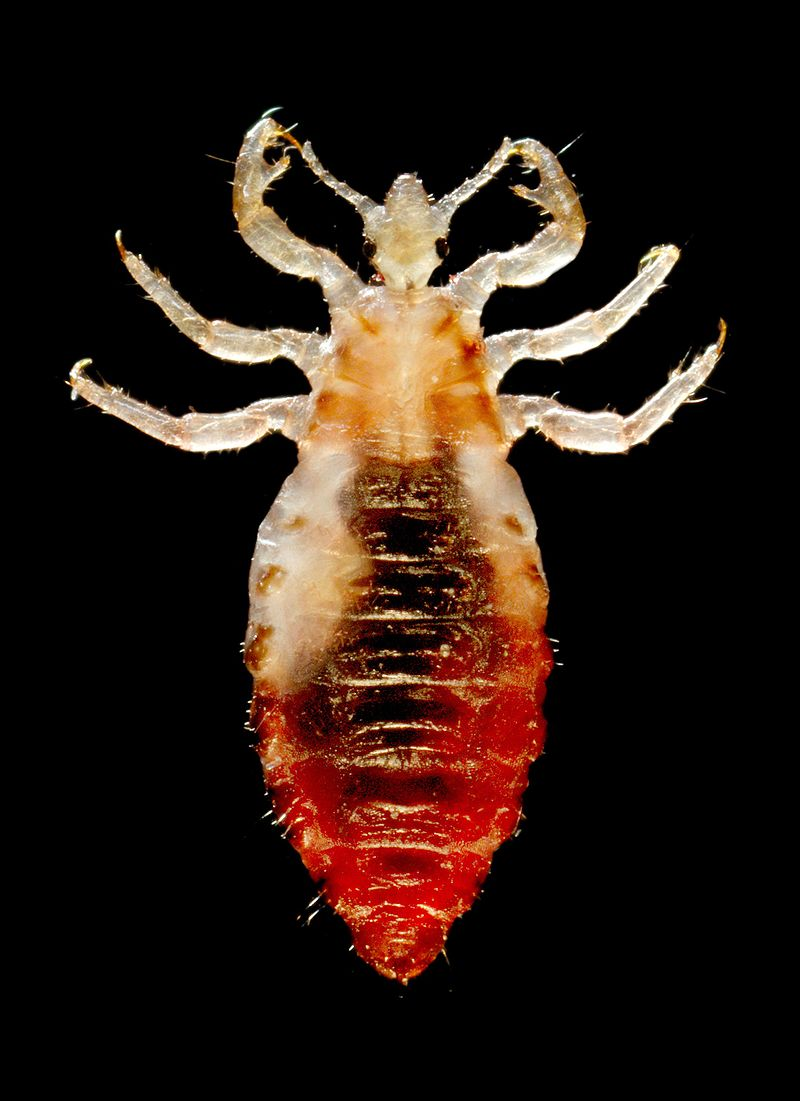
Insecta - Lice
Can transmit diseases like epidemic typhus, trench fever, and cause direct infestations leading to itchiness and discomfort.
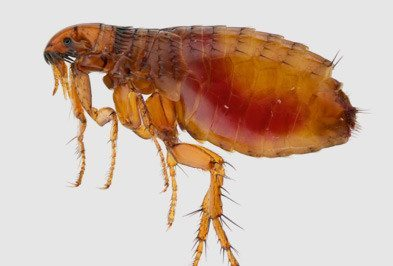
Insecta - Fleas
Vectors for bubonic plague bacterium and can transmit other pathogens.
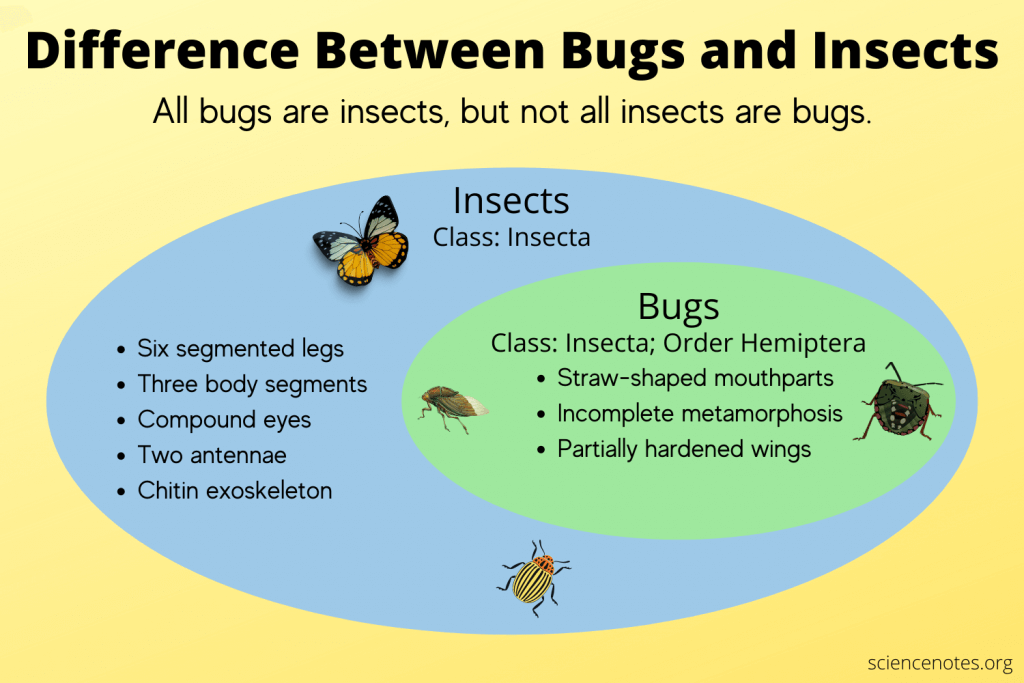
Insecta - Bugs
Transmit Trypanosoma cruzi, the causative agent of Chagas disease.
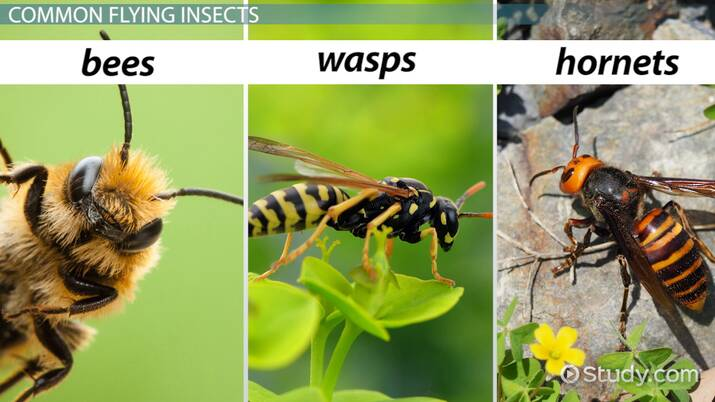
Insecta - Stinging Insects (e.g., bees, wasps, hornets).
Their stings can cause local reactions, severe allergic reactions, or anaphylaxis in sensitive individuals.