CDC PART 1 NP4
 Call Kai
 Learn
Learn Practice Test
 Spaced Repetition
 Match
Match Flashcards
 Knowt Play
1/49

There's no tags or description
Looks like no tags are added yet.
Name | Mastery | Learn | Test | Matching | Spaced | Call with Kai | Chat |
|---|
No analytics yet
Send a link to your students to track their progress
50 Terms
SITUATION: Ryland is a third-year nursing student studying for his finals. He has just finished taking a break and is now reading his medical-surgical nursing book. With that, he reached the nutrition and gastrointestinal disturbances section.
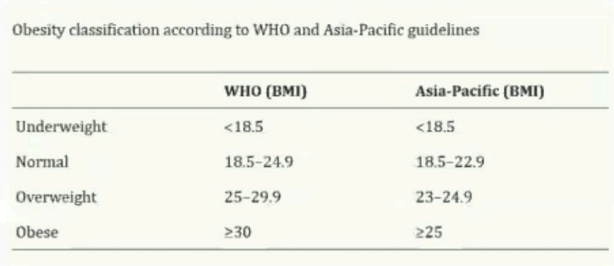
Q1: Upon reading about obesity, the body mass index (BMI) was mentioned. Ryland took note that the BMI can be categorized using the WHO and Asia-Pacific guidelines. Which of the following range of values equate to the obese classification in the Asia-Pacific BMI guidelines?
A. <25 kg/m2
B. >25 kg/m2
C. ≥25 kg/m2
D. ≤25 kg/m2
ANSWER: C. ≥25 kg/m2
Obesity classification according to WHO and Asia-Pacific guidelines
Q2: Ryland's batchmate asked him what a FODMAP diet is and is having difficulty grasping the topic. How should he not explain the diet to his batchmate? (-)
A. The low-FODMAP diet is a therapeutic tool that can improve symptoms and nutrition in multiple GI disorders, such as irritable bowel syndrome, inflammatory bowel disease, small intestinal bacterial overgrowth, noncoeliac gluten sensitivity (NGS), or coeliac disease.
B. The term FODMAP refers to short-chain carbohydrates that are absorbed poorly by the small intestine and pass directly to the colon, where they are fermented by the intestinal microbiota, giving rise to gases such as methane, butyrate or propionate.
C. The term FODMAP is an acronym that means fermentable, oligosaccharides, disaccharides, monosaccharides, and polyols.
D. None of the above
ANSWER: D. None of the above
A. The low-FODMAP diet is a therapeutic tool that can improve symptoms and nutrition in multiple GI disorders, such as irritable bowel syndrome, inflammatory bowel disease, small intestinal bacterial overgrowth, noncoeliac gluten sensitivity (NGS), or coeliac disease.
used primarily to dec. s/sx of IBS
B. The term FODMAP refers to short-chain carbohydrates that are absorbed poorly by the small intestine and pass directly to the colon, where they are fermented by the intestinal microbiota, giving rise to gases such as methane, butyrate or propionate.
poorly absorbed FODMAPs → colonic fermentation → inc. gases
C. The term FODMAP is an acronym that means fermentable, oligosaccharides, disaccharides, monosaccharides, and polyols.
Q3: Ryland is reviewing achalasia and Hirschsprung's disease but still confuses the two during practice exams. Which of the following statements about these disorders is true?
A. Both disorders are characterized by a hyperactive, spastic muscular layer that causes rapid, uncontrolled peristalsis in the lower gastrointestinal tract.
B. Achalasia involves an overproduction of acetylcholine in the stomach, while Hirschsprung's disease is caused by an absence of mucosal lining in the small intestine.
C. Achalasia is an esophageal motility disorder marked by a failure of the lower esophageal sphincter to relax, whereas Hirschsprung's disease is a congenital colorectal disorder caused by the absence of ganglion cells in the distal bowel.
D. Both conditions are primarily managed through lifelong pharmacological therapy using smooth muscle relaxants, completely eliminating the need for surgical intervention.
ANSWER: C. Achalasia is an esophageal motility disorder marked by a failure of the lower esophageal sphincter to relax, whereas Hirschsprung's disease is a congenital colorectal disorder caused by the absence of ganglion cells in the distal bowel.
Achalasia → LES fails to relax → NO esophageal peristalsis → dysphagia + regurgitation
Hirschsprung's → congenital absence of ganglion in distal bowel → affected segment = constricted → obstruction + proximal bowel dilation
A. Both disorders are characterized by a hyperactive, spastic muscular layer that causes rapid, uncontrolled peristalsis in the lower gastrointestinal tract.
obstruction
B. Achalasia involves an overproduction of acetylcholine in the stomach, while Hirschsprung's disease is caused by an absence of mucosal lining in the small intestine.
D. Both conditions are primarily managed through lifelong pharmacological therapy using smooth muscle relaxants, completely eliminating the need for surgical intervention.
Tx: Surgery
SITUATION: Holly March is a 20-year-old female patient who presented to the emergency room due to severe abdominal pain. She is accompanied by her father and was then diagnosed to have irritable bowel syndrome. Q4: Nurse Healy is caring for Holly, a patient diagnosed with Irritable Bowel Syndrome (IBS). Her father, Mr. Holland March, is highly anxious about her condition and asks the nurse what causes the disorder.
A. "The exact cause is unknown, but it is a complex interplay of genetic, environmental, and psychosocial factors. Triggers like chronic stress, sleep deprivation, or certain foods can initiate or worsen symptoms."
B. "It is primarily a structural disorder of the intestinal wall that commonly affects women over the age of 45 who have a history of major abdominal surgeries."
C. "It is a purely genetic condition that is directly caused by a lack of dietary fiber, meaning it can be permanently cured by avoiding dairy, eggs, and wheat products."
D. "It is an infectious disease of the colon that is diagnosed immediately through blood tests, usually occurring after a patient experiences prolonged sleep deprivation."
ANSWER: A. "The exact cause is unknown, but it is a complex interplay of genetic, environmental, and psychosocial factors. Triggers like chronic stress, sleep deprivation, or certain foods can initiate or worsen symptoms."
B. "It is primarily a structural disorder of the intestinal wall that commonly affects women over the age of 45 who have a history of major abdominal surgeries."
functional d/o → altered gut-brain interaction
C. "It is a purely genetic condition that is directly caused by a lack of dietary fiber, meaning it can be permanently cured by avoiding dairy, eggs, and wheat products."
multifactorial → stress, psych d/o; foods trigger is per pt.
D. "It is an infectious disease of the colon that is diagnosed immediately through blood tests, usually occurring after a patient experiences prolonged sleep deprivation."
diagnosed w/ s/sx using ROME criteria
Q5: Nurse Healy is assessing Holly, who has been experiencing fluctuating bowel habits. Her father, Mr. Holland March, notes that Holly frequently complains of abdominal pain and bloating, but mentions, "She usually feels much better after she goes to the bathroom." Based on the clinical presentation and the classification of IBS, which information should Nurse Healy include when educating Mr. March about his daughter's condition?
A. "Since her abdominal pain is relieved by defecation, she most likely falls under the IBS U category, meaning her condition is completely unrelated to eating habits."
B. "IBS can manifest as constipation, diarrhea, or a combination of both, and it frequently coexists with other conditions like GERD, chronic fatigue, or anxiety."
C. "The presence of abdominal distention indicates that Holly is developing a structural bowel obstruction that will require immediate surgical intervention."
D. "Because IBS symptoms are continuous and never vary in intensity, we can rule out any connection to her psychological well being."
ANSWER: B. "IBS can manifest as constipation, diarrhea, or a combination of both, and it frequently coexists with other conditions like GERD, chronic fatigue, or anxiety."
constipation (IBS-C), diarrhea (IBS-D), or mix of both (IBS-M)
A. "Since her abdominal pain is relieved by defecation, she most likely falls under the IBS U category, meaning her condition is completely unrelated to eating habits."
unknown (IBS-U)
C. "The presence of abdominal distention indicates that Holly is developing a structural bowel obstruction that will require immediate surgical intervention."
functional d/o
D. "Because IBS symptoms are continuous and never vary in intensity, we can rule out any connection to her psychological well being."
may be influenced by stress, psych d/o
Q6: Nurse Healy is developing a discharge teaching plan for Holly and her father, Mr. Holland March, to help manage her Irritable Bowel Syndrome (IBS) at home. Which instructional statement by Nurse Healy aligns correctly with the nursing management of IBS?
A. "Make sure Holly drinks plenty of water while she is chewing her food during meals to help ease digestion and prevent hard stools."
B. "Keep a detailed 1- to 2-week food diary to pinpoint specific food triggers, and make sure she eats her meals at regular times."
C. "If she experiences a sudden flare up, she should double her intake of caffeine and rely on high intensity exercise to quickly eliminate gas."
D. "A bowel habit diary like the Bristol Stool Form Scale is only useful for hospital nursing staff and should be discontinued once she goes home as it may cause confusion."
ANSWER: B. "Keep a detailed 1- to 2-week food diary to pinpoint specific food triggers, and make sure she eats her meals at regular times."
food diary → identify triggers to avoid → dec. s/sx
A. "Make sure Holly drinks plenty of water while she is chewing her food during meals to help ease digestion and prevent hard stools."
worsen fullness, bloating
C. "If she experiences a sudden flare up, she should double her intake of caffeine and rely on high intensity exercise to quickly eliminate gas."
inc. GI stimulation
D. "A bowel habit diary like the Bristol Stool Form Scale is only useful for hospital nursing staff and should be discontinued once she goes home as it may cause confusion."
Diary → monitored at home
SITUATION: Beth Johanssen, a 29-year-old software engineer, is admitted to the day surgery unit for an elective bilateral tonsillectomy and adenoidectomy. Beth has a two-year history of severe, recurrent throat infections characterized by GABHS. She has just returned to the post-anesthesia care unit (PACU). Q7: During her initial clinic visit, Beth asked Nurse Beck why her tonsils swell so drastically compared to the rest of her throat tissues, and why antibiotics failed to permanently cure her condition. When analyzing the biological traits of the tonsils and Beth's clinical history, which statement provides the most accurate explanation?
A. The tonsils are epithelial structures that rapidly lose their protective outer layers during stress, leaving the deep muscles exposed to viral pathogens like cytomegalovirus.
B. The tonsils are made of lymphatic tissue that becomes heavily inflamed by GABHS, and recurrent infections despite antibiotic therapy indicate a need for surgical removal.
C. The tonsils are specialized vascular cushions that experience permanent tissue damage if a patient works long hours in high-stress environments.
D. The tonsils consist of dense respiratory cartilage that becomes colonized by normal oral flora, causing them to expand and permanently block the main nasal airway.
ANSWER: B. The tonsils are made of lymphatic tissue that becomes heavily inflamed by GABHS, and recurrent infections despite antibiotic therapy indicate a need for surgical removal.
tonsils → lymphatic tissue → trap and respond to pathogens → inflammation
recurrent tonsillitis → r/f RHD, RHF, AGN → tx: surgery
Q8: Beth arrives in the PACU after her surgery. She is heavily sedated but starting to move, and her oral airway transport tube is still in place. Nurse Beck needs to position Beth and plan her immediate recovery care. To optimize drainage and safely evaluate Beth for hidden complications during this immediate recovery phase, which action should Nurse Beck take?
A. Position Beth supine with the head of the bed elevated to 45 degrees, and remove the oral airway immediately to prevent gastric inflation.
B. Position Beth prone with her head turned to the side, and leave the oral airway in place until her gag and swallowing reflexes have completely returned.
C. Position Beth on her right side with a heavy sandbag under her neck, and encourage her to cough vigorously every 15 minutes to clear out thick mucus.
D. Position Beth in a high Fowler's sitting position, and immediately offer her a glass of warm milk to soothe her irritated throat tissues.
ANSWER: B. Position Beth prone with her head turned to the side, and leave the oral airway in place until her gag and swallowing reflexes have completely returned.
blood, secretions drain from mouth → dec. aspiration, bleeding easier to detect
A. Position Beth supine with the head of the bed elevated to 45 degrees, and remove the oral airway immediately to prevent gastric inflation.
inc. aspiration risk
C. Position Beth on her right side with a heavy sandbag under her neck, and encourage her to cough vigorously every 15 minutes to clear out thick mucus.
vigorous coughing → inc. bleeding risk
D. Position Beth in a high Fowler's sitting position, and immediately offer her a glass of warm milk to soothe her irritated throat tissues.
milk → coughing → bleeding; NPO until gag returns
Q9: On her first postoperative day, Beth is preparing for discharge. Nurse Beck is teaching Beth and her family how to monitor for complications at home. Nurse Beck emphasizes how to differentiate between normal post-surgical findings and hidden hemorrhage. Which scenario requires Beth to seek immediate emergency medical evaluation after discharge?
A. Expectorating a small amount of thick mucus mixed with dark brown threads during the first 24 hours at home.
B. Experiencing mild ear discomfort and a stiff neck on the third day after surgery, which is relieved by taking liquid acetaminophen.
C. Vomiting large amounts of dark blood at frequent intervals, accompanied by a rising pulse rate and a feeling of restlessness.
D. Having a mild case of foul smelling breath (halitosis) five days after surgery that improves after using an alkaline mouthwash.
ANSWER: C. Vomiting large amounts of dark blood at frequent intervals, accompanied by a rising pulse rate and a feeling of restlessness.
post-op hemorrhage
A. Expectorating a small amount of thick mucus mixed with dark brown threads during the first 24 hours at home.
Expected (old blood)
B. Experiencing mild ear discomfort and a stiff neck on the third day after surgery, which is relieved by taking liquid acetaminophen.
Expected (post-op pain)
D. Having a mild case of foul smelling breath (halitosis five days after surgery that improves after using an alkaline mouthwash.
Expected (temp. halitosis due to protective coating)
SITUATION: Rich Purell, an aerospace engineer, spends up to 10 to 12 hours a day seated at his research desk drafting design schematics. He admits to consuming a low-fiber diet of fast food due to his demanding schedule, resulting in chronic straining during bowel movements. He presents with bright red rectal bleeding, localized itching, and anal discomfort.
Q10: When analyzing the cumulative impact of Rich's occupational habits and diet, which of the following pathways best explains the underlying development and clinical presentation of his hemorrhoidal disease?
A. Long hours of sitting and straining increase pressure in the abdomen, which blocks blood flow from the hemorrhoidal veins and causes the tissue cushions to swell. B. High-stress work environments cause blood vessels to tighten, leading to tissue death in the supporting rectal muscles.
C. A sedentary lifestyle shifts blood circulation away from the liver, causing narrow blockages in the superior hemorrhoidal arteries.
D. Passing hard stools due to a poor diet chemically changes the dark blood in the veins, turning it into a bright red color.
ANSWER: A. Long hours of sitting and straining increase pressure in the abdomen, which blocks blood flow from the hemorrhoidal veins and causes the tissue cushions to swell.
low-fiber diet → constipation → repeated straining → inc. IAP, venous pressure → venous dilation
prolonged sitting → obstruct venous returns → worsen hemorrhoids
Q11: During the physical exam, the nurse helps the doctor perform an anoscopy to check Rich's internal hemorrhoids. While Rich is in the prone jackknife position, the doctor asks him to bear down. The nurse sees a tissue mass push completely out of the anal canal. The mass does not slide back in on its own, and the doctor has to manually push it back into place. Based on these findings, how should the nurse classify the severity of Rich's hemorrhoids?
A. Grade I Hemorrhoids, which require immediate emergency surgery to prevent incontinence.
B. Grade II Hemorrhoids, meaning the tissues are still fully supported.
C. Grade III Hemorrhoids, meaning the supportive tissues have weakened.
D. Grade IV Hemorrhoids, meaning the tissue is completely trapped outside.
ANSWER: C. Grade Ill Hemorrhoids, meaning the supportive tissues have weakened.
prolapses outside anal canal, does not return spontaneously
A. Grade I Hemorrhoids, which require immediate emergency surgery to prevent incontinence.
remains inside the anal canal without prolapse
B. Grade Il Hemorrhoids, meaning the tissues are still fully supported.
prolapses while straining but returns spontaneously
D. Grade IV Hemorrhoids, meaning the tissue is completely trapped outside.
permanently prolapsed and cannot be manually returne
Q12: Rich follows a conservative treatment plan for 6 weeks. He uses a standing desk at work, drinks about 64 ounces of water daily, eats 38 grams of fiber, and limits his toilet time to 3 minutes. At his follow-up visit, an anoscopy shows that the actual size of his hemorrhoids has not changed at all. However, Rich says, "I haven't had any bleeding, itching, or pain for two weeks." What should the nurse conclude when evaluating the results of Rich's treatment plan?
A. The plan failed because there was no objective decrease in the physical size of the hemorrhoids.
B. The plan succeeded because conservative treatment is judged by the relief of the patient's symptoms, not the size of the tissue.
C. The results are inconclusive because a patient's subjective feedback cannot be trusted without a tissue biopsy.
D. The patient needs immediate surgery because unchanged hemorrhoid size puts him at high risk for colon cancer.
ANSWER: B. The plan succeeded because conservative treatment is judged by the relief of the patient's symptoms, not the size of the tissue.
Conservative tx. → improve stool passage → dec. hemorrhoidal irritation, trauma → dec. s/sx of hemorrhoids
Q13: Even though his symptoms improved, Rich's third-degree hemorrhoids still pop out frequently during work, making it uncomfortable to sit. The medical team decides to try a minor procedure. Because Rich takes a blood thinner (Warfarin) for a heart condition, the team must choose the safest option. When comparing the available procedures, which rationale should guide the nurse's recommendation for this specific patient?
A. Rubber band ligation is best because cutting off the blood supply prevents any risk of bleeding in patients taking blood thinners.
B. A closed surgical hemorrhoidectomy is best because using tight stitches prevents the tissue from sloughing off later.
C. Injection sclerotherapy is best because it hardens the tissue and keeps it in place without causing tissue shedding or a high risk of bleeding.
D. An open surgical hemorrhoidectomy is best because leaving the wound open allows the nurse to watch the veins directly for bleeding.
ANSWER: C. Injection sclerotherapy is best because it hardens the tissue and keeps it in place without causing tissue shedding or a high risk of bleeding.
collapse, fibrosis of vein → no sloughing off → no bleeding
A. Rubber band ligation is best because cutting off the blood supply prevents any risk of bleeding in patients taking blood thinners.
tying off → sloughing after 5-7 days → bleeding
B. A closed surgical hemorrhoidectomy is best because using tight stitches prevents the tissue from sloughing off later.
r/f bleeding
D. An open surgical hemorrhoidectomy is best because leaving the wound open allows the nurse to watch the veins directly for bleeding.
r/f bleeding
SITUATION: Watney has just graduated nursing and is currently enrolled in a review center to prepare for the August 2026 PNLE.
Q14: A community health nurse is conducting a health education session regarding the use of traditional herbal supplements. A client with chronic kidney disease (CKD) mentions that they have started drinking Noni juice (Morinda citrifolia) daily to "boost their immunity." Which of the following is the most critical nursing action?
A. Advise the client to monitor their blood pressure daily, as Noni juice can cause significant hypertension.
B. Instruct the client to discontinue the juice and consult their physician due to its high potassium content.
C. Encourage the client to continue the juice as it provides essential antioxidants for renal health.
D. Suggest that the client limit intake to 2 ounces per day to prevent gastric irritation.
ANSWER: B. Instruct the client to discontinue the juice and consult their physician due to its high potassium content:
CKD → high K, Noni juice (high K) → severe hyperkalemia → r/f arrhythmia
Q15: A nurse is caring for a patient who has just returned to the unit following a percutaneous liver biopsy. To ensure patient safety and prevent complications, in which position should the nurse place the patient?
A. Left side-lying with a small pillow or folded towel under the puncture site.
B. Right side-lying with a small pillow or folded towel under the puncture site.
C. Supine with the head of the bed elevated at 45 degrees.
D. Prone with a sandbag placed under the upper abdomen.
ANSWER: B. Right side-lying with a small pillow or folded towel under the puncture site.
Liver (right - puncture, high vascular) → r/f bleeding
Pressure → puncture site → inc. coagulation
SITUATION: Mr. Venkat Kapoor, a 45-year-old male, is a NASA executive. Due to the sedentary nature of his work, he was recently diagnosed with diabetes mellitus and has been prescribed maintenance medications to help him manage his condition. Q16: Nurse Teddy is assigned to the care of Mr. Kapoor. Mr. Kapoor shared to Nurse Teddy that he is curious about his Type II diabetes mellitus (DM) diagnosis and then proceeded to inquire about its difference with Type I DM. Which of the following would be Nurse Teddy's best response?
A. "Type 1 diabetes is an autoimmune disease where your body destroys insulin-producing cells, while Type 2 means your pancreas still makes insulin, but your body's cells are resistant to it or it's not enough."
B. "Type 1 diabetes is inherited and develops only during childhood, whereas Type 2 diabetes is strictly caused by lifestyle factors and poor diet in adulthood."
C. "Type 1 diabetes is characterized by insulin resistance in the skeletal muscles, whereas Type 2 diabetes involves a complete absence of insulin production by the pancreas."
D. "Type 1 and Type 2 diabetes are clinically identical, but Type 1 requires oral medications while Type 2 requires lifetime insulin injections."
ANSWER: A. "Type 1 diabetes is an autoimmune disease where your body destroys insulin-producing cells, while Type 2 means your pancreas still makes insulin, but your body's cells are resistant to it or it's not enough."
type 1 → autoimmune destruction of pancreatic beta cells → absent insulin
type 2 → insulin resistance
B. "Type 1 diabetes is inherited and develops only during childhood, whereas Type 2 diabetes is strictly caused by lifestyle factors and poor diet in adulthood.
type 1 occur at any age, type 2 result from genetic, metabolic, lifestyle, environmental factors
C. "Type 1 diabetes is characterized by insulin resistance in the skeletal muscles, whereas Type 2 diabetes involves a complete absence of insulin production by the pancreas."
type 1 = absent insulin, type 2 = insulin resistance
D. "Type 1 and Type 2 diabetes are clinically identical, but Type 1 requires oral medications while Type 2 requires lifetime insulin injections."
type 1 = insulin dependency, type 2 = lifestyle, medications
Q17: Nurse Teddy is preparing to administer a prescribed dose of 10 units of Regular insulin and 20 units of NPH insulin to Mr. Kapoor. To ensure the medication is prepared correctly and its integrity is maintained, which action should Nurse Teddy take first?
A. Draw up 20 units of NPH insulin into the syringe followed by 10 units of Regular insulin.
B. Gently rotate the NPH insulin vial between the palms of the hands to resuspend the particles.
C. Vigorously shake the NPH vial to ensure the cloudy suspension is thoroughly mixed.
D. Administer the Regular insulin and NPH insulin in two separate injection sites to ensure proper absorption.
ANSWER: B. Gently rotate the NPH insulin vial between the palms of the hands to resuspend the particles.
Ensure accurate dose → INR (Inject Air - NPH - Regular) → WRN (Withdraw - Regular - NPH)
A. Draw up 20 units of NPH insulin into the syringe followed by 10 units of Regular insulin.
Regular (Clear) → NPH (Cloudy)
C. Vigorously shake the NPH vial to ensure the cloudy suspension is thoroughly mixed.
air bubbles, froth form → inaccurate dose measurement
D. Administer the Regular insulin and NPH insulin in two separate injection sites to ensure proper absorption.
compatible to be mixed
SITUATION: Samira Mohan, a 29-year-old female, is admitted after a check-up revealed advanced liver disease. She has a 10-year history of obesity and poorly controlled type 2 diabetes. She has never consumed alcohol. Years ago, she was told she had a "simple fatty liver" but did not follow up. Nurse Dana notes jaundice, ascites, palmar erythema, and spider angioma on her chest.
Q18: Samira's guardian, Mr. Robby, asks Nurse Dana how a "simple fatty liver" turned into cirrhosis and if this means she automatically has liver cancer. Which of the following is the most accurate distinction Nurse Dana should make between these conditions for Mr. Robby to understand clearly?
A. Fatty liver is fat buildup without permanent damage; cirrhosis means the liver has developed permanent scar tissue and nodules; liver cancer is a separate malignant growth.
B. Fatty liver and cirrhosis are identical conditions that always resolve with a low-fat diet, while liver cancer is caused by an entirely separate genetic mutation unrelated to the liver.
C. Fatty liver only affects the outer skin, cirrhosis is a temporary vascular blockage, and liver cancer is defined by nodules that remain smaller than 3 mm.
D. Fatty liver is diagnosed with a blood test, while cirrhosis and cancer are clinically identical and can only be told apart by checking the patient's blood type.
ANSWER: A. Fatty liver is fat buildup without permanent damage; cirrhosis means the liver has developed permanent scar tissue and nodules; liver cancer is a separate malignant growth.
obesity + insulin resistance → fat accumulates in hepatocytes → fatty liver
fatty liver → chronic inflammation, hepatocyte injury → fibrosis → cirrhosis
liver cancer → uncontrolled growth of malignant hepatocytes
Q19: A medical resident wants to order daily routine liver enzyme levels (AST and ALT) to definitively track whether Samira's advanced cirrhosis is improving or worsening over the next week. As a nurse who understands liver diagnostics, what is the best response to the resident's plan?
A. Agree with the plan, because AST and ALT levels are the gold standard for measuring the exact percentage of scar tissue in the liver.
B. Suggest ordering an abdominal ultrasound instead, because a normal ultrasound rules out fatty liver completely.
C. Advise the resident that AST and ALT can be normal in advanced cirrhosis; true liver synthetic function must be monitored using Prothrombin Time (PT) and serum albumin levels.
D. Advise the resident to monitor blood urea nitrogen (BUN) instead, as it is the most accurate indicator of liver protein synthesis.
ANSWER: C. Advise the resident that AST and ALT can be normal in advanced cirrhosis; true liver synthetic function must be monitored using Prothrombin Time (PT) and serum albumin levels.
AST and ALT → markers of active hepatocyte injury → advanced = no healthy cells to rupture = normal liver enzymes
late stages → PT/INR + albumin + bilirubin + clinical findings → measure hepatic fx.
SITUATION: Cassie McKay, a 44-year-old female patient, visits the clinic for unexplained weight loss, constant heart palpitations, and extreme heat intolerance. Nurse Emma notes that Cassie's skin is warm and moist, her heart rate is 112 bpm, and she has a fine tremor in her hands.
Q20: Cassie's laboratory results are returned to the clinic. The physician reviews the hormone levels to accurately classify her thyroid state and rule out subclinical variations or isolated toxicities before starting treatment. Which of the following laboratory profiles matches the definition of overt hyperthyroidism, confirming Cassie's diagnosis?
A. Low or suppressed TSH levels combined with elevated free T4 and/or elevated total T3 levels.
B. High TSH levels combined with low free T4 and low total T3 levels.
C. Low or suppressed TSH levels combined with completely normal free T4 and normal total T3 levels.
D. Elevated TSH levels combined with elevated free T4 and normal total T3 levels.
ANSWER: A. Low or suppressed TSH levels combined with elevated free T4 and/or elevated total T3 levels.
All high/fast, except low weight, TSH
B. High TSH levels combined with low free T4 and low total T3 levels:
hypothyroidism
C. Low or suppressed TSH levels combined with completely normal free T4 and normal total T3 levels:
subclinical hyperthyroidism
D. Elevated TSH levels combined with elevated free T4 and normal total T3 levels.
secondary hyperthyroidism (pituitary)
Q21: Cassie is prescribed Methimazole (Tapazole) to manage her condition. Nurse Emma is preparing a self-care teaching plan for Cassie regarding this medication. When evaluating the pharmacological mechanism and safety profile of this drug, which instruction must Nurse Emma prioritize during patient teaching?
A. "This medication will provide immediate relief for your palpitations and tremors within the first 24 hours of taking your dose."
B. "Methimazole permanently alters your thyroid gland's structure, so you will only need to take it for 4 to 6 weeks to achieve a permanent cure."
C. "This drug works by blocking the enzyme that helps make thyroid hormones, and you must take it consistently as it takes several months to achieve a normal thyroid state."
D. "If you happen to become pregnant, Methimazole is strictly preferred over all other medications during your first trimester because it carries zero risk of birth defects."
ANSWER: C. "This drug works by blocking the enzyme that helps make thyroid hormones, and you must take it consistently as it takes several months to achieve a normal thyroid state."
Methimazole → blocks thyroid peroxidase → stops iodine to form T3, T4
A. "This medication will provide immediate relief for your palpitations and tremors within the first 24 hours of taking your dose."
Propranolol (B-blockers)
B. "Methimazole permanently alters your thyroid gland's structure, so you will only need te take it for 4 to 6 weeks to achieve a permanent cure."
only suppresses hormone synthesis
D. "If you happen to become pregnant, Methimazole is strictly preferred over all other medications during your first trimester because it carries zero risk of birth defects."
PTU is preferred
SITUATION: Frank Langdon, 58-year-old patient with end-stage renal disease (ESRD), is admitted to the medical-sugical ward for his scheduled hemodialysis treatments three times a week. Mr. Langdon has a functional, mature left-arm arteriovenous fistula that is used for his vascular access.
Q22: Nurse Trinity is conducting a head-to-toe assessment on Mr. Langdon before sending him to the dialysis unit. Nurse Trinity must verify that his left-arm arteriovenous fistula is functioning properly and implement necessary safety precautions. Which action by Nurse Trinity demonstrates correct clinical judgment and proper care for Mr. Langdon's vascular access site?
A. Use Mr. Langdon's left arm to draw the morning chemistry panel, and ensure a loose blood pressure cuff is placed on the same arm to monitor his baseline readings.
B. Flush the access site with normal saline to check for patency, and keep the arm completely straight to prevent local tissue swelling.
C. Assess for circulation by feeling for a vibration (thrill) with the palm and listening for a swishing sound (bruit) with a stethoscope over the site.
D. Apply a warm compress over the site if any bright red bleeding or oozing is noted to quickly stimulate local clotting factors.
ANSWER: C. Assess for circulation by feeling for a vibration (thrill) with the palm and listening for a swishing sound (bruit) with a stethoscope over the site.
turbulent blood flow = patent
A. Use Mr. Langdon's left arm to draw the morning chemistry panel. and ensure a loose blood pressure cuff is placed on the same arm to monitor his baseline readings.
NO PUNCTURE, NO PRESSURE → r/f clot, fistula failure
B. Flush the access site with normal saline to check for patency. and keep the arm completely straight to prevent łocalized tissue swelling.
assess bruit, thrill for patency
D. Apply a warm compress over the site if any bright red bleeding or oozing is noted to quickly stimulate local clotting factors.
warm compress → vasodilation → inc. bleeding; apply pressure
Q23: Mr. Langdon successfully completes his 4-hour hemodialysis session, where toxins, excess electrolytes, and water were filtered out of his blood using a dialyzer machine. Upon his return to the medical-surgical unit, Nurse Trinity re-evaluates his condition. Which clinical indicator should Nurse Trinity prioritize for immediate reporting?
A. A sudden drop in his red blood cell (RBC) count and hemoglobin levels, as the dialysis machine is expected to correct his chronic anemia.
B. Signs of confusion, a decreased level of consciousness, and a sudden severe headache, which indicate life-threatening disequilibrium syndrome.
C. A mild increase in body weight by two pounds immediately following the treatment, indicating a successful return to his true dry weight.
D. The absolute absence of a heart rhythm variation, since antiarrhythmic medications are routinely held up to 4 hours before every treatment.
ANSWER: B. Signs of confusion, a decreased level of consciousness, and a sudden severe headache, which indicate life-threatening disequilibrium syndrome.
rapid removal of solutes → osmosis (water shift from blood to brain) → cerebral edema → Inc. ICP s/sx
A. A sudden drop in his red blood cell (RBG) count and hemoglobin levels, as the dialysis machine is expected to correet his chronic anemia.
does not correct anemia, requires EPO
C. A mild increase in body weight by two pounds immediately following the treatment, indicating a successful return to his true dry weight.
lower priority
SITUATION: Rocky, a 46-year-old mechanical engineer, is admitted to the emergency department with agonizing, wavelike right flank pain radiating to his groin, accompanied by nausea, and pinkish urine. He works a sedentary office job, drinks mostly coffee, and rarely drinks water. A noncontrast CT scan confirms a 0.6 cm calcium-based stone lodged in his right ureter. Nurse Grace is creating a care plan to help him pass the stone and prevent new ones.
Q24: Nurse Grace reviews Rocky's history to identify medications and dietary habits that alter calcium metabolism and promote stone formation. Which items should Nurse Grace instruct Rocky to avoid to prevent calcium stone recurrence?
A. High doses of aspirin, antacids, and excessive intake of vitamin D or milk and alkali.
B. High-potassium foods, carbonated beverages, and over-the-counter acetaminophen.
C. Purine-rich foods, red meat, and medications that lower parathormone levels.
D. Green leafy vegetables, distilled water, and the routine use of thiazide diuretics.
ANSWER: A. High doses of aspirin, antacids, and excessive intake of vitamin D or milk and alkali.
High Ca → inc. stone recurrence
C. Purine-rich foods, red meat, and medications that lower parathormone levels.
Uric acid stones
Q25: Rocky asks Nurse Grace exactly how much water he needs to drink at home to flush out his current 0.6 cm stone and keep his urine adequately diluted. Which instruction should Nurse Grace provide?
A. "Drink exactly four 8-oz glasses of fluids during the day to maintain a target urine output of at least 1 L/day."
B. "Drink eight to ten 8-oz glasses of water daily to maintain a high, around-the-clock intake that keeps your urine output exceeding 2 L/day."
C. "Restrict your fluid intake to less than 1.5 L/day so that the concentrated urine can dissolve the stone's outer layers."
D. "Consume up to 5L of fluid within a single 2-hour window each morning to maximize hydrostatic pressure behind the bladder neck."
ANSWER: B. "Drink eight to ten 8-oz glasses of water daily to maintain a high, around-the-clock intake that keeps your urine output exceeding 2 L/day."
inc. H20 → inc. urine volume → promotes flushing of stone, prevents recurrence
Normal: 2-3L per day
3-4L (with stones)
SITUATION: Professor Artemis is teaching neurological disorders at the College of Nursing for Medical-Surgical nursing. She prepared extensively for the class and is willingly and enthusiastically answering students' questions.
Q26: A student raised their hand to ask Ms. Artemis about the cause of distal peripheral neuropathy. Which of the following facts should she include in her response?
A. Peripheral neuropathy is a significant, frequently debilitating complication of HIV infection and diabetes caused by damage to the sensory and motor peripheral nerves.
B. In persons with HIV infection, neuropathy is thought to result from highly active antiretroviral therapy neurotoxicity.
C. Advanced age, taller height, comorbid diabetes, and treatment with nucleotide reverse transcriptase inhibitors, increased peripheral neuropathy risk.
D. All of the above
ANSWER: D. All of the above
peripheral "malayo" + neuro "nerve" + pathy "disease/damage"
Q27: A discussion about Myasthenia Gravis (MG) and Amyotrophic Lateral Sclerosis (ALS) ensued in the class. Which of the following correctly defines the two?
A. ALS is a neurodegenerative disorder affecting motor neurons, while MG is a neuromuscular junction disorder caused by autoantibodies.
B. ALS is a disorder of neuromuscular transmission, while MG is a progressive neurodegenerative disorder of the cerebral cortex.
C. ALS is characterized by autoantibodies against acetylcholine receptors, while MG is characterized by primary muscle atrophy of the spinal cord.
D. ALS is an immune regulating disorder with a good prognosis, while MG is a lack of appropriate therapy affecting the brain stem.
ANSWER: A. ALS is a neurodegenerative disorder affecting motor neurons, while MG is a neuromuscular junction disorder caused by autoantibodies.
ALS → slow progressive death → motor neurons (spinal cord)
MG → antibodies→ dec. Ach → block communication → nerves & muscles
B. ALS is a disorder of neuromuscular transmission, while MG is a progressive neurodegenerative disorder of the cerebral cortex.
ALS → motor neuron disease, MG → does not affect CNS
C. ALS is characterized by autoantibodies against acetylcholine receptors, while MG is characterized by primary muscle atrophy of the spinal cord.
oppositive description
D. ALS is an immune regulating disorder with a good prognosis, while MG is a lack of appropriate therapy affecting the brain stem.
ALS → fatal; MG → PNS problem
Q28: Which of the following sets of signs and symptoms clinically characterizes Amyotrophic Lateral Sclerosis?
A. Hyperactivity of acetylcholine receptors
B. Fluctuating muscle fatigability and good prognosis
C. Muscle weakness and muscular atrophy
D. Acute inflammation of the neuromuscular junction
ANSWER: C. Muscle weakness and muscular atrophy
death of motor neurons full body paralysis & weakness
SITUATION: Alexa Turner, a 33-year-old female music producer, is admitted to the medical ward with a three-week history of fluctuating neurological symptoms that worsen by the end of the day. The nurse notes diplopia, ptosis, an expressionless face, a breathy voice, and a history of choking while swallowing liquids. The healthcare team suspects Myasthenia Gravis.
Q29: To confirm Alexa's diagnosis, the physician performs a bedside acetylcholinesterase inhibitor test using intravenous edrophonium chloride (Tensilon). Which clinical response 30 seconds after the injection indicates a positive test?
A. Immediate resolution of her facial weakness and ptosis lasting for about 5 minutes.
B. A complete loss of sensory perception and deep tendon reflexes lasting for 1 hour.
C. A temporary increase in generalized muscle spasticity and high fever lasting for 28 days.
D. Sudden, intense double vision and total throat muscle paralysis lasting for 30 minutes
ANSWER: A. Immediate resolution of her facial weakness and ptosis lasting for about 5 minutes.
Inc. Ach (short-acting) → inc. communication between nerves + muscles → inc. muscle strength
Q30: Following confirmation of Myasthenia Gravis, Alexa is prescribed Pyridostigmine bromide (Mestinon) four times a day. The nurse evaluates the therapeutic outcome of this first-line anticholinesterase medication. Which of the following findings should the nurse identify as the primary indicator of pharmacological success for this drug?
A. The patient exhibits complete antigen specific immunosuppression and a reduction in the production of acetylcholine receptor antibodies.
B. The patient achieves symptomatic relief and improved voluntary muscle strength, especially during periods of continued activity.
C. The patient experiences a complete cure of the disease due to the permanent regeneration of destroyed motor endplate vesicles.
D. The patient develops mild abdominal cramps, diarrhea, and a noticeable increase in saliva production after each dose.
ANSWER: B. The patient achieves symptomatic relief and improved voluntary muscle strength, especially during periods of continued activity.
inc. Ach → inc. communication between nerves + muscles → inc. muscle strength
A. The patient exhibits complete antigen specific immunosuppression and a reduction in the production of acetylcholine receptor antibodies.
immunosuppressants
C. The patient experiences a complete cure of the disease due to the permanent regeneration of destroyed motor endplate vesicles.
No cure
D. The patient develops mild abdominal cramps, diarrhea, and a noticeable increase in saliva production after each dose.
Cholinergic crisis
Q31: Two weeks after discharge, Alexa returns to the ICU in severe respiratory distress with profound generalized muscle weakness, an inadequate cough, and an inability to swallow secretions. The team must immediately differentiate whether she is experiencing a Myasthenic Crisis or a Cholinergic Crisis. Which of the following should the healthcare team do?
A. Administer a large dose of Atropine intravenously; if the patient immediately develops severe abdominal cramps and diarrhea, it confirms a myasthenic crisis.
B. Inject a therapeutic dose of Pyridostigmine bromide intramuscularly; if the patient's vital capacity drops instantly, it rules out a cholinergic crisis.
C. Administer Edrophonium chloride; if the patient develops an overactive gag reflex and high fever, give a large dose of prednisone.
D. Administer Edrophonium chloride; if muscle strength temporarily improves, it is a myasthenic crisis, and Atropine must be ready to control severe side effects like bradycardia.
ANSWER: D. Administer Edrophonium chloride; if muscle strength temporarily improves, it is a myasthenic crisis, and Atropine must be ready to control severe side effects like bradycardia
Tensilon: Improve = Myasthenic, Worsen = Cholinergic
Atropine (Bedside) → Antidote → Tensilon (Cholinergic) Toxicity
Q32: Alexa has stabilized following a course of medical treatment. The nurse is preparing her comprehensive discharge teaching plan to promote home safety and prevent future neuromuscular exacerbations. Which set of self-care instructions must the nurse prioritize during Alexa's discharge education?
A. "Take your medications at flexible times whenever you feel tired, engage in vigorous physical exercise daily, and keep your home at a warm, high temperature."
B. "Schedule your mealtimes to coincide with the peak effects of your medication, rest before meals, and sit upright with your neck slightly flexed when swallowing soft foods."
C. "Avoid the use of artificial tears, instruct your dentist to routinely use procaine (Novocaine) for dental work, and eat your largest meals late in the evening."
D. "Vigorously cough every hour to expand your vital capacity, sleep flat on your back without pillows, and decrease your daily fluid intake to prevent choking."
ANSWER: B. "Schedule your mealtimes to coincide with the peak effects of your medication, rest before meals, and sit upright with your neck slightly flexed when swallowing soft foods."
30 mins before meals, activity → peak action = inc. strength
position → prevent aspiration
SITUATION: A 7-year-old boy, Bob, is brought to the hospital by both parents for a consultation. The parents report that Bob previously achieved developmental milestones appropriately but has gradually become weaker and less active compared to peers. The healthcare team considers a diagnosis under the spectrum of Muscular Dystrophy and prepares a comprehensive care plan involving the family.
Q33: Nurse Landers compiled the findings of his assessment of Bob. Which findings below are consistent with muscular dystrophy?
1. Progressive difficulty in walking and frequent falls
2. Elevated serum muscle enzyme levels
3. Sudden high-grade fever with productive cough
4. Muscle weakness with gradual wasting of skeletal muscles
5. Acute abdominal pain with bloody diarrhea
6. Difficulty rising from a seated position
A. 1, 2, 4, and 6
B. 1, 3, 4, and 5
C. 2, 3, 5, and 6
D. 1, 2, 3, 4, 5, and 6
ANSWER: A. 1, 2, 4, and 6
Muscular Dystrophy - "faulty nourishment of the muscle"
progressive muscle fiber degeneration → skeletal muscle weakness, wasting → difficulty walking + frequent falls + difficulty rising from seated position
muscle fiber damage → intracellular muscle enzymes released → inc. CK
Q34: The physician explains that Bob will undergo supportive management including physical therapy, use of orthotic devices, and preventive exercises. The parents ask Nurse Landers: "Can you explain this treatment plan in a way we can easily understand?" How should he respond?
A. "The plan involves neuromuscular rehabilitation protocols aimed at delaying contracture formation and optimizing functional mobility through assistive orthotic intervention and structured physiotherapy."
B. "The goal is to slow muscle weakness. Bob will do daily stretching, use supportive braces if needed, and continue activities that help him stay as strong and independent as possible."
C. "Management includes multidisciplinary interventions focused on skeletal muscle fiber preservation, prevention of fibrotic replacement, and optimization of cardiopulmonary compensation."
D. "The disease is incurable and progressive due to genetic mutation affecting dystrophin production, leading to irreversible muscle degeneration despite supportive modalities."
ANSWER: B. "The goal is to slow muscle weakness. Bob will do daily stretching, use supportive braces if needed, and continue activities that help him stay as strong and independent as possible."
layman's
A. "The plan involves neuromuscular rehabilitation protocols aimed at delaying contracture formation and optimizing functional mobility through assistive orthotic intervention and structured physiotherapy."
uses medical jargons
C. "Management includes multidisciplinary interventions focused on skeletal muscle fiber preservation, prevention of fibrotic replacement, and optimization of cardiopulmonary compensation."
uses medical jargons
D. "The disease is incurable and progressive due to genetic mutation affecting dystrophin production, leading to irreversible muscle degeneration despite supportive modalities."
uses medical jargons
Q35: Which referral plan reflects appropriate allied health services for Bob based on his condition?
A. Referral only to infectious disease and pulmonary specialists for antibiotic therapy
B. Referral to dermatology and endocrinology for skin and hormonal evaluation as primary management
C. Referral to physical therapy, occupational therapy, and rehabilitation specialists for mobility and contracture prevention
D. Referral to radiology and surgery for immediate diagnostic biopsy and tumor excision
ANSWER: C. Referral to physical therapy, occupational therapy, and rehabilitation specialists for mobility and contracture prevention
PT → gross motor
OT → fine motor
Rehabilitation services → braces, mobility devices, long-term functional needs
Q36: Nurse Landers is preparing for Bob's discharge and is reviewing instructions. Which social intervention should he prioritize for Bob and his family?
A. Encourage withdrawal from school activities and offer homeschooling as alternative to prevent long term fatigue and injury
B. Referral to social services for assistive device access, financial resources, and caregiver support programs including community-based disability services
C. Recommend family independently purchase all mobility aids without external assistance to promote independence and sustainability
D. Advise delaying all psychosocial interventions until disease progression becomes severe to avoid unnecessary stress to Bob and his family
ANSWER: B. Referral to social services for assistive device access, financial resources, and caregiver support programs including community-based disability services
dec. burden to the family
SITUATION: During morning rounds, Nurse Mitch is checking an inpatient's IV line when the patient's primary caregiver, a 55-year-old individual, asks for personal medical advice. The patient's caregiver said, "Nurse, for the past few months, I've felt a constant 'pins and needles' tingling that started in my toes and moved up to both feet. Lately, my feet feel like they are on fire, and at night, even the light touch of my bedsheets hurts. I keep losing my balance when walking, I can't feel the brake or gas pedals when I drive, and my hands are starting to feel numb too." - Peripheral Neuropathy
Q37: Nurse Mitch recognizes that the caregiver's bilateral symptoms match the "stocking-glove" distribution of distal symmetric polyneuropathy. Which assessment questions should the nurse prioritize to uncover the caregiver's underlying risk factors for this condition?
A. "Have you recently experienced sharp abdominal pain after eating, or do you have a family history of gallbladder disease?"
B. "Are you currently taking HIV antiretroviral drugs like stavudine or didanosine, or do you have a history of diabetes, advanced age, or a high BMI?"
C. "Did these symptoms start after a high-protein diet, and have you noticed any changes in your hearing thresholds?"
D. "Have you been diagnosed with acute low back muscle strain, and do you use anti-inflammatory creams after running?"
ANSWER: B. "Are you currently taking HIV antiretroviral drugs like stavudine or didanosine, or do you have a history of diabetes, advanced age, or a high BMI?"
diabetes + HIV + certain neurotoxic medications + obesity/metabolic risk factors → peripheral nerve injury → distal symmetric sensory/motor loss
Q38: The caregiver confides: "I drink a lot of alcohol daily as it is my main way of coping, and have done so for years. Is my heavy drinking the sole reason my nerves are dying?" Analyzing the condition's pathophysiology, how should the nurse accurately respond regarding the mechanisms of chronic nerve damage?
A. "Persistent alcohol intake primarily accelerates nerve regeneration and remyelination; therefore, worsening symptoms are more consistent with transient inflammatory hypersensitivity than structural degeneration."
B. "Alcohol-related neuropathy develops independently of vascular or metabolic influences because peripheral nerves possess compensatory mechanisms that prevent cumulative ischemic and oxidative damage."
C. "Long-standing neuropathic damage occurs only after complete neuronal destruction, meaning symptoms generally appear abruptly rather than through gradual demyelination and axonal dysfunction."
D. "Chronic alcohol use can damage nerves, but neuropathy usually results from multiple factors such as metabolic problems, poor blood flow, nutritional deficiencies, oxidative stress, and other diseases working together over time."
ANSWER: D. "Chronic alcohol use can damage nerves, but neuropathy usually results from multiple factors such as metabolic problems, poor blood flow, nutritional deficiencies, oxidative stress, and other diseases working together over time."
long-term alcohol → neurotoxicity → nerve injury; B12 deficiency, diabetes, etc.
Q39: The caregiver adds: "I was diagnosed with Type 2 diabetes over 12 years ago, but I haven't taken my medications or checked my blood sugar in years. Could my uncontrolled diabetes have caused it?" Which response of Nurse Mitch correctly explains the progressive relationship between diabetes and DSPN?
A. "Yes, because long-standing uncontrolled diabetes can gradually injure peripheral nerves through chronic hyperglycemia, oxidative stress, and microvascular damage, with symptoms commonly beginning in the toes and progressing upward over time."
B. "No, because diabetic neuropathy usually develops only in patients who experience repeated episodes of severe hypoglycemia rather than prolonged hyperglycemia and poor disease management."
C. "Yes, because Type 2 diabetes primarily destroys upper motor neurons in the spinal cord during the early years of the disease, leading to sudden paralysis before any sensory changes appear."
D. "No, because diabetic peripheral neuropathy is considered a rare late complication that occurs only after complete pancreatic failure and is usually reversible once blood sugar rises again."
ANSWER: A. "Yes, because long-standing uncontrolled diabetes can gradually injure peripheral nerves through chronic hyperglycemia, oxidative stress, and microvascular damage, with symptoms commonly beginning in the toes and progressing upward over time."
hyperglycemia (#1 cause peripheral neuropathy) → inc viscosity → chronic low perfusion → damage → distal nerves
Q40: The caregiver asks: "Since it is hard for me to visit a clinic right now, what are the possible solutions or management strategies that healthcare providers usually use for this condition?" When discussing therapeutic modalities and lifestyle interventions, which instruction should the nurse not include in the reply?
A. "Providers can prescribe specific analgesic and antiepileptic medications, or look into innovative treatments available through clinical trials."
B. "The symptoms are not that serious for now, so you should not concern yourself too much with them, as worrying may negatively affect your quality of life at the moment."
C. "It is vital to identify and mitigate underlying factors like high blood pressure, high cholesterol, obesity, and smoking, which can worsen nerve damage."
D. "You can use supportive strategies at home such as regular foot inspections, wearing proper protective footwear, and implementing fall prevention techniques."
ANSWER: B. "The symptoms are not that serious for now, so you should not concern yourself too much with them, as worrying may negatively affect your quality of life at the moment."
dismissing symptoms → delay in dx. & tx → nerve damage, falls, burns, ulcers, MVA risk
(+) Permanent nerve damage, burns,
A. "Providers can prescribe specific analgesic and antipileptic medications. or look into innovative treatments available through clinical trials." (+)
C. "It is vital to identify and mitigate underlying factors like high blood pressure, high cholesterol, obesity, and smoking, which can worsen neve damage." (+)
D. "You can use supportive strategies at home such as regular foot inspections, wearing proper protective footwear, and implementing fall prevention techniques." (+)
Q41: Nurse Mitch notes that the caregiver's severe chronic symptoms, driving difficulties, and caregiving stress put them at high risk for falls, injuries, and depression. Which action should the nurse take to best support the caregiver's health and validate their experience according to the text's guidelines?
A. Encourage the caregiver to focus on the patient first, explaining that stress and discomfort are expected during long term caregiving.
B. Advise the caregiver to limit strenuous activities and try over the counter remedies before seeking formal medical evaluation.
C. Listen actively to validate the caregiver's concerns, emphasize that their well-being matters, and encourage follow-up with a provider for assessment and support resources.
D. Recommend immediate hospitalization and extensive neurologic testing because chronic stress symptoms may indicate rapidly progressive neurologic disease.
ANSWER: C. Listen actively to validate the caregiver's concerns, emphasize that their well-being matters, and encourage follow-up with a provider for assessment and support resources.
active listening + validation → trust, emotional safety → caregiver more likely to seek assistance
A. Encourage the caregiver to focus on the patient first, explaining that stress and discomfort are expected during long term caregiving.
can lead to caregiver burnout
B. Advise the caregiver to limit strenuous activities and try over the counter remedies before seeking formal medical evaluation.
needs physician guidance
D. Recommend immediate hospitalization and extensive neurologic testing because chronic stress symptoms may indicate rapidly progressive neurologic disease.
not required unless there is acute problem
SITUATION: Lewis is a newly-hired nurse placed in the outpatient department who is assigned to conduct a ward class about allergies.
Q42: Which of the following is NOT commonly classified as a major food allergen?
A. Apple
B. Soy
C. Shellfish
D. Milk
ANSWER: A. Apple- least to cause allergic reaction
B. Soy - major allergen
C. Shellfish - #1 food allergen
D. Milk - major allergen
Q43: Lewis is caring for a patient who suddenly develops signs of anaphylactic shock after receiving an antibiotic. Based on priority medical management, which intervention should the nurse anticipate as the most immediate action?
A. Initiate IV fluid infusion of 1,000 mL over 6 hours at 20 gtt/mL to correct fluid shifts
B. Administer intramuscular epinephrine to restore vascular tone and counteract vasodilation
C. Give IV diphenhydramine to immediately reverse histamine effects and stabilize circulation
D. Prepare for nebulized albuterol administration to relieve bronchospasm as first-line therapy
ANSWER: B. Administer intramuscular epinephrine to restore vascular tone and counteract vasodilation
1st → Activates Beta-2, Alpha-1 → Bronchodilation, Vasoconstriction
A. Initiate IV fluid infusion of 1,000 mL over 6 hours at 20 gtt/mL to correct fluid shifts
2nd action
C. Give IV diphenhydramine to immediately reverse histamine effects and stabilize circulation
mild allergy
D. Prepare for nebulized albuterol administration to relieve bronchospasm as first-line therapy
2nd action
Q44: A 7-year-old child admitted for mild asthma exacerbation is currently stable with oxygen saturation of 98% on room air. Which task is most appropriate for the RN to delegate to the UAP?
A. Assess respiratory status every 2 hours
B. Teach inhaler technique to the parent
C. Obtain and record vital signs every 4 hours
D. Evaluate response to bronchodilator therapy
ANSWER: C. Obtain and record vital signs every 4 hours
routine task
A. Assess respiratory status every 2 hours
Assessment - RN only
B. Teach inhaler technique to the parent
Teaching - RN only
D. Evaluate response to bronchodilator therapy
Evaluate - RN only
RN Only → ITAPE → Initial - Teaching, Assessment, Planning, Evaluation + Meds, BT, IV, Sterile
NA → Stable, Routine, Non-sterile
Q45: Which patient assignment is most appropriate for the nursing attendant under the supervision of the RN?
A. Newly admitted child with suspected meningitis.
B. Child 1 day post-appendectomy with stable vital signs who needs assistance with hygiene care
C. Child requiring initial asthma education before discharge
D. Child experiencing acute respiratory distress
ANSWER: B. Child 1 day post-appendectomy with stable vital signs who needs assistance with hygiene care
stable →>24 hrs post-op, normal VS + hygiene = routine tasks
A. Newly admitted child with suspected meningitis.
newly admitted = unstable → requires clinical judgement
C. Child requiring initial asthma education before discharge
Teach → RN only
D. Child experiencing acute respiratory distress
acute = unstable
Q46: An Unlicensed Assistive Personnel (UAP) reports that a pediatric patient has oxygen saturation of 88%. What should the RN do FIRST?
A. Tell the UAP to recheck after 30 minutes
B. Increase oxygen via nasal cannula
C. Immediately assess the patient
D. Document and continue monitoring
ANSWER: C. Immediately assess the patient
Assess → Intervention
SITUATION: Accurate reporting and recording are important because they ensure safe, continuous, and effective patient care by allowing healthcare professionals to communicate and make correct clinical decisions. They also serve as a legal and ethical responsibility of nurses, as patient records are considered legal documents.
Q47: A newly hired nurse is documenting patient care in the electronic medical record. Which ethical principle is being demonstrated when documentation is accurate and truthful?
A. Justice
B. Beneficence
C. Veracity
D. Nonmaleficence
ANSWER: C. Veracity
telling the truth
A. Justice
fairness, equity
B. Beneficence
obligation to do good
D. Nonmaleficence
do no harm
Q48: A nurse accidentally documented that a medication was administered at 0800, but realizes it was actually given at 0900. What is the most appropriate action?
A. Delete the entry and re-enter the correct time
B. Leave it as is to avoid confusion
C. Ask another nurse to overwrite the documentation
D. Use the EMR correction feature and document the accurate time with a note
48.
ANSWER: D. Use the EMR correction feature and document the accurate time with a note
if written: draw a single straight line → write correction → sign
SITUATION: Republic Act No. 10912 is an act mandating and strengthening the continuing professional development program for all regulated professions, creating the continuing professional development council, and appropriating funds therefor, and for other related purposes. It is also called the "Continuing Professional Development Act of 2016."
Q49: Under RA 10912, what is the main purpose of Continuing Professional Development (CPD) for nurses?
A. To maintain eligibility for promotion, salary standardization, and plantilla advancement in healthcare institutions
B. To ensure lifelong learning, enhance professional competence, and maintain ethical and global standards of nursing practice
C. To provide an alternative pathway for exemption for nurses who were unable to pass the Philippine Nurse Licensure Examination on their first attempt
D. To reduce the need for lengthy hospital-based training and orientation programs for newly hired nurses
49.
ANSWER: B. To ensure lifelong learning, enhance professional competence, and maintain ethical and global standards of nursing practice
Q50: What is required for nurses to maintain their Professional Regulation Commission license under Republic Act No. 10912?
A. Completion of the prescribed Continuing Professional Development (CPD) credit units required by the PRC prior to license renewal
B. Completion of employer-sponsored seminars and mandatory in-service trainings recognized by the healthcare institution
C. Successful completion of periodic competency validation examinations administered by the PRC every renewal cycle
D. Submission of proof of active clinical practice and employer certification in lieu of compliance
ANSWER: A. Completion of the prescribed Continuing Professional Development (CPD) credit units required by the PRC prior to license renewal
Renewal every 3 years, 15 units required