Learning and cognition psych
 Call Kai
 Learn
 Practice Test
 Spaced Repetition
 Match
 Flashcards
 Knowt Play
1/12

Earn XP
Description and Tags
13 Terms
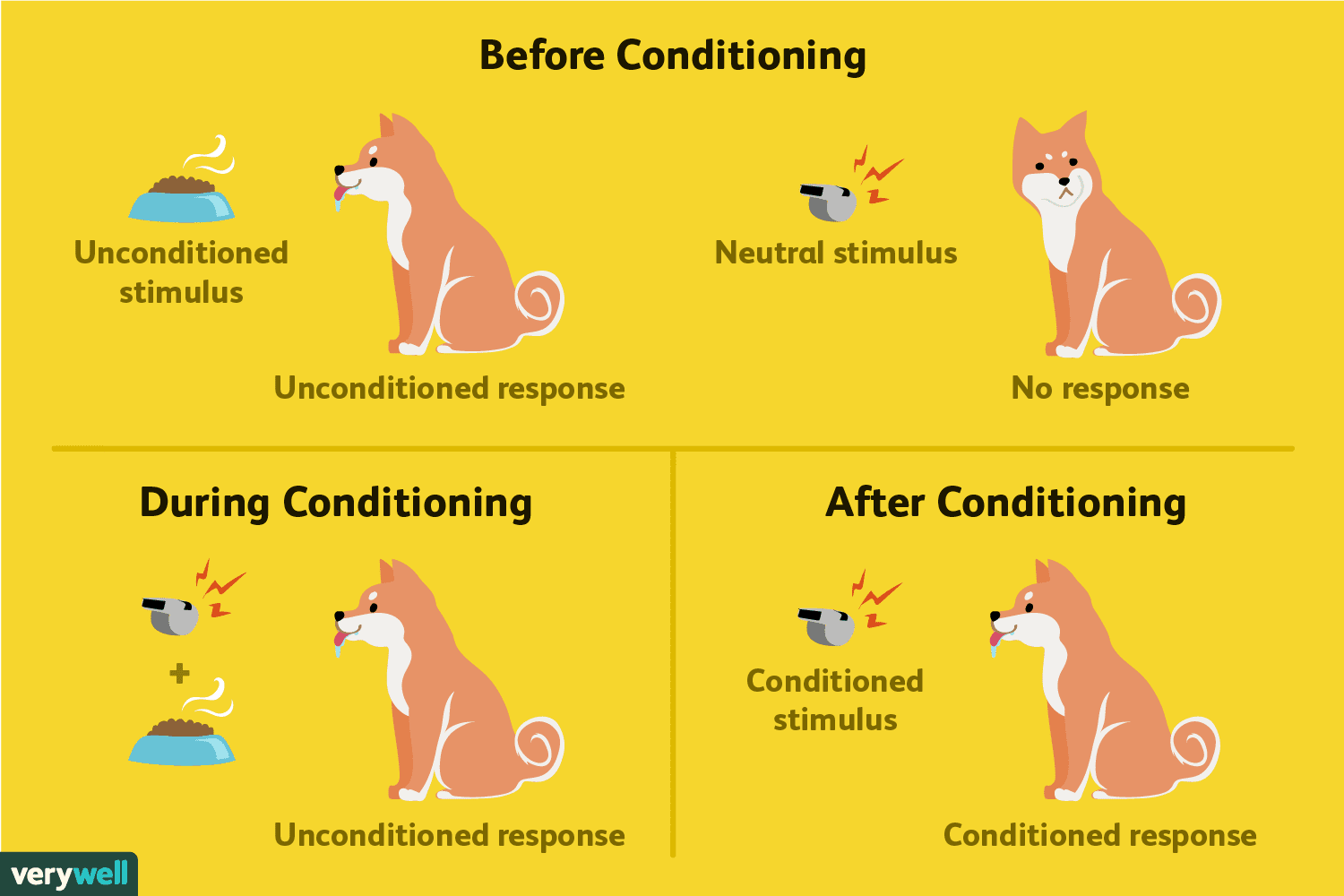
classical conditioning
Also called Pavlovian conditioning, it is a form of associative learning in which organisms learn to associate two stimuli that repeatedly occur together.
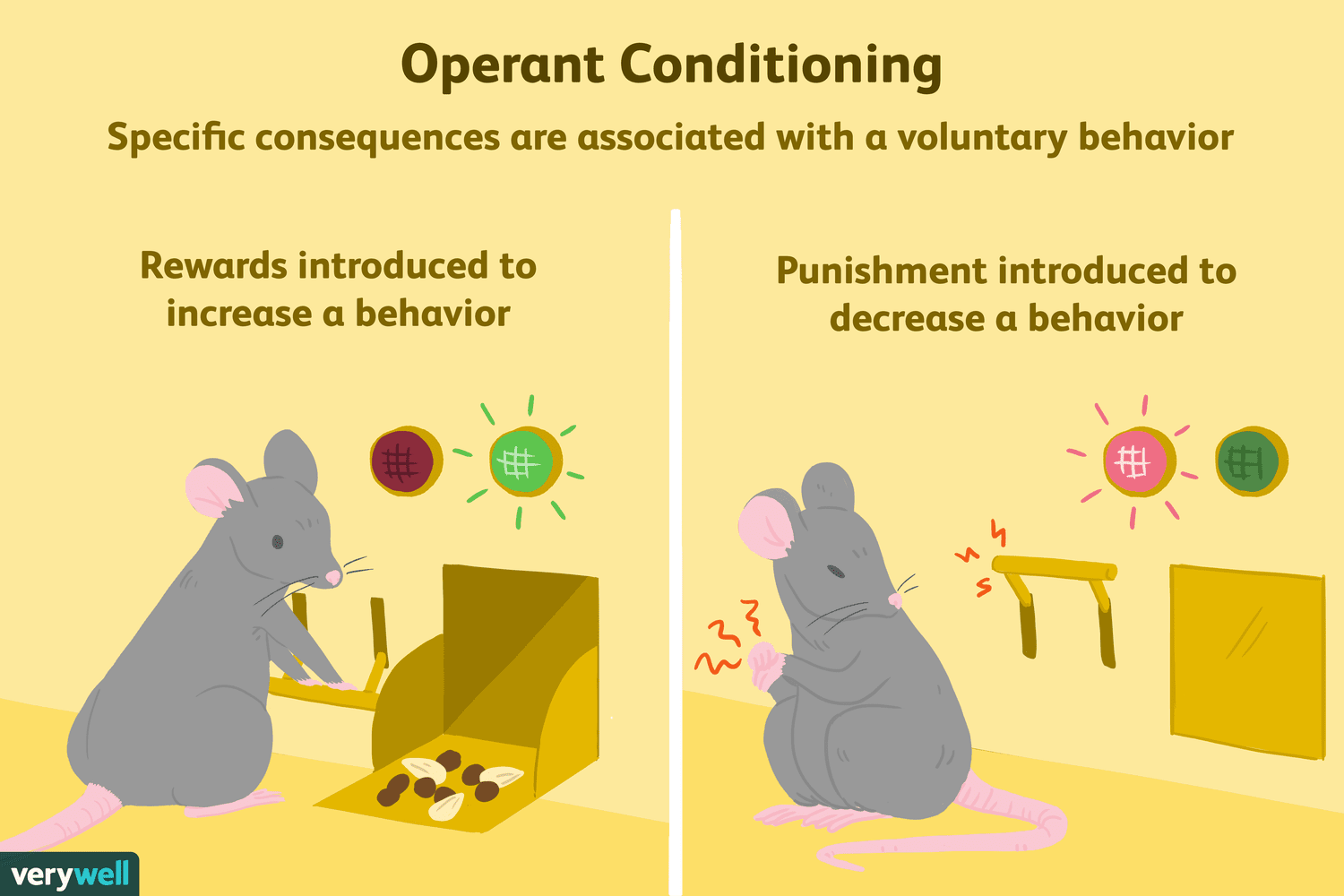
Operant conditioning
learning process that changes behavior through punishment and reinforcement
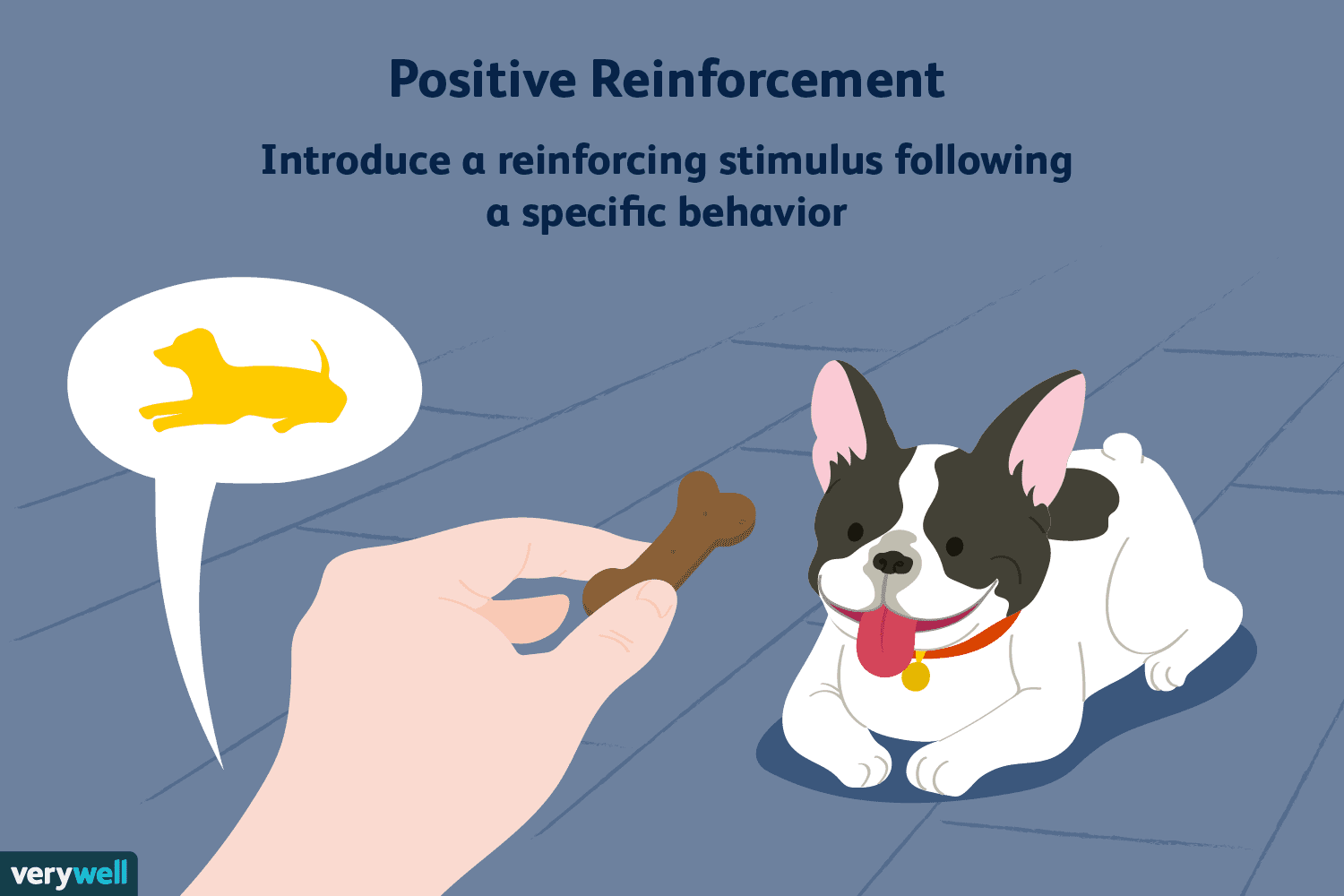
positive reinforcement
A pleasant stimulus is added after the behavior, making that behavior more likely to happen again
negative reinforcement
An unpleasant behavior is removed after a behavior, making that behavior more likely to happen again

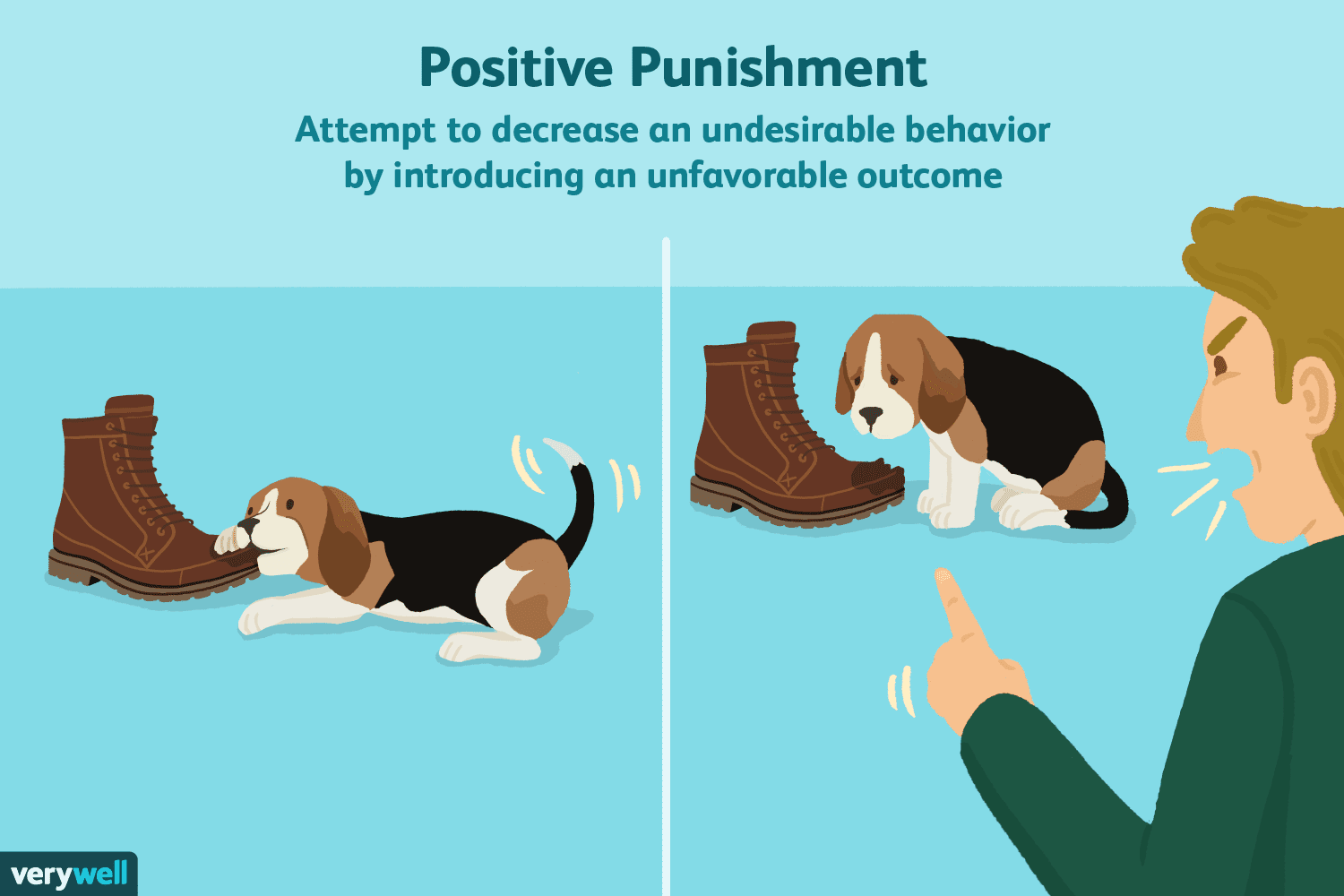
positive punishment
An unpleasant stimulus is added after a behavior, making that behavior less likely to happen again 坏的加上
negative punishment
A pleasant stimulus is removed after a behavior, making that behavior less likely to happen again 好的拿走
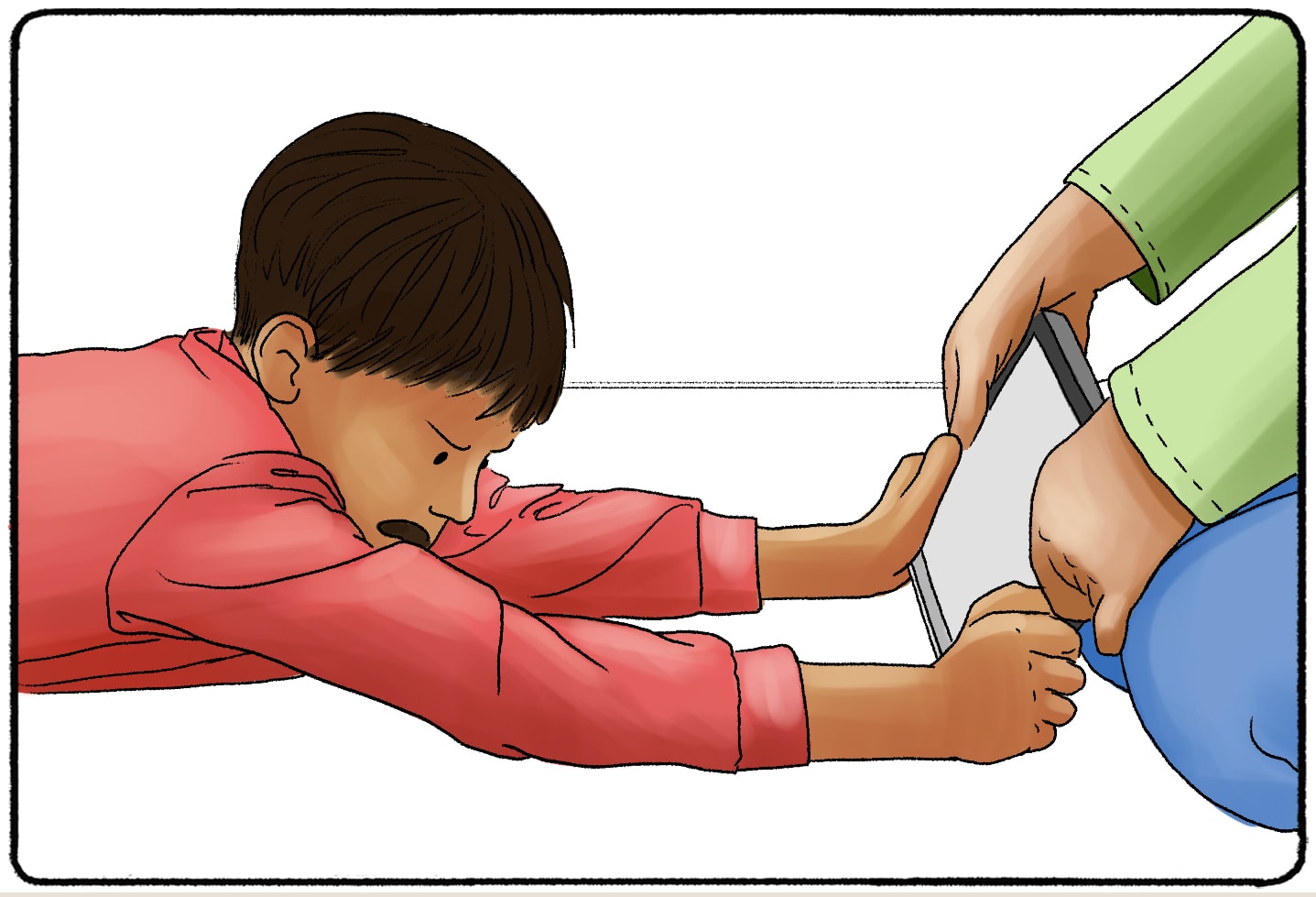
Cognitive load theory
This theory
explains the limited capacity of working memory influence cognitive processes such as learning, problem solving, and decision making
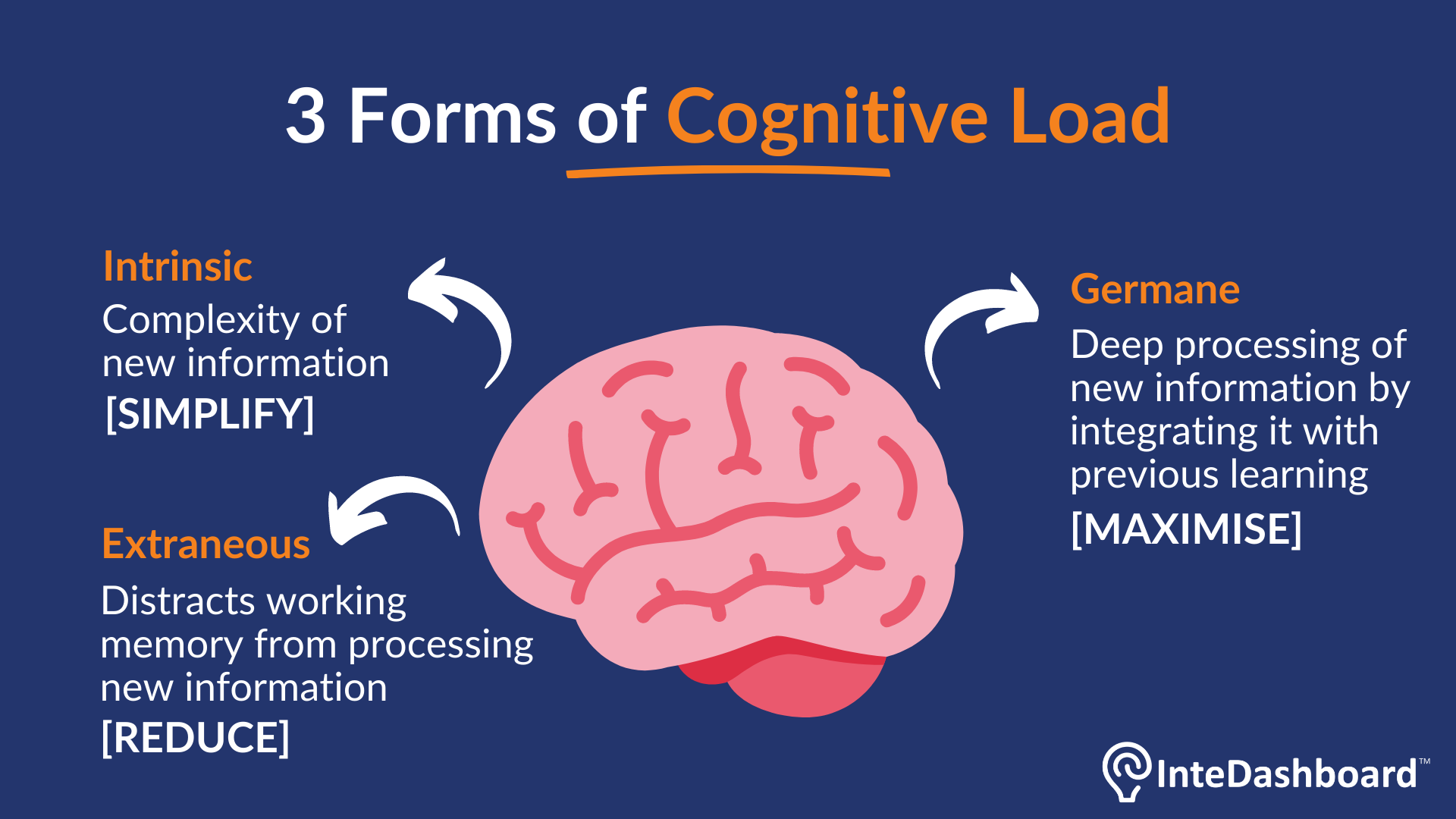
Three loads of cognitive load theory
intrinsic
extraneous
Germane
what is intrinsic load
The difficulty that comes from the complexity of task itself
Extraneous load
The unnecessary mental effort caused by how he information is presented or by distractions
Germane load
The productive mental effort that is used to process new information and connect it to existing knowledge
Working memory model
proposes that short-term memory is an active system with limited capacity, consisting of several components that temporarily store and manipulate different types of information

Multi - store model of memory
A model suggests memory consists of three components: sensory memory, STM, and LTM. Information moves in a fixed order through these three separate memory storage systems, each with a specific capacity and duration