GCSE English Literature Paper 1 Quotes (Macbeth + Pride & Prejudice)
 Call Kai
 Learn
Learn Practice Test
 Spaced Repetition
 Match
Match Flashcards
 Knowt Play
1/46

Earn XP
Description and Tags
Name | Mastery | Learn | Test | Matching | Spaced | Call with Kai | Chat |
|---|
No analytics yet
Send a link to your students to track their progress
47 Terms
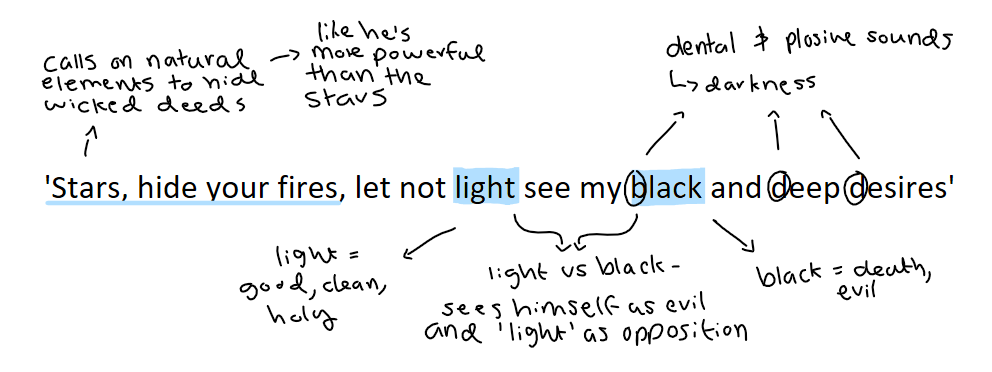
macbeth calling on supernatural elements: the supernatural, corrupting influence of power, ambition, secrecy, morality
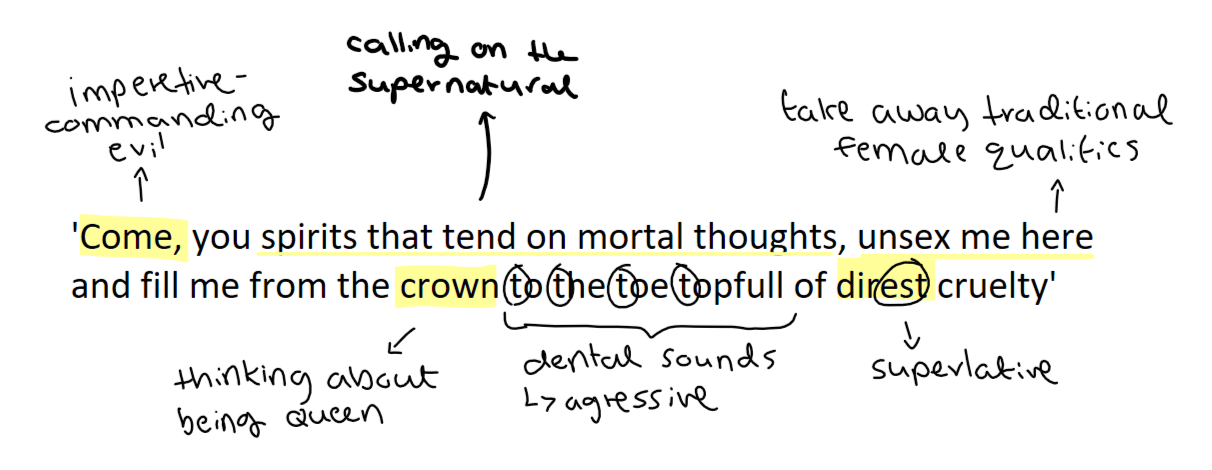
lady macbeth: ambition, the supernatural, reversal of natural order (she is powerful), reversal of traditional gender rules - gender, power, ambition, rejection of femininity to gain power
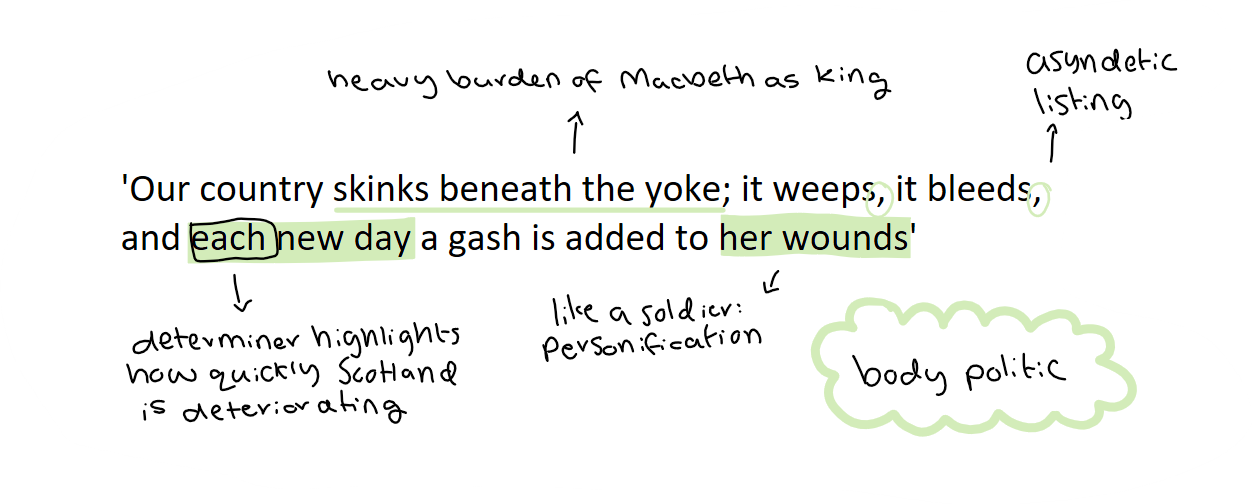
suffering of scotland under macbeth’s rule - kingship, body politic
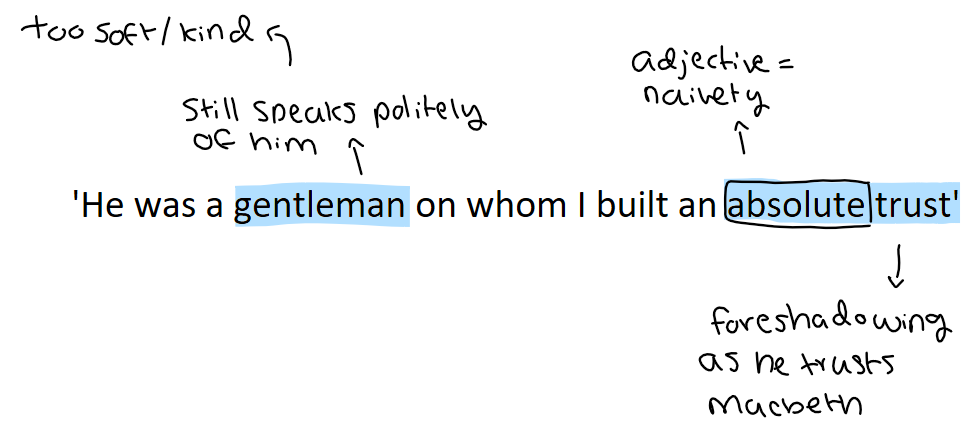
duncan’s naivety - kingship, contrast to macbeth
macbeth’s fear of banquo’s kingliness - kingship
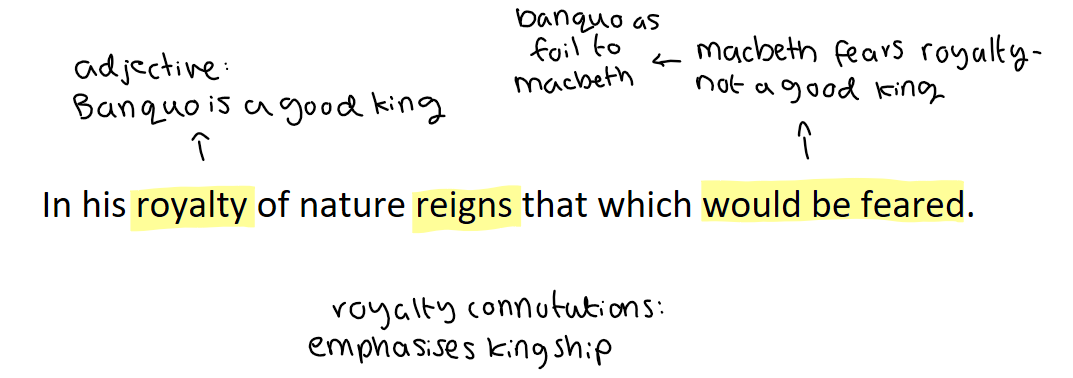
end of play - malcolm setting things right - kingship, catharsis (tragedy), restoring order to scotland
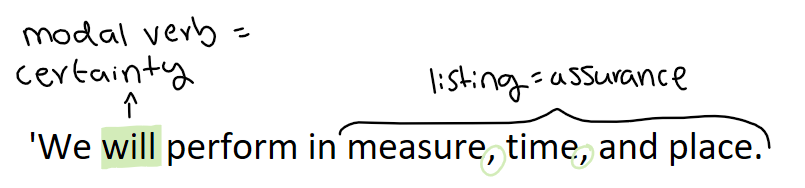
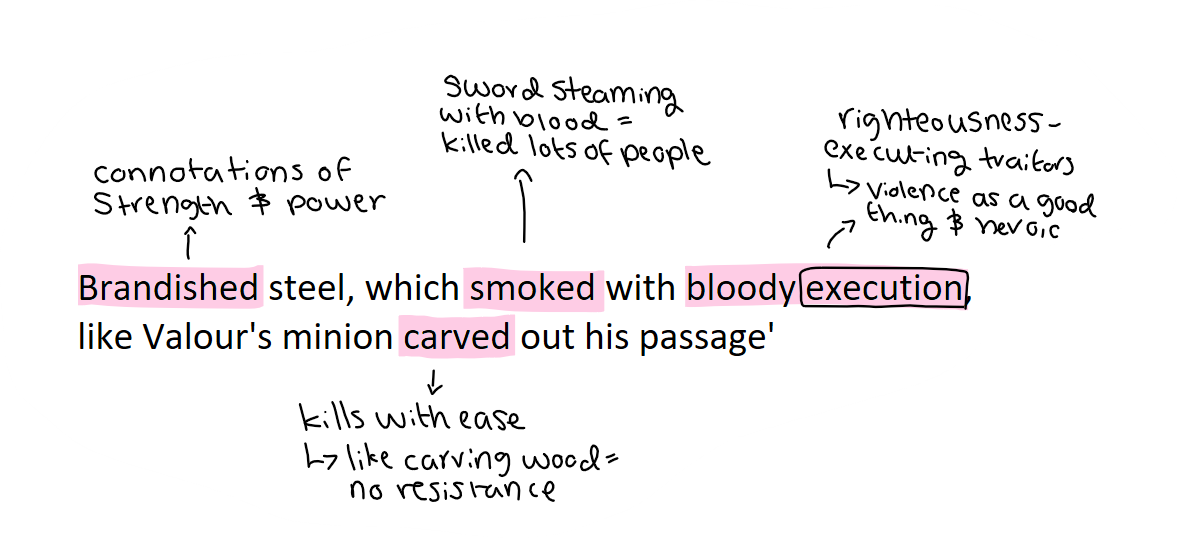
macbeth at the start of the play - violence (as a positive descriptor), masculinity (renaissance masculine ideal)
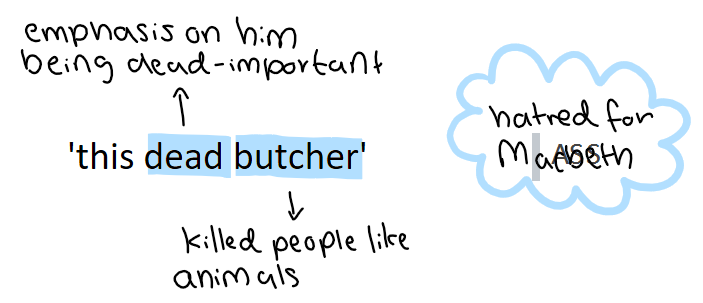
hatred for macbeth at the end of the play (short) - violence, kingship
lady macbeth dismissing blood after duncan’s murder - flipped gender ideals, reversal of power roles, femeninity, power + contrast to later
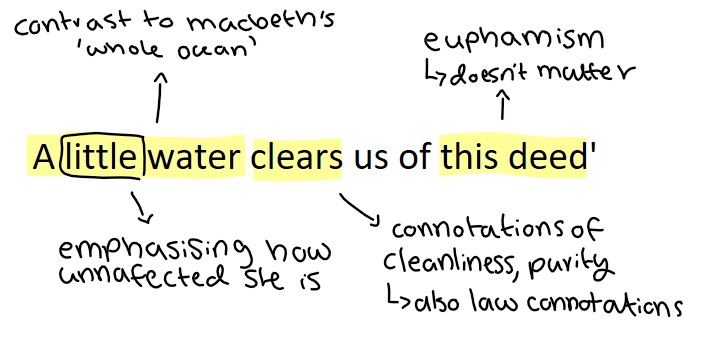
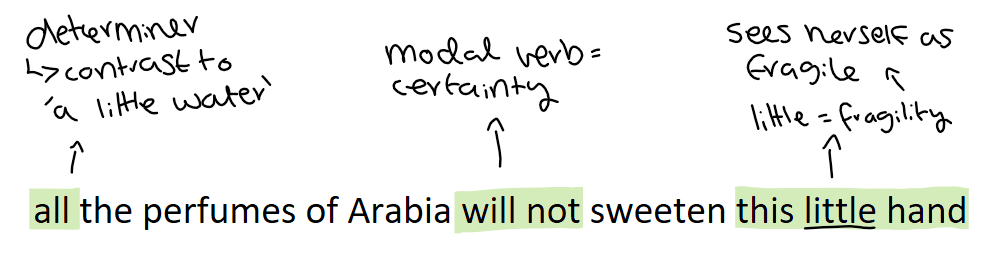
lady macbeth’s madness at the end - contrast to start when she dismissed blood - violence, guilt & madness
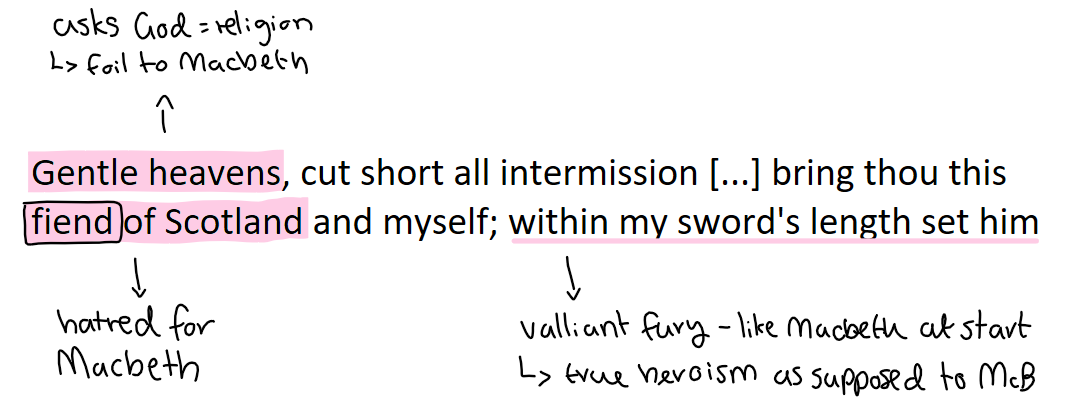
macduff’s valiant fury at macbeth (foil to macbeth) - hatred for macbeth, contrast to him, supernatural - violence, religion
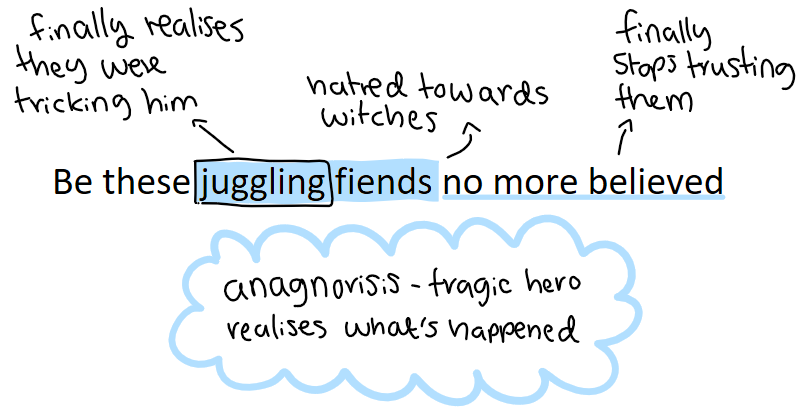
macbeth’s realisation that the witches tricked him - anagnorisis (tragedy)
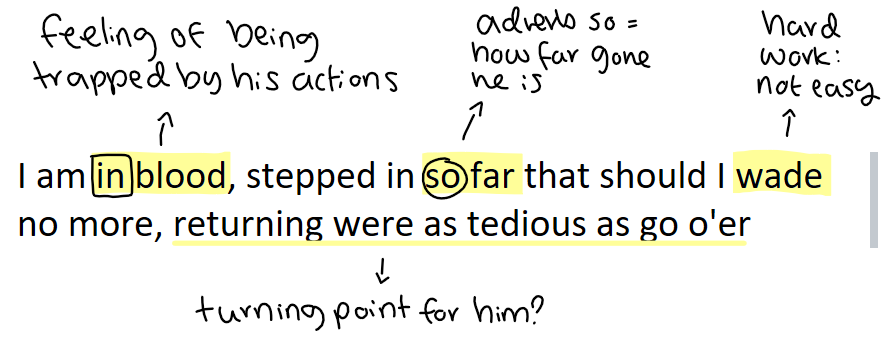
macbeth trapped by his actions (blood motif) - corrupting influence of power, ambition
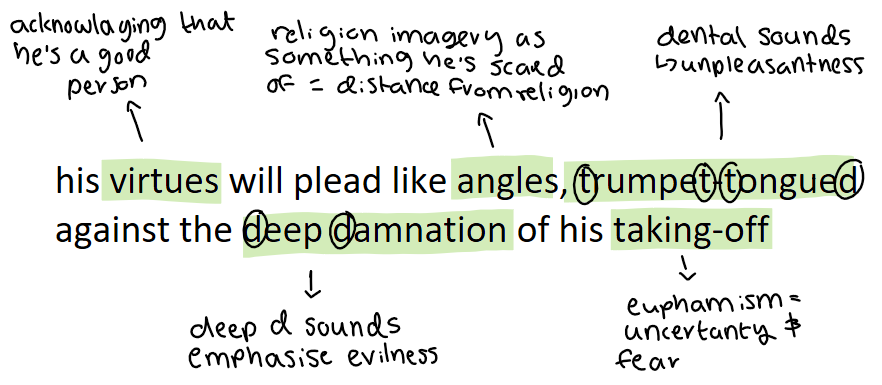
macbeth acknowledging duncan’s goodness & that murdering him would be a bad thing - religion, ambition, corrupting influence of power, herosim, kingship
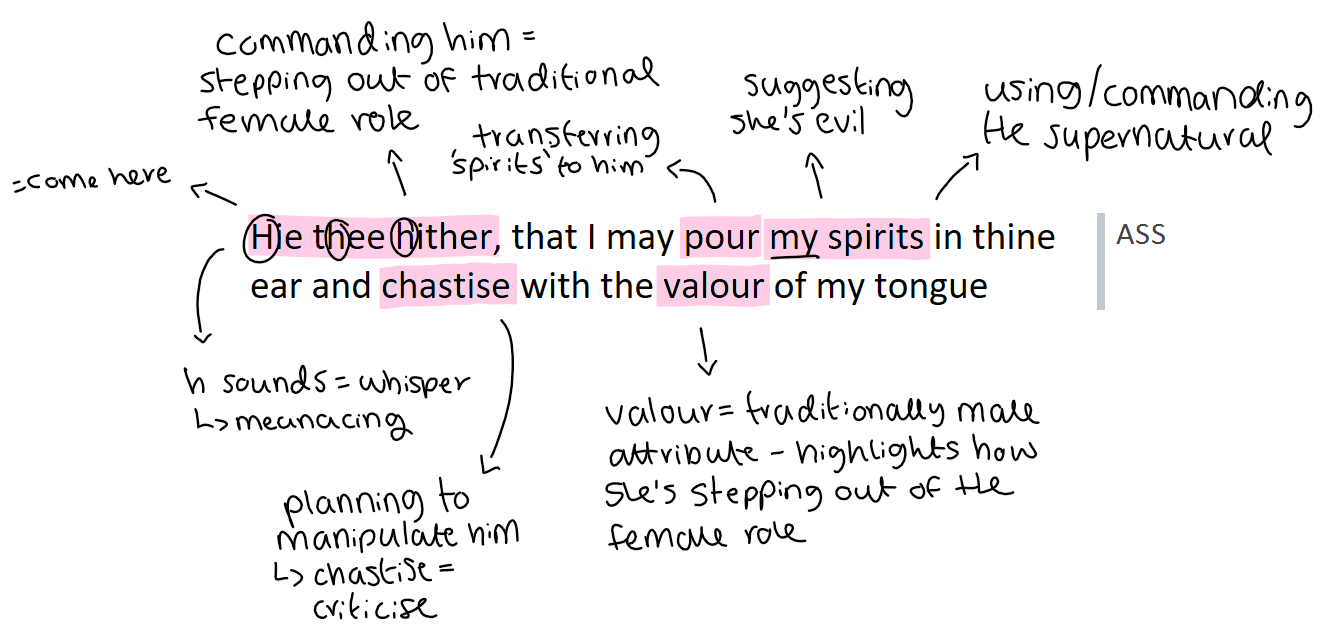
lady macbeth planning to manipulate macbeth - supernatural, subversion of traditional gender roles, flipped power dynamics
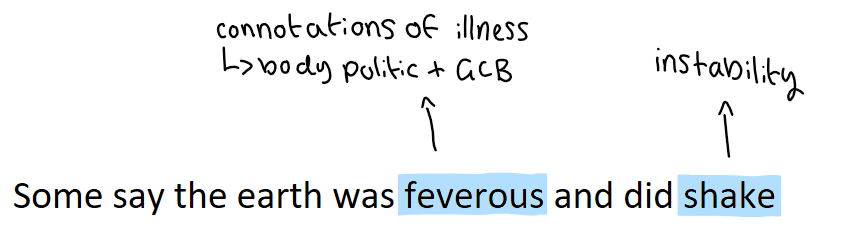
body politic & great chain of being - natural effects of duncan’s murder - natural order
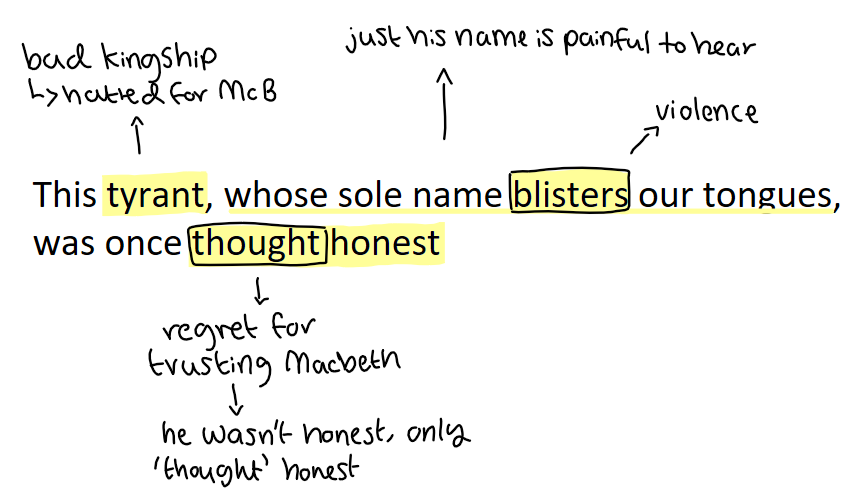
macbeth’s bad kingship - hatred for him, contrast between start vs end of play, heroism
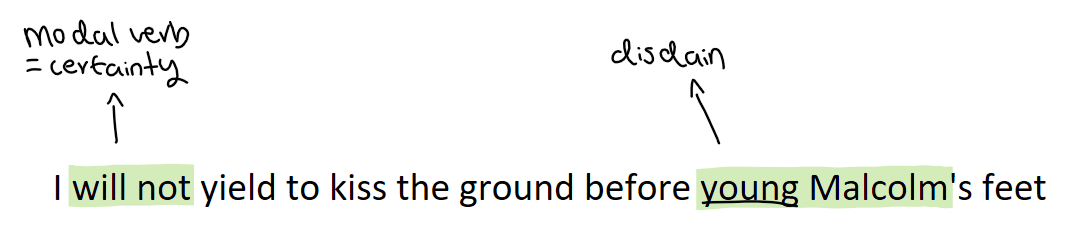
macbeth’s herosim at the end - refusing to surrender
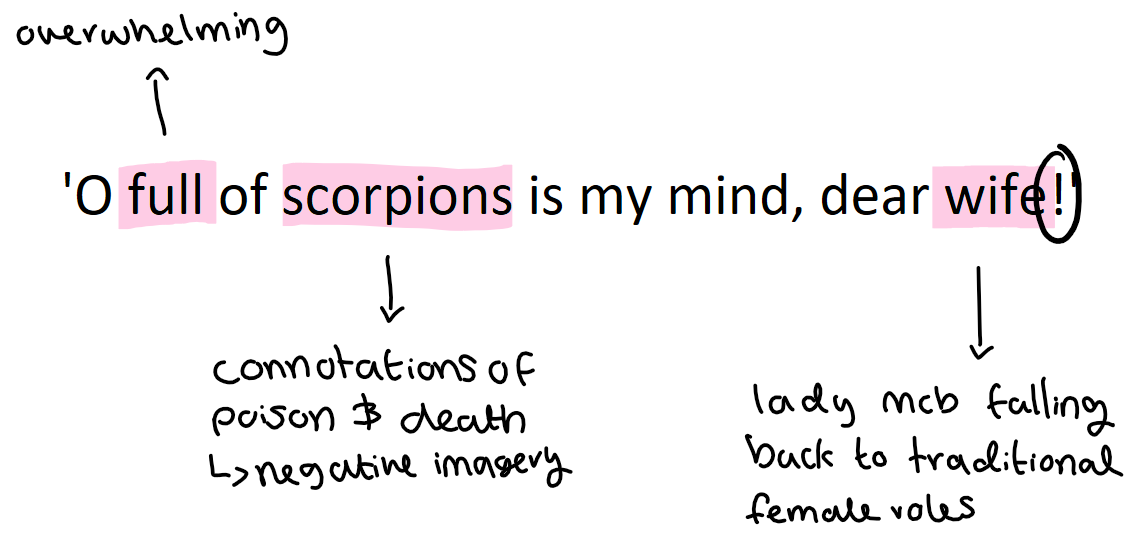
macbeth’s mental turmoil - guilt / madness (+ relationship between him and lady macbeth - returning of traditional gender roles as macbeth gains power)
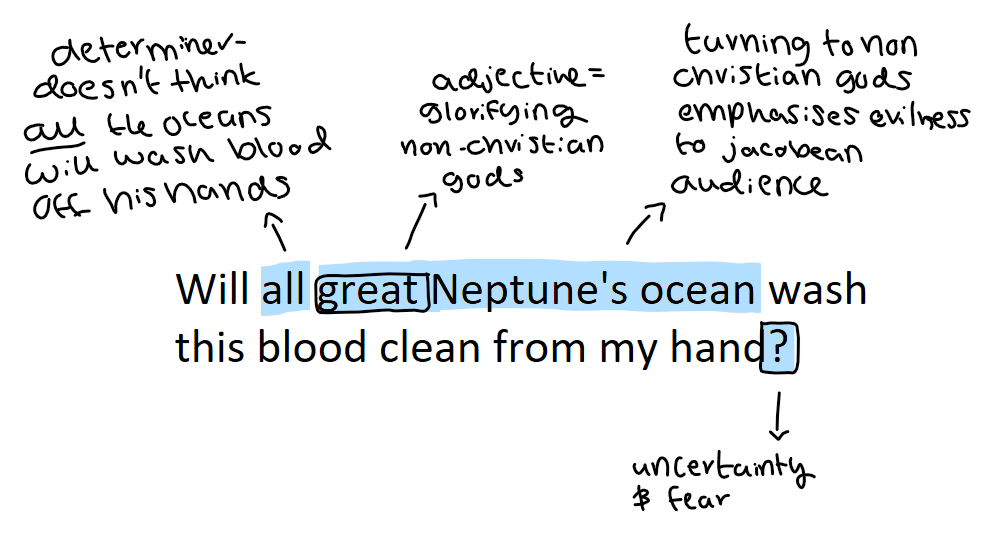
macbeth regretting duncan’s murder + blood motif - regret, guilt, supernatural
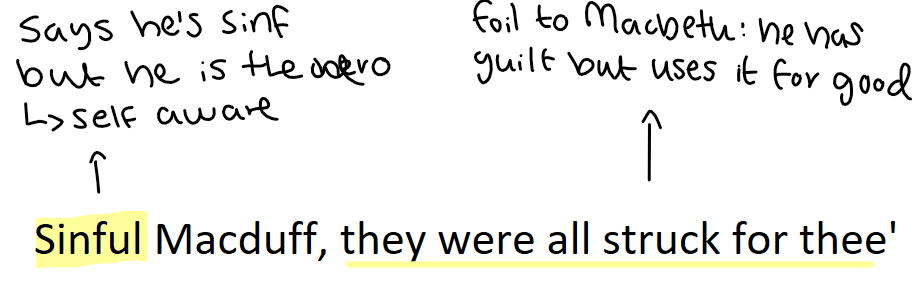
macduff’s guilt over his family’s death - guilt, heroism, foil to macbeth
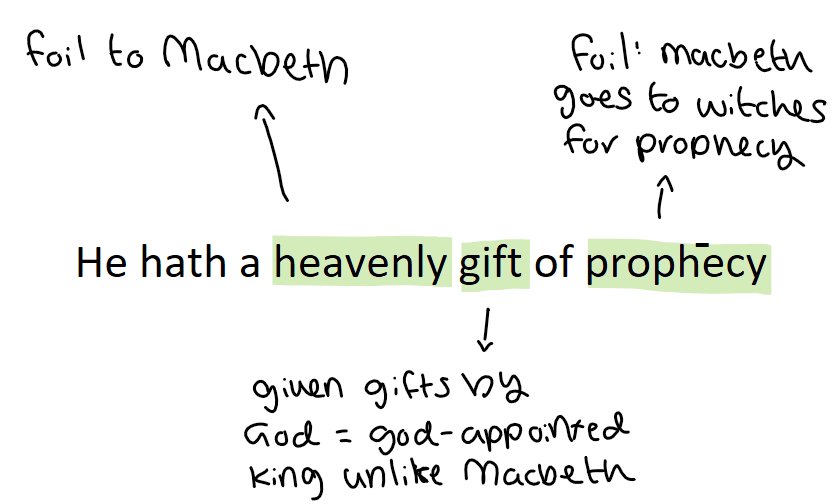
king edward (king of england) as a foil to macbeth - supernatural gifts
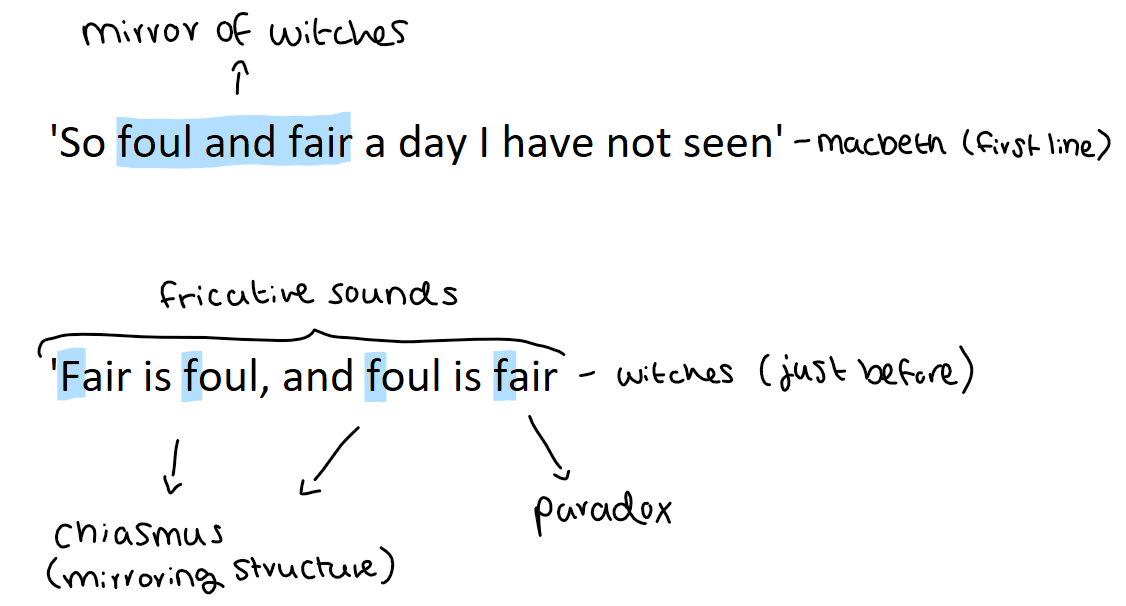
witches’ influence on macbeth (2 quotations) - supernatural, appearance vs reality
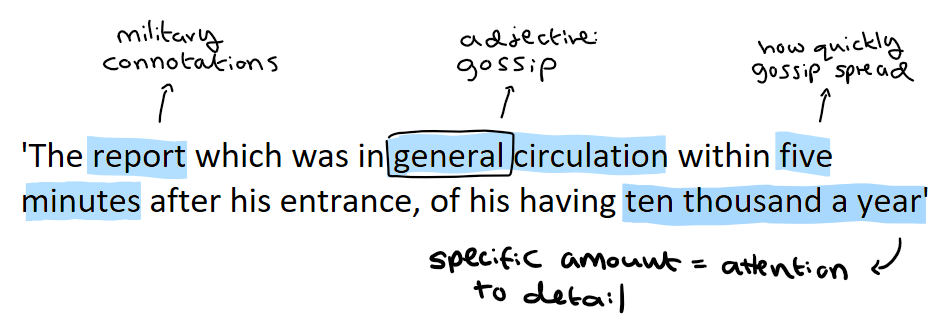
first communal impressions of mr bingley - money, reputation, gossip, first impressions
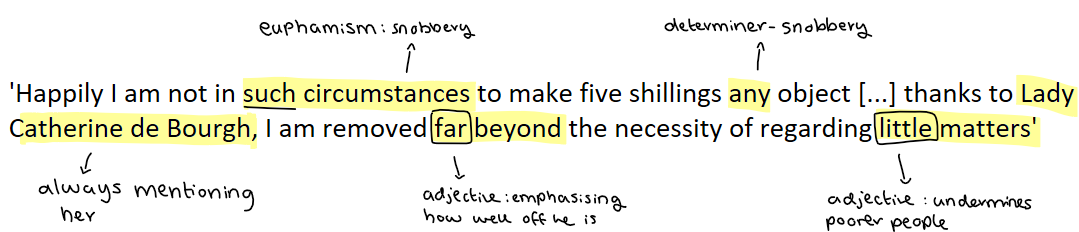
mr collins bragging about being well of thanks to lady catherine - money, social class, pride & snobbery
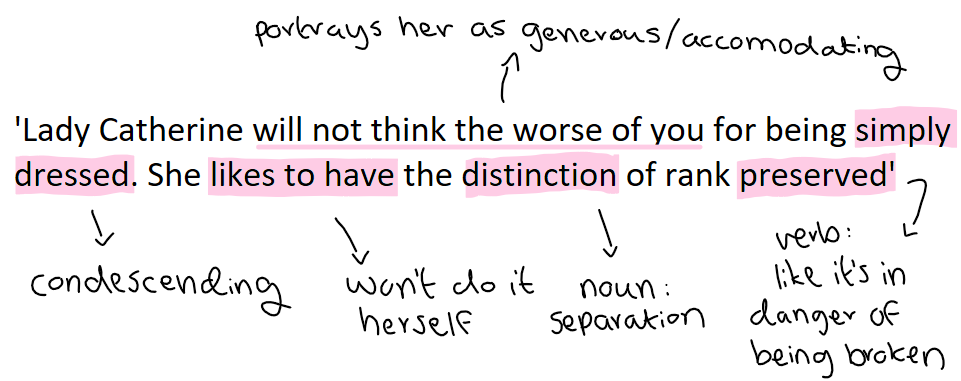
lady catherine being condescending - social status/class, pride & snobbery
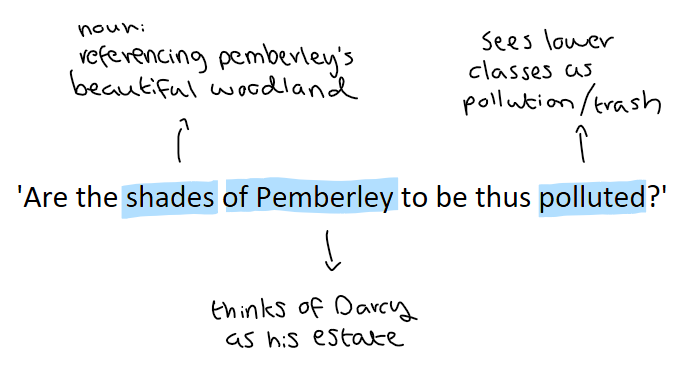
links to context of french revolution and english upper classes being scared of the same happening to them
lady catherine’s views of lower class in relation to D+E marriage - reputation, social status/class
jane being traditionally femenine about bingley - gender expectations, reputation

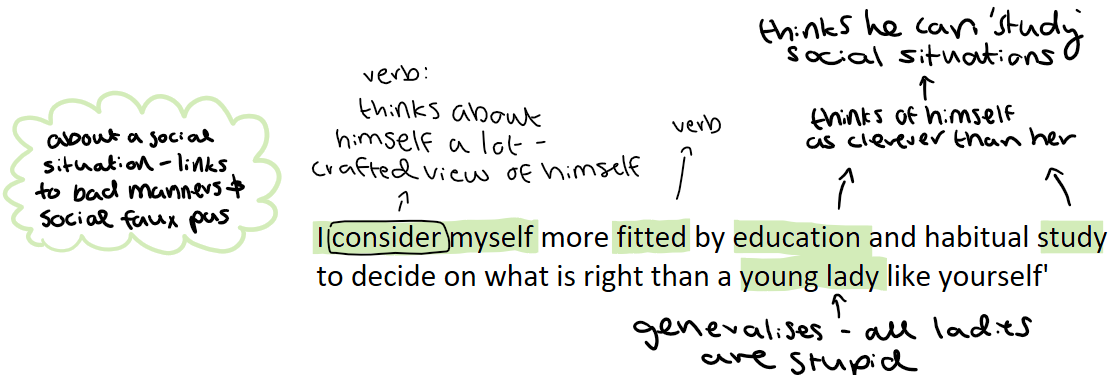
mr collins on gender roles - pride & snobbery, gender expectations, social faux pas
Elizabeth’s description of lydia - gender expectations, reputation
her character will be fixed

initial communal impressions of mr darcy - first impressions, manners vs rudeness
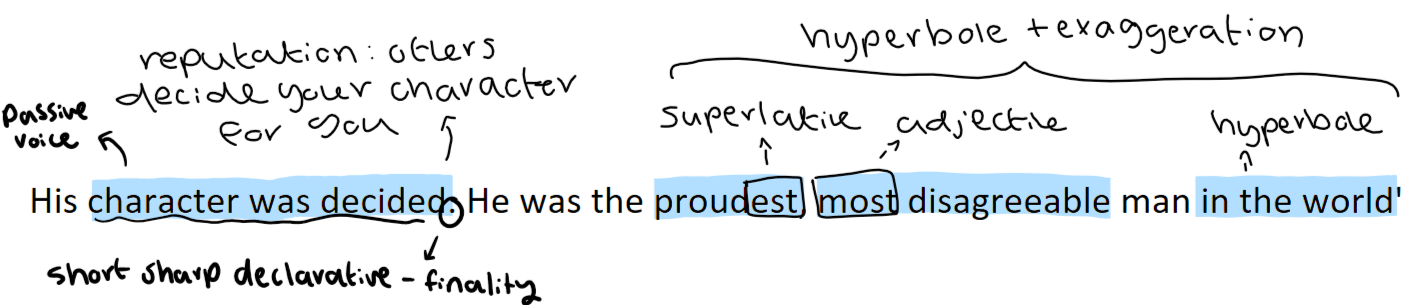
mr wickham seeming great (better than everyone else) - first impressions, manners vs rudeness,

lydia social faux pas + rudeness (to mr bingley) - manners vs rudeness (short)
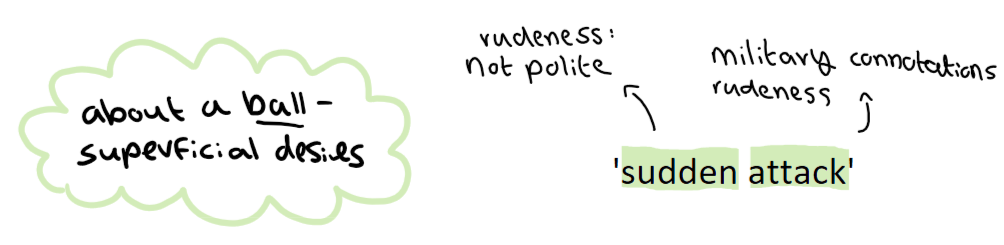
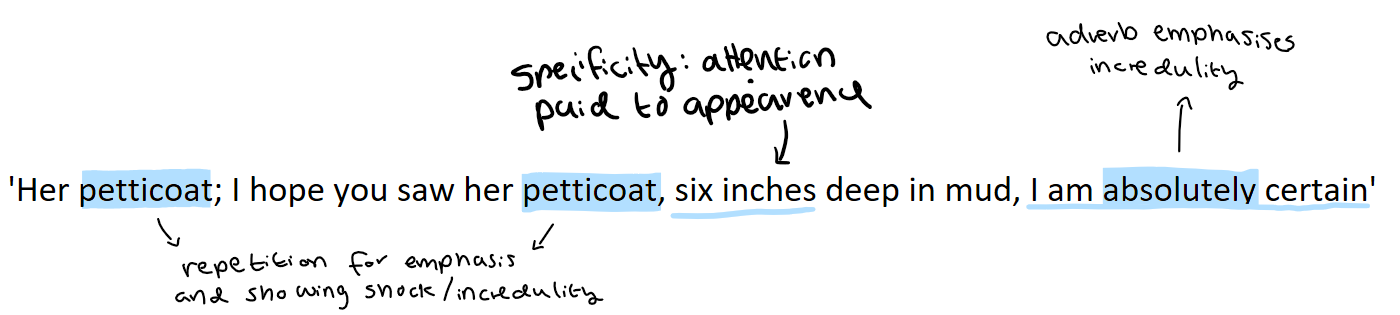
bingley sisters’ shock at elizabeth after a walk - gender expectations, first impressions, pride & snobbery
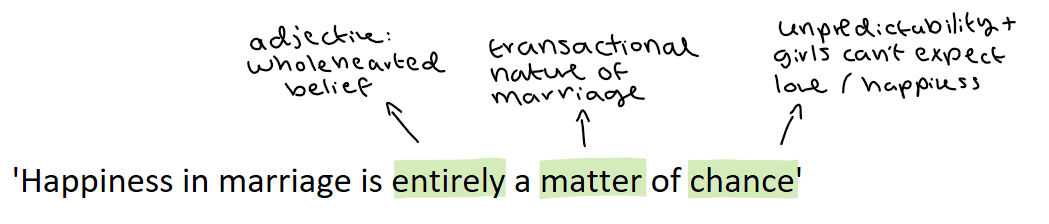
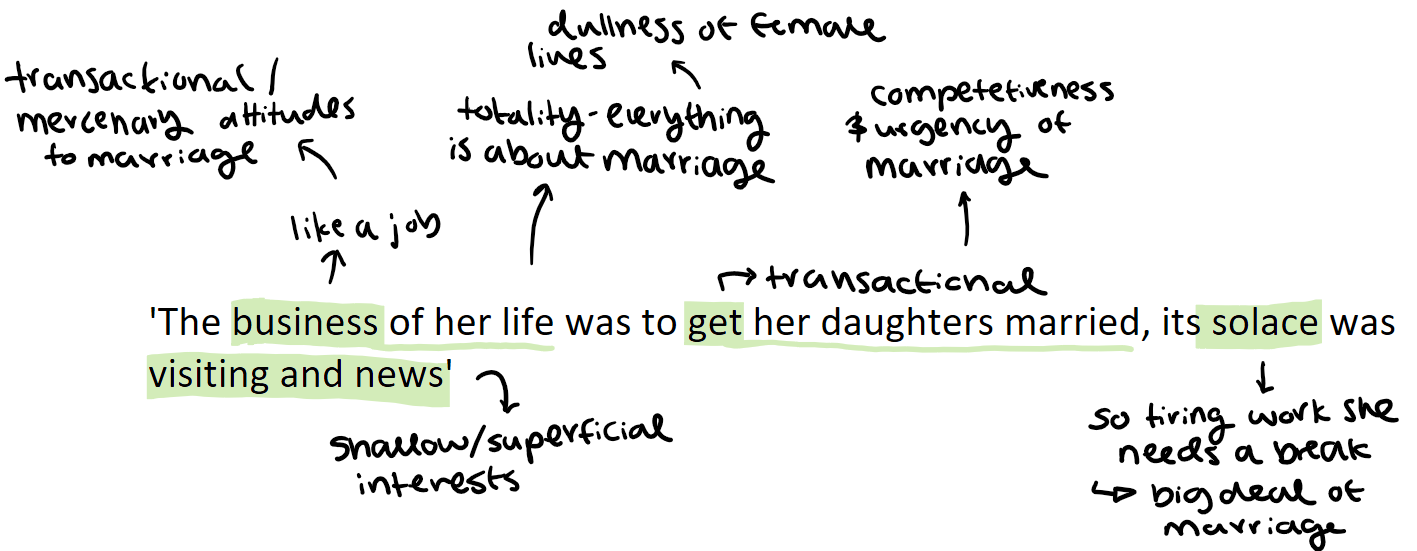
charlotte on transactional marriage - marriage
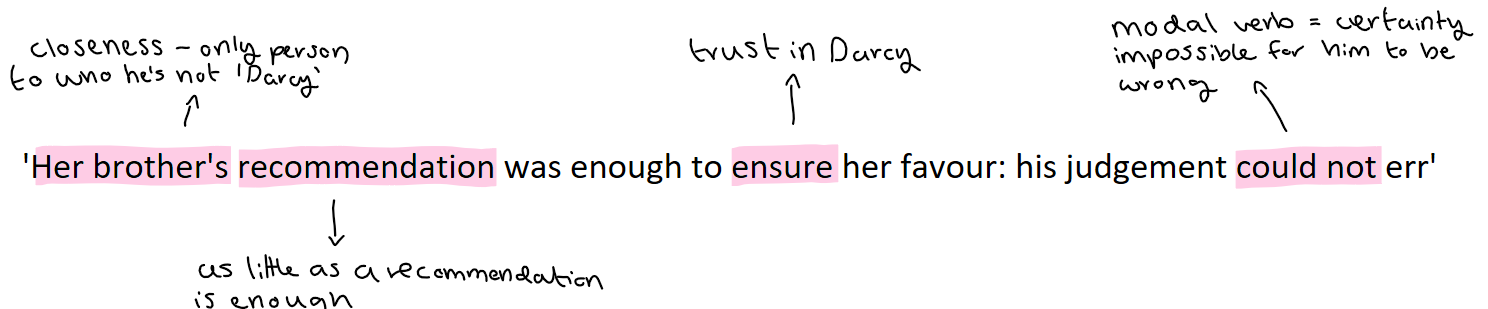
georgiana’s admiration of darcy, their relationship as siblings - family relationships
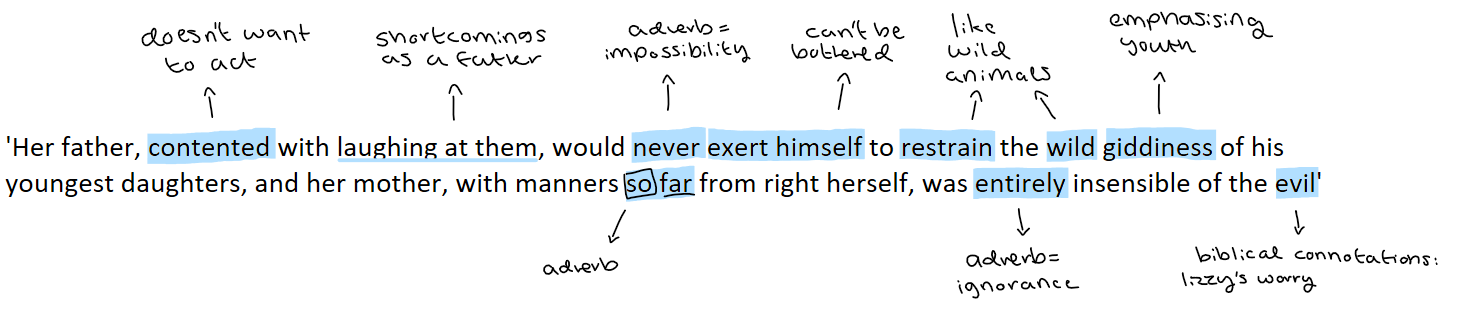
mr & mrs bennet’s failiures as parents + elizabeth’s frustration - family relationships
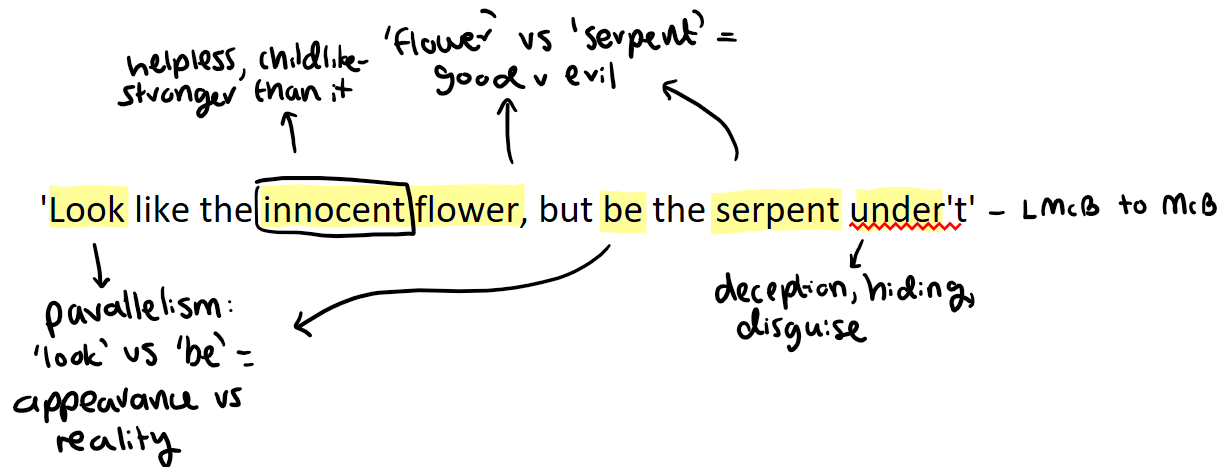
lady macbeth’s instructions to macbeth - deception + manipulation - gender roles, appearance vs reality, good vs evil, ambition
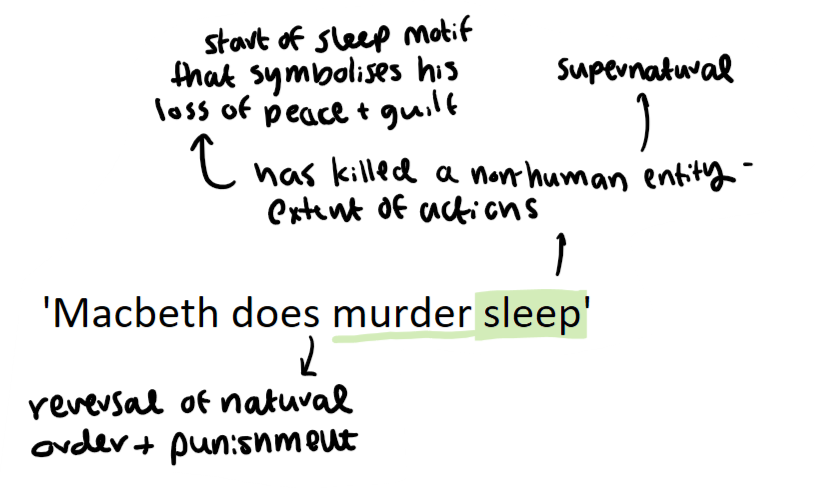
macbeth’s guilt & loss of peace, consequences of duncan’s murder, punishment for reversal of moral/natural order
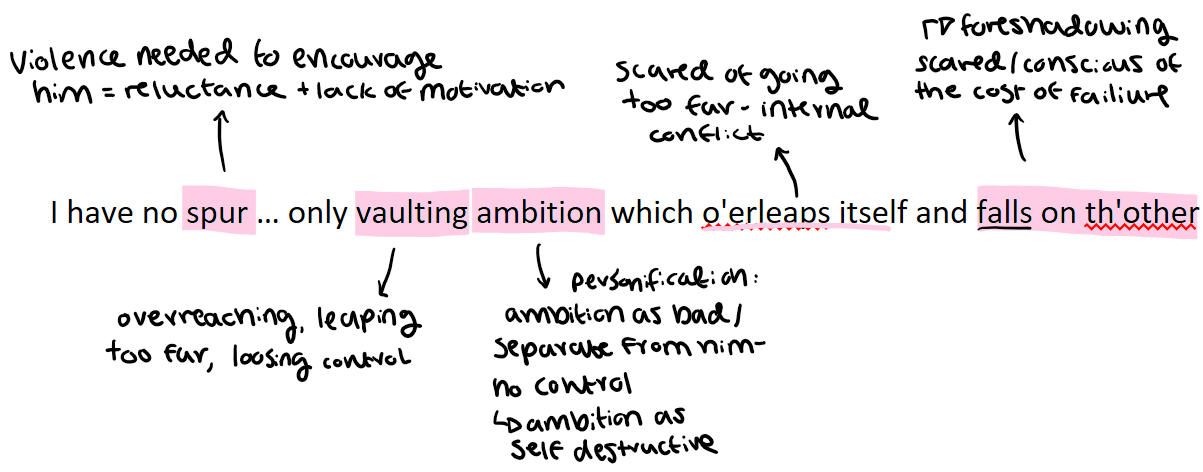
macbeth’s initial lack of motivation + not wanting to kill duncan - ambition, morality
i have no spur to prick the sides of my intent, only vaulting ambition which o’erleaps itself and falls on th’other
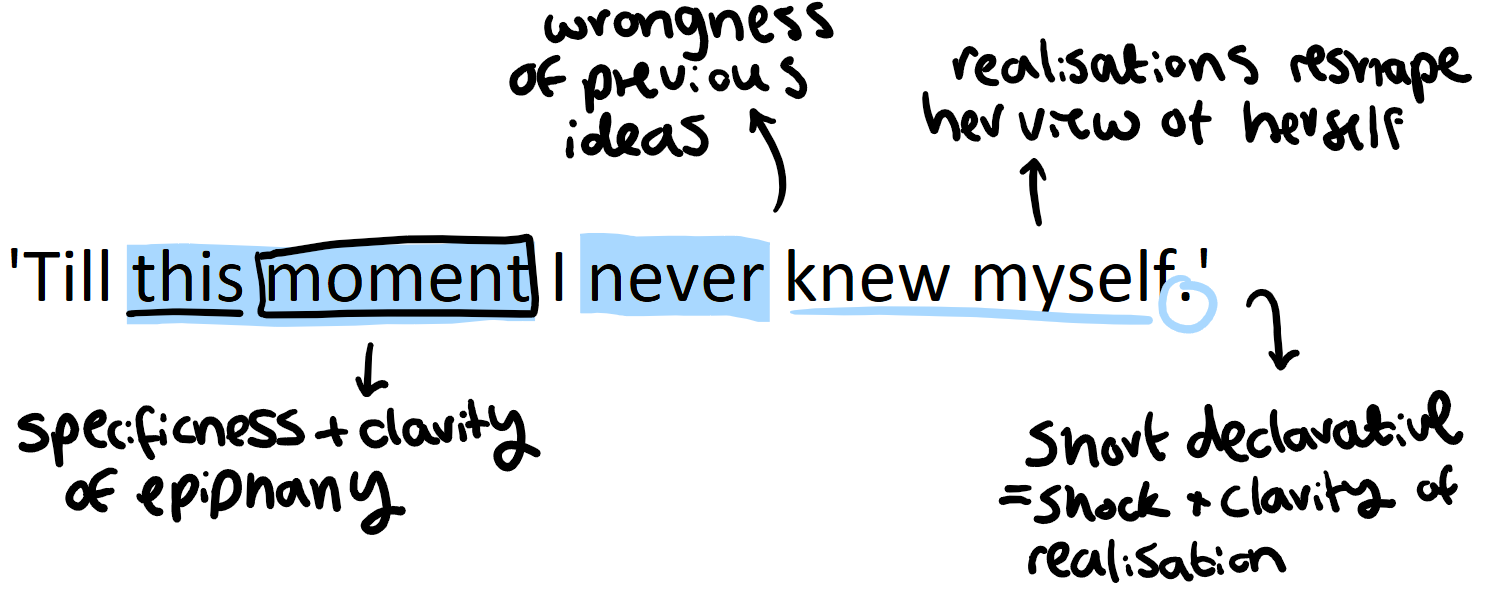
elizabeth’s epiphany - anagnorisis (self recognition), character development & personal growth, self knowledge, realisation of prejudices
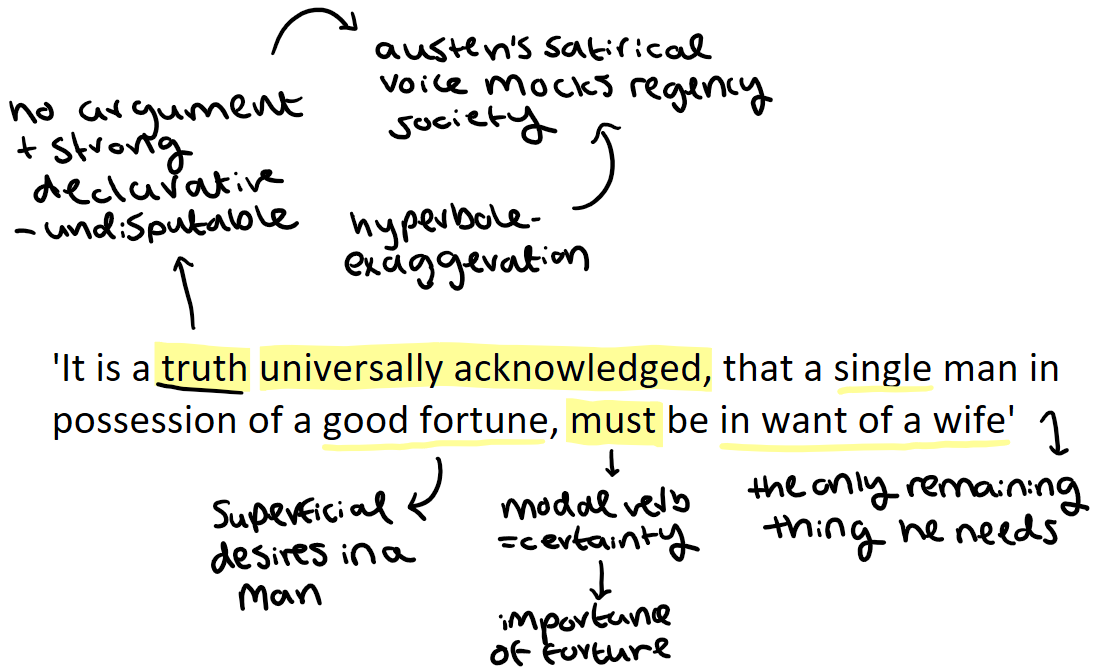
P&P first line - mariage, society, satire, wealth
mrs bennet’s fixation on her daughters’ marriages + dullness of female life - marriage, parenting, gender roles, importance of marriage
mr darcy’s first proposal - arrogance - social class, marriage, love, character development
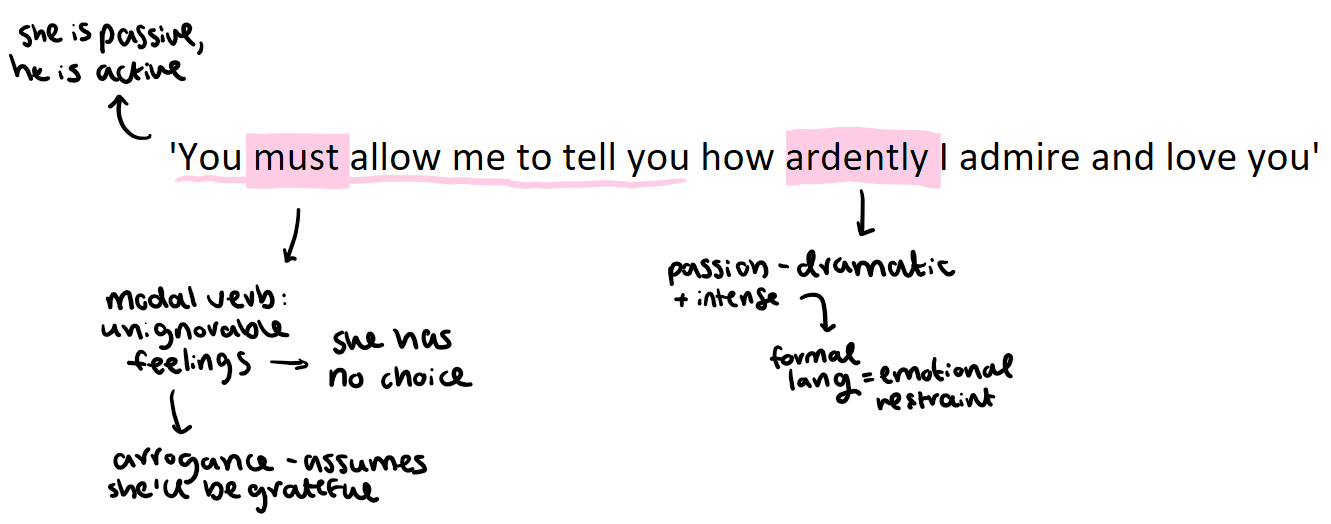
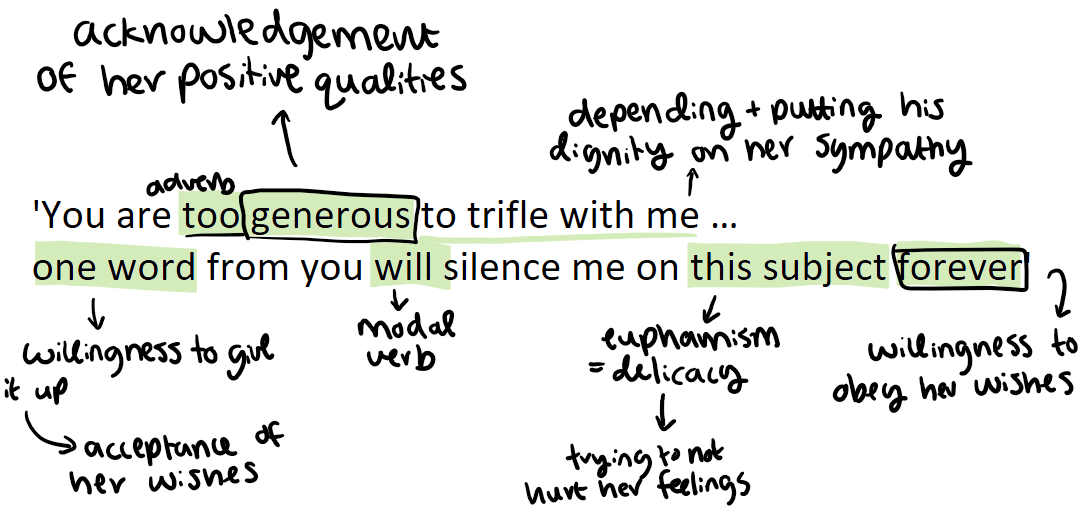
mr darcy’s second proposal - humility, love, character growth
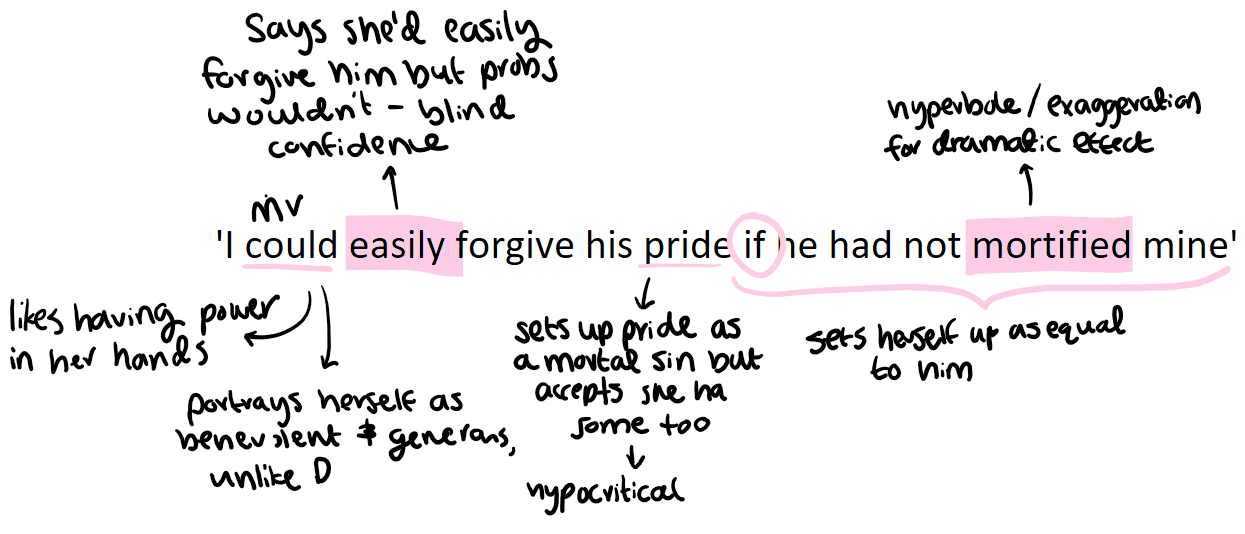
elizabeth’s prejudice at the start / setting herself up as equal to mr darcy - witty, confident, prejudiced, emotionally reactive
mr bingley admiration for jane - traditional gender roles, marriage
"Oh! she is the most beautiful creature I ever beheld!"