Lyme Borreliosis Review
 Call Kai
 Learn
Learn Practice Test
 Spaced Repetition
 Match
Match Flashcards
 Knowt Play
 Podcast
1/19

Earn XP
Description and Tags
A collection of vocabulary terms and key concepts regarding the etiology, diagnosis, treatment, and prognosis of Lyme borreliosis in canine and equine patients.
Name | Mastery | Learn | Test | Matching | Spaced | Call with Kai | Chat |
|---|
No analytics yet
Send a link to your students to track their progress
20 Terms
Borrelia burgdorferi sensu stricto
The spirochete bacterium that serves as the etiologic agent for Lyme borreliosis.
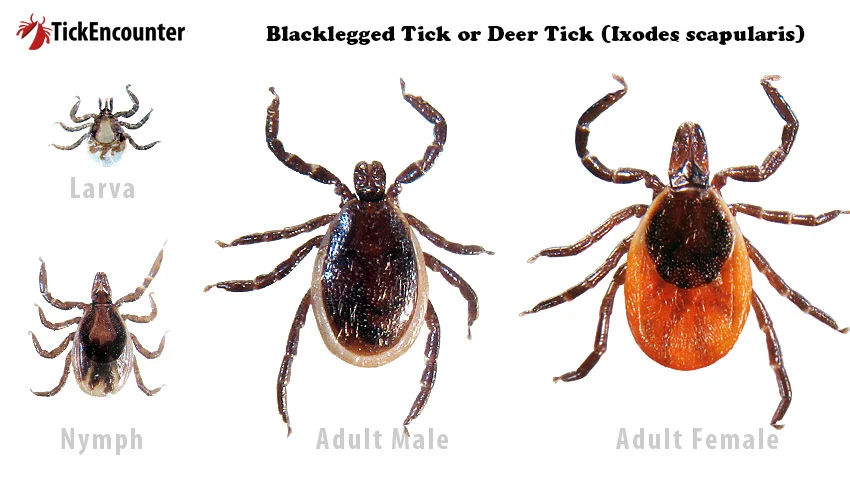
Ixodes spp.
The genus of tick vectors responsible for the transmission of Borrelia burgdorferi.

White-footed mouse
The primary reservoir host for the Lyme borreliosis pathogen.
Immune-mediated
The suspected pathogenesis of Lyme borreliosis.
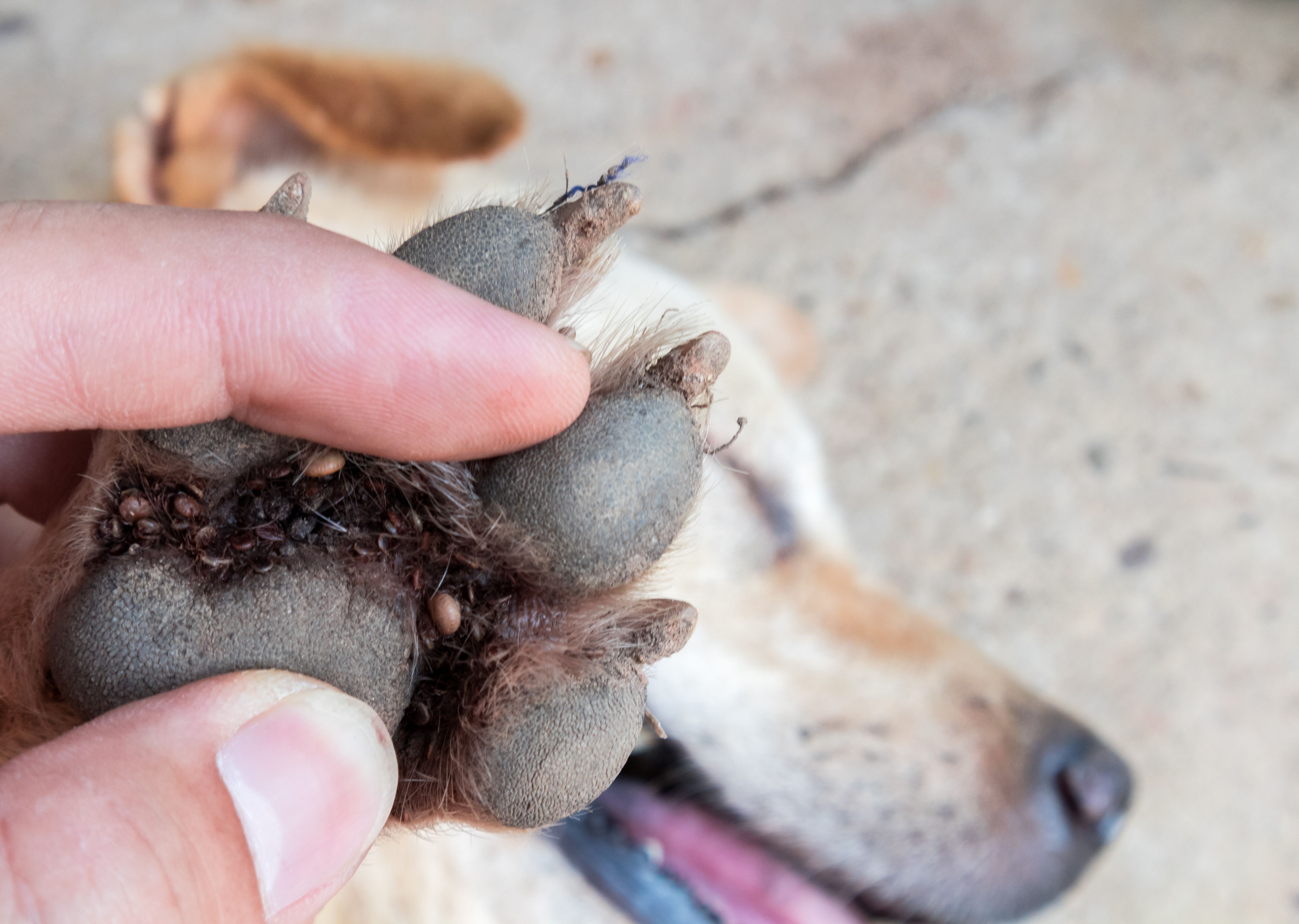
Canine Lyme arthritis
A clinical form of Lyme in dogs characterized by
1- lethargy
2- anorexia + fever
3- lymphadenopathy
4- joint pain or swelling.
Canine Lyme nephropathy
A condition for which Labrador retrievers, golden retrievers, and Shetland sheepdogs may be predisposed, characterized by protein-losing nephropathy and hypertension.
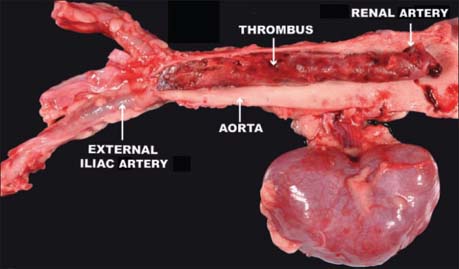
Saddle thrombus
A complication of canine Lyme nephropathy that causes paraparesis with cool pelvic limbs and loss of femoral pulses.
Equine neuroborreliosis
A documented equine syndrome characterized by
1- ataxia
2- cranial nerve deficits
3- poor tongue tone
4- muzzle tremors.
Equine pseudolymphoma
A documented equine syndrome associated with Lyme borreliosis that carries a good prognosis.
SNAP-4DX Plus
A diagnostic test for dogs that identifies the C6 peptide to indicate natural exposure to the pathogen.
C6 peptide
The specific peptide detected by the SNAP-4DX Plus test confirming natural exposure to Borrelia burgdorferi.
Lyme nephropathy clinical findings
Laboratory results including
1- hypoalbuminemia
2- hypercholesterolemia
3- proteinuria
4- microalbuminuria
5- elevated protein/creatinine ratio.
Lyme multiplex
The best serology option for equine Lyme diagnosis, which detects 3 different antibodies.
Doxycycline or amoxicillin
The antibiotics used to treat symptomatic dogs for a duration of 28 days.
ACE inhibitors
Medications such as enalapril or benazepril used in the treatment of canine Lyme nephropathy.
Lyme arthritis prognosis
Good for canine patients.
Lyme nephropathy prognosis
Guarded to poor for canine patients.
Equine uveitis prognosis
Poor for equine patients.
Canine co-infections
Commonly occurs with anaplasmosis, Rocky Mountain spotted fever, ehrlichiosis, and leptospirosis.
Lyme vaccination
A practice considered controversial due to the possibility of immune-mediated sequelae.