Chem 14C General
 Call Kai
 Learn
Learn Practice Test
 Spaced Repetition
 Match
Match Flashcards
 Knowt Play
1/68

There's no tags or description
Looks like no tags are added yet.
Name | Mastery | Learn | Test | Matching | Spaced | Call with Kai | Chat |
|---|
No analytics yet
Send a link to your students to track their progress
69 Terms
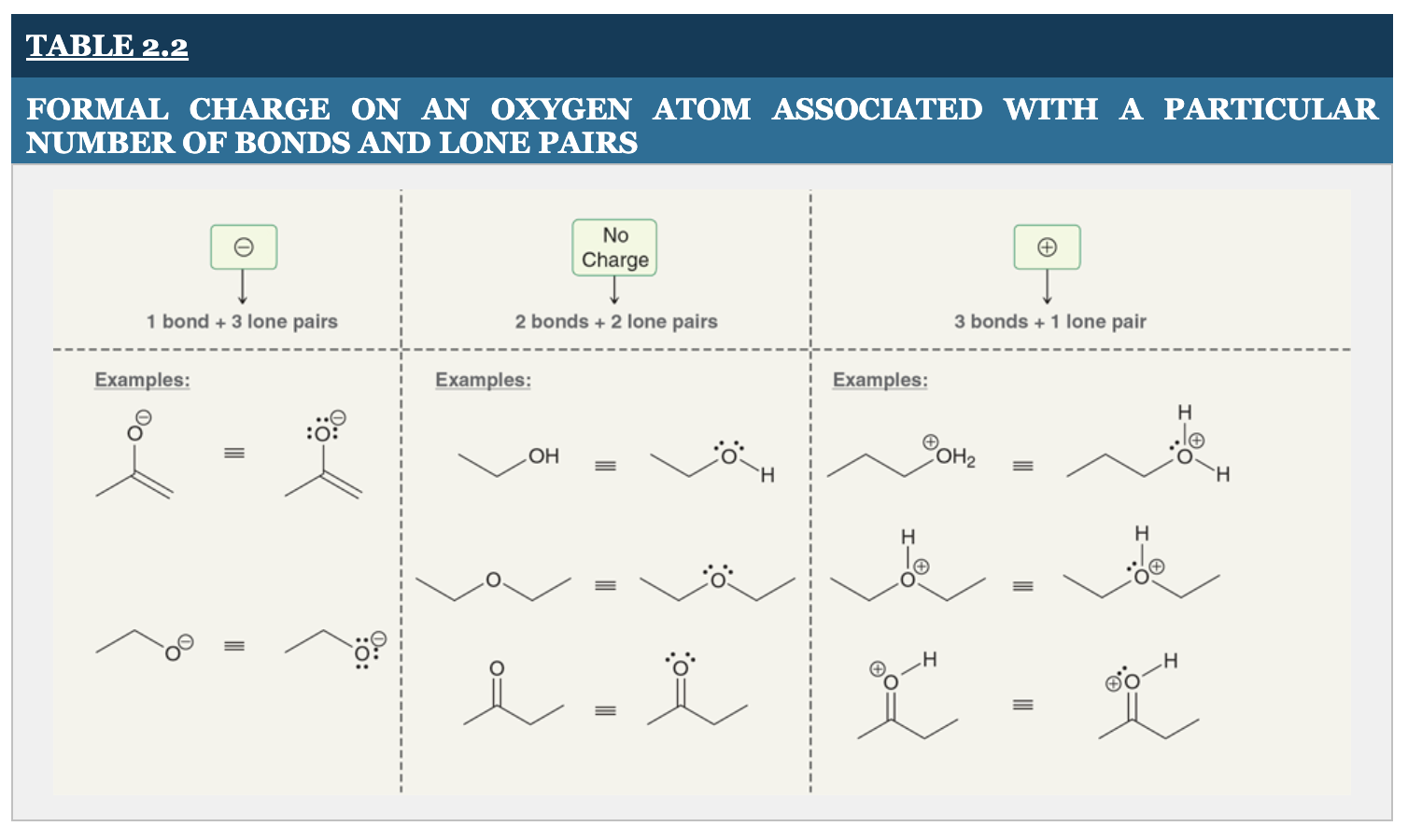
What oxygen lone pair conditions should be easily identified?
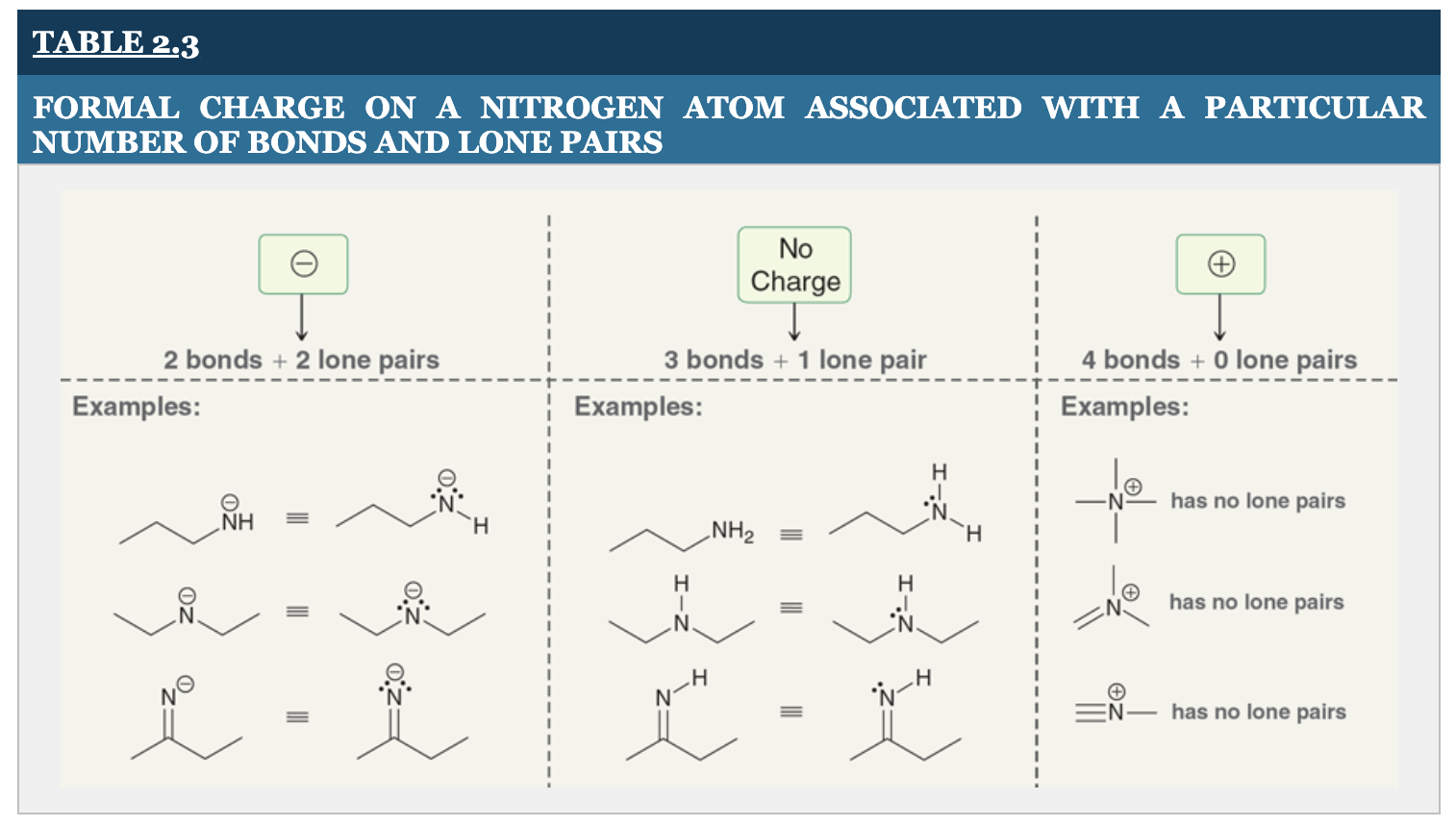
What nitrogen lone pair conditions should be easily identified?
Bronsted Acid
Proton donor
Bronsted base
Proton acceptor
What makes boiling point lower?
London dispersion forces only, branching “if you’re branched, you’re calm like a tree”
What do you need to think about when drawing lewis structures, specifically when containing C, N, O, or F?
Each of these atoms needs a full octet
What is the bond angle for a tetrahedral geometry?
109.5
What is the bond angle for trigonal pyramidal geometry?
<109.5
What two factors influence london dispersion forces?
Molecular size (greater size, greater forces) and branching (less surface area, less force)
When determining boiling point, what is the most important (strongest bonding) factor to look for?
OH groups (hydrogen bonding sites)
What is a node in terms of valence bond theory
What happens when out of phase waves destructively interfere, and the probability of finding an electron in this region is nearly 0.
What is a sigma bond?
When 2 atomic orbitals overlap head to head. All single bonds are sigma bonds
What does conjugated mean in the context of MO theory?
A series of alternating single and double bonds, or a series of overlapping P orbitals
What is steric strain?
When bulky groups off of chains get close enough to each other to influence one another.
What is torsional strain?
When bonds eclipse each other and interfere with each other’s electron clouds.
What is a bridgehead carbon?
Carbon atoms that are fused to both rings when two rings are fused together.
What is a bridge carbon?
A carbon that connects the two bridgehead carbons.
What is an enantiomer?
Pairs of molecules that are nonsuperimposable mirror images
What are diastereomers?
Stereoisomers that are not mirror images of each other.
What are stereoisomers?
Molecules with the same connectivity and different spatial arrangements.
What do E and Z mean?
For alkenes, with 2 different substituents, E is the configuration where the higher priority groups are on opposite sides of the double bond. Z. is the configuration where higher priority groups are on the same side of the double bond. E=opposite. Z=same. Pick the higher priority on each carbon. They cannot be on the same carbon.
What is the torsional strain value for H-H eclipsing?
4kj/mol (H-H 4-4)
What is the torsional strain value of Ch3-H eclipsing?
6 kj/mol (ch3×2 is 6)
What is the torsional strain value of CH3-CH3 eclipsing?
11kj/mol
How do you find enantiomers for a molecule with more than 1 stereocenter?
You must reverse groups for each stereocenter
What type of orbitals overlap to form pi bonds?
p
What types of orbitals overlap to form sigma bonds?
hybridized
What lowers boiling point for london dispersion forces only molecules?
Small size and more branching
How many carbons can the alkanes of gasoline contain?
5-12
what is cracking
The process of breaking large hydrocarbons into smaller pieces for fuel, involving H2, high temperatures, and high pressure.
At what boiling range do we collect the Gasoline fraction of crude oil?
Between 20 and 200 degrees C
What is a mesocompound?
An achiral molecule that contains two or more chiral centers but has a plane of symmetry.
What are atropisomers?
Stereoisomers that result from the hindered rotation of a single bond.
When does the 2^n formula not apply for stereoisomers?
If the molecule has planes of symmetry.
When does the double bond count in the prioritization rules?
When the atoms you are comparing are the same.
Which double bond formations do not get E and Z assignments?
Benzene rings
What type of molecule always has an enantiomer?
Chiral
What is % enantiomeric excess?
It tells you how much more of one enantiomer you have than the other.
what does a chiral resolving agent need to contain?
A chiral center
Describe the strain for the cyclohexane chair conformation
No angle strain and almost no torsional strain
Describe the strain for the cyclohexane twist-boat conformation
Some strain, but fewer flagpole interactions and less eclipsing than other formations
Describe the strain for the boat formation of cyclohexane.
Eclipsing strain and flagpole interactions
Describe the strain for the half-chair conformation of cyclohexane
High angle and torsional strain
What is the typical chain length for natural gas hydrocarbons?
1-4
What does branching do to the stability of oxygen cations?
destabilizes due to reduction of solvating effects
How do you assign group priority for R and S when the groups are highly branched and largely the same elements?
Look at the elements attached to the one you’re comparing. Order those elements in descending atomic number. The first difference wins.
How do you identify the E/Z alkane on a large molecule?
Exclude carbonyls and aromatic bonds.
At what boiling range do we collect the Natural Gas fraction of crude oil?
Below 20 degrees C
Can cis and trans be stereoisomers?
Yes
What is a diene?
A hydrocarbon with 2 carbon carbon double bonds
What is an isolated diene?
A diene with the two carbon carbon double bonds next to each other
What is a conjugated diene?
A diene with the carbon carbon double bonds separated by one single bond
What is an isolated diene?
A diene where the carbon carbon double bond is separated by more than 1 single bond.
What can dienes also be called?
Allenes
How are the pi bonds arranged in a cumulated diene?
Pi bonds are perpendicular
How are the pi bonds arranged in a conjugated diene?
Pi bonds are continuous or overlapping
How are the pi bonds arranged in an isolated diene?
Pi bonds are separated
What are the best minor products to remember in a reaction?
H2O, CO2, N2, O2, ionic salts, NaCl, KBr
What can minor products tell you about a reaction?
It can help you determine the major products.
What is a salt?
A neutral combination of oppositely charged ions joined by an ionic bond
What are the best elements for leaving groups?
Cl, Br, I
What is the approximate bond length of a single carbon carbon bond in a conjugated system?
148pm
What is the approximate bond length of a carbon carbon single bond on its own?
153pm
What is the relationship between s character and bond length?
The more s character, the shorter and stronger the bond.
Which is more stable: a molecule with a single double bond or a molecule with a conjugated pi system?
Molecule with a conjugated pi system
What is the difference in hydrogenation energy between a molecule with a single pi bond and a molecule with conjugated pi bonds?
15 Kj
In what conformations are pi bonds overlapping in a conjugated system?
s-cis and s-trans
What is the highest energy conformation of butadiene?
When the c2 and c3 bond angle is at 90 degrees - the pi bonds are not overlapping here
What is more stable - a primary carbocation or a tertiary carbocation?
Tertiary carbocation