locomotor system
 Call Kai
 Learn
Learn Practice Test
 Spaced Repetition
 Match
Match Flashcards
 Knowt Play
1/23

There's no tags or description
Looks like no tags are added yet.
Name | Mastery | Learn | Test | Matching | Spaced | Call with Kai | Chat |
|---|
No analytics yet
Send a link to your students to track their progress
24 Terms
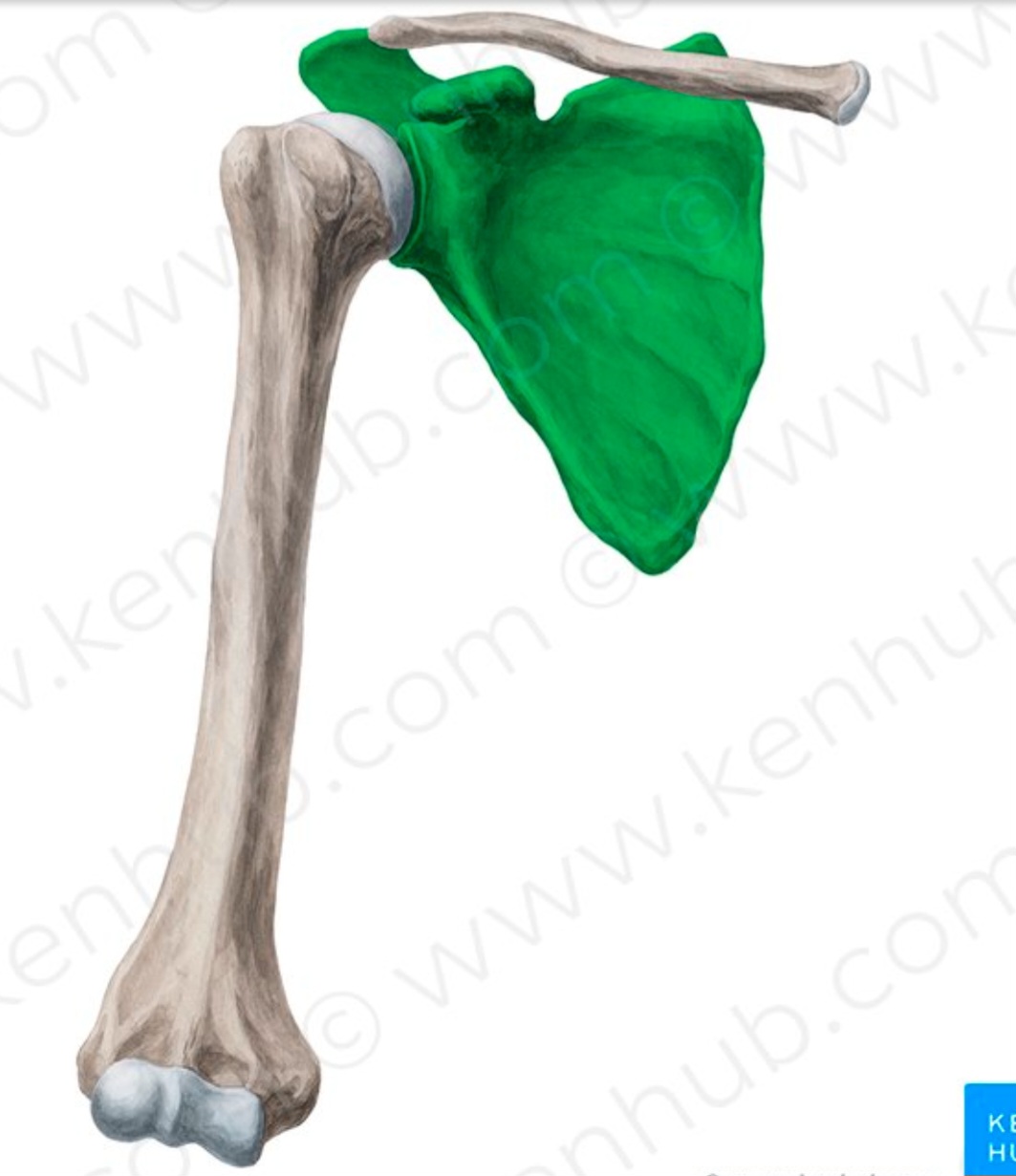
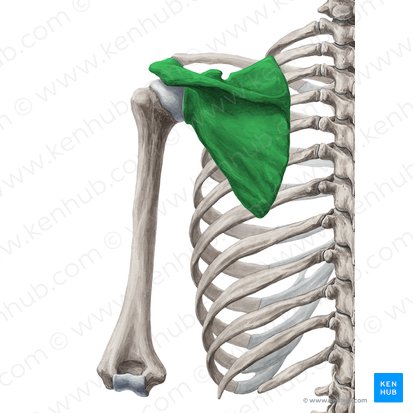
what is the name of the structure and its anatomical location?
scapula, located in the upper part of the thorax over the second to seventh ribs
What are the types of synovial joints and their characteristics?
spheroids: it allows movement along three axesflexion, extension, abduction, adduction, rotation and circumduction. e.g., shoulder joint (glenohumeral joint)
hinge joints (ginglymus): allow movement on a single axis, e.g., elbow.
pivot joints (trochoid): allow only rotation, as in the neck
saddle joints: movement on two axes, e.g., base of the thumb
condyloid joints: movements similar to ball-and-socket joints but more limited
plane joints: allow simple gliding between bones

what is the name of the structure and its anatomical location?
the humerus is the long bone of the arm. it articulates anteriorly with the scapula at the shoulder joint and inferiorly with the radius and ulna at the elbow joint.


what is the name of the structure and its anatomical location?
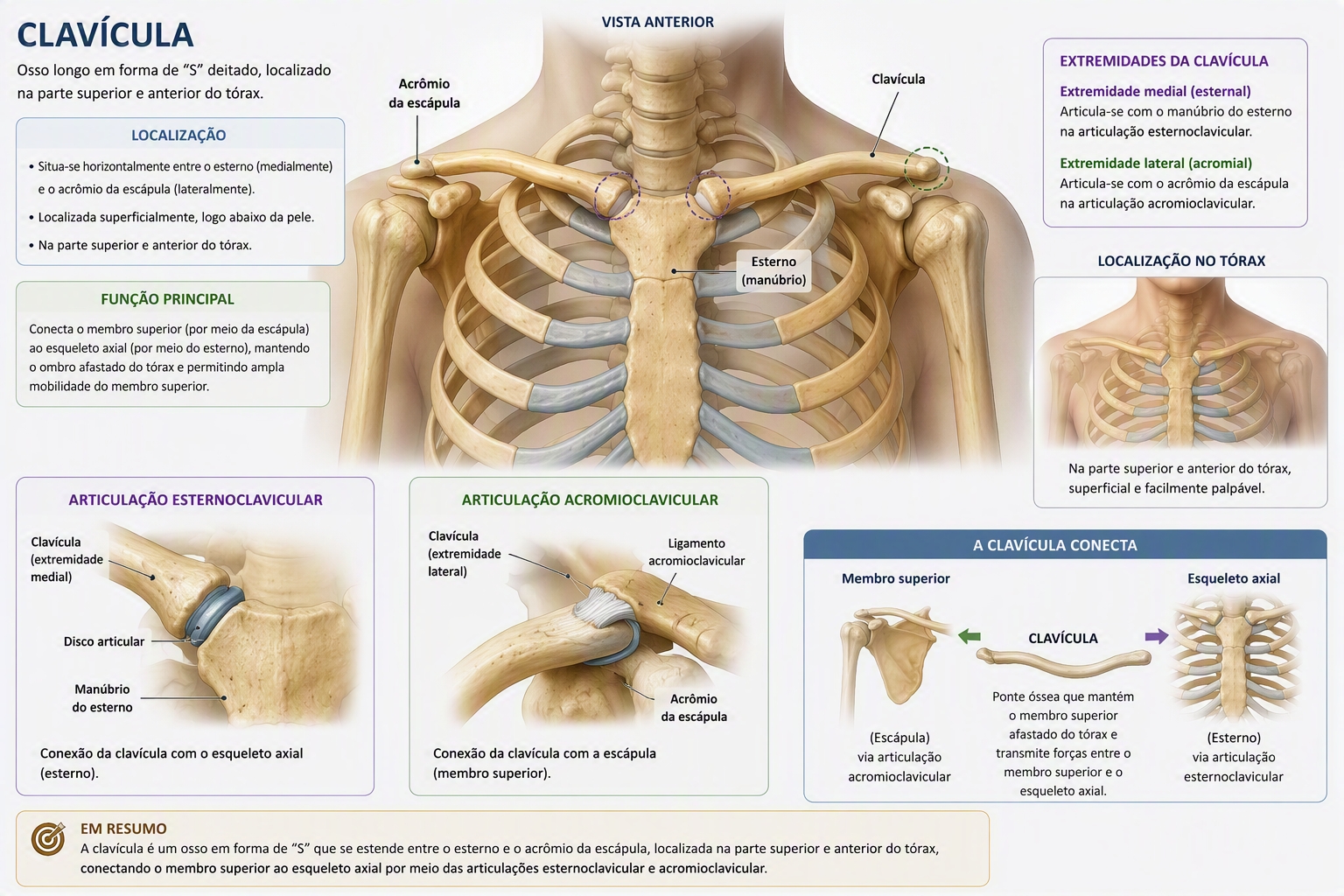
clavicle
it is located between the sternum and the acromion of the scapula in the upper and anterior part of the thorax, connecting the upper limb to the axial skeleton
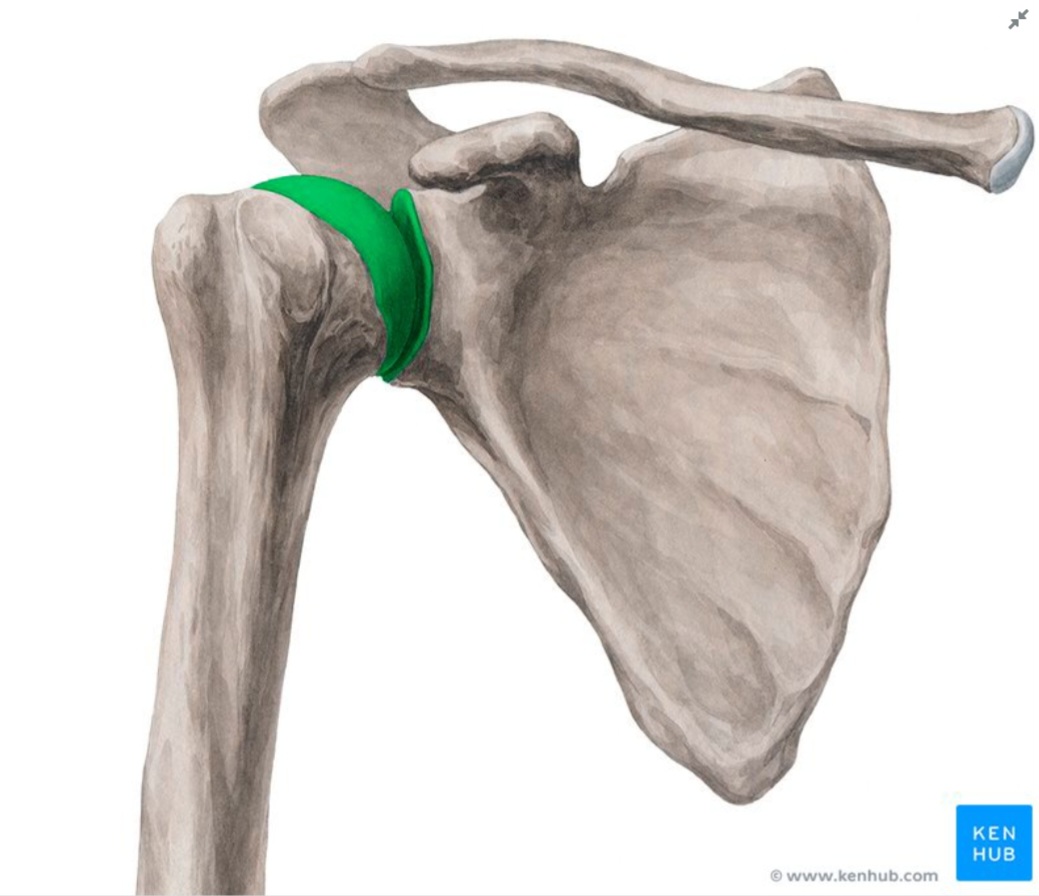
what is the name of the structure and its anatomical location?
glenohumeral joint, located between the humerus and the scapula
(articulação glenoumeral)
Hyaline cartilage or fibrocartilage
A joint where one bone has a rounded head that fits into a cup-shaped cavity of another bone. It allows movement in multiple directions, such as rotation, flexion, and extension.
what is the difference between tendons and ligaments?
tendons: connect muscles to bones, allowing the body to move
ligaments: connect bones to each other, helping to stabilize joints
what are joints and its functions?
connections between two or more bones or between bone and cartilage
functions: movement of the skeleton; stability, joining parts of the skeleton; protection of soft tissues, and shock absorption.
what are the types of joints and their characteristics?
fibrous: joined by fibrous tissue, without an articular cavity and with almost no movement (e.g., sutures of the skull)
cartilaginous: joined by hyaline cartilage or fibrocartilage, allowing limited movements (e.g., intervertebral discs and pubic symphysis)
synovial: have an articular cavity with synovial fluid and a protective capsule, allowing wide mobility (e.g., shoulder, knee, elbow)
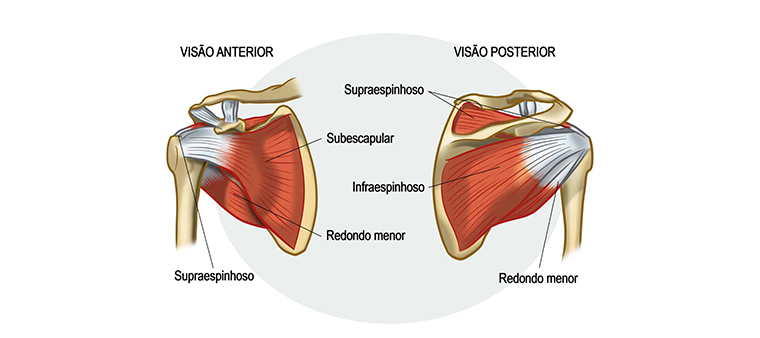
What is the importance of the rotator cuff and where is it located?
It is a group of muscles that stabilize the shoulder joint. In addition, they assist in medial and lateral rotation of the arm.
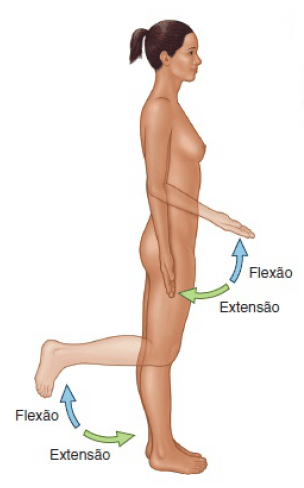
What is the difference between flexion and extension movements?
both occur in the sagittal plane
flexion: decreases the angle between two bones (bends the joint)
extension: increases this angle (straightens the joint, returning to the anatomical position)
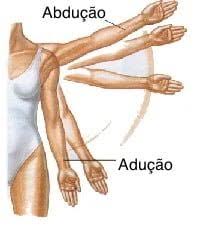
What is the similarity and difference between abduction and adduction movements?
both occur in the frontal plane
abduction: moves the structure away from the body's midline
adduction: moves it towards (towards the center)
what is the similarity and difference between medial and lateral rotation movements?
both occur in the transverse plane and rotate the bone around its own axis
medial rotation: rotates the anterior surface of the bone inward (toward the navel
lateral rotation: rotates this same surface outward

What characterizes medial rotation?
rotation of a bone along its longitudinal axis towards the midline of the body. brings the limb towards the center of the body
What characterizes medial rotation?
rotation of a bone along its longitudinal axis towards the midline of the body
What characterizes lateral rotational movement?
rotation of a bone along its longitudinal axis away from the midline of the body

what is the name of the structure and its anatomical location?
radiocarpal joint (articulação radiocarpal)
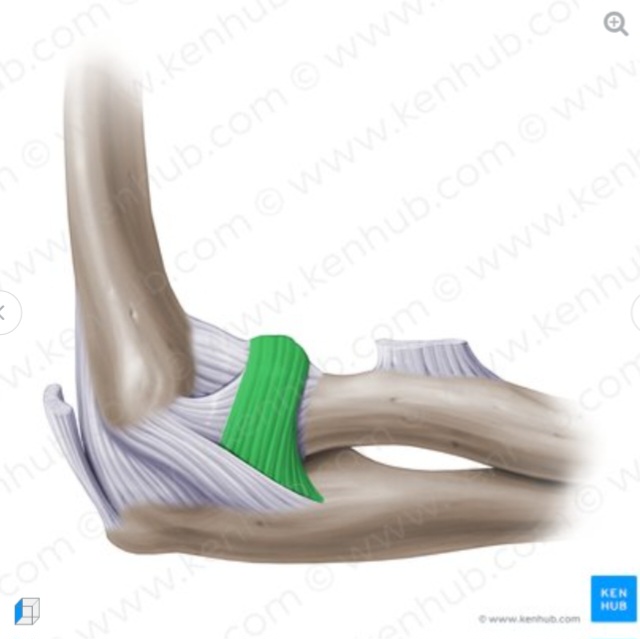
what is the name of the structure and its anatomical location?
annular ligament of the radius (ligamento anular do rádio

what is the name of the structure and its anatomical location?
radioulnar joints (articulações radioulnares)

what is the name of the structure and its anatomical location?
ulnar collateral ligament (ligamento colateral ulnar)
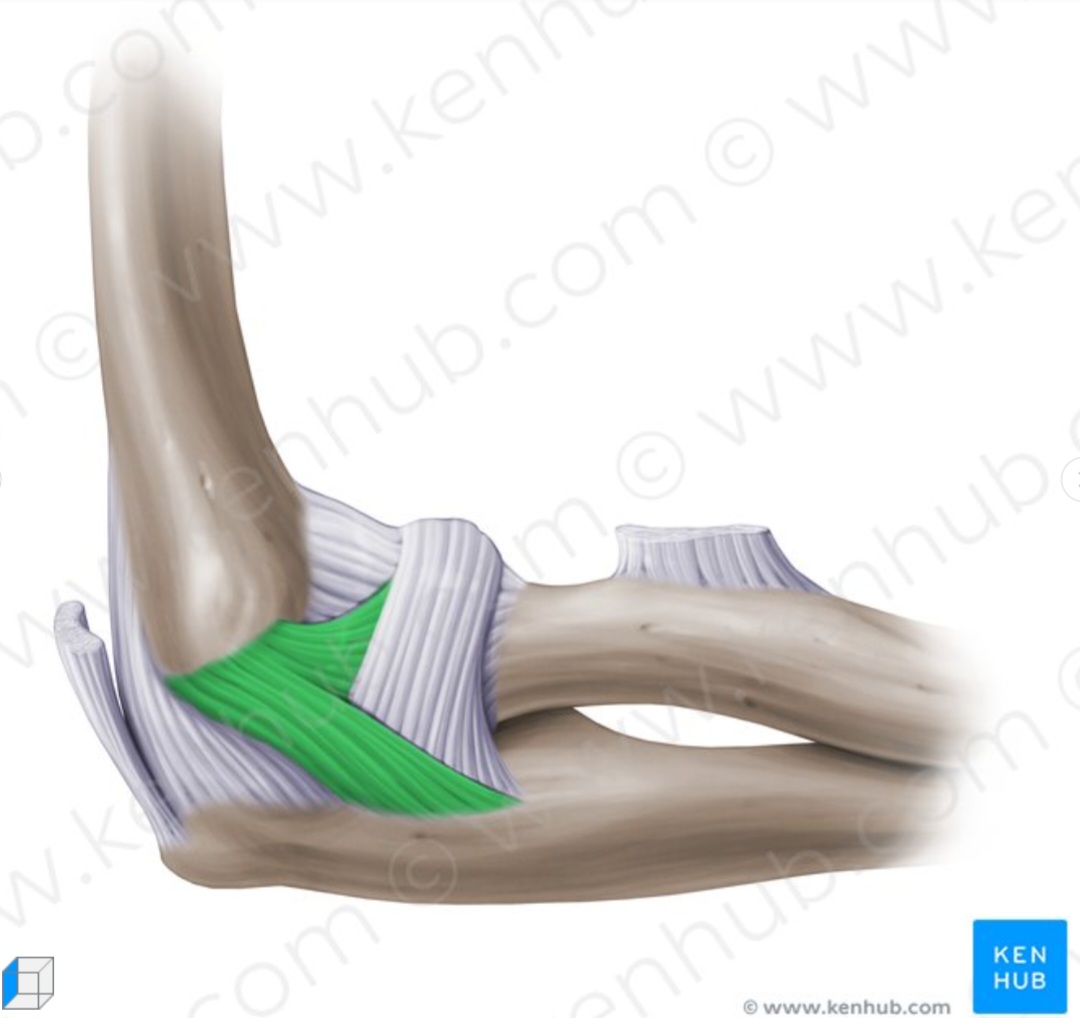
what is the name of the structure and its anatomical location?
radial collateral ligament
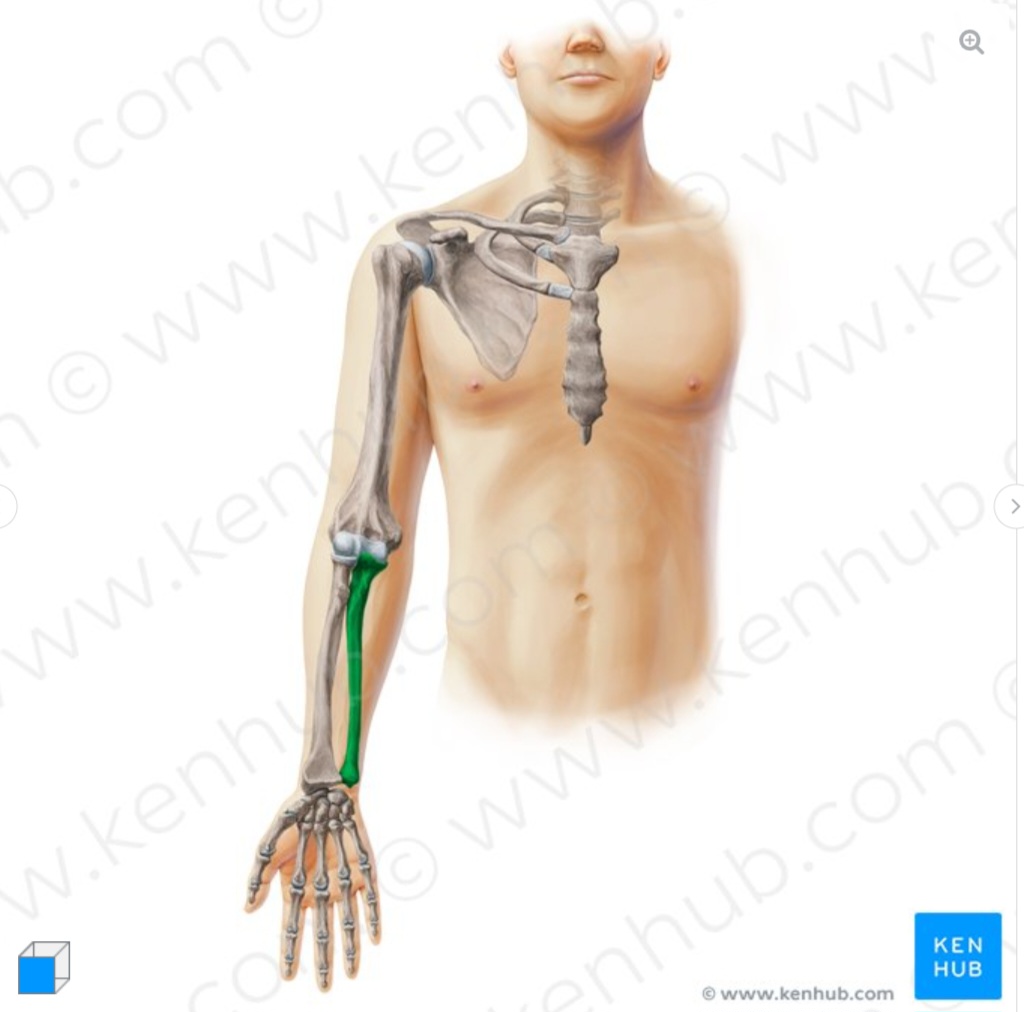
what is the name of the structure and its anatomical location?
ulna
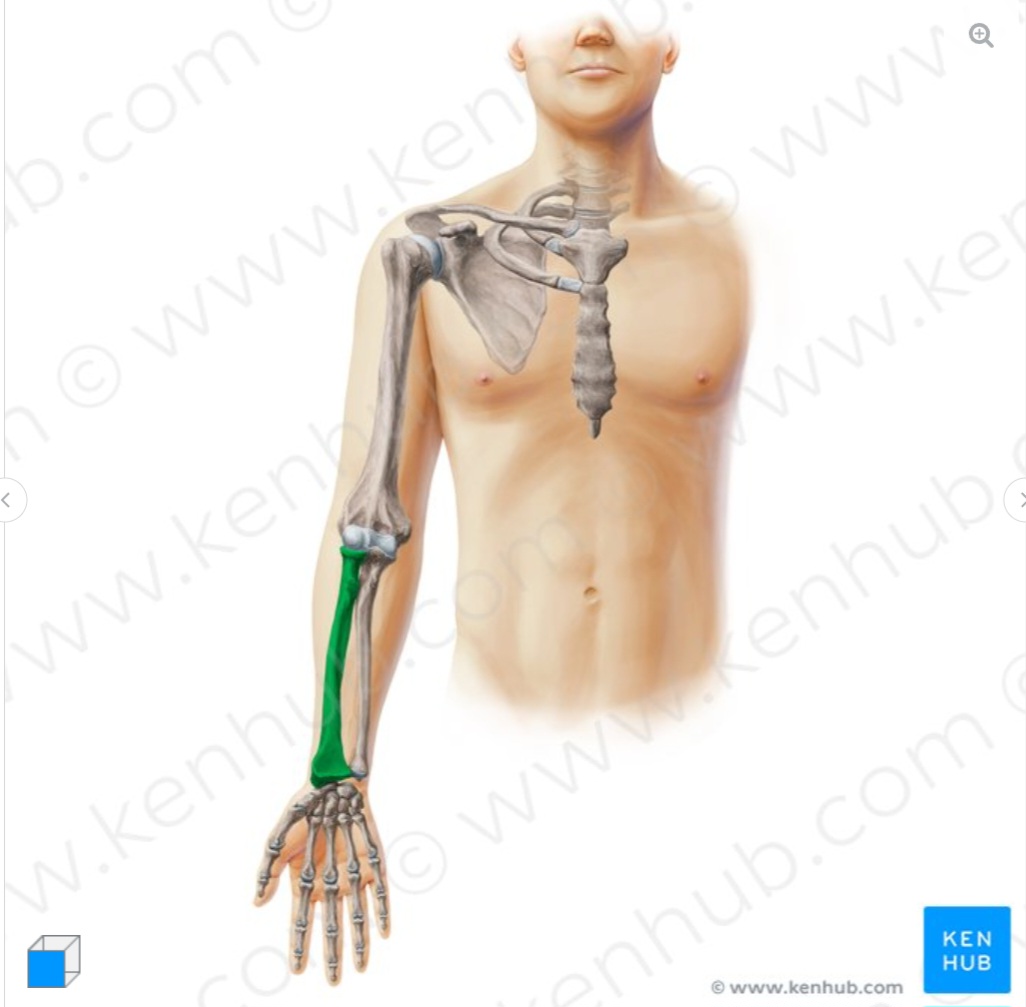
what is the name of the structure and its anatomical location?
radius (rádio)