biochem lecture 1 notes
 Call Kai
 Learn
Learn Practice Test
 Spaced Repetition
 Match
Match Flashcards
 Knowt Play
1/76

There's no tags or description
Looks like no tags are added yet.
Name | Mastery | Learn | Test | Matching | Spaced | Call with Kai | Chat |
|---|
No analytics yet
Send a link to your students to track their progress
77 Terms
methyl
R-CH3

ethyl
R-CH2-CH3
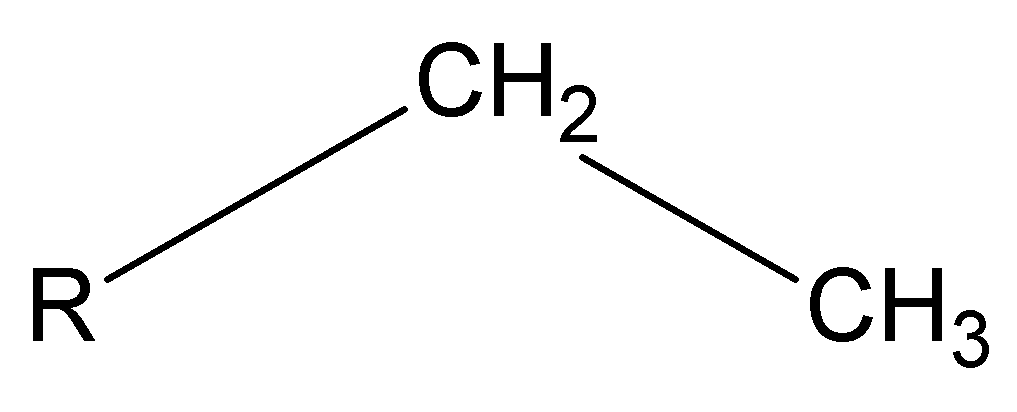
phenyl
R-6 membered ring

carbonyl (aldehyde)

carbonyl (ketone)
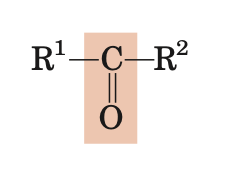
carboxyl
R-COO-

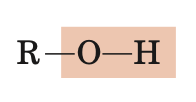
hydroxyl
R-OH
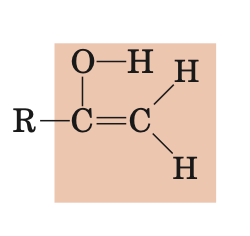
enol
ether
R-O-R
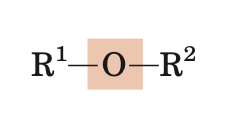
ester

acetyl
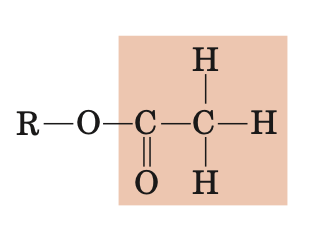
anhydride

amino
R-NH3+

amido
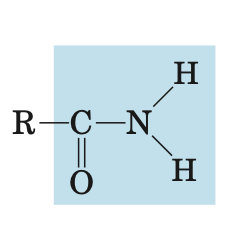
imine

n-substituted imine

guanidinium
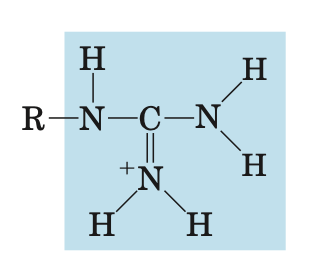
imidazole

sulfhydral
R-SH
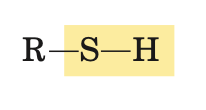
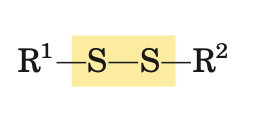
disulfide
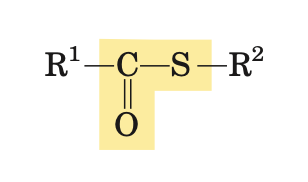
thioester
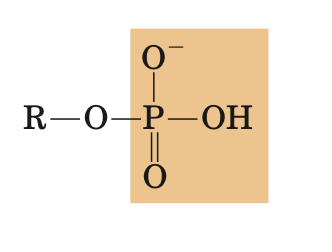
phosphoryl
phosphoanhydride

mixed anhydride
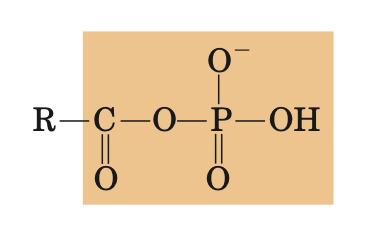
enantiomers

cis conformation
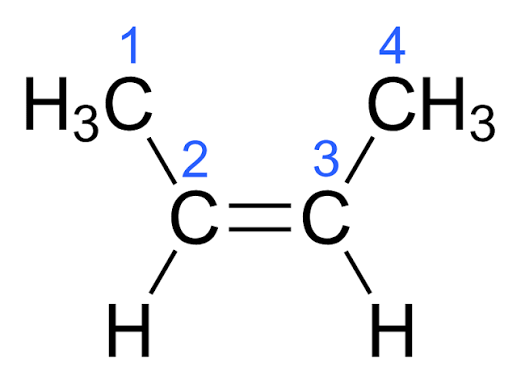
trans comformation

phototrophs
trap and use sunlight for energy
chemotrophs
derive their energy from oxidation of a
chemical fuel
autotrophs
Phototrophs and chemotrophs may be further divided into those that can synthesize all of their biomolecules directly from CO2 (______)
heterotrophs
those that require some preformed organic nutrients made by other organisms
chloroplast, glyoxysomes, cell wall, plasmodesa, vacuole
found in plant cells, but not animal cells
peroxisome, lysosomes
found in animal cells, but not plant cells
nucleoid, cell envelope, pili, flagella
parts of bacteria cells
catabolism
breaks down complex molecules into simpler ones, releasing the energy
anabolism
builds larger, complex molecules from smaller, simpler ones; requires energy
Exothermic (1), exergonic (2)
Exothermic and exergonic reactions both release energy, but ______ (1) deals with release of heat while _____(2) deals with the release of total free energy adn rxn spontaneity
deltaG = deltaH - TdeltaS
gibbs free energy equation
spontaneous
deltaG < 0 means rxn is
not spontaneous
deltaG > 0 means rxn is
at equilibrium
deltaG = 0 means rxn is
hypertonic
cell in a ______ solution means the solution has higher osmolarity than that of the cytosol; the cell
shrinks as water moves out.
hypotonic
cell in a ______ solution means the solution has lower osmolarity than that of the cytosol; the cell
expands as water moves in.
isotonic
cell in a ______ solution means there is no net movement of water
tugor
plant cells prefer ___ pressure
the cell wall in plant cells
neg
gram ___ contain both inner and outer membrane
pos
gram ___ contain only inner membrane and cell wall, no outer membrane. this type is also stained by gram’s stain
B-lactamase
_________ gene in plasmids of these bacteria break down penicilin
cell wall
___ ____ protects contents inside (prevents lysis)
transpeptidase
________ synthesis cell wall of bacteria
diffusion
movement of molecules down their gradient
peniclin
drug that kills bacteria by inhibiting transpeptidase
deltaG* = -RTln(Keq)
standard free energy change (deltaG*) and the equilibrium constant (Keq) are connected b
Kw = 1 × 10^-14
equilibrium constant for the of water at 25 ℃
[H3O+][OH-]
Kw equation
pKa = -log(Ka)
equation for pKa
Ka = [H3O+][A-] / [HA]
equation for Ka
pOH + pH = 14.0
relationship between pOH and pH
pH = -log[H+]
equation for pH
ATP
name this molecule

AMP
name this molecule
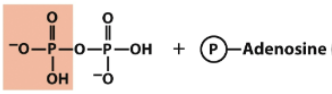
ADP
name this molecule
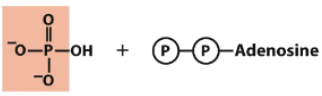
0.177 nm
hydrogen bond length
0.0965 nm
covalent bond length
the water-solute interactions are more energetically favorable than the solute-solute interactins
polar water molecules dissolve in water because ….
nonpolar (1), polar (2)
_______ (1) regions of the molecules cluster together to present the smallest hydrophobic area to the aqueous solvent, and the ____ (2) regions are arranged to maximize their interaction with the solvent

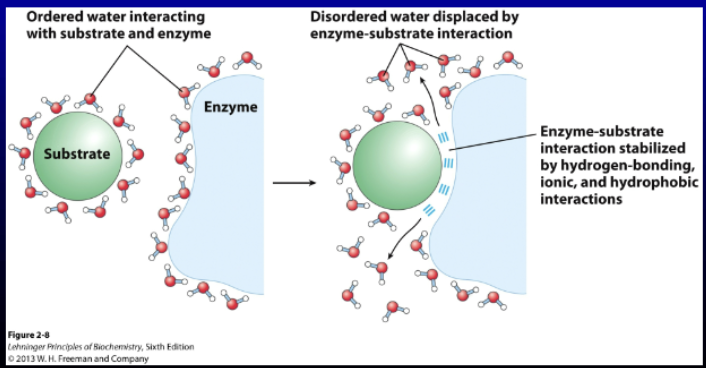
disordered
water is trying to move to a more _____ state (more energetically favorable)
LOWER
When substrates/ligands interact with
enzymes/receptors, the final interactions must have a
______ energy state than the initial “fully solvated”
state for each molecule
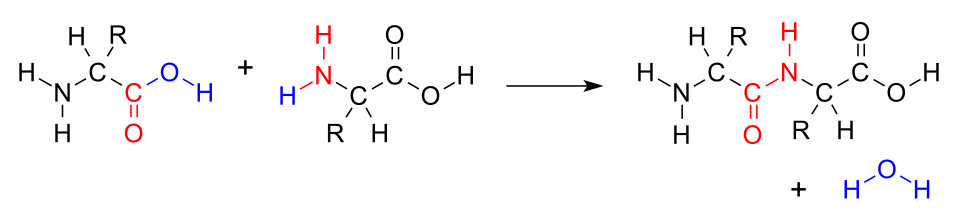
condensation rxn
this is an example of what kind of rxn
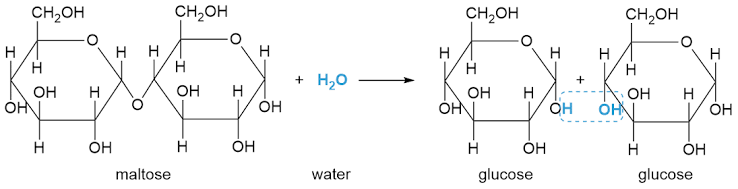
hydrolysis rxn
this is an example of what kind of rxn
acid-base
H+ in water “hop” fast — thus, ____-____ reactions in water are also fast
higher
The _____ the Ka, the stronger the acid
lower
the _____ pKa, the stronger the acid
pKa
_____ is the pH at which weak acid has an EQUAL concentration of conjugate acid & base
![<p>pH = pKa + log([A-]/[HA])</p>](https://assets.knowt.com/user-attachments/8cf2070d-2072-461d-b2b5-ed527c030546.png)
pH = pKa + log([A-]/[HA])
henderson-hasselbalch equation