Topic 1.1 - Developments in East Asia
 Call Kai
 Learn
Learn Practice Test
 Spaced Repetition
 Match
Match Flashcards
 Knowt Play
1/27

There's no tags or description
Looks like no tags are added yet.
Name | Mastery | Learn | Test | Matching | Spaced | Call with Kai | Chat |
|---|
No analytics yet
Send a link to your students to track their progress
28 Terms
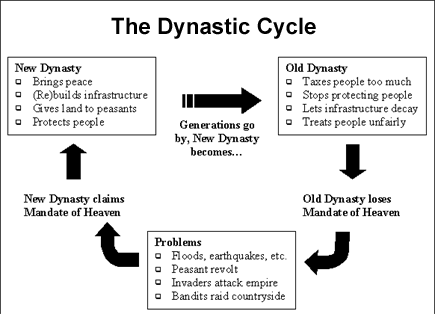
Mandate of Heaven
a political theory of ancient China in which those in power were given the right to rule from a divine source
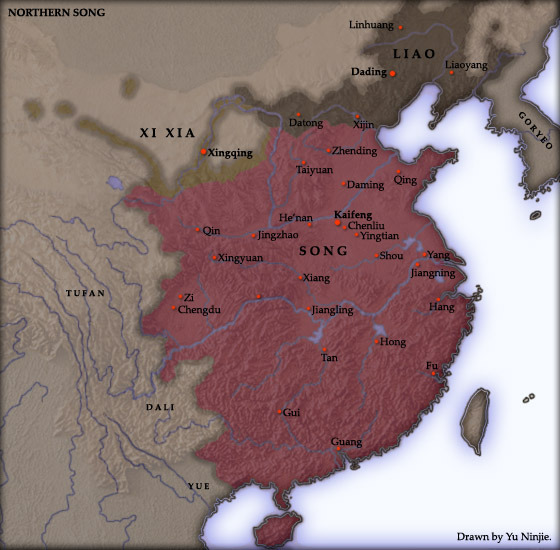
Song Dynasty
(960-1279 CE) The Chinese dynasty that placed much more emphasis on civil administration, industry, education, and arts other than military.
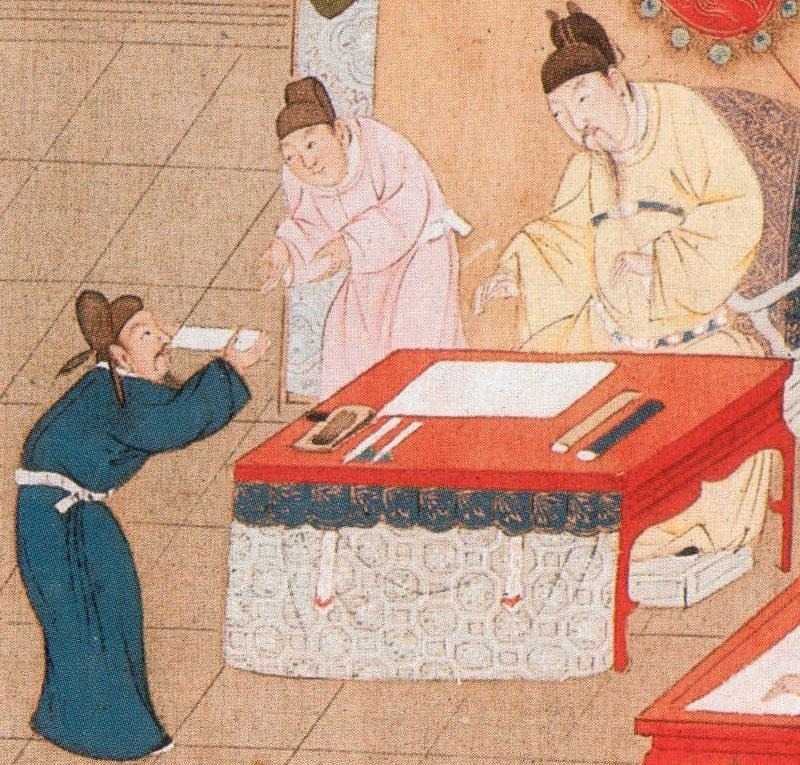
Imperial Bureaucracy
system to run centralized gov't, comprised of educated scholar-gentry

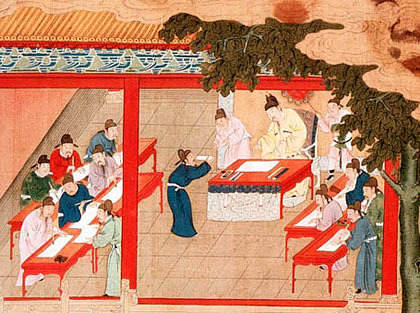
Civil Service Exam
In Imperial China starting in the Han dynasty, it was an exam based on Confucian teachings that was used to select people for various government service jobs in the nationwide administrative bureaucracy.
Dynastic Cycle
rise and fall of Chinese dynasties according to the Mandate of Heaven

Meritocracy
a system in which promotion is based on individual ability or achievement
Social mobility
Movement of individuals or groups from one position in a society's stratification system to another
Filial Piety
In Confucian thought, one of the virtues to be cultivated, a love and respect for one's parents and ancestors.

Syncretic belief systems
blending of two or more religious belief systems into a new system
Neo-Confucianism
The Confucian response to Buddhism by taking Confucian and Buddhist beliefs and combining them into this. However, it is still very much Confucian in belief.
Zong Mi
Chinese Philosopher who called Confucius, Laozi, and the Buddha "perfect sages."
Footbinding
Male-imposed practice to mutilate women's feet in order to reduce size; produced pain and restricted movement; helped to confine women to the household.

Patriarchy/Patriarchal
a society in which men hold the power and women are largely excluded from it
Heian Period
The era in Japanese history from A.D. 794-1185, arts and writing flourished during this time
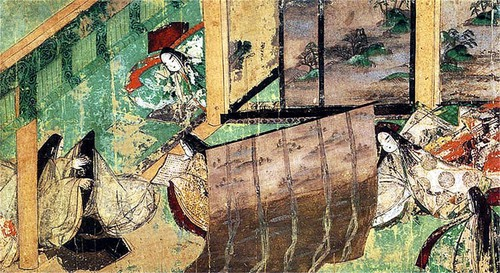
Kana writing
Japanese writing system that is heavily influenced by the Chinese characters
Hangul
alphabet that uses symbols to represent the sounds of spoken Korean
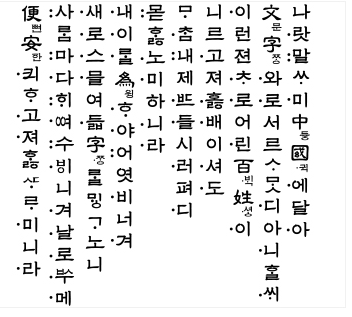
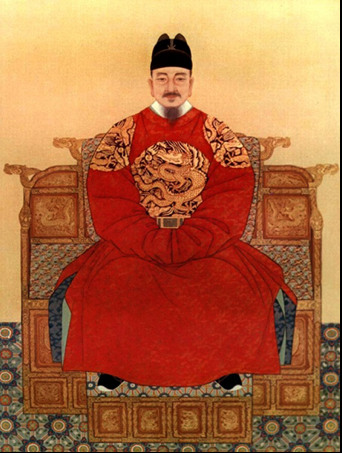
King Sejong
1443, Korea's most celebrated ruler decided to replace the complex Chinese system of writing. Developed hangul which was more how speaking sounds but using symbols.
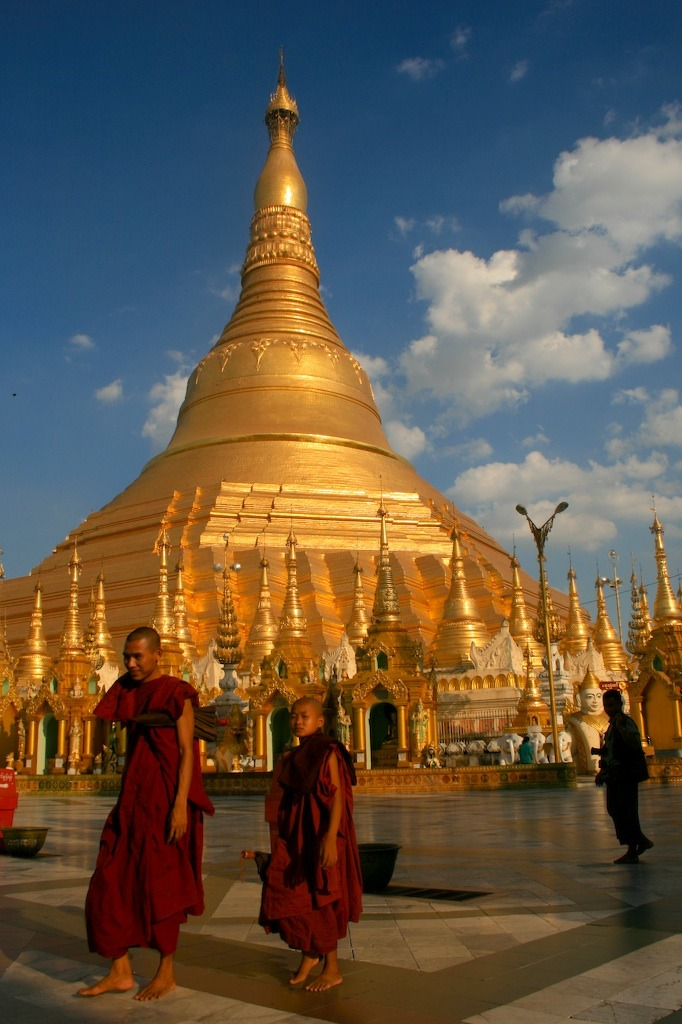
Theravada Buddhism
the oldest of the two major branches of Buddhism. Practiced mainly in Sri Lanka, Thailand, Burma, and Cambodia, its beliefs are relatively conservative, holding close to the original teachings of the Buddha
Mahayana Buddhism
"Great Vehicle" branch of Buddhism followed in China, Japan, and Central Asia. The focus is on reverence for Buddha and for bodhisattvas, enlightened persons who have postponed nirvana to help others attain enlightenment.
Tibetan Buddhism
a Buddhist doctrine that includes elements from India that are not Buddhist and elements of preexisting shamanism, a tradition of Buddhism that teaches that people can use special techniques to harness spiritual energy and can achieve nirvana in a single lifetime
Proto-industrialization
preliminary shift away from an agricultural economy; workers became full- or part-time producers who worked at home in artisan traits.
Artisan
A skilled craftsperson
Champa Rice
Quick-maturing rice that can allow two harvests in one growing season. Originally introduced into Champa from India, it was later sent to China as a tribute gift by the Champa state (as part of the tributary system.)

tributary system
A system in which, from the time of the Han Empire, countries in East and Southeast Asia not under the direct control of empires based in China nevertheless enrolled as tributary states, acknowledging the superiority of the emperors in China.

Irrigation system
a means of supplying land with water

Terrace Farming
The cutting out of flat areas (terraces) into near vertical slopes to allow farming. Terrace farms appears as steps cut into a mountainside. This adaptation allowed both the early Chinese, and the Inca of Mesoamerica to grow enough food for their large populations.

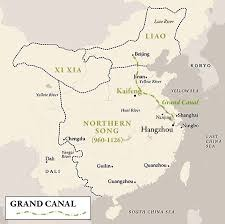
Grand Canal
The 1,100-mile (1,700-kilometer) waterway linking the Yellow and the Yangzi Rivers. It was begun in the Han period and completed during the Sui Empire. The canal would link Northern and Southern China allowing greater movement of food, goods and people.
Kowtow
a former Chinese custom of touching the ground with the forehead as a sign of respect or submission
