Physics 2 Chapter 16
 Call Kai
 Learn
Learn Practice Test
 Spaced Repetition
 Match
Match Flashcards
 Knowt Play
1/28

There's no tags or description
Looks like no tags are added yet.
Name | Mastery | Learn | Test | Matching | Spaced | Call with Kai | Chat |
|---|
No analytics yet
Send a link to your students to track their progress
29 Terms
Superposition
interference
how waves mix together
wave
distance in space
carries energy
interference
the phenomenon where two or more overlapping waves meet and combine to form a new, resulting wave
same waves and frequency
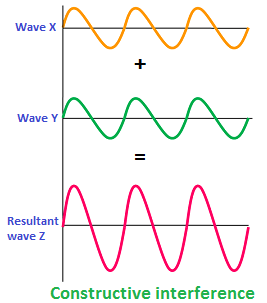
constructive interference
waves add up and build on each other
louder
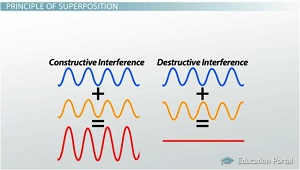
deconstructive interference
waves cancel out each because they destroy each other
ex. noise cancelling headphones
waves in opposite direction
Standing Waves
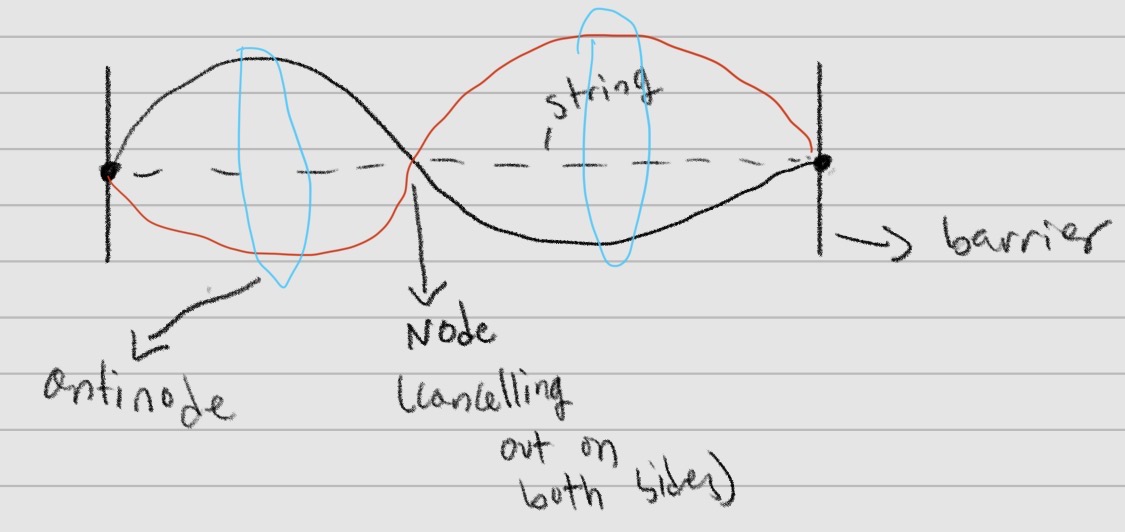
waves trapped between 2 boundaries
ex. guitar, wind instrument
don’t travel like normal waves
wavelength
equal to the distance between barriers in standing waves
node
cancelling out on both sides
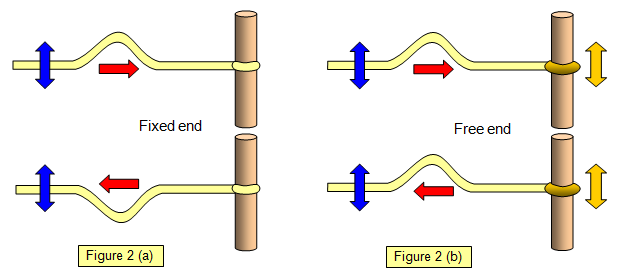
fixed end vs free end of standing wave
frequency of a string increases if you
tighten it
as frequency decreases,
length of string increases
as density increases
note/µ decreases
compression
high pressure/soundwaves
rarefactions
lower pressure
open-open tube
air open
ex. guitar
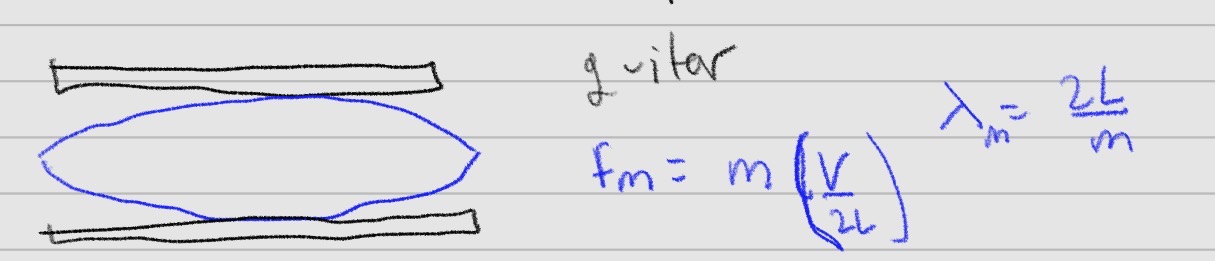
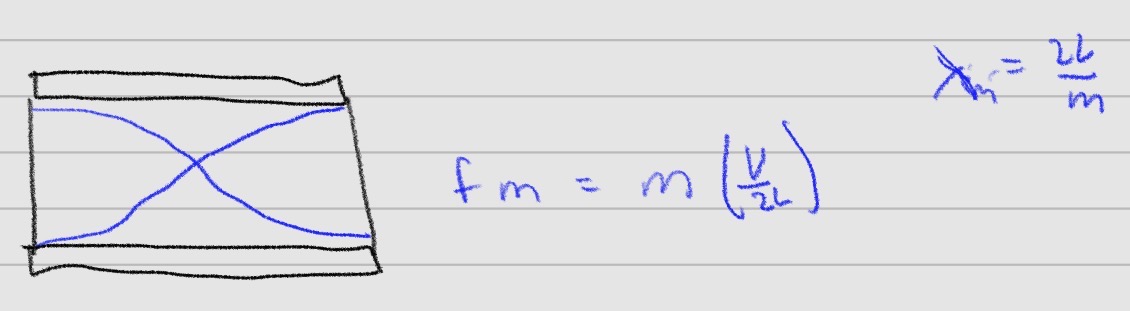
closed-closed tube
wave can be antinode
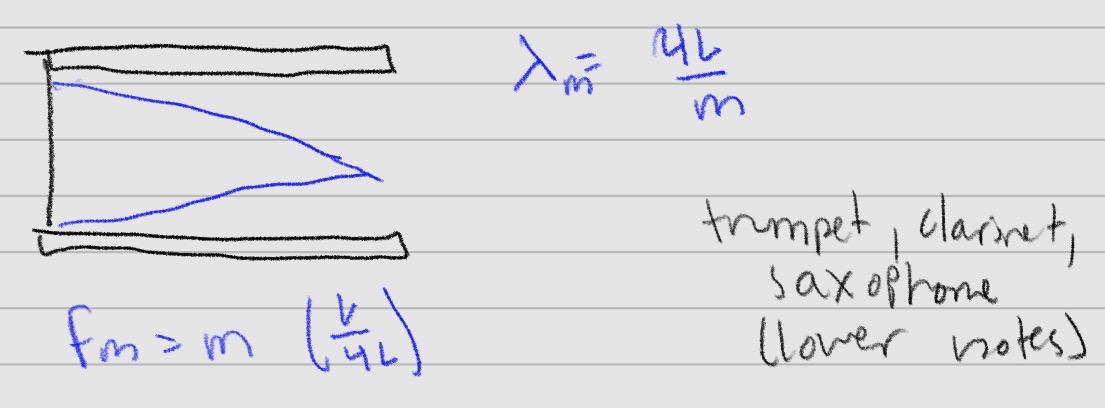
closed-open tube
ex. trumpet, clarinet, saxophone
lower notes
circle wave
sound goes out in all directions
beats
occur when 2 frequencies/sound waves are close to each other
length for standing waves
the same for all regardless of n (ex.n=1,2,3)
frequency increases as number of standing waves
increase (f proportional to n value)
F1 =
first harmonic (fundamental frequency)
F2, F3, and anything beyond is known as
overtones
n =
number of standing waves
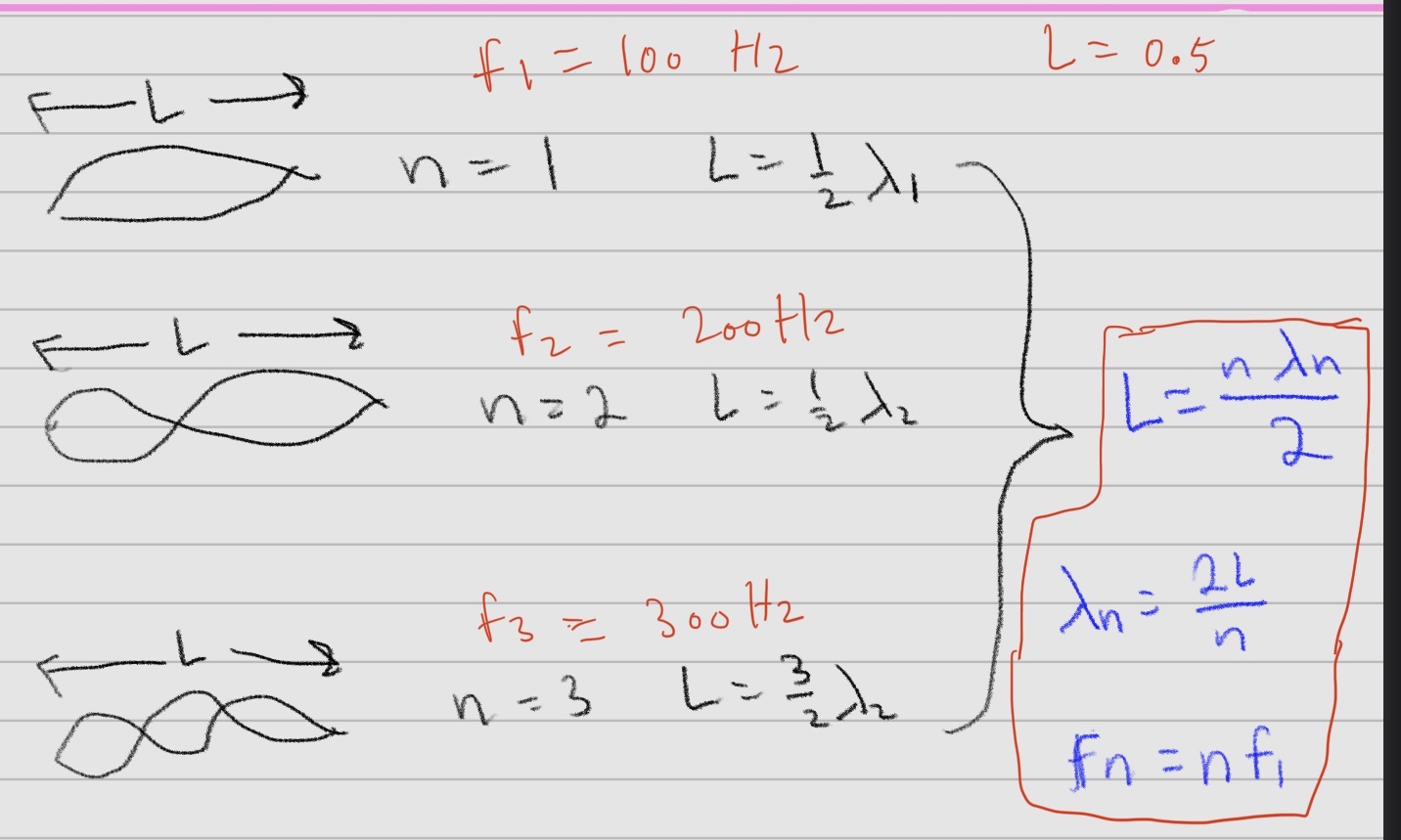
as n increases
wavelength decreases and frequency increases
amplitude at node
zero
constructive interference happens at
antinode
deconstructive interference happens at
node
velocity is always
constant (the same value)