U.S. History: Unit 1 review
 Call Kai
 Learn
Learn Practice Test
 Spaced Repetition
 Match
Match Flashcards
 Knowt Play
1/37

There's no tags or description
Looks like no tags are added yet.
Name | Mastery | Learn | Test | Matching | Spaced | Call with Kai | Chat |
|---|
No analytics yet
Send a link to your students to track their progress
38 Terms
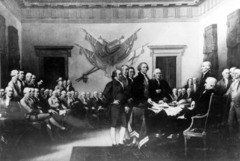
Declaration of Independence
the document recording the proclamation of the Second Continental Congress (4 July 1776) asserting the independence of the colonies from Great Britain
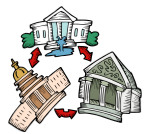
Separation of Powers
the division of power among the legislative, executive, and judicial branches of government
Southern Colonies Economy
Made money by having slaves grow cash crops on plantations due to rich soil and warm climate.
Southern Colonies
Maryland, Virginia, North Carolina, South Carolina, Georgia
Headright System
The Virginia Company's system in which settlers and the family members who came with them each received 50 acres of land
Salutary Neglect
An English policy of not strictly enforcing laws in its colonies
Middle Colonies
New York, New Jersey, Pennsylvania, Delaware
Colonial Assemblies (representative government)
American representative assemblies wished to limit the powers of crown officials. House of Burgesses in Virginia was the first.
Navigation Acts
Laws that governed trade between England and its colonies. Colonists were required to ship certain products exclusively to England, forbidden from trading with other countries.

Shay's Rebellion (1786)
Armed uprising of western Massachusetts debtors seeking lower taxes and an end to property foreclosures. Inspired revision of Article of Confederation.
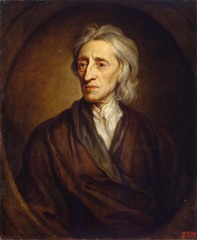
John Locke
Enlightenment philosopher who wrote of natural rights and inspired the writers of the Declaration of Independence
Bill of Rights
Added AFTER the Constitutional Convention; created to gain support of anti-Federalists; guaranteed rights of individuals
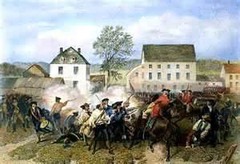
Lexington and Concord, 1775
First battle in the Revolutionary War, (AKA "shot heard round the world") fought in Massachusetts on April 19, 1775.
Royal Colony
a colony under direct control of the king
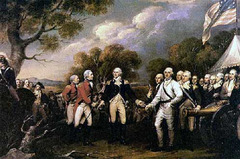
Battle of Saratoga
American victory over British troops in 1777 that was a "turning point" in the American Revolution. Convinced the French to join as allies of the colonists.
Articles of Confederation
First form of government for the United States.
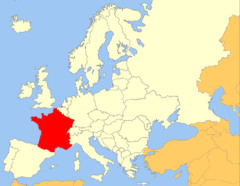
France
European country that supported the colonists during the Revolutionary War.
Sugar Act
Law passed by the British Parliament setting taxes on molasses and sugar imported by the colonies. Aimed to reduce colonial smuggling.
Tobacco
Cash crop that made a profit and saved Jamestown
French and Indian War
British taxed colonists directly to pay off debts from this war.
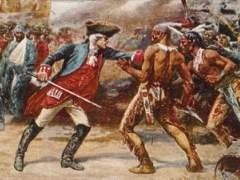
Maryland
Southern colony that was established as a "holy experiment" for Catholics.
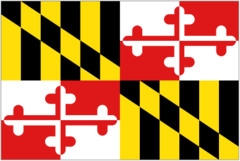
No taxation without representation
Colonists did not want to be taxed if they did not have a representative in Britain's Parliament.
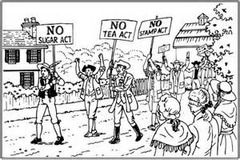
House of Burgesses
Demonstrated early democracy in the colonies.
Pennsylvania
Founded by William Penn as a Quaker colony and a "holy experiment."
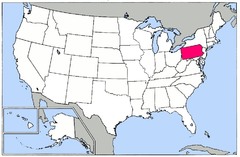
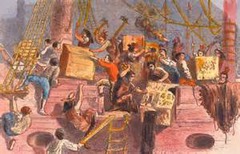
Intolerable Acts
A series of laws set up by Parliament to punish Massachusetts for its protests (Boston Tea Party) against the British.
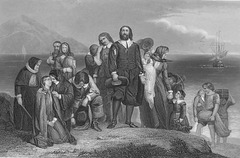
"City Upon a Hill"
Phrase coined by John Winthrop to describe how their colony should serve as a model of excellence for future generations.
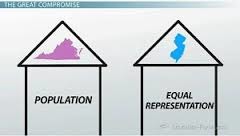
Great Compromise
Compromise made by Constitutional Convention in which states would have equal representation in one house of the legislature (Senate) and representation based on population in the other house (House of Representatives).
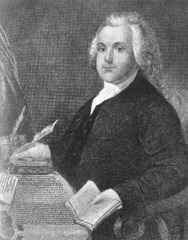
Rogers Williams
Rhode Island founder banished from Massachusetts.
New England Colonies Economy
based on fishing, shipbuilding, timber, and merchant trade
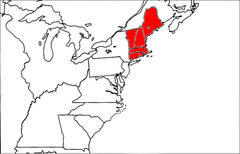
New England Colonies
Massachusetts, Connecticut, Rhode Island, New Hampshire
The Puritans' views and attitudes
Puritans emphasized reading and learning the bible; strong work ethic.
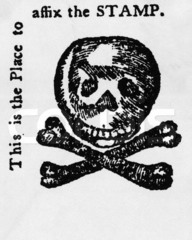
Stamp Act
1765; law that taxed printed goods, including: playing cards, documents, newspapers, etc.
Mercantilism
Economic theory where the thirteen colonies provide Great Britain with raw materials and markets for goods.
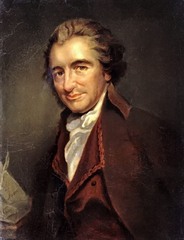
Common Sense by Thomas Paine
Pamphlet that advocated independence for the American colonies.
Federalist Papers
A collection of 85 articles written by Alexander Hamilton, John Jay, and James Madison to defend the Constitution and explain the need to strengthen the power of the national government.
Virginia Plan
"Large state" proposal for the new constitution, calling for proportional representation in bicameral congress.
New Jersey Plan
"Small state" proposal for the new constitution, calling for equal representation in unicameral congress.
Republicanism is the idea that
governments should be based on the consent of the people