gen chem 2
 Call Kai
 Learn
Learn Practice Test
 Spaced Repetition
 Match
Match Flashcards
 Knowt Play
1/34

Earn XP
Description and Tags
vocabulary and other things that should be committed to memory !
Name | Mastery | Learn | Test | Matching | Spaced | Call with Kai | Chat |
|---|
No analytics yet
Send a link to your students to track their progress
35 Terms
domain
number of different electron groups
how do you know which element to pick for the center?
its the least electronegative element
duet rule
hydrogen can only form 1 bond, as it cant have more than 2 electrons
what is the electron geometry when there are 2 domains
linear
what is the bond angle for a structure that is linear?
180 degrees
what is the electron geometry when there are 3 domains?
trigonal planar
what is the electron geometry when there are 4 domains
tetrahedral
what is the bond angle for a trigonal planar structure?
120 degrees
what is the bond angle for a tetrahedral structure?
109.5 degrees
at what amount of domains does the molecule require an expanded octet?
5+
which elements can have an expanded octet?
non-metals and metalloids in period 3 and below
is a period vertical or horizontal on the periodic table?
vertical
how many domains does a structure with a trigonal bipyramidal electron geometry have?
5
which electron geometry structure has a 90 & 120 bond angle?
trigonal bipyramidal
what electron geometry structure has 6 domains?
octahedral
what are the bond angles for a structure with octahedral electron geometry?
180 & 90 degrees
what does molecular geometry mainly have to deal with?
the placement of non-bonding electrons

what is the molecular geometry for this molecule? explain why?
bent ,due to the electrons on the central atom repelling the other elements away from it
what elements form an incomplete octet?
B, Al, and Be
what is an incomplete octet?
can have less than 8 electrons in compounds while remaining stable
electronegativity
measure of how much an atom attracts shared electrons towards itself in a covalent bond
what is a covalent bond?
two non-metals joining to share electrons
what’s a polar covalent bond
a covalent bond where the share of electrons is uneven between the two atoms
ionic bond
metal and non-metal. electrons are transferred
is C-H polar or non-polar?
always NP!
what is a hydrogen bond? when H is bonded to…, and it interacts with another… bond (look at what happens if it
O, N, or F
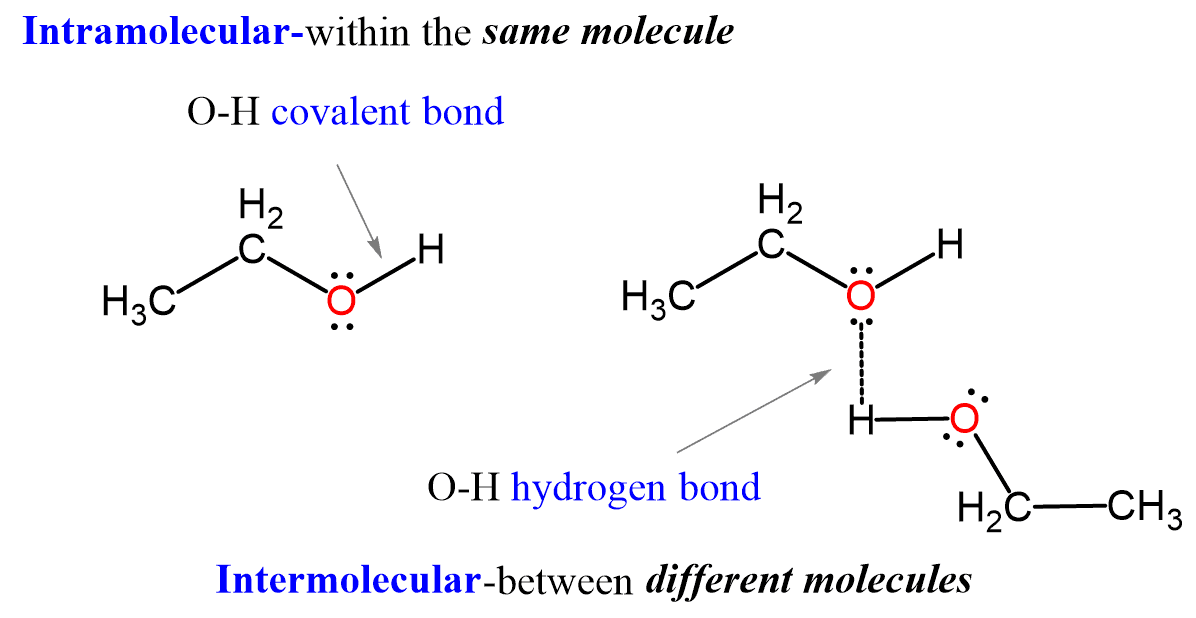
is the central atom the most or least electronegative atom? what is the exception?
the least electronegative, hydrogen is the exception because of the duet rule
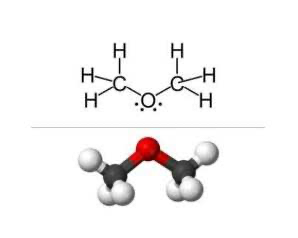
why does dimethyl ether have a dipole dipole intermoelculer force acting upon it?
Because of the electrons, they repulse the C-O bonds, causing then to both point down rather than be on opposite sides of eachother. this causes a net down
(conversion factors) BULN
when you go from a big unit to a smaller one you get a little number
molality formula
m= n-solute / kg solvent
molarity formula
M = n-solute / L solution
mol fraction formula
X solvent = n-solvent / n-total (same for solute)
mass percent formula
mass-solute / mass-solution x 100
density formula
D= mass/ volume
ppm formula
(mass solute/ mass solution) x 10^6