TISSUES QUIZ
 Call Kai
 Learn
Learn Practice Test
 Spaced Repetition
 Match
Match Flashcards
 Knowt Play
1/73

There's no tags or description
Looks like no tags are added yet.
Name | Mastery | Learn | Test | Matching | Spaced | Call with Kai | Chat |
|---|
No analytics yet
Send a link to your students to track their progress
74 Terms
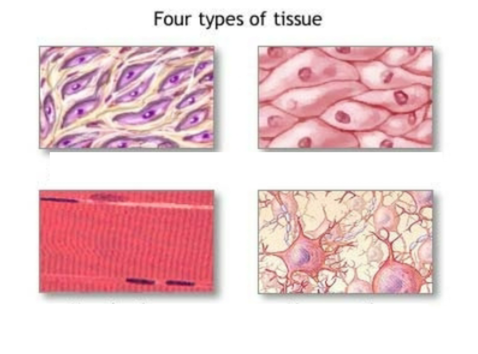
what are the 4 primary tissue types?
epithelial, connective, muscle and nervous
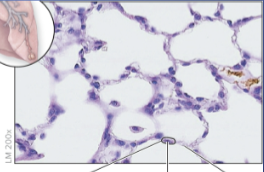
what tissue type is this and what slide?
simple squamous epithelium, alveoli (air sacs)
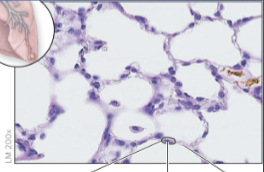
simple squamous epithelium function and location
exchange materials by diffusion/filtration
lining of blood vessels, heart chambers, serosa
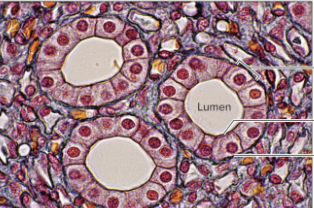
what tissue type is this and what slide?
simple cuboidal epithelium, (kidney tubules)

simple cuboidal epithelium function
secretion and absorption

what tissue type is this and what slide?
simple columnar epithelium, (jejunum of small intestine)

simple columnar epithelium function and lcoation
secretion and absorption
lining GI tract, some glands (non-ciliated), uterine tubes (ciliated)
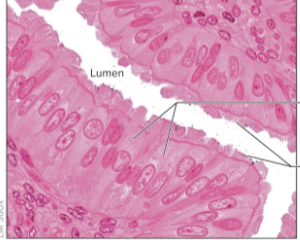
what specialized cells are located within this tissue and what is their function?
goblet cells (create mucus)

what tissue type is this and what slide?
pseudostratified ciliated columnar epithelium, (trachea)
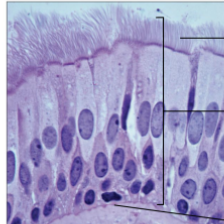
pseudostratified columnar epithelium location
lining other respiratory passages (ciliated), male sperm ducts (non-ciliated)

what structures are present on the apical surface and what is their function?
cilia (move to propel substances)

what tissue type and what slide? (not dermis)
stratified squamous epithelium, (epidermis of skin)

stratified squamous epithelium function and location
protection from friction and abrasion
vaginal lining, oral cavity, esophagus, anus
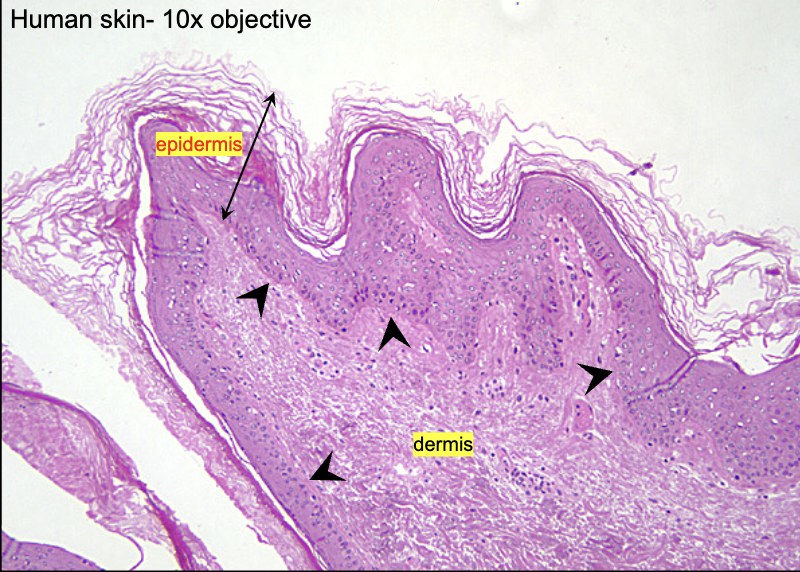
what tough structural protein is found in the cells of stratified squamous ?
stratum corneum
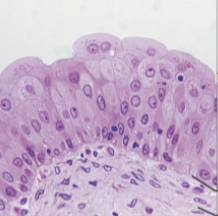
what tissue type and what slide?
transitional epithelium, (urinary bladder)
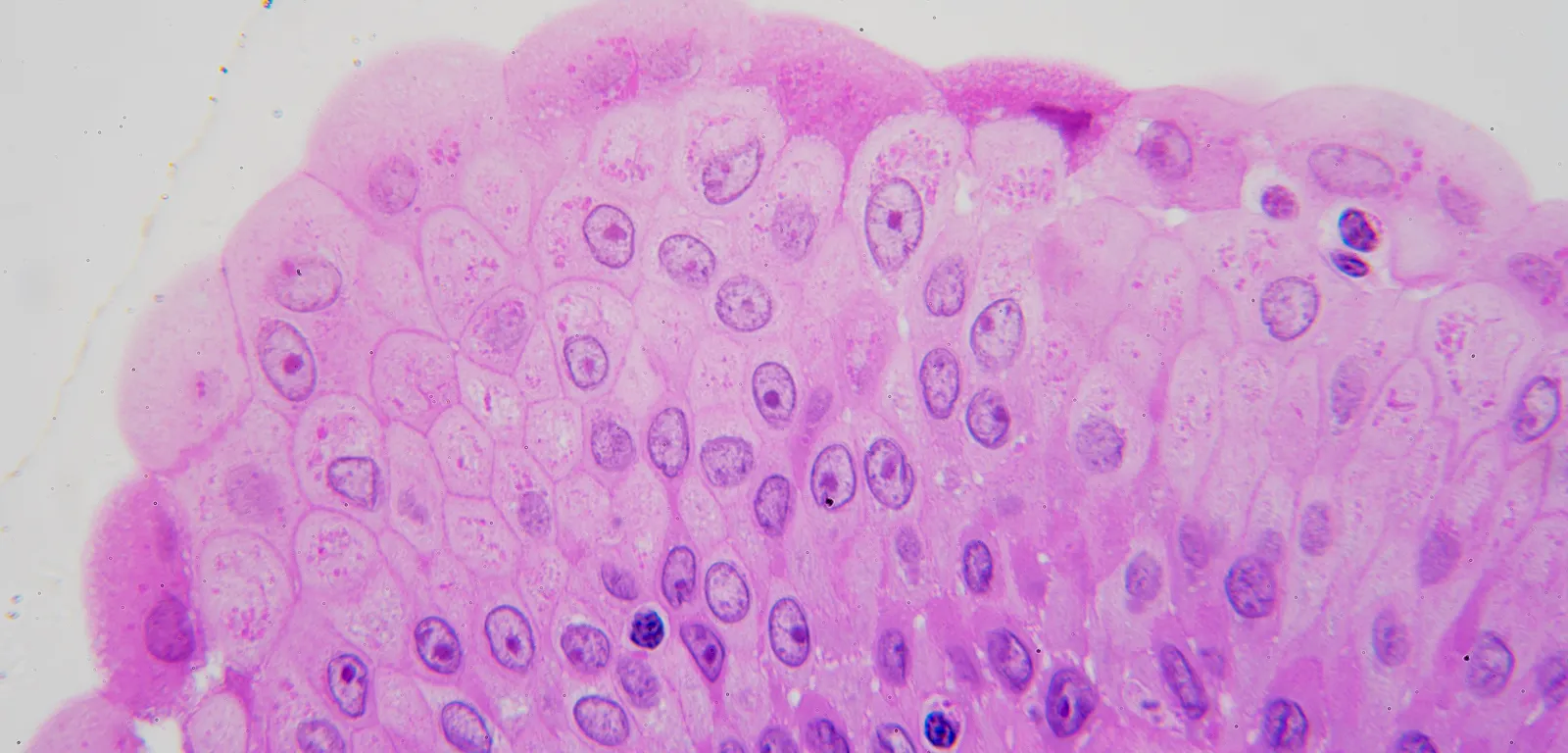
this tissue type is only found in which organ system?
urinary
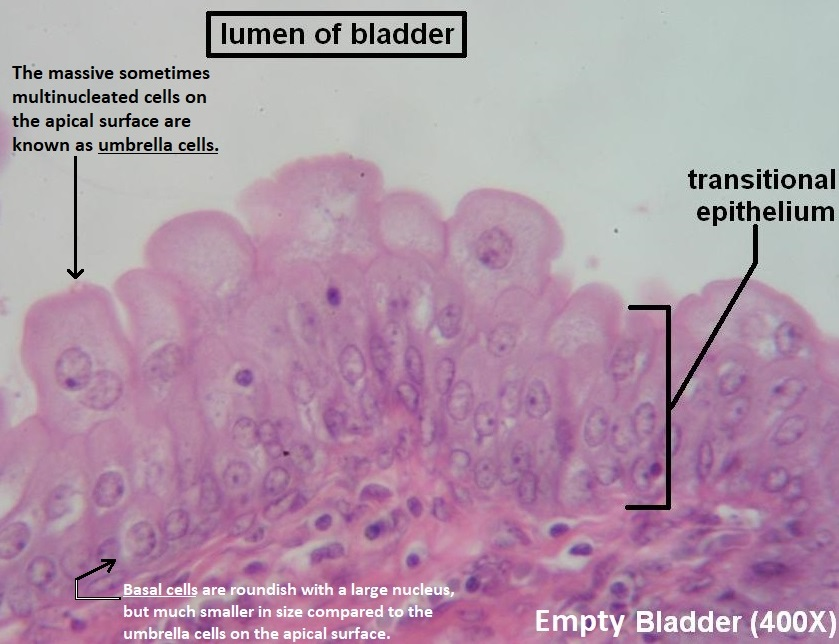
transitional epithelium fucntion
stretches to allow volume changes

whats unique about the apical surface cells of this tissue?
they change shape as it stretches
2 defining characteristics that ALL connective tissues share
all derived from mesenchyme
all mostly composed composed of nonliving material (ECM)
what are the 3 basic components of connective tissue?
cells
ground substance (ECM)
fibers (ECM)
Extracellular matrix (ECM)
ground substance + fibers
what tissue type?
areolar connective (loose)

areolar connective function and location
wrapping and cushioning our organs (universal packaging material)
serous membranes
what is the major cell type of areolar connective?
fibroblasts

what 2 fiber types are visible in the slide of this tissue?
elastic (thin dark lines) + collagen (thick pink lines)
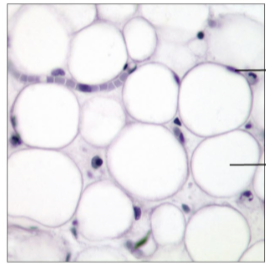
what tissue type?
adipose (loose)
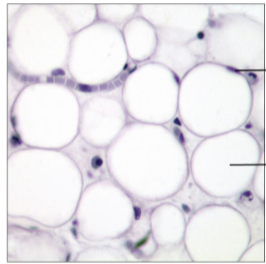
adipose function and location
reserve fuel/energy source, insulator, cushion
under the skin, around organs + kidneys

what special descriptive name is given to the nucleus?
signet ring nucleus

what tissue type and what slide? (not epidermis)
dense irregular (dermis of skin)
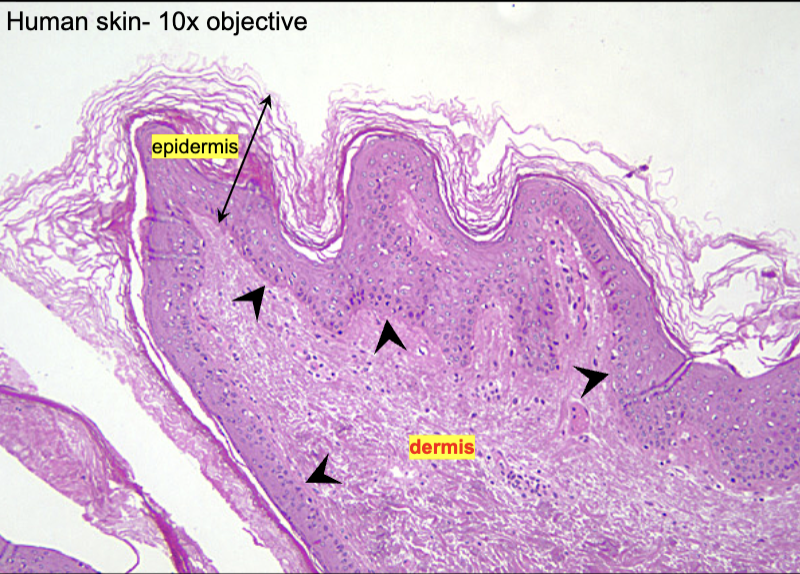
dense irregular connective function
withstand tension exerted in all directions
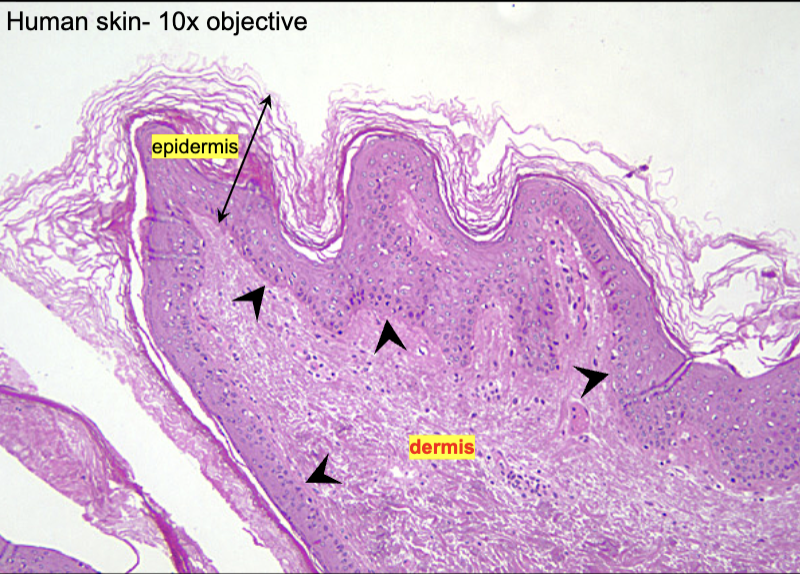
what is the major cell type of the dense irregular?
fibroblasts
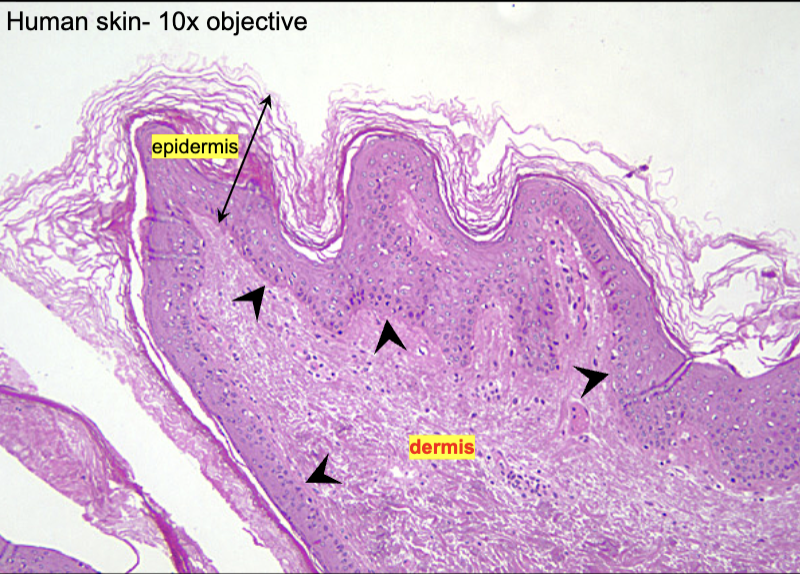
what is the dominant fiber type of the dense irregular?
collagen fibers
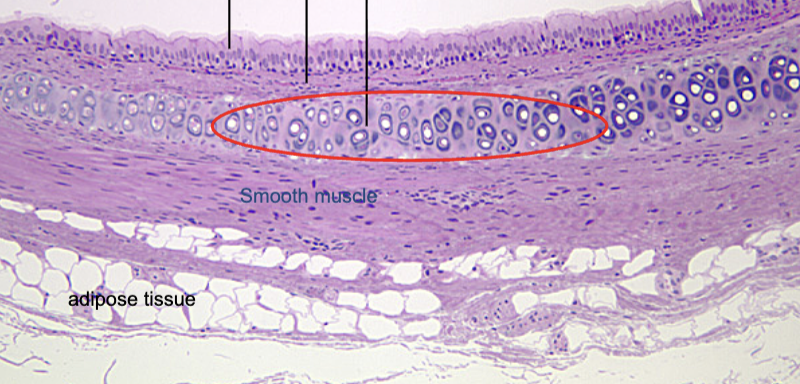
what tissue type?
hyaline cartilage, (trachea)
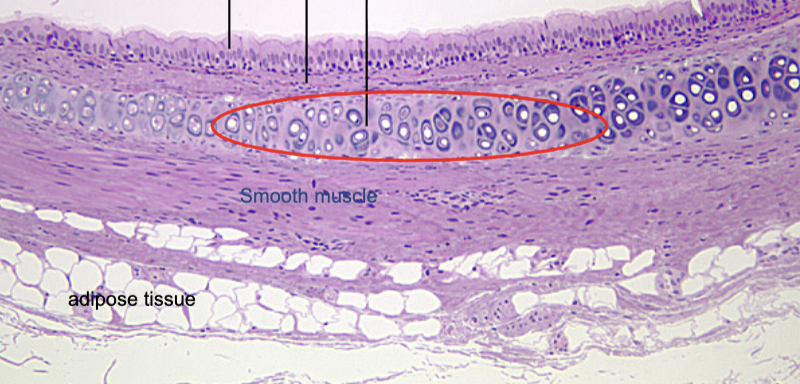
hyaline cartilage function and location
supports, reinforces, resists
larynx, ribcage, framework of nose

what is the major cell type of this tissue?
chondrocytes

the space in this tissue where the cells reside are called?
lacuna

what tissue type and what slide?
bone
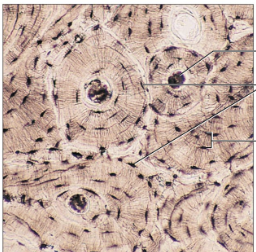
bone function
support, protects our organs, acts as lever
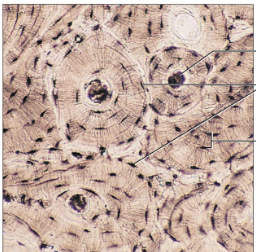
what is the major cell type of this tissue?
osteocytes
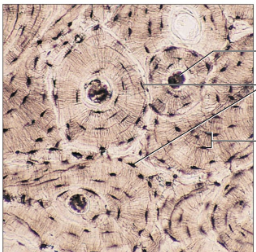
the cells reside in spaces called
lacuna
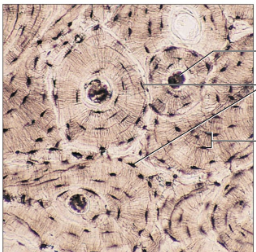
the structural units of compact bone are called
osteon (haversion system)
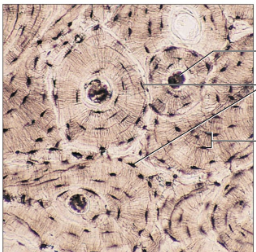
running through the center of each osteon is a
central/haversion canal

what tissue type and what slide?
blood

blood function
transportation of respiratory gasses, nutrients, metabolic waste
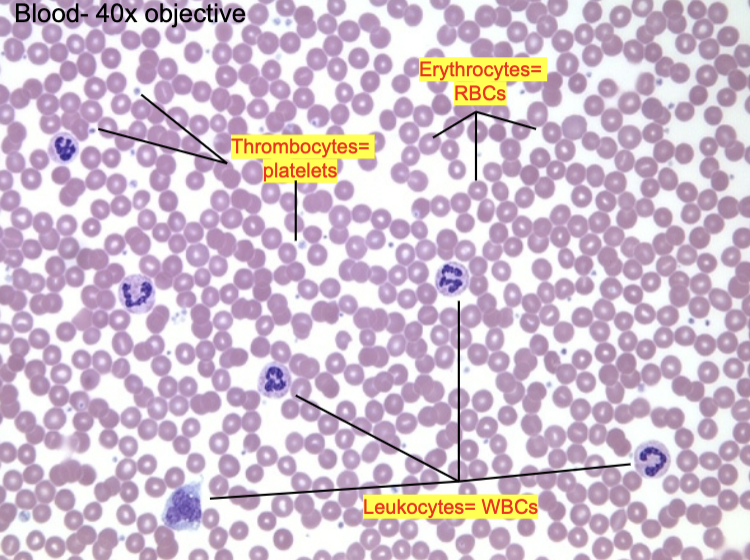
what is the non-living fluid extracellular matrix of blood cells?
plasma

what are the 3 cellular components of blood?
erythrocytes (red blood cells)
leukocytes (white blood cells)
thrombocytes (platelets)

what tissue is this?
skeletal muscle

skeletal muscle function, location, striated or non striated, voluntary or involuntary
locomotion, manipulation of the environment, facial expressions, generates heat
attached to bones of skeleton
striated (striped)
voluntary

what tissue is this?
cardiac muscle
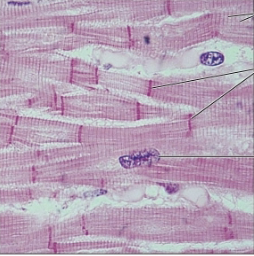
cardiac muscle function, location, striated or non-striated, voluntary or involuntary
propels blood into the circulation
in walls of heart
striated
involuntary
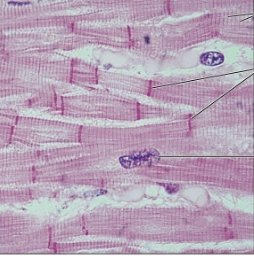
what structures appear as darker lines?
intercalated discs
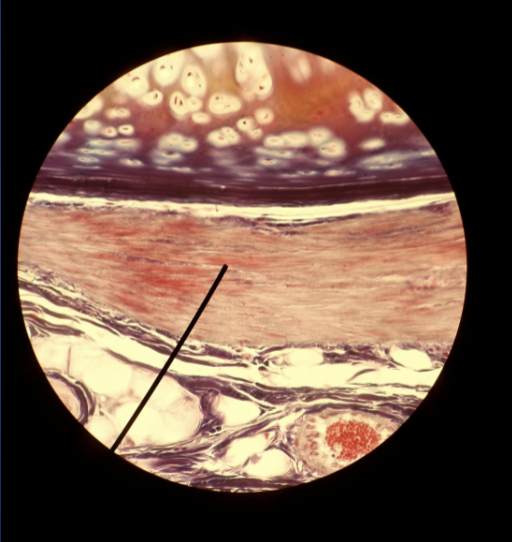
what tissue is this?
smooth muscle
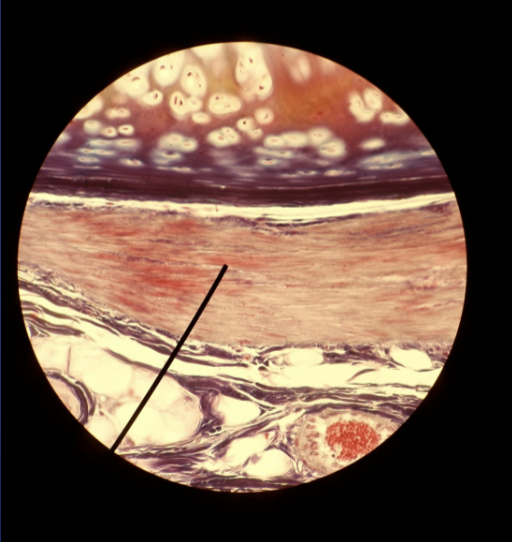
smooth muscle function, location, striated or non-striated, voluntary or involuntary
propel substances through passageways
in walls of hollow organs
non-striated
involuntary

what is #1?
epidermis

what is the epidermis composed of?
stratified squamous
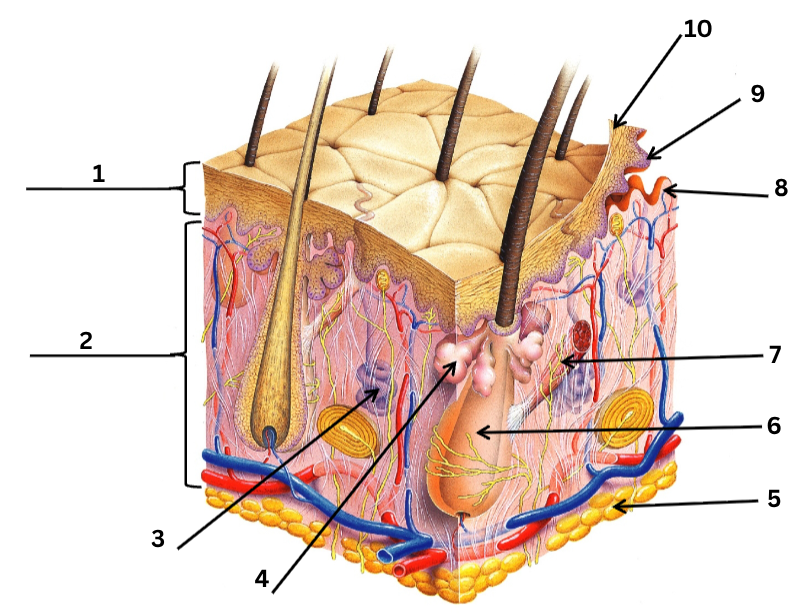
what is #2
dermis
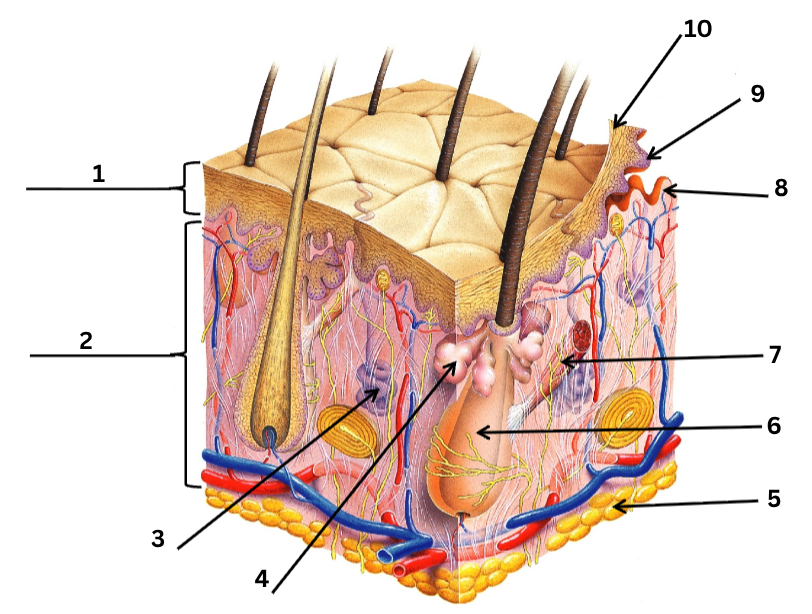
what is the dermis composed of?
connective tissue
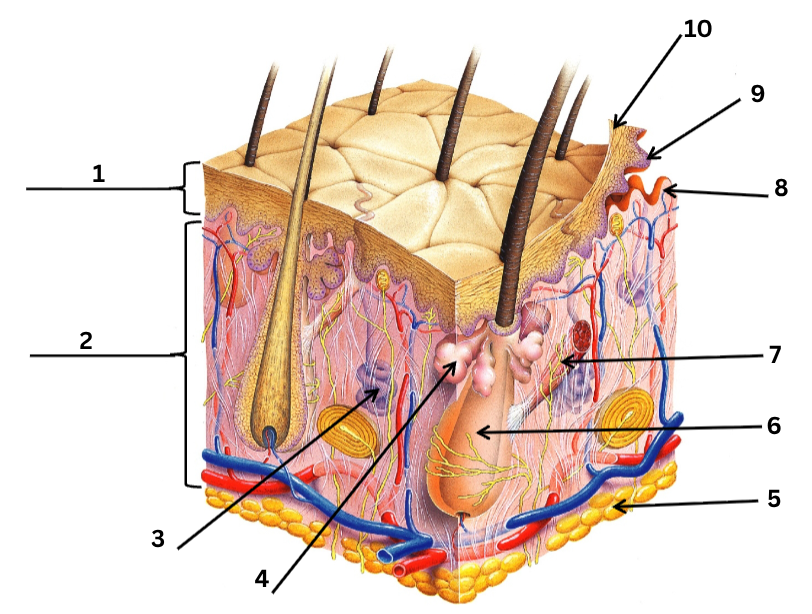
what is the layer above #2?
papillary layer
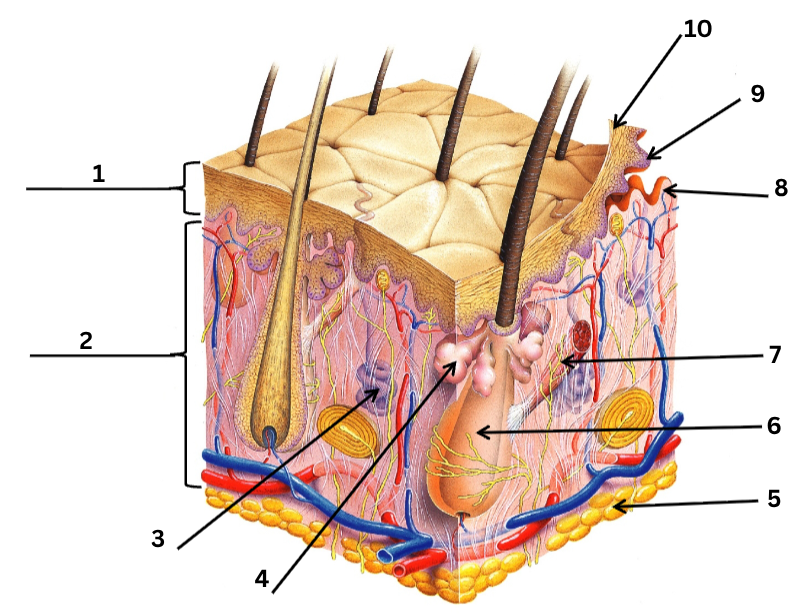
what is the papillary layer composed of?
areolar connective

what is the layer under #2?
reticular layer
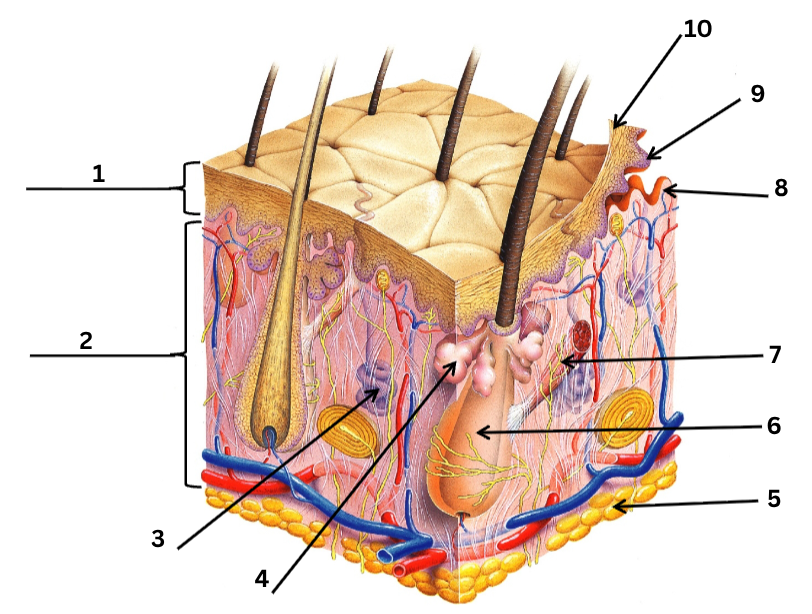
what is the reticular layer composed of?
dense irregular
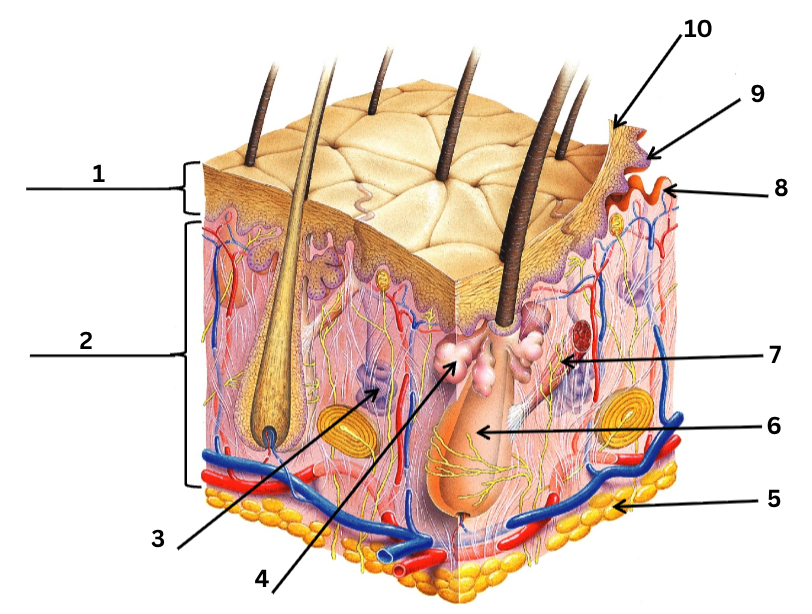
what is #3
sweat (sudoriferous) gland
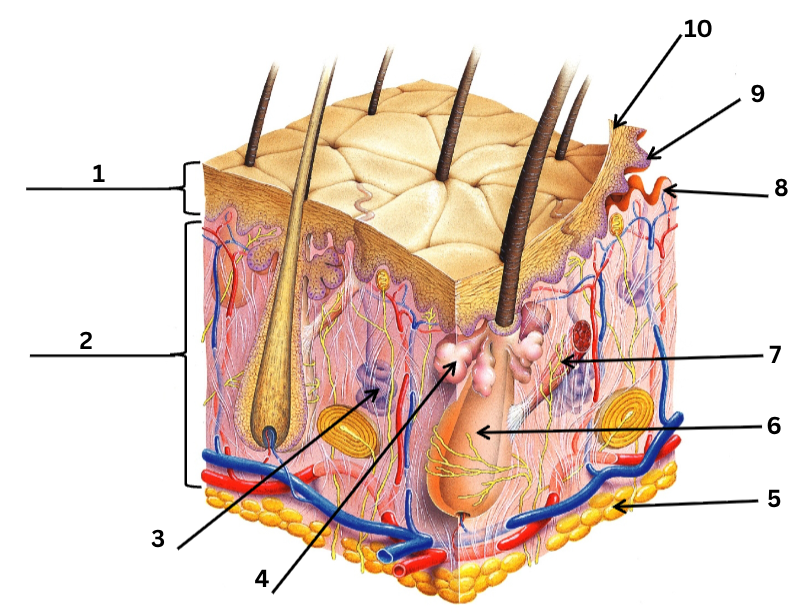
what is the sweat (sudoriferous) gland composed of?
epithelial tissue

what is #4?
sebaceous (oil) gland
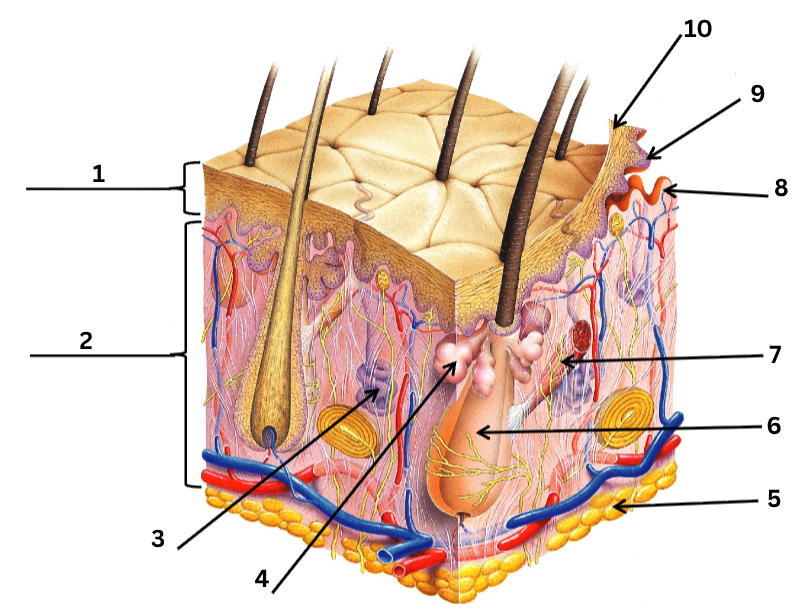
what is the sebaceous (oil) gland composed of?
epithelial tissue
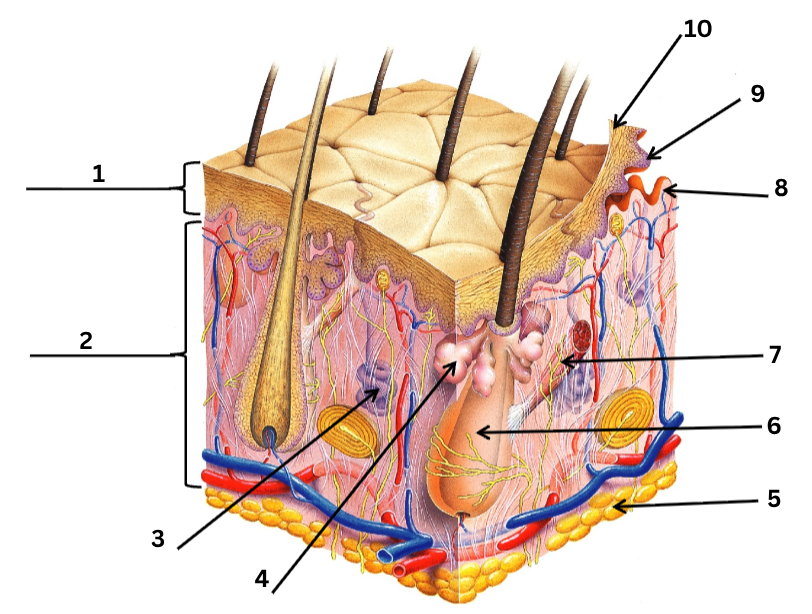
what is #5?
hypodermis
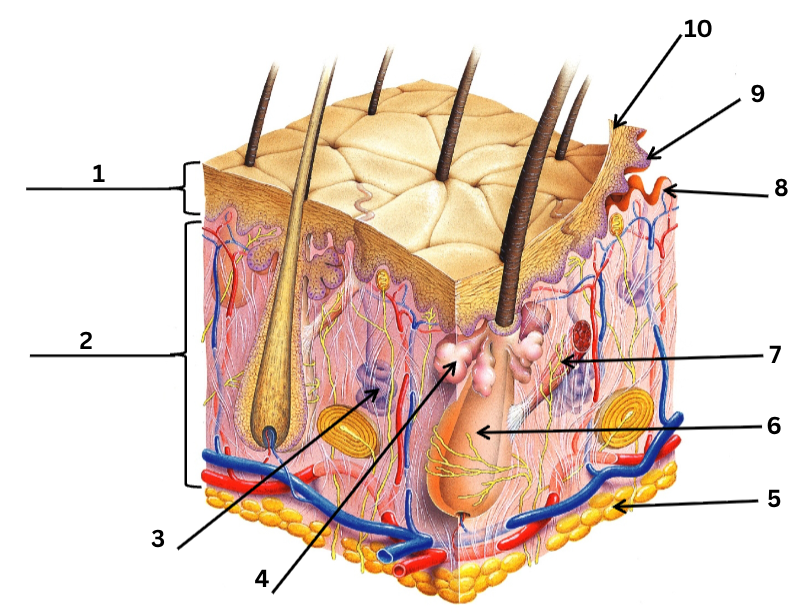
what is the hypodermis composed of?
adipose
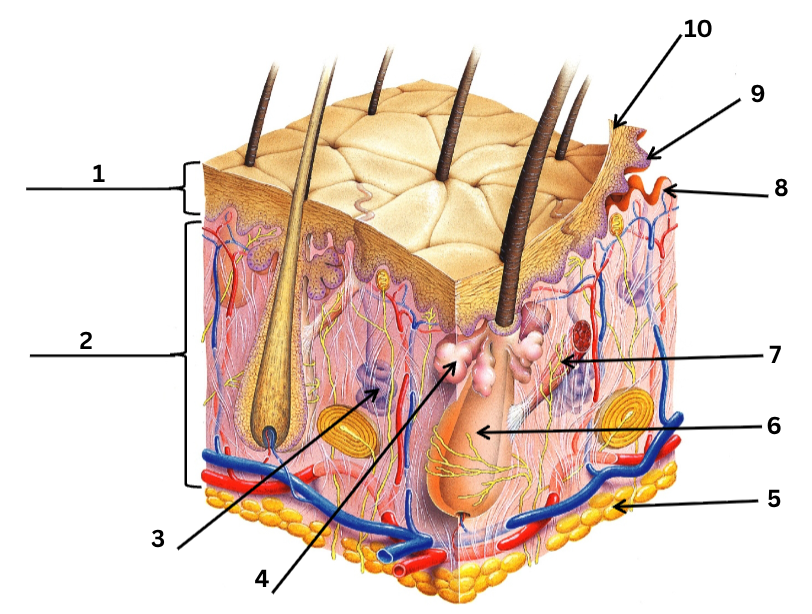
what is #6?
hair follicle

what is the hair follicle composed of?
keratin
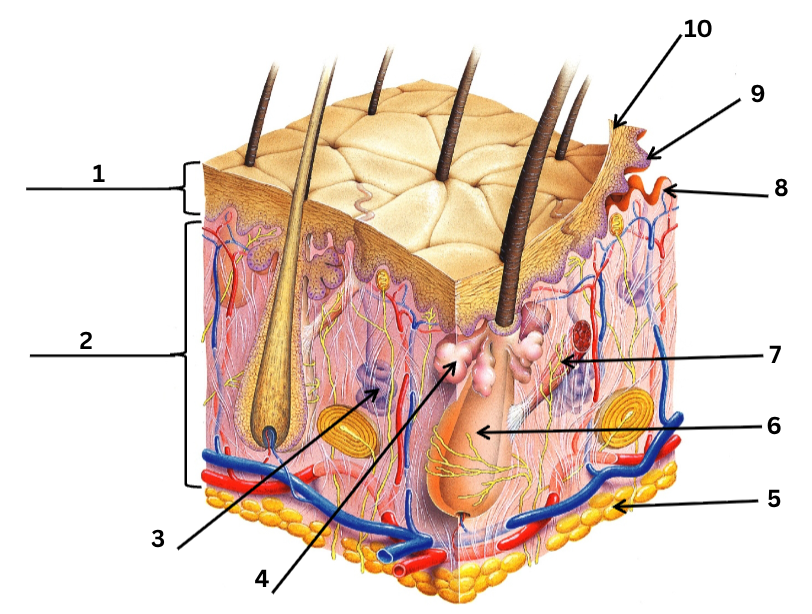
what is #7?
arrector pili muscle
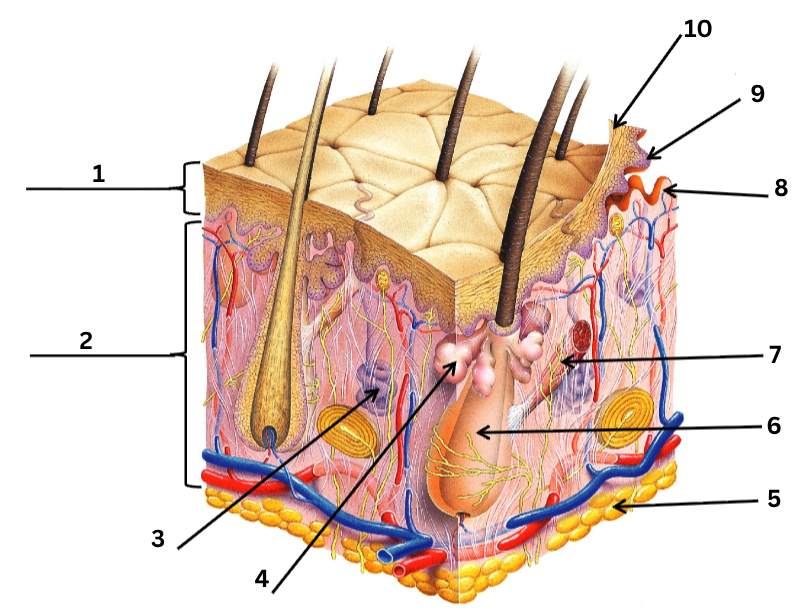
what is the arrector pili muscle composed of?
smooth muscle
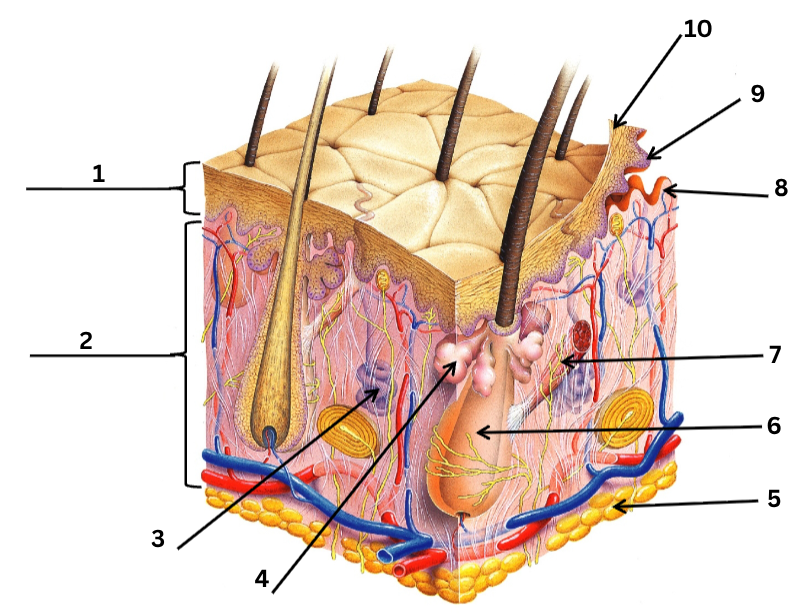
what is #8?
dermal papille
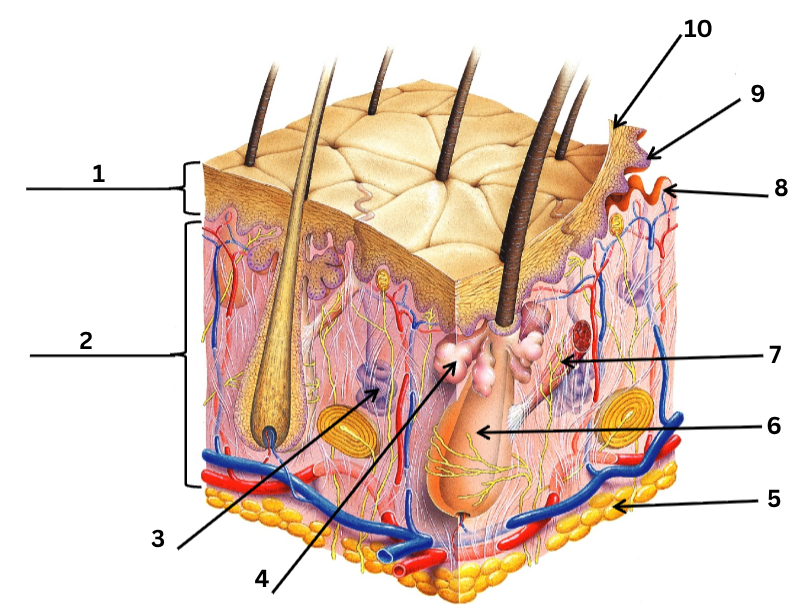
what is #9?
stratum basale
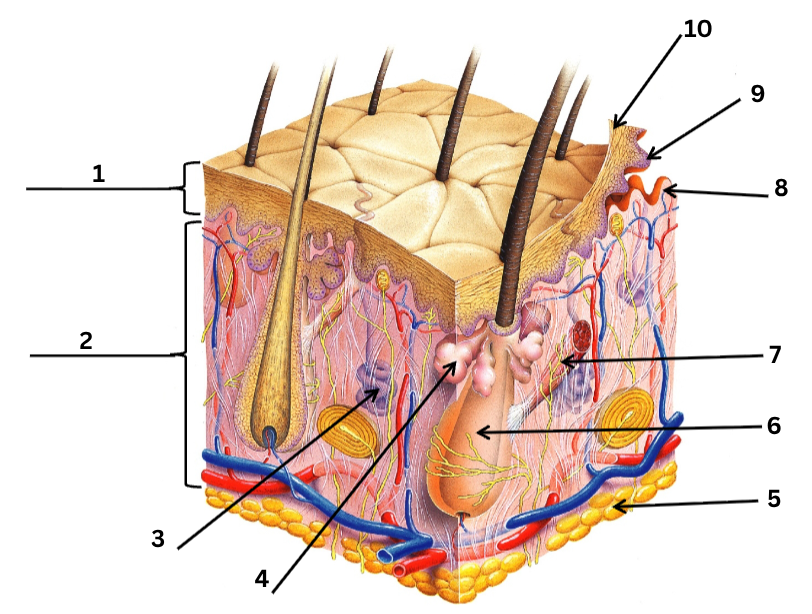
what is #10?
stratum corneum