1 ♡ Physical Fitness, Health-related Fitness Components, & Locomotor/Non-locomotor Movements
 Call Kai
 Learn
Learn Practice Test
 Spaced Repetition
 Match
Match Flashcards
 Knowt Play
1/30

There's no tags or description
Looks like no tags are added yet.
Name | Mastery | Learn | Test | Matching | Spaced | Call with Kai | Chat |
|---|
No analytics yet
Send a link to your students to track their progress
31 Terms
Article 14 Section 19
“The State shall promote physical education and encourage sports programs, league competitions, and amateur sports, including training for international competitions, to foster self-discipline, teamwork, and excellence for the development of a healthy and alert citizenry.”
physical fitness
body’s ability to perform physical activities efficiently without getting tired too quickly
physical fitness: overall health & function
ability of the body systems to work together efficiently
to allow a person to be healthy and perform daily activities
physical fitness: combination of health & skill components
ability to perform daily tasks efficiently and effectively
supported by both health-related and skill-related fitness components
physical fitness: lifelong goal
ongoing process of developing and maintaining physical abilities
through regular exercise, proper nutrition, and healthy habits
physical health
overall condition of your body and how well it functions
physical education
subject or educational program that teaches you about physical activity, fitness, health, and sports
physical exercise
specific physical activity done to improve or maintain fitness and health
fitness components
health-related fitness components
skill-related fitness components
health-related fitness components
exercises performed with the goal of improving physical health and maintaining a healthy lifestyle
cardiovascular endurance
muscular strength
muscular endurance
flexibility
body composition
cardiovascular endurance
ability of the body to take in and deliver oxygen efficiently
helps the heart and lungs work better and provides energy to the body
makes daily activities easier and less tiring
ex. running, walking, swimming, cycling, dancing, boxing, circuit training, and beep test
beep test
divided into 21 levels
run 20 meters between two points
each level gets faster
more shuttles and faster running speed are required
beeps come faster, so you need to run quicker
goal: keep running until you can’t keep up or choose to stop
body composition
ratio of body fat to fat-free mass
fat-free mass includes muscles, bones, organs, and water
healthy body composition helps keep the body healthy
too much body fat can increase the risk of heart disease and type 2 diabetes
ideal balance varies for each person
advanced measurements
bia scanner (bioelectrical impedance analysis)
skin fold analysis
dexa scanner (dual-energy x-ray absorptiometry)
bia scanner (bioelectrical impedance analysis)
uses a small electrical current to estimate body fat and lean mass
skin fold analysis
measures fat under the skin to estimate body fat percentage
dexa scanner (dual-energy x-ray absorptiometry)
uses low-level x-rays to measure bone, fat, and muscle mass
common tests
body mass index (bmi)
waist-hip ratio (whr)
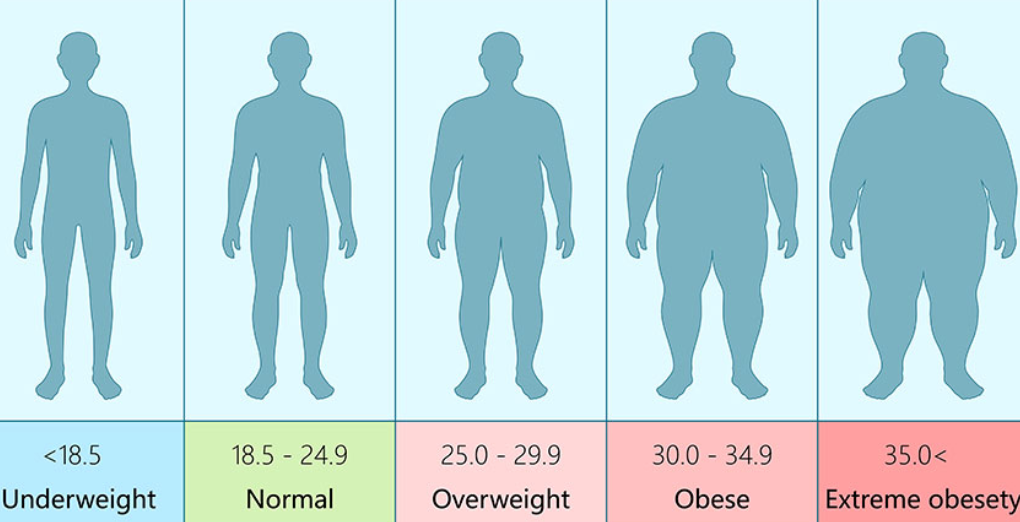
body mass index (bmi)
uses height and weight to estimate if body weight is healthy
categories: underweight, normal, overweight, or obese
helps identify if further health checks may be needed
waist-hip ratio (whr)
compares waist size to hip size
helps show where body fat is stored
can help indicate the risk of health problems
muscular strength
ability of muscles to exert force at high intensities over short periods.
measured using static tests:
dynamometer – measures muscle force
1-rep max (1-rm) – maximum weight you can lift with proper form
focuses on maximum force, not endurance
muscular endurance
ability of muscles to keep working for a longer time
involves repeated movements or holding a position
usually uses lower intensity than muscular strength
examples: pilates, yoga, stair climbing, push-up, squats, and planks
muscular strength = maximum force
muscular endurance = how long muscles can keep working
muscular endurance tests
push-up
measures upper-body muscular endurance
focuses on the chest, shoulders, and arms
squats
measures lower-body muscular endurance
focuses on the hips, thighs, lower back, and supporting muscles
plank
measures core endurance
focuses on the abs, hips, and lower back
flexibility
ability to move a joint through its full range of motion
allows you to move without pain or difficulty
helps with daily activities like bending, reaching, and sitting
improves posture and reduces muscle tension
ex. sit and reach, zipper test
types of stretching
dynamic
static
dynamic stretching
involves controlled movement of joints and muscles
done through repeated, sport-like movements
increases blood flow and muscle temperature
prepares the body for physical activity
can improve flexibility, coordination, and performance
static stretching
involves holding a stretch without moving
usually held for 60–90 seconds
best done after exercise as a cooldown
helps muscles relax and recover
skill-related fitness components
capacity to perform during games and sports
needed to be able to perform the more technical parts of a wide range of sports
types of movement
how the body moves
two main types:
locomotor movements
non-locomotor movements
help develop motor skills and coordination
support fitness, healthy development, and daily activities
locomotor movement
movements that move the body from one place to another
help improve coordination, balance, and endurance
ex. walking, jogging, running, jumping, hopping, skipping, leaping, galloping, sliding, baby crawl, and bear crawl
non-locomotor movement
movements done without moving from one place to another
help develop flexibility, stability, and body control
ex. bending, turning, stretching, twisting, pushing, pulling, and swaying