maternity exam 1
 Call Kai
 Learn
Learn Practice Test
 Spaced Repetition
 Match
Match Flashcards
 Knowt Play
1/70

There's no tags or description
Looks like no tags are added yet.
Name | Mastery | Learn | Test | Matching | Spaced | Call with Kai | Chat |
|---|
No analytics yet
Send a link to your students to track their progress
71 Terms
what system is developed first
cardiovascular
heart beating during week 4
presumptive signs of pregnancy
subjective signs perceived by the woman
nausea and vomiting - common wk 2-12
amenorrhea
fatigue
breast changes begin at 2 to 3 wks
probable signs of pregnancy
objective sings
physiological and anatomical changes perceived by the HCP
chadwicks sign - bluish purple coloration of the vaginal and cervix
goodells sign softening of the cervix
uterine and abdominal growth
dkin hyperpigmentation
positive pregnancy test
positive signs of pregnancy
auscultation of fetal heart by 10 to 12 weeks gestation
observation and palpation of fetal movement around 20 weeks
sonographic visualization of fetus
L/S ratio
lecithin and sphingomyelin
if 2:1 ratio demonstrates lungs are mature
around 35 weeks
Lecithin is the main active component of pulmonary surfactant
Sphingomyelin is a nonpulmonary lipid present in the fetal lung before surfactant production ramps up
hPL
human placental lactogen
causes slight insulin resistance so more glucose in blood that can get to fetus and therefore baby has more energy bc glycogen is main energy source for fetus
ductus arteriosus
shunt between aorta and pulmonary artery
allows more blood to shunt away from lungs and instead to body
special adaptations for fetal circulation
increased Hbg oxygen carrying capacity
increased Hbg concentration
increased cardiac output due to increased HR
vessels in umbilical cord
2 umbilical arteries that carry deoxygenated blood from the fetus
1 umbilical vein that carries oxygenated blood to the fetus
amniocentesis
prenatal test of the amniotic fluid
what surrounds the umbilical vessels
whartons jelly as cushion
what do the chorionic vili embed into?
the decidua (endometrium)
cotyledons
lobes of maternal side of the placenta
what forms the fetal side of the placenta
chorionic membrane from trophoblast cells and chorionic vili
oligohydramnios
too little amniotic fluid
what does endoderm form
mucosa of esophagus and intestines and respiratory tract
“inside stuff out”
morula
8 cell division next step is blastocyst
GTPAL
gravity
term birth
preterm birth
abortion - loss before 20 weeks
living children
G#P###
chorion
two layers
outer is trophoblast
inner is mesoderm
mesoderm touches amnion
ectoderm
becomes nail, skin, hair,
outer layer of germ layers
BBT
basal body temperature
rises after ovulation
max fertility window
6 days
sperm lives 5 days
ovum lives 1
GnRH
Gonadotropin-releasing hormone
released from hypothalamus
released during period and continues until ovulation
causes anterior pituitary gland to release FSH and LH
what releases estrogen during proliferative phase
developing follicles
dominant follicle will take over around day 7
dominant follicle will cause spike in estrogen
estrogen spike happens 1-2 days before ovulation
primary fetility signs
BBT - basal body temp
cervical fluid - gets increasingly wet clear and stretchy as ovulation approaches
foramen ovale
shunt between left and right atrium
allows for blood to bypass lungs
Phytonadione
vitamin k
shot given to newborns so they can clot
renal system of newborn
Fully functional at birth
Low glomerular filtration rate – high likelihood of dehydration
More susceptible to overhydration & dehydration
what causes fetal macrosomia
uncontrolled maternal diabetes
Islets of Langerhans
regulate blood glucose levels by secreting hormones
located in pancreas
what type of antibodies cross the placenta
IgG
passive immunity
EDD
estimated date of delivery
how to calculate EDD
take date of first day of LMP (last menstrual period)
minus three months then add seven days
what does Para refer to
the number of pregnancies after 20 weeks
whether live or still births
what antibody type is in breastmilk
IgA
large amounts in colostrum
prima
refers to first
primigravida is first time pregnancy
striae
stretch marks
anemic levels for pregnant women
hemoglobin less than 11
blood volume increases during pregnancy so mild anemia is normal
fetus produces what type of antibody
IgM
by end of first trimester
LH
LH spike causes follicle to rupture and to release ovum
LH helps ovarian follicles mature in the first part of the menstrual cycle
FHR
fetal heart rate
external EFM
Ultrasound transducer records fetal heart rate
TOCO
TOCO
tocodynamometer
measures contractions
cant record intensity
less accurate
FSE
fetal scalp electrode
continuous monitoring
IUPC
intrauterine pressure catheter
objective contraction pressure
how to count duration on EFM
from start of contraction to end of contraction
how long does ductus arteriosus stay open after birth
15 hours
non-shivering thermogenesis
babies metabolize brown fat to use as heat- doesn’t last long tho
types of heat loss in infants
radiation - heat loss thru objects around\
evaporation - water on baby evaporating off
conduction - object baby is laying on takes heat
convection - air flow
axillary temp
36.5 - 37.2 degree Celsius
normal variations in heart rate
sleeping 90-110
crying 160-180
how often go to drs when preggo
every 4 weeks until 28 wks
every 2 wks 29-36 wks
every week 36 wks to 40
FSE
fetal scalp electrode
fetal heart rate
more accurate than ultrasound transducer (external FHR monitor bc that can have gaps when baby moves)
fetal movement assessment
fetal kick count
at least 10 an hour
if less - then do nonstress test
NST
nonstress test
uses EFM to look at fetal wellbeing
can also be preventative measure done weekly if baby is high risk
doppler flow studies
many types of dopplers
used to look at blood flow from placenta to fetus
most often umbilical artery doppler bc placenta has resistance
uses abdominal ultrasound
biophysical profile
NST and US assessment
US assessment
Ultrasound assessment is done with a nonstress test to make up a biophysical profile
US assessment consists of
breathing
tone
movement
amniotic fluid
fundal height assessment
identify growth of uterus
should feel at umbilicus at 20 weeks
measure in centimeters from pubic symphysis to top of fundus
should be +/- 2 cm of gestational age
cell free DNA testing
done in first trimester after 10 weeks
aneuploidy test
RhoGAM dose
300 mcg IM
given 28 wks and within 72 hrs postpartum if needed
how many contractions should you see during labor
5 or less over 10 minutes
external contraction monitoring
palpate uterus
resting tone is soft
if mild contraction - feels like nose
moderate - chin
strong - forehead
how to figure out intensity of contraction using IUPC
take peak IUP and subtract baseline
tachysystole
one of three things
more than 5 contractions in 10 minutes
contractions for less than one minute apart
contractions last for moe than two minutes
this is bad bc doesnt allow proper blood flow to placenta and fetus cant get enough oxygen
fetal heart rate variability
Irregular fluctuations in FHR
Biggest indicator if fetus is getting enough oxygen
want to have moderate variability (6-25 bpm)
chadwicks sign
blueish color of vagina and cervix
probable sign of pregnancy
NT test
nuchal translucency test
11-13 weeks
chromosomal abnormalities
specialized ultrasound that measures the thickness of fluid (nuchal translucency) at the back of the fetus’s neck
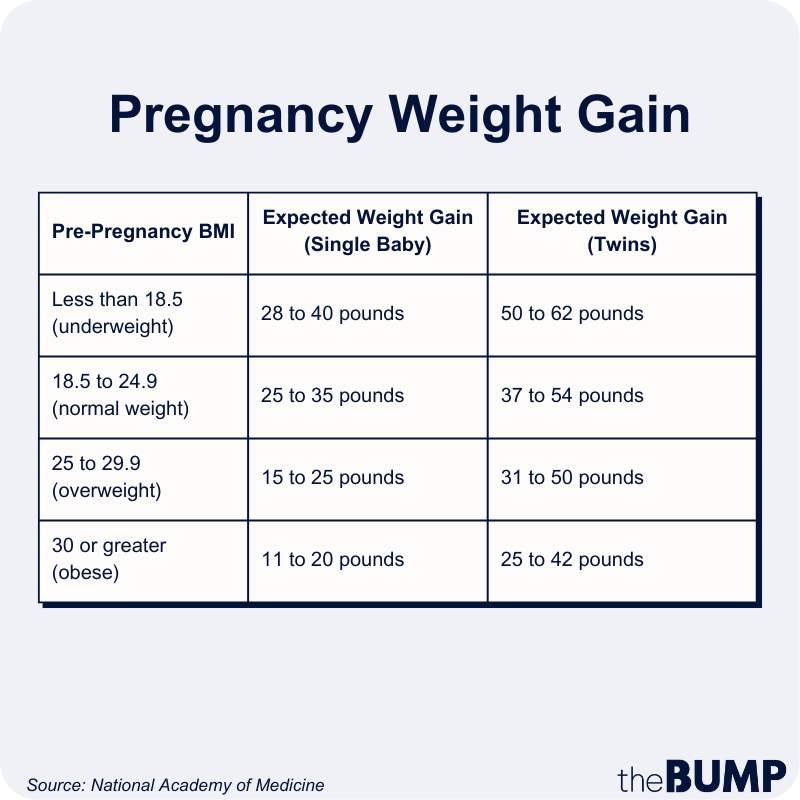
appropriate weight gain during pregnancy
para
delivery
primipara - a woman who has delivered once at or beyond 20 weeks’ gestation
MSAFP
Maternal serum alpha-fetoprotein (MSAFP) is a protein produced by the fetus during development. Although the fetus produces AFP, it enters the mother’s bloodstream, allowing healthcare providers to measure its levels through a blood test. High AFP levels may indicate a neural tube defect such as spina bifida, while low levels may suggest chromosomal abnormalities like Down syndrome (trisomy 21) or trisomy 18
during second trimester
16-18 weeks