(4) Holy Roman Empire / Germany: Notable Writers and Notable Literary Developments
 Call Kai
 Learn
Learn Practice Test
 Spaced Repetition
 Match
Match Flashcards
 Knowt Play
1/9

There's no tags or description
Looks like no tags are added yet.
Name | Mastery | Learn | Test | Matching | Spaced | Call with Kai | Chat |
|---|
No analytics yet
Send a link to your students to track their progress
10 Terms
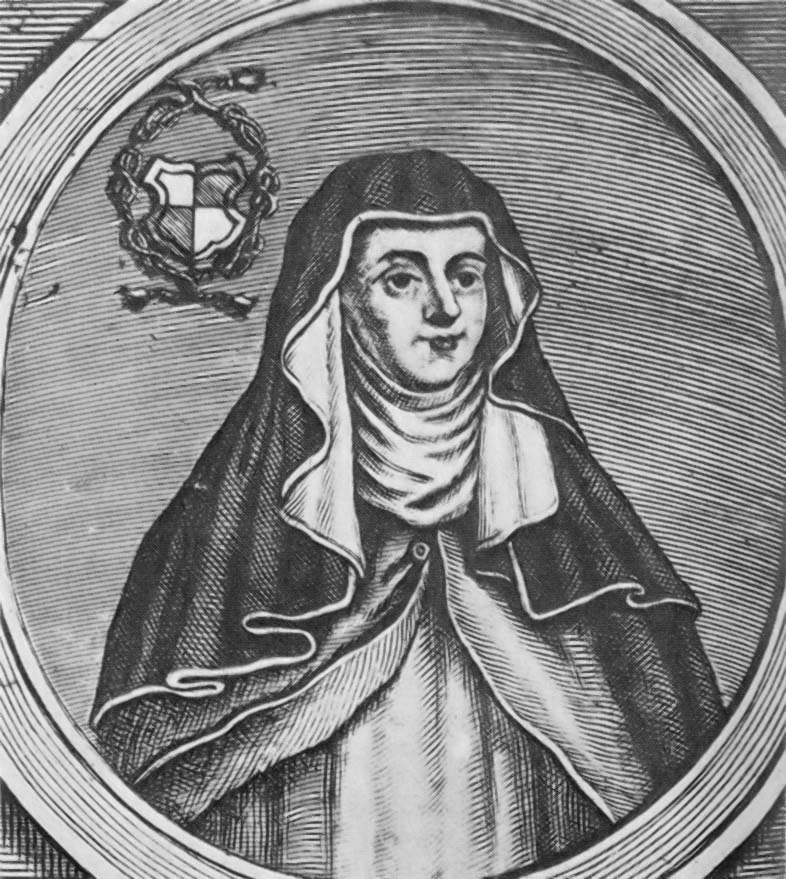
935 - 973 - Hrotsvitha of Gandersheim (All Facts)
(Catholic) Saxon (German) Canoness (Writer)
She was the first known German woman writer
She was the first European playwright since antiquity
She wrote six Latin plays
which dealt chiefly with Christian virgin martyrs
which included some
graphic torture scenes similar to those in early accounts of the lives of the saints
moving scenes of the conversion of prostitutes
including
Abraham
Callimachus
Dulcitius
Gallicanus
Panutius
Sapientia
She wrote other works including
narrative poems
legends of the saints
1200s - Nibelungenlied (All Facts)
Middle High German epic of the Holy Roman Empire
Written by an anonymous Austrian with manuscripts originating at the time
Its hero is Siegfried
It has connections with Scandinavian legends
It has influenced many writers and composers, most notably Richard Wagner
1280s - Tannhauser (All Facts)
Knight and Poet of the Minnesinger School, whose exploits were described in legend and ballad at the time
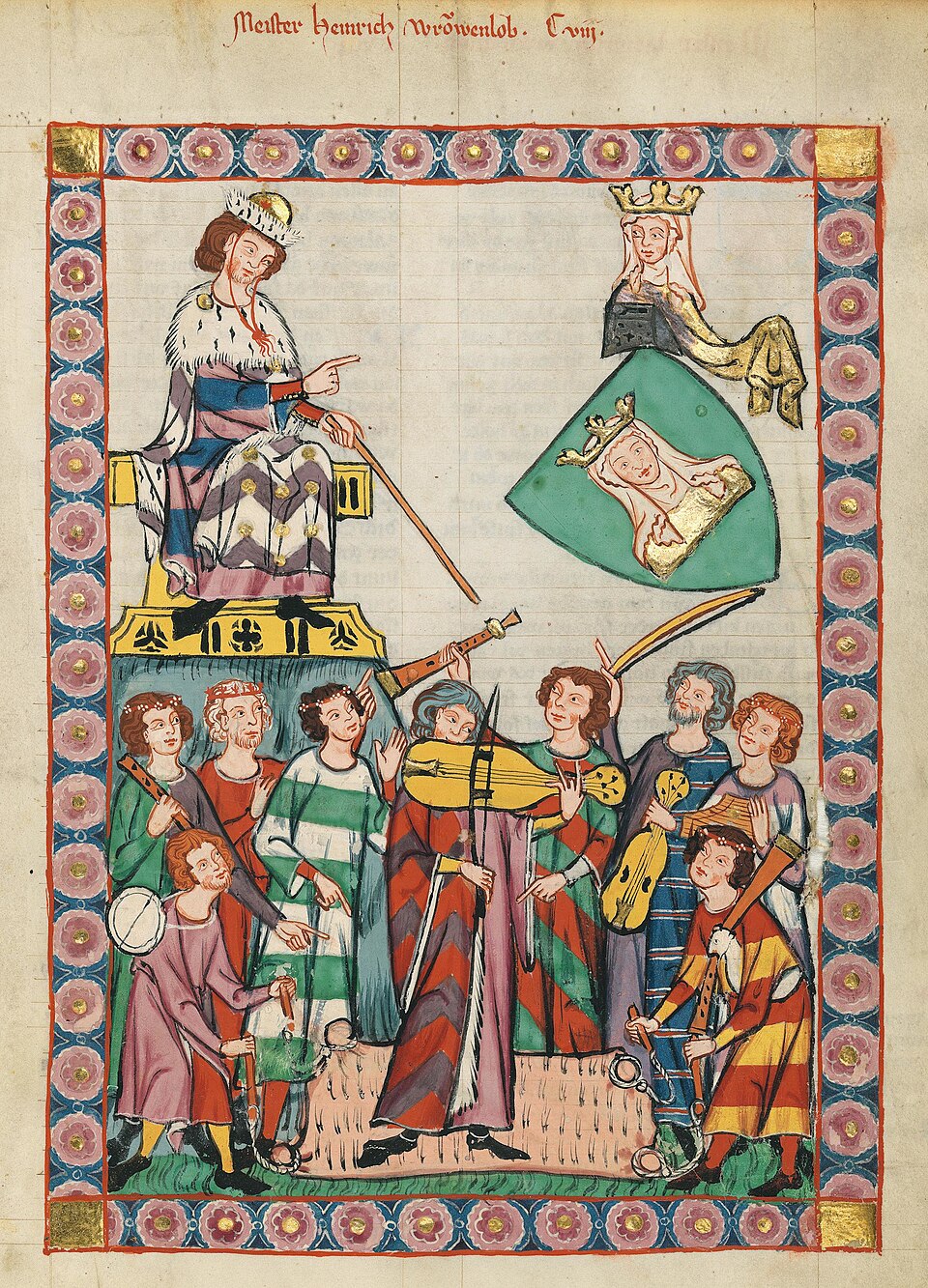
1250 - 1318 - Heinrich Frauenlob (All Facts)
Representative of the school of middle-class poets who succeeded the knightly Minnesingers
He and his school adapted Minnesinger traditions to poems dealing with theology and philosophy
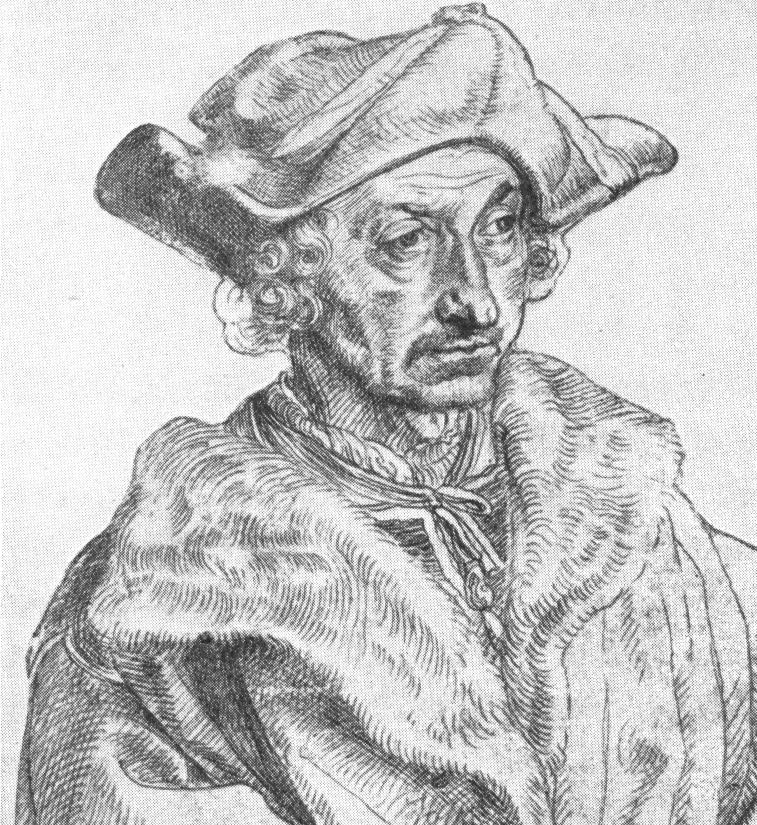
1458 - 1521 - Sebastian Brant (All Facts)
German Humanist Writer
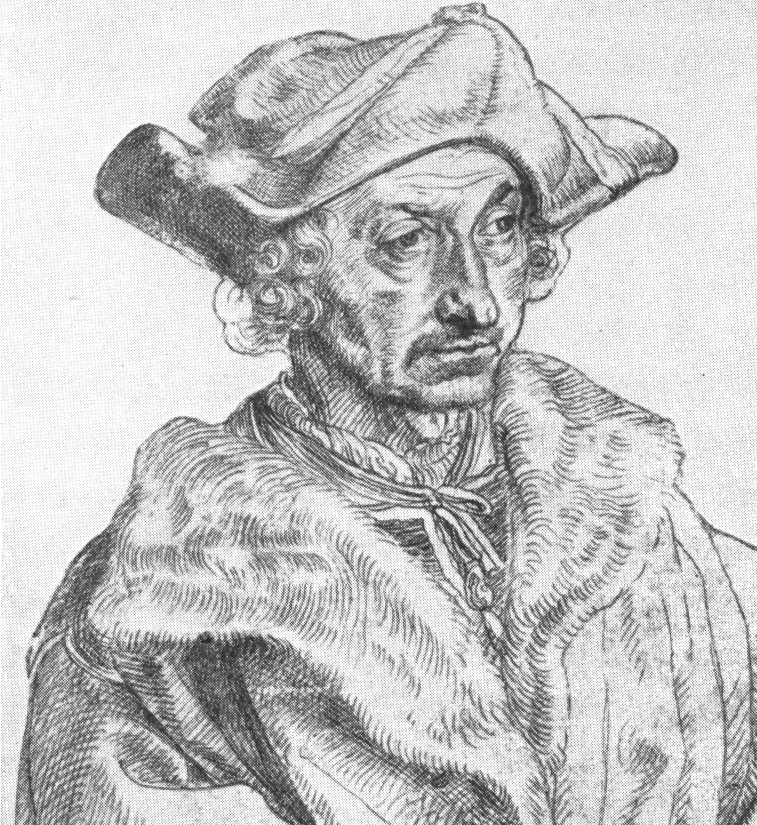
1494 - Sebastian Brant: Ship of Fools (All Facts)
German satirical writing which reached the common man in the popular and influential namesake work, which mocked vice in rhyming couplets
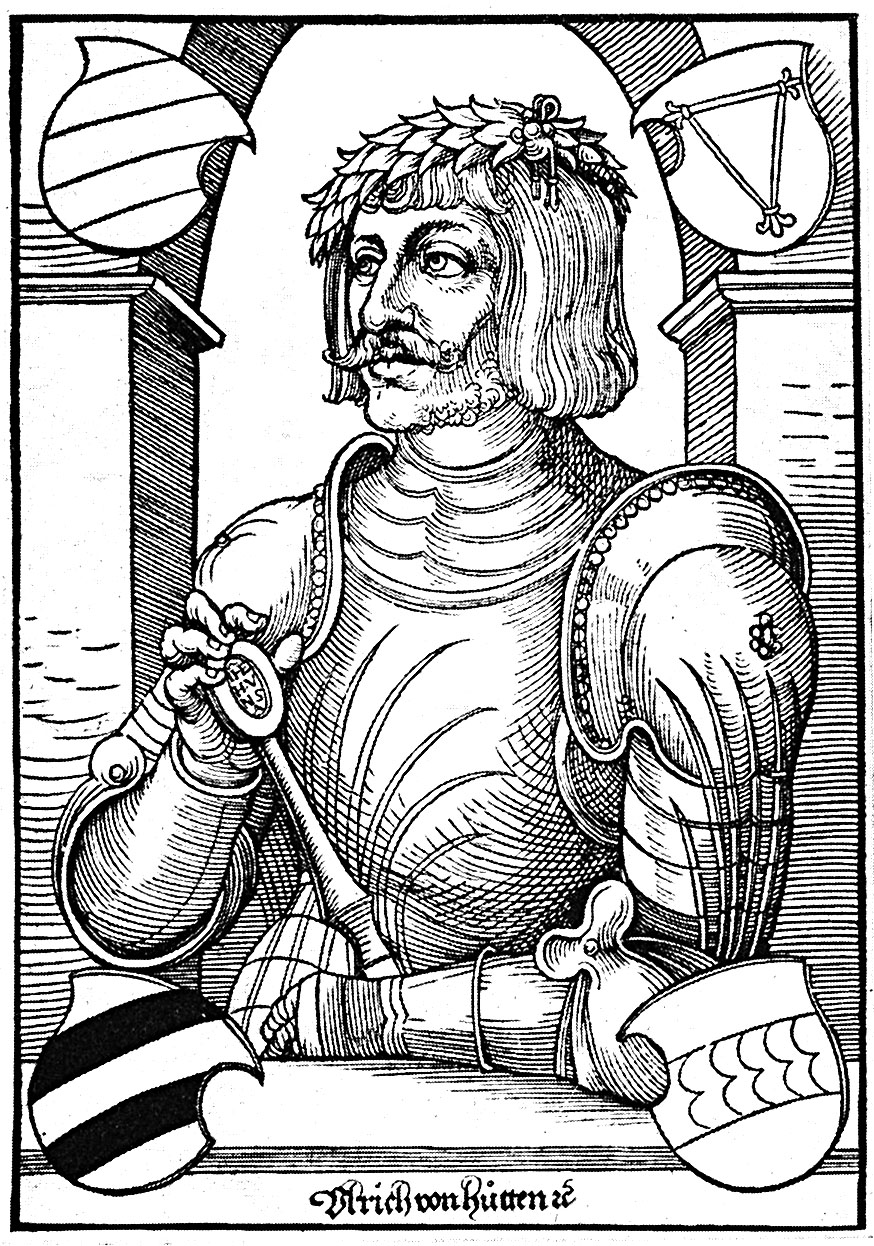
1488 - 1523 - Ulrich von Hutten (All Facts)
German Humanist Poet
He came from a wealthy Franconian noble family
He studied Greek and Latin in Bologna
He was noted for the elegance and eloquence of his Latin poetry and prose
He never ceased to stress the warrior code of a nobleman of the Holy Roman Empire
He was a staunch opponent of the Roman Catholic Church
He was something of a hothead and had long had a reputation for ferocious anti-clericism
1505 - 1562 - George Wickram (All Facts)
German Poet and Novelist
He is considered by some to be the first German novelist or to have written the first German novel
1557 - George Wickram: Der Goldfaden (All Facts)
Work which is regarded as the earliest attempt in German literature to create modern middle-class fiction which ultimately took the place of the decadent medieval chivalric romance
Work which some historians consider the first German novel