3- Electric Circuits
 Call Kai
 Learn
Learn Practice Test
 Spaced Repetition
 Match
Match Flashcards
 Knowt Play
1/157

There's no tags or description
Looks like no tags are added yet.
Name | Mastery | Learn | Test | Matching | Spaced | Call with Kai | Chat |
|---|
No analytics yet
Send a link to your students to track their progress
158 Terms
Potential Divider
A circuit with a voltage source and a couple of resistors in series
What does a potential divider do
Split the potential difference in the ratio of the resistances
Why are potential dividers used
If you need a potential difference lower than the voltage source
Potential Divider equation
Vout = (R2/R1+R2) x Vs
What are potential dividers mainly used for
Calibrating voltmeters
How can the output voltage of a potential divider be varied
Using a variable resistor
How does increasing the resistance of R1 affect the output voltage of a potential divider
It will decrease
Why are voltmeters calibrated using potential dividers
You can vary the output voltage using a variable resistor and measure if the value on the voltmeter is correct
Explain why voltmeters are mainly used for potential dividers and not other devices
When attached to the resistor, the device will behave like a resistor in parallel, where the total resistance will always be less than R2 so the output voltage is slightly less. Voltmeters have a high resistance, making the decrease in total resistance negligible
Explain how a light sensor works
The circuit is a potential divider using an LDR. At higher light levels, the resistance will be lower, giving a higher output voltage
Explain how a temperature sensor works
The circuit is a potential divider using an NTC thermistor. As temperature increases, resistance decreases, giving a higher output voltage
Uniform wire
The same cross-sectional area and material throughout
Flying lead
Wire that curves
Explain how the length of a wire affects potential difference across the length
The resistance of a uniform wire is proportional to its length. This means that the potential difference of a wire is proportional to its length
How does increasing the length of a wire affect the potential difference across that wire
Increases
How does a potentiometer work
One variable resistor is used instead of 2 resistors, but a slider acts to separate it into 2. The slider changes the length of the resistor, which changes the output voltage
Potentiometer
Gives a variable voltage
Is charge in a circuit used up
No
Kirchhoff’s First Law
The total current entering a junction = the total current leaving it
Explain Kirchhoff’s First Law
Current is the rate of flow of charge and as charge in a circuit isn’t used up or lost, the same charge will flow out of a junction that went in
What may Kirchhoff’s Laws be called instead
Conservation laws
Kirchhoff’s Second Law
The total e.m.f around a series circuit = the sum of the p.d.s across each component
Kirchhoff’s Second Law equation
ε = ΣIR
Explain Kirchhoff’s Second Law
Energy transferred to a unit charge is e.m.f and energy transferred from a unit charge is potential difference, so these must be equal in a closed loop
Current in a series circuit
The same at all points
Electromotive force in a series circuit
Split between components
Resistance in a series circuit
Total resistance shared between all components
Current in a parallel circuit
Split at a junction
Potential difference in a parallel circuit
Equal for each loop in parallel
Resistance in a parallel circuit
1/Rtotal = 1/R1 + 1/R2 + 1/R3…
Explain the resistance in a series circuit
e.m.f is split across components by Kirchhoff’s 2nd Law so ε = V1 + V2 + V3. V = IR, so IRtotal = IR1 + IR2 + IR3. Cancel I for Rtotal = R1 + R2 + R3
Explain the resistance in a parallel circuit
The current for each resistor is spread between each loop. For each loop it I = V/R so the total current for the loops = V/Rtotal = V/R1 + V/R2 + V/R3. Cancel out V such that 1/Rtotal = 1/R1 + 1/R2 + 1/R3
How does resistance in circuits occur
Electrons colliding with atoms and losing energy
Internal resistance
the resistance of a battery
Explain how batteries can have internal resistance
Batteries use chemical energy to make electrons move- these electrons collide with atoms in the battery- losing energy, so causes resistance
Why do batteries warm up after use
Internal resistance
Load resistance
Total resistance of components in the external circuit
Electromotive force
The total work the battery does on each coulomb of charge
What is electromotive force measured in
Volts
What is the symbol for electromotive force
ε
Terminal potential difference
The work done when one coulomb of charge flows through the load resistance
With no internal resistance, how would the relationship between terminal potential difference and electromotive force change
They would be equal
Lost volts
Work done per coulomb of charge overcoming internal resistance
Load resistance symbol
R
Internal resistance symbol
r
Terminal potential difference symbol
V
Lost volts symbol
v
Electromotive force equation 1
ε = V + v
Electromotive force equation 2
ε = I(R + r)
Electromotive force equation 3
ε = V + Ir
Experiment to investigate electromotive force and internal resistance
1- Vary the current using a variable resistor
2-Measure the potential difference across the cell for different values of current
3- Plot a graph of potential difference against current
4- The gradient is -r and the y-intercept is ε
Explain an easier way to measure ε of a power source
Connect a voltmeter across a power source. They have a high resistance, so only a small current will flow through them, meaning the value of ε will only be slightly smaller than the true value
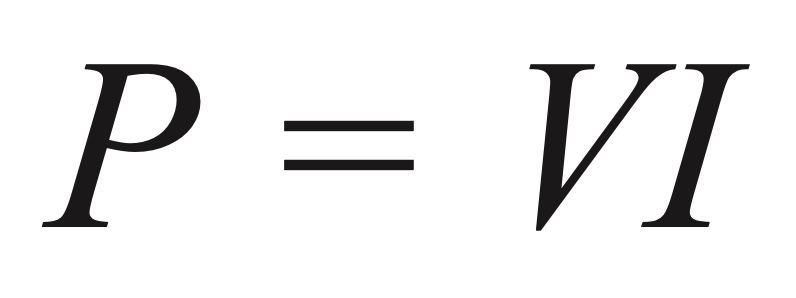
Power in circuits equation 1
P = VI
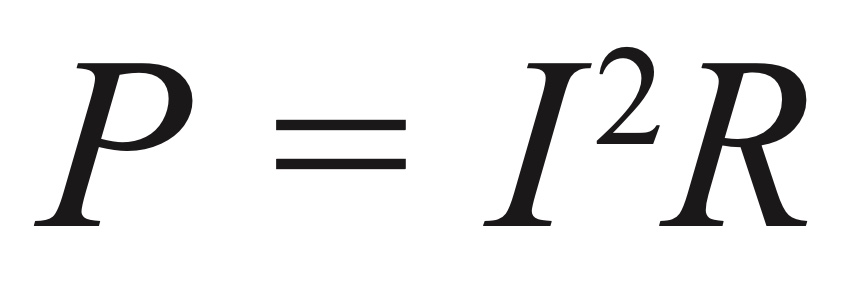
Power in circuits equation 2
P = I2R
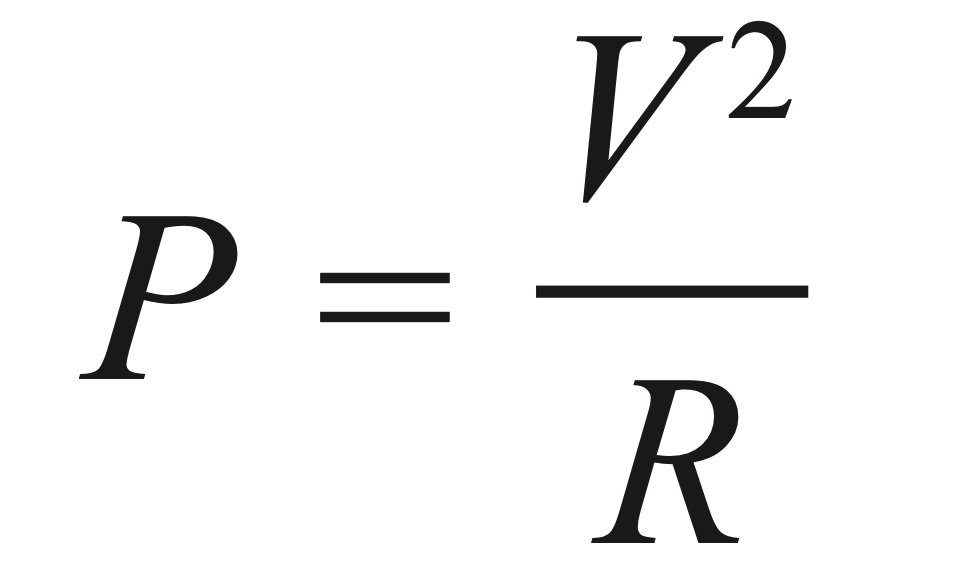
Power in circuits equation 3
P = V2/R
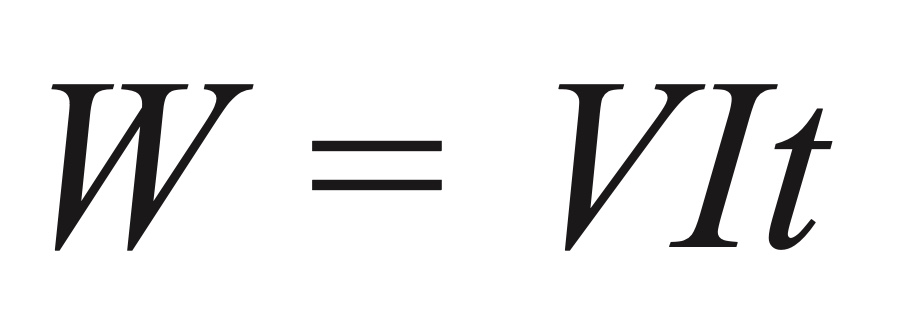
Work done in a circuit equation
= VIt
Experiment to investigate the power output of a motor
1- Attach a mass to a motor and connect the motor to a circuit. Close the switch so the motor will turn on, winding the string around the axle and raising the mass
2- Record the time taken for the motor to raise the mass a set distance using a stopwatch and metre ruler
3- Calculate work done against gravity with ΔEgrav= mgΔh, then find power with P = W/t
How to find the efficiency of a motor with a known power
Measure the potential difference across the motor and the current through it to find the input power with P=IV, then find efficiency with useful power output/total power input
I-V characteristic
A graph which shows how the current flowing through a component changes as the potential difference across it is increased
How to change the potential difference and current to investigate the I-V characteristics
Variable resistor
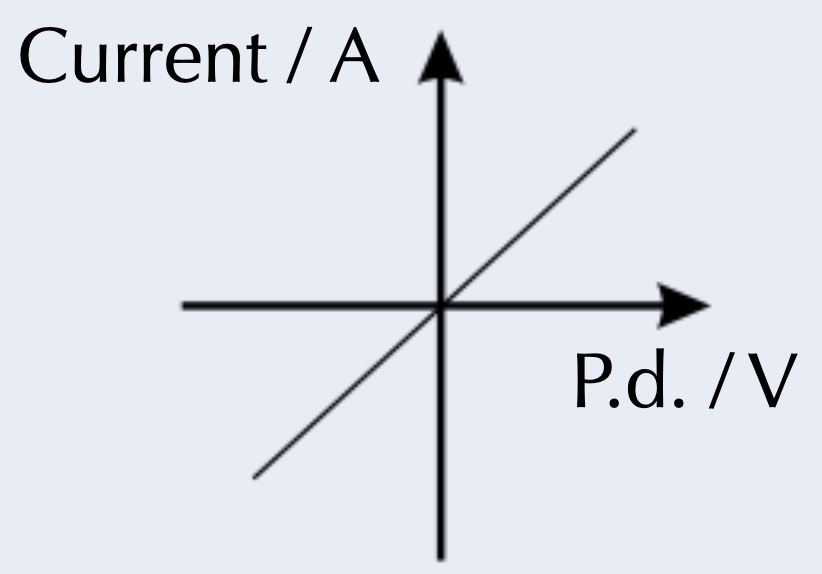
I-V characteristic for a metallic conductor
Directly proportional
How to find resistance from an I-V graph
1/gradient
Are metallic conductors ohmic
Yes
What must be kept constant when investigating I-V characteristics
Temperature
Filament in a lamp
Coiled up length of copper wire
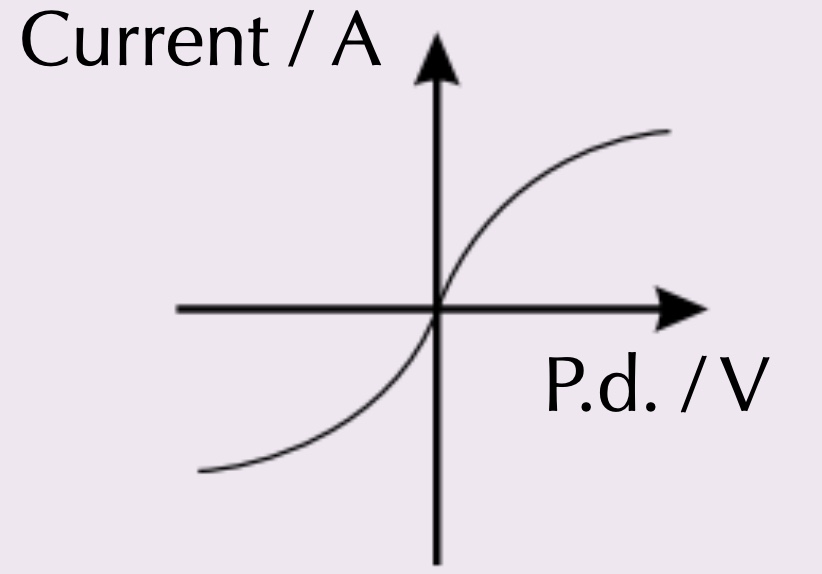
Explain the I-V characteristic of a filament lamp
The current flowing through increases its temperature, increasing resistance
How is charge carried through metals
By free electrons in a lattice of positive ions
Explain how increasing temperature affects resistivity
The lattice of positive ions vibrate more, so electrons collide with them more often and transfer away their kinetic energy. This decreases the speed of electrons, decreasing the mean drift velocity, which is directly proportional to current so decreases current, increasing resistivity.
Resistivity of semi-conductors compared to normal metals
Higher
Explain the resistivity of semi-conductors
Higher as there are fewer charge carriers available
Explain how increasing temperature affects the resistivity of semi-conductors
The increase in temperature provides energy to release more charge carriers, increasing current, decreasing resistivity
How does increasing the temperature of a semi-conductor affect its resistivity
Decreases
How does increasing the temperature of a metal affect its resistivity
Increases
What are semi-conductors used for
Sensors for change in their environment
Semi-conductor examples
-Thermistor
-LDR
-Diode
How does increasing temperature affect the resistance of an NTC thermistor
Decreases
Main type of thermistor
NTC thermistor
NTC thermistor
Negative temperature coefficient thermistor
Draw an I-V graph for a metallic conductor
Draw a I-V graph for a filament lamp
Draw an I-V graph for an NTC thermistor
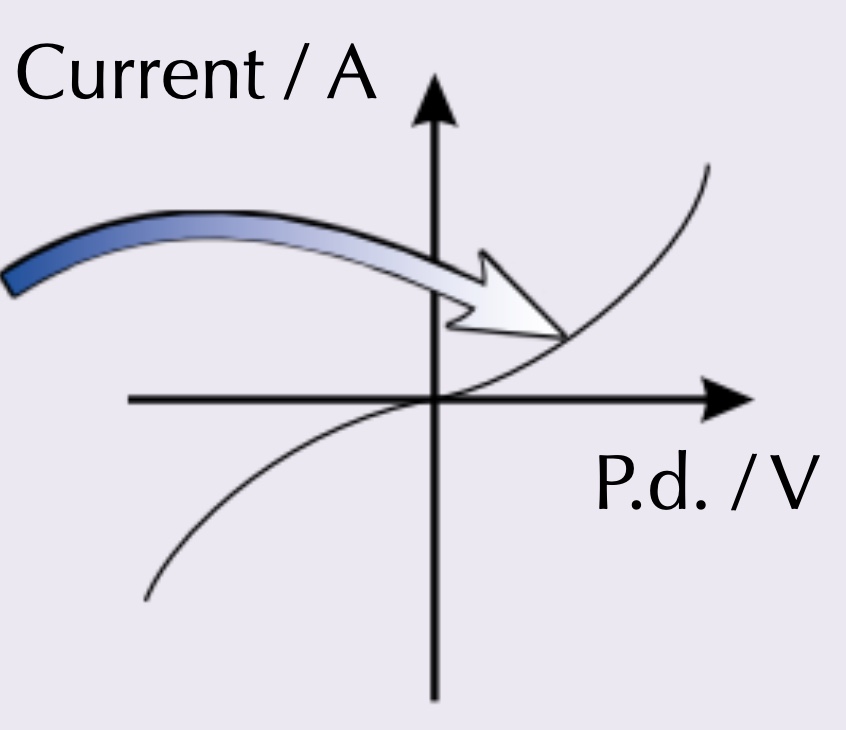
Explain the I-V characteristic of a thermistor
As voltage increases, current increases, increasing temperature, decreasing resistance
Explain how heating thermistor works
This gives electrons enough energy to escape from their atoms, so there are more charge carriers available, increasing current, decreasing resistance
Why aren’t semiconductors’ resistance increased due to the vibrations of ions
The effect of the vibration of ions is much less than the release of more charge carriers
How does a greater light intensity affect an LDR’s resistance
Decreases
Explain how an increase in light intensity affects an LDR’s resistance
The light provides energy to electrons to escape out of their atoms, meaning more charge carriers, so a higher current can flow, decreasing resistance
Filament lamp circuit symbol
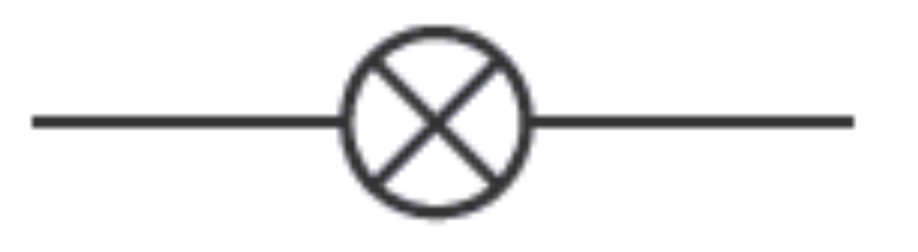
Variable resistor circuit symbol
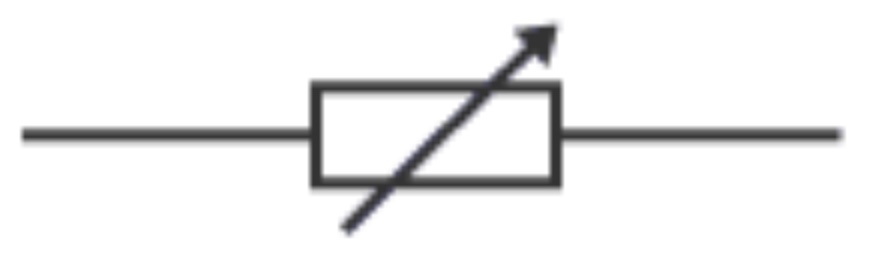
Thermistor circuit symbol
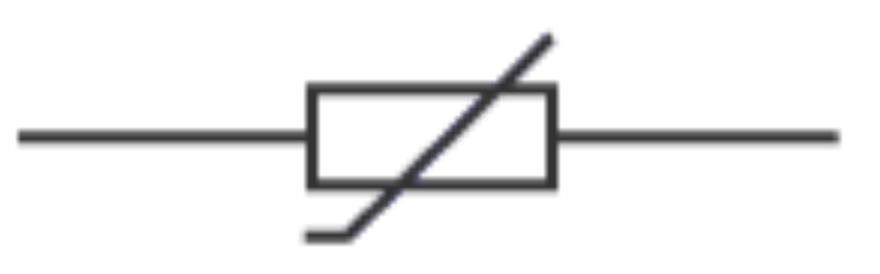
LDR circuit symbol
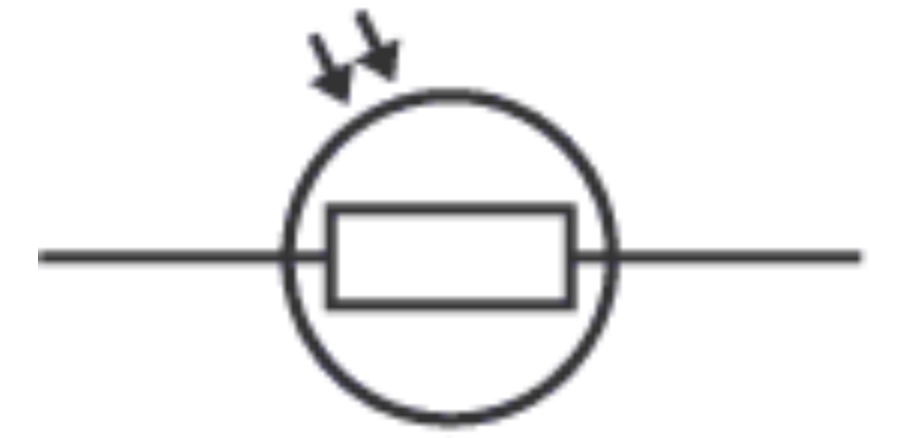
Diode circuit symbol
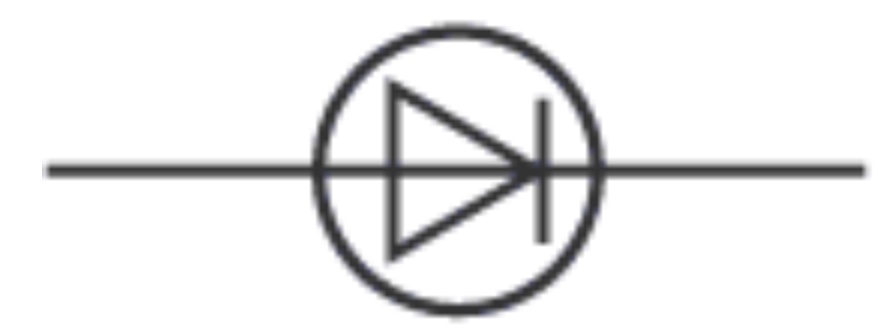
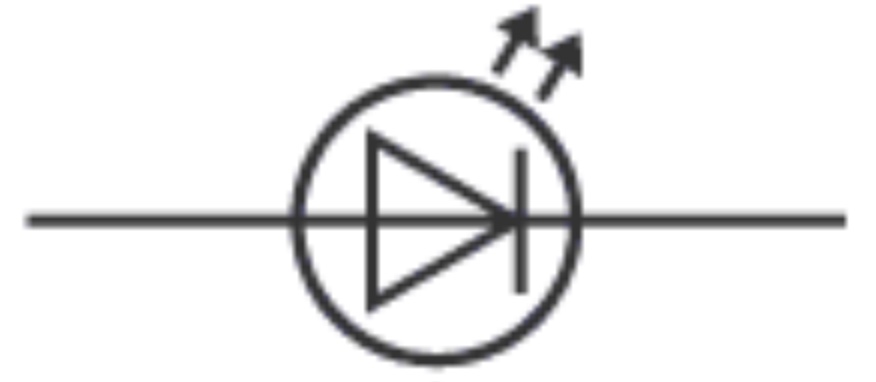
LED circuit symbol
Forward bias
The direction which the current in the diode can flow
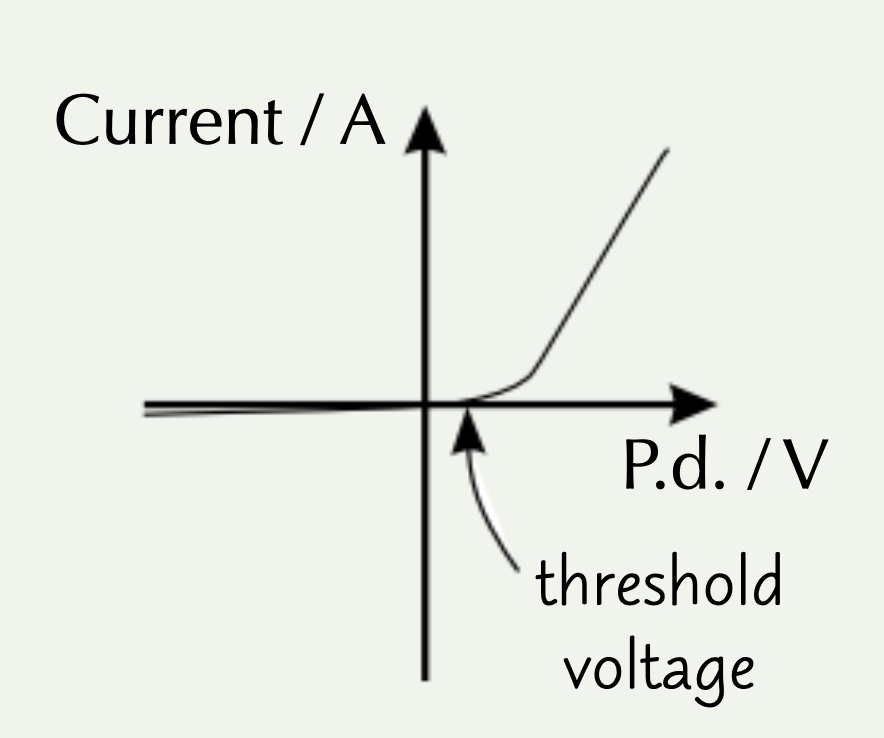
Threshold voltage
The voltage most diodes require in the forward direction before they will conduct
Normal threshold voltage for a diode
0.6
Explain why current doesn’t flow in reverse bias
the resistance is very high, so the current is tiny
Draw an I-V graph for a diode
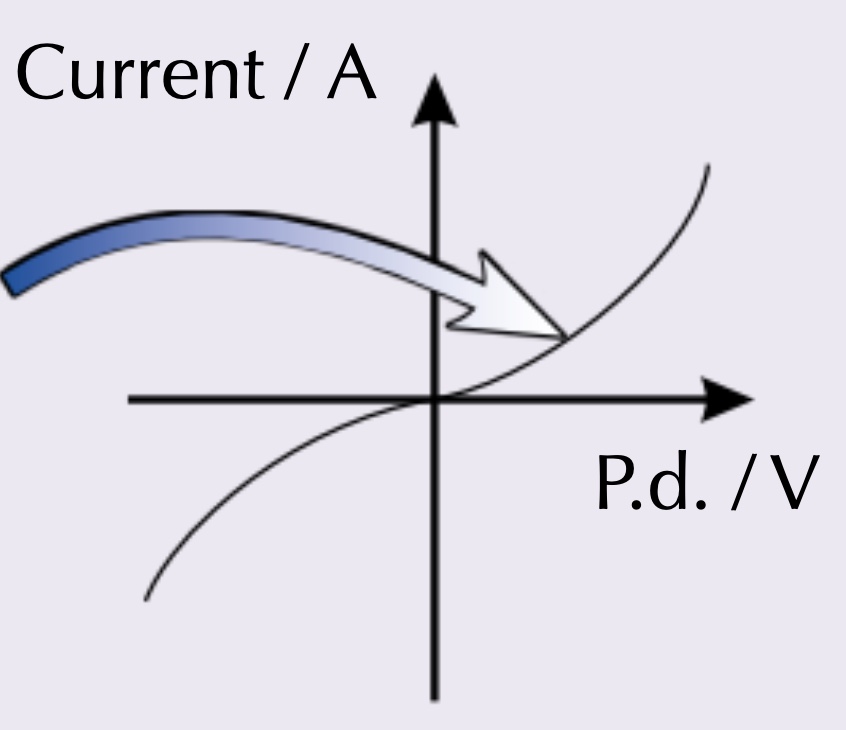
Draw an I-V graph for an LDR
Current equation
I = ΔQ/Δt
Current
The rate of flow of charge