anat and phys week 1
 Call Kai
 Learn
Learn Practice Test
 Spaced Repetition
 Match
Match Flashcards
 Knowt Play
1/44

There's no tags or description
Looks like no tags are added yet.
Name | Mastery | Learn | Test | Matching | Spaced | Call with Kai | Chat |
|---|
No analytics yet
Send a link to your students to track their progress
45 Terms
anatomy
form of the body
physiology
function of the body
anatomical position
standing upright
feet flat on the floor
arms at the sides
palms, eyes & face forward
left or right is used in reference to the subject
anterior/ventral (torso)
front of body
posterior/dorsal (torso)
back of body
lateral (torso/extremities)
away from the midline of the body
medial (torso/extremities)
toward the midline of the body
proximal (extremities)
near the point of attachment
distal (extremities)
far from point of attachment
unilateral
one side affected/included
bilateral
both sides affected/included
contralateral
opposite side affected
deep
far from the surface/skin of the body (like the bone)
superficial
toward the surface/skin of the body (like the muscle)
supine
lying face up
prone
lying face down
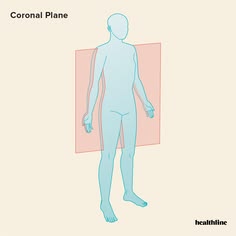
coronal (anatomical plane)
front/back division
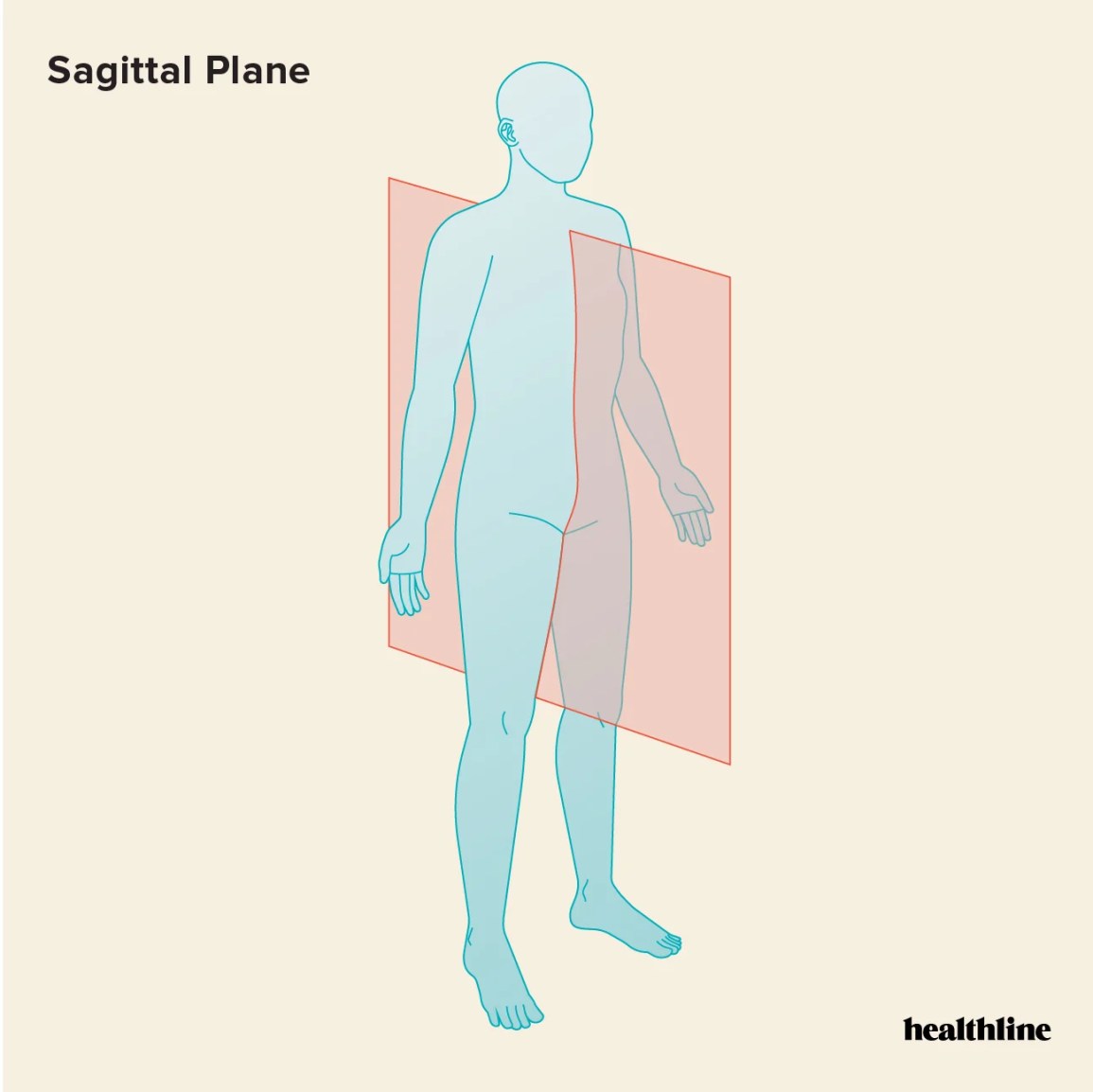
sagittal (anatomical plane)
left/right division
transverse (anatomical plane)
upper and lower division

if a movement is described in terms of a plane, where does it occur?
parallel to that plane
flexion (movement in the sagittal plane)
bending movement that decreases the angle in a joint by bringing the bones together (like elbow)
extension (movement in the sagittal plane)
straightening movement that increases the angle in a joint by putting space between bones
plantar flexion / dorsal flexion (movement in the sagittal plane)
occurs at the ankle joint, pointing toes down (inferior) or pulling toes up (superior)
abduction (movements in the coronal plane)
lateral movement away from the midline of the trunk/torso
adduction (movements in the coronal plane)
movement medially toward the midline of the trunk
lateral flexion (movements in the coronal plane)
lateral bending of the head or trunk
elevation - scapulae (movement in the coronal plane)
moving shoulders up and down
eversion - ankle (movement in the coronal plane)
angling of plantar surface of foot laterally
inversion - ankle (movement in the coronal plane)
angling of plantar surface of foot medially
rotation left and right (movement in the transverse plane)
applies to rotation of the head, neck, or trunk
pronation and supination
forearm movement, in anatomical position, forearm/hand is supinated
i.e hold the soup → supination
spill it → pronation
axial region
head, neck, and trunk
parts of the axial region: head
Cephalon
Cranium
Facies/Face
Frons/Forehead
Oculus
Oris
Auris/ear/otic
Bucca
Mentis/Mental
parts of the axial region: trunk
Cervicis/Cervical
Thoracis/Thorax
Lumbar
Abdomen (not stomach)
Umbilicus
Pelvis/Pelvic
Inguen/Inguina
parts of the appendicular region: upper extremities
Appendicular region = upper and lower limbs
Upper extremity/limb = Arm/brachium & Forearm/antebrachium
Lower extremity/limb = Thigh & Leg
Axilla
Brachium/Arm
Antebrachium/Forearm
Olecranon
Carpus
Palm/Palmar surface
parts of the appendicular region: lower extremities
Thigh
Leg
Gluteus/Gluteal
Popliteus/Popliteal
Patella/Patellar
Dorsal surface
Plantar surface
surface anatomy - abdominopelvic quadrants
useful in identifying structures or symptoms in a clinical setting
4, right and left, upper and lower
OR
sometimes 9, right and left: hypochondriac, lumbar, umbilical, pelvic
body cavities
spaces within the body that protect organs and permit change/movement/growth
major body cavities
dorsal, ventral
dorsal cavity
cranial cavity (brain), vertebral canal (sp. cord)
ventral body cavity
thoracic cavity, abdomino cavity, separated by diaphragm
major body membranes
pericardium - contains heart
peritoneum - surrounds most abdominal organs
pleurae - surround the lungs
intramembranous body cavities
area within a double layer of tissue that surrounds certain organs
“fist in a balloon”
body cavities - thoracic
separated into regions
right and left pleural cavities
mediastinum: space between the lungs, upper portion filled with blood vessels, trachea, esophagus, and thymus
lower portion contains pericardial sac
body cavities - abdominopelvic cavity
abdominal cavity, pelvic cavity