Anatomy Mediastinum, Heart, Great Vessels Flashcards
 Call Kai
 Learn
Learn Practice Test
 Spaced Repetition
 Match
Match Flashcards
 Knowt Play
1/47

There's no tags or description
Looks like no tags are added yet.
Name | Mastery | Learn | Test | Matching | Spaced | Call with Kai | Chat |
|---|
No analytics yet
Send a link to your students to track their progress
48 Terms

Upper body cavity enclosed by the ribs, sternum, and diaphragm housing the heart and lungs
Thoracic cavity

Central region of the thoracic cavity between the lungs, containing the heart, esophagus, and trachea
Mediastinum

Tough, outer connective tissue sac that protects and anchors the heart in the chest
Fibrous pericardium

Middle serous layer fused to the inside of the fibrous pericardium
Parietal pericardium

Innermost serous layer directly covering the surface of the heart muscle (also called epicardium)
Visceral pericardium

Fluid-filled space between the parietal and visceral layers that reduces friction as the heart beats
Pericardial cavity

Large vein carrying oxygen-poor blood from the upper body to the right atrium
Superior vena cava

Large vein carrying oxygen-poor blood from the lower body to the right atrium
Inferior vena cava

Major artery branching from the right ventricle that carries oxygen-poor blood toward the lungs
Pulmonary trunk

Four vessels carrying oxygen-rich blood from the lungs into the left atrium
Pulmonary veins

The body's largest artery, pumping oxygen-rich blood from the left ventricle to the entire body
Aorta

A blood vessel that carries blood away from the heart
Artery

A blood vessel that carries blood toward the heart
Vein

Two large veins forming from the jugular and subclavian veins that merge into the superior vena cava
Brachiocephalic veins

Major neck veins draining blood from the brain, face, and neck
Internal jugular veins

Large veins beneath the collarbones draining blood from the arms and shoulders
Subclavian veins
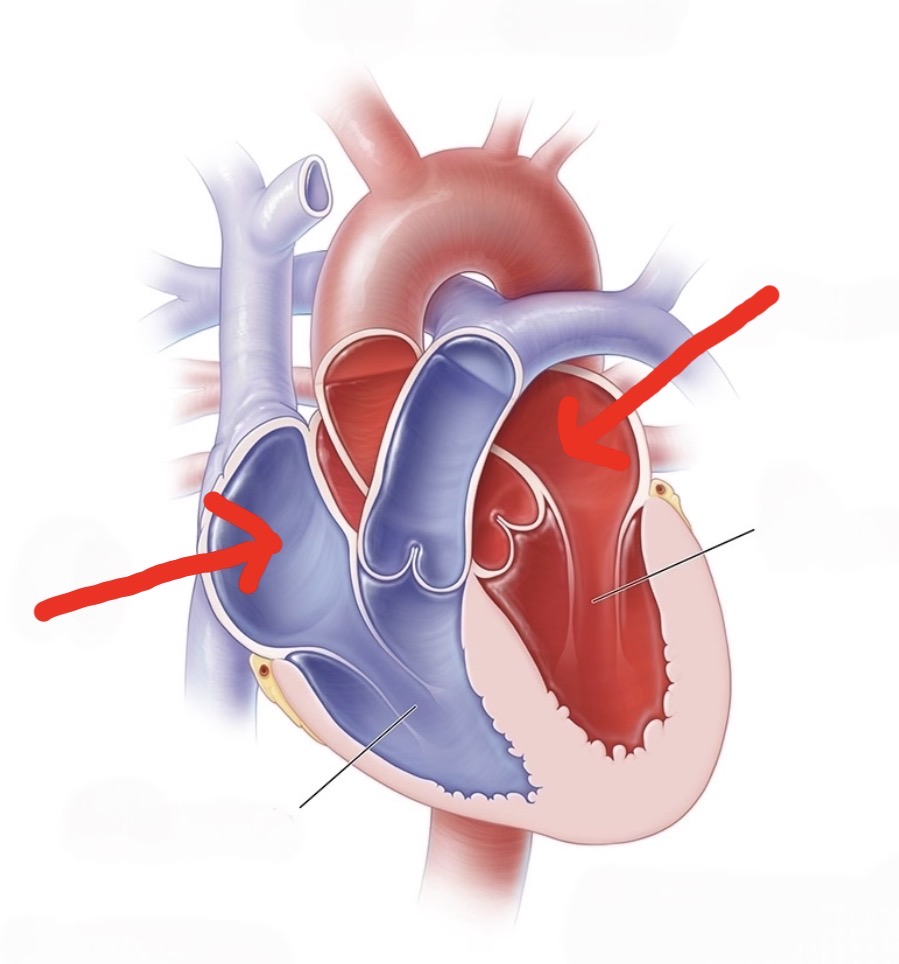
The two upper receiving chambers of the heart
Atria

The two lower pumping chambers of the heart
Ventricles
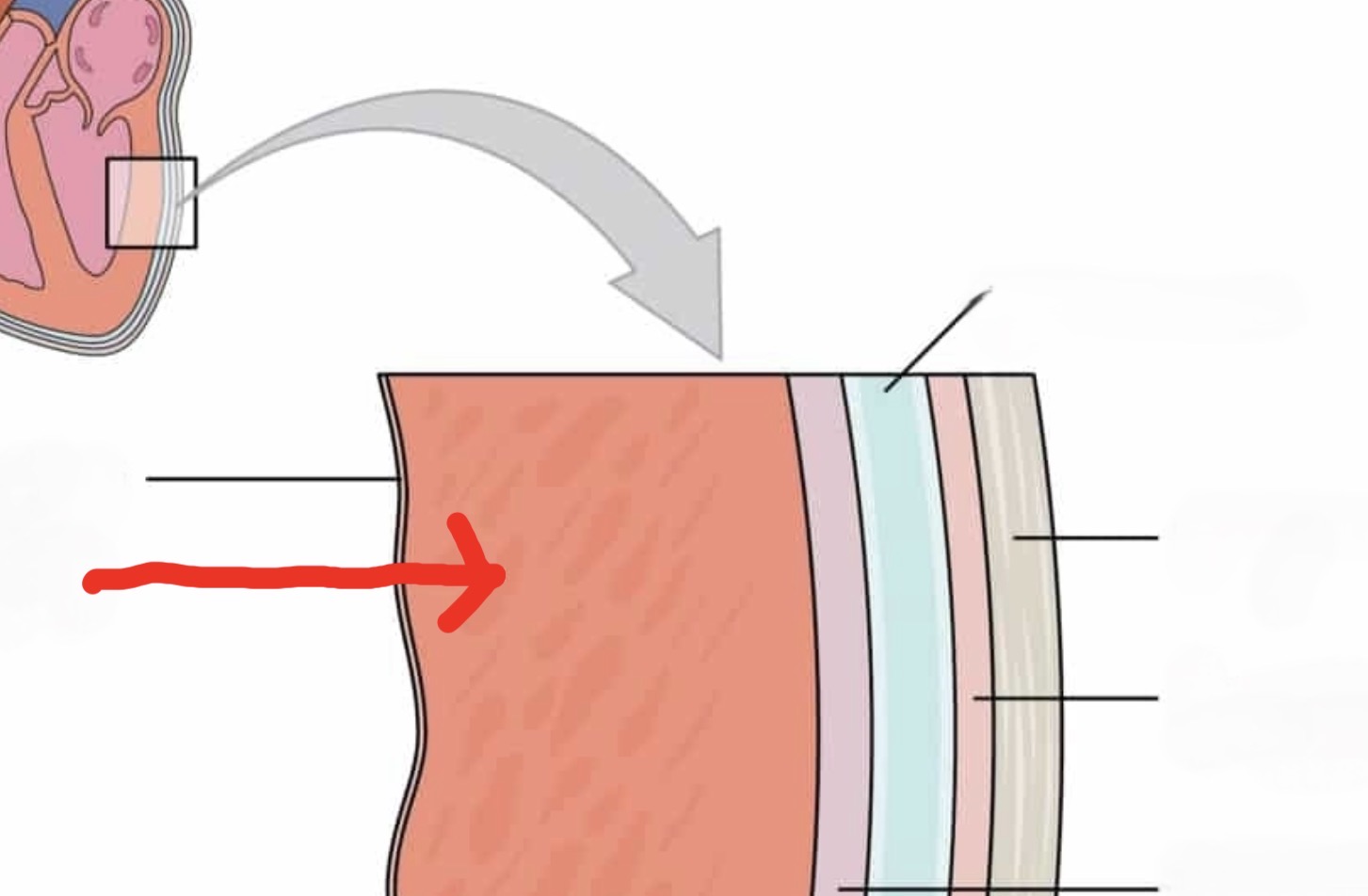
The thick, muscular middle layer of the heart wall that contracts to pump blood
Myocardium

The muscular wall separating the right and left ventricles
Interventricular septum

Upper right chamber that receives oxygen-poor blood from the body
Right atrium

Three-flapped valve between the right atrium and right ventricle preventing backflow
Tricuspid valve

Lower right chamber that pumps oxygen-poor blood to the lungs
Right ventricle
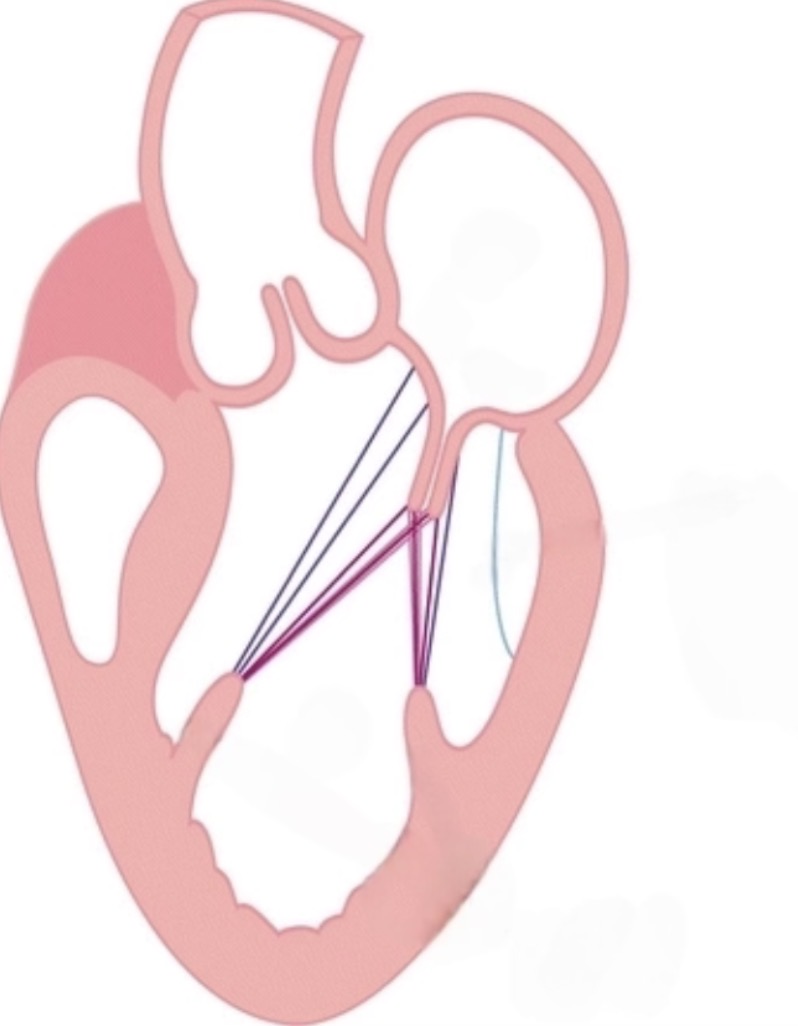
Fibrous heart strings anchoring AV valve flaps to papillary muscles
Chordae tendineae

Internal ventricular muscles that pull chordae tendineae tight to keep valves closed
Papillary muscles
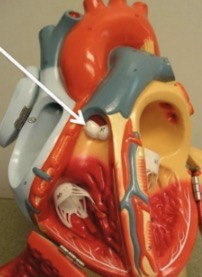
Valve between right ventricle and pulmonary trunk preventing backflow into the heart
Pulmonary semilunar valve

Branches of the pulmonary trunk carrying blood directly into left and right lungs
Pulmonary arteries

Upper left chamber that receives oxygen-rich blood from the lungs
Left atrium

Two-flapped valve between the left atrium and left ventricle preventing backflow
Bicuspid valve (mitral valve)
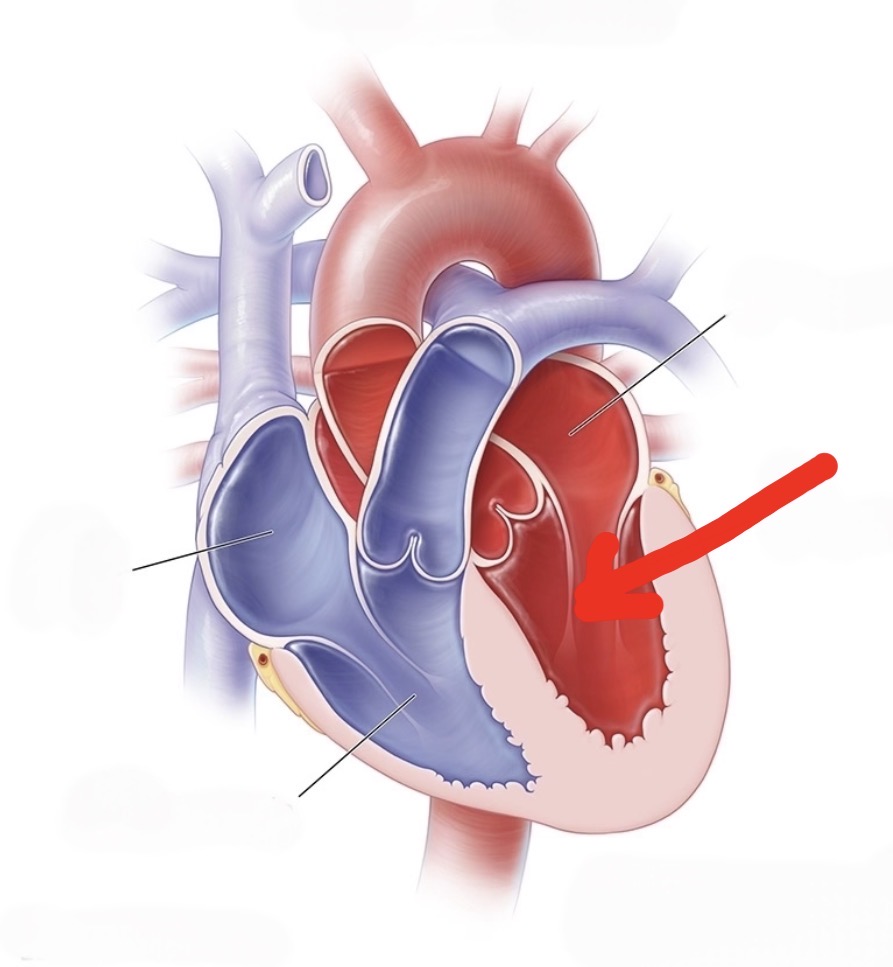
Thickest lower chamber that pumps oxygen-rich blood to the entire body via the aorta
Left ventricle

Valve between left ventricle and aorta preventing blood from flowing back into the heart
Aortic semilunar valve

External groove encircling the heart that separates the atria from the ventricles
Coronary (atrioventricular) sulcus

External groove on the front of the heart marking the boundary between left and right ventricles
Anterior interventricular sulcus
External groove on the back of the heart marking the boundary between left and right ventricles
Posterior interventricular sulcus
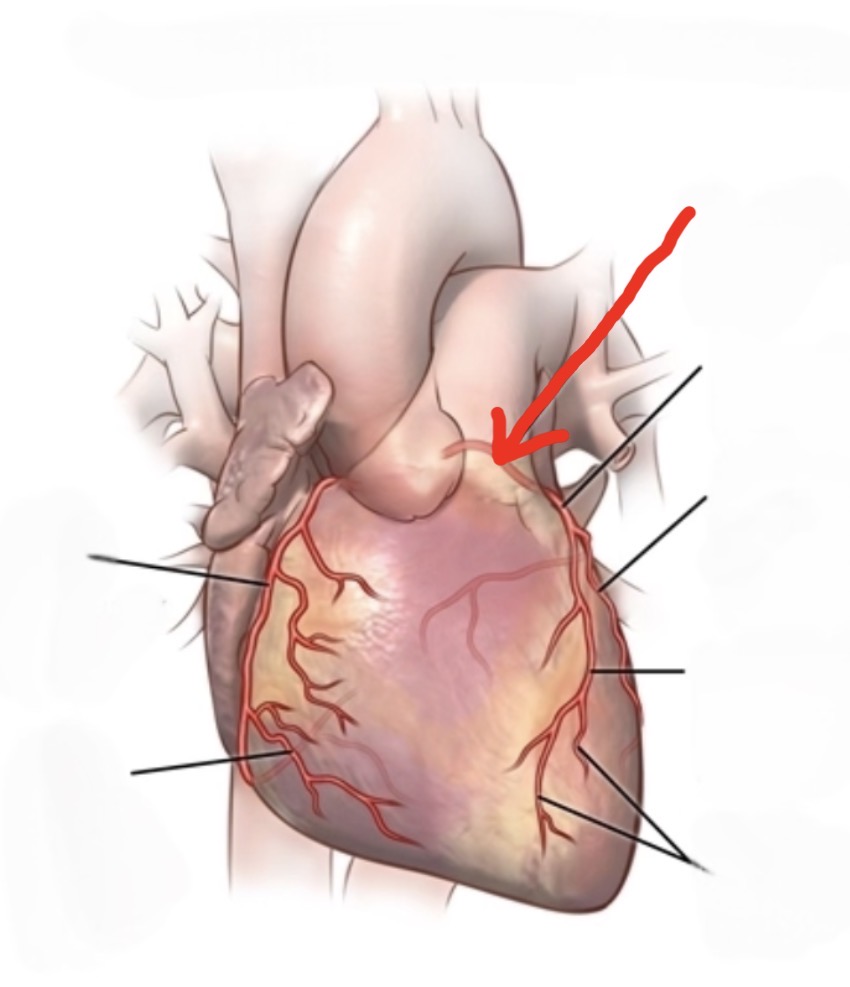
Major artery supplying oxygen-rich blood to the left side and front of the heart muscle
Left coronary artery

Major artery supplying oxygen-rich blood to the right side and bottom of the heart muscle
Right coronary artery

Network of vessels that collect oxygen-poor blood from the heart muscle tissue
Cardiac veins
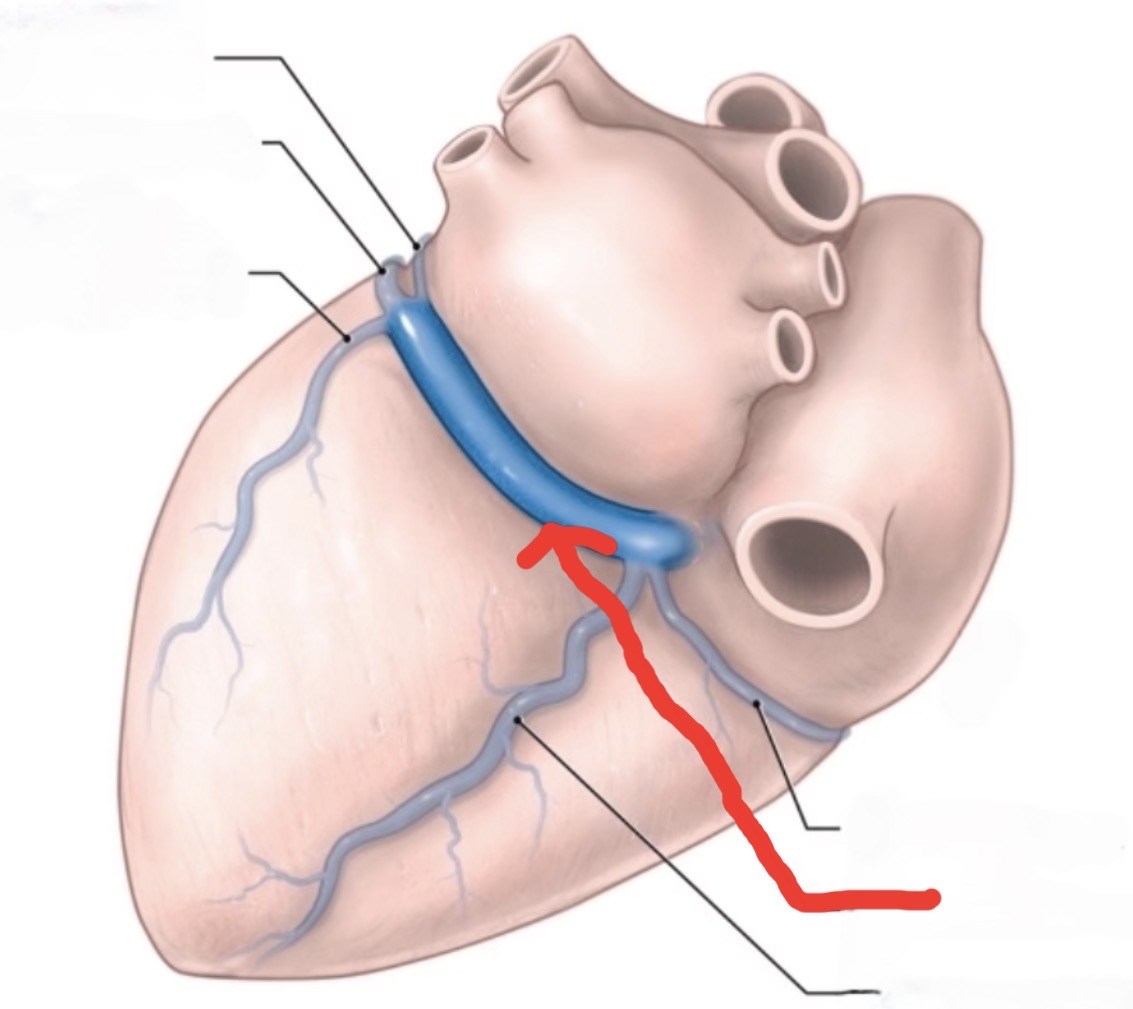
Large vein on the back of the heart that collects blood from cardiac veins and empties into the right atrium
Coronary sinus

Initial upward segment of the main artery exiting the left ventricle
Ascending aorta

Branch from the ascending aorta supplying oxygen-rich blood to the right side of the heart
Right coronary artery

Branch from the ascending aorta supplying oxygen-rich blood to the left side of the heart
Left coronary artery

Curved portion of the aorta that bridges the ascending and descending segments
Aortic arch

First major branch off the aortic arch, supplying blood to the right arm, head, and neck
Brachiocephalic trunk
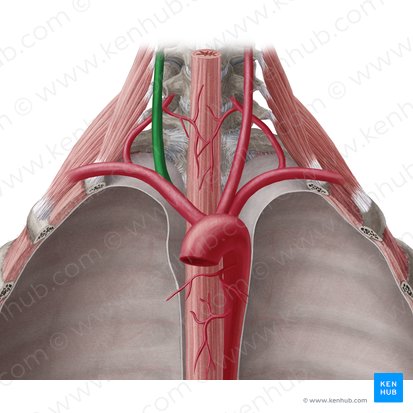
Branch of the brachiocephalic trunk supplying oxygen-rich blood to the right side of the head and neck
Right common carotid artery

Branch of the brachiocephalic trunk supplying oxygen-rich blood to the right arm
Right subclavian artery

Second branch off the aortic arch, supplying blood directly to the left side of the head and neck
Left common carotid artery

Third branch off the aortic arch, supplying blood directly to the left arm
Left subclavian artery

Section of the aorta running down through the chest cavity toward the abdomen
Descending (thoracic) aorta