CAR/Cordillera Administrative Region
 Studied by 0 people
 Call with Kai
 Learn
Learn Practice Test
 Spaced Repetition
 Match
Match Flashcards
 Knowt Play
1/20

There's no tags or description
Looks like no tags are added yet.
Name | Mastery | Learn | Test | Matching | Spaced | Call with Kai |
|---|
No study sessions yet.
21 Terms
CAR
A landlocked area in northern luzon, composed of abra, apayao, benguet, ifugao, kalinga, mountain province, and the highliy urbanized city of baguio, which serves as the regional center.
characterized by its rugged mountains, rich indigenous culture, and cooler climate.
Baguio
serves as the regional center
Abra (Bangued)
landlocked province in northwestern luzon, mostly mountains and rugged terrain, with the abra river as the major waterway. its name came likely from the spanish word “abrir” (to open), referring to the opening or mouth of the abra river that cuts through the mountains.
home to tingguians (itneg) and ilocano settlers; known fro bamboo crafts, woven textiles, and native dancers.
agriculture-based (rice, corn, root crops, tobacco); small-scale weaving and carfts.
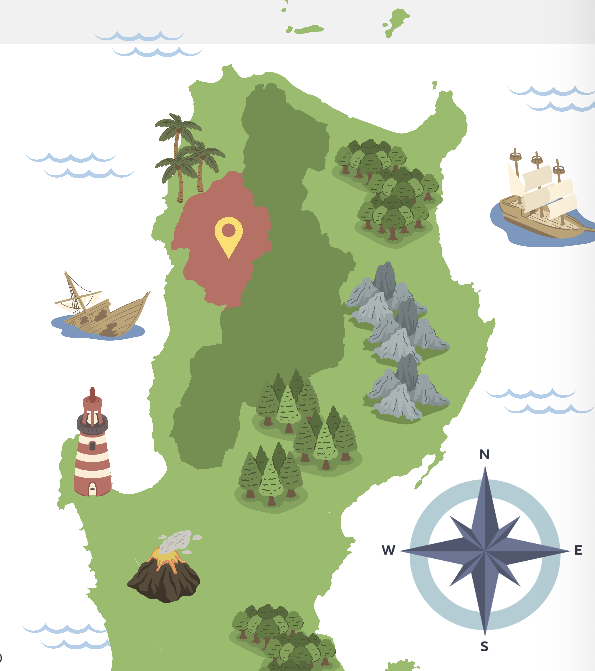
Apayao (Kabugao)
northernmost car province; characterized by vast forests, rivers, and mountain rages. known as the “cordillera’s last frontier”. the name came from the word “apayao”, believed to be derived from the isneg language meaning “river” or “waterways”, as the province is traversed by many river.
home to the isneg indigenous group; culture preserved through oral traditions, crafts.
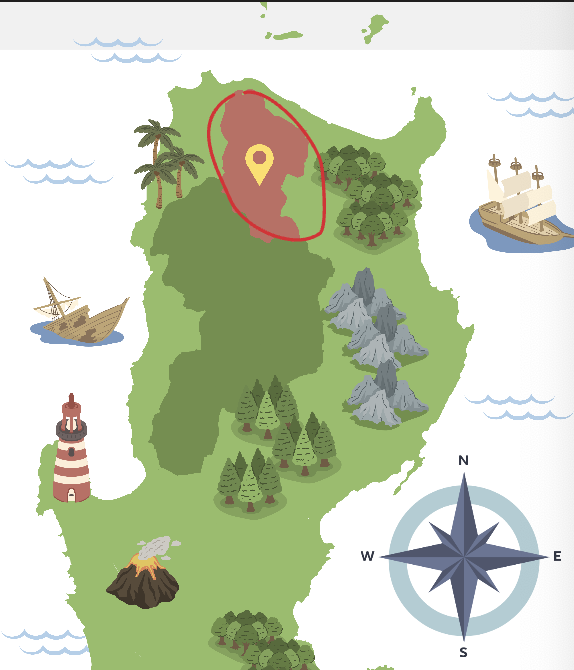
Benguet (La Trinidad)
mountainous terrain surrounding baguio city; high elevation with a cool climate.
inhabited by ibaloi and kankanaey peoples; strong traditions in weaving, rituals, and dances.
major producer of temperate vegetables (lettuce, cabbage, carrots, strawberries); mining (gold, copper); tourism.
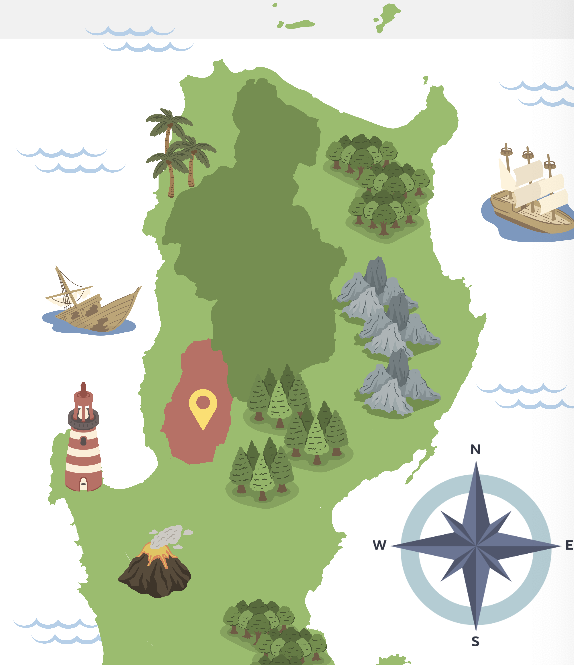
Ifugao (Lagawe)
mountainous and forested province; world-renowned for rice terraces carved into slopes.
ifugao people known for woodcarving, weaving, rice rituals, and indigenous knowledge in terrace farming.
agriculture, woodcrafts, and weaving. tourism contributes to income.
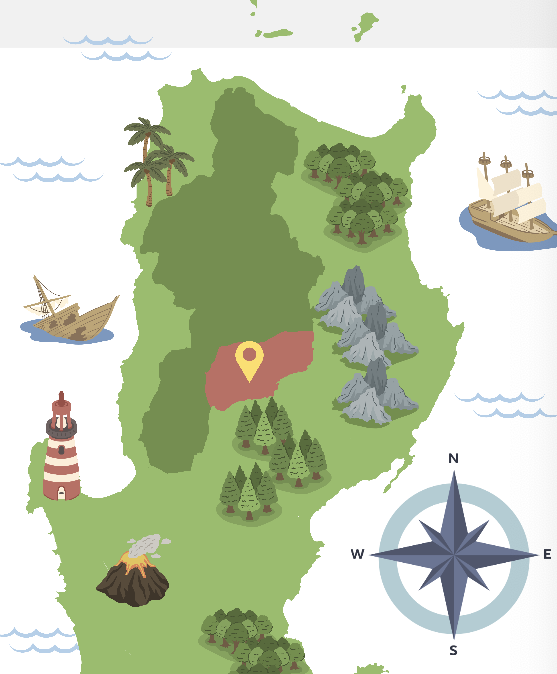
bulul
rice god in ifugao
Kalinga (Tabuk)
mountainous province with the chico river running through fertile valleys and rugged terrain.
known for warrior traditions, tribal tattoos, and strong sense of identity; traditional music and dances preserved.
agriculture, weaving and crafts. growing tourism sector.
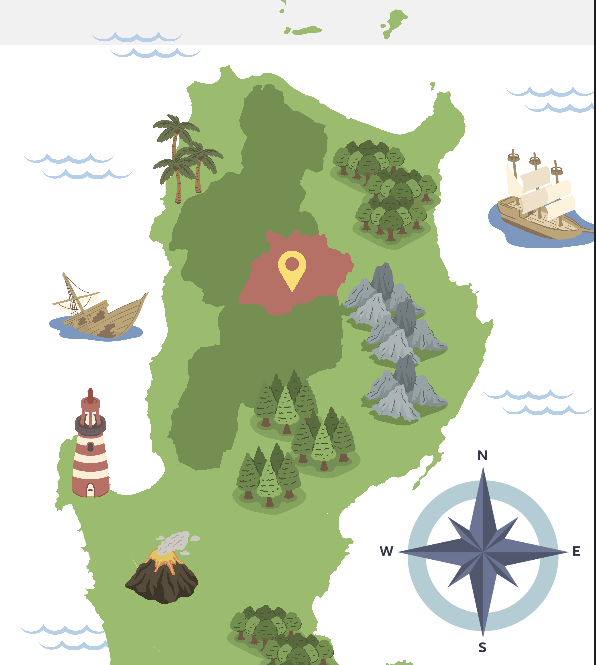
Mountain Province (Bontoc)
central in the cordillera range.
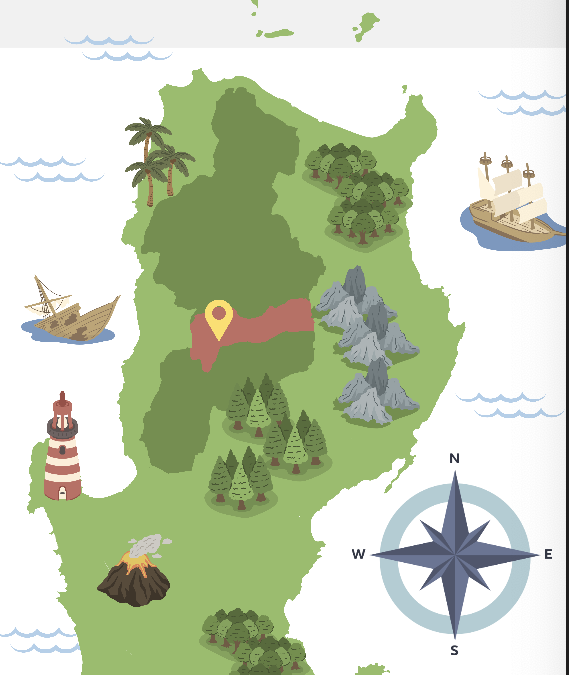
Kaparkan Falls
Also known as Mulawin Falls is a limestone terraces hidden for centuries in the landlocked province of Abra. This travertine rose to fame in 2015 when images of the terraced water gours were uploaded in the internet.
Mount Bullagao
projects the shape of a woman laying prostrate on her back, her breasts sharply contoured, and her reclined head facing the sky. From Bangued, provincial town of Abra, the mountain looks like a woman giving birth. That is why, the Mt. Bullagao is popularly known as Abra's Sleeping Beauty.
Dupag Rock Formation
Is a cluster of jagged limestone boulders 7 to 8 feet high. From the highest peak, aptly named Father Rock, a sweeping view of the neighboring fields, rivers, and valleys can be seen. Its unique topography made it the preferred hiding place of locals and insurgents during past wars and guerilla uprisings.
Manacota Cave & Underground River
Is a natural place in the town of Luna in Apayao Province, where the river exits in underground cavern. one of the few subterranean site in the Philippines that remain unexplored by tourist due to inactivity of the province in tourism aspect for a long time.
Mt. Pulag
is the highest peak in Luzon and is the second highest mountain in the Philippines with an elevation of 2,922 m. above sea level.
Strawberry Farm
a strawberry plantation owned and managed by the Benguet State University. It's almost eighty hectares big, and is important to La Trinidad's economy and tourism.
Rice Terraces
an outstanding example of an evolved, living cultural landscape that can be traced as far back as two millennia ago in the pre-colonial Philippines. Which includes the following: Nagacadan, Hungduan, Mayoyao, Bangaan, Batad rice terraces.
Ifugao Museum
Located at Linda, Kiangan just below the War memorial shrine, the museum building houses artifacts that inform about the traditional life and ways of the lfugao.
Buscalan Village
Tucked away in the Cordillera mountains, this quiet village has become a bucket-list destination for travelers eager to meet and get inked by Apo Whang-Od, the oldest traditional tattoo artist in the Philippines.
Mabilong Weavers Village
The major weaving center in Kalinga is the village of Mabilong in the town of Lubuagan. The weavers of Mabilong are known for their backstrap weaving techniques, which they pass on to their daughters as soon as they are able to operate the loom.
Sumaguing Cave
Located in the mountain town of Sagada. Often referred to as the "Big Cave," it is the largest of several caves in the area and is a must-visit for adventure seekers who want to explore the dramatic underground world hidden beneath the misty highlands of Sagada town.
Hanging Coffins
In a ritual believed to date back 2,000 years, the Igorot people bury their dead in hand-carved coffins that are tied or nailed to the side of a cliff and suspended high above the ground below. This gravity-defying graveyard is believed to bring the departed closer to their ancestral spirits.