RNSG 1115 Chapter 27 Health Assessment
 Call Kai
 Learn
Learn Practice Test
 Spaced Repetition
 Match
Match Flashcards
 Knowt Play
1/54

There's no tags or description
Looks like no tags are added yet.
Name | Mastery | Learn | Test | Matching | Spaced | Call with Kai | Chat |
|---|
No analytics yet
Send a link to your students to track their progress
55 Terms
Purpose of health assessment:
collect, validate, and analyze data
Subjective means:
based on patient experiences and perceptions
Objective means:
measurable and directly observed
Health history:
collection of subjective information about the patient’s health status
Physical assessment:
collection of objective data about changes in the patient’s body systems
Types of Health Assessments
comprehensive
ongoing/partial
focused
emergency
Comprehensive:
conducted upon admission to health care facility
Ongoing/Partial:
conducted to assess at regular intervals
Focused:
conducted to asses a specific problem
Emergency:
conducted to determine life-threatening or unstable conditions
Steps to prepare the patient for physical assessment
consider the physiologic and psychological needs of the patient
explain the process to the patient
explain that physical assessments should not be painful (decrease patient fear/anxiety)
explain each procedure in detail as it’s conducted
explain that privacy will be maintained using drapes
answer patient questions directly and honestly
Health history:
collection of data that provides a detailed profile of the patient’s health status
biographical data
reason for seeking health care
history of present health concern
past health history
family history
functional health
review of systems
Preparation for physical assessment
gather equipment
prepare equipment
Patient Positioning During Physical Assessment: Standing
assessment of posture, balance, and gait
Patient Positioning During Physical Assessment: Sitting
allows visualization of upper body
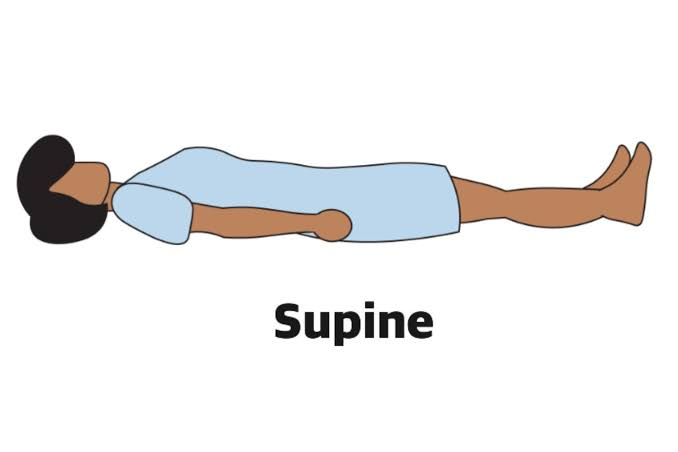
Patient Positioning During Physical Assessment: Supine
allows relaxation of abdominal muscles
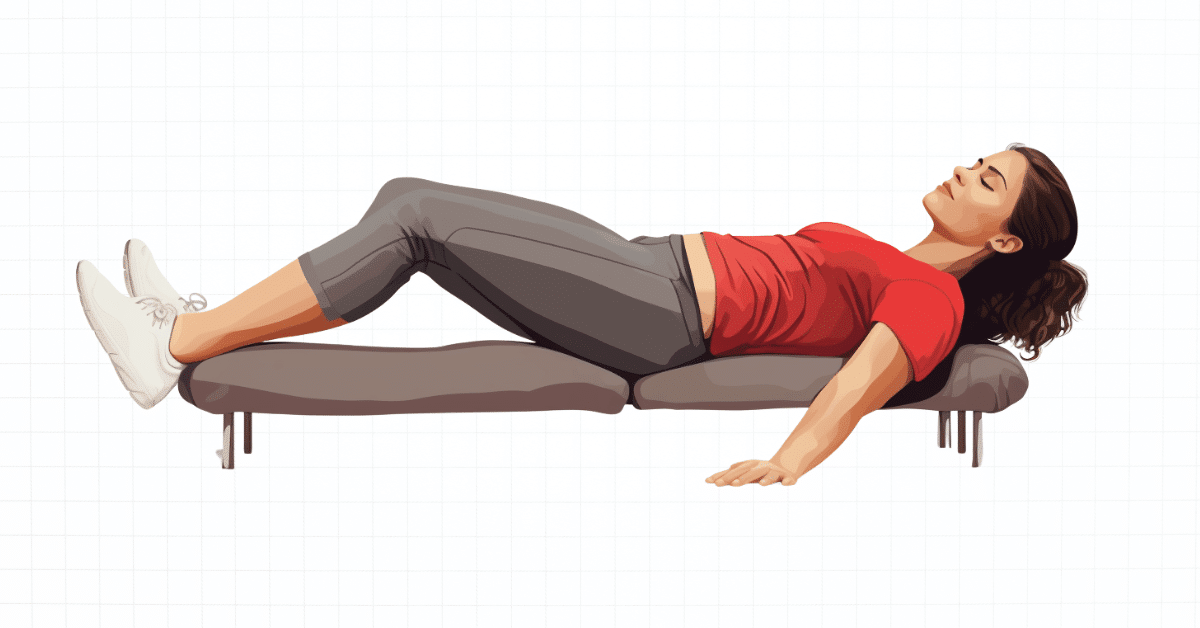
Patient Positioning During Physical Assessment: Dorsal Recumbent
used for patients having difficulty maintaining the supine position
Patient Positioning During Physical Assessment: Sim’s
assessment of rectum of vagina
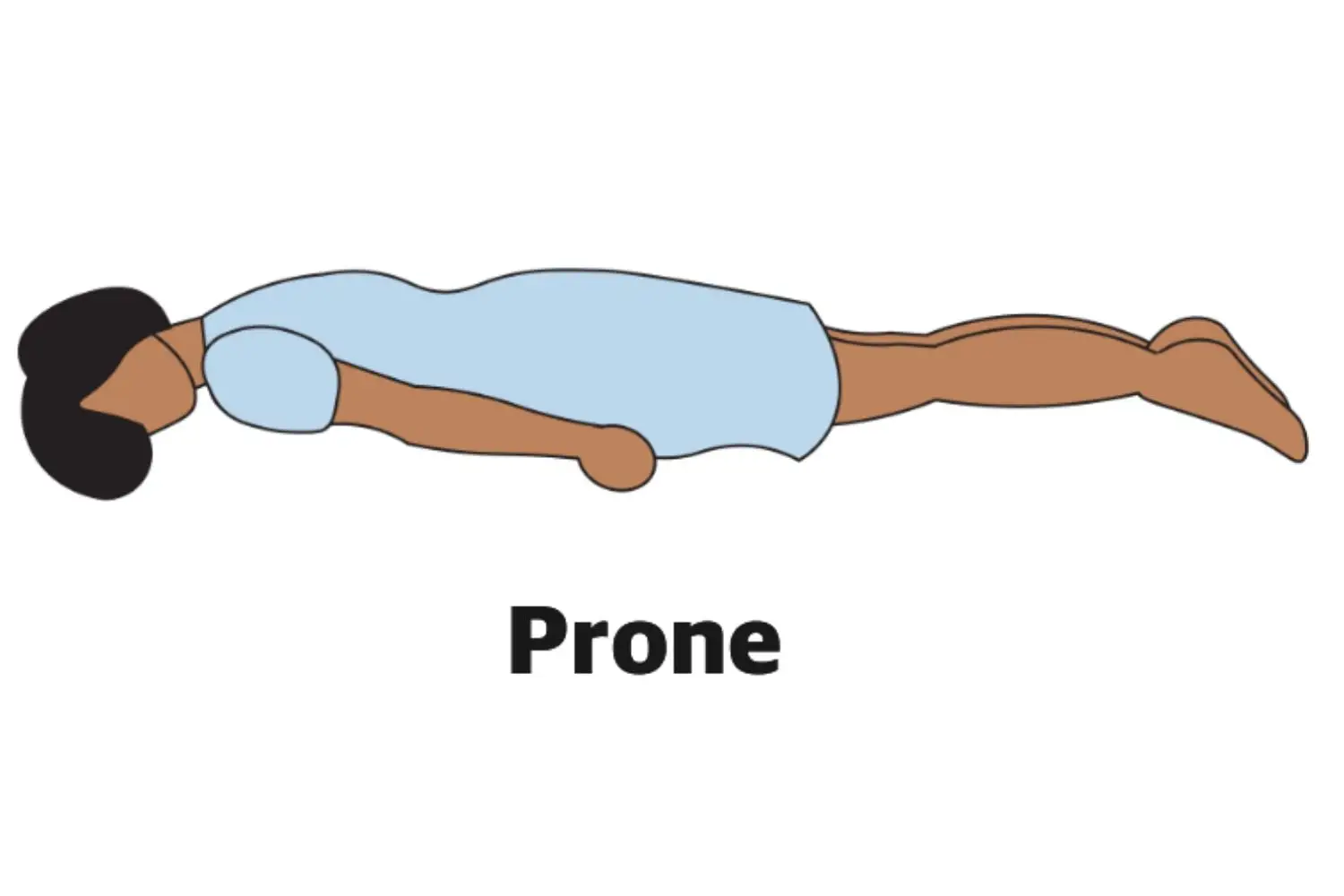
Patient Positioning During Physical Assessment: Prone
assessment of hip joint and posterior thorax
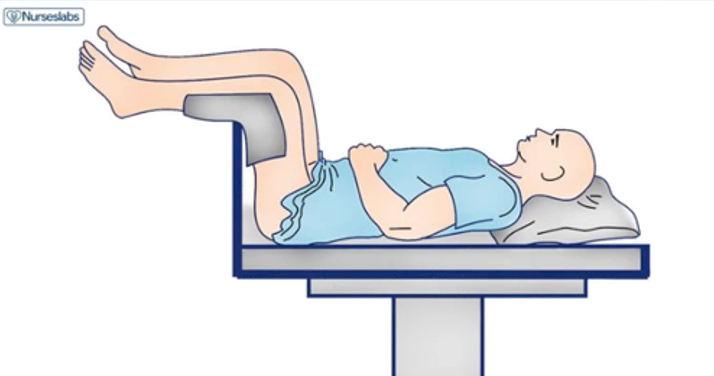
Patient Positioning During Physical Assessment: Lithotomy
assessment of femal genitalia and rectum
Patient Positioning During Physical Assessment: knee-chest
assessment of anus and rectum
Patient Positioning During Physical Assessment:
standing
sitting
supine
dorsal recumbent
sim’s assessment
prone
lithotomy
knee-chest
Techniques of physical assessment:
inspection
palpation
percussion
auscultation
Patient Positioning During Physical Assessment: Inspection
assessing size, color, shape, position, and symmetry
Patient Positioning During Physical Assessment: Palpation
assessing temperature, tugor, texture, moisture, vibrations, and shape
Patient Positioning During Physical Assessment: Percussion
assessing location, shape, size, and density of tissues
Patient Positioning During Physical Assessment: Auscultation
assessing the four characteristics of sound that is, pitch, loudness, quality, and duration
Order of Physical Assessment
general survey (what does the client look like)
integument (skin assessment, completed throughout the exam)
head and neck
thorax and lungs
cardiovascular and peripheral vascular systems
breasts and axillae
abdoment
female and male genitalia
anus, rectum
musculoskeletal system
neurologic system
General survey:
general appearance
vital signs
height, weight, waist circumference, BMI
assess level of consciousness (LOC)
orientation
hygiene, grooming, dress
use of mobility aids, medical equipment, ostomies, dressings
General Appearance:
overall appearance and behavior
note any signs of distress or illness
nonverbal communication
mood and mental health (facial expression, ability to relax, eye contact, etc.)
hygiene and dress
use of mobility aids, medical equipment, ostomies, dressings