PLUMBING: Building Utilities
 Call Kai
 Learn
Learn Practice Test
 Spaced Repetition
 Match
Match Flashcards
 Knowt Play
1/50

There's no tags or description
Looks like no tags are added yet.
Name | Mastery | Learn | Test | Matching | Spaced | Call with Kai |
|---|
No analytics yet
Send a link to your students to track their progress
51 Terms
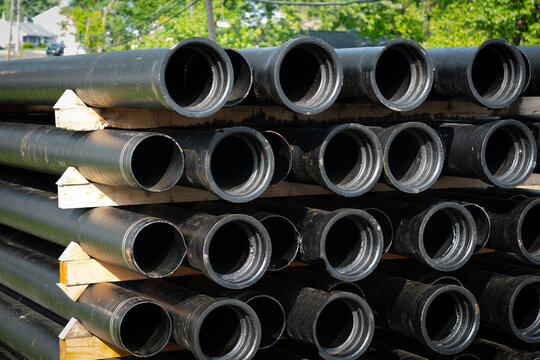
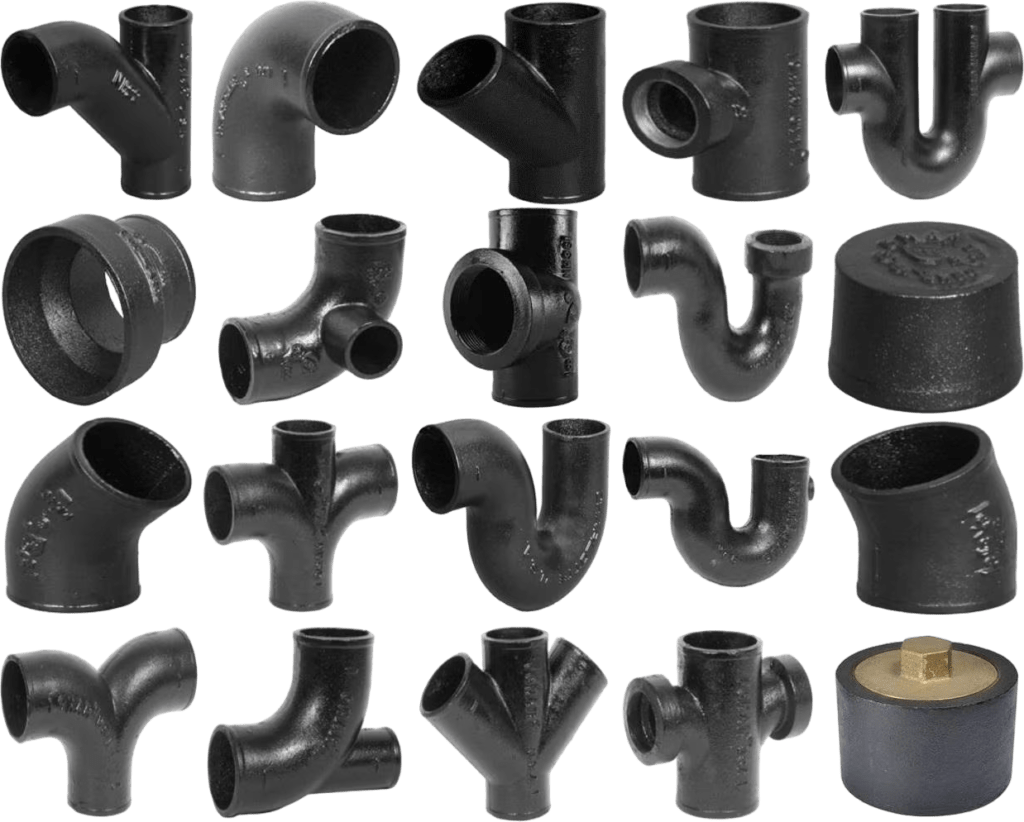
Cast Iron Pipe
The word “cast” means the manufacturing process: it is poured into a mold (a "cast") to solidify into the specific shape of a pipe.
💡Tips:
low-carbon iron - old/traditional - rare today - mostly replaced
⚡ Quick ALE Memory:
👉 Cast Iron = Heavy + Quiet + Durable
👉 Used for drainage (especially buildings)
🧠 Exam Tips (IMPORTANT):
If question says “quiet drainage system” → Cast Iron
If heavy-duty drainage in buildings → Cast Iron
If lightweight + corrosion-resistant → NOT Cast Iron (think PVC/ABS)
If fire resistance is needed → Cast Iron is better than plastic
Carrier of: City Water
Pipe color: Gray
Adv.: Highly resistance to corrosion, soundproofing.
Dis adv.: Prone to rusting, brittleness.
This high carbon level makes the metal very fluid when melted, which is why it is so well-suited for being "cast" into complex shapes.
A metal pipe made from iron with high carbon content
Known for strength, durability, and noise reduction
1. Common Uses
Drainage, Waste, and Vent (DWV) systems
Sewer lines
High-rise building plumbing (for noise control)
2. Advantages
✅ Very strong & durable
✅ Excellent sound insulation (quiet flow vs PVC/ABS)
✅ Good fire resistance
✅ Long service life
3. Limitations
❌ Heavy (difficult to install)
❌ Prone to corrosion/rust over time
❌ More expensive than plastic pipes
4. Joints
Hub and spigot (bell-and-spigot)
Lead & oakum (traditional)
Rubber gasket / no-hub couplings (modern)
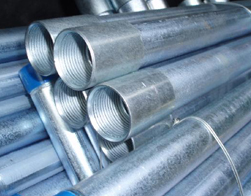
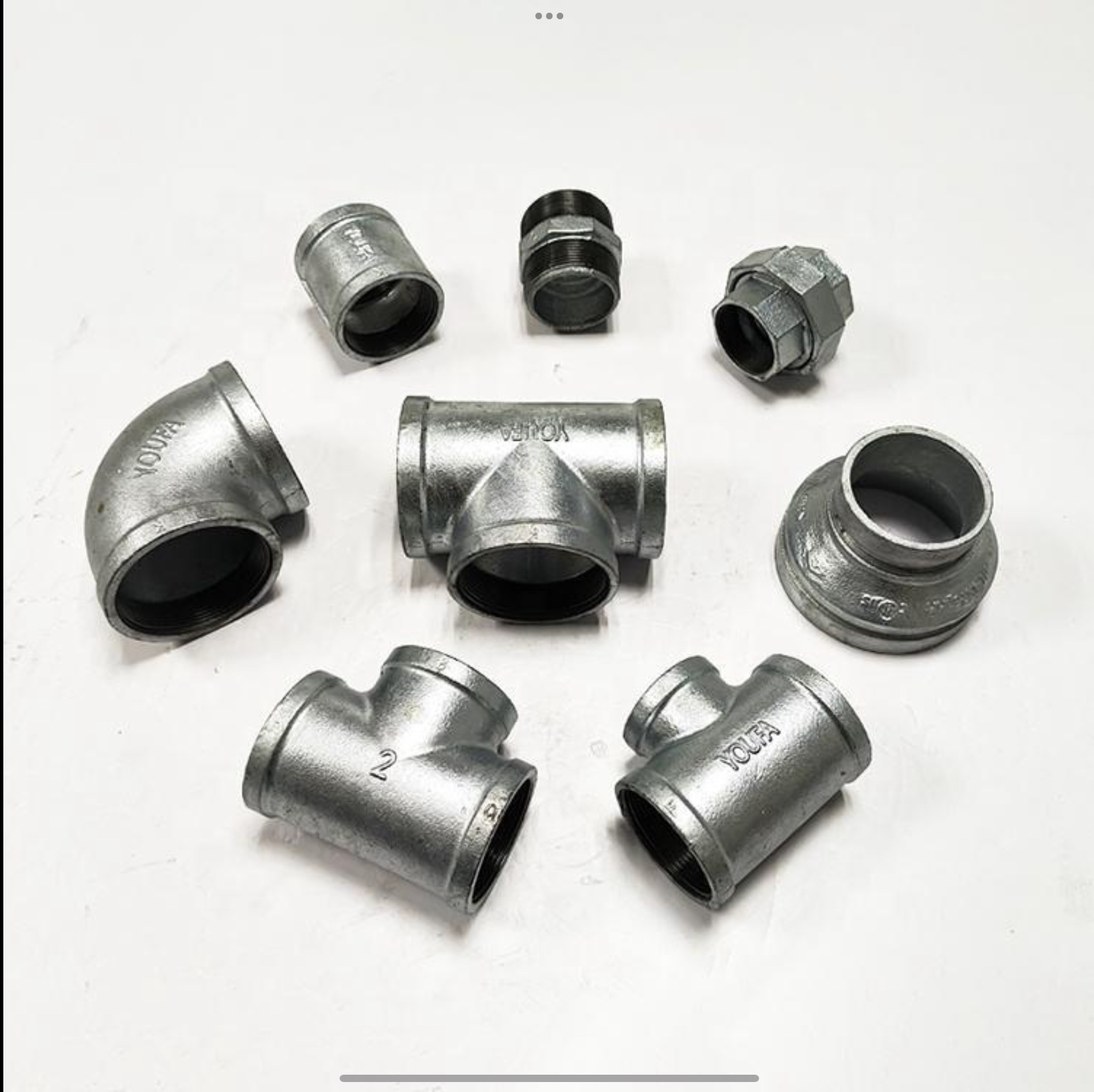
Galvanized Iron Pipe / Galvanized Steel Pipe
⚡ Why the confusion?
“Galvanized Iron (GI)” is a common term
“Galvanized Steel” is the more accurate technical term
👉 In reality:
GI pipes are made of steel, not pure iron
The term “iron” is just historical naming
👉 Treat them as equivalent, unless the question is testing terminology
The word "galvanized" means the iron pipe has been coated with a protective layer of zinc, typically through a hot-dip process, to prevent rust and corrosion.
⚡ Quick ALE Memory:
👉 GI = Metal + Threaded + Rusts over time
👉 Old water pipe system
🧠 Exam Tips (IMPORTANT):
If question says “threaded metal pipe” → GI
If old water supply system → GI
If corrosion/scaling problem → GI is likely
If modern plumbing → NOT GI (think PEX/PVC/CPVC)
Carrier of: Gas or any liquid inside the building.
Pipe color: Gray, Silver
Adv.: Highly resistance to corrosion, has zinc coating.
Dis adv.: Chipping, cracking, costly.
Coated with zinc to resist corrosion
Use as scaffolding, fire sprinkler, & telecommunication towers.
Traditional material for water supply systems
1. Common Uses
Water distribution (older systems)
Outdoor piping (Over time, zinc coating wears off → rust forms - strong for outdoor exposure, but not best long-term due to rust)
Structural / industrial applications
2. Advantages
✅ Stronger than plastic pipes
✅ Resistant to mechanical damage (subject to physical stress/impact)
✅ Initially corrosion-resistant (due to zinc coating)
3. Limitations
❌ Corrodes over time (zinc layer wears off → rust)
❌ Internal scaling reduces water flow
❌ Heavy and harder to install
❌ Being replaced by PVC/PEX/CPVC
4. Joints
Threaded connections (very common)
Couplings, unions, elbows
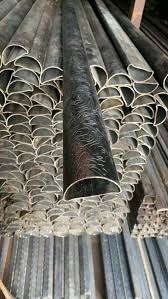
Wrought Iron Pipe
The word "wrought" means worked or shaped by hammering, rolling, and forming.
⚡ Quick ALE Memory:
👉 Wrought Iron = Black pipe + Gas lines + Threaded
🧠 Exam Tips (IMPORTANT):
If question says “black iron pipe used for gas” → Wrought Iron
If threaded + no zinc coating → NOT GI → Wrought Iron
If corrosion resistance is required → NOT Wrought Iron
🎯 ALE Trap Alert:
GI vs Wrought Iron
GI → zinc-coated → better corrosion resistance
Wrought Iron → no coating → rusts faster
⚡ Quick Comparison Trigger:
Threaded metal + gas line → Wrought Iron
Threaded metal + water supply (old) → GI
Carrier of: Water or Gas from one place to another place.
Pipe color: Gray, Black
Adv.: Excellent weldability & tough. Use as decorative.
Dis adv.: Can’t harden by heating.
A low-carbon iron pipe (tough and ductile)
A malleable, custom-made iron, rarely used for modern plumbing, typically seen in decorative items like fences & gates. Low carbon content.
Historically used before modern steel pipes
Often referred to as black iron pipe in practice
1. Common Uses
Gas lines (very common today)
Old water supply systems
Industrial piping
2. Advantages
✅ Strong and tough (can handle stress without breaking easily)
✅ Good for high-pressure applications (especially gas)
✅ Durable when properly maintained
3. Limitations
❌ Corrodes easily (no protective zinc like GI)
❌ Heavy
❌ Largely replaced by better materials (PVC, PEX, steel, copper)
4. Joints
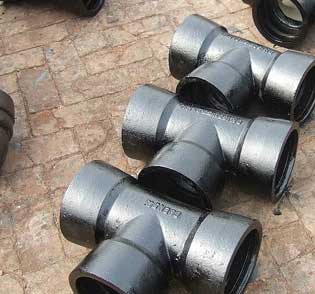
Threaded connections (same as GI)
Uses fittings like elbows, tees, unions
Steel Pipe
⚡ Quick ALE Memory:
👉 Steel = Strongest + High pressure + Industrial use
🧠 Exam Tips (IMPORTANT):
If question says “high pressure + high temperature” → Steel
If industrial pipeline → Steel
If needs welding → Steel pipe
If corrosion protection mentioned → coated steel
🎯 ALE Trap Alert:
🔥 Steel vs GI
Steel → no zinc, stronger, used for pressure systems
GI → zinc-coated, used for water supply (old)
🔥 Steel vs Cast Iron
Steel → handles tension + pressure
Cast Iron → strong in compression, used for drainage
⚡ Quick Comparison Trigger:
High pressure → Steel / PCCP
Drainage → Cast Iron / PVC
Cheap & corrosion-resistant → Plastic
🧠 Final One-Liner:
👉 Steel = High pressure + high strength + industrial
Carrier of: Water or Gas
Pipe color: Gray, Silver
Adv.: Corrosion resistance & recyclable. Prone to rust.
Dis adv.: Costly.
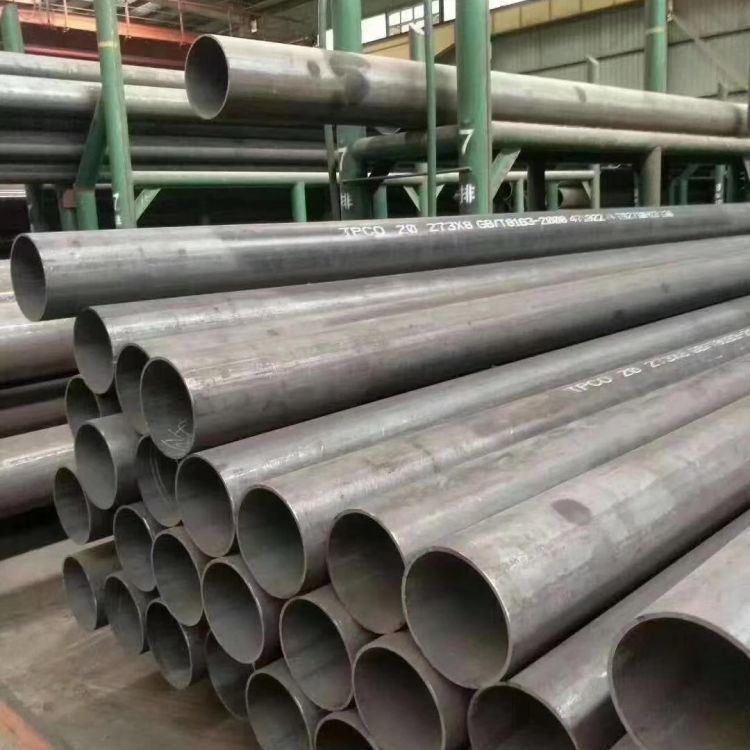
Made from carbon steel or alloy steel
Known for very high strength and pressure capacity
1. Common Uses
High-pressure water systems
Oil & gas pipelines
Industrial piping
Structural applications
2. Advantages
✅ Very strong (both tension & compression)
✅ Can handle high pressure & temperature
✅ Available in large diameters
✅ Can be welded → strong joints
3. Limitations
❌ Corrodes (rusts) without coating
❌ Heavy
❌ More expensive than plastic
4. Joints
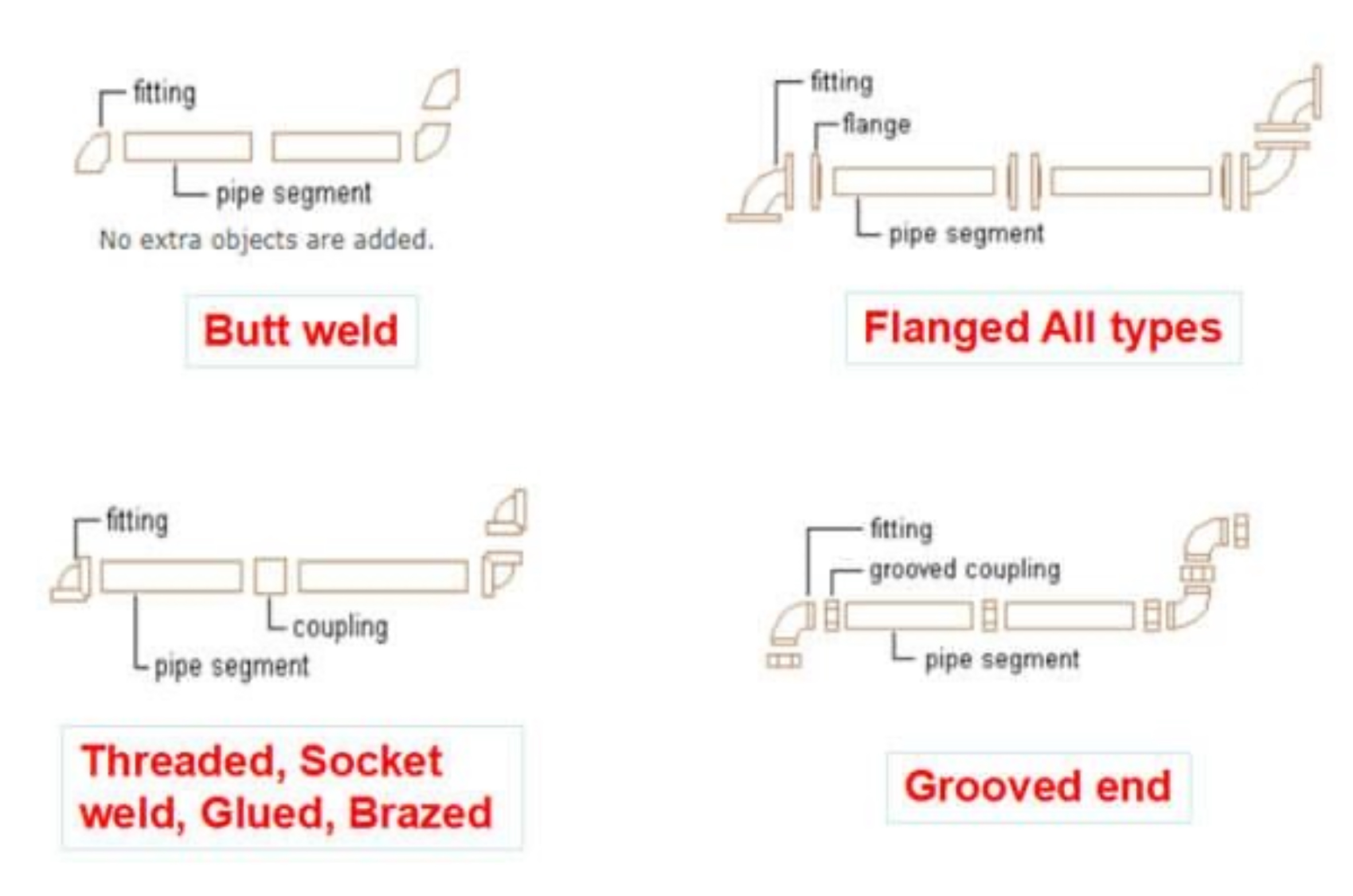
Welded joints (most common for strength)
Threaded (for smaller pipes)
Flanged connections
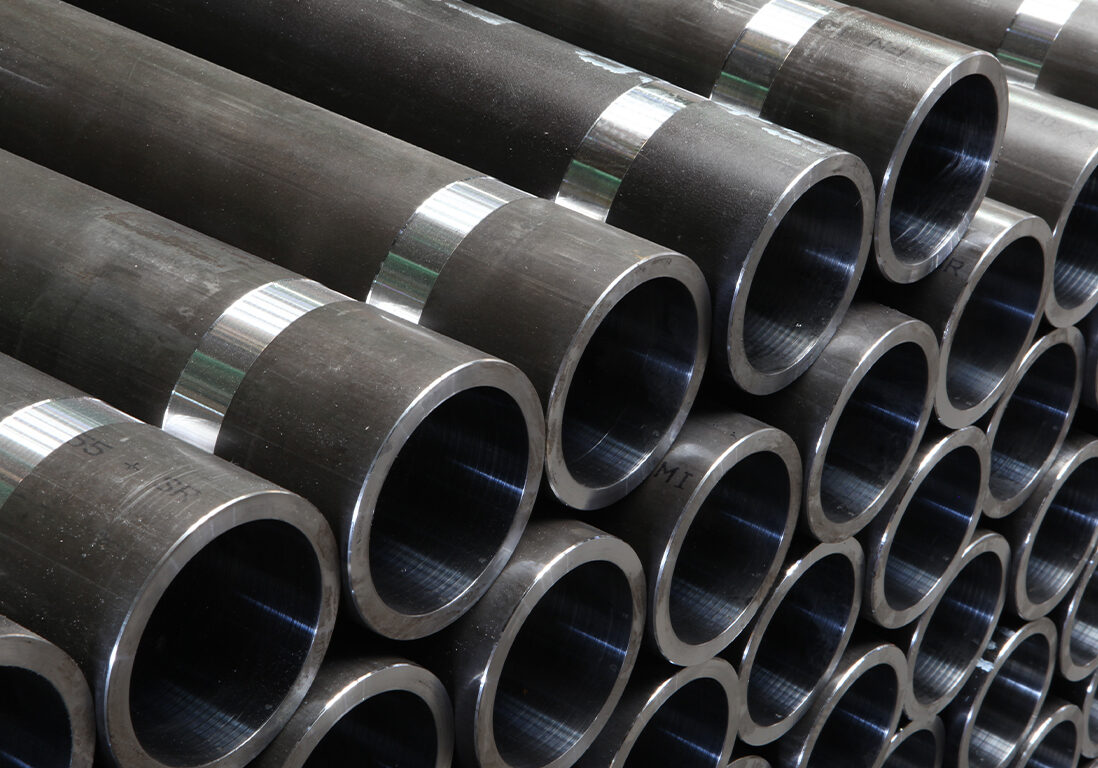
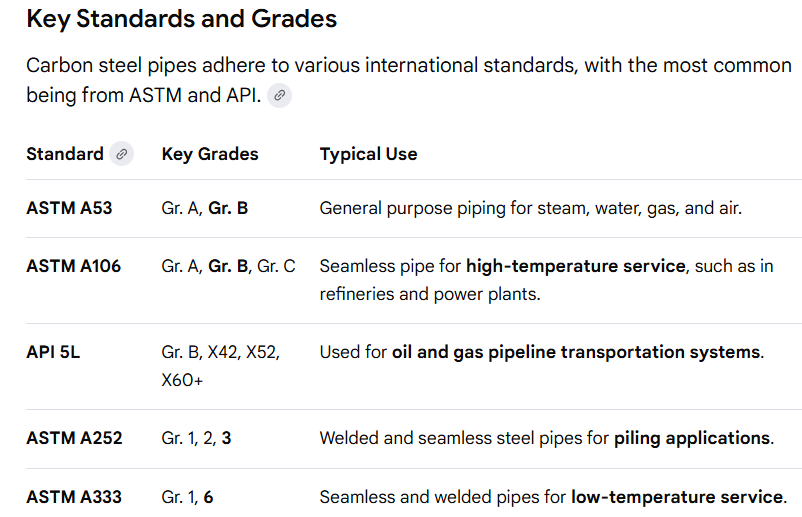
Carbon Steel Pipe
💡Tips:
• broad/general category - can be coated/uncoated - surface varies - general use (water, oil, structure)
⚡ Quick ALE Memory:
👉 Carbon Steel = Default steel pipe + strong + rusts
🧠 Exam Tips (IMPORTANT):
If question says “general steel pipe” → Carbon steel
If high pressure but no corrosion requirement → Carbon steel (seamless)
If cheap + strong metal pipe → Carbon steel
If corrosion resistance is needed → NOT carbon → Stainless
🧠 Final One-Liner:
👉 Carbon Steel = Strong + Common + Needs protection from rust
TYPE OF STEEL PIPE:
Composition: Made primarily of iron and carbon (typically up to 2.5% carbon) with minimal other alloying elements.
Most common and economical type of steel pipe
1. Common Uses
Water supply (industrial)
Oil & gas pipelines
Structural and mechanical systems
General-purpose piping
2. Types (VERY IMPORTANT)
Seamless → no weld → high pressure use
Welded (ERW) → with seam → cheaper, general use
👉 ALE likes to test seamless vs welded
3. Advantages
✅ High strength (tension + compression)
✅ Durable under pressure
✅ Widely available and cost-effective
4. Limitations
❌ Corrodes (rusts easily)
❌ Needs coating (paint, galvanizing, lining)
❌ Heavy
5. Joints
Welded (common for strength)
Threaded (small pipes)
Flanged
Black Steel Pipe
💡Tips:
carbon steel - modern - common today - widely used
type of carbon steel pipe - uncoated - dark/black oxide layer - gas & fire system
⚡ Quick ALE Memory:
👉 Black Steel = Gas pipe + No coating + Threaded
🧠 Exam Tips (IMPORTANT):
If question says “black pipe + gas line” → Black steel / wrought iron
If no zinc coating → NOT GI → Black steel
If water supply → NOT black steel (rust issue)
If threaded + gas → Black steel
TYPE OF CARBON STEEL PIPE:
A carbon steel pipe with no protective coating
Called “black” due to its dark iron oxide surface
1. Common Uses
Gas distribution systems (VERY COMMON)
Fire sprinkler systems
Industrial piping
2. Advantages
✅ Strong and durable
✅ Good for high pressure (especially gas)
✅ مقا to heat (better than plastic)
3. Limitations
❌ Corrodes easily (no zinc coating)
❌ Not suitable for water supply (rust contamination)
❌ Requires maintenance or coating if exposed
4. Joints
Threaded connections (very common)
Welded (for larger systems)
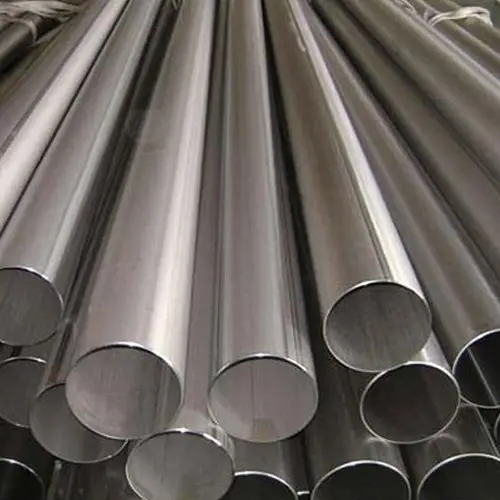
Stainless Steel Pipe
⚡ Quick ALE Memory:
👉 Stainless Steel = No rust + Clean + Premium
🧠 Exam Tips (IMPORTANT):
If question says “corrosion resistance is critical” → Stainless steel
If food / medical / chemical system → Stainless steel
If marine environment → 316 stainless
If expensive but durable pipe → Stainless steel
🧠 Final One-Liner:
👉 Stainless Steel = Corrosion-resistant + clean + high-end applications
TYPE OF STEEL PIPE:
• Steel alloy with ≥10.5% chromium (often with nickel and molybdenum)
• Forms a protective oxide layer → resists corrosion (rust)
1. Common Uses
• Food & beverage systems
• Medical / pharmaceutical piping
• Chemical plants
• High-quality water systems
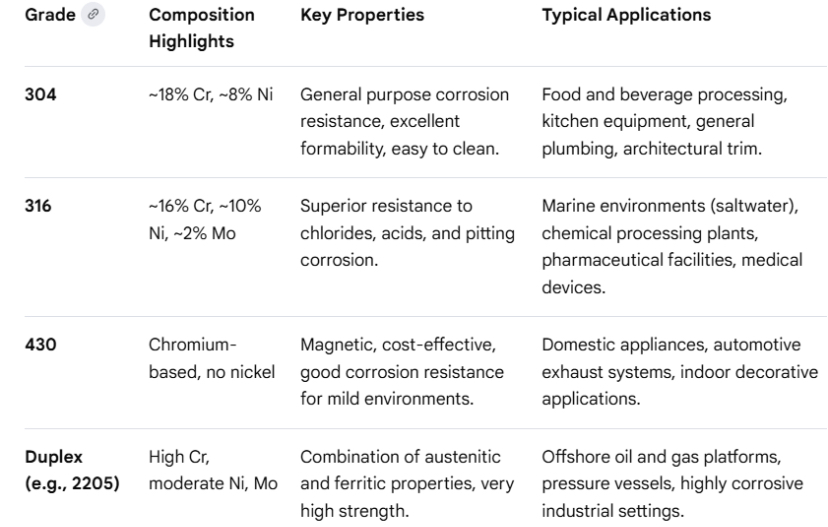
2. Common Types (IMPORTANT)
• 304 Stainless Steel → general purpose
• 316 Stainless Steel → marine / chemical (higher corrosion resistance)
👉 ALE may ask 304 vs 316
3. Advantages
• ✅ Excellent corrosion resistance (main feature!)
• ✅ Hygienic (easy to clean)
• ✅ Durable and long-lasting
• ✅ Good strength
4. Limitations
• ❌ Expensive
• ❌ Harder to fabricate than carbon steel
• ❌ Not always needed for simple systems (overdesign)
5. Joints
• Welded (common)
• Threaded (smaller pipes)
• Flanged
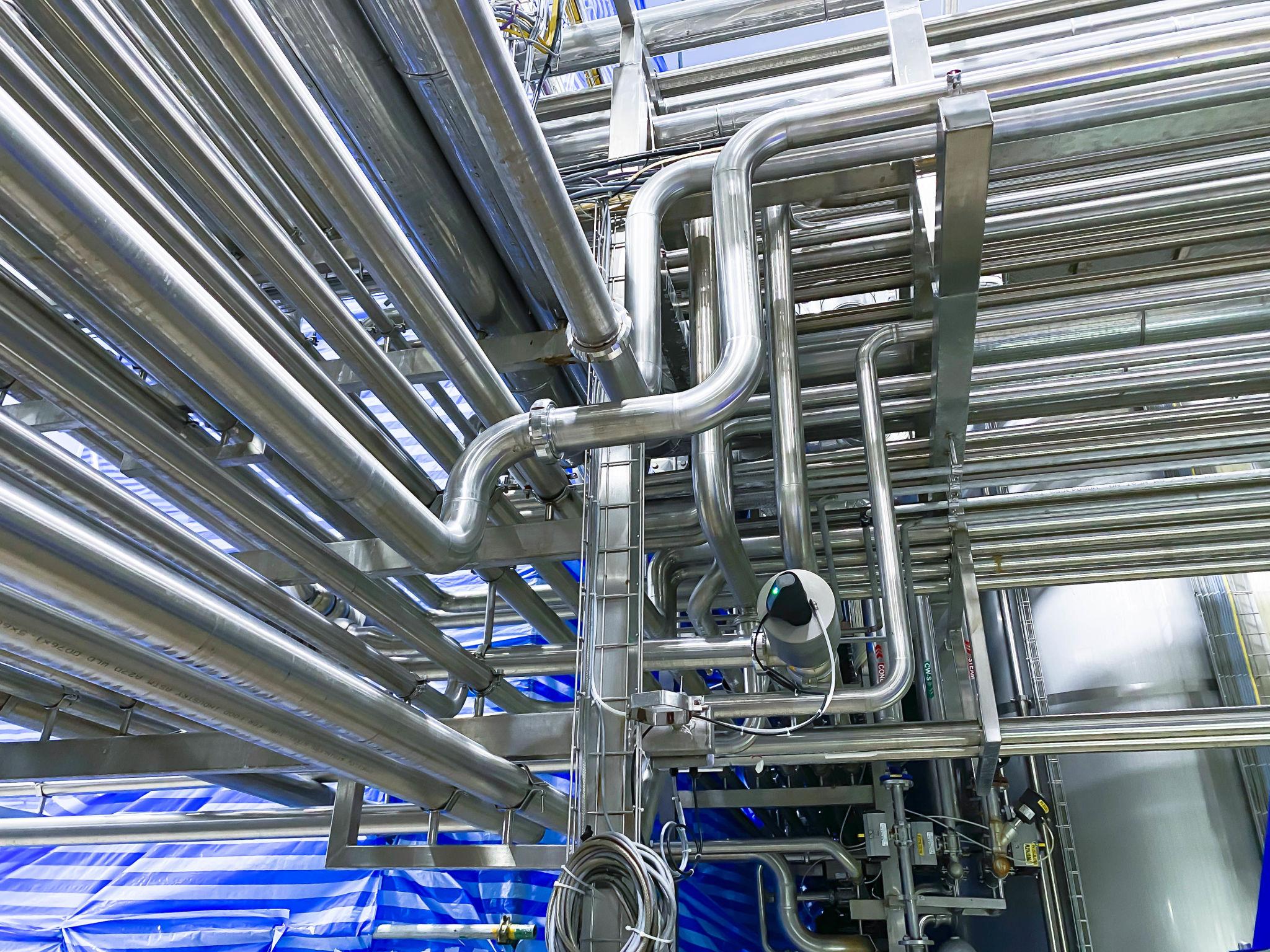
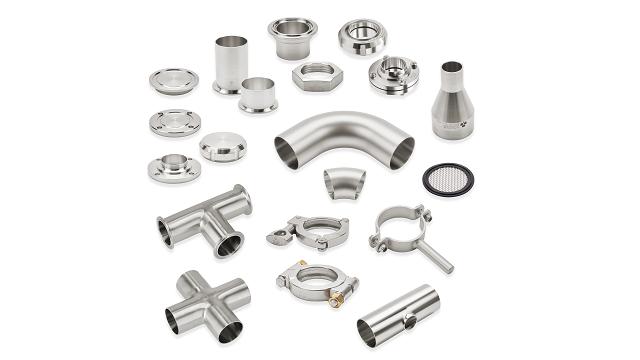
Sanitary Tubing
🎯 Common ALE Traps
Sanitary Tubing vs Ordinary Stainless-Steel Pipe
Ordinary Stainless Pipe
General industrial use
Not necessarily polished
Not designed for hygiene
Sanitary Tubing
Polished interior
Hygienic fittings
Food and pharmaceutical applications
🎯 ALE One-Liner
Sanitary Tubing = polished stainless-steel tubing used where cleanliness, sanitation, and contamination control are critical.
TYPE OF STAINLESS-STEEL PIPE:
👉 Think: "Cleanliness first"
A specially manufactured stainless-steel tubing designed for hygienic applications
Has a smooth, polished interior and exterior surface
Prevents contamination, bacterial growth, and product buildup
1. Common Uses
Food processing plants
Dairy facilities
Beverage manufacturing
Pharmaceutical industries
Biotechnology laboratories
Hospitals and medical facilities
2. Common Materials
304 Stainless Steel – general sanitary service
316 Stainless Steel – superior corrosion resistance for chemicals, pharmaceuticals, and aggressive cleaning agents
3. Advantages
✅ Excellent corrosion resistance
✅ Easy to clean and sanitize
✅ Smooth surface minimizes bacterial growth
✅ Durable and long service life
✅ Resistant to frequent washing and sterilization
4. Typical Connections
Tri-Clamp (Tri-Clover) fittings
Hygienic welded joints
Sanitary flanges
👉 Designed to eliminate crevices where bacteria can accumulate.
Seamless Steel Pipe
⚡ Quick ALE Memory:
👉 Seamless = No seam = High pressure = Strongest
🧠 Exam Tips (IMPORTANT):
If question says “high pressure / critical system” → Seamless steel
If no weld mentioned → Seamless
If economical / general use → NOT seamless → welded pipe
If failure at weld is concern → Seamless is preferred
🔥 Seamless vs Carbon Steel
Seamless is a type/form, not composition
👉 Most seamless pipes are carbon steel
TYPE OF STEEL PIPE:
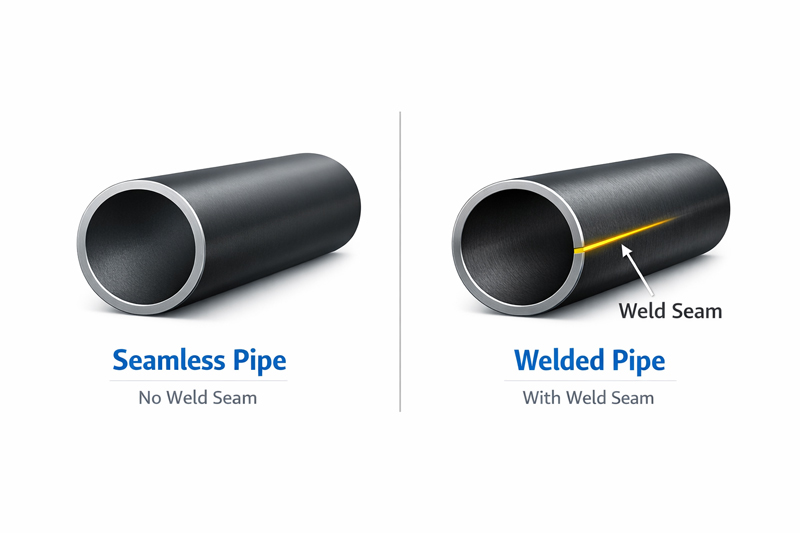
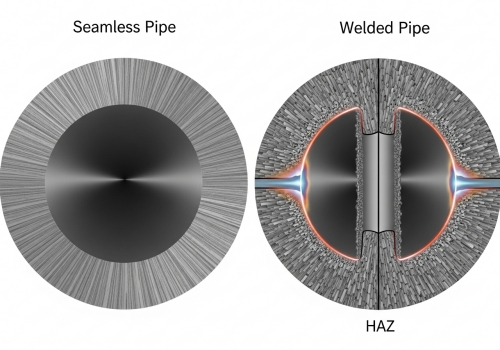
A pipe made without any welded seam
Formed by piercing a solid steel billet
👉 No weak line → uniform strength all around
1. Common Uses
High-pressure pipelines
Oil & gas industry
Boilers and heat exchangers
Power plants
2. Advantages
✅ No weld seam → strongest type of steel pipe
✅ resistant to high pressure and temperature
✅ Uniform structure (no weak points)
✅ Reliable for critical systems
3. Limitations
❌ More expensive than welded pipes
❌ Limited sizes compared to welded
❌ More complex manufacturing
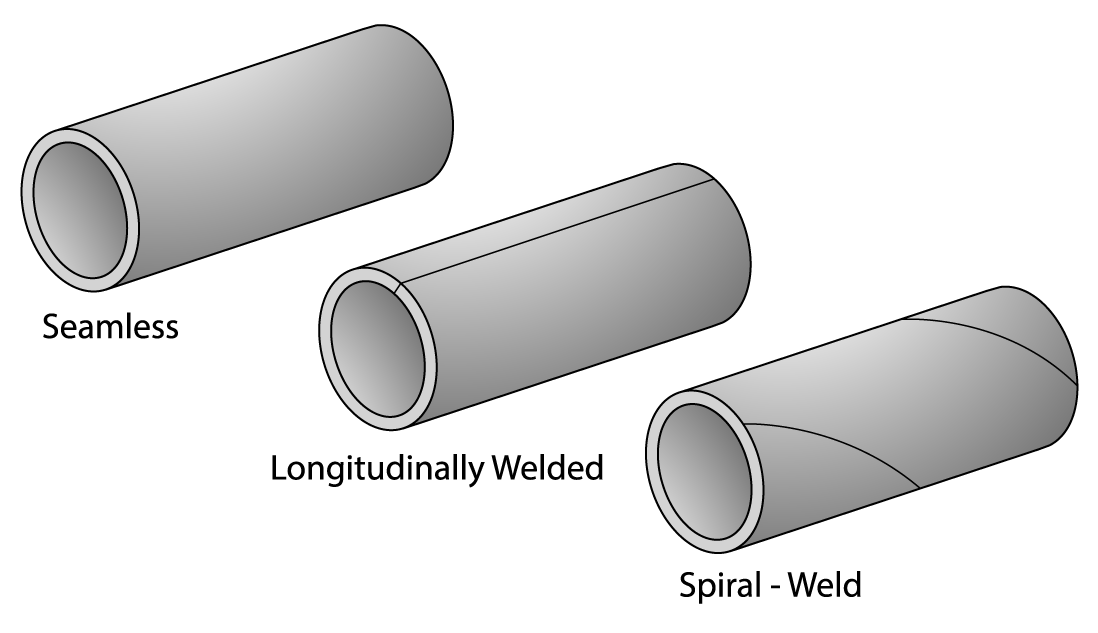
Welded Steel Pipe
(Longitudinal / Spiral)
⚡ Quick ALE Memory:
👉 Welded = Has seam + weak + cheaper + general use
🧠 Exam Tips (IMPORTANT):
If question says “economical steel pipe” → Welded
If large diameter pipe → Spiral welded
If general purpose pipeline → Welded
If high pressure → NOT welded → Seamless
TYPE OF STEEL PIPE:
Made by rolling steel plate and welding the seam
Has a visible longitudinal or spiral weld line
1. Common Types
ERW (Electric Resistance Welded) → straight seam
Spiral Welded → spiral seam (large diameter pipes)
2. Common Uses
Water pipelines
Structural applications
Low to medium pressure systems
Large-diameter transmission lines (spiral)
3. Advantages
✅ More economical than seamless
✅ Available in large sizes
✅ Easier and faster to manufacture
✅ Good for general applications
4. Limitations
❌ Weld seam = potential weak point
❌ Not ideal for very high pressure or critical systems
❌ Possible failure along weld if poorly made
6. Joints
Welded connections
Threaded (small pipes)
Flanged
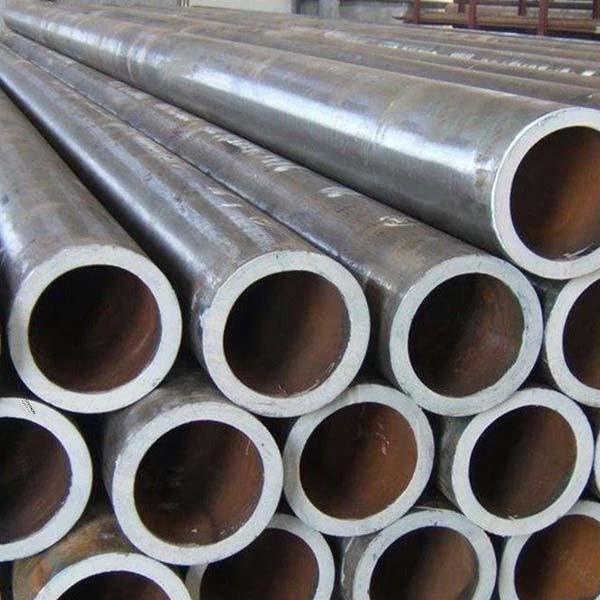
Alloy Steel Pipe
🧠 Fast Recall
👉 Carbon Steel = Common
👉 Stainless Steel = Corrosion Resistance
👉 Alloy Steel = High Temperature + High Pressure
👉 Chrome-Moly = Alloy Steel
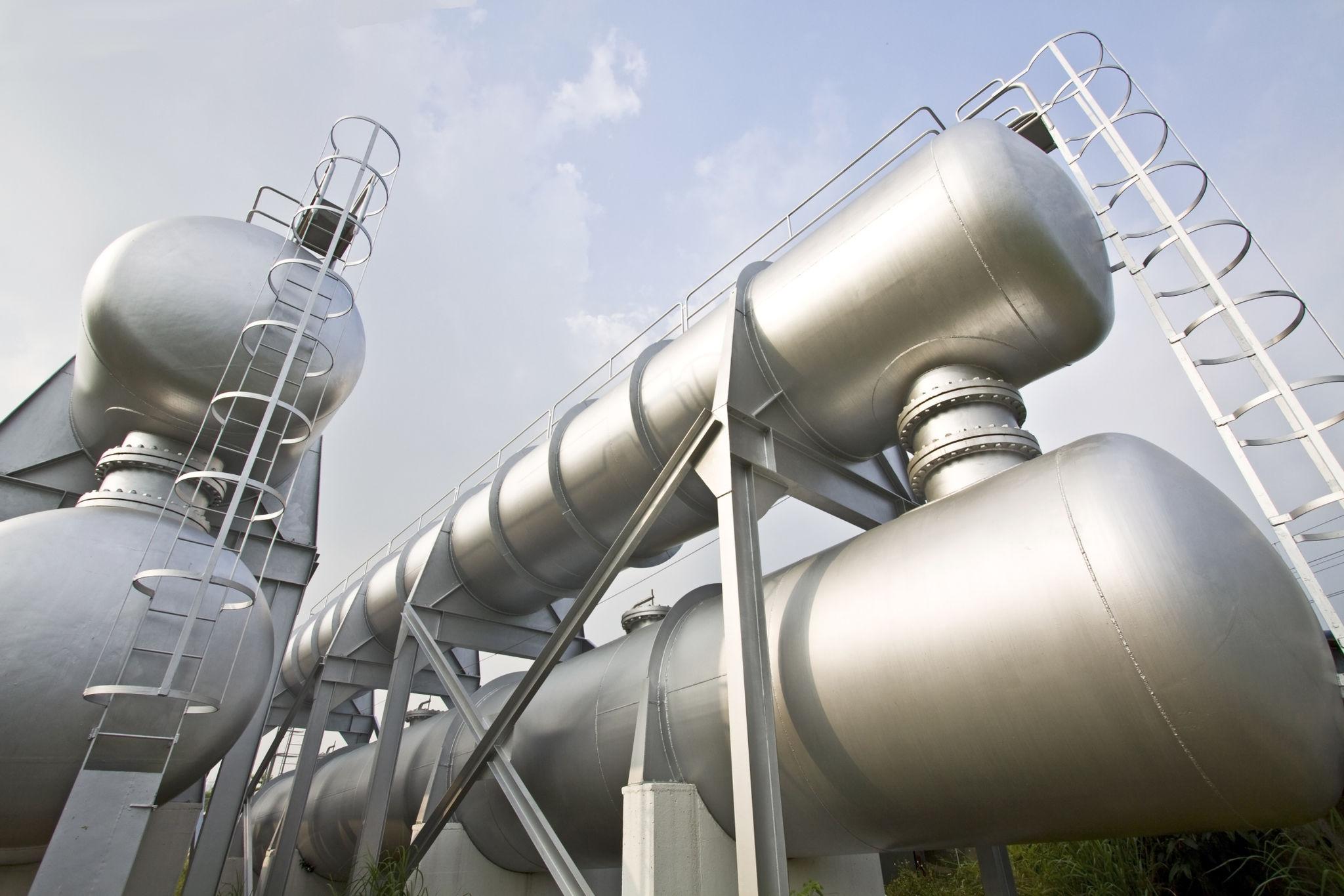
👉 Boilers & Power Plants = Alloy Steel
🎯 ALE One-Liner
Alloy Steel Pipe = enhanced steel designed for extreme heat, pressure, and industrial service such as boilers, steam lines, refineries, and power plants.
🚀 Ultimate Steel Pipe Memory Trick
Carbon = Common
Stainless = Sanitary / No Rust
GI = Zinc-Coated Water Pipe
Black Steel = Gas Pipe
Seamless = High Pressure
Spiral Welded = Large Diameter
Alloy Steel = Extreme Heat & Pressure
TYPE OF STEEL PIPE:
A steel pipe containing additional alloying elements such as:
Chromium (Cr)
Molybdenum (Mo)
Nickel (Ni)
Vanadium (V)
These elements improve:
Strength
Toughness
Heat resistance
Corrosion resistance
👉 Think: "Steel upgraded for extreme conditions."
1. Common Uses
Power plants
Boiler systems
Refineries
Petrochemical plants
High-pressure steam lines
High-temperature industrial piping
2. Common TypesChrome-Moly Steel (Cr-Mo)
Most common alloy steel pipe
Excellent for high temperature and pressure
Examples:
ASTM A335 P11
ASTM A335 P22
👉 ALE Keyword: "Boiler and steam service"
3. Advantages
✅ Very high strength
✅ Excellent heat resistance
✅ Excellent pressure resistance
✅ Better durability than carbon steel
✅ Good creep resistance at elevated temperatures
4. Limitations
❌ More expensive than carbon steel
❌ Harder to fabricate and weld
❌ Usually unnecessary for ordinary plumbing systems
5. Joints
Welded joints (most common)
Flanged connections
Threaded connections (smaller sizes)
Copper Pipe
Typically, 99.9% pure copper.
ALE Trigger
👉 Water supply + HVAC + soldered joints = Copper
ALE Trigger
👉 Steam + Boiler + High Pressure + High Temperature = Alloy Steel
ALE Trigger
👉 Food + Dairy + Pharmaceutical + Hygienic = Sanitary Tubing
🚀 ALE Memory Trick
👉 Copper = Buildings
👉 Alloy Steel = Industry
👉 Copper = Water & HVAC
👉 Alloy Steel = Steam & Boilers
👉 Copper = Corrosion Resistance
👉 Alloy Steel = Heat + Pressure Resistance
🎯 One-Liner for the Board Exam
Copper Pipe → potable water, HVAC, refrigeration, and medical systems.
Alloy Steel Pipe → boilers, steam lines, power plants, and high-temperature/high-pressure industrial systems.
🔥Ultra-Fast ALE Recall
"Water = Copper" 💧
"Steam = Alloy Steel" 🔥💨
🎯 ALE One-Liner
Copper Pipe = plumbing and HVAC tubing designed for water and heat-transfer applications.
Sanitary Tubing = polished stainless steel tubing designed for hygienic, contamination-free service in food, beverage, dairy, and pharmaceutical industries.
🔥 Board Exam Recall
💧 Water Supply → Copper Pipe
🥛 Milk/Food Processing → Sanitary Tubing
💊 Pharmaceutical Plant → Sanitary Tubing
❄ Air-Conditioning/Refrigeration → Copper Pipe
Carrier of: Water & Refrigerant
Pipe color: Brown / Bronze
Adv.: Corrosion resistant.
Dis adv.: Fails over 180 deg. in temp.
A pipe made primarily of copper metal
One of the oldest and most reliable materials for plumbing
Widely used for potable water, hot water, and HVAC systems
👉 Think: "Premium plumbing pipe."
1. Common Uses
Water Supply Systems
Potable water distribution
Hot and cold-water lines
HVAC & Refrigeration
Air-conditioning refrigerant lines
Heat pump systems
Fire Protection
Fire sprinkler systems
Medical Gas Systems
Hospitals and laboratories
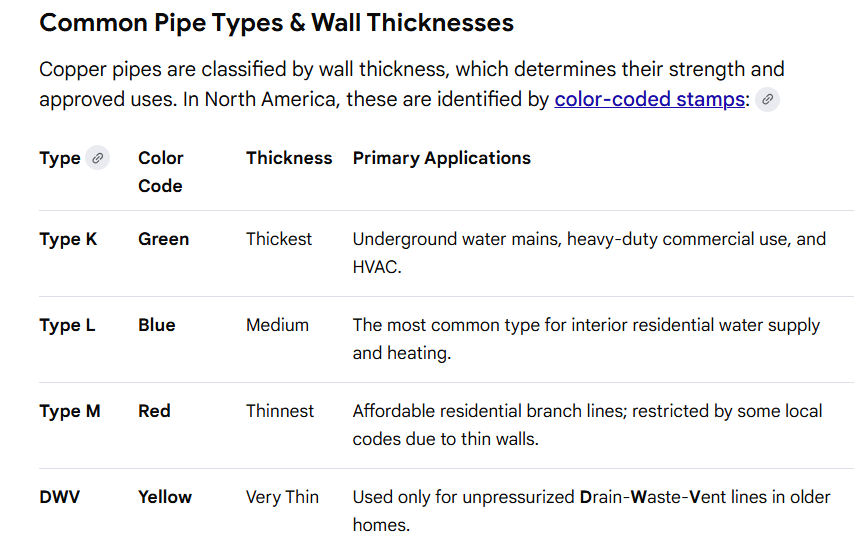
2. Common Types of Copper Pipe
Type K (green)
Thickest wall
Underground water service
Highest pressure rating
👉 ALE Clue: "Underground copper pipe"
Type L (blue)
Medium wall thickness
Most common for residential and commercial plumbing
👉 ALE Clue: "General water supply"
Type M (red)
Thinnest wall
Lower-pressure residential applications
👉 ALE Clue: "Economical indoor plumbing"
DVW (yellow)
Very thin
Use only for unpressurized Drain-Waist-Vent lines in older homes
👉 ALE Clue: "old times plumbing''
3. Advantages
✅ Excellent corrosion resistance
✅ Long service life
✅ Suitable for hot and cold water
✅ Naturally antimicrobial
✅ High temperature resistance
✅ Excellent heat conductivity
4. Limitations
❌ Expensive compared to plastic pipes
❌ Can be stolen because of scrap value
❌ Requires soldering, brazing, or special fittings
❌ May corrode under highly acidic water conditions
5. Common Joints
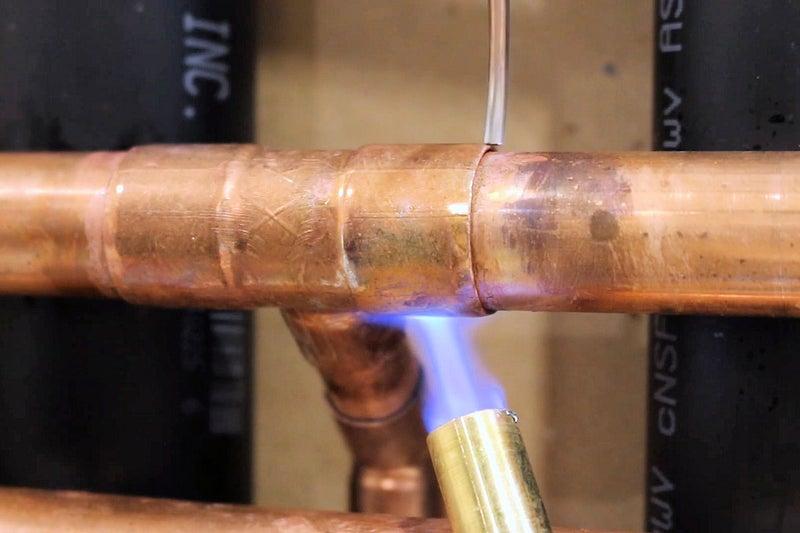
Soldered Joint
Most common plumbing connection
Brazed Joint
Higher temperature applications
HVAC and refrigeration
Compression Fittings
Small diameter tubing
Brass Pipe
Remember:
Brass Vs Copper Vs Bronze
Brass
Alloy of Copper + Zinc
Yellow-gold color
Stronger and harder than copper
Commonly used for:
Valves
Faucets
Fittings
Specialty plumbing components
Copper
Nearly pure copper metal
Reddish-brown color
More ductile and flexible
Commonly used for:
Water supply lines
Hot and cold water systems
HVAC and refrigeration tubing
Bronze
Made of Copper + Tin
Darker brown appearance
Better resistance to seawater and marine environments
👉 Brass = Copper + Zinc
👉 Bronze = Copper + Tin
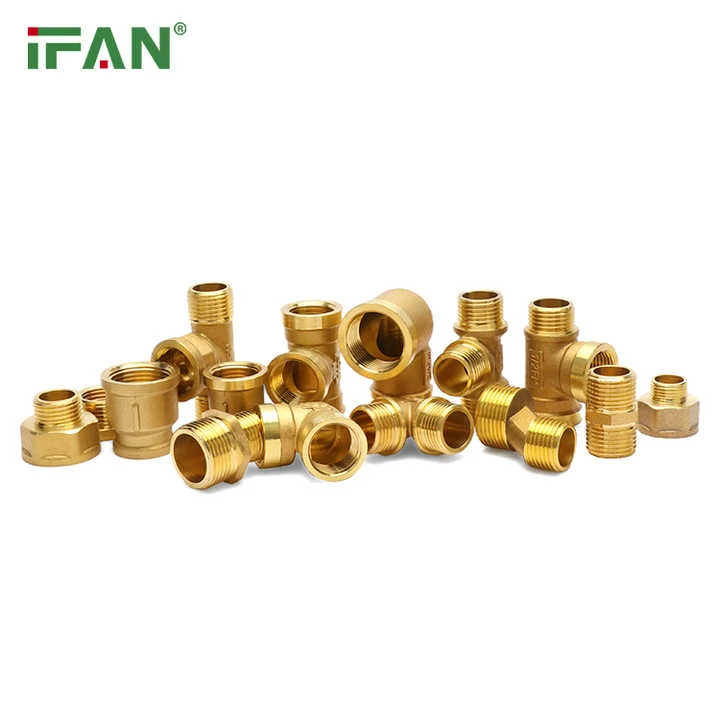
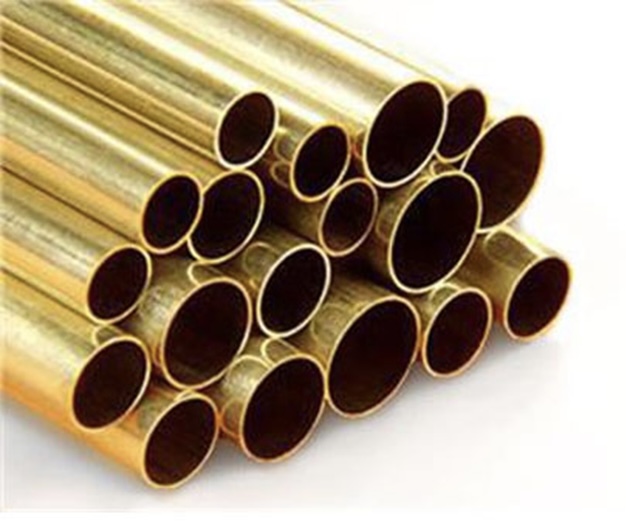
A pipe made from brass, an alloy of:
Copper (Cu)
Zinc (Zn)
Recognized by its yellow-gold metallic color
Known for good corrosion resistance and durability
👉 Think: “Copper’s stronger cousin.”
Common Uses
Plumbing Systems
Potable water distribution
Water service connections
Fixtures & Fittings
Faucets
Valves
Pipe fittings
Industrial Applications
Low to moderate pressure fluid systems
Decorative Applications
Architectural and ornamental piping
Advantages
✅ Good corrosion resistance
✅ Stronger than pure copper
✅ Durable and long-lasting
✅ Easy to machine and thread
✅ Attractive appearance
✅ Suitable for potable water
Limitations
❌ More expensive than GI and plastic pipes
❌ Can undergo dezincification in aggressive water conditions
❌ Heavier than plastic pipes
❌ Not commonly used for large distribution systems today
Common Joints
Threaded Connections
Most common
Compression Fittings
Small-diameter tubing
Brazed/Soldered Connections
Some specialized applications
Lead Pipe
🔥 BOARD EXAM RECALL
☠ Toxic plumbing material → Lead
🏚 Old water service line → Lead
🔩 Soft, bendable metal pipe → Lead
🚫 Not suitable for potable water → Lead ✅
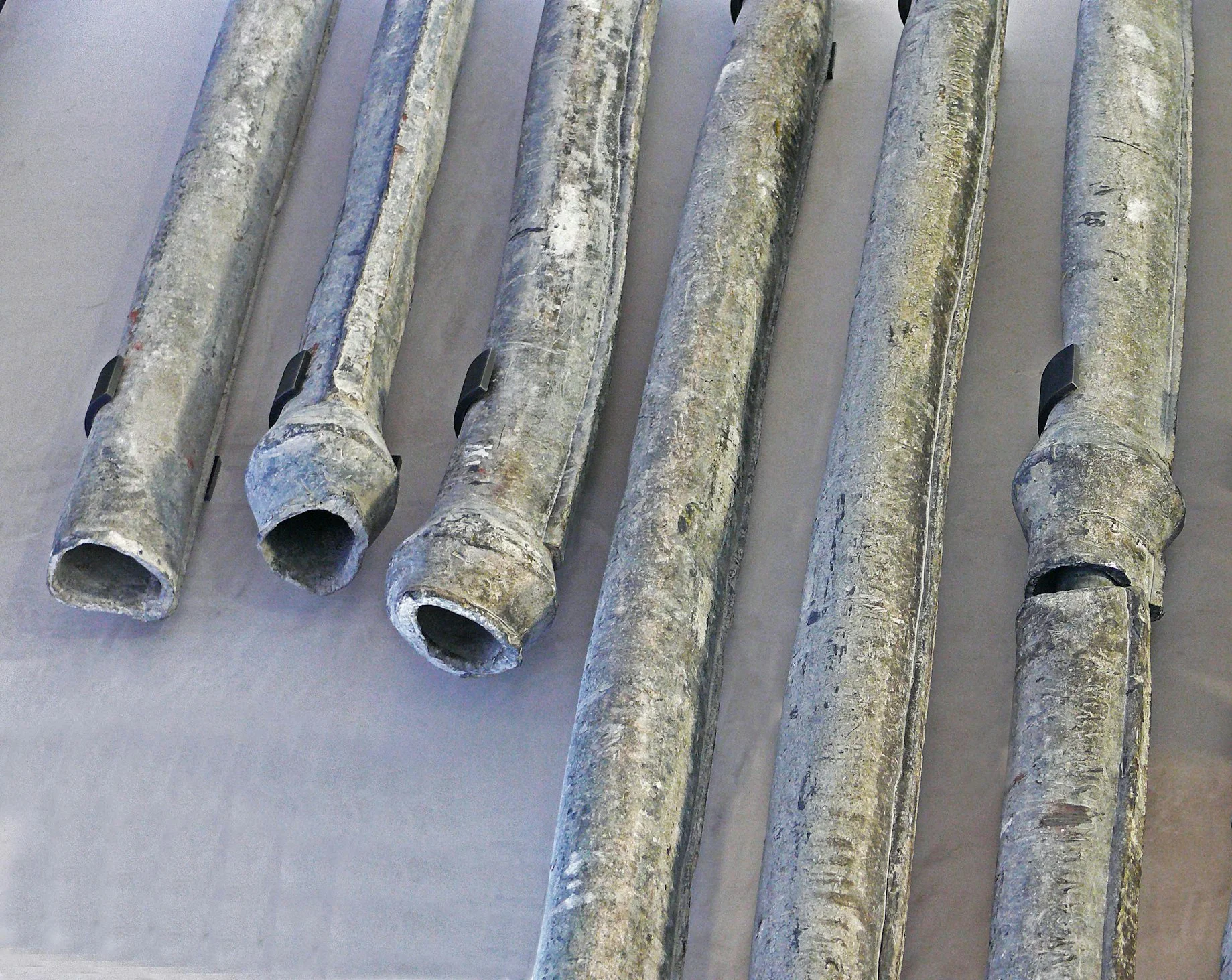
A pipe made primarily of (Pb)
One of the oldest plumbing materials used in history
Known for being soft, malleable, and easy to bend
👉 Think: “Old plumbing material now largely prohibited.”
Common Uses (Historical)
Former Applications
Water service connections
Domestic water supply systems
Underground service pipes
Present Status
Largely discontinued for potable water systems due to health hazards
May still be found in older buildings and historic infrastructure
Advantages
✅ Very flexible
✅ Easy to bend and shape
✅ Corrosion-resistant in some environments
✅ Watertight joints
Limitations
❌ Toxic to humans
❌ Can contaminate drinking water
❌ Low strength compared to steel
❌ Soft and easily deformed
❌ Prohibited or restricted in modern potable water systems
Common Joints
Wiped Lead Joints
Traditional method
Compression or Mechanical Connections
Used when connecting old lead pipes to modern systems
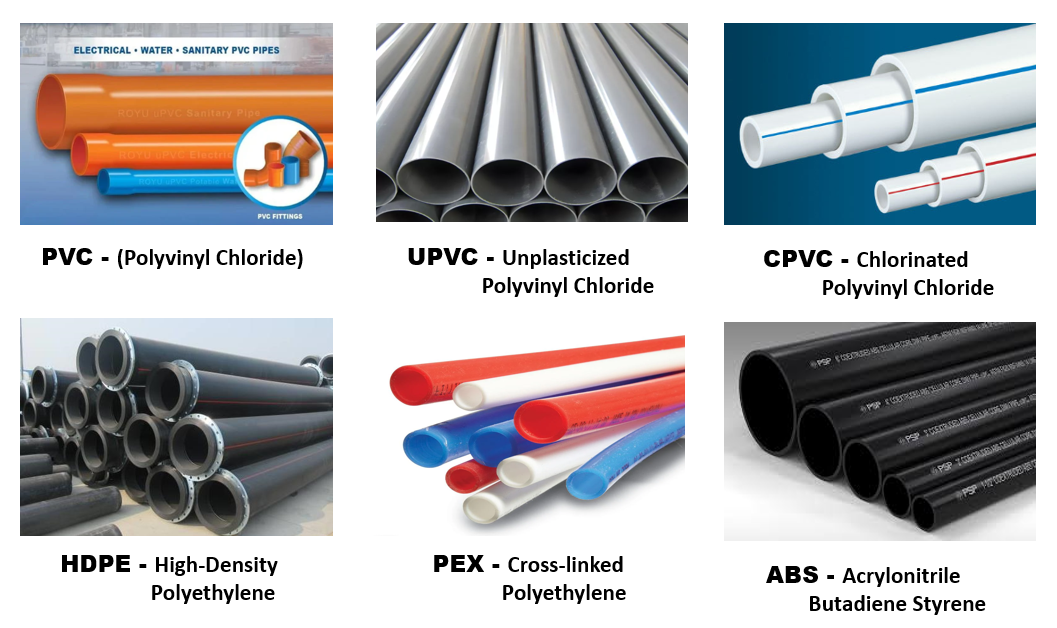
Plastic Pipe
⚡ Quick Memory:
👉 PVC = cold water / drainage
👉 uPVC = rigid version of PVC (no plasticizers added)
👉 CPVC = hot water
👉 PEX = flexible supply lines
👉 HDPE = underground flexible mains
👉 PPR = hot & cold (rigid system)
👉 ABS = drainage (black pipe)
🧠 Exam Tip:
If question mentions flexibility → PEX or HDPE
If hot water → CPVC or PPR
If drainage (black pipe) → ABS
Carrier of: Acidic / Hot water, Alkaline
Pipe color: Blue, Green, Gray, White
Adv.: Rust resistant, lightweight & cheaper.
Dis adv.: Easily cracking.
1. Main Uses
Water supply systems
Sewer & drainage
Irrigation
Electrical conduits
2. Advantages
Lightweight (easy to install)
Corrosion-resistant
Smooth interior → low friction loss
Flexible (especially HDPE)
3. Limitations
Lower strength vs concrete/steel
Sensitive to high temperatures (except PPR)
Can deform under heavy loads if not properly supported
4. Joints
Solvent cement (PVC/uPVC)
Heat fusion (HDPE, PPR)
Mechanical fittings
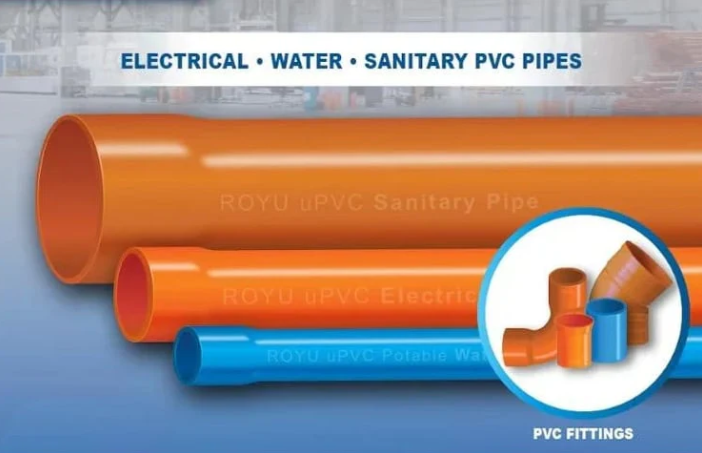
PVC (Polyvinyl Chloride)
⚡ Quick Memory:
👉 PVC = Cold water + Drainage
👉 Rigid, light, corrosion-free
🧠 Exam Tip:
If question says cheap, corrosion-resistant, light → PVC
If hot water is involved → NOT PVC (use CPVC/PPR instead)
TYPE OF PLASTIC PIPE:
The most common type for residential/commercial sewage, drains, and water supply.
rigid plastic pipe widely used in construction
1. Common Uses
Sewer & drainage systems
Stormwater pipes
Cold water supply
Electrical conduits
2. Advantages
Affordable
3. Limitations
Not suitable for high temperature (can deform)
Becomes brittle under UV exposure (unless protected)
Lower strength vs concrete/metal pipes
4. Joints
Solvent cement (glued joints)
Rubber ring (for larger pipes)
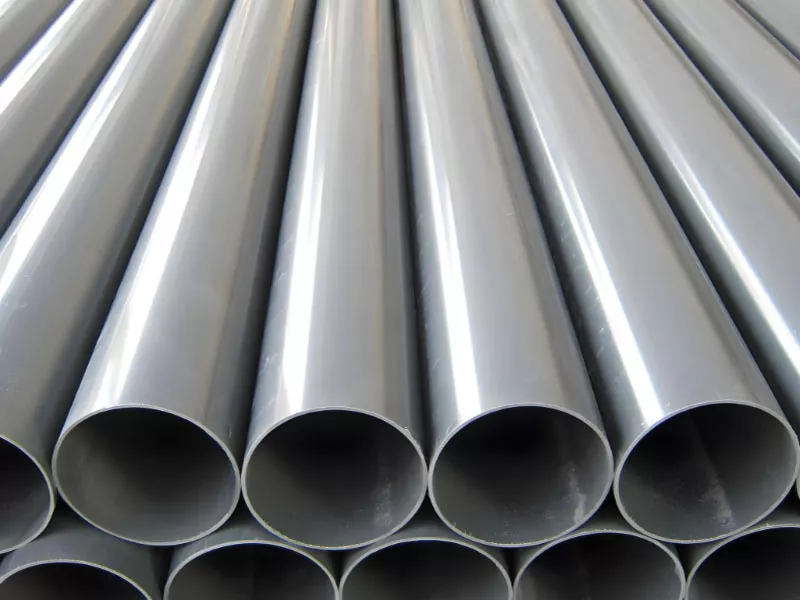
UPVC (Unplasticized Polyvinyl Chloride)
⚡ Quick ALE Memory:
👉 uPVC = Rigid, stronger PVC
👉 Cold water + drainage + pressure lines (light to moderate)
🧠 Exam Tip:
If question says rigid plastic, stronger than PVC → uPVC
TYPE OF PLASTIC PIPE:
Rigid with no plasticizers or other additives.
UV-resistant pipe commonly used for drain-waste-vent (DWV) systems, cold water lines, and structural components like window frames.
Suitable for temp. up to 140 deg. F (60 deg. C)
1. Common Uses
Water supply systems
Sewer & drainage
Irrigation lines
Electrical conduits
2. Advantages
Stronger & more rigid than regular PVC
Long service life
3. Limitations
Not suitable for high-temperature fluids
Can become brittle under prolonged UV exposure
Less flexible than HDPE or PEX
4. Joints
Solvent cement (glued joints)
Rubber ring joints (for larger pipes)
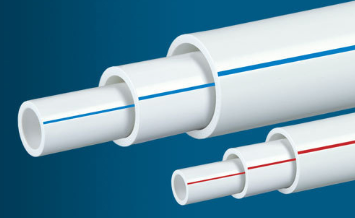
CPVC (Chlorinated Polyvinyl Chloride)
⚡ Quick ALE Memory:
👉 CPVC = PVC for HOT water
👉 Rigid + heat-resistant
🧠 Exam Tip:
If question says hot water + plastic → CPVC or PPR
TYPE OF PLASTIC PIPE:
Similar and modified PVC that can handle higher temperatures
Can handle temperature up to 200 deg. F (93 deg. C)
🔑 Think: PVC for hot water
2. Common Uses
Hot and cold water supply systems
Residential & commercial plumbing
3. Advantages
heat-resistant (better than PVC/uPVC)
4. Limitations
More brittle than PEX/HDPE
Not ideal for very high-pressure systems
Can degrade under UV if exposed
5. Joints
Solvent cement (similar to PVC)
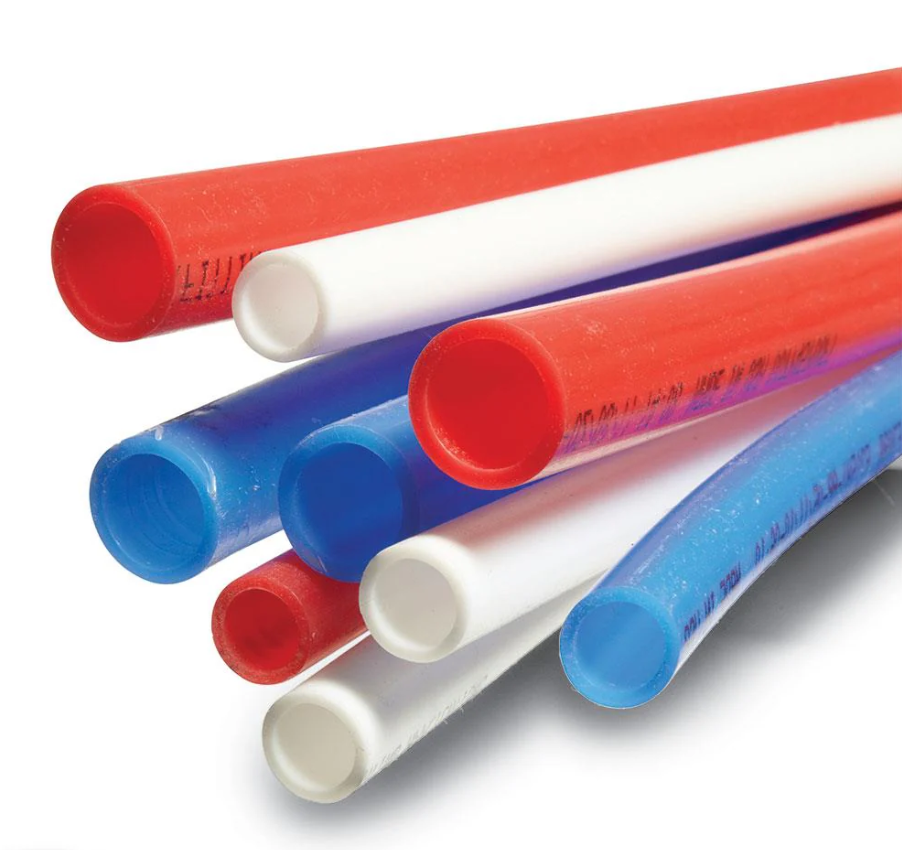
PEX (Cross-linked Polyethylene)
⚡ Quick ALE Memory:
👉 PEX = Flexible + fast installation
👉 Used for hot & cold water (like CPVC, but flexible)
🧠 Exam Tip:
If question says flexible plumbing system → PEX
If many bends, fewer joints → PEX
If exposed to sunlight → NOT PEX
TYPE OF PLASTIC PIPE:
Very flexible (can bend around corners)
🔑 Think: modern flexible plumbing
1. Common Uses
Hot & cold-water supply
Residential plumbing systems
Radiant floor heating
2. Advantages
✅ Very flexible → fewer fittings needed (less leakage risk)
✅ Faster installation
✅ resistant to corrosion & scaling
✅ Can expand slightly (resists bursting)
3. Limitations
❌ Not suitable for UV exposure (sunlight degrades it)
❌ Lower structural strength vs rigid pipes
❌ Requires special fittings/tools
4. Joints
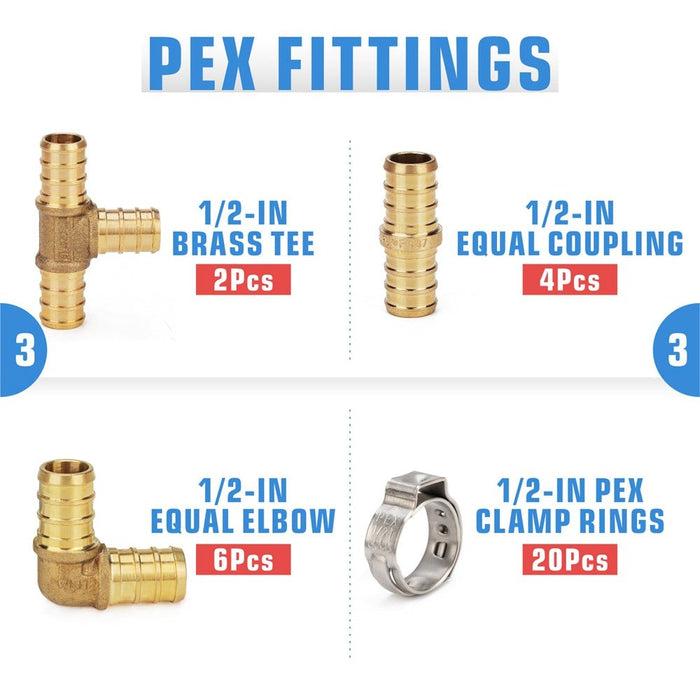
Crimp fittings
Clamp fittings
Push-fit connectors
HDPE (High-Density Polyethylene)
⚡ Quick ALE Memory:
👉 HDPE = Flexible + Underground + Leak-proof joints
👉 Best for long continuous pipelines
🧠 Exam Tip:
If question says flexible + long runs + minimal joints → HDPE
If leak-proof system required → HDPE (fusion joints)
TYPE OF PLASTIC PIPE:
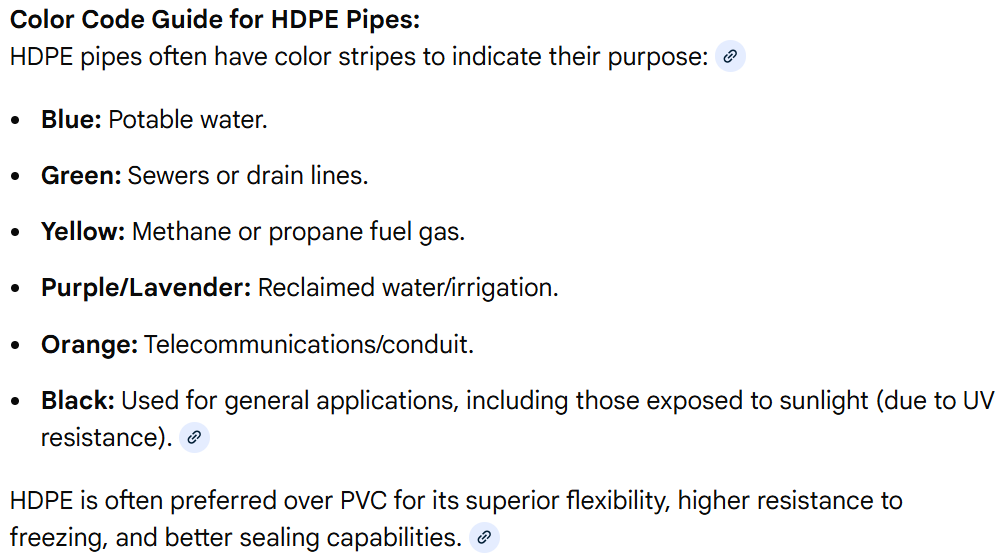
Used as a protective conduit for electrical & communication cables.
A flexible, strength and durable plastic pipe
1. Common Uses
Water supply lines
Sewer & drainage systems
Gas pipelines
Irrigation systems
2. Advantages
✅ Highly flexible (can bend without breaking)
✅ resistant to corrosion & chemicals
✅ Leak-resistant (fusion joints = no leaks)
✅ Durable for underground use
3. Limitations
❌ Sensitive to UV (needs protection outdoors)
❌ Lower stiffness than rigid pipes (needs support)
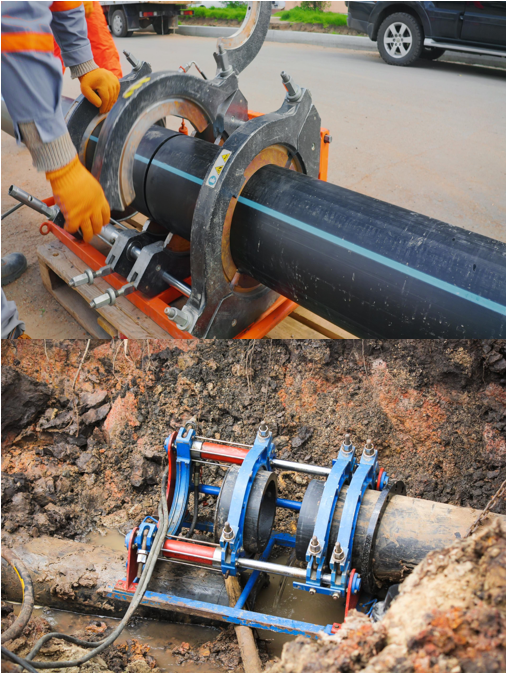
❌ Requires special fusion equipment
4. Joints
Heat fusion (butt fusion / electrofusion) → strongest, leak-proof
Mechanical fittings (less common)
Polypropylene Random Copolymer (PPR)
⚡ Quick ALE Memory:
👉 PPR = Hot + Cold + Fusion joints
👉 Rigid alternative to CPVC (but stronger joints)
🧠 Exam Tip:
If question says hot water + fusion joint → PPR
If flexibility is needed → NOT PPR (think PEX/HDPE)
If leak-proof system → PPR or HDPE (fusion joints)
TYPE OF PLASTIC PIPE:
A rigid plastic pipe used for hot & cold water systems
1. Common Uses
Hot and cold water supply
Residential & commercial plumbing
Industrial fluid systems
2. Advantages
✅ High temperature resistance (ideal for hot water)
✅ Corrosion & chemical resistant
✅ Long service life
✅ Smooth interior → low friction loss
✅ Leak-proof joints (fusion welding)
3. Limitations
❌ Rigid (not flexible like PEX/HDPE)
❌ Requires special heat fusion tools
❌ Slightly higher cost than PVC
4. Joints
Heat fusion (thermal welding)
👉 creates monolithic (one-piece) joints = no leaks
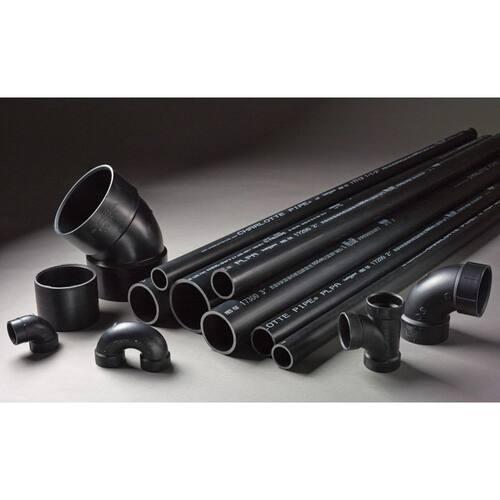
ABS (Acrylonitrile Butadiene Styrene)
⚡ Quick ALE Memory:
👉 ABS = Black pipe = Drainage (DWV)
🧠 Exam Tip:
If question says black plastic pipe → ABS
If drainage / sewer → ABS or PVC
If hot water or pressure → NOT ABS
TYPE OF PLASTIC PIPE:
A rigid usually black plastic pipe commonly used in drainage
🔑 Think: drainage pipe (black)
1. Common Uses
Drainage, Waste, Vent (DWV) systems
Sewer lines
Underground drainage
2. Advantages
✅ Impact-resistant (tougher than PVC in cold temps)
✅ Lightweight & easy to install
✅ Smooth interior → good flow
✅ No corrosion
3. Limitations
❌ Not suitable for hot water under pressure
❌ Poor UV resistance (degrades in sunlight)
❌ Usually not used for potable water lines
4. Joints
Solvent cement (glue joints)
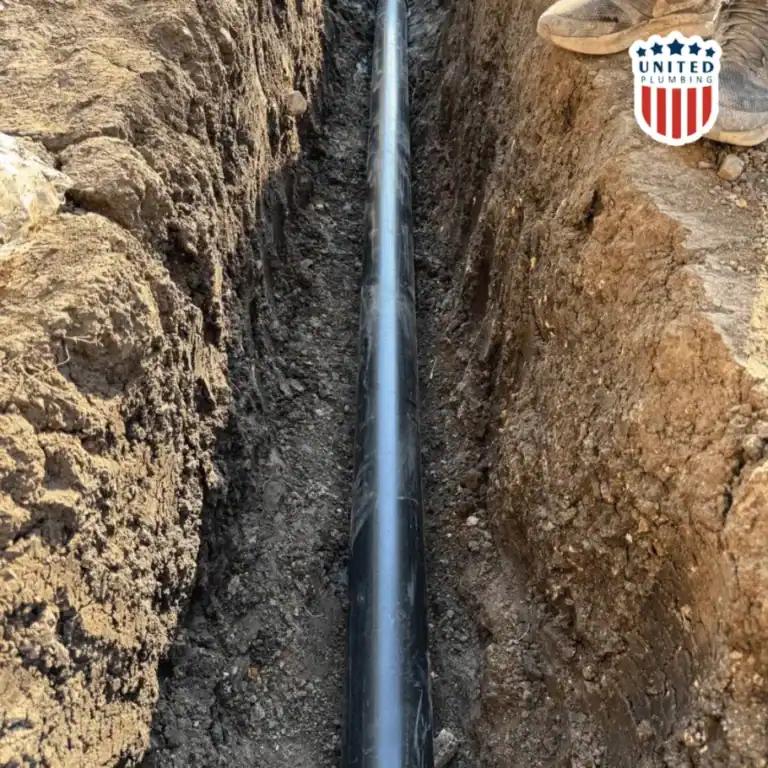
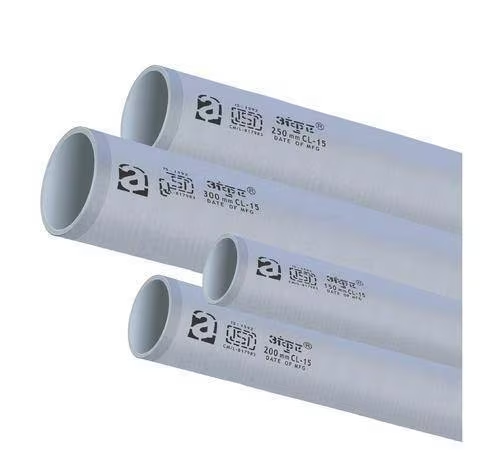
Asbestos Cement Pressure Pipe
Made of Portland cement, asbestos fibers (contain 15–20%) & silica.
Carrier of: Potable water & Drainage water
Pipe color: Gray
Adv.: Easy to install and maintain.
Dis adv.: Low resistance in vibration and earthquake shocks.
Used for pressure applications.
Often called Transite, were widely used from the 1930s to the 1980s for water mains, sewage, and industrial piping. It’s no longer used due to severe health risk of the material’s fiber exposure when it is disturbed or deteriorates.
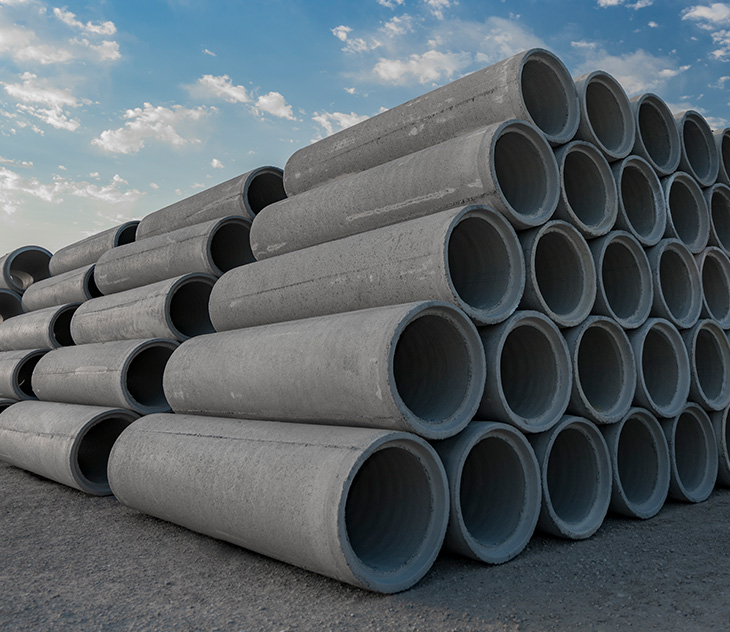
Concrete Pipe
Carrier of: Drinking water, Wastewater, Gas, & Fumes
Pipe color: Gray
Adv.: Suitable on all types of waters, heavy-duty, durable.
Dis adv.: Installation cost and heavy.
Its main weakness is susceptibility to corrosion by sulfuric acid found in some sewage which can be mitigated with protective liners.
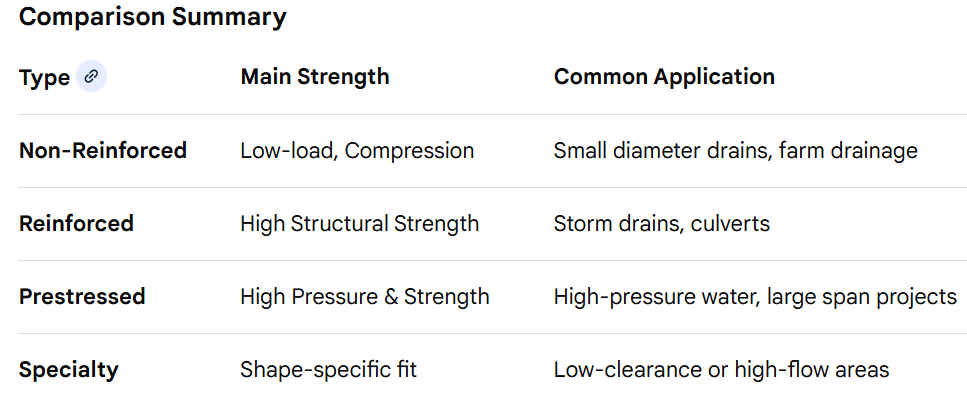
1. Main Types
Non‑Reinforced (NRCP) → no steel, for light loads
Reinforced (RCP) → with steel bars/wire, for drainage & sewers
Prestressed (PCCP) → high-pressure pipes (water transmission)
2. Common Uses
Storm drainage
Sewer systems
Culverts (road crossings)
Water transmission (PCCP)
3. Strength Concept
Concrete = strong in compression
Steel (if present) = handles tension
4. Joints
Bell-and-spigot
Tongue-and-groove
👉 ensures watertight connections
5. Advantages
Durable (long service life)
Fire & corrosion resistant
Good for underground conditions
6. Limitations
Heavy (needs equipment)
Brittle if not reinforced
Cracking risk under tension
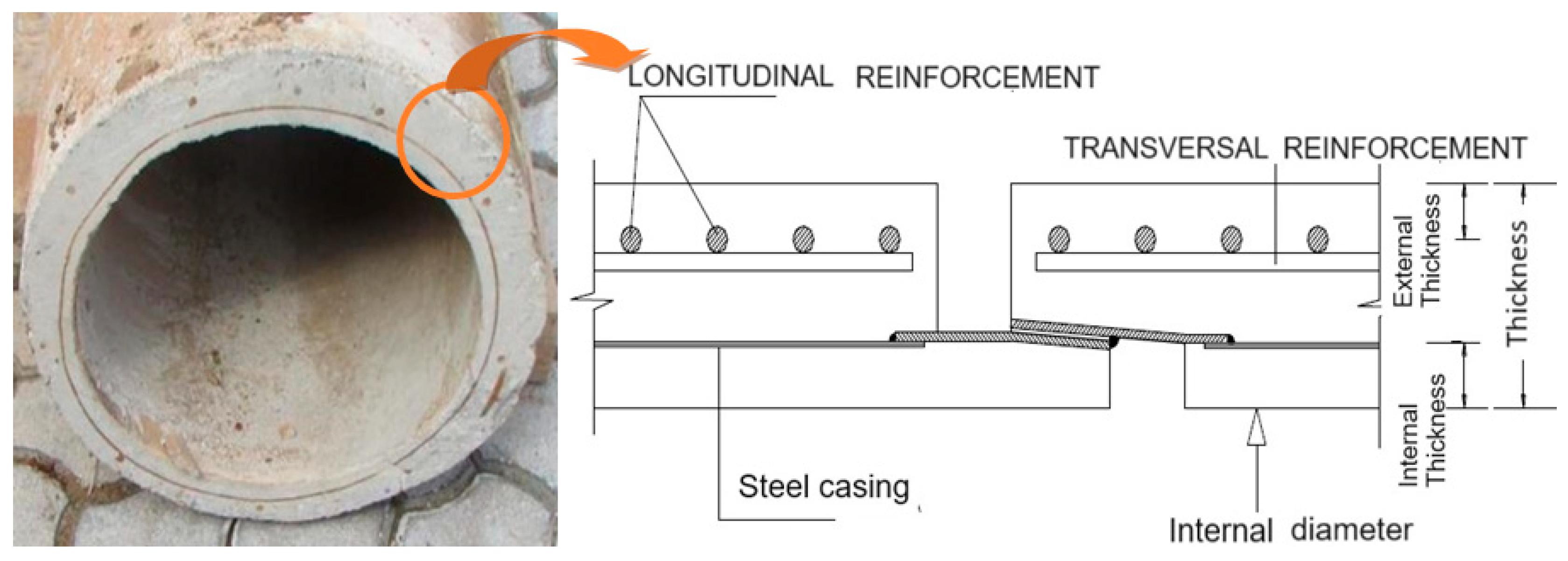
Reinforced Concrete Pipe (RCP)
→R→ Regular steel bars → medium strength
→ ordinary steel reinforcement
→ steel reinforced, moderate strength
TYPE OF CONCRETE PIPE:
A concrete pipe reinforced with steel bars or wire mesh.
Used for:
drainage systems
sewer lines
culverts
stormwater systems
Main components:
concrete wall
steel reinforcement
bell-and-spigot or tongue-and-groove joints
Reinforcement resists tension, while concrete resists compression
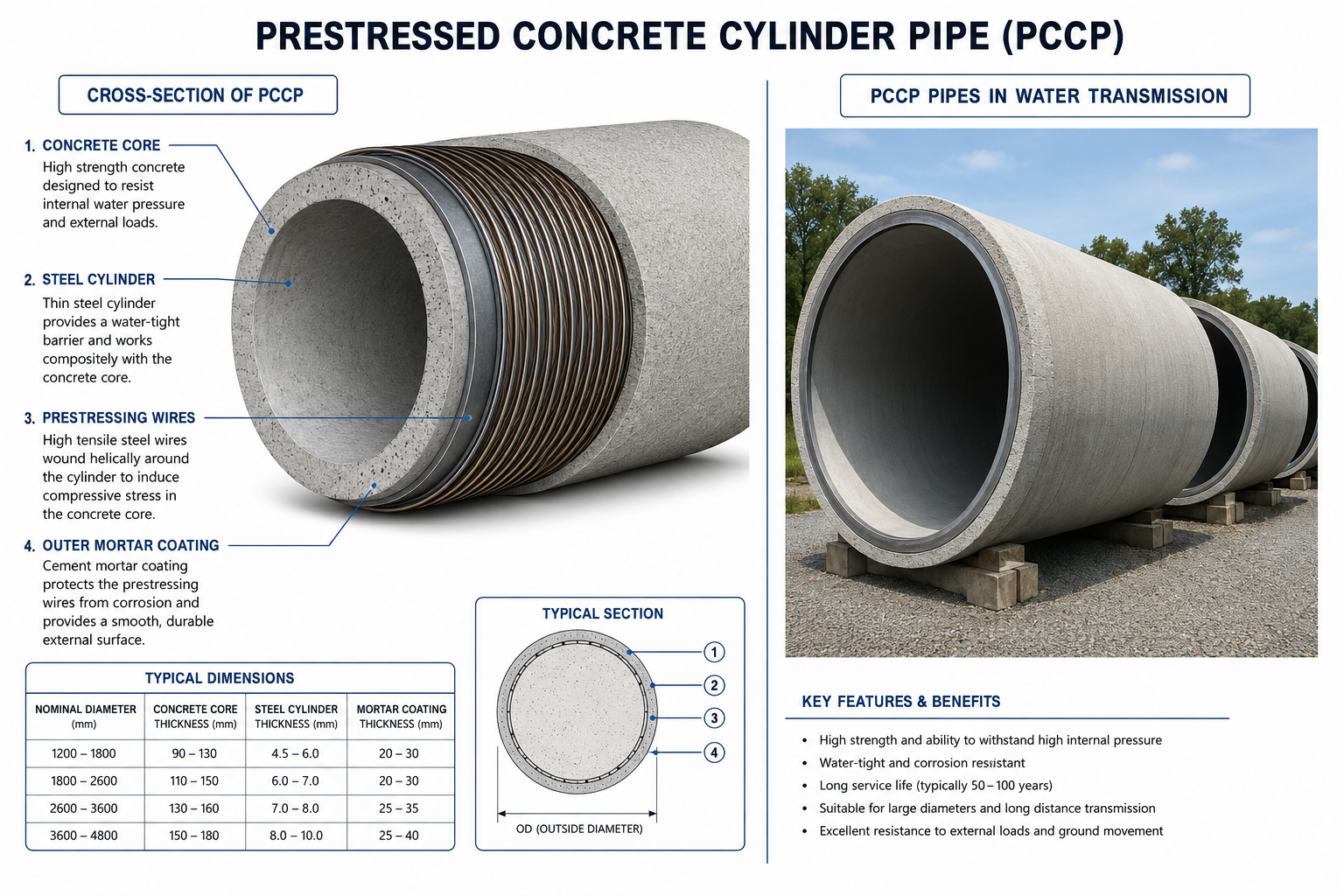
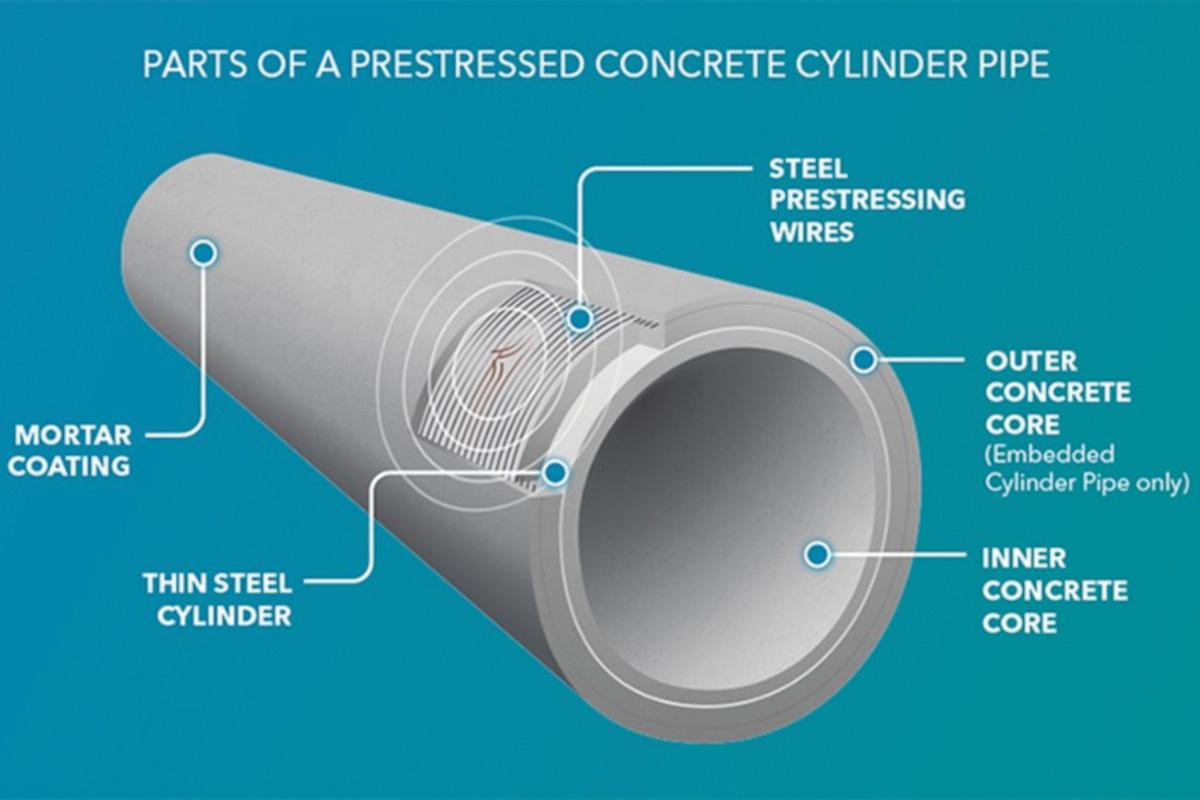
Prestressed Concrete Cylinder Pipe (PCCP)
→ Powerful (prestressed wires) → strongest
→ high-tension prestressing wires wrapped around pipe for higher strength and pressure resistance
→ prestressed, high-pressure applications
TYPE OF CONCRETE PIPE:
Used mainly for:
water transmission mains
pressure pipelines
large-scale utility systems
Main components:
inner concrete core
steel cylinder
prestressing wires
outer mortar/concrete coating
Purpose of prestressing:
places concrete in compression
minimizes cracking from internal water pressure
allows larger diameter pipes with higher pressure capacity
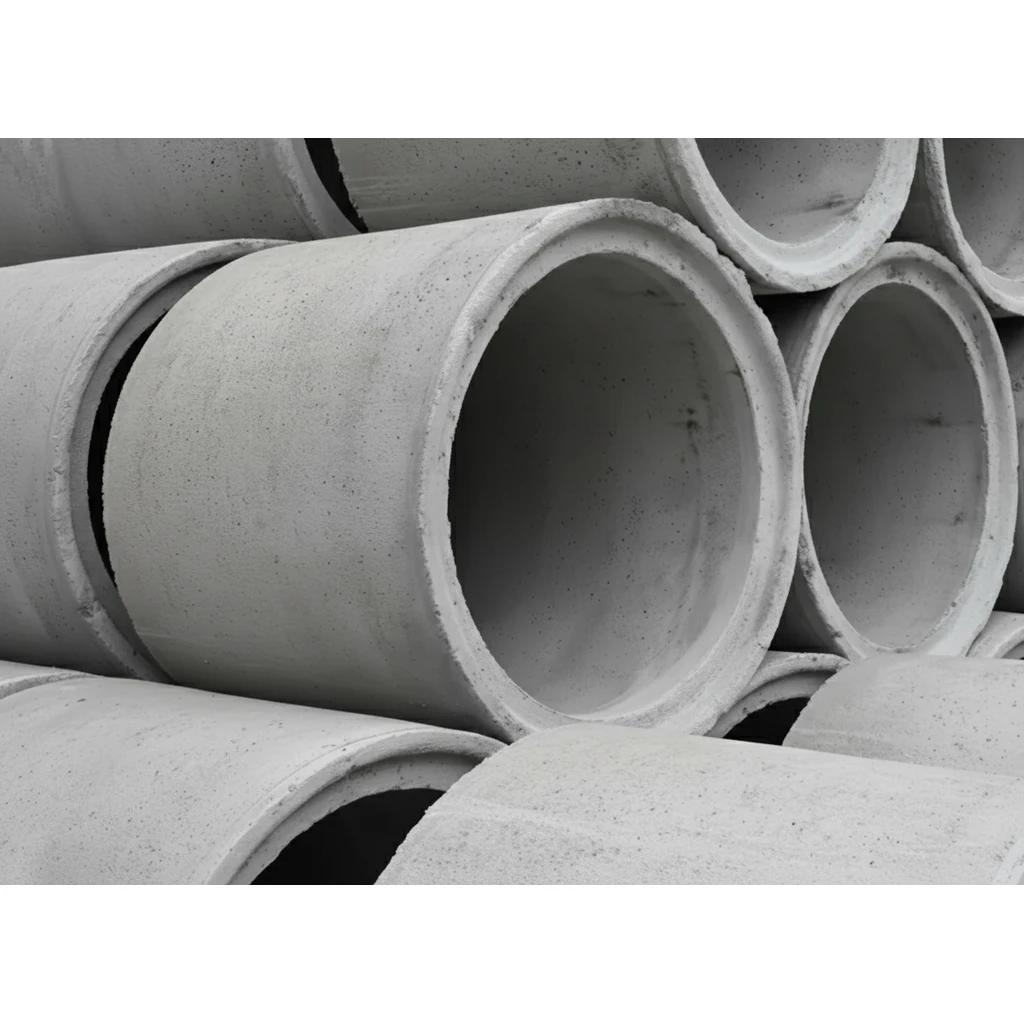
Non-Reinforced Concrete Pipe (NRCP)
→N → No steel → weakest
→ no steel, low strength, light-duty
TYPE OF CONCRETE PIPE:
Used for:
low-pressure drainage
small culverts
gravity flow systems
Characteristics:
relies purely on concrete compressive strength
weak in tension → prone to cracking under heavy loads
typically used for smaller diameters and shallow installations
Limitation:
not suitable for high loads or deep burial compared to RCP/PCCP
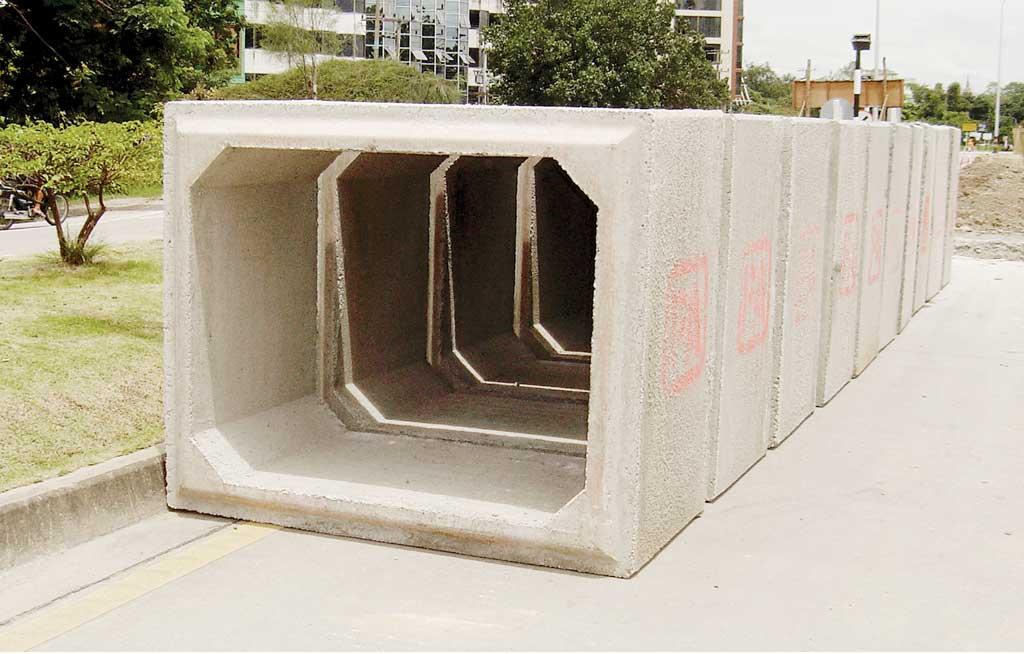
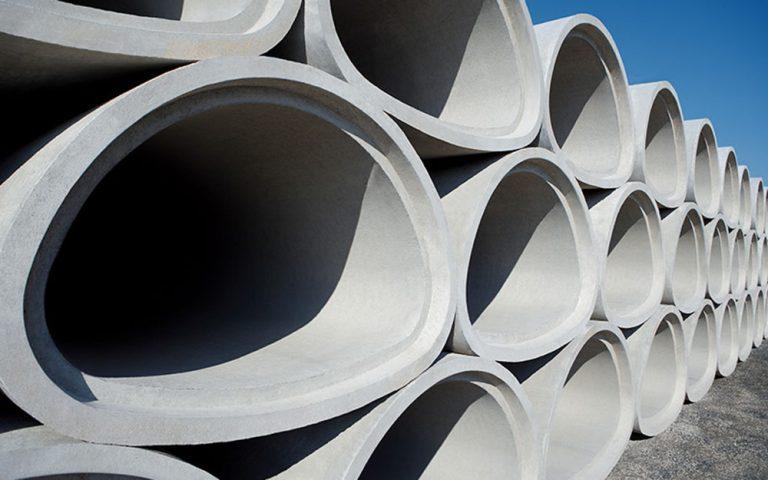
Specialty Shapes
TYPE OF CONCRETE PIPE:
used when circular pipes are not ideal
Common types:
Elliptical → better for low headroom areas
Arch → strong for shallow cover
Box culvert (rectangular) → large flow + easy construction
Horseshoe → tunnels & sewers
Advantage: better hydraulic efficiency or structural fit depending on site conditions
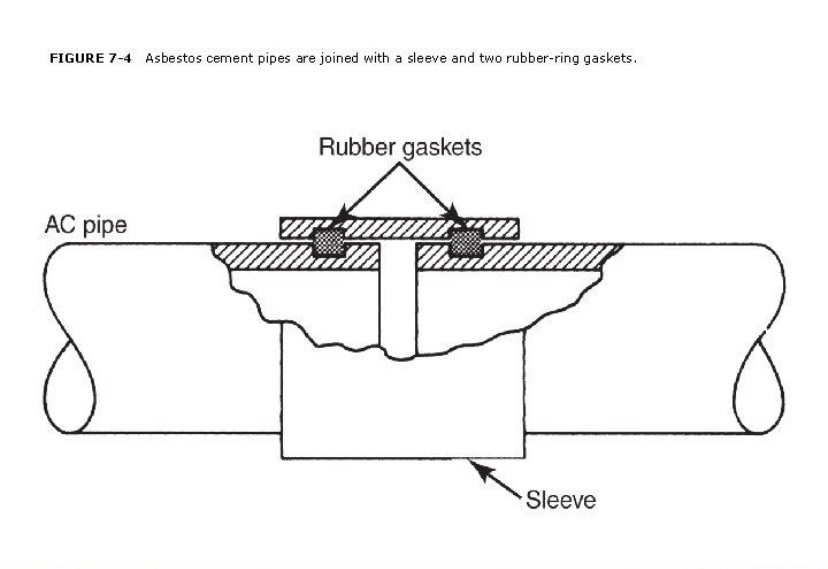
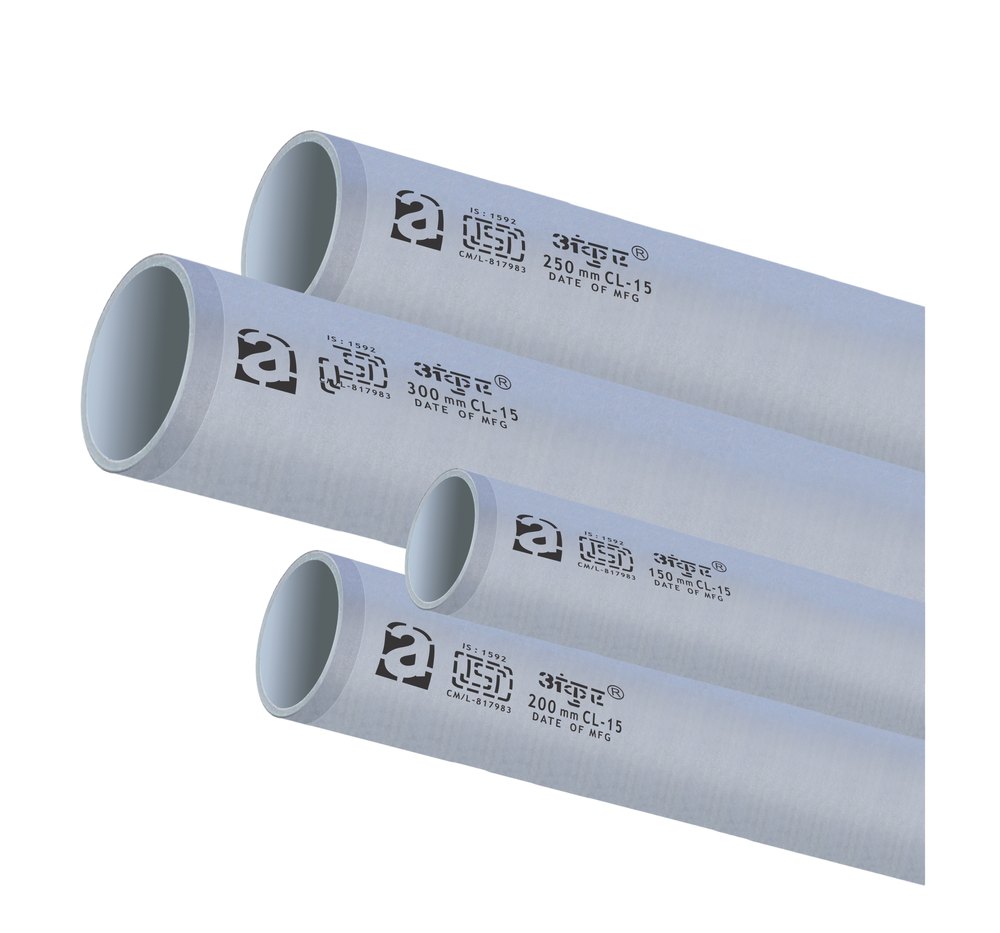
Asbestos Cement Pressure Pipe ( ACP )
🎯 ALE ONE-LINER
Asbestos Cement Pressure Pipe (ACP) = a cement-based, asbestos-fiber-reinforced pipe formerly used for pressurized water distribution systems because of its corrosion resistance and hydraulic efficiency.
🔥 BOARD EXAM RECALL
💧 Pressure water main → ACP
🧱 Cement + asbestos fibers → ACP
⚠ Old municipal water system → ACP
🚫 Brittle but corrosion-resistant → ACP
⚠ Health Concern = Asbestos
SUPER FAST DIFFERENTIATION
ACP = Pressure Water
VCP = Sewer - Gravity Sewer Pipe
RCP = Culvert - Gravity flow
PCCP = High-Pressure Transmission Main - Large Diameter
HDPE = Modern Underground Water Main
PVC/uPVC = Modern Water Distribution System ✅
• A pipe made from:
Portland Cement
Asbestos Fibers
Water
The asbestos fibers act as reinforcement, increasing strength and crack resistance.
👉 Think: “Concrete-like pipe for pressurized water systems.”
Common Uses
Water Distribution Systems
Municipal water mains
Water transmission pipelines
Irrigation Systems
Agricultural water conveyance
Pressure Water Networks
Medium-pressure water supply
Key Characteristics
Gray to light gray color
Rigid and relatively lightweight compared to concrete
Smooth interior surface
Corrosion-resistant
Non-metallic
Advantages
Corrosion Resistant
Does not rust like steel or cast iron
Smooth Interior
Low friction loss
Good hydraulic efficiency
Lightweight
Lighter than many concrete and metal pipes
Good Water Quality
Does not significantly affect taste or odor
Disadvantages
Brittle
Can crack under impact or excessive ground movement
Limited Flexibility
Not suitable where large deflections occur
Health Concerns
Asbestos fibers are hazardous if released during cutting, drilling, or deterioration
Obsolete in Many Areas
Largely replaced by PVC, HDPE, and ductile iron
🔩 Common Joints
Bell-and-Spigot Joints
Common traditional connection
Rubber Gasket Joints
Used for watertight sealing
Vitrified Clay Pipe
🧠 EASY MEMORY TRICKS
VCP = “Very Common Pipe for Sewers”
🚽 Sewer = VCP
🧱 Clay = VCP
🔥 Fired Clay = VCP
⚠ Brittle = VCP
🚫 Not for Pressure = VCP
🎯 ALE ONE-LINER
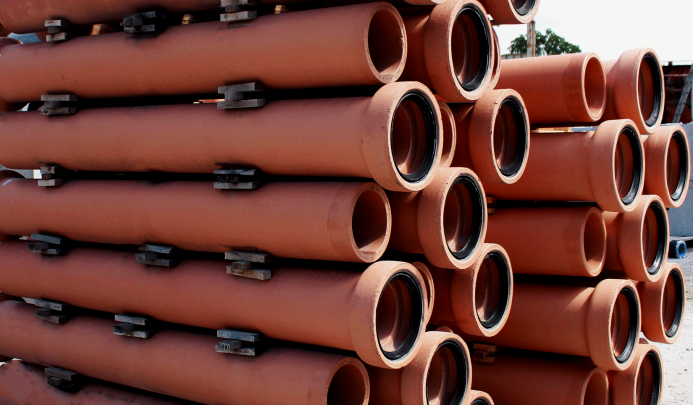
Vitrified Clay Pipe (VCP) = a hard, ceramic-like pipe made from fired clay, commonly used for underground sanitary sewers and gravity-flow wastewater systems due to its excellent corrosion resistance.
🔥 BOARD EXAM RECALL
🚽 Sewer system → VCP
🧱 Fired clay pipe → VCP
⚠ Brittle but corrosion-resistant → VCP
🌊 Gravity-flow wastewater → VCP ✅
Carrier of: Drainage and Sewage water
Pipe color: Orange like bricks.
Adv.: Acid Resistant
Dis adv.: Brittleness
• A pipe made from clay fired at very high temperatures (around 2000°F) until it becomes hard, dense, and glass-like (vitrified).
👉 Think: “Ceramic pipe for sewers.”
🏠Common Uses
Sewer Systems
Sanitary sewers
House sewer connections
Municipal sewer networks
Underground Drainage
Gravity-flow wastewater systems
Industrial Waste Lines
Where corrosion resistance is important
⚙ Key Characteristics
• Brown to reddish-brown color
Rigid and brittle
Excellent chemical resistance
Smooth interior surface
Heavy material
Advantages
Excellent Corrosion Resistance
Not affected by rust
Resistant to many chemicals and sewage gases
Long Service Life
Can last many decades underground
Smooth Interior
Reduces flow resistance
Environmentally Stable
Not affected by soil conditions as easily as metal pipes
Disadvantages
Brittle
Can crack during handling or ground movement
Heavy
Difficult to transport and install
Short Lengths
Requires more joints than plastic pipes
Not Suitable for Pressure Systems
Best for gravity-flow applications
Common Joints
Bell-and-Spigot Joints
Most traditional connection
Compression-Type Flexible Joints
Used in modern installations
Ball Faucet
🎯 ALE EXAM TIPS
Identify the Faucet Type
Ball Faucet
Single handle
Washerless
Uses a rotating ball
Usually kitchen faucet
More internal parts
🎯 ALE ONE-LINER
Ball Faucet = a washerless, single-handle faucet that uses a rotating ball mechanism to control water flow and temperature.
🔥 BOARD EXAM RECALL
🎾 Ball mechanism → Ball Faucet
🚰 Single handle → Ball Faucet
🔧 Seats and springs → Ball Faucet
❌ No washer → Ball Faucet ✅
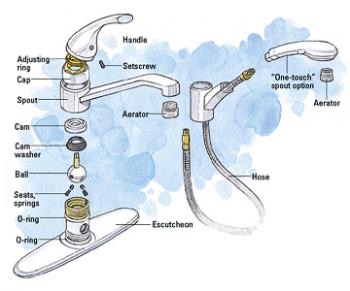
Have a single handle attached to a rounded cap directly above the spout.
A washerless faucet that uses a hollow metal ball or plastic ball inside the faucet body to control:
Water flow
Water temperature
Mixing of hot and cold water
👉 Commonly found in single-handle kitchen faucets.
⚙Main Components
Ball Assembly
Hollow ball with holes and slots
Controls water flow and mixing
Cam and Packing
Holds the ball in place
Provides a seal
Rubber Seats and Springs
Located below the ball
Create watertight seals
Single Handle
Controls both:
Flow rate
Temperature
🏠Common Uses
Kitchen faucets
Utility sinks
Residential plumbing fixtures
✅Advantages
Washerless design
Easy temperature control
Smooth operation
Durable and reliable
Less frequent washer replacement
❌Disadvantages
More parts than cartridge faucets
Rubber seats and springs eventually wear out
Can develop leaks over time
Cartridge Faucet
🧠 EASY MEMORY TRICKS
Cartridge Faucet
📦 Cartridge
🔄 Replaceable cartridge
🚰Single or double handle faucet
⚙Smooth operation
🛠Easy repair
🔩 Fewer parts
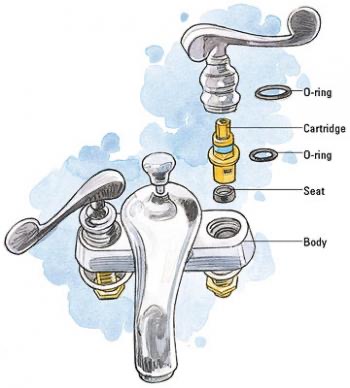
• A faucet that controls water flow and temperature using a movable cartridge inside the faucet body.
👉 Think: “Replaceable cartridge controls the water.”
Unlike a ball faucet, it does not use a rotating ball mechanism.
⚙ Main Components
Cartridge
Main control element
Opens, closes, and mixes water
O-rings and Seals
Prevent leaks
🏠 Common Uses
Bathroom lavatories
Kitchen sinks
Bathtubs and showers
Residential and commercial plumbing
✅ Advantages
Simple Design
Fewer moving parts than a ball faucet
Easy Repair
Usually repaired by replacing the cartridge
Smooth Operation
Easy control of water flow and temperature
Durable
Long service life
❌ Disadvantages
Cartridge Wear
Cartridge eventually needs replacement
Mineral Buildup
Hard water can affect operation
Higher Cost
More expensive than traditional compression faucets
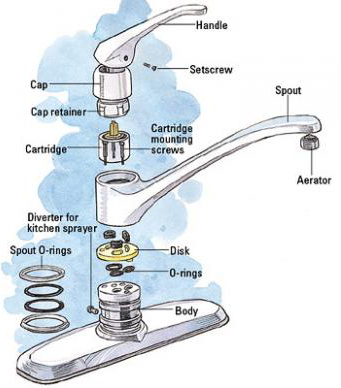
Disk Faucet
🧠 EASY MEMORY TRICKS
💿 Disk
☢Two ceramic plates controlling water
💎 Most Durable
🚰 Premium Faucet
❌ No Washer
🔧 Less maintenance
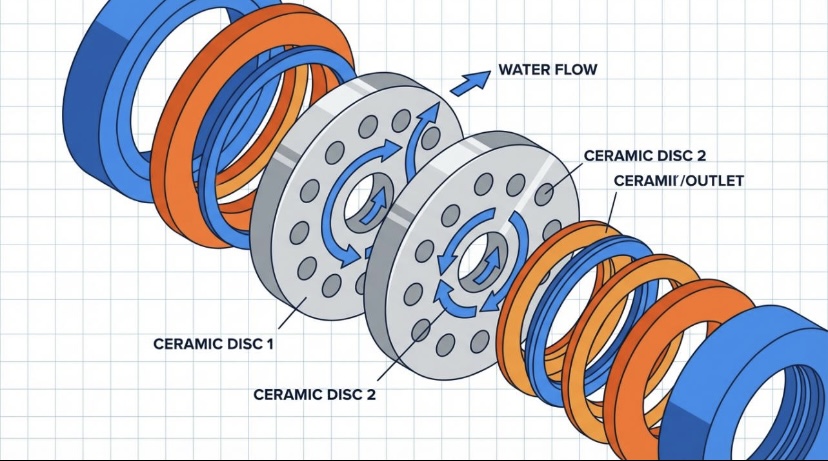
• A washer less faucet that uses two highly polished ceramic disks to control water flow and temperature.
👉 Think: “Most durable faucet type.”
The ceramic disks slide against each other to open, close, or mix water.
⚙ Main Components
Ceramic Disks
Extremely hard ceramic plates
One disk is fixed
One disk moves with the handle
Pressure Balance Chamber
Helps regulate water flow
🏠 Common Uses
Residential lavatories
Kitchen sinks
Premium plumbing fixtures
Commercial buildings
High-end faucets
✅ Advantages
Extremely Durable
Longest service life among common faucet types
Washerless Design
No rubber washers to replace
Smooth Operation
Easy opening and closing
Leak Resistant
Ceramic surfaces provide excellent sealing
Low Maintenance
Few repairs required
❌ Disadvantages
More Expensive
Higher initial cost
Sensitive to Debris
Sand and grit can damage ceramic surfaces
Requires Clean Water
Often benefits from filtration
Compression Faucet
🧠 EASY MEMORY TRICKS
🔘Washer = Compression Faucet
🔄 Several turns = Compression Faucet
🚰 Two handles = Usually Compression Faucet
💧 Dripping faucet due to worn out = Often Compression Faucet
👴 Oldest faucet type = Compression Faucet
🛠 Most maintenance = Compression Faucet
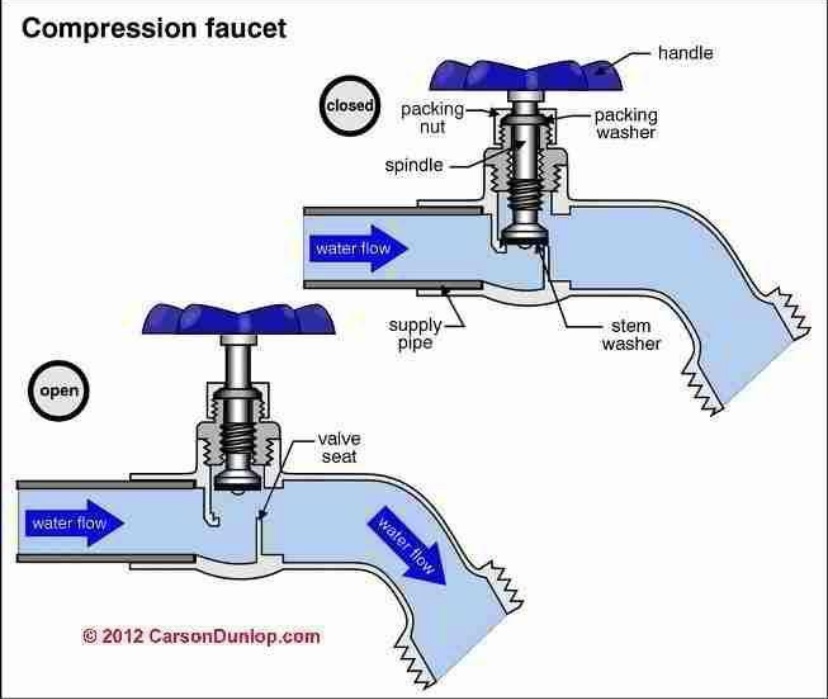
• The oldest and most traditional faucet type that controls water flow using a rubber washer compressed against a valve seat.
👉 Think: “Turn handle → compress washer → stop water.”
Unlike ball, cartridge, and ceramic disk faucets, it is not washerless.
⚙ Main Components
Handle
Opens and closes the faucet
Stem
Moves up and down when the handle is turned
Rubber Washer
Creates the watertight seal
Most commonly replaced part
Valve Seat
Surface where the washer presses
Packing Nut
Helps prevent leaks around the stem
🏠 Common Uses
Older homes
Traditional lavatories
Utility sinks
Outdoor faucets (hose bibbs)
✅ Advantages
Simple Construction
Easy to understand and repair
Low Cost
Cheapest faucet type
Widely Available Parts
Washers are inexpensive and easy to find
Reliable
Can last many years with maintenance
❌ Disadvantages
Washer Wear
Washers deteriorate over time
Frequent Maintenance
More repairs than washerless faucets
Handle Rotation Required
Requires several turns to fully open or close
Prone to Dripping
Worn washer = leaking faucet
Hose Bibb
🎯 ALE EXAM TIPS
Key Exam Triggers
👉 Outdoor faucet = Hose Bibb
👉 Garden hose connection = Hose Bibb
👉 Exterior wall faucet = Hose Bibb
👉 Threaded hose outlet = Hose Bibb
👉 Anti-siphon outdoor faucet = Hose Bibb
🚨 COMMON ALE TRAPS
Hose Bibb vs Compression Faucet
Hose Bibb
Outdoor fixture
Hose connection
Often uses compression-type valve internally
Compression Faucet
Faucet mechanism type
Usually indoor sink faucet
Exam Trigger
Outdoor water outlet → Hose Bibb
Rubber washer faucet mechanism → Compression Faucet
Hose Bibb vs Wall Hydrant
Hose Bibb
Typical residential outdoor faucet
Wall Hydrant
Commercial/institutional version
Often frost-proof and tamper-resistant
Exam Trigger
Residential exterior faucet → Hose Bibb
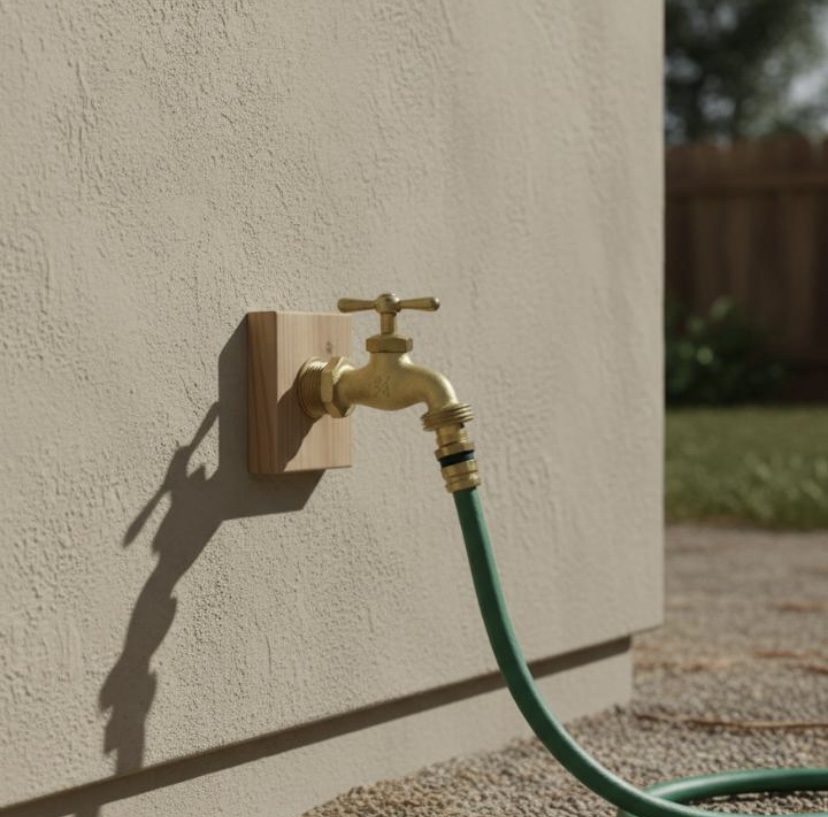
• (also called a sillcock, or outdoor faucet) is a plumbing fixture installed on the exterior of a building that provides water for:
Garden hoses
Irrigation
Car washing
Outdoor cleaning
👉 Think: “Outdoor faucet for hose connection.”
⚙ Main Components
Handle
Opens and closes the valve
Valve Stem
Controls water flow
Spout/Outlet
Threaded end for attaching a hose
Vacuum Breaker (Modern Types)
Prevents backflow contamination
🏠 Common Uses
✅ Lawn watering
✅ Garden irrigation
✅ Car washing
✅ Exterior cleaning
✅ Construction water supply
🔩 Common Types
Standard Hose Bibb
Traditional outdoor faucet
Frost-Proof Hose Bibb
Designed for cold climates
Valve seat located inside the heated building wall
Anti-Siphon Hose Bibb
Includes a vacuum breaker
Prevents contaminated water from flowing back into the potable water system
✅ Advantages
Easy Hose Connection
Threaded outlet fits standard hoses
Durable
Designed for outdoor use
Convenient Water Access
No need to run hoses from interior fixtures
❌ Disadvantages
Can Freeze
Standard types may burst in freezing temperatures
Potential Backflow Hazard
Without a vacuum breaker, contamination can occur
Wear and Leakage
Washers and packing can wear out over time
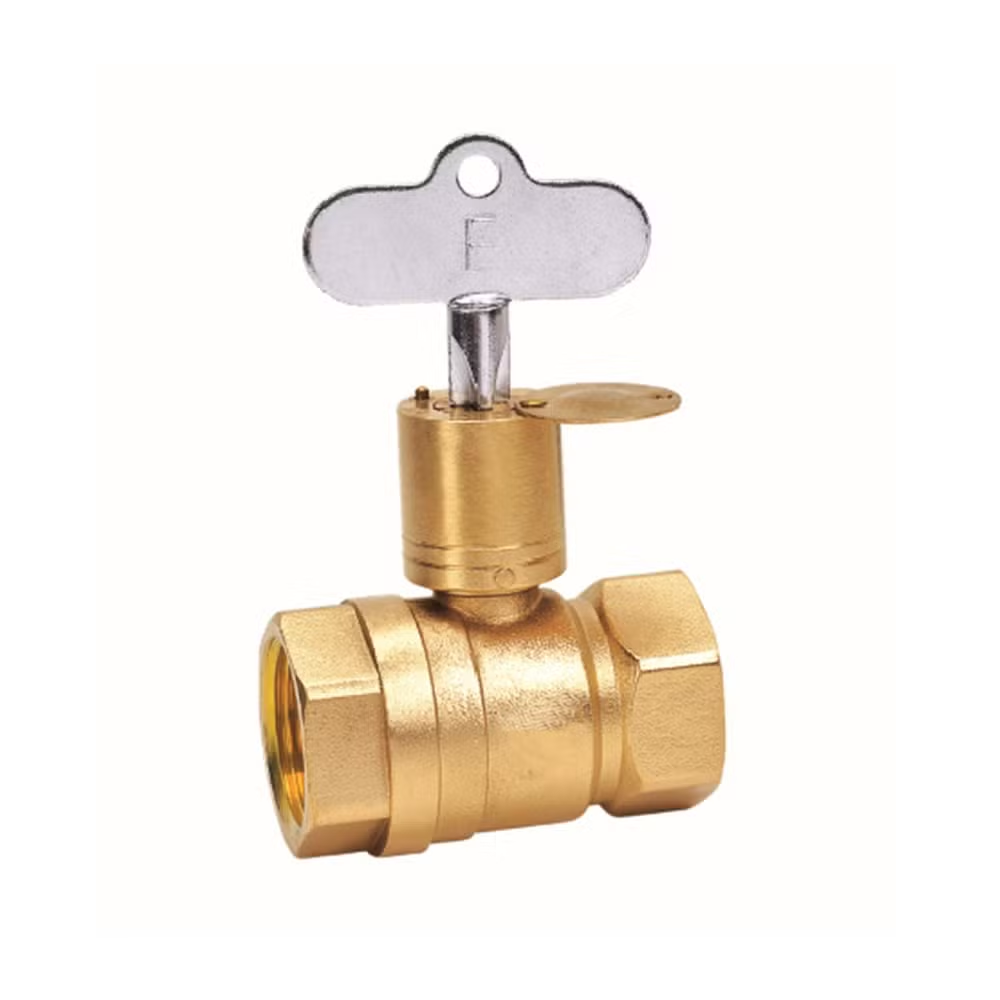
Key Cock
🧠 EASY MEMORY TRICKS
🔑 Key = Key Cock
🚫 Restricted Access = Key Cock
🚰 Water Meter Control = Key Cock
🛠 Maintenance Shutoff = Key Cock
🔒 Authorized Use Only = Key Cock
• A small shutoff valve operated using a removable key or special handle rather than a regular faucet handle.
👉 Think: “Restricted-access shutoff valve.”
It is commonly used where water flow needs to be controlled by authorized personnel only.
⚙ Main Function
Starts or stops water flow
Controls water supply to a fixture or branch line
Prevents unauthorized operation
🏠 Common Uses
✅ Water meter installations
✅ Laboratory fixtures
✅ Institutional buildings
✅ Commercial plumbing systems
✅ Utility service connections
🔩 Common Materials
Brass
Bronze
Corrosion-resistant metal alloys
✅ Advantages
Security
Requires a special key or tool
Compact Size
Fits in confined spaces
Reliable Shutoff
Effective for isolation and maintenance
Durable
Long service life when properly maintained
❌ Disadvantages
Limited Accessibility
Cannot be operated easily without the key
Not for Frequent Use
Primarily intended as a control or service valve
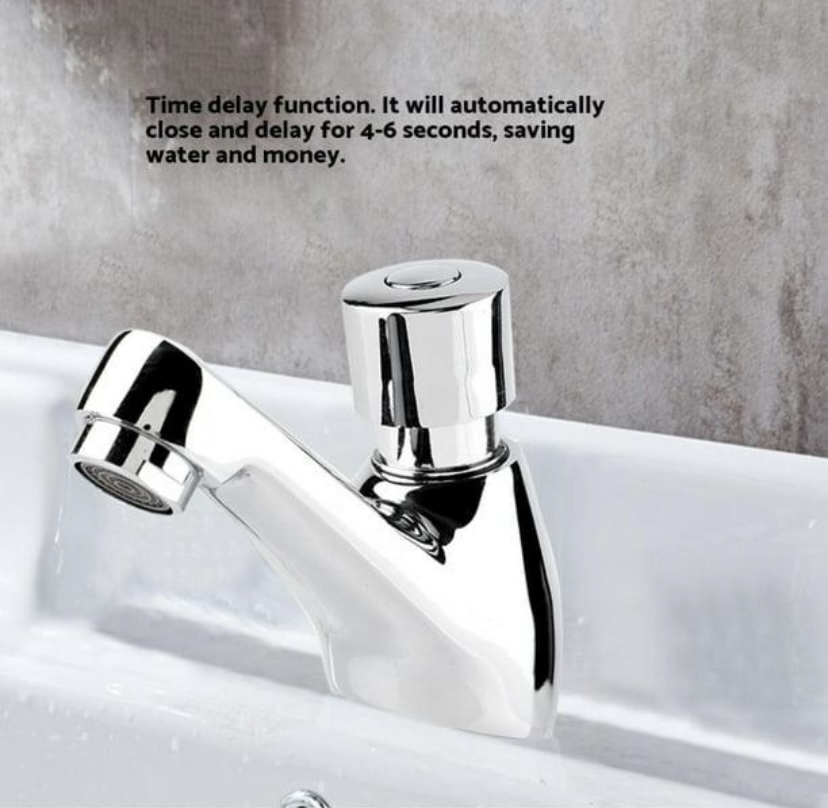
Self-Closing Faucet
🧠 EASY MEMORY TRICKS
🚰 Push → Water → Stops = Self-Closing
⏱ Timed Flow = Self-Closing
💧 Water Saver = Self-Closing
🌀Spring-loaded faucet = Self-Closing Faucet
⏱ Metering faucet = Self-Closing Faucet
🏫 School Restroom = Self-Closing
🏢 Public Restroom = Self-Closing
• A faucet that automatically shuts off after a preset period of time once activated.
👉 Think: “Push → Water flows → Automatically stops.”
Its primary purpose is water conservation and preventing water waste.
⚙ How It Works
Most self-closing faucets use:
Spring Mechanism
User pushes or turns the handle
Internal spring returns the valve to the closed position
Metering Mechanism
Delivers water for a limited time
Automatically stops flow
🏢 Common Uses
✅ Public restrooms
✅ Airports
✅ Schools
✅ Hospitals
✅ Commercial buildings
✅ High-traffic washrooms
🎯 Main Purpose
Water Conservation
Prevents faucets from being left running
Hygiene
Reduces unnecessary contact time
Lower Water Bills
Controls water consumption
✅ Advantages
Saves Water
Automatic shutoff reduces waste
Reduces Maintenance Issues
Less chance of overflowing sinks
Ideal for Public Use
No need to remember to turn it off
Durable
Designed for frequent operation
❌ Disadvantages
Limited Water Duration
May require repeated activation
More Complex Mechanism
More expensive than basic faucets
Internal Components Wear
Springs and metering devices eventually require maintenance
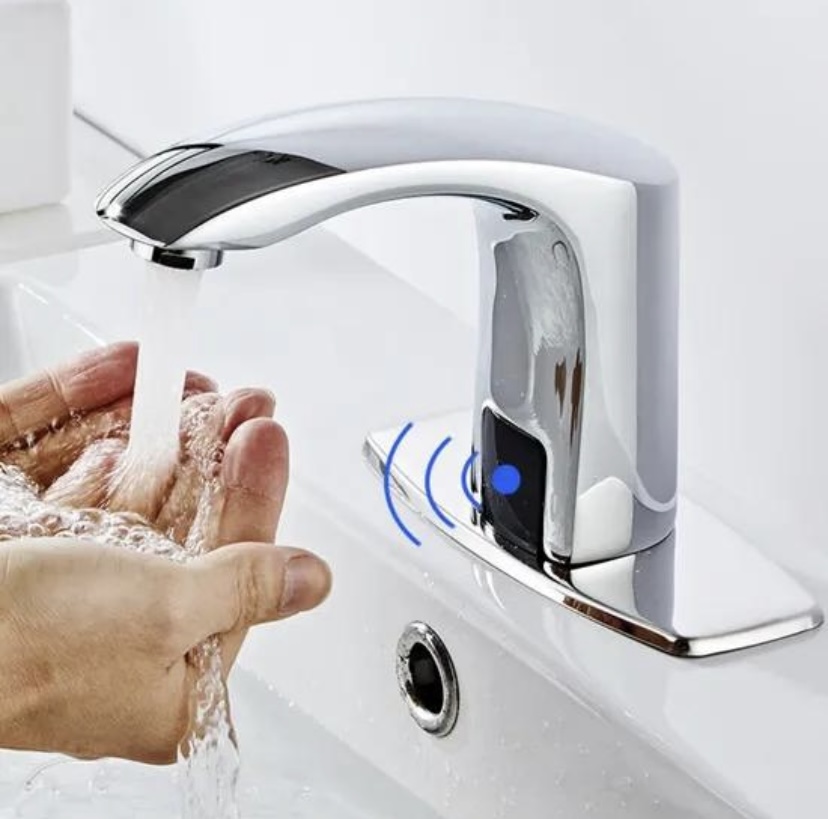
Sensor Faucet
🧠 EASY MEMORY TRICKS
👋 Hand Detected = Water On
✔ Automatic activation = Sensor Faucet
📡 Infrared = Sensor Faucet
🚫 ✋ No Touch = Sensor Faucet
⚡️Electronic faucet = Sensor Faucet
⚡ Solenoid valve + sensor = Sensor Faucet
🏥 Hospital = Sensor Faucet
✈ Airport Restroom = Sensor Faucet
• (also called an Automatic Faucet or Touchless Faucet) is a faucet that uses an infrared sensor or electronic sensor to detect the presence of hands and automatically control water flow.
👉 Think: “Hands detected = Water flows.”
No handle turning is required.
⚙ How It Works
Infrared Sensor
Detects hands placed under the spout
Sends a signal to the control unit
Solenoid Valve
Opens automatically when hands are detected
Closes automatically when hands are removed
Power Source
Battery-operated
AC-powered
Hybrid systems
🏢 Common Uses
✅ Public restrooms
✅ Hospitals
✅ Airports
✅ Hotels
✅ Commercial buildings
✅ High-end residential bathrooms
🎯 Main Purpose
Hygiene
Eliminates hand contact with faucet handles
Water Conservation
Water flows only when needed
Convenience
Automatic operation
✅ Advantages
Improved Sanitation
Reduces transmission of germs
Water Savings
Prevents faucets from being left running
User Convenience
Touch-free operation
Modern Appearance
Common in premium facilities
❌ Disadvantages
Requires Power
Batteries or electricity needed
Higher Initial Cost
More expensive than conventional faucets
Sensor Maintenance
Sensors and electronics may require servicing
Sensitive to Dirt or Obstructions
Sensor performance may be affected
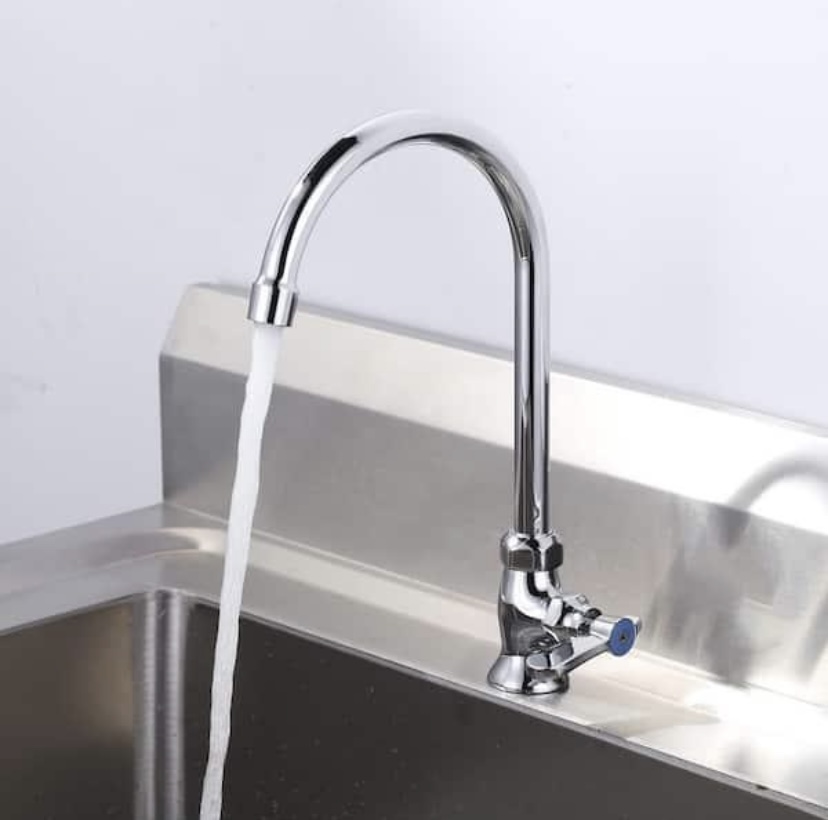
Gooseneck Faucet
🎯 ALE EXAM TIPS
Key Exam Triggers
👉 High-arc faucet = Gooseneck Faucet
👉 Curved neck spout = Gooseneck Faucet
👉 Large pot filling = Gooseneck Faucet
👉 Extended sink clearance = Gooseneck Faucet
👉 Goose-shaped spout = Gooseneck Faucet
🧠 EASY MEMORY TRICKS
🦢 Goose Neck = Gooseneck Faucet
📈 High Arc = Gooseneck Faucet
🚰 Extended sink clearance = Gooseneck Faucet
🍲 Large Pot Filling = Gooseneck Faucet
🔬 Laboratory Sink = Often Gooseneck Faucet
🚰 Tall Curved Spout = Gooseneck Faucet
• A faucet characterized by its high, curved spout resembling the neck of a goose.
👉 Think: “High-arc faucet for extra clearance.”
The defining feature is the shape of the spout, not the valve mechanism.
⚠ ALE Trap:
A gooseneck faucet may use:
Compression valve
Cartridge valve
Ceramic disk valve
Sensor operation
The term gooseneck refers to the spout design, not the internal faucet mechanism.
⚙ Main Characteristics
High Curved Spout
Provides greater vertical clearance
Long Reach
Easier filling of large containers
Elevated Outlet
More working space below the spout
🏠 Common Uses
✅ Kitchen sinks
✅ Bar sinks
✅ Laboratory sinks
✅ Commercial kitchens
✅ Hospitals
✅ Utility sinks
🎯 Main Purpose
Increased Clearance
Accommodates large pots and containers
Improved Accessibility
Easier washing and filling operations
Better Workspace
More room under the faucet
✅ Advantages
High Clearance
Ideal for large cookware
Functional Design
Convenient for washing bulky items
Attractive Appearance
Common in modern kitchens
Versatile
Can be combined with various faucet mechanisms
❌ Disadvantages
Splashing
Water falling from a greater height may splash
Larger Space Requirement
Needs sufficient vertical clearance
Higher Cost
Often more expensive than standard faucets
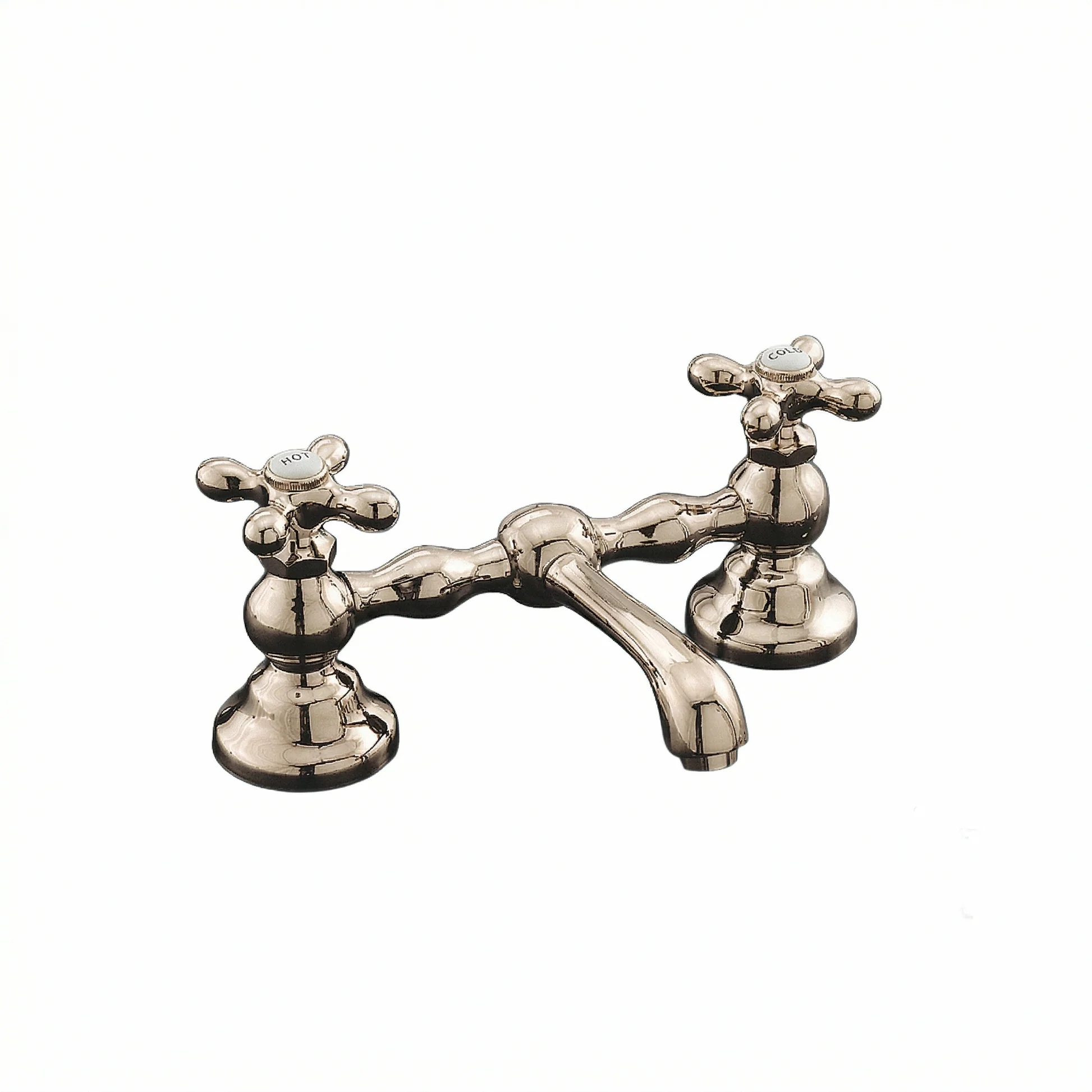
Bridge Faucet
🧠 EASY MEMORY TRICKS
🌉 Bridge = Exposed Bridge Pipe
🏡 Farmhouse Kitchen = Bridge Faucet
🚰 Two Handles + Visible Connection = Bridge Faucet
🔥❄ Hot & Cold Mixer = Bridge Faucet
✨ Vintage Style = Bridge Faucet
• A faucet with two separate handles (hot and cold) connected by an exposed horizontal bridge above the sink.
👉 Think: “The hot and cold water lines are connected by a visible bridge.”
Unlike modern concealed faucets, the connecting pipe remains visible, giving it a classic or vintage appearance.
⚠ ALE Trap:
Bridge Faucet refers to the design or configuration of the faucet—not necessarily its internal operating mechanism. A bridge faucet may use compression, cartridge, or ceramic disk valves.
⚙ Main Components
Bridge Pipe
Exposed horizontal pipe connecting hot and cold supplies
Gives the faucet its distinctive appearance
Two Handles
One for hot water
One for cold water
Spout
Usually centered between the handles
Often available in gooseneck or high-arc designs
Valve Mechanism
May use:
Compression valves
Cartridge valves
Ceramic disk valves
🏠 Common Uses
✅ Traditional kitchens
✅ Farmhouse kitchens
✅ Vintage or classic homes
✅ Luxury residential bathrooms
✅ Decorative plumbing installations
🎯 Main Purpose
Provides independent hot and cold water control
Adds a decorative or traditional appearance
Combines aesthetics with functionality
✅ Advantages
Elegant, timeless appearance
Durable construction (often brass or stainless steel)
Separate control of hot and cold water
Available with modern leak-resistant valve mechanisms
❌ Disadvantages
Requires more sink or countertop space
Installation is more complex than many single-hole faucets
Usually more expensive than standard faucets
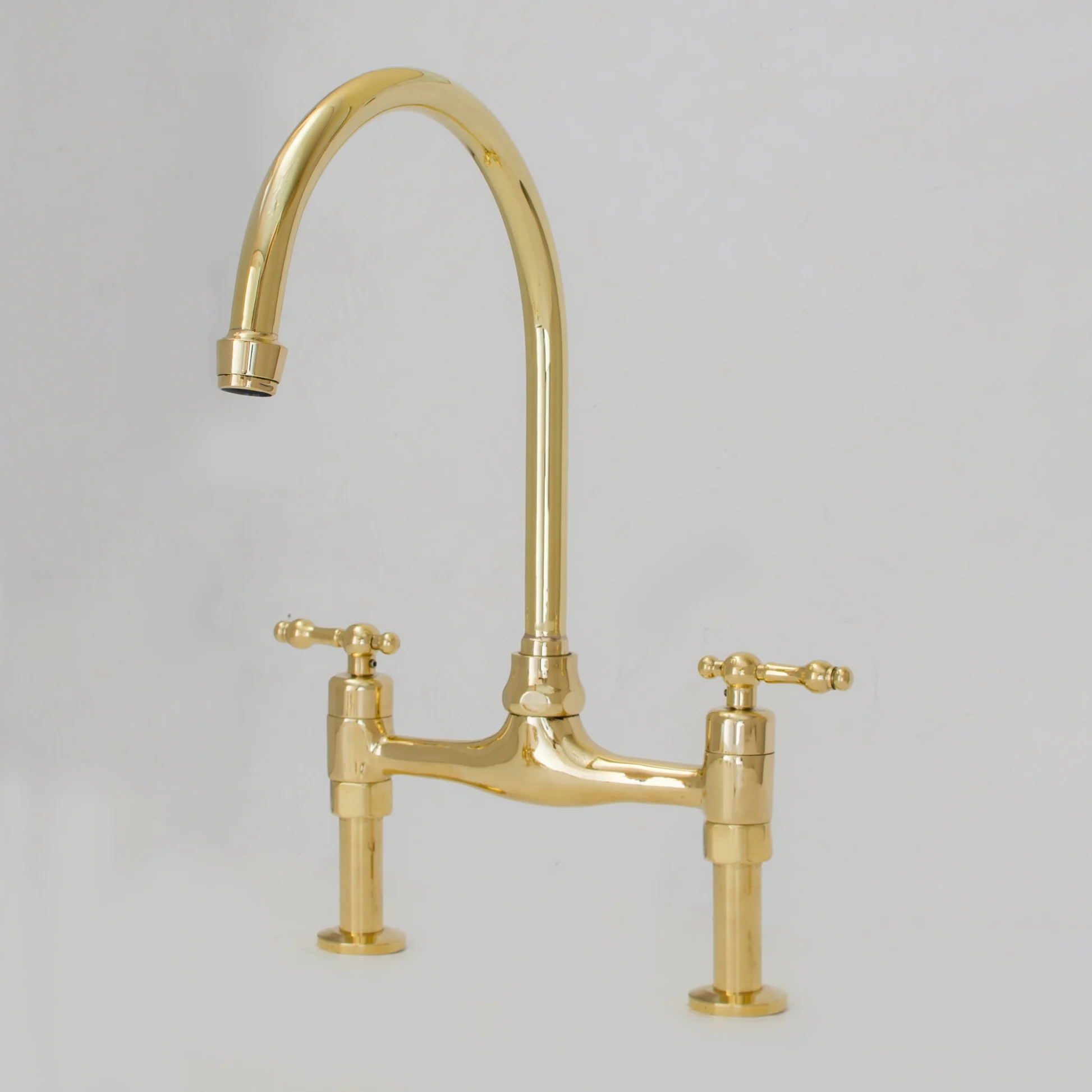
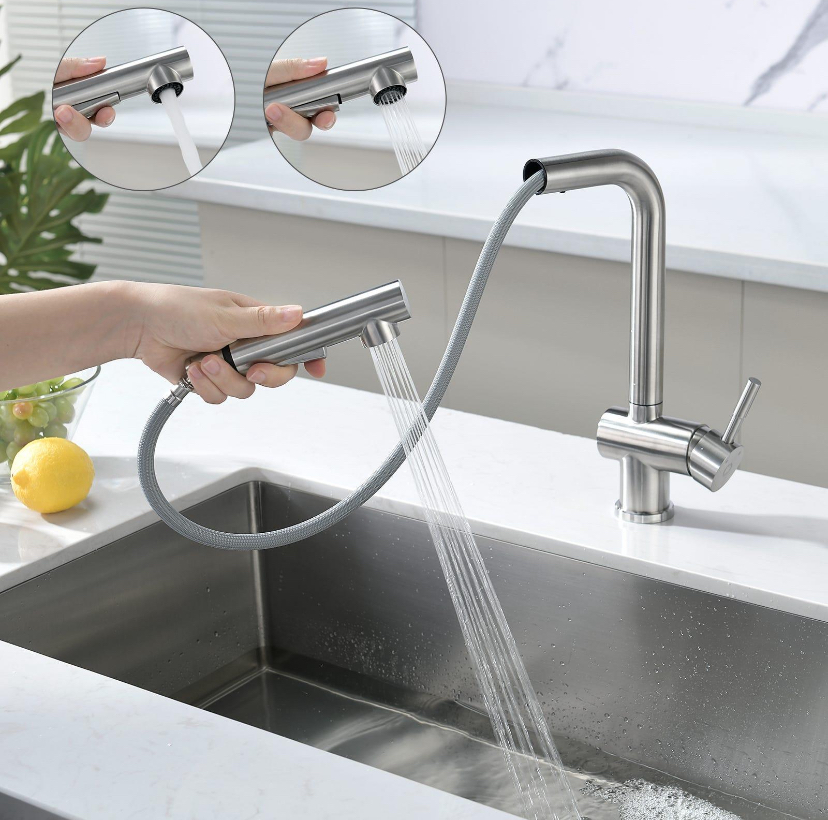
Pull-Out Faucet
🧠 EASY MEMORY TRICKS
↔ Pull OUT toward you = Pull-Out Faucet
🚿 Retractable spray head = Pull-Out Faucet
🥬 Rinsing vegetables = Pull-Out Faucet
🧽 Cleaning sink corners = Pull-Out Faucet
🏠 Compact kitchen = Pull-Out Faucet
• A kitchen faucet with a spray head that can be pulled directly outward from the spout using a flexible hose.
👉 Think: “Pull it OUT toward you.”
It is designed to increase the faucet’s reach for cleaning dishes, rinsing vegetables, and washing different areas of the sink.
⚠ ALE Trap:
Pull-Out refers to the spout design, not the internal valve mechanism. It may use a cartridge, ceramic disk, or other valve type.
⚙ Main Components
Pull-Out Spray Head
Detaches from the spout
Extends using a flexible hose
Flexible Hose
Retracts after use
Often assisted by a counterweight
Spray Selector (Most Models)
Switches between:
Stream mode
Spray mode
🏠 Common Uses
✅ Residential kitchens
✅ Apartment kitchens
✅ Bar sinks
✅ Utility sinks
✅ Small kitchen workstations
🎯 Main Purpose
Extend water reach beyond the sink center
Simplify rinsing and cleaning
Improve flexibility during food preparation
✅ Advantages
Excellent maneuverability
Easy rinsing of dishes and produce
Convenient for cleaning sink corners
Ideal for smaller or double-bowl sinks
Modern, space-efficient design
❌ Disadvantages
Hose may wear over time
More moving parts than a standard faucet
Slightly higher cost than basic faucets
Spray head may require occasional maintenance
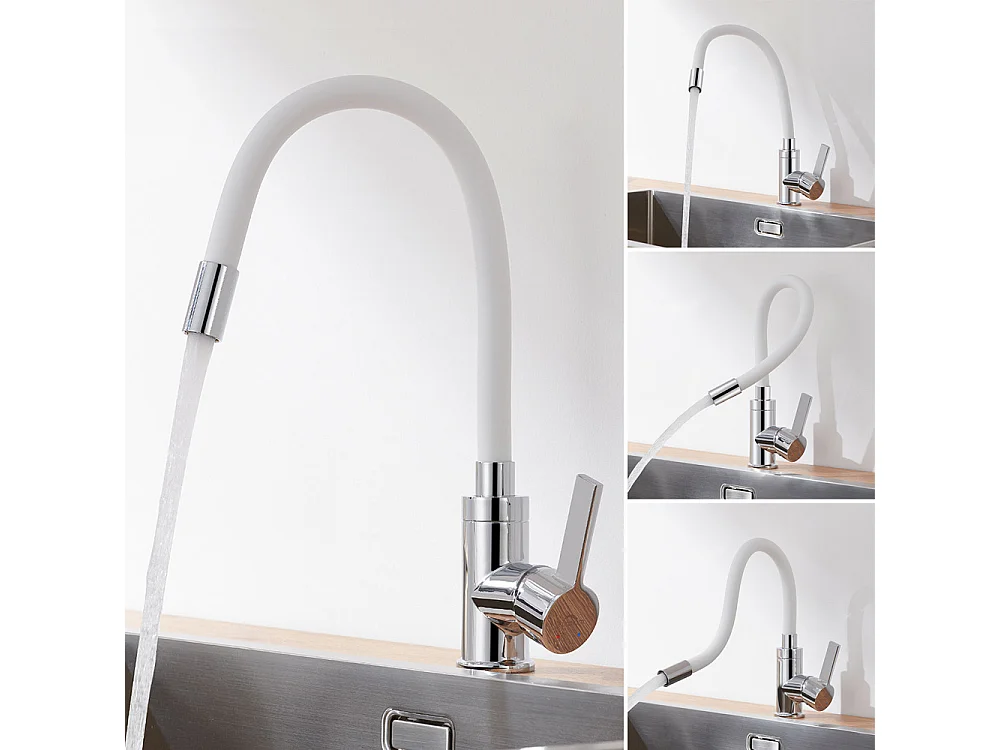
Flexible Neck Faucet
🧠 EASY MEMORY TRICKS
🐍 Flexible like a hose = Flexible Neck Faucet
↪ Bend the neck = Flexible Neck Faucet
🎯 Aim water anywhere = Flexible Neck Faucet
🍳 Commercial kitchen = Often Flexible Neck Faucet
• A faucet with a bendable or flexible spout that can be moved in different directions to improve reach and convenience.
👉 Think: “Bend the neck where you need the water.”
Unlike a Gooseneck Faucet, which has a fixed curved spout, a Flexible Neck Faucet allows the user to reposition the spout manually.
⚠ ALE Trap:
Flexible Neck refers to the spout design, not the internal valve mechanism. It may use a cartridge, ceramic disk, or other modern valve system.
⚙ Main Components
Flexible Spout
Made of flexible metal or silicone-covered tubing
Can be bent and repositioned
Spray Head (Some Models)
May include stream and spray functions
🏠 Common Uses
✅ Residential kitchens
✅ Commercial kitchens
✅ Utility sinks
✅ Food preparation areas
✅ Bar sinks
🎯 Main Purpose
Provides maximum flexibility
Makes rinsing and cleaning easier
Directs water exactly where needed
Improves sink accessibility
✅ Advantages
Excellent maneuverability
Easy cleaning of all sink corners
Convenient for washing large pots
Modern and ergonomic design
Can be combined with pull-down or pull-out features
❌ Disadvantages
Flexible neck may wear with repeated bending
Usually more expensive than standard faucets
Requires occasional maintenance of flexible hose or covering
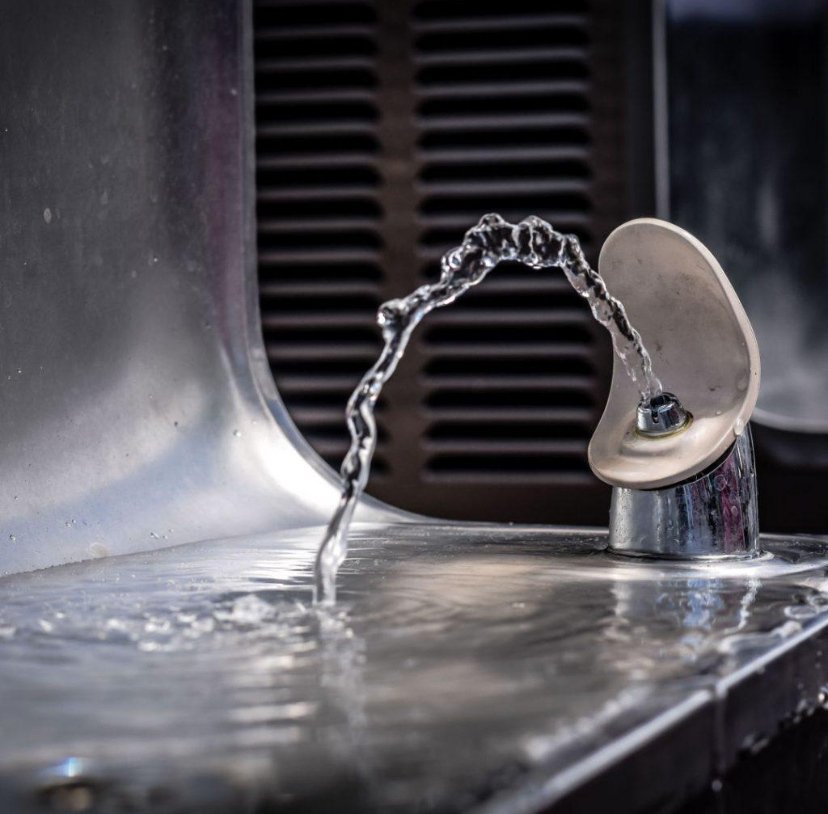
Drinking Fountain Faucet (Bubbler)
🧠 EASY MEMORY TRICKS
💦 Upward Water Jet = Drinking Fountain
⛲ Bubbler = Drinking Fountain
👫 Public drinking fixture = Drinking Fountain Faucet
🏫 School Drinking Station = Drinking Fountain
🌳 Park Water Fountain = Drinking Fountain
🥤 Potable Water for Drinking = Drinking Fountain
• (also called a Bubbler) is a plumbing fixture designed to discharge a controlled upward stream of potable water for drinking without the user touching the water outlet.
👉 Think: “Upward water jet for drinking.”
Unlike ordinary faucets, it is specifically designed for safe, sanitary drinking water.
⚠ ALE Trap:
A drinking fountain faucet is a special-purpose plumbing fixture, not a faucet operating mechanism like a cartridge or ball faucet.
⚙ Main Components
Bubbler Head (Nozzle)
Produces an upward arc of drinking water
Designed to minimize splash
Push Button or Lever
Activates water flow
Some models use electronic sensors
Flow Regulator
Controls water pressure and height
Valve Assembly
Opens and closes water flow
Drain Basin
Collects excess water and directs it to the drain
🏫 Common Uses
✅ Schools
✅ Universities
✅ Parks
✅ Airports
✅ Hospitals
✅ Shopping malls
✅ Public buildings
🎯 Main Purpose
Provides safe access to potable drinking water
Promotes hygiene
Reduces water waste through controlled flow
✅ Advantages
Hygienic drinking method
Conserves water
Durable for public use
Easy to operate
Can be touch-operated or touchless
❌ Disadvantages
Requires regular cleaning and sanitation
Nozzle can clog due to mineral deposits
Improper maintenance may affect hygiene
Public fixtures are subject to heavy wear
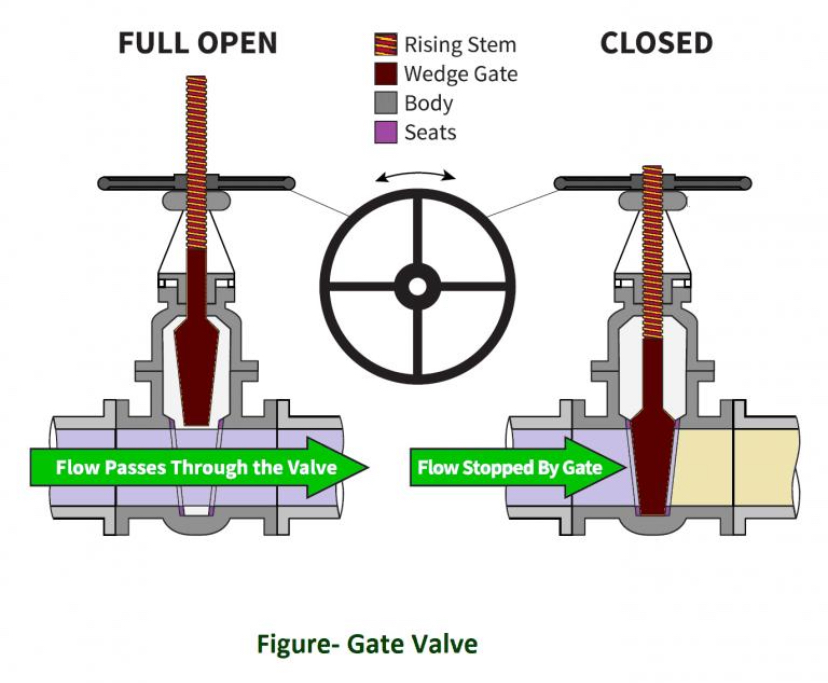
Gate Valve
🧠 EASY MEMORY TRICKS
🚪 Gate = Opens and closes completely
🚫 Isolation valve = Gate Valve
⬆ 🪛 Rising stem = Gate Valve
🚫 No Throttling/Regulating Flow= Gate Valve
🔄 Multiple turns = Gate Valve
🌊 Minimal pressure loss when open = Gate Valve
🧠 EASY MEMORY TRICKS
⬆ Stem rises = Rising Stem
⬇ Stem stays = Non-Rising Stem
🪨 Solid wedge = General service
〰 Flexible wedge = Steam and heat
✌ Two wedges = Split Wedge
• A valve that controls fluid flow by raising or lowering a gate (wedge or disc) perpendicular to the flow path.
👉 Think: “Gate goes UP = water flows. Gate goes DOWN = water stops.”
Its primary purpose is full isolation of the pipeline, not flow regulation.
⚠ ALE Trap:
A Gate Valve is designed to be either fully open or fully closed. It should not be used to throttle or regulate flow.
⚙ Main Components
Handwheel
Rotates to raise or lower the gate
Stem
Connects the handwheel to the gate
Can be:
Rising stem
Non-rising stem
Gate (Wedge or Disc)
Opens or blocks the flow completely
Bonnet
Covers the valve body and stem assembly
Seats
Provide a tight seal when the valve is closed
🏠 Common Uses
✅ Water distribution systems
✅ Fire protection systems
✅ Municipal water mains
✅ Irrigation systems
✅ Industrial pipelines
✅ Oil and gas pipelines
🎯 Main Purpose
Complete shutoff of water or fluid
Isolation of pipeline sections
Minimal pressure loss when fully open
✅ Advantages
Excellent for full open/full close service
Very low pressure loss when fully open
Tight shutoff
Suitable for large pipe diameters
Durable for long-term service
❌ Disadvantages
Slow to open and close (requires multiple turns)
Not suitable for throttling or flow control
Can be damaged if partially open for long periods
Larger and heavier than some valve types
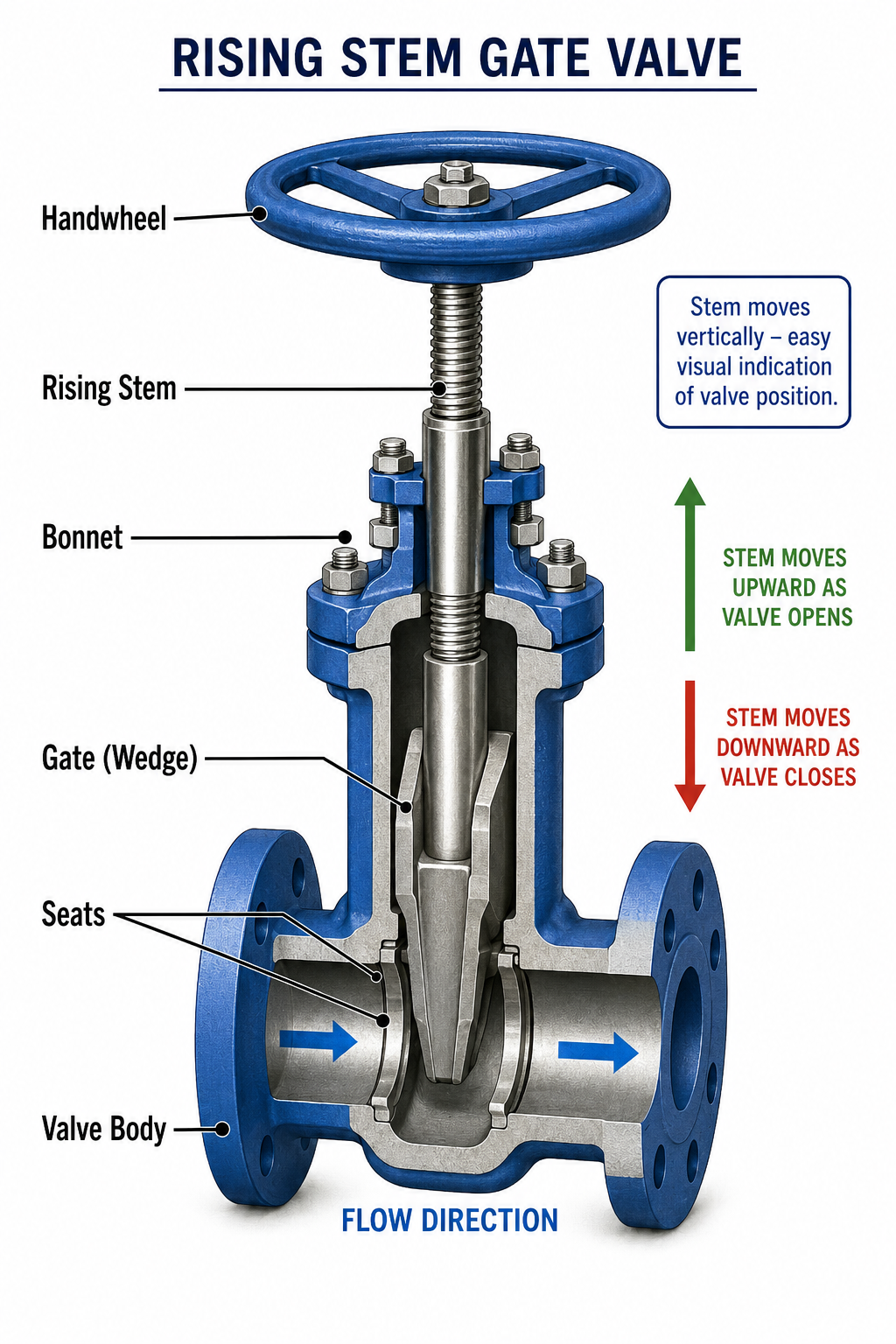
Rising Stem
🎯 ALE EXAM TRAPS
Stem moves upward
Easy to see valve position
Needs more vertical space
ALE Trigger
👉 Visible rising stem = Rising Stem Gate Valve
STEM MECHANISM: gate valve
Description
The stem moves upward as the valve opens.
You can see the stem rising, making it easy to determine whether the valve is open or closed.
Common Uses
Water treatment plants
Industrial piping
Refineries
Power plants
Advantaged
✅ Easy visual indication of valve position
✅ Easier maintenance
Disadvantages
❌ Requires more vertical clearance
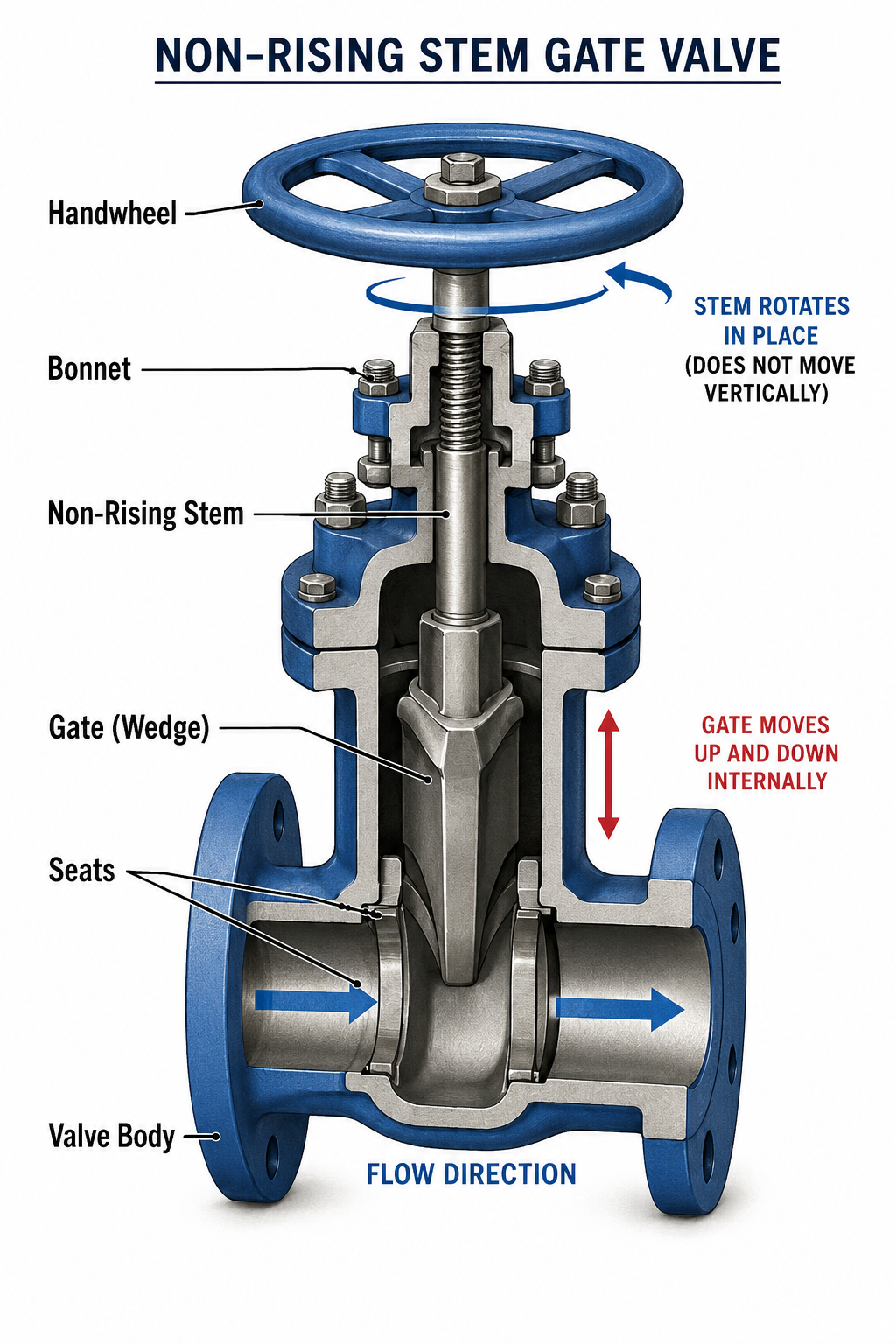
Non-Rising Stem
🎯 ALE EXAM TRAPS
Stem stays in place
Compact
Common underground
ALE Trigger
👉 Limited headroom or underground installation = Non-Rising Stem Gate Valve
STEM MECHANISM: gate valve
Description
The stem does not move upward.
The gate moves internally/vertically while the stem only rotates.
Common Uses
Underground water mains
Fire protection systems
Areas with limited overhead space
Advantages
✅ Requires less installation space
✅ Ideal for buried or confined locations
Disadvantages
❌ Valve position is not obvious from the stem
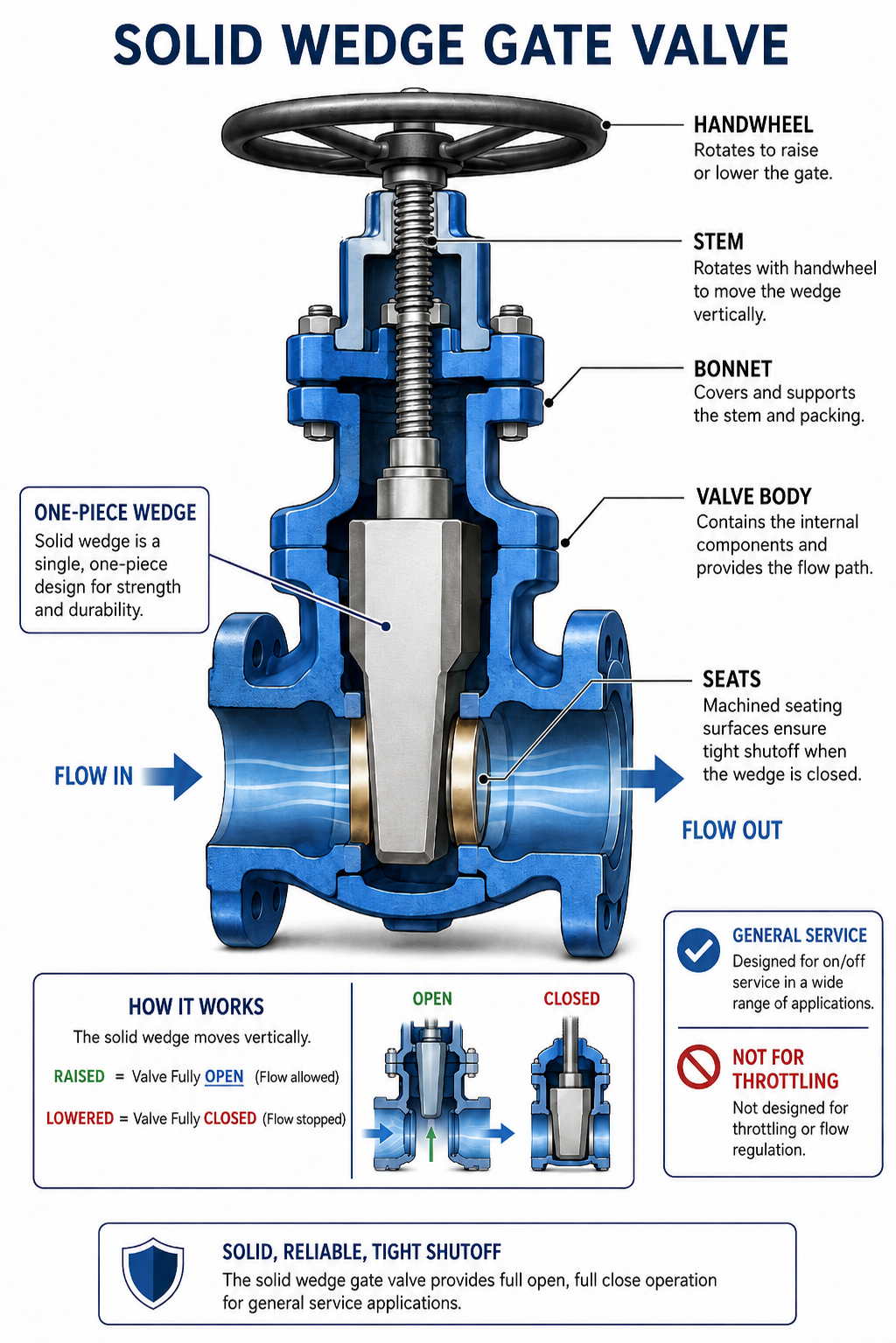
Solid Wedge
🎯 ALE EXAM TRAPS
One solid piece
General service
ALE Trigger
👉 Single solid wedge = Solid Wedge Gate Valve
CLOSURE ELEMENT: gate valve
Description
Uses one solid wedge-shaped gate.
The most common and simplest design.
Best For
Water
Oil
General industrial service
Advantages
✅ Strong
✅ Durable
Disadvantages
❌ Less suitable where temperature changes cause expansion
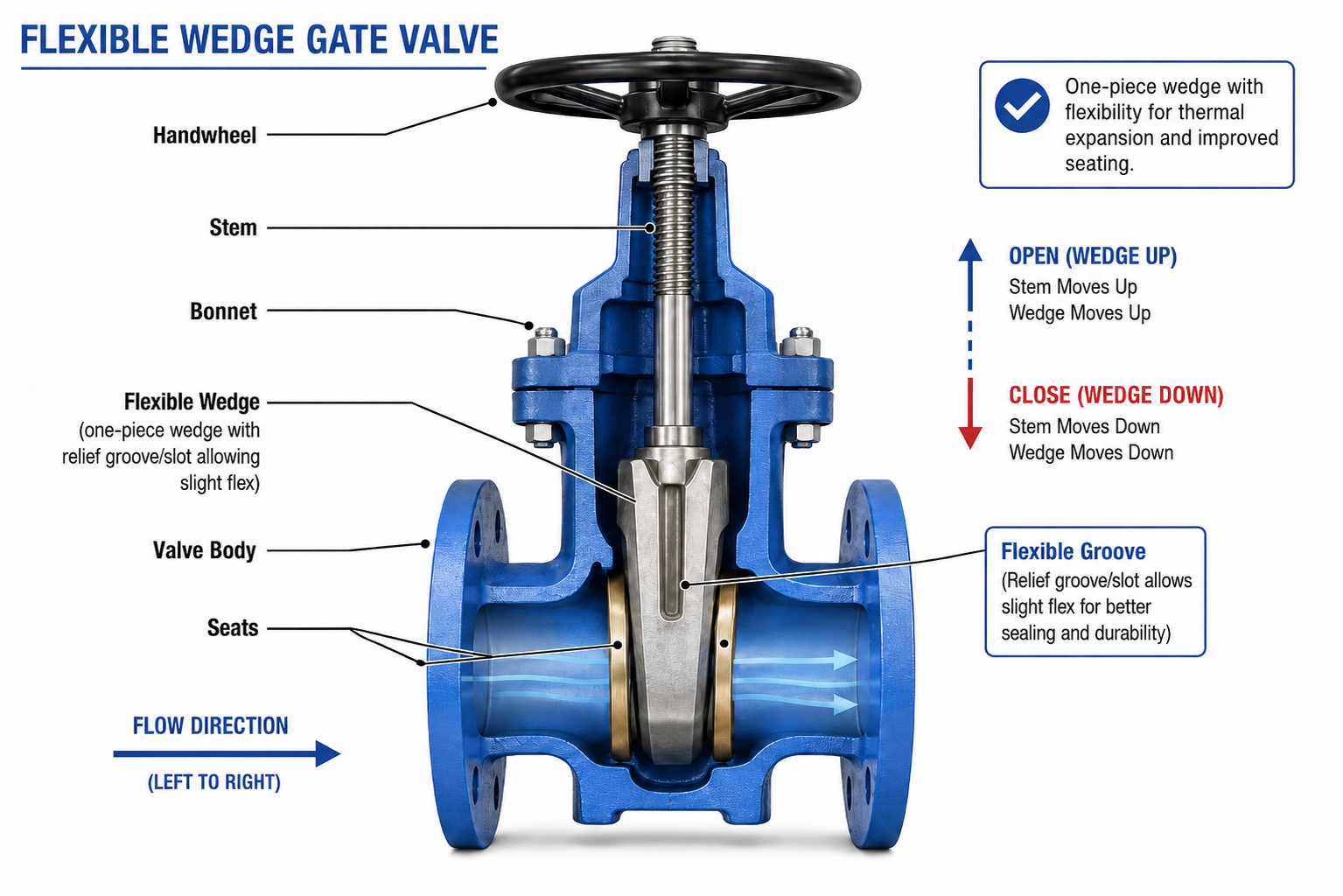
Flexible Wedge
🎯 ALE EXAM TRAPS
Grooved flexible wedge
Better for temperature changes
ALE Trigger
👉 Steam + thermal expansion = Flexible Wedge Gate Valve
CLOSURE ELEMENT: gate valve
Description
Uses a one-piece wedge with a flexible groove or cut.
Accommodates slight seat misalignment and thermal expansion.
Common Uses
Steam systems
Hot water systems
High-temperature piping
Advantages
✅ Better sealing
✅ Handles thermal expansion
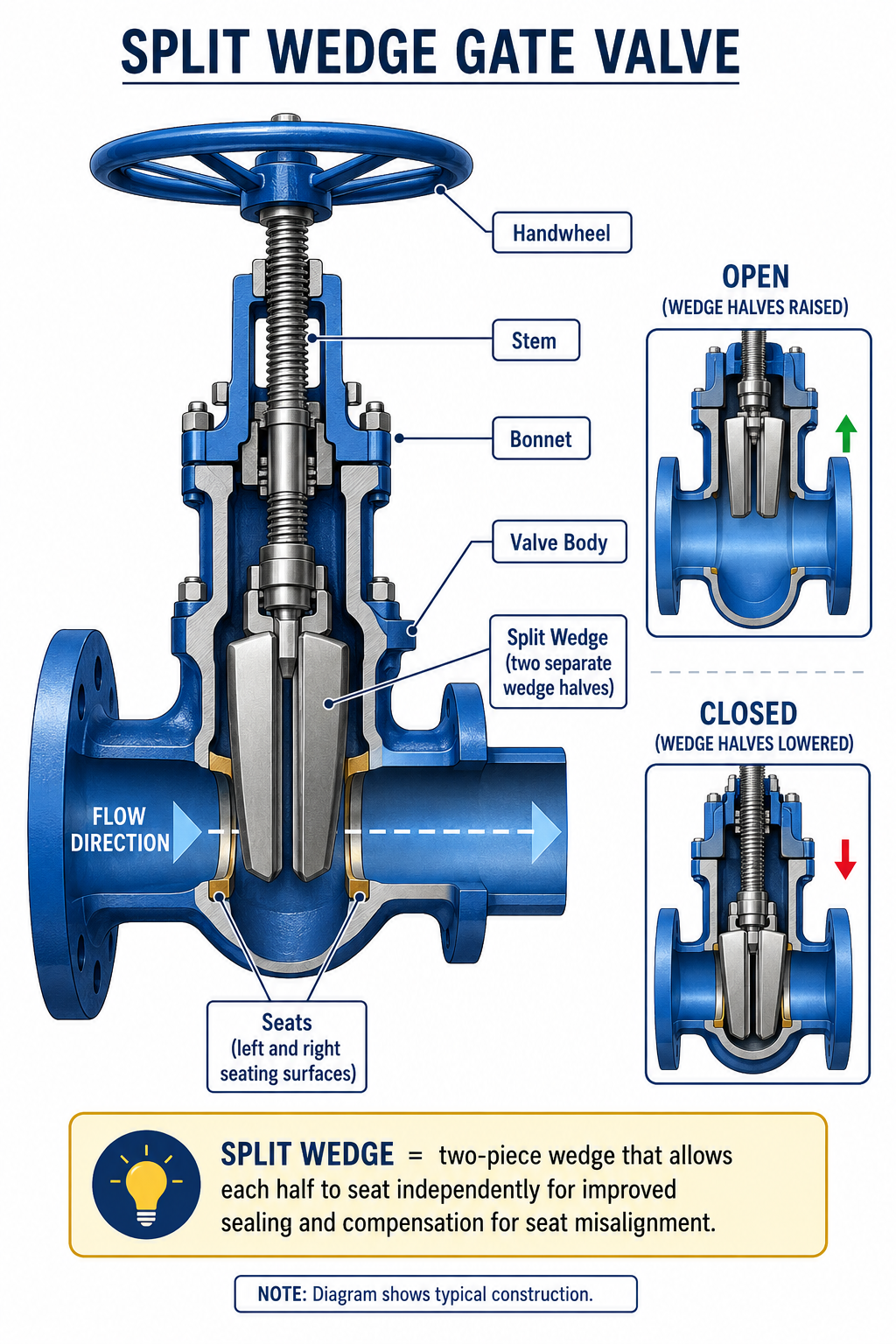
Split Wedge
ALE Trigger
👉 Two-piece wedge = Split Wedge Gate Valve
CLOSURE ELEMENT: gate valve
Description
Uses two separate wedge pieces instead of one solid wedge.
Allows each half to seat independently.
Common Uses
High-temperature service
Critical industrial applications
Advantages
✅ Excellent sealing
✅ Handles seat misalignment well
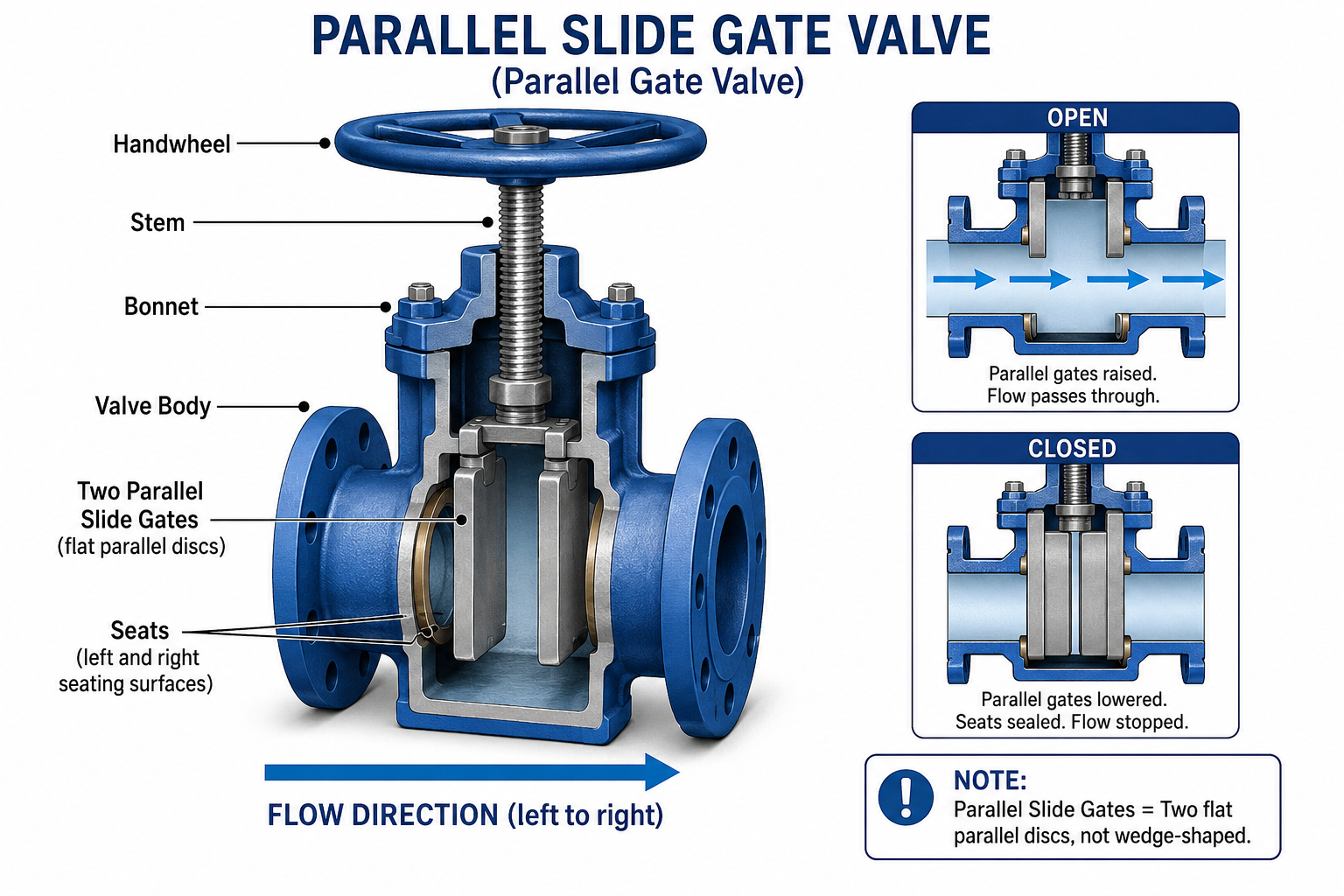
Parallel Slide
🧠 EASY MEMORY TRICKS
📏 Parallel = Flat
🚪 Two Flat Gates = Parallel Gate Valve
♨ High Steam/Thermal Expansion = Parallel Gate Valve
❌ No Wedge = Parallel Gate Valve
CLOSURE ELEMENT: gate valve
Description
• Consist of two parallel (flat) gate discs often assisted by system pressure or a spring mechanism instead of a wedge-shaped gate to open or close the flow.
👉 Think: The gates are flat and parallel—not wedge-shaped.
⚙ Main Components
Handwheel – rotates to operate the valve
Stem – raises and lowers the gate assembly
Bonnet – covers and supports the stem
Valve Body – contains the internal components
Two Parallel Gate Discs – flat discs that move vertically
Seats – provide sealing surfaces on both sides
🏭 Common Uses
✅ Steam pipelines
✅ High-pressure systems
✅ Power plants
✅ Boiler systems
✅ Large industrial piping
✅ Advantages
Less likely to bind due to thermal expansion
Suitable for high-temperature service
Lower operating torque in some applications
Good for steam service
❌ Disadvantages
More complex than a solid wedge gate valve
More internal components
Less common in ordinary building plumbing
Globe Valve
🧠 EASY MEMORY TRICKS
🌍 Globe = Govern the Flow
🎚 Throttle = Globe Valve
📉 Higher Pressure Loss = Globe Valve
🎯 Precise Flow Control = Globe Valve
🛑 Disc + Seat = Globe Valve
🔄 Multi-Turn Hand wheel = Globe Valve
• A valve designed to start, stop, and regulate (throttle) the flow of liquids or gases by moving a disc (plug) toward or away from a stationary seat.
👉 Think: “Globe = Control the flow.”
Unlike a gate valve, a globe valve is specifically designed for flow regulation.
⚠ ALE Trap:
A Globe Valve is best for throttling and regulating flow, while a Gate Valve is best for full open/full close service.
⚙ Main Components
Handwheel
Rotates to move the stem
Stem
Raises or lowers the disc
Disc (Plug)
Controls the amount of flow
Presses tightly against the seat to stop flow
Seat
Provides a leak-tight seal when closed
Body
Houses the internal components
Gives the valve its characteristic globe-shaped chamber
Bonnet
Covers the stem and internal assembly
🏭 Common Uses
✅ Water supply systems
✅ Steam systems
✅ HVAC piping
✅ Boiler feed lines
✅ Industrial process piping
✅ Chemical plants
🎯 Main Purpose
Regulate or throttle flow
Start and stop fluid flow
Control pressure and flow rate
✅ Advantages
Excellent flow regulation
Good shutoff capability
Precise control of flow
Suitable for frequent operation
Less seat wear during throttling than gate valves
❌ Disadvantages
Higher pressure loss (head loss)
More resistance to flow
Requires more operating force
Heavier than some valves of the same size