Ophthalmology, ENT (ENDOFFCWEIRD?)
 Call Kai
 Learn
Learn Practice Test
 Spaced Repetition
 Match
Match Flashcards
 Knowt Play
1/78

There's no tags or description
Looks like no tags are added yet.
Name | Mastery | Learn | Test | Matching | Spaced | Call with Kai | Chat |
|---|
No analytics yet
Send a link to your students to track their progress
79 Terms
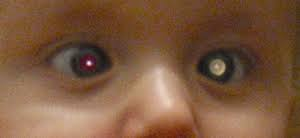
retinoblastoma
white pupillary reflex is concerning for
S. pneumoniae (gram pos)
H. flu, M. Catarrhalis (gram neg)
main bugs causing acute otitis medida
Diagnosed clinically through physical exam and pneumatic insufflation (blowing in ear, watch tympanic membrane for change in size
how do you diagnose acute otitis medida
amoxicillin 1st line. If recurrent amox-clav
-if penicillin allergy use cephalosporin
treatment of acute otitis media
-more than 3 cases of AOM in 6 months or 4 in a year
indication for tympanoplasty
inhibition of transpetidase
β-lactam antibiotic that inhibits bacterial cell wall synthesis.
MOA:
Binds penicillin-binding proteins (PBPs)
Blocks peptidoglycan cross-linking in the bacterial cell wall
Causes cell wall weakening → bacterial lysis (death)
MOA of amoxicillin
Amoxicillin/Clavulanate
tx for otitis media with concomitant purulent conjunctivitis
C: +1 for absent cough
E: +1 for tonsillar exudate
N: +1 for neck tender anterior lymphadenopathy
T: +1 for temperature (>100.4)
O: -1 over 45 and +1 under 15
R: remember to score
<= 1: supportive care
2-3 rapid strep test
>4 treat with abx
Centor Criteria (Modified/McIsaac Score) ⭐
Purpose: Predicts likelihood of Group A Streptococcus (GAS) pharyngitis and helps determine whether to test/treat.
Centor Criteria
to determine whether need for abx for streptococcal pharyngitis
1) fever (> 100.4)
2) pharyngotonsillar exudate
3) tender ANTERIOR cervical lymphadenopathy
4) absence of cough
if GAS: amox-clav, if viral then supportive care. Avoid aspirin.
viral causes of pharngitis:
Rhinovirus — common cold; sore throat + rhinorrhea/cough
Adenovirus — pharyngitis + conjunctivitis + fever
Influenza — fever + myalgias + headache + cough
Parainfluenza — may cause croup with barking cough/stridor
EBV — infectious mononucleosis
Posterior cervical lymphadenopathy
Tonsillar exudates
Fatigue
Splenomegaly
CMV — mono-like illness, usually less prominent pharyngitis
Enteroviruses (Coxsackievirus)
Herpangina → posterior oral vesicles/ulcers
Hand-foot-mouth disease → oral lesions + hand/foot rash
HSV — painful oral vesicles/ulcers + gingivostomatitis
COVID-19 (SARS-CoV-2) — sore throat ± cough/fever/congestion
treatment of group A strep / viral causes
-scarlet fever
-acute rheumatic fever
-PSGN (can occur even with treatment)
complications of untreated GAS
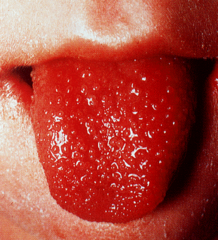
scarlet fever
blanching, sandpaper rash, strawberry tongue, treated with abx
-hx of pharyngitis
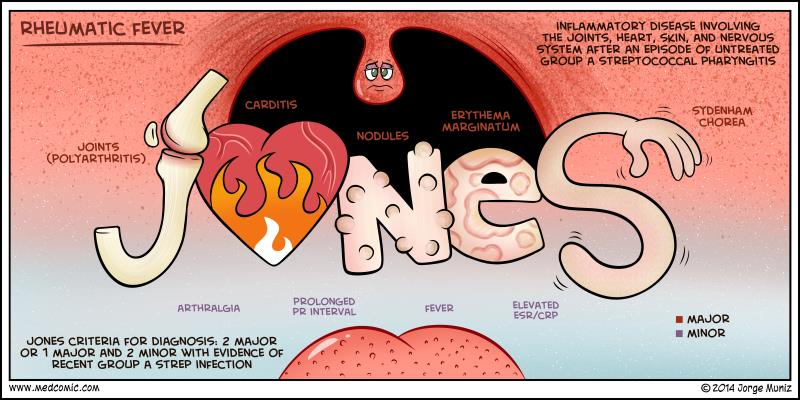
Major Criteria — J♥NES
J = Joints → migratory polyarthritis
♥ = Carditis → especially mitral valve involvement
N = Nodules → subcutaneous nodules
E = Erythema marginatum
S = Sydenham chorea
Minor Criteria
Fever
Arthralgia
↑ ESR/CRP
Prolonged PR interval on ECG
2 major
OR
1 major + 2 minor
Jones criteria for acute rheumatic fever
rhinovirus » adenovirus
most common viral causes of pharyngitis
Post-Strep Glomerulonephritis (PSGN)
peripheral and periorbital edema, tea/cola colored urine, HTN. Supportive care
hx of strep pharyngitis
concomitant rhinorrhea (runny congested nose), cough, hoarseness, diarrhea, oropharyngeal vesicles, and/or absence of fever
viral etiology of of pharyngitis is usually associated with
tonsillar hypertrophy of:
>7 episodes in 1 year,
>5 episodes per year for 2 years,
>3 episodes per year for 3 years.
If pt has sleep disordered breathing it should also be strongly considered.
indications for tonsillectomy
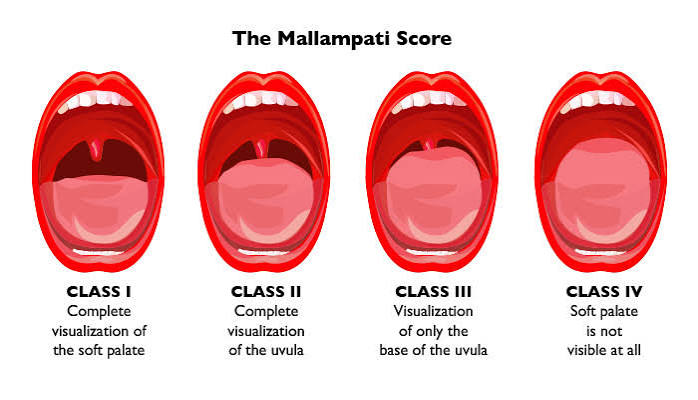
the Mallampati score is a scoring system of
abx (oral or drops)
artificial tears, NSAIDs, cool compress
First-line | Antibiotic |
|---|---|
⭐ First-line | Erythromycin ophthalmic ointment |
Alternative | Trimethoprim-polymyxin B ophthalmic drops |
Contact lens wearers / concern for Pseudomonas | Fluoroquinolone drops (e.g., ciprofloxacin, ofloxacin, moxifloxacin) |
treatment of bacterial conjunctivitis
NSAIDs
steroid eye drops
artificial tears, cool compress, antiviral med
treatment of viral conjunctivitis
Bacterial conjunctivitis
Most common bacteria in children:
Haemophilus influenzae
Streptococcus pneumoniae
Moraxella catarrhalis
Staphylococcus aureus — more common in older children/adults
High-yield special cases
Neisseria gonorrhoeae → severe purulent conjunctivitis, especially neonates; can damage the cornea
Chlamydia trachomatis → neonatal conjunctivitis, classically 5–14 days after birth
+purulent eye discharge
+ redness
+/- light sensitivity
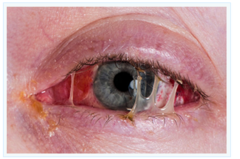
Viral conjunctivitis
Adenovirus — most common
Enterovirus
Coxsackievirus
HSV
VZV
+ eye redness
+ swollen lymph hnondes near the ear
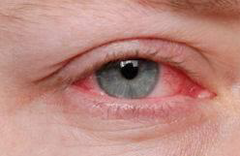
Epistaxis, pain, irritation, new onset snoring, unilateral nare obstruction, chronic sinusitis, etc
presentation of nasal foregn body
bronchiolitis (RSV).
Finding | Description |
|---|---|
⭐ Hyperinflation | Increased lung volumes from air trapping |
⭐ Flattened diaphragms | Due to lung overexpansion |
Peribronchial thickening/cuffing | Thickened bronchial walls from inflammation |
Increased interstitial markings | Prominent perihilar markings |
Atelectasis | Patchy areas of collapse (common) |
Normal CXR | Can occur |
Infant + wheezing + URI symptoms + CXR showing hyperinflation →
CXR of community acquired pneumonia
dx?
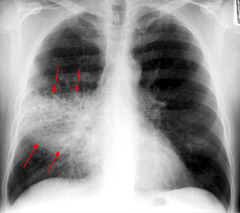
doxycycline or azithromycin or levofloxacin
empiric treatment of uncomplicated CAP
Levofloxacin, Moxifloxacin OR ceft + azithromycin
empiric treatment of hospitalized CAP
zosyn with levofloxacin
treatment for pseudomonas suspected pneumonia
S. pneumoniae
most common cause of CAP
S. pneumoniae
pneumonia associated with rust colored sputum
H. influenzae
-aerobic gram - coccobacillus
-pneumonia with this bacteria is more common pts with COPD
ceftriaxone or levofloxacin (they can produce beta lactamase)
treatment of H. flu pneumonia
Moraxella pneumonia CAP
-gram negative diplococci
-CXR: patcy infiltrate
S. pneumo, H. influenzae, M. catarrhalis
main bacteria associated with typical lobar pneumonia
mycoplasma, chlamydia, legionella
main bacteria associated with atypical pneumonia
Mycoplasma pneumoniae
-walking pneumonia type most common in pts under 40
-may be associatedd with earache, erythema multiforme
-gram stain is usueless (no cell wall)
Chlamydia pneumoniae
-more common cause of walkin pneumonia in those over 65
Legionnaire's disease
-cause of walking pneumonina that can alsso reesult in diarrhea, hyponatremia, hematuria
-urinary antigen
S. aureus
-produces proteases that can cause bronchopneumonia--> necrotizing pneumonia---> lung abscess or empyema
CURB-65
confusion, urea, high RR, low BP< age over 65
Point scoring system used for evaluating the risk of mortality with pneumonia
Staph aureus, gram negative rods, mycoplasma, chlamydia, viral
most common organisms of bronchopneumonia
bronchopneumonia
infiltrates are patchy and involves multiple areas of the lung
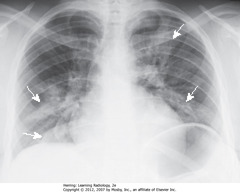
influenza, CMV, pneumococcal pneumonia, miliary TB
main pathogens of interstitial pneumonia
interstitial pneumonia
abnormal lung condition with increased fluid between the alveoli and a decrease in lung function
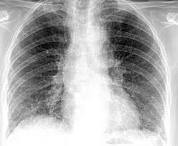
chemical pneumonitis
bronchial obstrucction secondary to aspiration
bacterial aspiratin pneumonia
main syndromes of consequence of aspiration
superior segment of lower lobbe
with patient lying on back, aspiration occurs where?
dysphagia and an infiltrate
aspiration pneumonia should be considered in the ddx for any pt with
-catarrhal: non-specific low grade fever and nasal secretions for 1-2 weeks
-paroxysmal: lasts 2-4 wks, cyanosis, apnea and choking; between fits children appear well and are afebrile
-convalescent stage: gradual resolution of symptoms in 1-2 wks
what are the 3 stages of pertussis?
-azithromycin, clarithromycin, erythromycin
-post-exposure propphylaxis
-under 7 years give macrolide and booster DTap if last dose was more than 3 yrs ago; greater than 7 y/o give macrolide andd TDap
tx of pertussis
2, 4, 6, 15 months and between 4-6 yrs
when is DTaP vaccine given
at 11 years and every 10 years after that
when is Tdap iven
-given in 27-36 wk gestation age
-indicated in each pregnancy even if the woman has a previous hx of vaccination, and even if consecutive pregnancies occur within 12 months
when to give Tdap in pregnancy
Kawasaki disease
-wide spread inflammation of medium and small blood vessels
-most common vascuulitis in children, usuallly under 5
-fever unresponsive to antipyretics
-bilateral conjunctival injection
-strawberry tongue
-erythema of palms or soles
-polymorphous rash
-cervical lymphaddenopathy
main featuress of Kawasaki's
-aspirin and IV Ig reduces risk of aneurysm formation
-steroids used in pts who fafil to respond
treatment of kawasaki's
coronary artery aneuryssm
primary complication associated with kawasaki's
ceftriaxone
treatment of N. meningitis
group B strep
gram negative bacilli
strep pneumo
N. meningitidis
most common agents of meningitis in thosse undr 3 months
S pneumo
N meningitis
Group B strep
gram negative bacilli
most common agents of meningitis in ages 3 months to 3 years
S pneumo and N meningitidis
most common cause of meningitis ffrom ages 3-10
-virus infects epithelial cells, retrogradde transports to sensory ganglia
-latent infection
-reactivation leadds to anterograde axonal transport to epithelial cells
describe the pathogenesis of herpes simplex virus
gingiviostomatitis with local lymphaenopathy
-systemic symptoms
signs of primary HSV infection
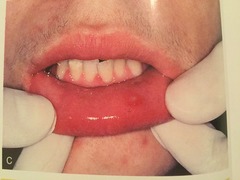
Herpes gingivostomatitis
-cold sores in the mouth, usually in children (HSV-1)
-represents initial infection that recurs as fever blisters
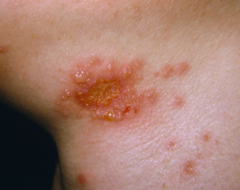
Herpes gladiatorum
A skin infection caused by the herpes simplex type 1 virus and seen among athletes participating in contact sports
-initiate antiviral treatment within 48-72 hours of symptom onset (acyclovir)
treatment of HSV
paramyxovirus
etiology of measles (rubeola)
-incubation 8-12 days
-prodrome: cough, fever, koplik spots, coryza, conjunctivitis
-exanthematous phase: maculopapular rash starting on face down
-recovery over 7-10 days
describe the 4 phases of measles
pneumonia
most common cause of measles associated death
-encephalitis
-acute disseminated encephalomyelitiss
-subacute sclerosing panencephalitis
neurologic complications of measle
matonviridae family
etiology of rubella
rubella
a viral infection characterized by a low-grade fever, swollen glands, inflamed eyes, and a fine, pink rash
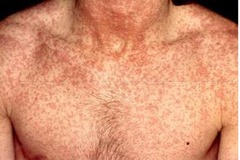
prodrome: malaise, low grade fever
exanthem: maculopapular rash that begins on head and trunk and spreads to extremities, lasts 3-7 days
enanthem
presentation of varicella
24-48 hrs before rash appears and until all lesions have crusted over
when is varicella contagious
must have lesions in all 3 stages: erythematous macule/papule, vesicle, andd crusted lesion
how do you make a clinical diagnosis of varicella
coxsackie A virus (enterovirus)
etiology off hand-foot mouth dx
Hand-foot-mouth disease
fever, mouth pain, ulcerations on tongue and sofftpalate, +/- vesicular rashh on hands and feet
Herpesvirus 6 and 7
etiology of Roseola infantum
Roseola
-abrupt onset of high fever
-appearance of rash when fever resolves: generalized blanchable, maculopapular rash
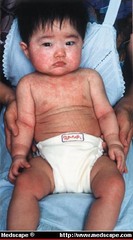
1) slapped cheek appearance
2) macular erythema on trunk
3) lacy appearance to rash
spares hands/feet
what are the 3 stages of the exanthem in Erythema infectiosum (fifths disease)