NMAT Biology | Cells
 Call Kai
 Learn
Learn Practice Test
 Spaced Repetition
 Match
Match Flashcards
 Knowt Play
1/47

There's no tags or description
Looks like no tags are added yet.
Name | Mastery | Learn | Test | Matching | Spaced | Call with Kai | Chat |
|---|
No analytics yet
Send a link to your students to track their progress
48 Terms
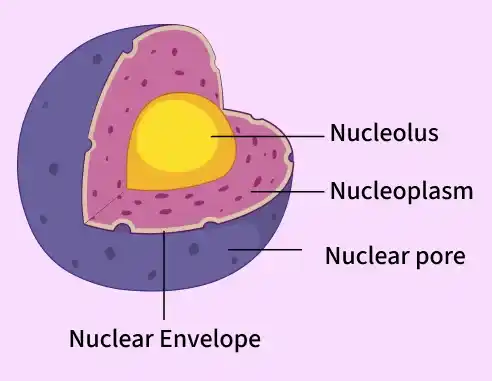
Nucleus
Contains all of the genetic material needed for the replication of the cell; contains all of the DNA
The big boss
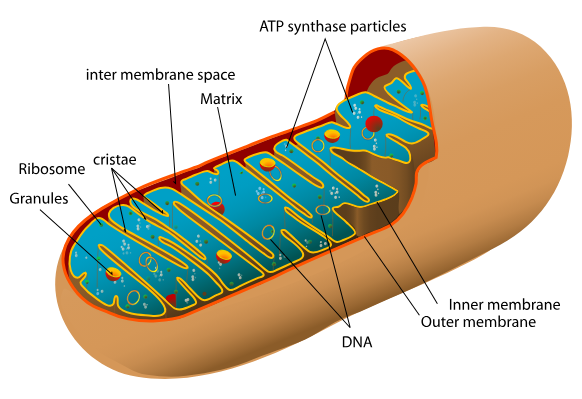
Mitochondrion
Location of metabolic processes:
Pyruvate dehydrogenase
Citric acid cycle
ETC
Oxidative phosphorylation
B oxidation
ATP production
The cell’s battery
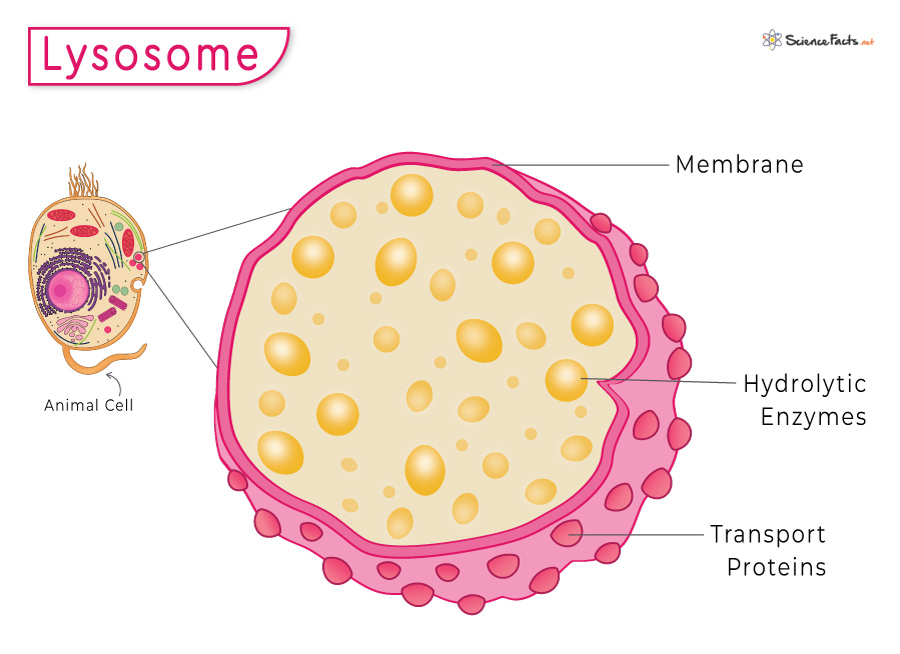
Lysosomes
Membrane-bound structures that have hydrolytic enzymes capable of breaking down many different substances; sweepers that digest waste
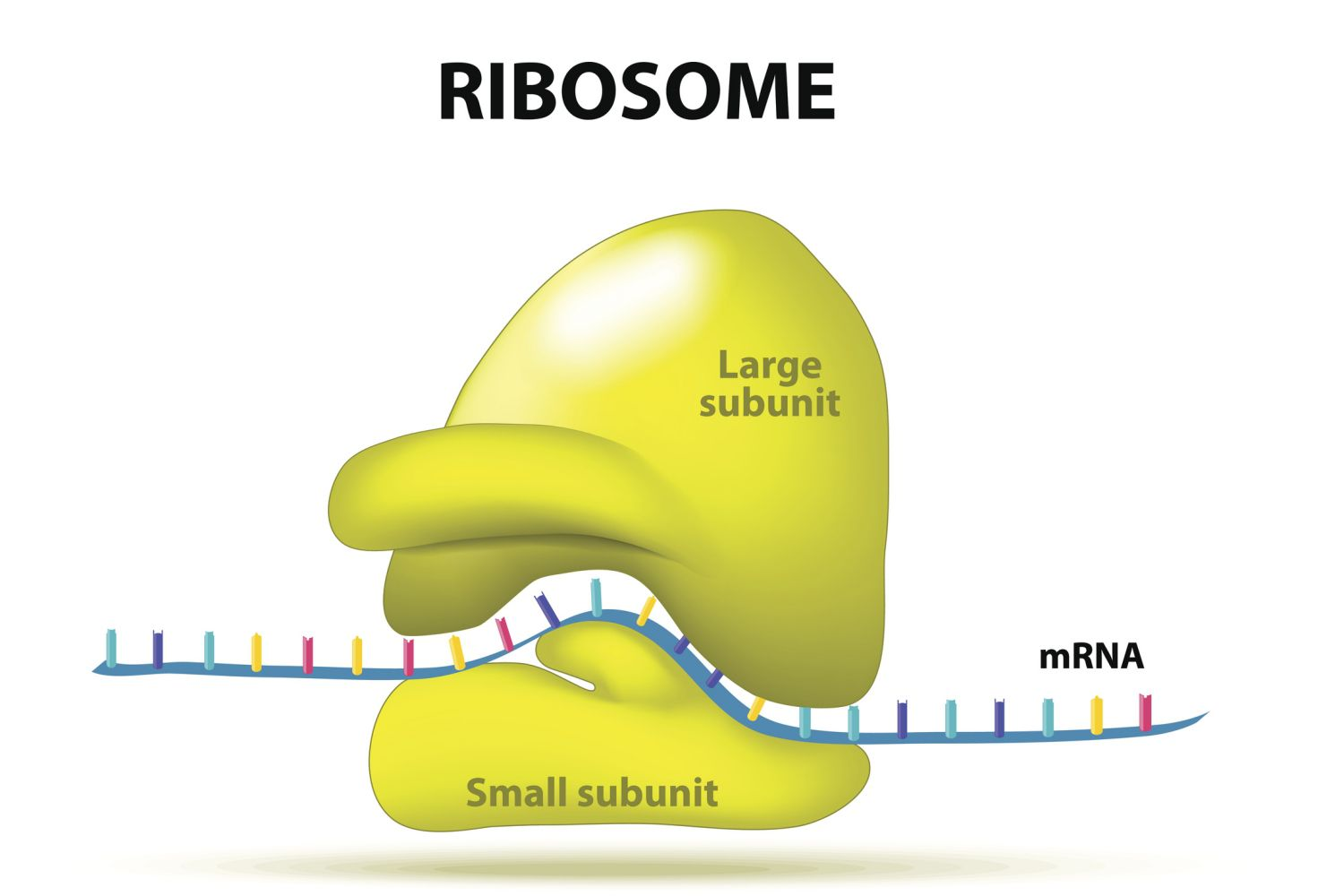
Ribosomes
Synthesizes proteins; a protein factory
Either free-roaming or attached to the rough ER
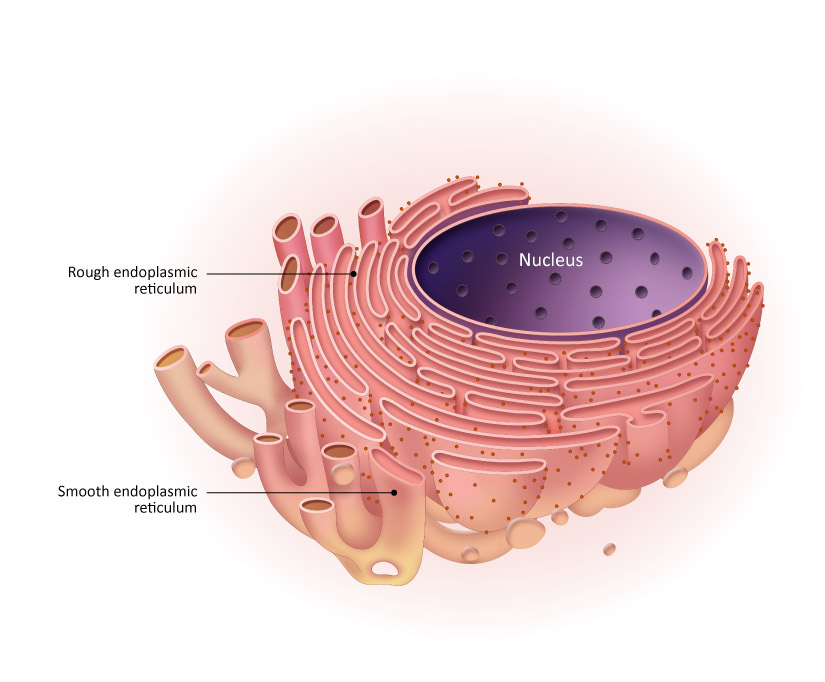
Rough Endoplasmic Reticulum
Studded with ribosomes and synthesizes proteins that are meant for insertion into a membrane or for secretion
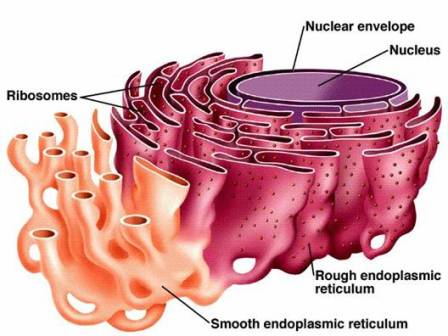
Smooth Endoplasmic Reticulum
No ribosomes but does lipid synthesis and detoxification
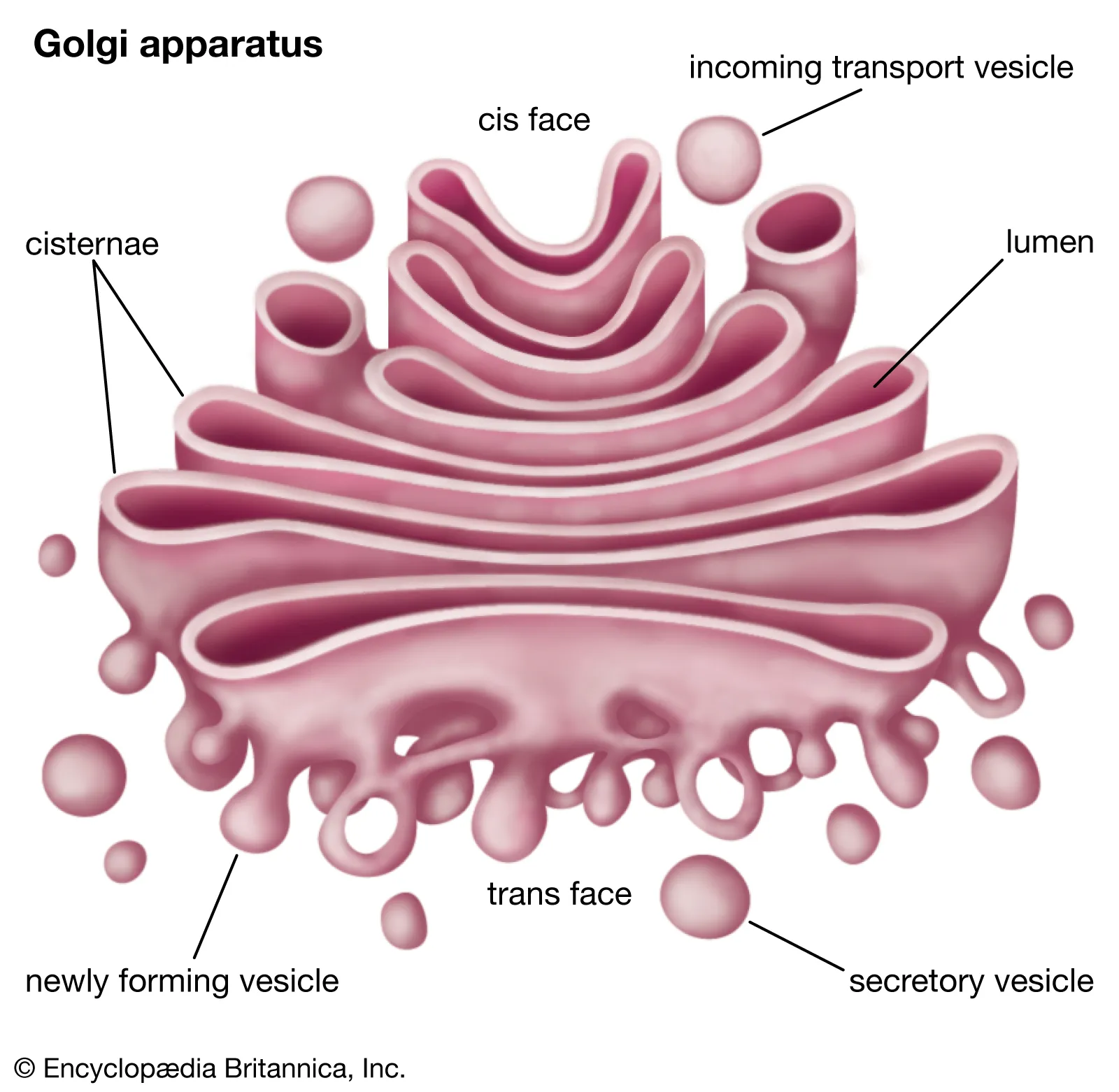
Golgi Apparatus
Packages proteins; post-translational modification of proteins happen here
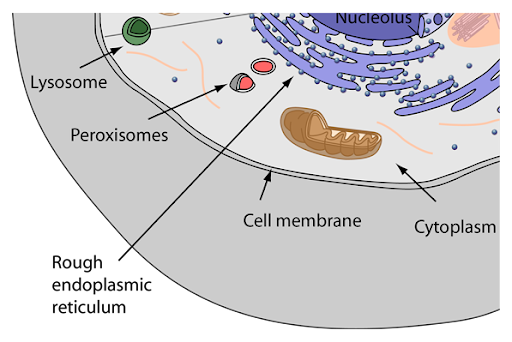
Peroxisomes
Break down fatty acids and destroy hydrogen peroxide
What does the fluid mosaic model show?
It shows that the membrane is flexible and that many proteins float around it
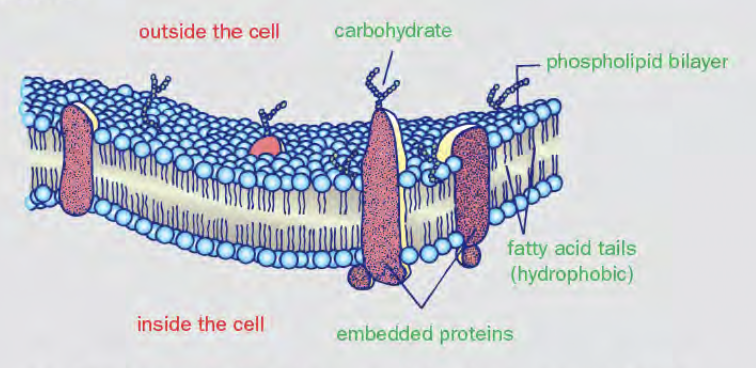
Phospholipids
Make the membrane with hydrophilic head and a hydrophobic tail
What do proteins in the membrane do?
Transport, act as receptors, and enzymes
What does cholesterol in the membrane do?
It keeps the membrane stable; doesn’t make it too rough or too flexible
What do carbohydrates in the membrane do?
They help in cell recognition
ex: blood groups
Diffusion
Moves from high concentration to low concentration with NO energy
Osmosis
Water moves from low solute to high solute
Water follows salt
3 Outcomes of Osmosis
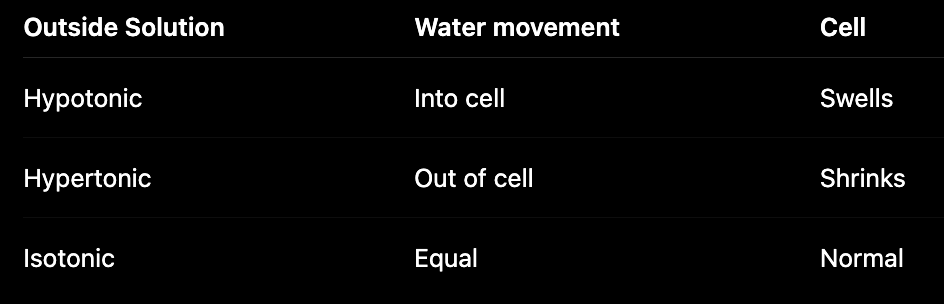
Note:
Animals: Hypertonic → crenation
Plants: Hypertonic → plasmolysis
Active transport
Moves from low → high
Needs ATP
ex: similar to going up a hill
Cytoskeleton
Acts as a skeleton inside the cell
Helps in maintaining shape, allowing movement, and transport
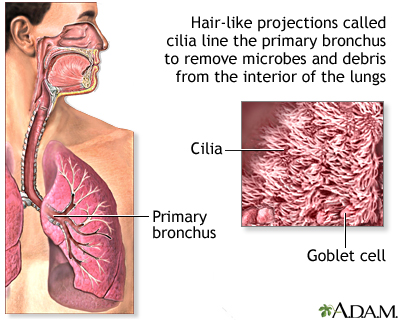
Cilia
Many short hair-like structures
ex: Respiratory tract
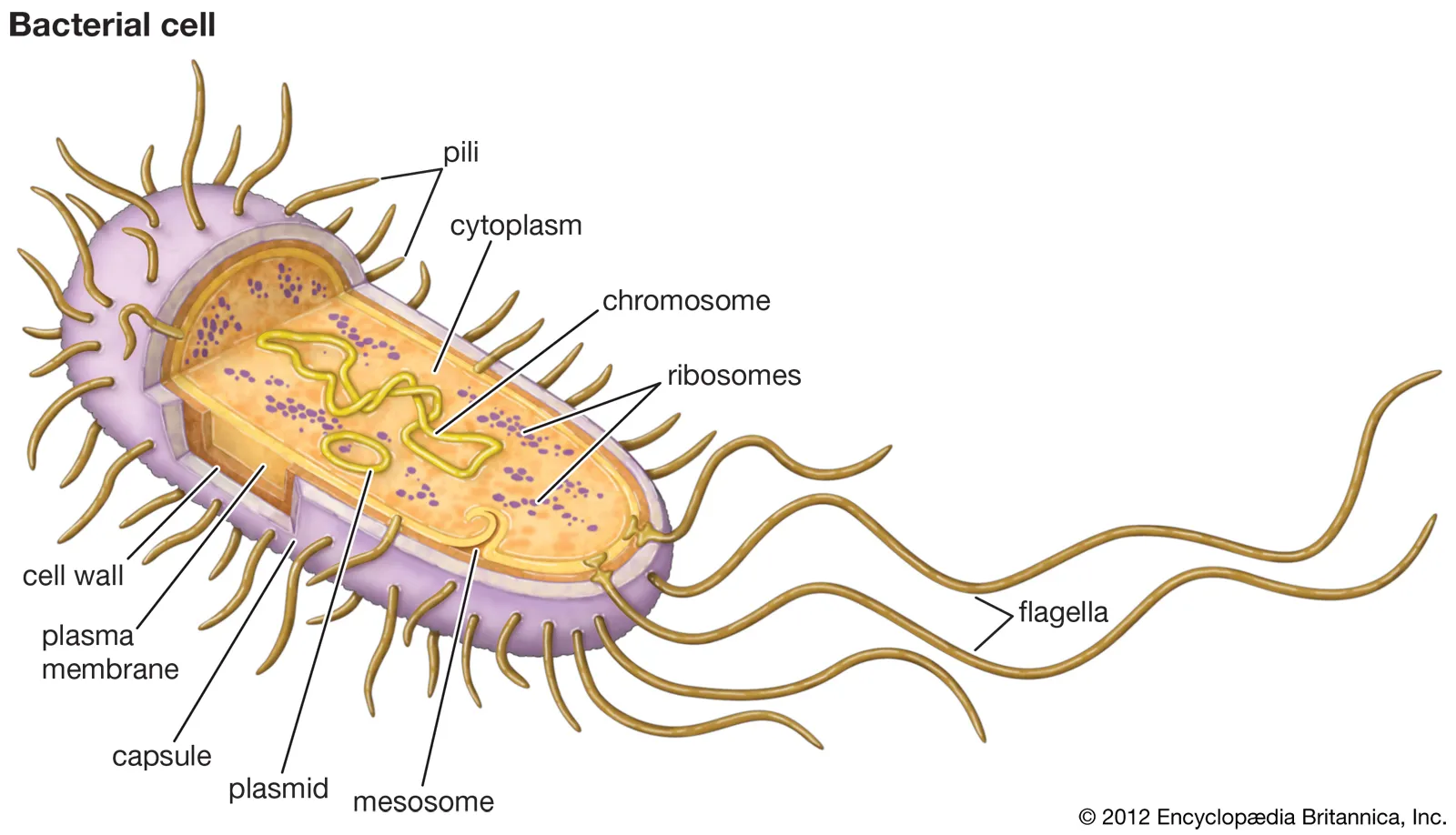
Flagella
Few long tails
ex: Sperm cell
Cell theory
All living things are composed of cells
Cells are the basic functional unit of life
Cells arise from preexisting cells
Cells carry genetic information in the form of DNA
Genetic material is passed on from parent to daughter cell
Eukaryotes vs. Prokaryotes
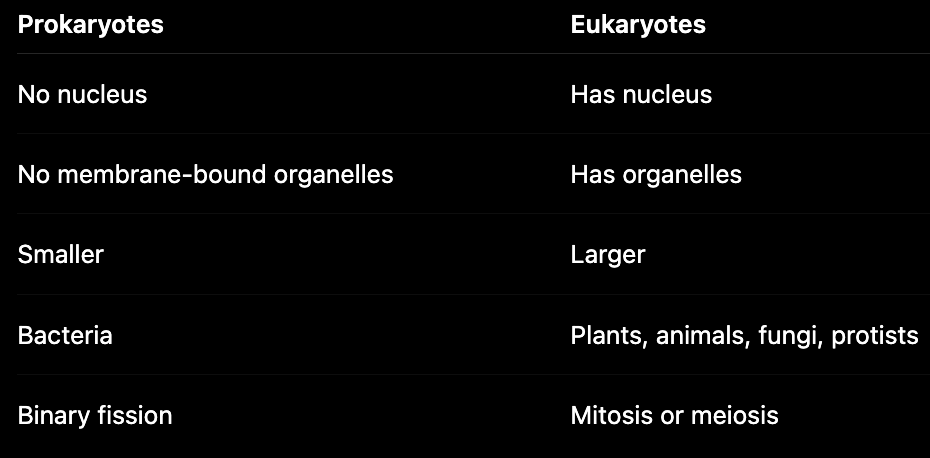
Eukaryotes: True Cells; usually multi-cellular
DNA is wrapped in histones
Prokaryotes: Primitive; usually unicellular
Multiple proteins act together to fold and
condense prokaryotic DNA
Folded DNA is
then organized into a variety of conformations
that are supercoiled and wound around
tetramers of the HU protein.
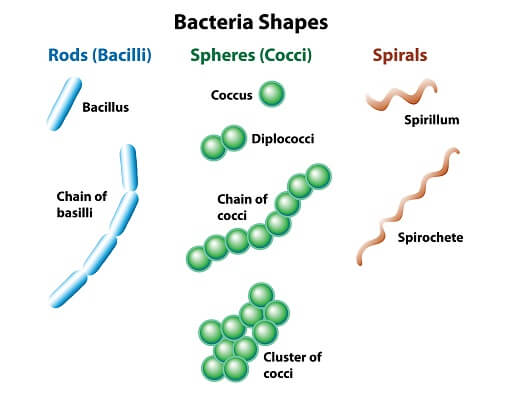
Classification of prokaryotes
Cocci: Spherical bacteria
Bacili: Rod-shaped bacteria
Spirilli: Spiral-shaped bacteria
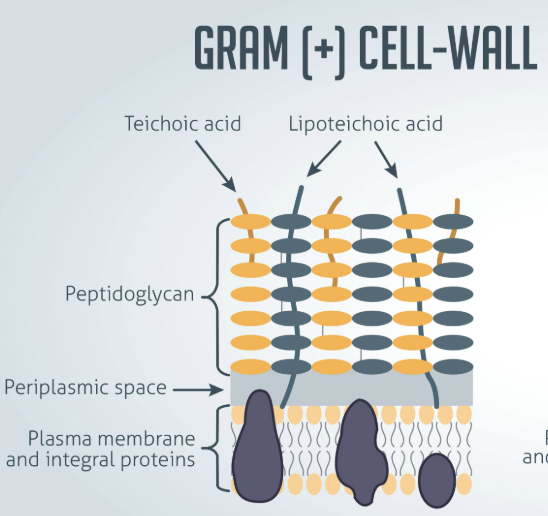
Gram-positive bacteria
Cell wall of a prokaryote that has a lot of peptidoglycan
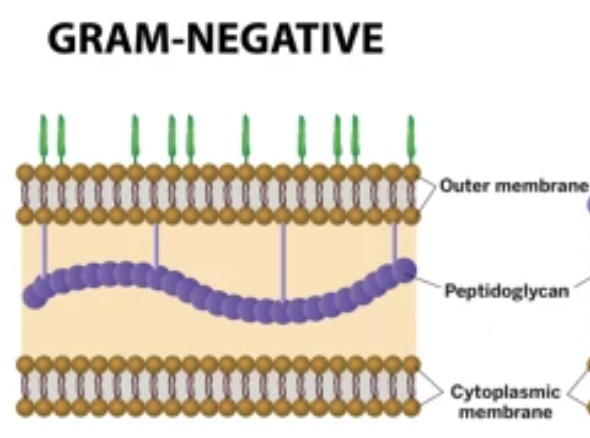
Gram-negative bacteria
Cell wall of a prokaryote that has little quantities of peptidoglycan with lipopolysacharides
Flagella purpose in prokaryotes
Contain a basal body that serves as the engine for motion
Binary Fission
Method of how prokaryotes divide
They replicate and attach to the cell wall
Cell wall grows along the midline and forms daughter cells
Cell Cycle
G1 → S → G2 → M
G1 (growth 1)
Cell living its normal life
Grows bigger
Make proteins
Makes more organelles
S Phase (synthesis)
Cell copies its DNA
Before the S phase, a cell has 46 chromosomes
After DNA replication, there are still 46 chromosomes but each have 2 sister chromatids
G2 Phase (Growth 2)
Cell checks everything after the S phase
Grows more
Makes proteins needed for mitosis
Prepares for division
“Get ready” Phase
M Phase
When the cell divides
After this, it goes to PMAT → cytokinesis (splitting of parent to 2 daughter cells)
Prophase
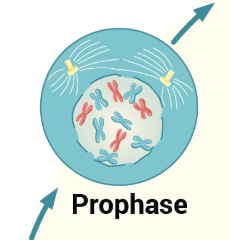
DNA condenses
Chromosomes become visible
Nuclear membrane disappears
Everything is basically packing up to leave
Metaphase
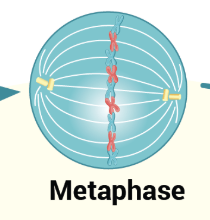
Chromosomes line up in the middle
Anaphase
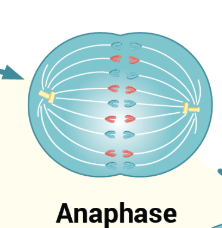
Cell splitting apart
Telophase
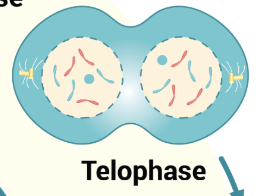
New nuclei form and cell begins to return to normal
Homologous chromosomes
Carry the same genes but have different alleles (versions)
Each have 2 sister chromatids
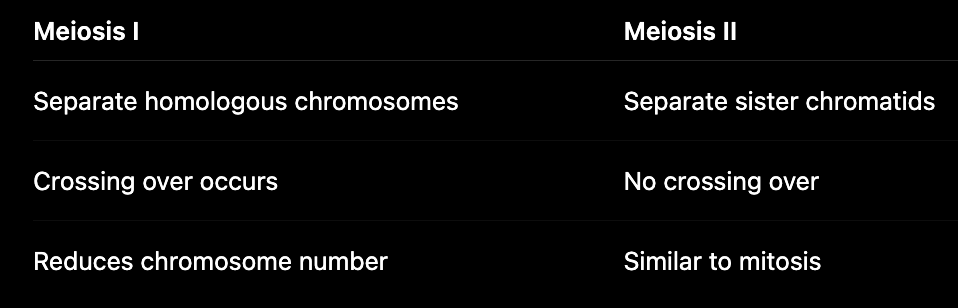
Prophase I (Meiosis)
Homologous chromosomes pair up and create a tetrad (4 chromatids)
Crossing over
Chromosomes exchanging their parts
this creates genetic variation
Meiosis
Spermatogenesis
Formation of sperm in meiosis
1 cell → 4 sperm (all functional)
Oogenesis
Formation of the egg in meiosis
1 cell → 1 egg (+3 polar bodies as only 1 becomes an egg)
Early Embryonic Development
After sperm meets the egg:
Fertilization
Zygote
Cleavage
Morula
Blastula (Blastocyst)
Implantation
Gastrulation
Neurulation
Cleavage
Mitotic divisions
basically dividing and dividing
Just like a pizza getting more slices— not getting bigger but more divisions
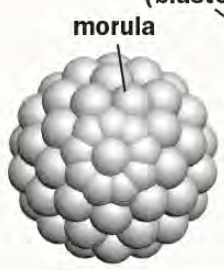
Morula
Outcome of many divisions
Embryo now looks like a raspberry
Blastula (Mammals: Blastocyst)
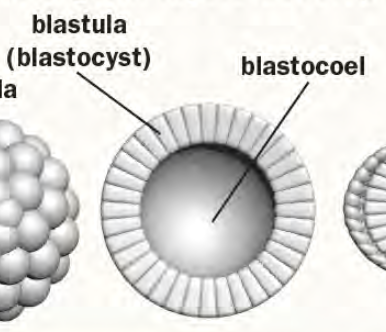
Embryo becomes hollow
Hollow space is called the blastocoel
Implantation
Blastocyst attaches onto the uterus
Gastrulation
3 germ layers form:
Ectoderm: Nervous system + skin
Mesoderm: Muscles + kidneys
Endoderm: Internal organs
Neurulation
Nervous system starts to form
Includes brain and spinal cord