Show Me Tell Me Driving Questions - UK Driving Practical Test
 Call Kai
 Learn
Learn Practice Test
 Spaced Repetition
 Match
Match Flashcards
 Knowt Play
1/21

There's no tags or description
Looks like no tags are added yet.
Name | Mastery | Learn | Test | Matching | Spaced | Call with Kai | Chat |
|---|
No analytics yet
Send a link to your students to track their progress
22 Terms
Tell me how you would check that the brakes are working before starting a journey.
Brakes should not feel spongy or slack. Brakes should be tested as you set off. As you brake, the vehicle should not pull to one side.
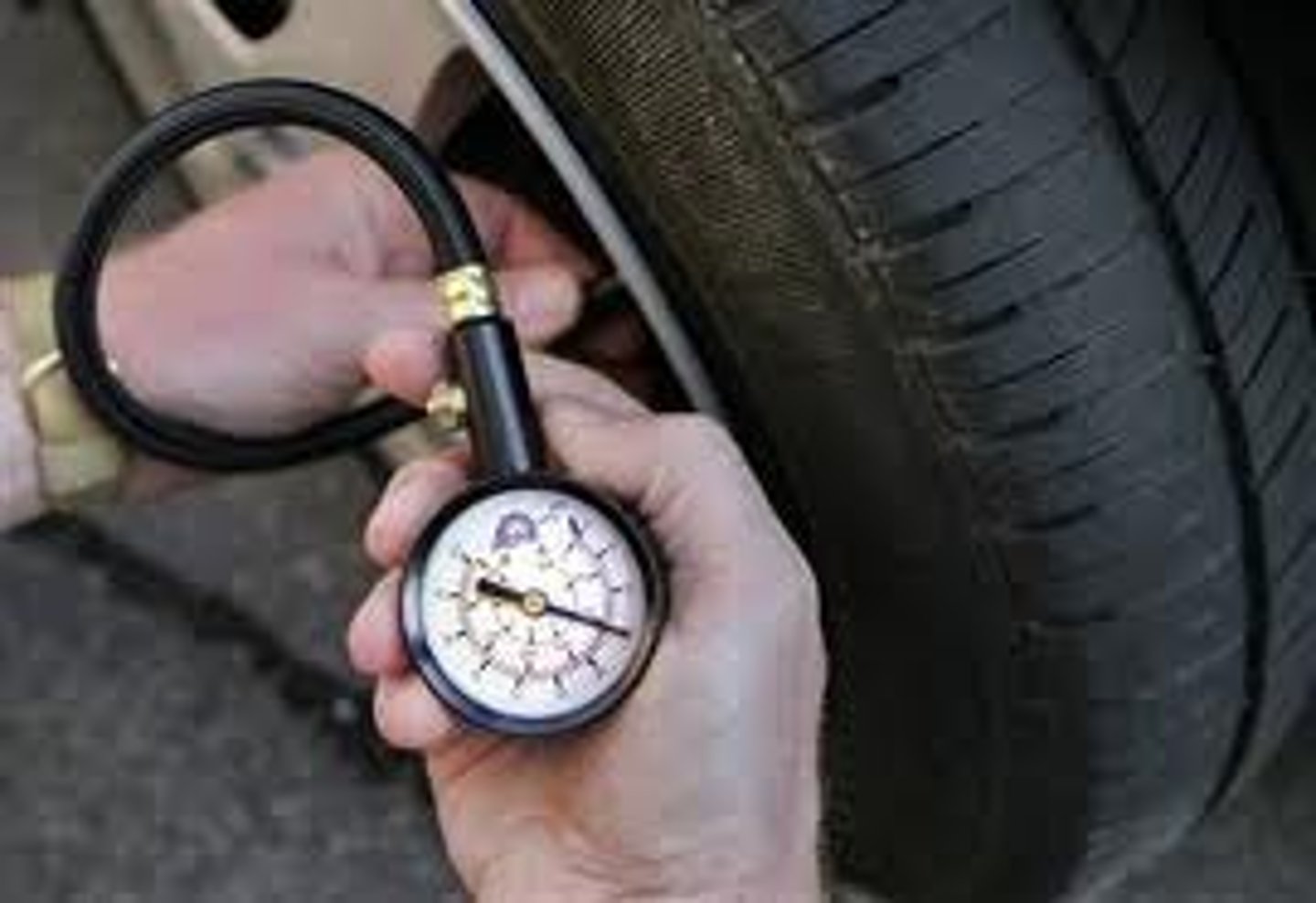
Tell me where you would find the information for the recommended tyre pressure for this car and how tyre pressures should be checked.
Recommended tyre pressures are found in the manufacturer's guide. Check tyre pressures using a reliable pressure gauge. Check and adjust pressure when the the tyres are cold. Do not forget the spare tyre. Remember to refit valve caps afterwards.
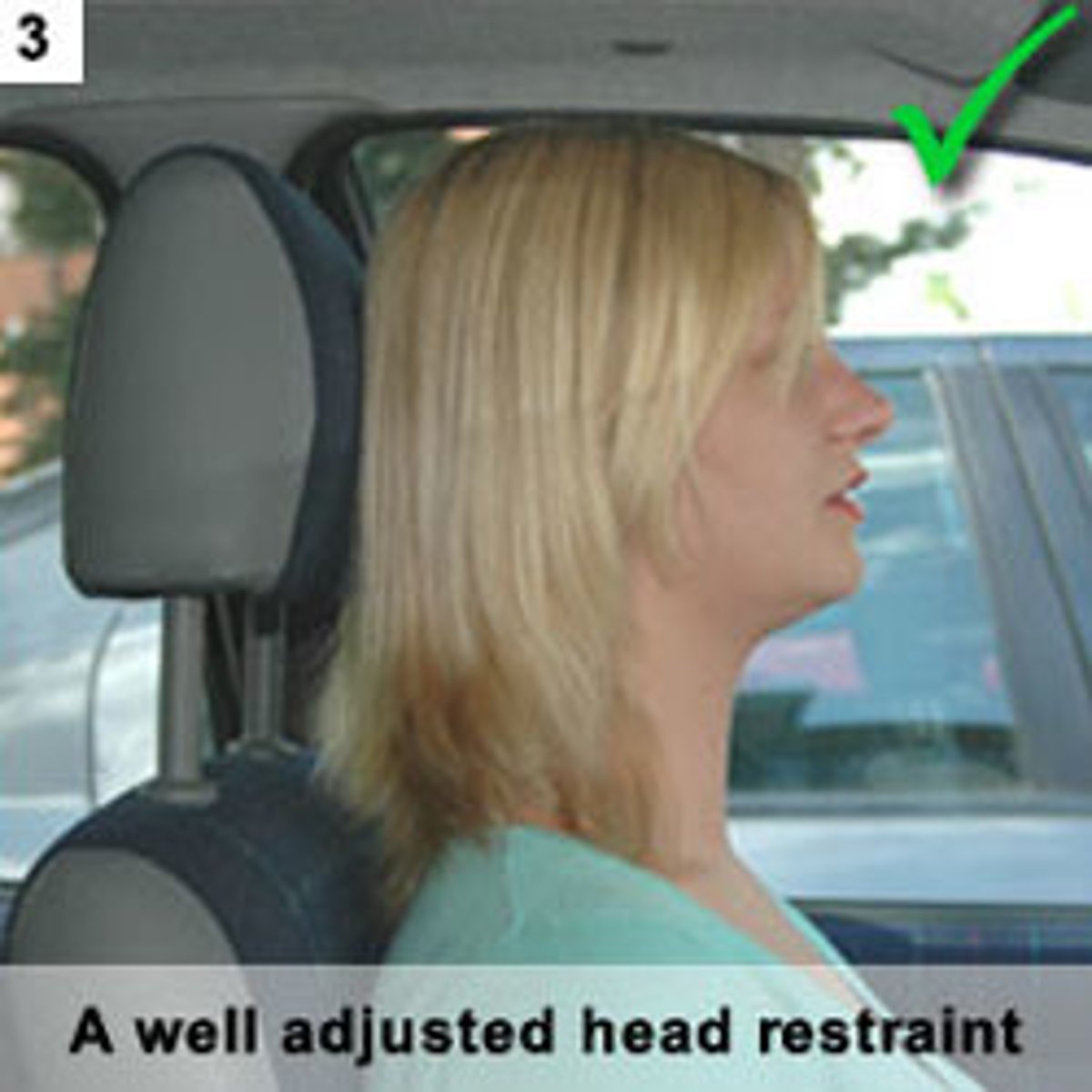
Tell me how you make sure your head restraint is correctly adjusted so it provides the best protection in the event of a crash.
The head restraint should be adjusted so the rigid part of the head restraint is at least as high as the eye or the top of your ears, and as close to the back of the head as is comfortable. N.B. some restraints might not be adjustable
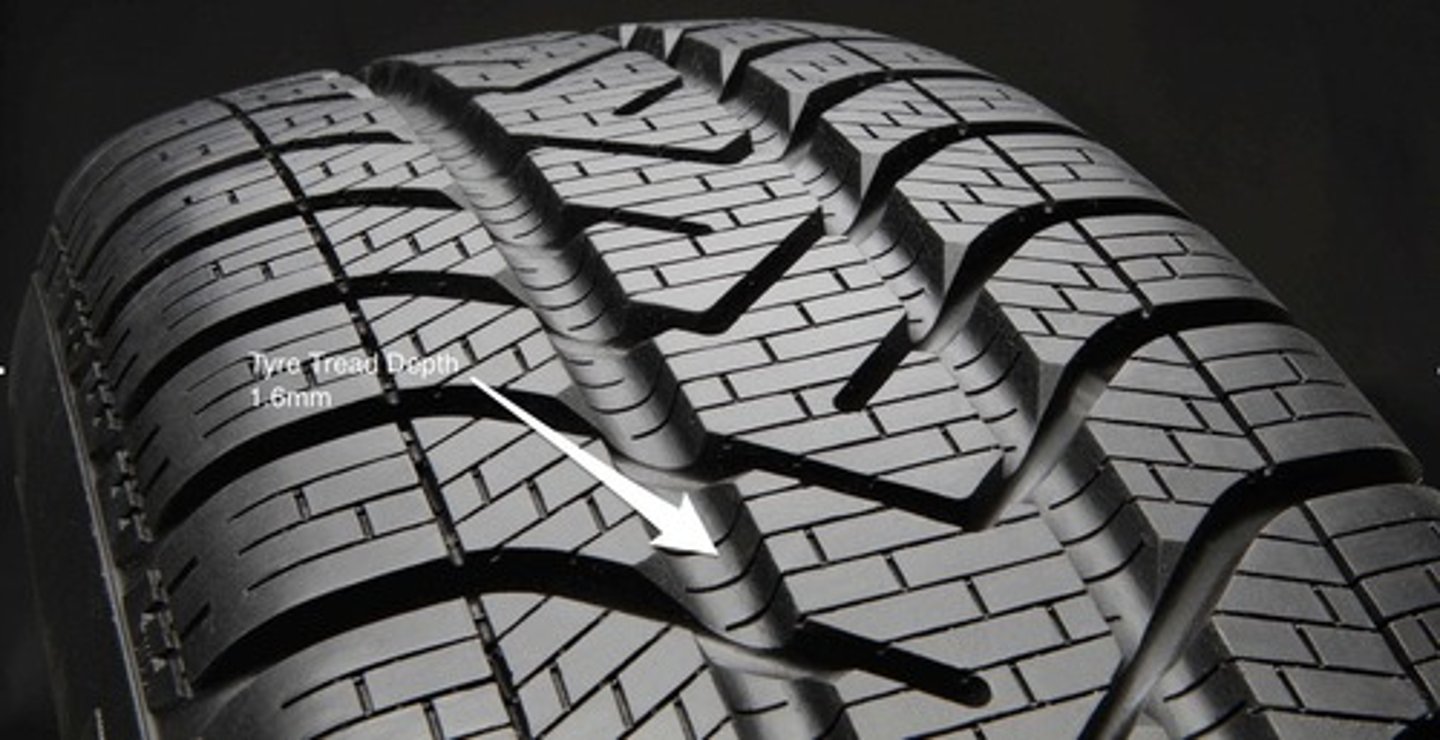
Tell me how you would check the tyres to ensure that they have sufficient tread depth and that their general condition is safe to use on the road.
Ensure that the tyres have no cuts or bulges, and that there is at least 1.6 mm of tread depth across the central ¾ of the breadth of the tyres and around the entire outer circumference.
Tell me how you would check that the headlights and tail lights are working. You don't need to exit the vehicle.
Explain that you would operate the switch for the headlights and tail light.
- Turn on the ignition if necessary.
Explain that you would walk around the vehicle to ensure that the lights are on.
- There is no need to physically check the lights.
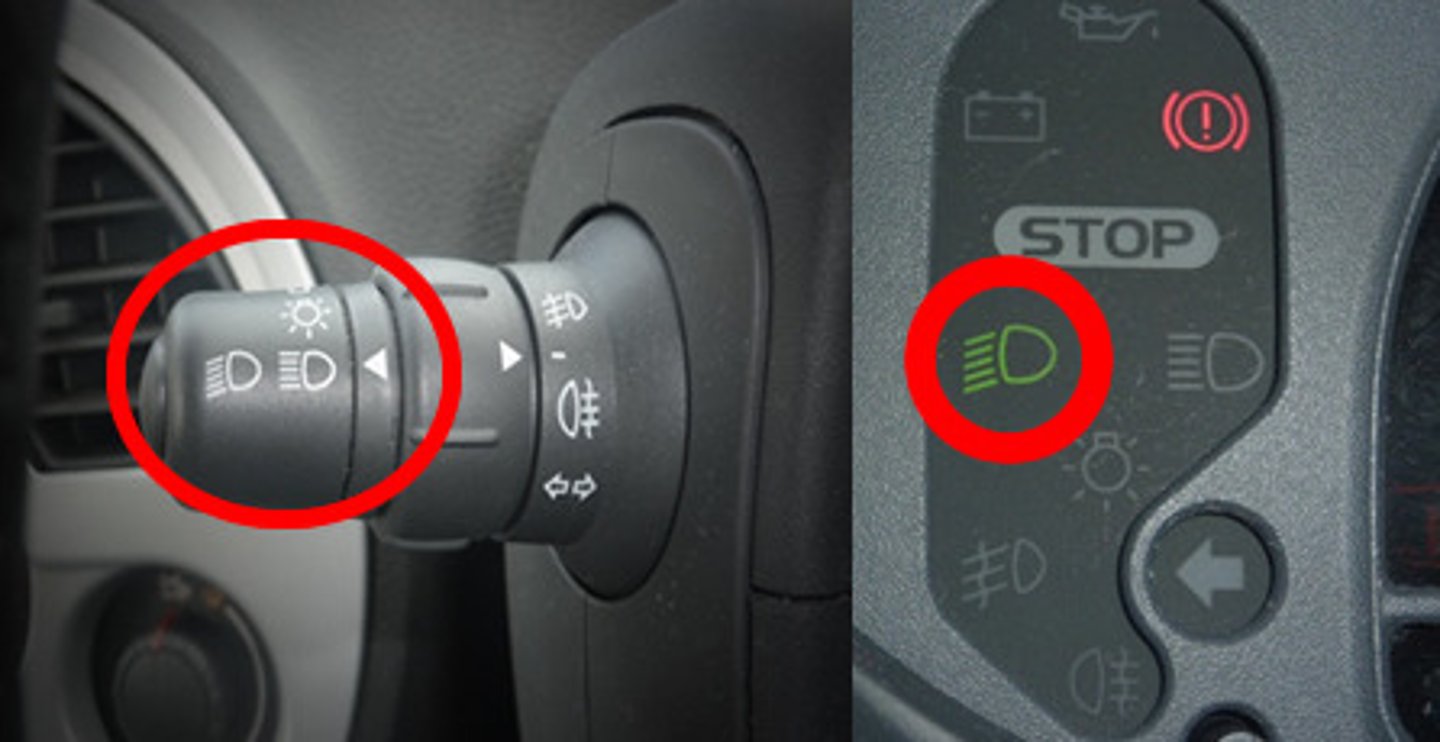
Tell me how you would know if there was a problem with your anti-lock braking system.
Warning lights should illuminate if there is a fault with the anti-lock braking system.
-The ABS light will turn on when the ignition is started, but if the ABS is working normally then this light will go off immediately afterwards.

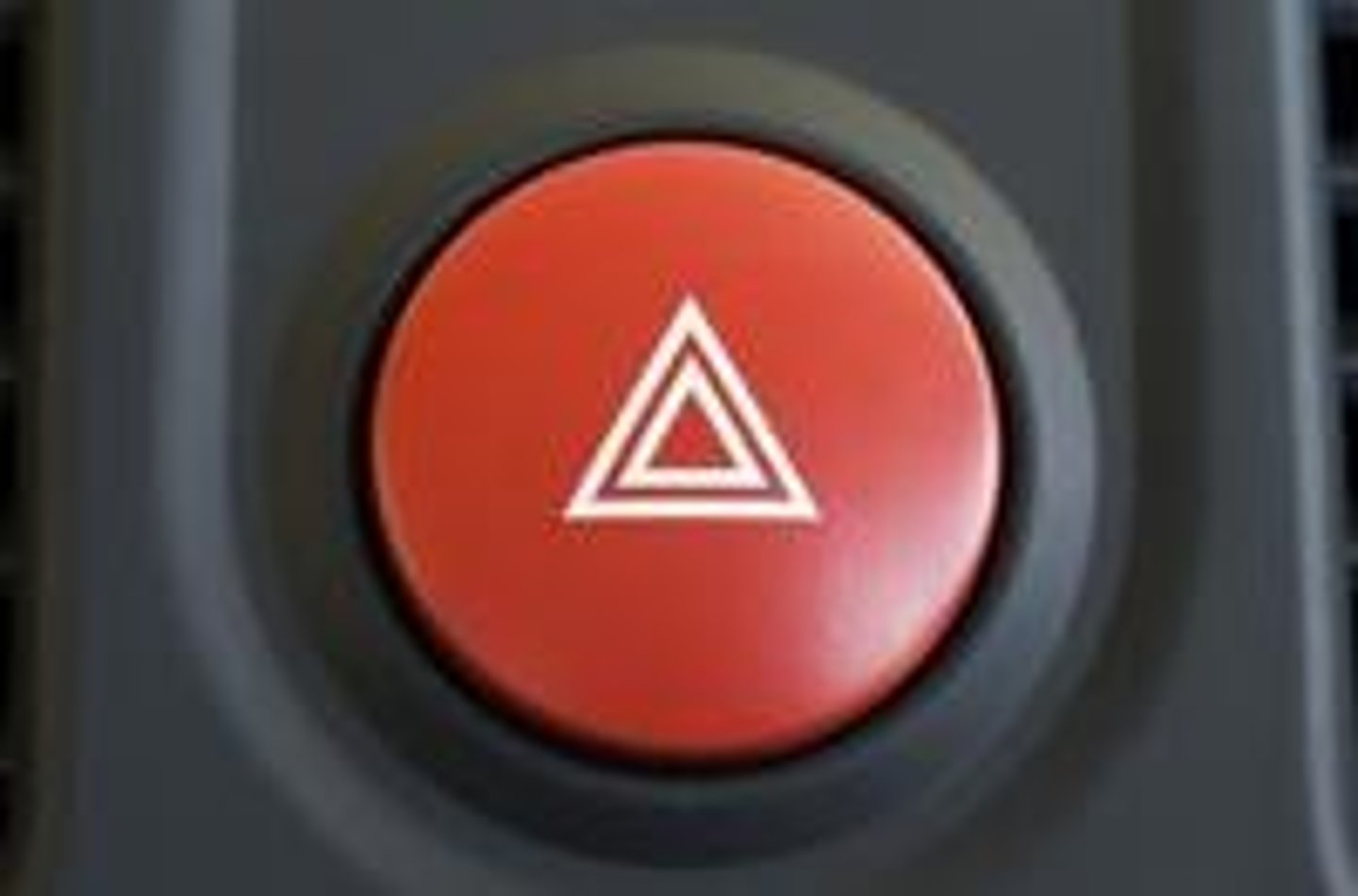
Tell me how you would check that the direction indicators are working. You don't need to exit the vehicle.
Explain that you would operate the switch for the direction indicators or the hazard warning lights.
- Turn on the ignition if necessary.
Explain that you would walk around the vehicle to ensure that the lights are on.
- There is no need to physically check the lights.
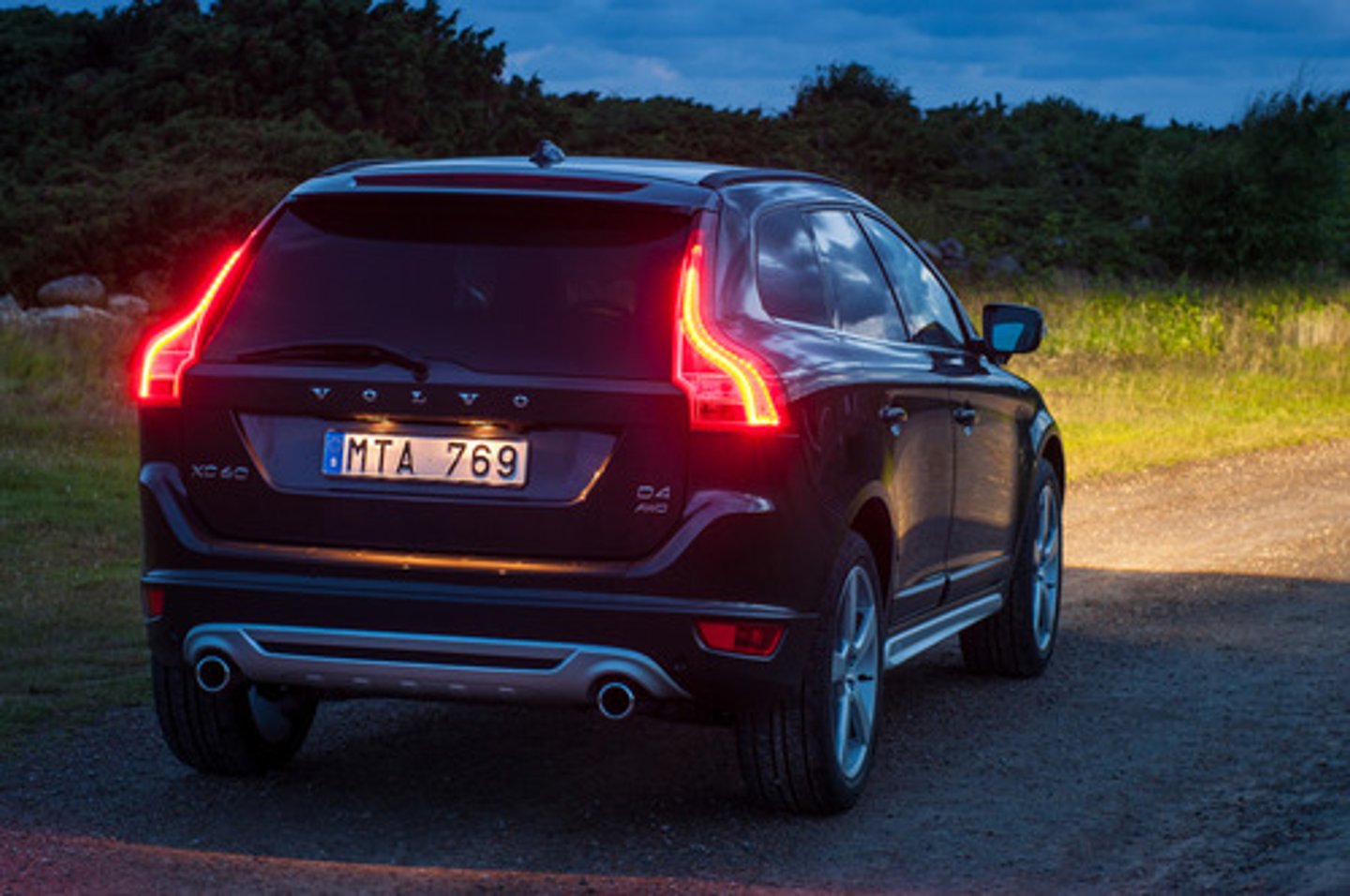
Tell me how you'd check the brake lights are working on this car.
Explain that you would operate the brake pedal and check that the brake light is on by either making use of reflections in windows or doors, or asking someone to help
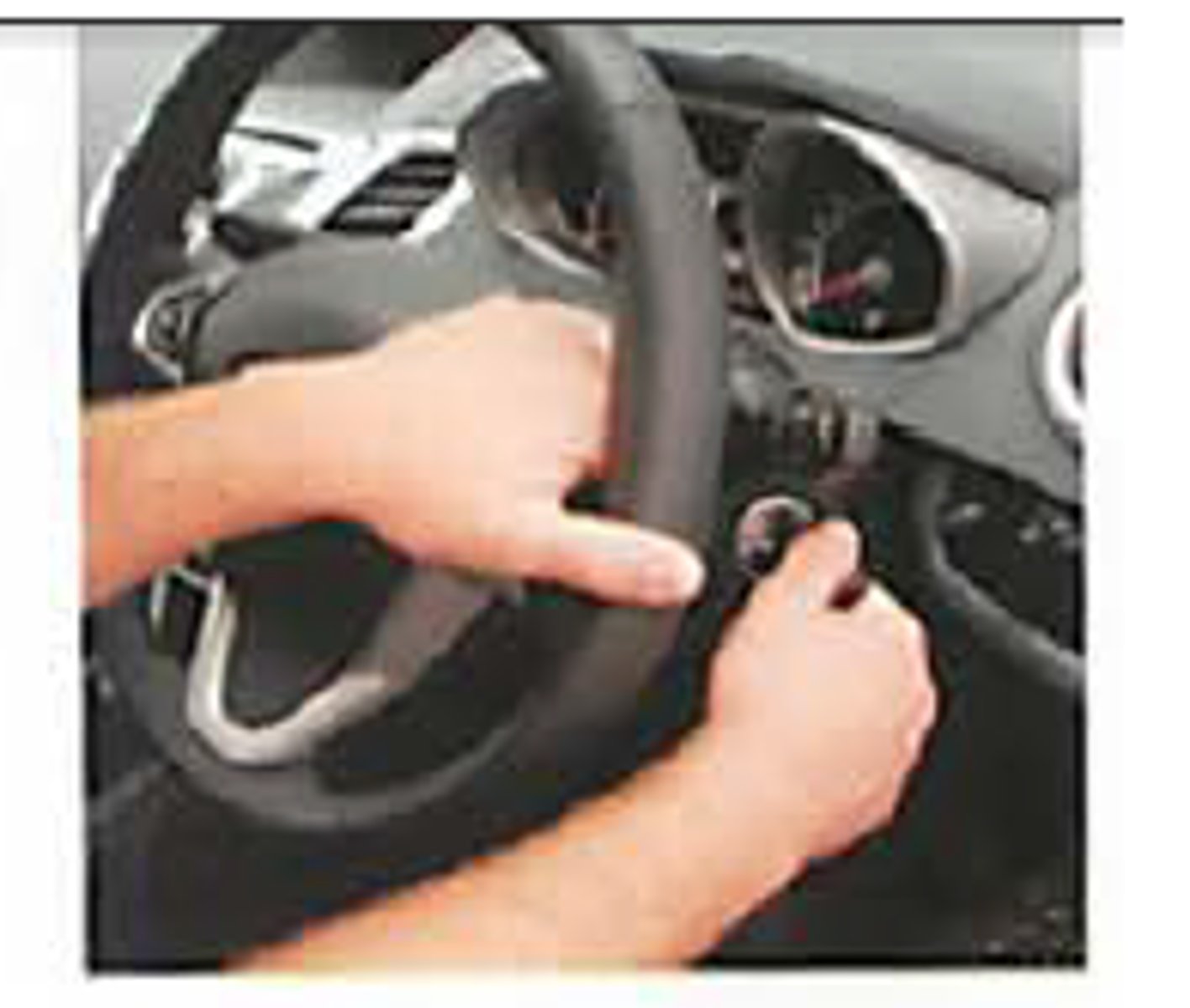
Tell me how you'd check that the power assisted steering is working before starting a journey.
If the steering becomes heavy the system may not be working properly. Before starting a journey, two simple checks can be made.
1. Gentle pressure on the steering wheel, maintained while the engine is started, should result in a slight but noticeable movement as the system begins to operate
2. Alternatively, turning the steering wheel just after moving off will give an immediate indication that the power assistance is functioning.
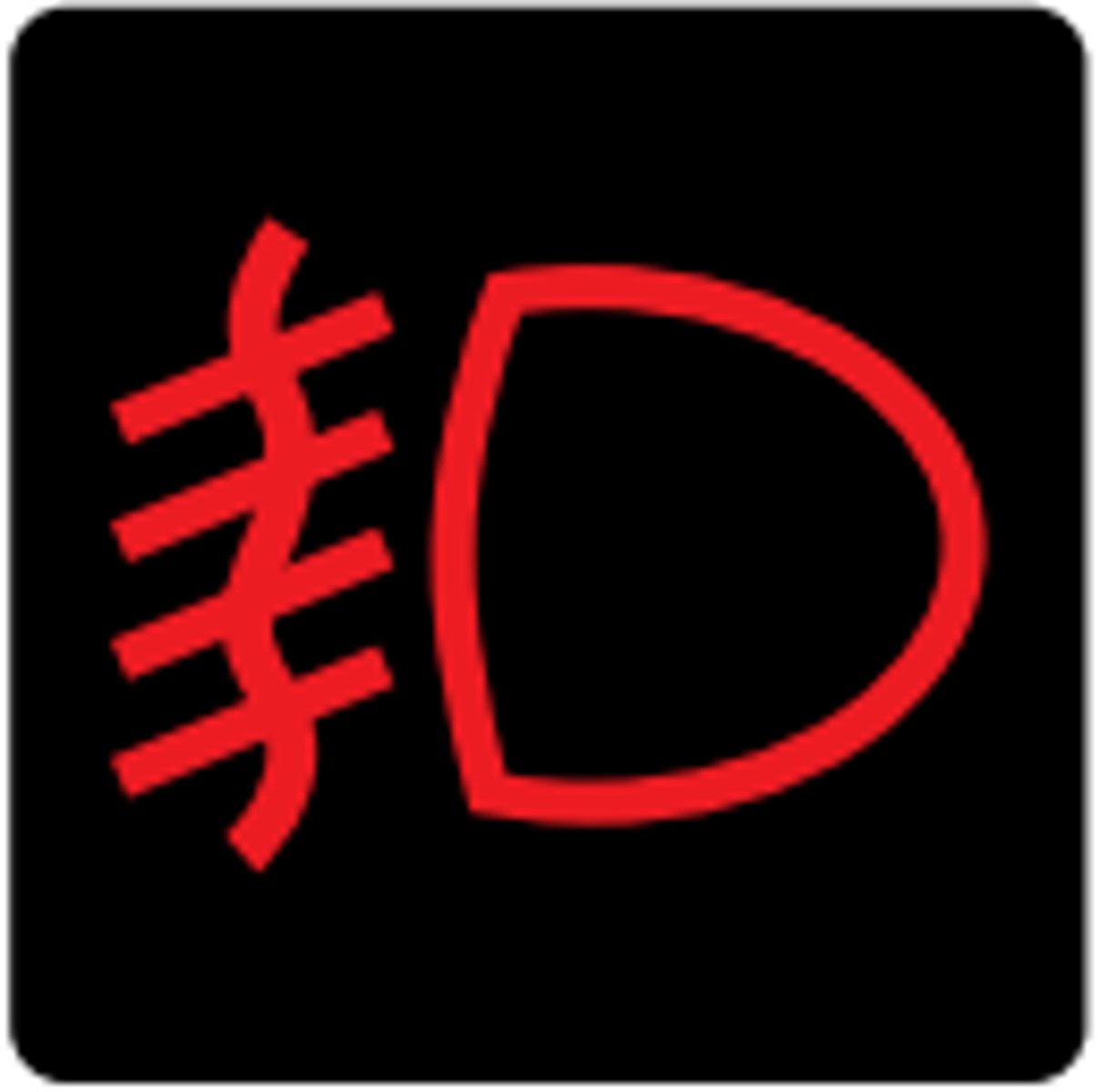
Tell me how you would switch on the rear fog light(s) and explain when you would use it/them. You don't need to exit the vehicle.
Operate the switch to turn on the rear fog lights.
- Turn on dipped headlights and the ignition if necessary.
Check the fog warning light is on.
Fog lights should only be used once visibility is severely compromised, i.e. less than 100 metres, and MUST be switched off once visibility improves.
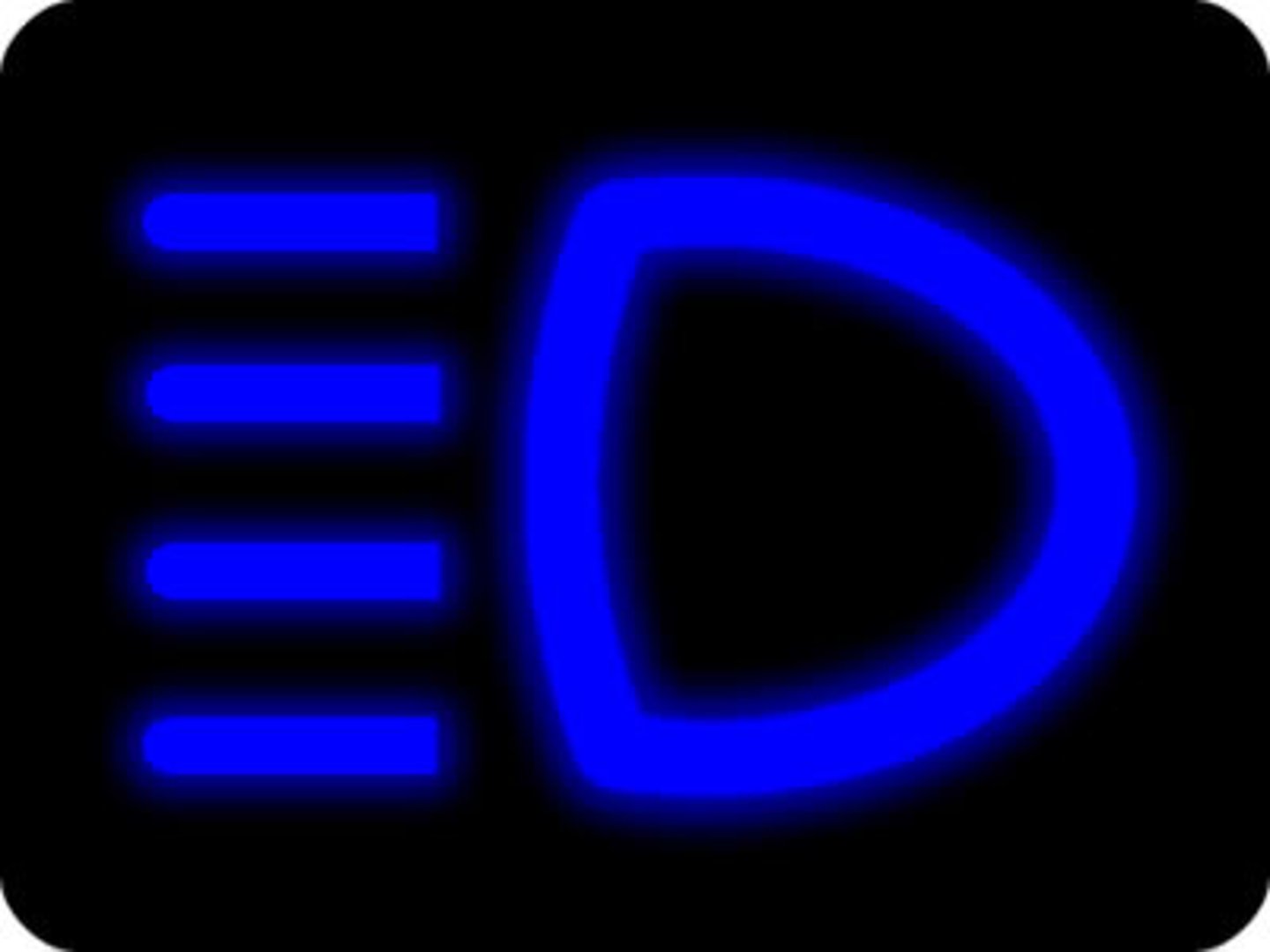
Tell me how you switch your headlight from dipped to main beam and explain how you'd know the main beam is on.
Operate the switch to turn on the main beam headlight.
- Turn on ignition or engine if necessary.
Check the main beam warning light is on.
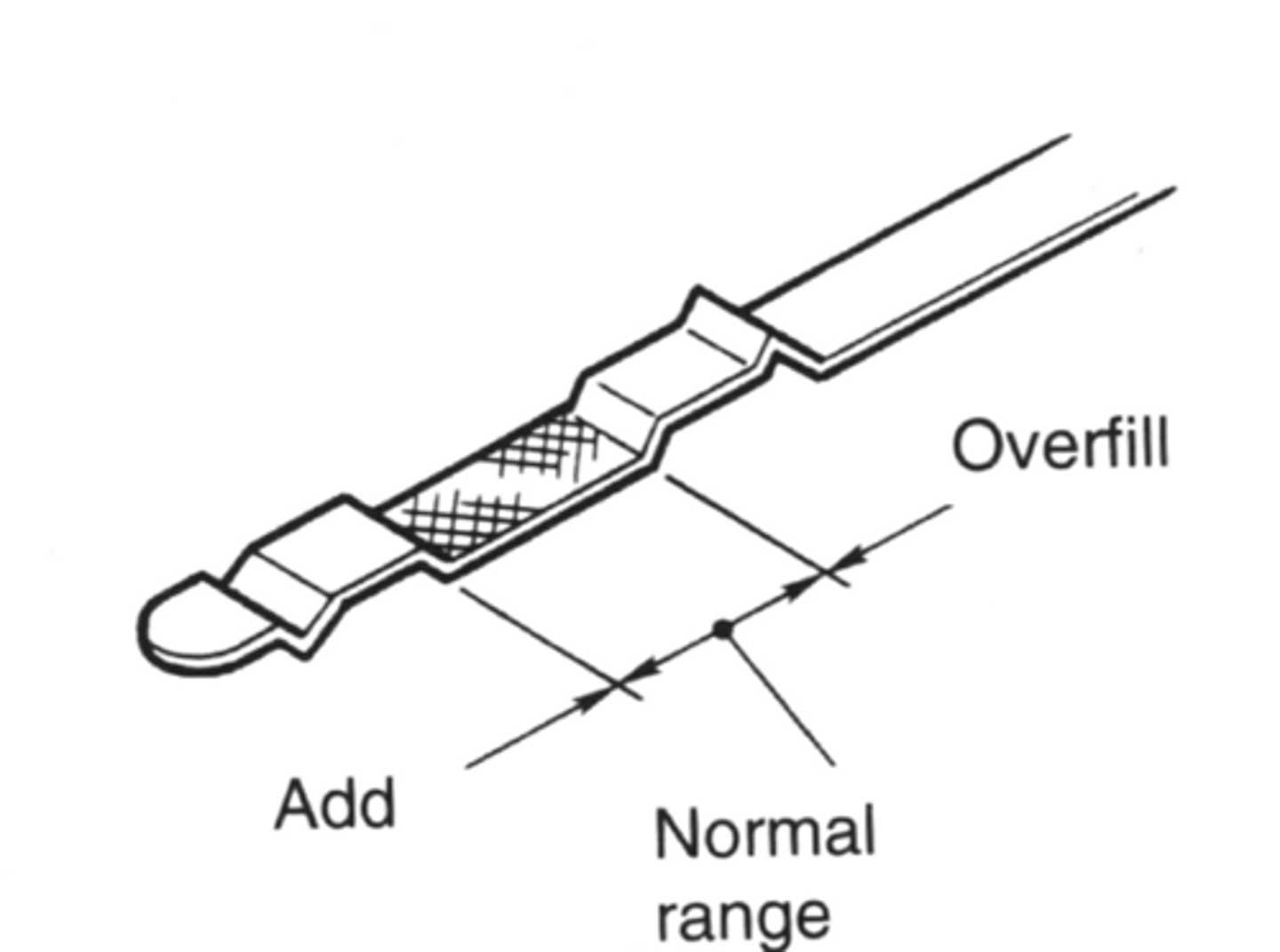
Open the bonnet and tell me how you would check that the engine has sufficient oil.
Identify the oil level indicator (a.k.a. the dipstick). Describe the procedure for checking the oil level.
- Take the dipstick out and clean off any excess oil on the dipstick.
- Put the dipstick back in, then remove it once more.
- Check that the oil level is between the minimum and maximum levels on the dipstick.
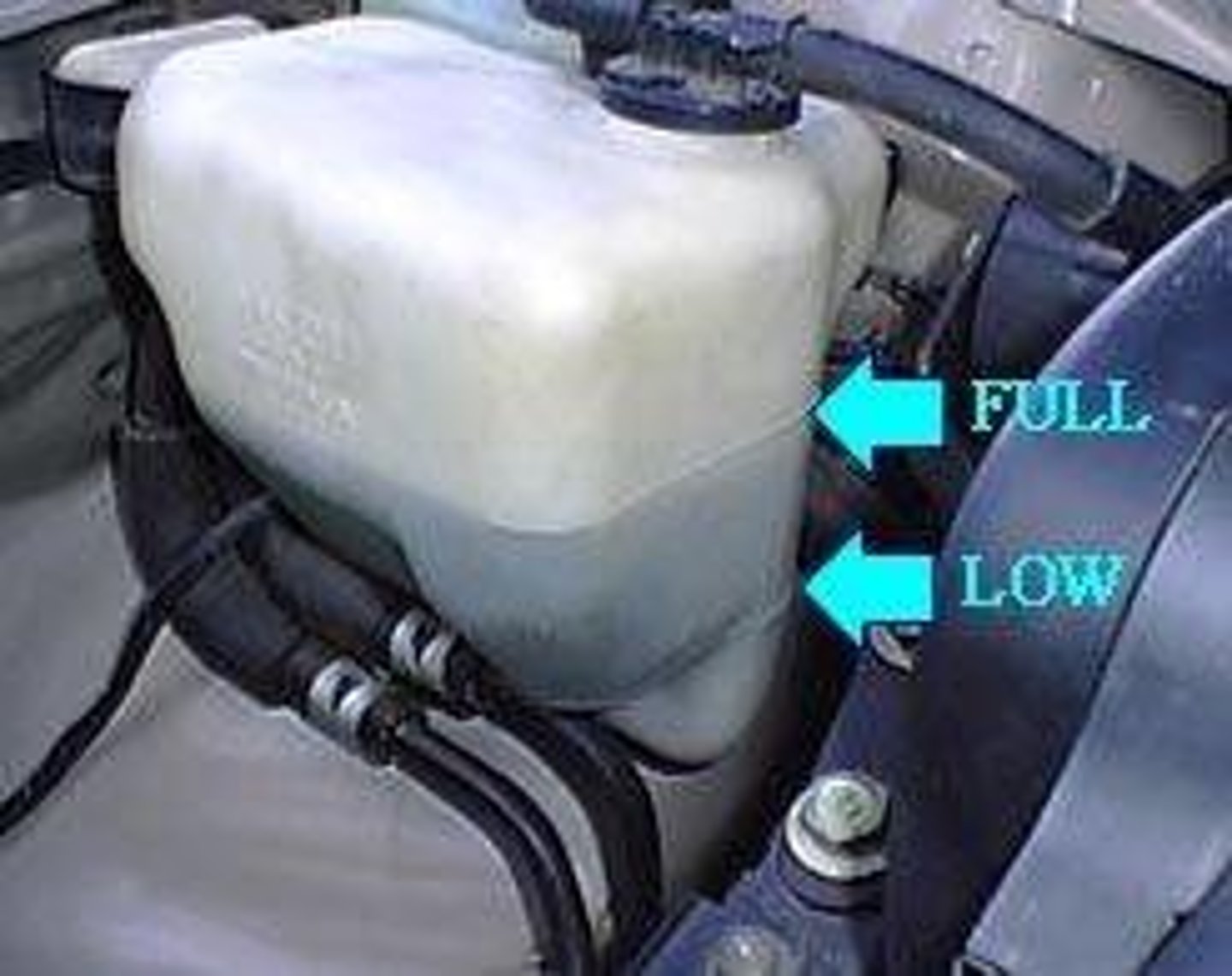
Open the bonnet and tell me how you would check that the engine has sufficient engine coolant.
Identify the minimum and maximum level markings on the header tank, where fitted, or the radiator filler cap. Describe how to top up the coolant to the correct level.
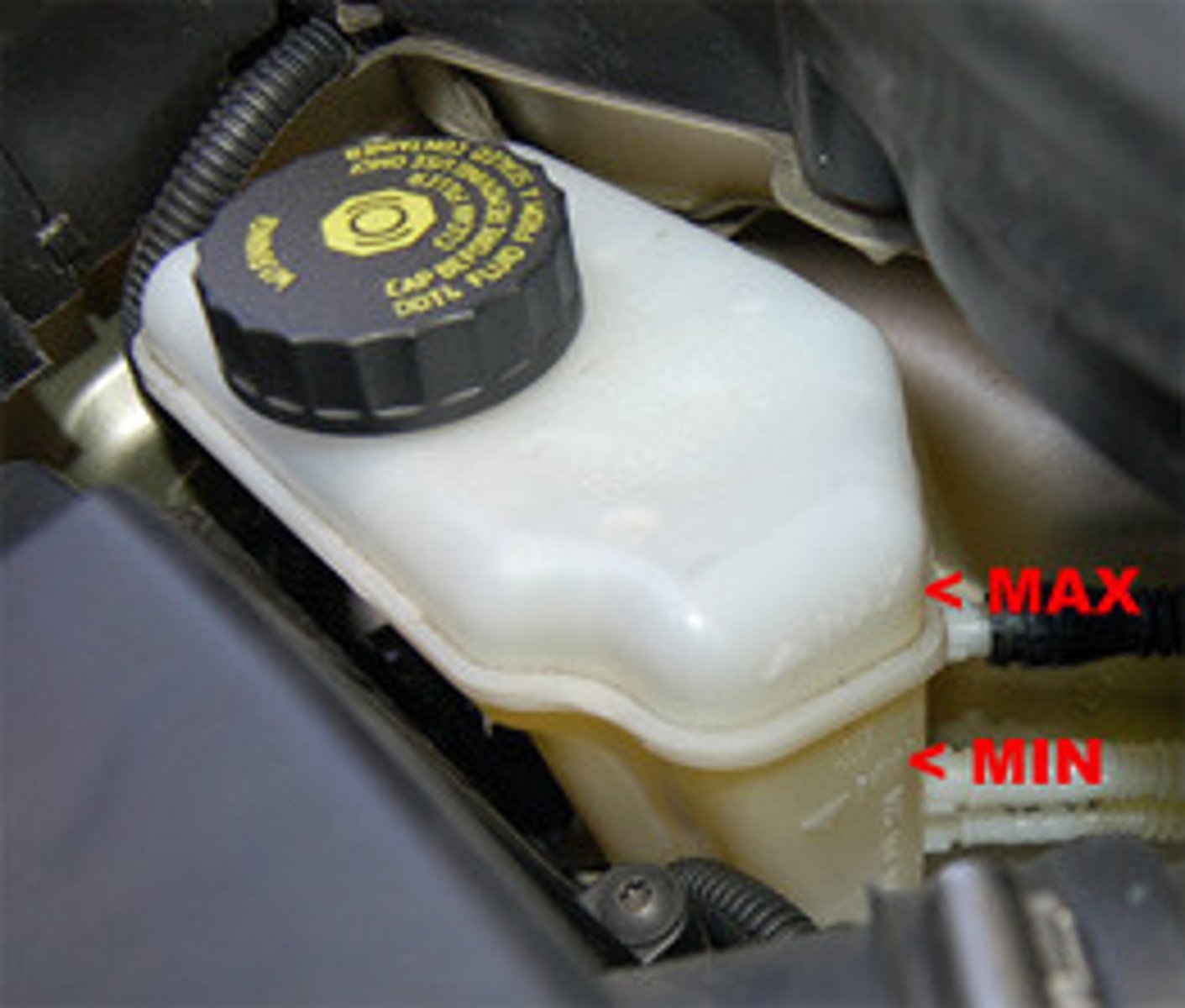
Open the bonnet, identify where the brake fluid reservoir is and tell me how you would check that you have a safe level of hydraulic brake fluid.
Identify the brake fluid reservoir and check the level against the minimum and maximum level markings.
When it's safe to do so, can you show me how you would wash and clean the rear windscreen?
Operate the control to wash and wipe the rear windscreen.
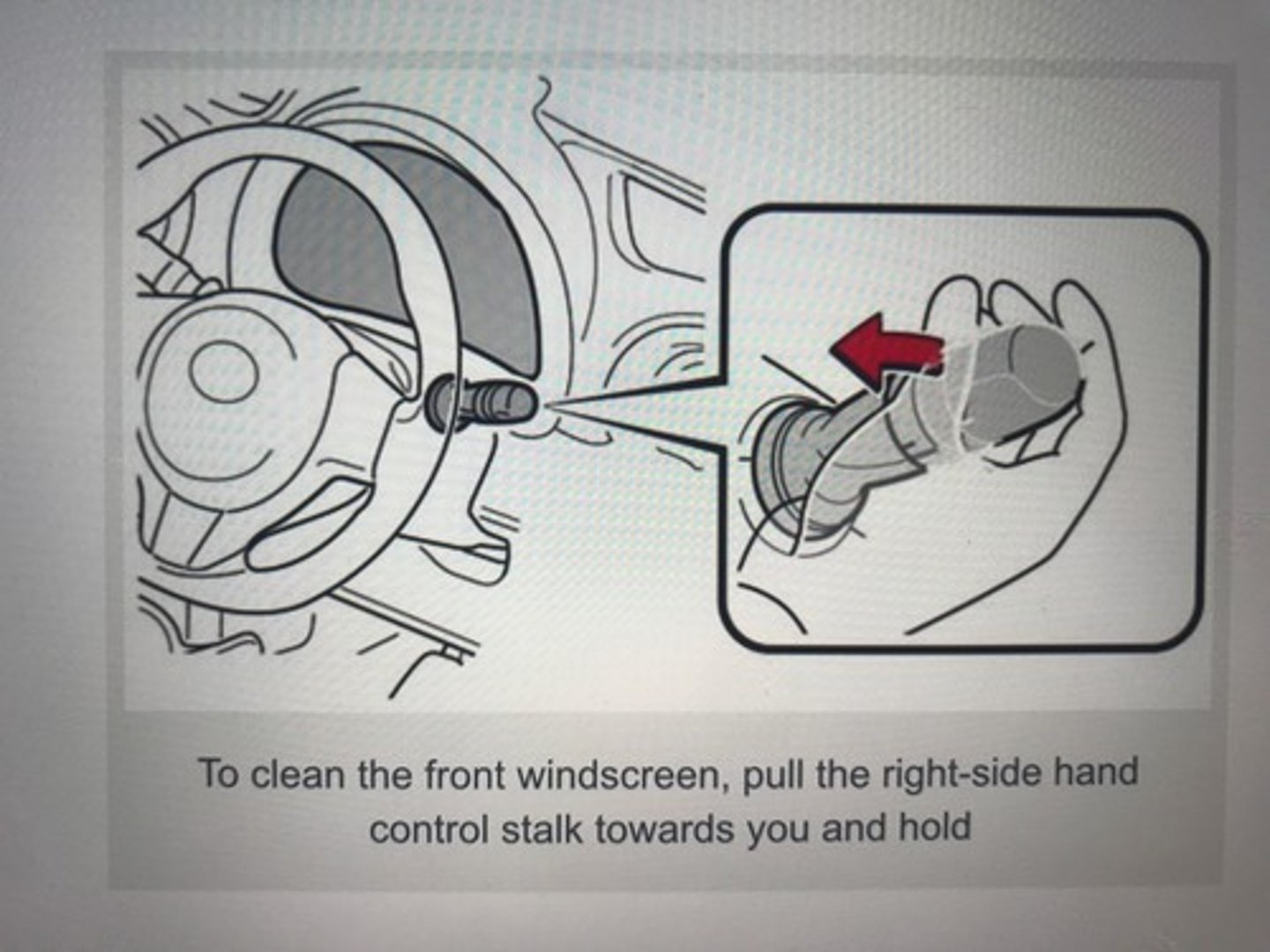
When it's safe to do so, can you show me how you would wash and clean the front windscreen?
Operate the control to wash and wipe the front windscreen.
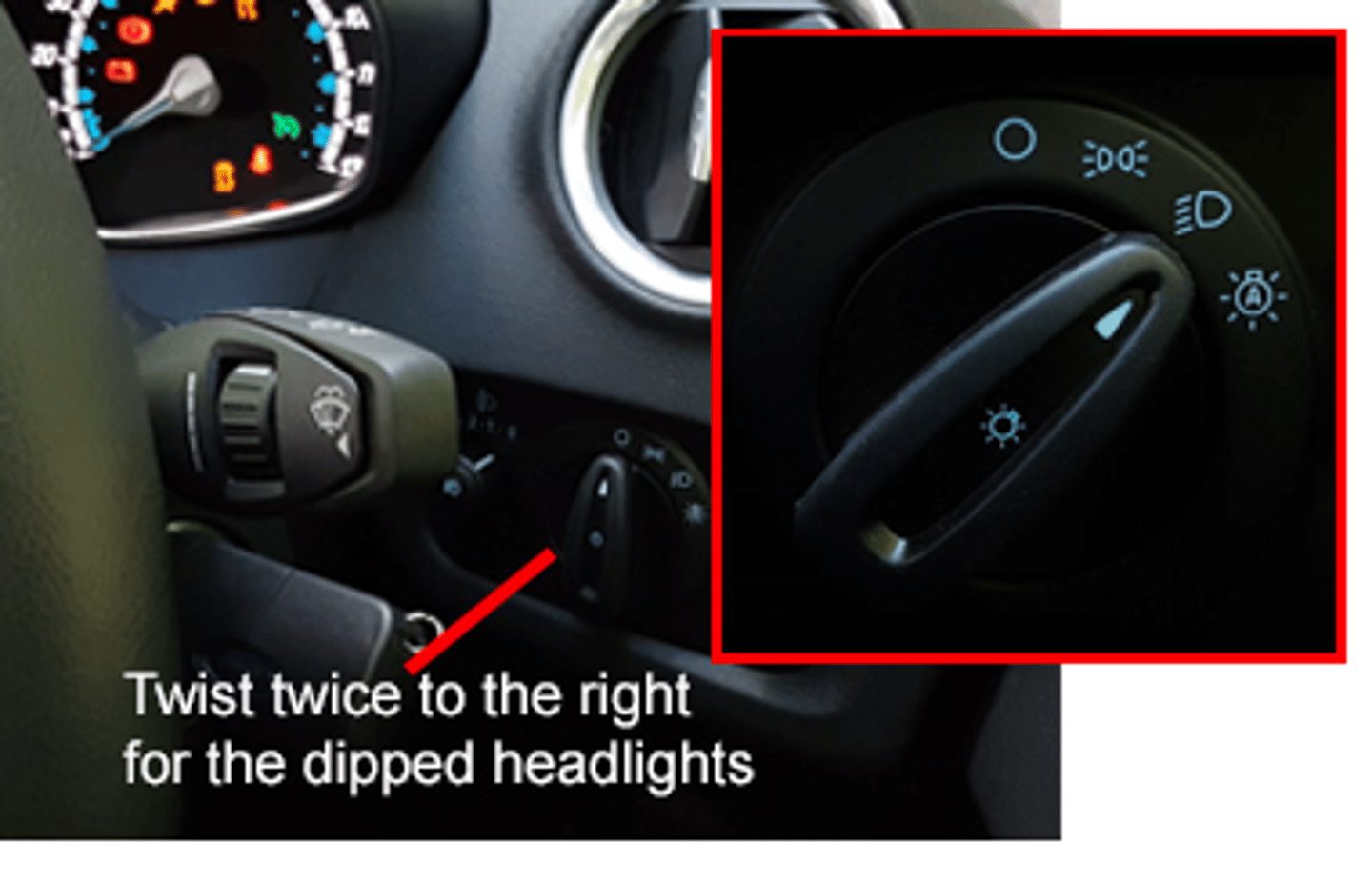
When it's safe to do so, can you show me how you'd switch on your dipped headlights?
Operate the control to switch on the dipped headlights.
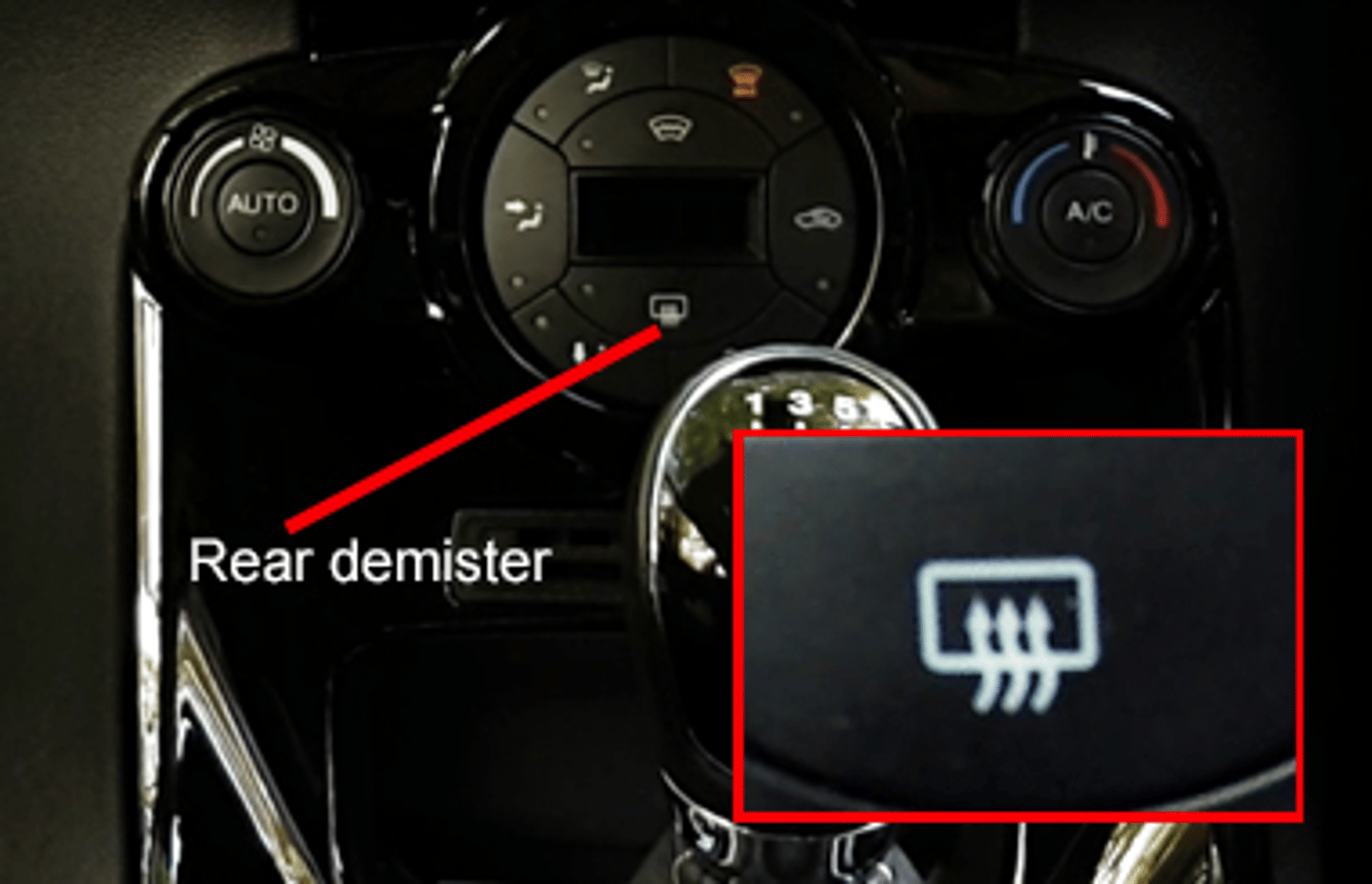
When it's safe to do so, can you show me how you'd set the rear demister?
Operate the control to switch on the rear demister.
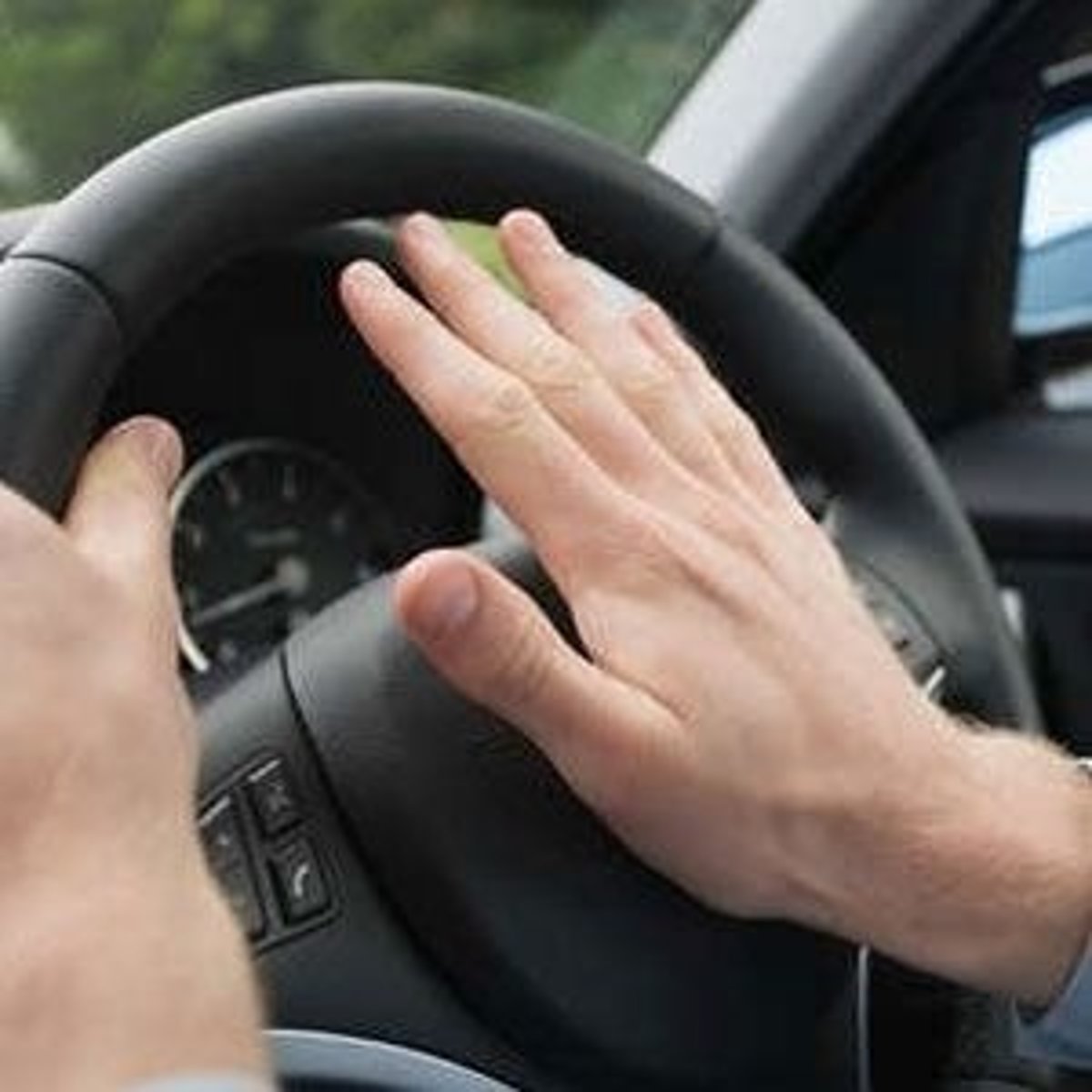
When it's safe to do so, can you show me how you'd operate the horn?
Operate the horn.
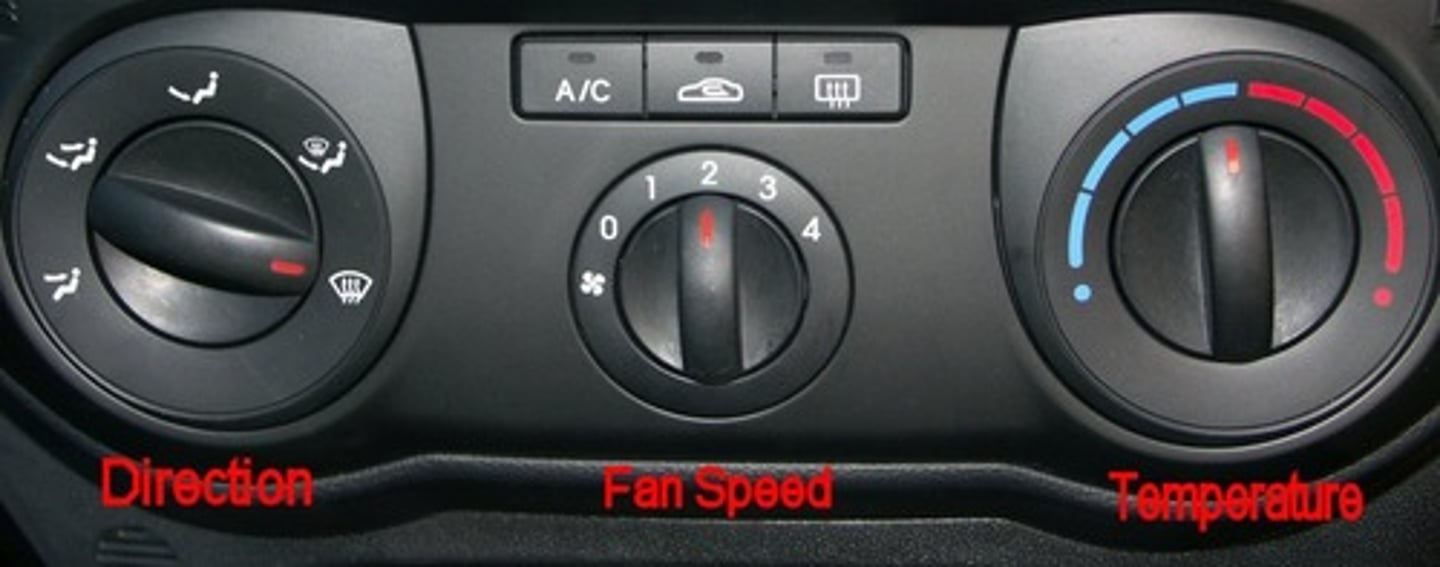
When it's safe to do so, can you show me how you'd demist the front windscreen?
Operate the control to set fan direction to front windscreen, fan speed to 1 or more, and fan temperature to warm.
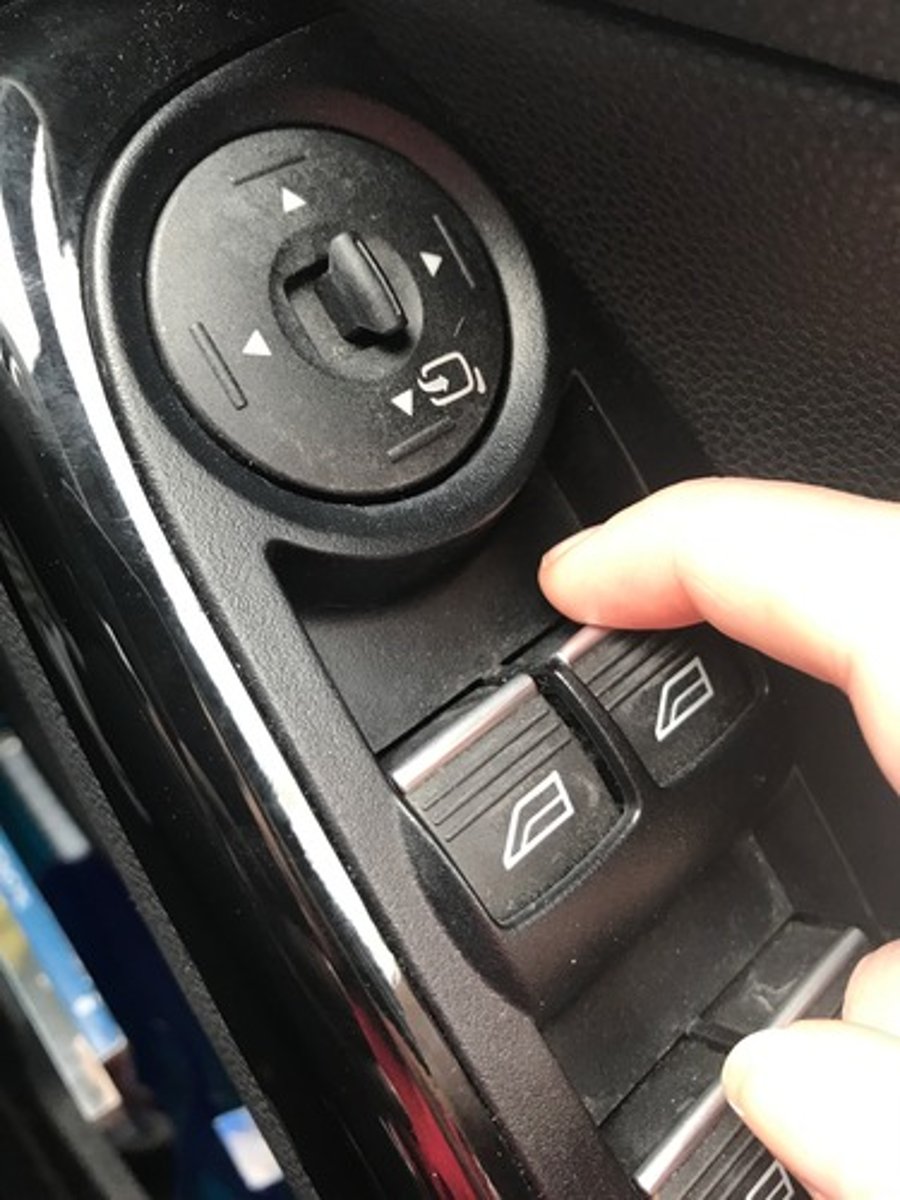
When it's safe to do so, can you show me how you'd open and close the side window?
Push the side window electric switch to open, and pull to close. If side windows are non-electric, wind the window using the side window handle instead.