2.3B pharmacological managment
 Studied by 0 people
 Call Kai
 Learn
Learn Practice Test
 Spaced Repetition
 Match
Match Flashcards
 Knowt Play
1/5

There's no tags or description
Looks like no tags are added yet.
Name | Mastery | Learn | Test | Matching | Spaced |
|---|
No study sessions yet.
6 Terms
Diuretics
Mechanism of Action: Diuretics work by promoting the excretion of sodium and water from the kidneys, which reduces blood volume, decreases cardiac output, and lowers blood pressure. There are different types of diuretics used in the management of hypertension, each working at different sites in the kidneys:
Thiazide Diuretics (e.g., hydrochlorothiazide, indapamide):
These work in the distal convoluted tubule of the nephron (the functional unit of the kidney). Thiazides block the sodium-chloride symporter, preventing sodium and chloride reabsorption back into the bloodstream.
As sodium is excreted, water follows, leading to a reduction in blood volume and blood pressure.
Loop Diuretics (e.g., furosemide):
These act in the thick ascending limb of the loop of Henle. Loop diuretics inhibit the sodium-potassium-chloride co-transporter, leading to a significant increase in sodium, chloride, and water excretion.
Loop diuretics are more potent than thiazides and are generally used in patients with heart failure or kidney impairment, where fluid overload is more severe.
Additional Effect: By reducing blood volume, diuretics also reduce the preload (the amount of blood returning to the heart), which decreases the workload on the heart, making them useful in patients with hypertension and heart failure.
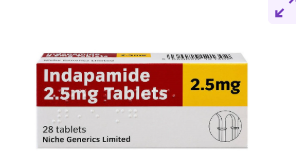
diuretics clinical use
Examples: Indapamide, Bendroflumethiazide (thiazide-like diuretics) and Furosemide (loop diuretic, used more in heart failure than in hypertension).
Diuretics, particularly thiazide diuretics, are a second line add on therapy according to NICE.
Side Effects: Possible side effects include electrolyte imbalances, dehydration, renal impairment and dizziness.
Patient Counselling: Advise patients to take their diuretic in the morning to avoid frequent urination at night (nocturia). Instruct them to maintain adequate hydration and report symptoms such as dizziness, muscle cramps, or weakness, as these may indicate electrolyte disturbances. Regular monitoring of electrolytes and renal function is needed after initiation and dose changes.
Beta-Blockers mechanism of action
Mechanism of Action: Beta-blockers work by blocking the effects of norepinephrine and epinephrine (adrenaline) on the beta-adrenergic receptors in the heart and kidneys. There are two main types of beta receptors: beta-1 (primarily in the heart) and beta-2 (in the lungs and blood vessels).
In the treatment of hypertension we want to target beta-1 receptors.
By blocking these receptors, beta-blockers:
Reduce heart rate (negative chronotropy) and the force of contraction (negative inotropy), which lowers the heart rate and workload andreduces blood pressure.
Reduce renin release from the kidneys, which decreases the activation of the renin-angiotensin-aldosterone system (RAAS), leading to lower levels of angiotensin II and aldosterone, thus further reducing blood pressure through vasodilation and decreased sodium retention.
Additional Effect: Beta-blockers are especially useful in patients with hypertension who also have other cardiovascular conditions, such as angina or heart failure.
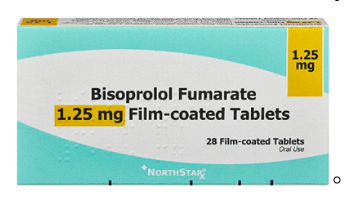
beta blockers clinicla use
Examples: Atenolol, Bisoprolol.
Beta-blockers are to be added on in step 4 of the NICE hypertension guideline. Most commonly they are used in patients with coexisting conditions such as angina, heart failure, or arrhythmias as they can be dual purpose in these patients.
Side Effects: Common side effects include fatigue, bradycardia (slow heart rate), cold extremities dizziness, and sometimes sexual dysfunction.
Patient Counselling: Patients should be advised not to stop taking beta-blockers abruptly, as this can cause a rebound effect, leading to increased blood pressure or heart palpitations. Encourage patients to monitor their heart rate regularly and report any symptoms like severe fatigue, dizziness, or shortness of breath.
Aldosterone Antagonists (Mineralocorticoid Receptor Antagonists) mechanism
Mechanism of Action: Aldosterone antagonists block the action of aldosterone at the mineralocorticoid receptors in the kidneys. Aldosterone promotes sodium and water retention by increasing the reabsorption of sodium in exchange for potassium in the distal tubules of the kidneys.
By blocking aldosterone:
Sodium and water retention are reduced, leading to a decrease in blood volume and blood pressure.
Potassium retention is increased, which can lead to hyperkalaemia (high potassium levels), a key side effect of this drug class.
Additional Effect: Aldosterone antagonists are particularly useful in patients with resistant hypertension and heart failure, as they reduce the harmful effects of excess aldosterone on the heart and blood vessels (e.g., fibrosis, stiffening of the heart muscle).
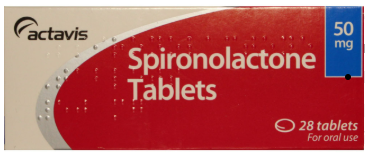
Aldosterone Antagonists (Mineralocorticoid Receptor Antagonists)
Examples: Spironolactone, Eplerenone.
Aldosterone antagonists are often used in resistant hypertension as they are stage 4 of the NICE guidelines and in patients with heart failure.
Side Effects: hyperkalaemia, gynecomastia (breast enlargement in men with spironolactone), menstrual irregularities, and fatigue.
Patient Counselling: Blood tests to monitor potassium levels and renal function are needed at initiation and dose titration. Patients should also report any unusual side effects, such as breast tenderness or swelling (in men), which may require a change to eplerenone.