Hallmarks of Cancer
 Call Kai
 Learn
Learn Practice Test
 Spaced Repetition
 Match
Match Flashcards
 Knowt Play
1/36

There's no tags or description
Looks like no tags are added yet.
Name | Mastery | Learn | Test | Matching | Spaced | Call with Kai | Chat |
|---|
No analytics yet
Send a link to your students to track their progress
37 Terms
6 Hallmarks of cancer
Self-sufficiency in growth signals
Evading apoptosis
Insensitivity to growth signals
Tissue Invasion and metastasis
Limitless replicative potential
Sustained angiogenesis
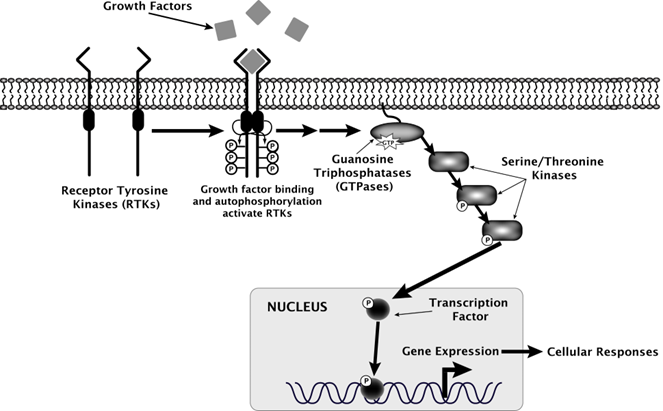
Self sufficiency in growth signals hallmark
Sustaining proliferative signal
Cancer cells do not require normal growth signals to continue division or make their own causing autocrine signaling feedback loop
3 disruptions of growth signals
3 disruptions of growth signals
Alterations in extracellular growth signals (PDGF, EGF)
Alterations of transcellular transducers (RAS)
Alterations of intracellular circuits that translate those signals into action
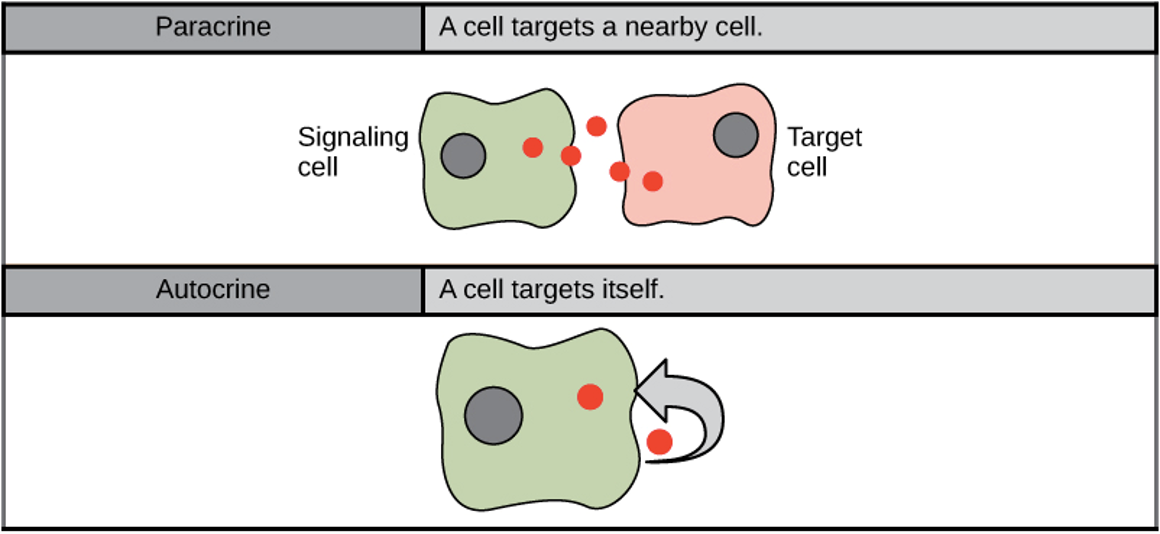
What is autocrine signaling
positive feedback loop of cancer cells making their own growth factors
self sufficiency in growth factor hallmark
Insensitivity to anti-growth signal hallmark
NF2 gene- encodes Merlin tumor suppressor that regulates contact inhibition
NF2 inactivation causes cancer in nervous system
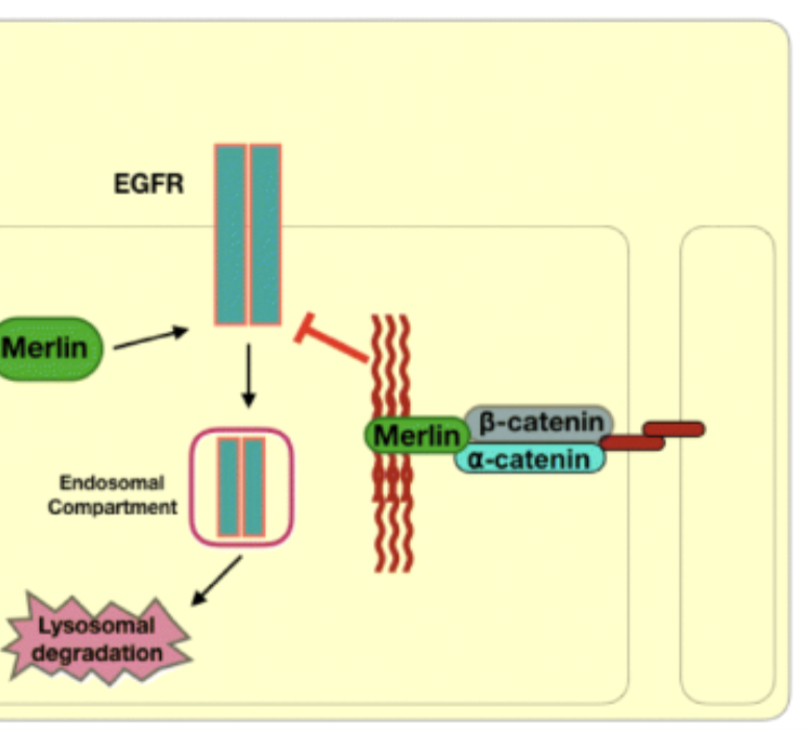
What is contact inhibition?
Dense populations of normal cells suppress proliferation

Things involved with evading apoptosis hallmark
p53
Caspases
PI3K kinase AKT pathway
IFG1/2 and IL-3
p53 role in apoptosis
Transcription factor- upregulate pro-apoptotic genes
Caspases role in apoptosis
family of intracellular proteases that destroy cell
PI3K kinase-AKT pathway role in apoptosis
transmit anti-apoptotic signals
IFG1/2 and IL-3 role in apoptosis
External survival factors
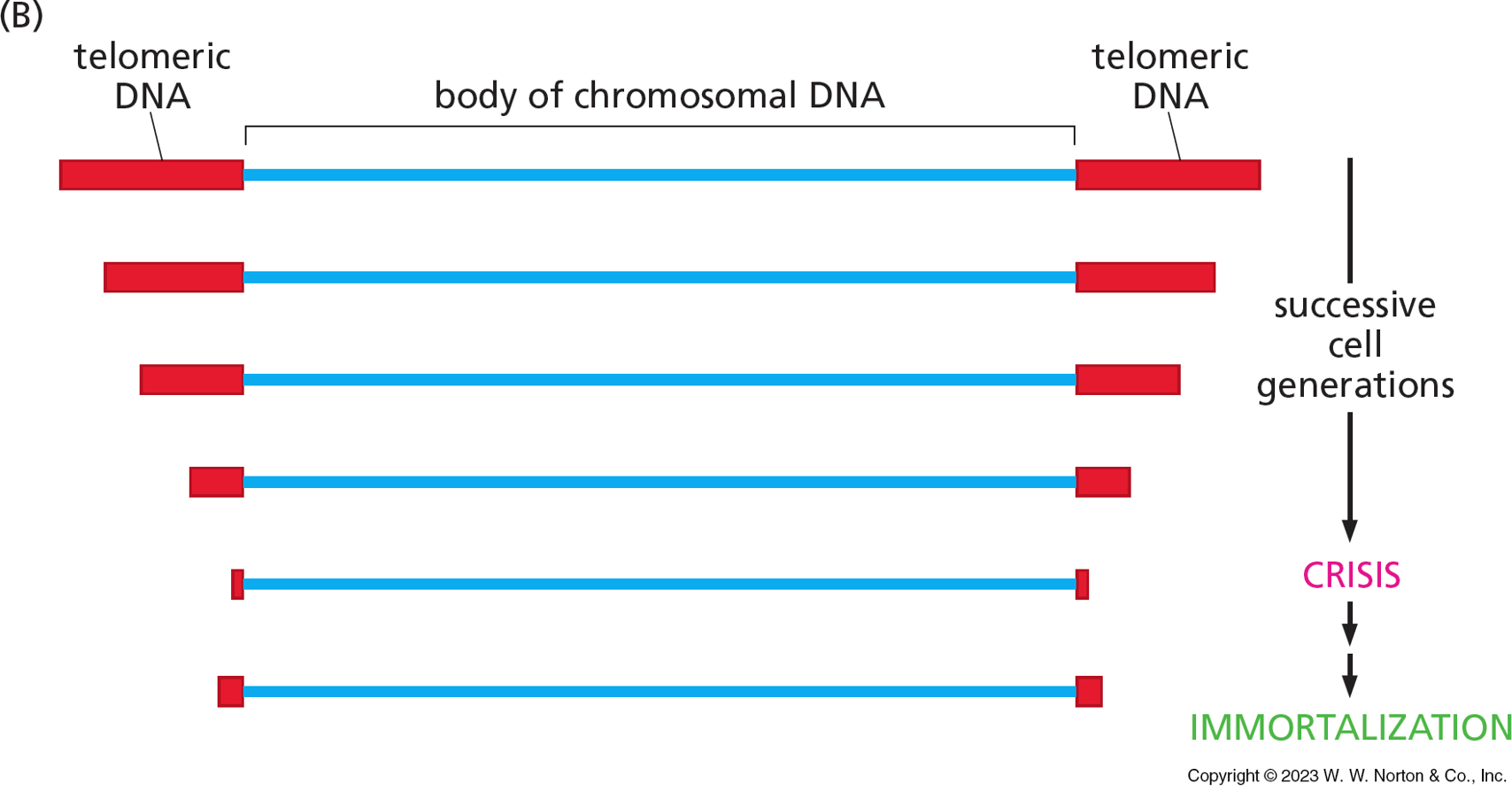
Limitless replicative potential hallmark
DNA ends don’t replicate bc telomeres
Less telomerase in cancer cells, become immortal
Sustained angiogenesis hallmark
New blood vessels formed
Vascular endothelial growth factor (VEGF) grows tumor cells

Tissue invasion metastasis hallmark
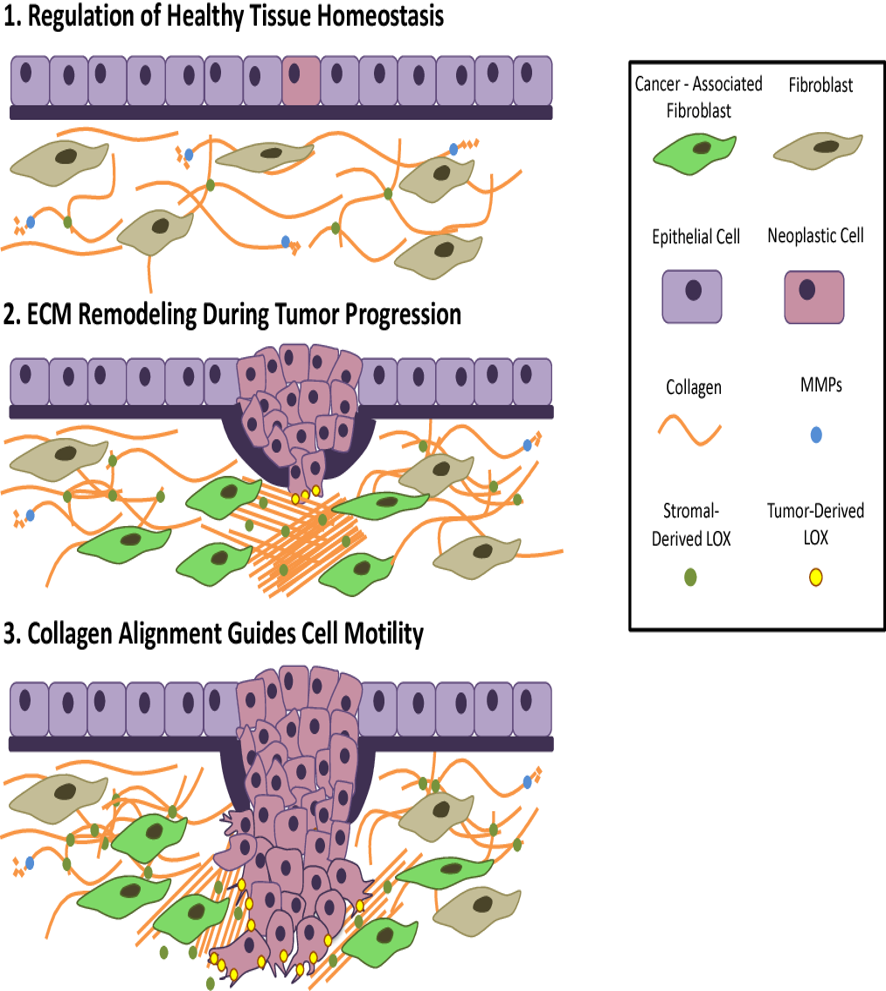
tissue invasion- release of secreted proteases which change ECM to make space for cancer cells
2 types of tissue invasion
some tumors make their own proteases
others co-opt stromal cells to induce protease release
Metastasis
tumor cells breaking away from primary tumor and making a secondary tumor
Several discrete steps in the biological cascade of metastasis
Loss of cellular adhesion
Increased motility and invasiveness
Entry and survival in the circulation
Exit into new tissue
Colonization of a distant site
Extracellular matrix (ECM)
network of proteins that support and give structure to cells and tissues
helps cells attach to nea
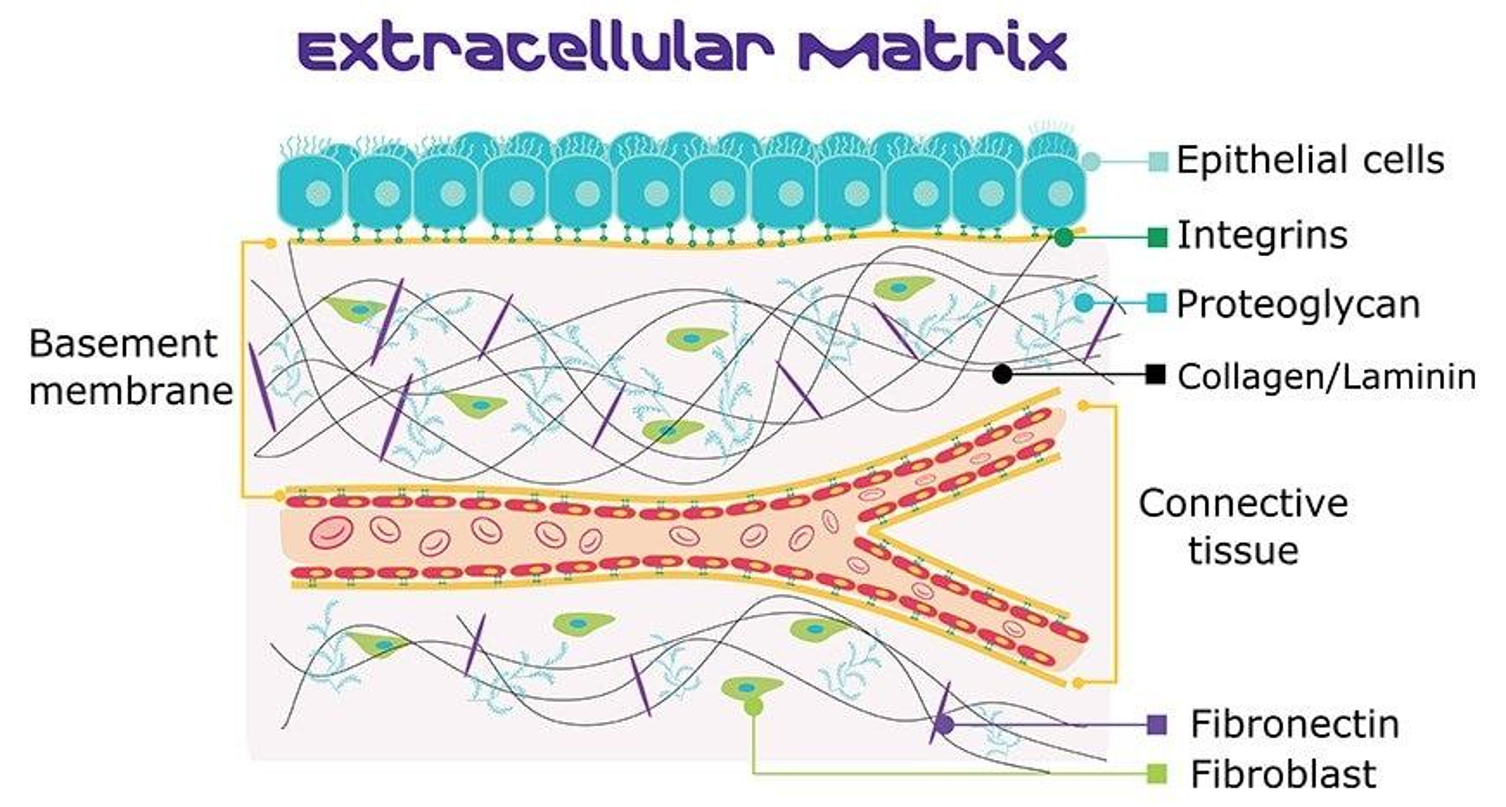
rby cells
important for cell growth and movement
Functions of ECM
Adhesive substrate
Provides structure
Presents growth factors to their receptors
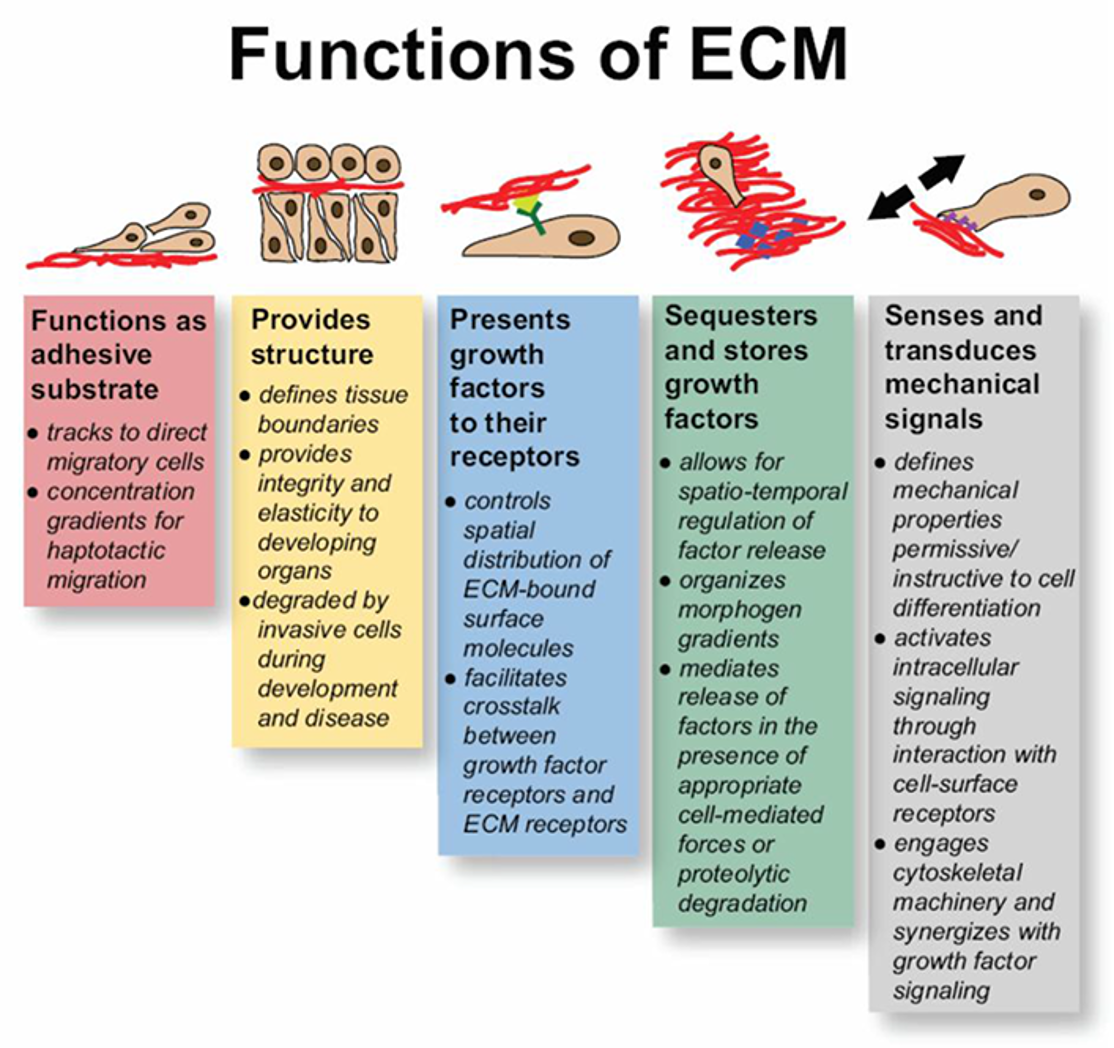
Sequesters and stores growth factors
Senses and transduces mechanical signals
Stroma
Cells and tissues that support and give structure to organs and glands
made of connective tissues, blood vessels, lymphatic vessels, and nerves
provides nutrients to tissue/organ and removes waste
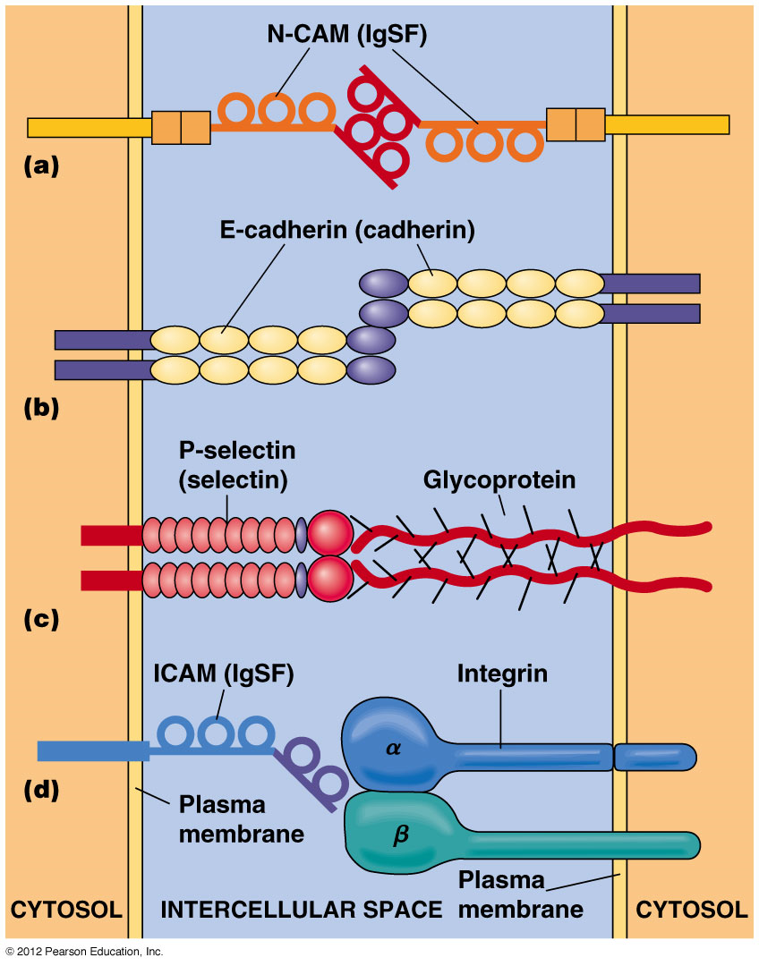
Cell adhesion proteins
Cells adhere to each other and ECM through cell adhesion molecules (CAMs)
Cadherins linked to the actin cytoskeleton by catenins
Selectins mediate transient cell-cell adhesions in the bloodstream
N-CAM contribute to fine-tuning of adhesive interactions
what is intravasation
invasion into vessels
what happens when carcinoma cells get into stromal compartment?
get access to blood and lymphatic vessels
triad of carcinoma cells, macrophages, and endothelial
cells enables cancer cells to invade capillaries
Post intravasation CTCs
once in blood/lymphatic vessel circulating tumor cells (CTCs) can travel to other areas
blood is hostile, CTCs attach to platelets to survive
small portion of CTCs are successful
Extravasation
when cancer cells escape from lumina of vessels and penetrate into surrounding tissue
tumor cell colonization
newly metastasizing cancer cells may form micrometastases which can expand into clinically detectable masses
growth of microscopic to macroscopic metastases is called
Colonization
what step of invasion does colonization represent?
metastasis cascade
metastatic inefficiency
low success rate of cancer cell successfully completing all invasion metastasis steps
rate limiting determinant of invasion metastasis:
colonization bc it’s most complicated step
what is Epithelial-mesenchymal transition (EMT)
carcinoma cells going from epithelial to more mesenchymal to acquire motility and invasiveness
how does EMT work
expression of epithelial hallmarks E-cadherin and cytokeratins are repressed
expression of vimentin and fibronectin and N-cadherin are induced
EMT and transcription factors
EMT programmed by transcription factors
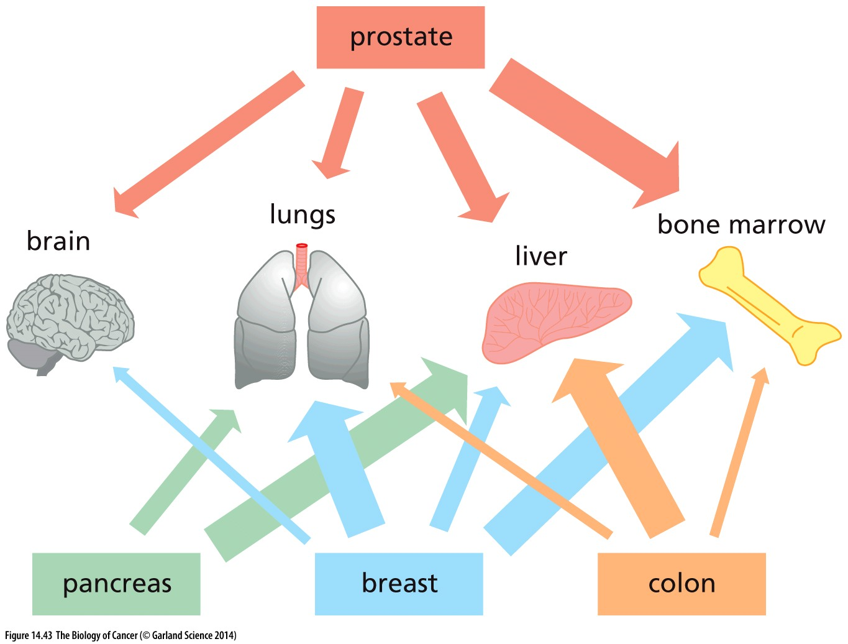
seed and soil hypothesis
metastasis broken into 2 major phases:
physical dissemination of cancer cells from the primary tumor
adaptation of these cells to foreign tissue microenvironments that result in successful colonization
which is seed and which is soil
preference patterns of tumor metastasis are the product of favorable interactions between metastatic tumor cells (seed) and their organ microenvironment (the soil)
why do tumors in some places have a high probability of metastasis and other tissues don’t?
seed and soil hypothesis and layout of vessels dictate metastasis
4 emerging hallmarks of cancer
Avoiding immune destruction
Tumor-promoting inflammation
Genome instability and mutations
Deregulating cellular energetics