Plant Sciences Test 2 Modules 3 & 4
 Studied by 0 people
 Call Kai
 Learn
Learn Practice Test
 Spaced Repetition
 Match
Match Flashcards
 Knowt Play
1/16

There's no tags or description
Looks like no tags are added yet.
Name | Mastery | Learn | Test | Matching | Spaced |
|---|
No study sessions yet.
17 Terms
Stages of Plant Evolution
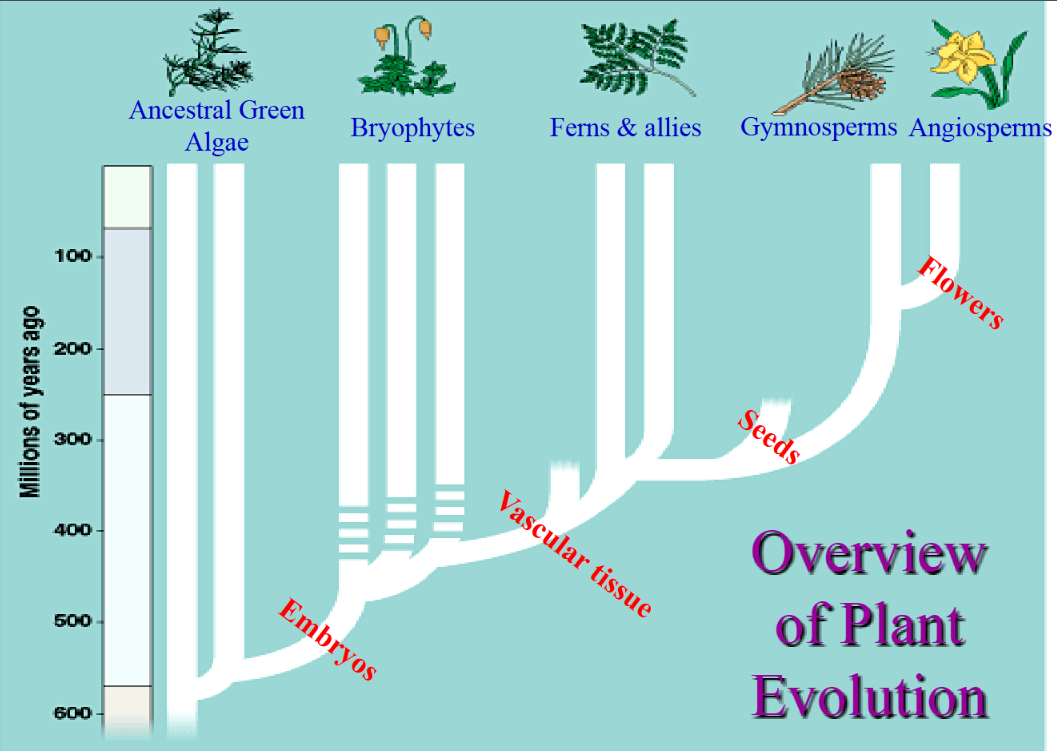
Charophycean Green Algae
Protists-
Plant ancestors
Bryophyte-like plants (moss) evolved after algae, what primary characteristics did they present?
Retained: chlorophyll, chloroplasts,
Alternation of Generations,
cellulose cell membranes,
photosynthesis
NEW! Cutin on leaves
NEW! Multicellular
gametangia
(Rhizoids for anchorage instead of true roots, and a non-vascular system that limited them to small size and moist environments)
Seedless Vascular Plants (Ferns, Horsetails, and other seedless
tracheophytes) evolved after bryophyte-like plants, what primary characteristics did they present?
• Vascular tissue improves sporophyte
efficiency (xylem carries water, phloem carries the
products of photosynthesis)
(Devonian Period)
Major evolutionary events in
land plant evolution – Seed
Plants
• 1) evolution of seeds- A seed is a structure that encloses and protects a developing embryo
• 2) evolution of pollination – transfer of male gametophyte to the female gametophyte without water
Seed plants evolved to do what, and how?
Gametophyte much reduced and dependent
on sporophyte
• Seed consists of sporophyte embryo
packaged along with a food supply within a
protective coat
• Adapted for terrestrial existence
• Pollination replaces swimming as the
mechanism for delivering sperm to the egg
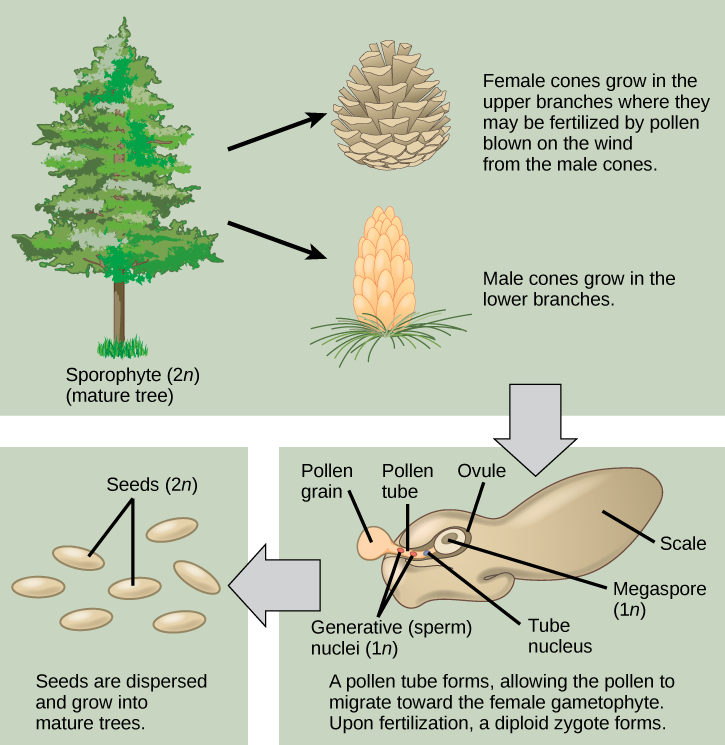
Gymnosperms
Naked seeds
• Lack the enclosed chambers (ovaries) in which
angiosperm ovules and seeds develop
* Rather, gymnosperm ovules and seeds develop on the
surfaces of specialized leaves called sporophylls
• Wind pollination
* Water not needed for pollination
• All are woody plants (no herbaceous species)
• Date from 350 mybp
Ginkgophyta
• Only one species
• Tree with fan-shaped leaves
• Ovules develop into yellow, cherry-like
seeds
Gymnosperms
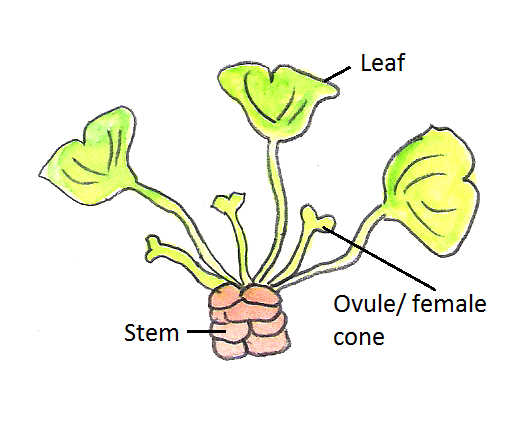
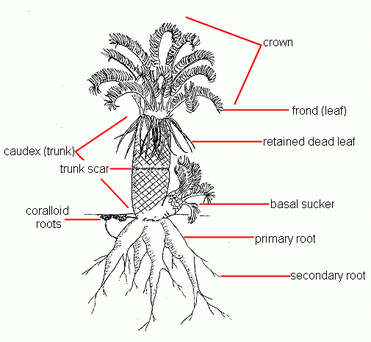
Cycadophyta
• Stem unbranched with terminal palm-like
leaves
• Cone-like sporophylls
are gymnosperms that reproduce using cones and are often mistaken for palms due to their appearance.
Coniferophyta
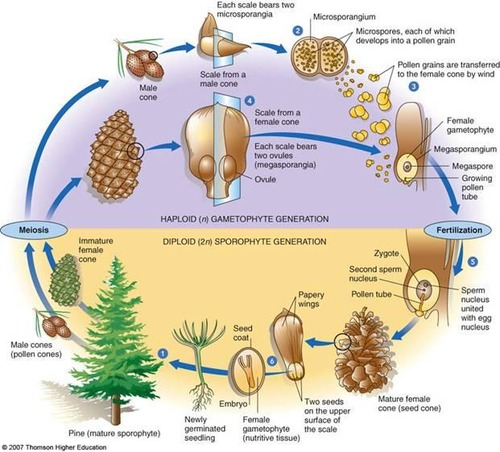
• Sporophylls modified into cones
• Wind-pollinated
• Xylem with tracheids but no vessels
Evolution of flower & fruit
• First fossils: late Jurassic period of Mesozoic era
• Diversified during Cenozoic era
• Coevolution with pollinators
Major evolutionary events in
land plant evolution -
Angiosperms
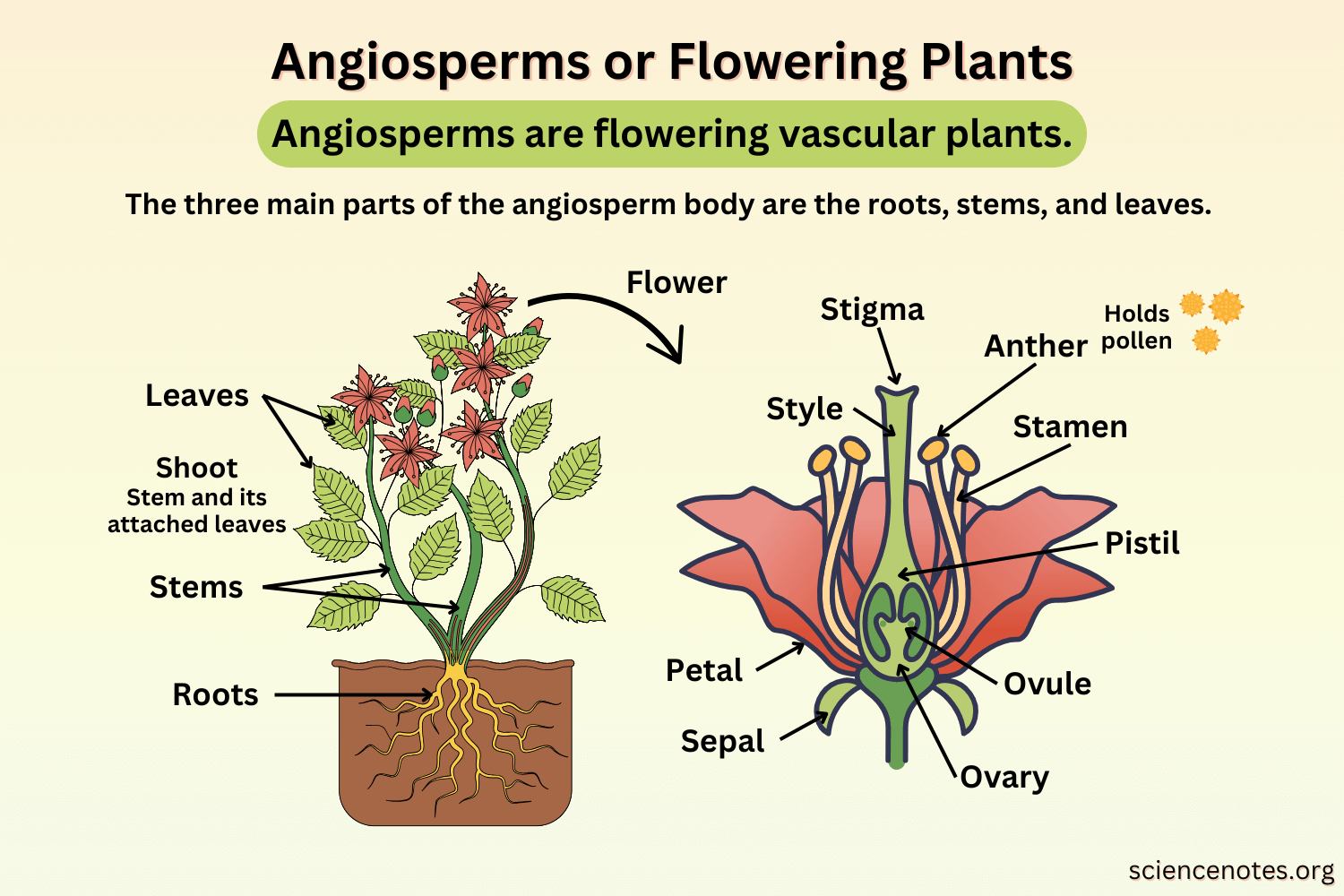
• 1) Evolution of flowers – many co-evolve
with animal pollinators
• 2) Evolution of fruits – mechanism to
enhance seed dispersal or seed germination
success
Anthophyta - flowering
plants
Reproductive organs within a flower
• Gametophytes greatly reduced
• Ovules embedded within sporophyte tissue
(ovary)
• Seeds within a fruit
• Appeared in early Cretaceous
• Most pollination by insects and birds
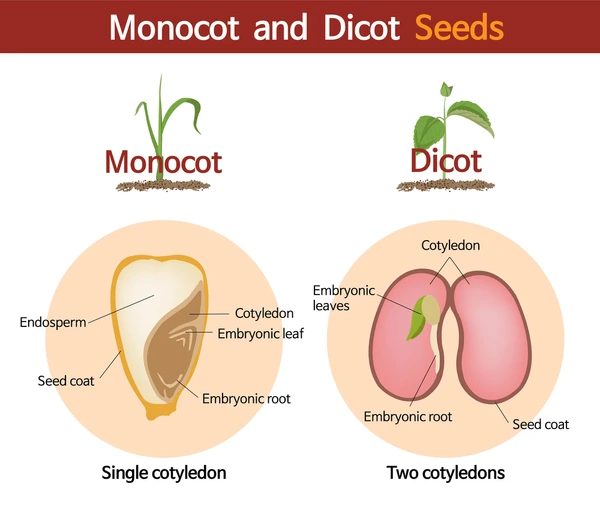
Monocots - parallel venation
in leaves and four or three floral parts. They have one cotyledon, fibrous root systems, and vascular bundles scattered in the stem.
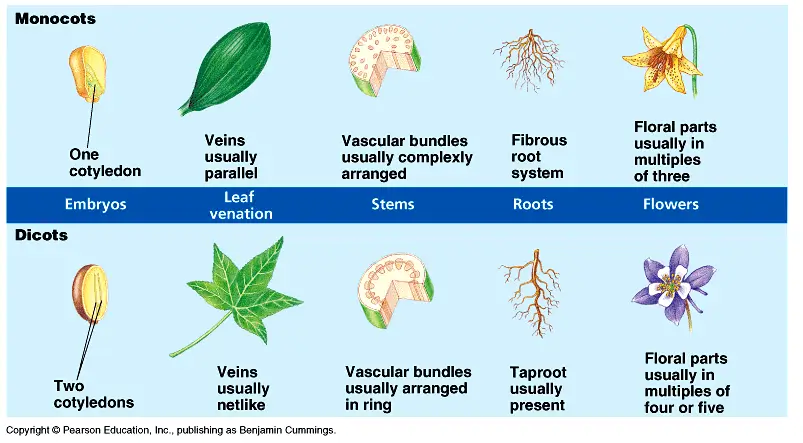
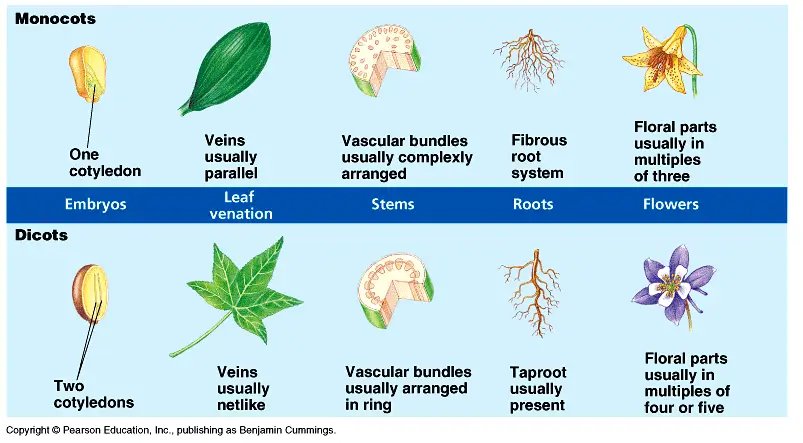
Dicots – reticulate (net)
veination
pattern in leaves and usually possess floral parts in multiples of four or five. They have two cotyledons, taproot systems, and vascular bundles arranged in a ring in the stem.
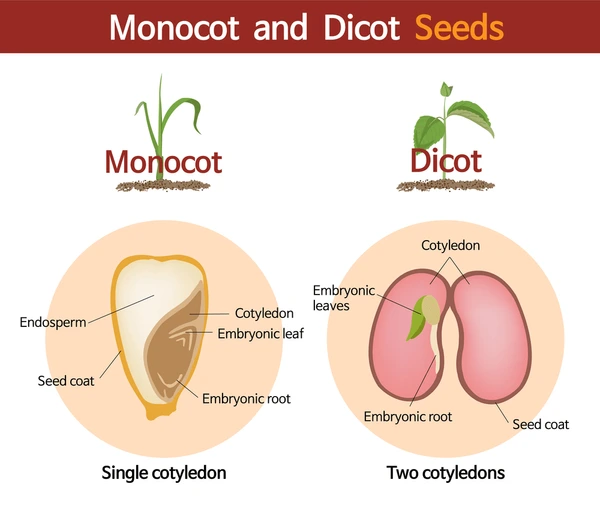
Dicot and Monocot
Seedlings
are the two main groups of flowering plants, distinguished by their number of cotyledons. Monocots have one cotyledon, while dicots have two, leading to differences in leaf venation, root system, and floral structure.
cotyledon
seed leaf within the embryo of a seed, helping supply the nutrition an embryo needs to germinate and become established