NUR 211 test 1
 Call Kai
 Learn
Learn Practice Test
 Spaced Repetition
 Match
Match Flashcards
 Knowt Play
1/158

There's no tags or description
Looks like no tags are added yet.
Name | Mastery | Learn | Test | Matching | Spaced | Call with Kai | Chat |
|---|
No analytics yet
Send a link to your students to track their progress
159 Terms
examples of high risk conditions for pregnancy
young age, poor nutrition, diabetes, HTN, drug use, geriatric pregnancy, multiple gestation, stress
when does risk assessment of pregnancy begin
at the first prenatal visit and at each visit
maternal morbidity and mortality effect what groups
patients who are high risk, black and asian women, increased with age
pad saturation that is considered hemorrhage
1 pad full in 1 hr
late bleeding (usually after 20 week of gestation) can indicate
placenta previa as well as placenta abruption
(NO cervical exams, speculums etc until confirmation that there is not placenta previa
abortion
-loss of pregnancy before 20wks
-spontaneous miscarriage by natural causes
- diagnostic tests include TVUS and also HCG levels decrease or level out
- management can include D&C (they dilate the cervix to clean the uterus) and misoprostol
cervical insufficiency
-can't carry baby sufficiently
- painless cervical dilation in second trimester
-treated by cerlage (suture to close cervix), bedrest, and no intercourse
ectopic pregnancy
-implantation outside uterus usually in fallopian tube
- rupture is medical emergency, can lead to hemorrhage. salpingectomy is performed to remove tube
- risks: previous ectopic pregnancy, history PID, genital infections or endometriosis, infertility, smoking, vaginal douching
- manifests as unilateral pain, vaginal spotting or light bleeding after missed menstrual cycle
-treatment is other contraceptives for least 3 months to heal
-methotrexate can be used IM in unruptured pregnancy to stop the cell growth. must be administered by a certified nurse
placenta previa
abnormally low implantation of the placenta on the uterine wall completely or partially covering the cervix
- painless bright red bleeding, late decels in FHR
- NO cervix checks
- risks: previous placenta previa or c-section, multiple gestation, increasing parity(births), increasing maternal age, infertility treatment, smoking or cocaine use
- monitor maternal-fetal status= no vaginal exams with bleeding, non stress tests emergency = section
- requires hospitalization or prolonged bedrest, adequate hydration (1 gallon a day) and no intercourse
placenta previa types

placenta abruption
-firm board like abdomen, port wine stain
- placental detachment after 20 wks gestation
- is hemorrhage into maternal blood vessels between placenta and uterus causing hematoma causing the separation which causes fetal hypoxia and possible fetal death
- risks include HTN, smoking maternal cocaine use, multigravida (multiple pregnancies), abdominal trauma, history of previous separation, autoimmune
- management with emergency is c section, IVFs to correct blood loss with blood administration, isotonic using 18g
- assess for fetal anoxia, minimal or absent variability and late decels
- type and cross match
- with a car accident you’d monitor for 4 hrs
hyperemesis gravidarum
- severe and persistent uncontrolled vomiting begins by 6 weeks gestation
- associated with acute starvation (acidosis) and dehydration and can require hospitalization
- lose 5% of body weight
- HCG levels are higher, high estrogen levels, relaxed LES, genetics
-ptyalism (excessive salivation)
- increased LFTs
- hypokalemka and hyponatremia
- elevated ketones
- renal dysfunction
- treat with dietary changes, ginger (250mg 4x a day), fluid replacement, poss banana bags, enteral feedings, NPO
what meds can you might expect with hyperemesis gravidarum
antiemetics which include
- reglan (pump) but if given too fast can cause seizures
- vitamin b6 (pyridoxine) plus doxylamine (diclegis)
-promethazine (phenergan) has sedative effects. dilute 10 ml NS
- antihistamine once a day empty stomach full glass of water
- can do crackers before getting up in the morning, also brat diet (bananas, rice, applesauce, toast)
chronic HTN
exceeds 140/90 (and/or) before pregnancy or before 20 wks)
- monitor for worsening HTN or preeclampsia and or HELLP syndrome
- treat with antihypertensives but may not be required. does NOT reduce likelihood of developing preeclampsia
- with BP increased all the time the placenta grows old
- increases likelihood of intrauterine growth restriction which means placenta stops giving baby nutrients
gestational HTN
higher than 140/90 in a previous normotensive patient w/o proteinuria after 20 wks gestation
- at least two occasions of 140 and/or 90 atleast 4-6 hrs apart
preeclampsia
- after 20 weeks
- new onset of HTN
- proteinuria (>300mg in 24 urine, 1+ on dipstick (2 random collections no evidence of infection)
- maternal organ dysfunction targets cardio, hepatic, renal, CNS system
-risks: primigravida, younger than 20 older than 35, sperm can also release enzyme and can be allergic then body uses with BP developing pre eclampsia, autoimmune disorders
preeclampsia characterized by
-elevated bp readings on 2 occasions
- proteinuria, oliguria symbolizing decreased renal perfusion
- headache and visual disturbances showing poor cerebral perfusion
- edema
-epigastric pain (ominous sign) burning, gnawing under right breast that does not go away
- increased liver enzymes, platelet levels, increased LDH and uric acid, increased BUN and creatinine
meds of preeclampsia
- aspirin 81mg given from 12 weeks for prevention of clots
- magnesium sulfate (muscle relaxant, decreases CNS excitability and vasodilates, given IV. mag level in OB is 4-7. monitor heart, keep oral airway in room, lung assessment, strict I/O,
-hydralazine (lowes BP, is a smooth muscle relaxant. IV push every 20-40 minutes
- labetalol decreases BP without decreasing heart rate and CO. IV push 20mg over 20 min
- nifedipine is a calcium channel blocker. decreases BP preterm labor. PO 10 mg every 20 minute up to 3 doses
- monitor for clonus, monitor I/O, frequent lung assessment, vital signs and FHR
magnesium toxicity
decreased RR
decreased DTR
sluggish
* stop drop
* calcium gluconate antidote
* 3 mL over 10 min is how mag is given
SPASMS (for preclampsia)
S- significant BP changes without warning
P- proteinuria with renal involvement
A- arterioles effected by vasospasm causing edema
S- significant lab changes n LFTs and platelets
M- multi organ involvement
S- symptoms after 20 wks gestation
Eclampsia
hallmark neurologic complication of preeclampsia
- tonic clonic seizure activity
- medical emergency
-magnesium sulfate decreases CNS excitability to stop contractions, atleast 24 hrs after seizure activity, HIGH alert (2 RNs, lowest port, has to have pump) and are on MAG 24 hr after delivery
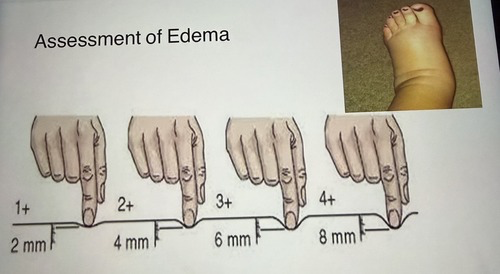
edema assessment
deep tendon reflexes

clonus

fetal kick counts (FKC)
20 every 2 hours
Antepartum
activity restriction
fetal activity (fetal kick counts)
bp, weight, urine protein daily, diet
fetal assess (NST, BPP)
report worsening signs
betamethasone
intrapartum
monitor for signs of seizures
maintain side lying (LT)
narcotic or epidural analgesics
induction of labor
continuous fetal monitor
nursery present
postpartum
assess blood loss and signs of shock
monitor for preeclampsia at least up to 48 hours
magnesium for 24 hours
recovery from preeclampsia (diuresis- 4-6 L a day) decreased
protein in urine, improvement in labs, BP returns to normal
HELLP syndrome
H - hemolysis of RBCs
EL - Elevated Liver enzymes
LP- Low Platelets
HELLP syndrome characteristics
- between 27 wks and delivery. may occur postpartum
- can't breathe, walk up bent over
- risks for hemorrhage bc of platelets, pulmonary edema, hepatic rupture
- manifests: HTN may be absent, malaise, pain/tenderness over liver, n/v, epigastric pain
- managed by antihypertensives, prevent convulsions with magnesium sulfate, betamethasone
- if life threatening: DIC (disseminated intravascular coagulation- everything bleeds. clotting and bleeding in a cycle
RH incompatibility
- Rh negative mom, Rh positive baby
- RhoGAM (IM) (given at 28 weeks and delivery of baby is positive)
- Rhophylac (IV) similar to a blood product
- if needing rubella, not recommended for 3 mos bc possibility of rhogam decreasing rubella effectiveness
prelabor rupture of membranes
spontaneous rupture of amniotic sac with no contractions
- complications include prolapsed cord, placental abruption, and preterm labor
- manifests by leaking of fluid, discharge, bleeding, pressure, NO contractions
- diagnosed by speculum exam, action prom, nitrazine paper (turns blue), fern test
- preterm prelabor rupture of membranes (rupture of membranes prior to onset of labor, less than 37 wks
- abx
to stop infection
difference type 1 and 2 diabetes
1 absolute insulin deficiency, pancreas doesn't make insulin
2 insulin resistance
when gestational diabetes mellitus is usually diagnosed
2nd or 3rd trimester
pregestational diabetes
preexisting diabetes.
-complications can include DKA, HTN, polyhydramnios/oligohydramnios, macrosomia, fetal hyperglycemia
-manage with continued insulin therapy including during labor, 1g water a day, fetal survelliance, glycemic control, diet
gestational diabetes
Increased risk over 25, risks also include obesity, PCOS, diabetes history, polyhydramnios.
can develop type 2 diabetes
educate breastfeeding if possible to decrease risk of developing type 2 diabetes
screening of gestational diabetes
24-28 weeks.
- glucose challenge test is first: goal is 130-140. 50g of sugar.
-glucose tolerance test is if challenge test is failed. fasting less than 95 mg/dl. 1 hr less than 180. 2 hr less than 155. 3 hr less than 140. if failed 2, diagnoses is gestational diabetes.
*if nonfasting, can have protein and black coffee.
macrosomia
greater than 4000g.
-can cause shoulder dystocia
-if greater than 4500g, c section is recommended.
-complication of diabetes in mom
intrauterine growth restriction
placenta is "growing old" and baby doesn't grow as efficiently
-complication of gestational diabetes
newborn hypoglycemia
can be a complication of gestational diabetes. newborn blood sugar automatically at birth, should be greater than 30 mg/dl
preterm labor
-contractions with changes to cervix before 37 wks
-leading cause of nenonatal mortality, most common reason for antenatal hospitalization
-long term effects to newborn can include cerebral palsy, hearing and vision impairements and chronic lung disease
-goal is prevention
what are some preterm labor clinical manifestations
-change or increased discharge
-pelvic pressure
-low back pain
-menstrual like cramping
-ruptured membranes
-GI upset
-malaise or feeling bad
risk for preterm labor
-prior preterm birth
multiple gestations
cervical abnormalities
hydramnios or oligohydramnios
less than 26 yrs or greater than 40
late or no prenatal care
black race
low socioeconomic status
smoking/alcohol
preterm ROM
HTN, DM, vaginal bleeding
how is preterm labor diagnosed
-transvaginal US: cervical length is decreasing, less than 30mm is an increased risk bc of cervical insufficiency, a cerclage will be performed
-fetal fibronectin: glycoprotein acts as glue, usually not detected between 24-34 weeks. if positive is an indicator of delivery within 14 days. cannot use gel for speculum. *cannot perform if had intercourse, cervical exam or bleeding within 24 hr
tocolytics
management or preterm labor to stop contractions.
-terbutaline
given subq upper arm
can cause anxiety and increase heart rate
if patient heart rate is above 120 it cannot be given
magnesium sulfate
for neonatal neuro prophylaxis, protects baby from delivering early
-preterm labor management
antibiotics in preterm labor management
if group B strep positive. test is at 36-37 weeks. have to treat with abx if positive.
betamethasone
given for fetal lung maturity in preterm labor
-12 mg IM given 24 hours apart
indomethacin
cannot have if greater than 32 weeks
-stop contractions
-closes a patent ductus arteriosus in premature infants by inhibiting prostaglandin synthesis
nifedipine
relaxes uterus, used to suppress premature uterine contractions
nonstress test (NST)
used to assess fetal wellbeing
is completed in 20 minutes
documented as reactive or nonreactive
if patient is greater than 32 weeks, needs to be 15×15 (increases 15 beats for 15 seconds) to be reactive
if patient is less than 32 weeks, needs to be 10×10( increases 10 beats for 10 seconds) to be reactive
* if nonreactive, move mom etc. if it doesn't work, call provider and recommend a biophysical profile (BPP)
biophysical profile
ultrasound assessment of fetal well being that goes along with the NST
-30 mins with 10 points total.
-8-10 points is normal. if 6 or below it could indicate fetal compromise
*body movements: 3 or more limb or trunk movements
*fetal tone: one or more of full extension and flexion of limb or trunk
*fetal breathing: one or more breathing movements of more than 30 secs
*amniotic fluid volume: one or more pockets measuring more than 2 cm
*NST: normal 2 points, abnormal 0 points
amniocentesis
aspiration of fluid for analysis, contains fetal cells to detect and confirm abnormalities and defects
-increased alpha-fetoprotein indicates neural tube defects
-decreased alpha-fetoprotein indicates trisomy 21
-can also assess fetal lung maturity
*risks include puncture site bleeding, ROM, vaginal bleeding and contractions
amniotic fluid index
normal is 8-24.
-if less than 5, oligohydramnios can indicate renal problem
-if greater than 24, polyhydramnios can indicate neural tube defects
treatment of oligohydramnios
amnioinfusion (normal saline) infused to add amniotic fluid
with the condition of polyhydramnios, have to ensure had is engaged when water is broken why
risk for cord prolapse
late decals
stop pitocin first thing, then recheck. move mom. fluid bolus to flush out pitocin and relax mom. then notify physician
tachysystole
contractions more than 5 to 10 mins
Intrauterine Pressure Catheter (IUPC)
200-240 montevideo units (measure strength of contractions)
if less than 200: turn pitocin up
if greater than 200: slow pitocin, may even have to stop it
fetal monitoring
FHR: 110-160 bpm
variability: absent (undetectable), minimal (less than 5 bpm), moderate (5-25 bpm), marked (greater than 25 bpm)
-accels (15x15, 10x10)
-decels (early, late, variables)
causes of bradycardia in fetal monitoring
cord prolapse, cord compression, maternal hypoglycemia, maternal hypotension
tachycardia in fetal monitoring causes
maternal fever, drugs, caffeine, maternal anxiety, fetal dysrhythmia
contraction frequency and duration
frequency measured in minutes, duration in seconds
intensity measured with IUPC or palpation (nose mild, chin moderate, forehead strong)
VEAL CHOP MINE
V variable decels C cord compression M move mom, d/c pitocin, amnioinfusion
E early decels, H head compression, I id progress, check cervix, sterile vaginal exam
A accelerations, O okay, N nothing, monitor progress
L late decels, P placenta insufficiency, E execute, d/c pitocin, change position, notify position, csection
induction
has to have medical reason before 39 wks
-medical indications: HTN, PPROM (preterm prelabor ROM), chorioamnionitis (infection of membranes and amniotic fluid), oligohydramnios, fetal demise, diabetes
-cervical ripening which can include misoprostol, cervidil (vaginal insert ripens and softens cervix), cervical balloon (looks like foley, but 2 of them. one inside and out. patient has to be atleast 1 cm dilated. stretches cervix, eventually falls out. painful)
-CONTINUOUS fetal monitoring
complications of induction
tachysystole with fetal distress and bradycardia
vaginal bleeding, lascerations, umbilical cord prolapse, perineal laceration, pp hemorrhage
augmentation
-using pitocin to get contractions stronger and closer together. is NOT an induction
-indicated when contractions are ineffective and labor fails to progress
complications same as induction and continuous fetal monitoring
dsyfunctional labor
- can be problem of the powers (not pushing with contractions)
-problems with passenger (macrosomia, fetal lie, shoulder dysocia)
-problems of passage (cephalopelvic disposition)
-problems of psyche (fear and anxiety increasing pain)
-abnormal labor duration (high risk of hemorrhage, pitocin receptors giving out with prolonged labor, body no longer wants to clamp down on uterus) also prosipitous labor (fast
if baby is stuck under arch of pelvis with vaccuum assisted birth
risk of shoulder dystocia
shoulder dystocia
obstruction of birthing fetal shoulders after head is delivered
-turtle sign
-risks for injury: pp hemorrhage, fetal brachial plexus injury and clavicle break
management of shoulder dystocia
-mcroberts maneuver (pull legs back as far as possible)
-suprapubic pressure (nurse at baby back, roll baby's shoulder toward ear and holding pressure while pushing)
-zavanelli maneuver (provider takes head to push baby back in to emergent c section. last resort)
*NO fundal pressure
chorioamnionitis
intrauterine inflammation or infection
-malodorous amniotic fluid
-manifests in maternal fever, fetal tachycardia, uterine tenderness treated with abx
umbilical cord prolapse
#1 sign is fetal bradycardia
-cord precedes the fetus out
risks: fetal malpresentation, long cord length, polyhydramnios, amniotomy without engaged fetus
management: relieve pressure off the cord (position- trendelenburg or knee chest), stop oxytocin, iv fluid bolus, prepare for csection. wet sterile gauze & pushing baby's head up
postterm pregnancy
beyond 42 weeks
-risk for fetal problems such as macrosomia and shoulder dystocia
-increased maternal risk such as CPD with increased csection risk, prolonged labor, maternal trauma, pph
managed with induction (39 weeks), assess amniotic fluid (meconium stained), monitor FHR
perinatal loss/intrauterine fetal demise
risk factors that cause placental insufficiency: placenta abnormalities, diabetes, postterm pregnancy, substance misuse, HTN, smoking, obesity, uterine rupture, can go uexplained (can be hematoma or knot on cord)
-management is induction 24-48 hrs after dx because body will start to reject and cause sepsis
-nursing actions include collab care, cuddle cot (keeps baby cold), memories, bereavement programs, rooms with less traffic, some doors will have a leaf or yellow on room door
position to maintain with postpartum complications
semi flowers to localize infection
-complications can include mastitis, URI/UTI, thrombophlebitis, hematoma/abcess, endometritis, perineal cellulitis
postpartum hemorrhage difference in primary and secondary
primary occurs within 24 hrs
secondary can occur 24 hours to 12 weeks after birth
-primary source of blood loss is placental site
-vaginal blood loss =500mL
-c-section blood loss 500mL-1000mL
-10% drop of H&H
-4 T's: tone, tissue, trauma, thrombin
1g=1mL
examples of 4 T's of PPH
tone: boggy, uterine atony
tissue: placenta fragments
trauma: lascerations, episiotomy, forceps/vaccuum, csection, shoulder dystocia, hematomas
thrombin: thrombocytopenia, clotting disorders, factor 5, sickle cell, stillbirth
Methylergonovine (methergine) and Carboprost (hemabate)
refrigerated
-methergine never given IV.
carboprost given IM (contraindicated with asthma)
tranexamic acid (TXA)
can be given in junction with uterotonics. pushed over 10 mins or in 100 mL normal saline. can give 2 doses
examples of uterotonics
oxytocin bolus pump 999
misoprostol PO or rectally 800-1000 mcg
methergine
carboprost
cryoprecipitate
concentrated blood product made from fresh frozen plasma that helps blood clot
hemorrhage stabilization procedures if meds don't work
-bakri balloon (physician places, forms bandaid on bleeding vessels.)
-jada system (balloon thing filled with water. clamps down uterus. hooks to suction. still fundal massage)
subinvolution
arrest or delay of involution. involution is 1 cm/day
-assessment: uterus softer and larger than normal, lochia returns to rubra and heavy, back pain
manage: US to evaluate tissue vs subinvolution, D&C if retained placental tissue, abc for endometriosis
-teach family manifestations to report to HCP
venous thromboembolism
2 types: DVT, PE
-highest risk during pregnancy bc of increased blood volume
-DVT: dependent edema, unilateral leg pain, pain in calf, erythema
-PE: SOB, chest pain, decreased 02 sat.
-diagnosed: doppler, US. CXR, ECG, CT
managed with enoxaparin, early ambulation, TEDs/SCDs
endometritis
postpartum infection of uterus, endometrium, myometrium and tissues
-risks: csection, prolonged labor, prolonged ROM
-manifests: fever 100.4, decreased abd pain/tenderness, purrulent lochia (foul smelling late sign, odor doesn't wash away), headache, malaise
treated with broad spectrum abx such as bactrim and zosyn
mastitis
infection/inflammation of mammary glands associated with breastfeeding
-usually unilateral
-manifests: flulike symptoms, tender firm area to one breast, nipple/arreola cracking, breast distended
-tx: emptying breast, controlling infection (abx ensure safe with breastfeeding, ice or warm packs, analgesics)
normal newborn vitals
bp: 50-80 over 30-55
HR: 110-160 bpm
RR: 30-60
T: 97.7-99.5
02: 95-100%
levels of NICU
1- well and can stabilize high risk for transfer
2- same as 1, provides premature care, gives O2 by hood, IV therapy
3- ventilated newborns
APGAR

appropriate birth weight for gestational age
between 10th and 90th percentile
small for gestational age
below 10th percentile
low birth weight less than 2500g
very low less than 1500g
extremely low less than 1000g
-results from fetal growth restriction or intrauterine growth restriction and classified as asymmetrical (head with 10-90th percentile, body weight below 10th percentile and length can be affected) or symmetrical (ALL equally below 10th percentile
large for gestational age
above 90th percentile
small for gesttational age clinical manifestations
-head disproportionate
-decreased muscle tissue
-lack of brown fat and subcutaneous fat storages
-face shrunken and wrinkled
-widened cranial sutures with large anterior fontanel
-abdomen is scaphoid (sunken in)
-fingernails often long
-loose/dry skin
-thin umbilical cord
complications of an SGA newborn
hypoglycemia (shrill cry, can't control temp, poor feeding, hypertonia)
-cold stress
-polycythemia
-meconium aspiration
polycythemia
erythrocytosis (too many RBCs)
-HCT greater than 65% and HGB greater than 20 g/dL
-can produce multiple organ damage
-can be caused by delayed cord clamping, twin to twin transfusion meaning 1 twin gets almost all blood supply from placenta, dehydration, maternal diabetes, smoking, lung disease
clinically manifests most asymptomatic but can be ruddy skin, abdominal distention, vomiting, poor feeding, less commonly tachycardia, cyanosis, decreased cap refill.
-newborn can become jaundice due to increase in heme.
care: lab workup (HGB, HCT, bilirubin), can also so partial exchange transfusion (hct over 70%) rmeoval of blood, replacing with NS decreased RBC
large for gestational age LGA
macrosomia >4000g
-reasons of genetics, imbalance of nutrients in utero (gestational diabetes)
complications of LGA
newborn: shoulder dystocia, brachial plexus injury (check reflexes, rest arm, sling to arm, passive ROM), asphyxia. resp distress syndrome, hypoglycemia (got all glucose from mom and once delivered they aren't getting any longer so their glucose drops) should be greater than 30 for normal, polycythemia
preterm newborn
born before 37 weeks (20-37 wks)
risks for preterm birth: cervical insufficiency, multiple gestation, ob complications of preeclampsia and HELLP syndrome, lack of prenatal care and smoking or substance
what are some characteristics you could expect in preterm newborn
scrawny, thin transparent skin, frail, weak, limp, diminished reflexes, underdeveloped muscles, weak cry, immature suck/swallow, male: undescended testes with minimal scrotal rugae, female: prominent clitoris and labia minora
can have apnea greater than 20 seconds, bradycardia, heart murmur, easily exhausted