BIO220 Lecture Exam 4 (Ch 11, 12, 13)
 Call Kai
 Learn
Learn Practice Test
 Spaced Repetition
 Match
Match Flashcards
 Knowt Play
1/112

There's no tags or description
Looks like no tags are added yet.
Name | Mastery | Learn | Test | Matching | Spaced | Call with Kai | Chat |
|---|
No analytics yet
Send a link to your students to track their progress
113 Terms
decontamination
general term that refers to physical, chemical, and mechanical methods to destroy or reduce undesirable microbes in a given area
Disinfection
•a process to destroy vegetative pathogens, not endospores; inanimate (nonliving) objects
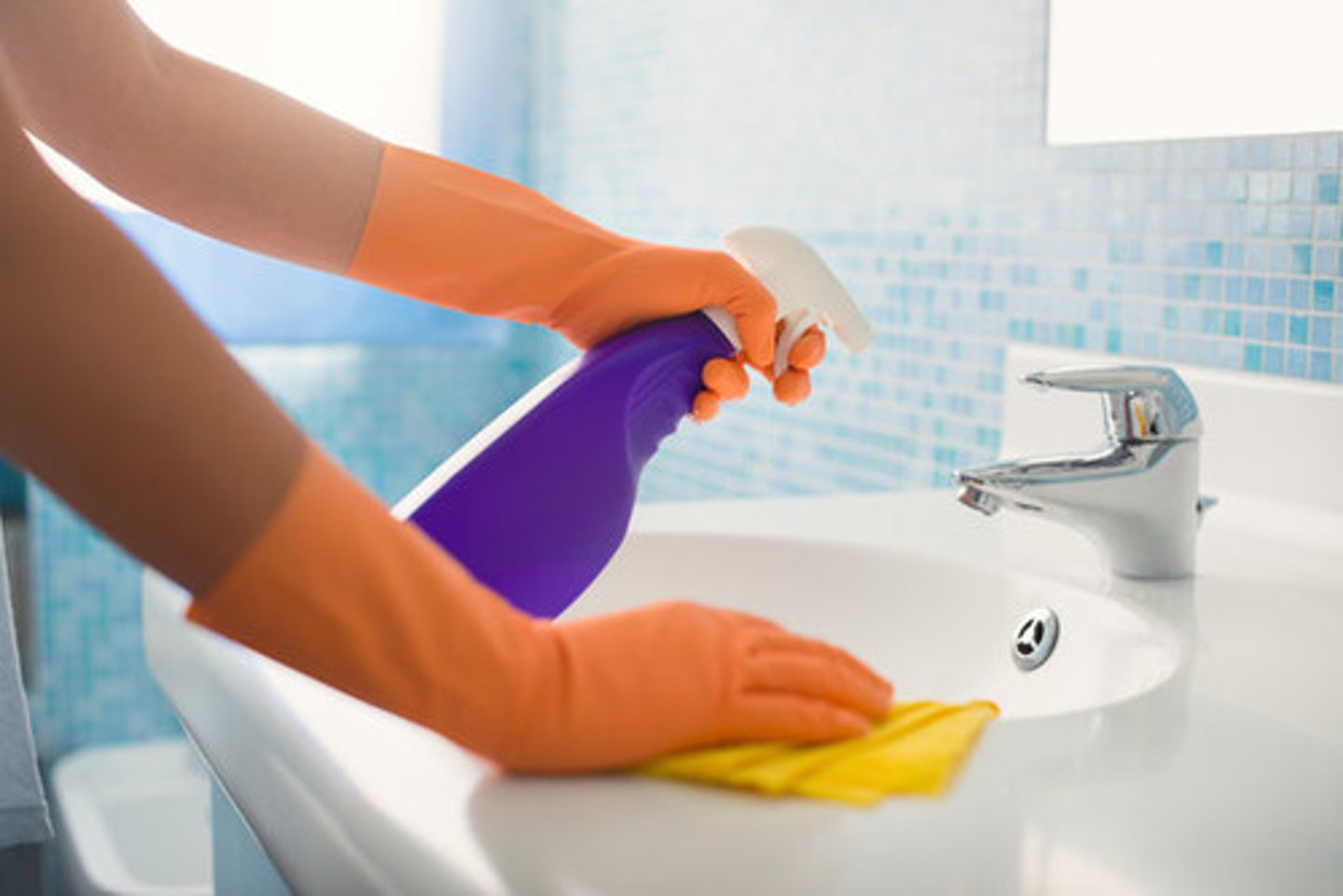
Sanitization
•any cleansing technique that mechanically removes microbes (inanimate objects)
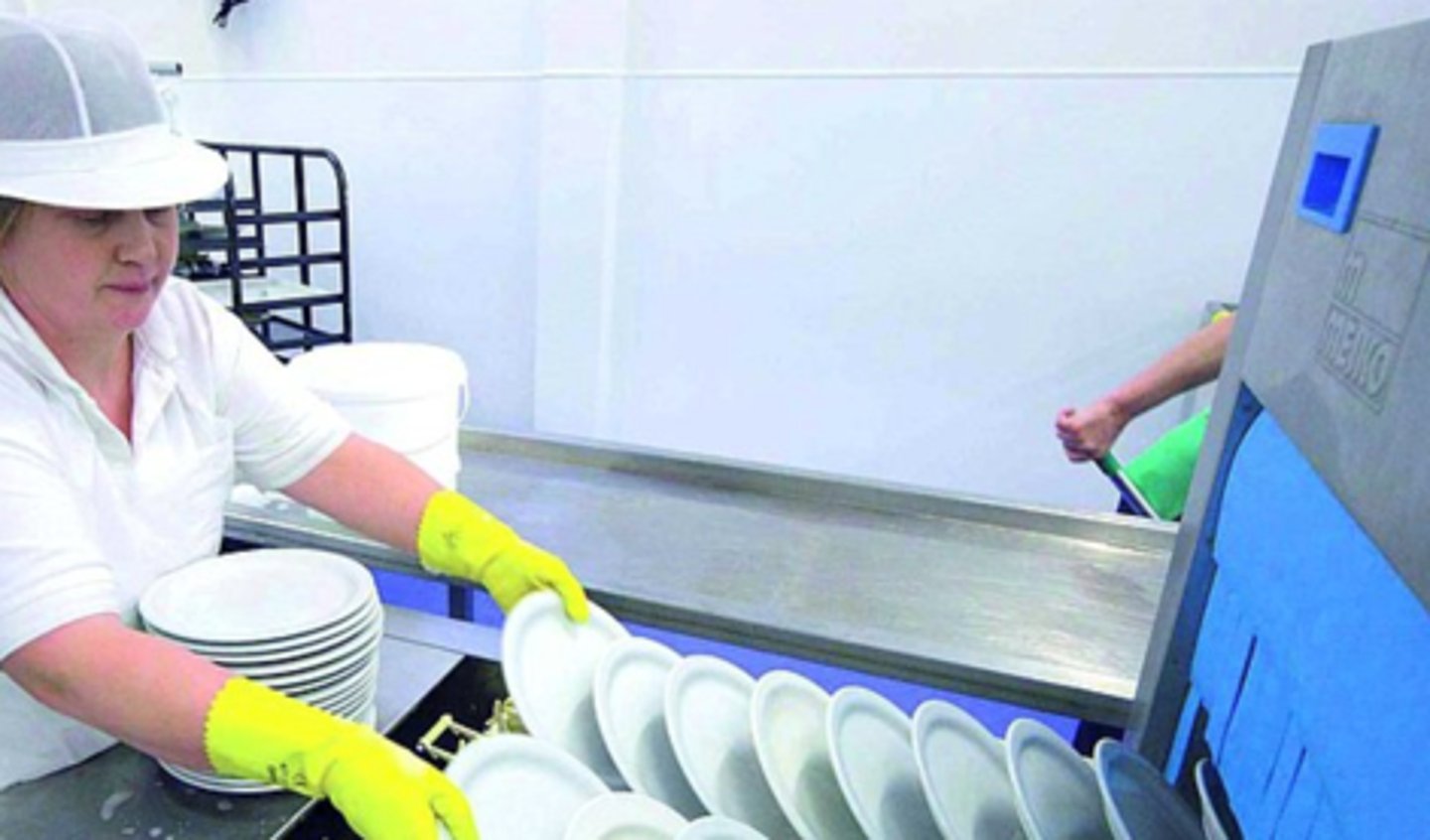
Sterilization
a process that destroys all viable microbes, including viruses and endospores
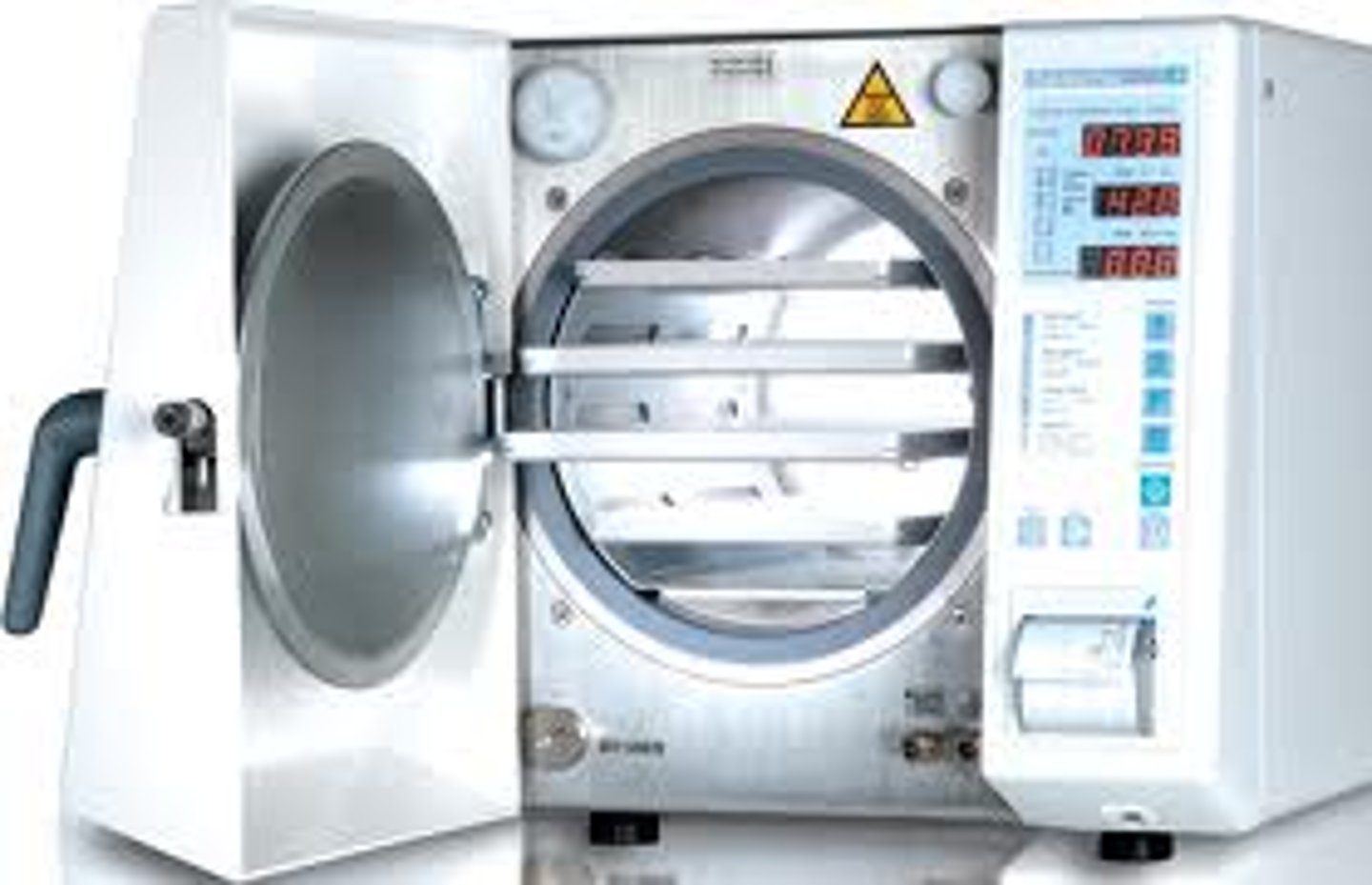
Degermation
•reduces the number of microbes through mechanical means (animate - living things)

Antiseptic; antisepsis
•disinfectants applied directly to exposed body surfaces
-antisepsis is using antiseptic chemicals to prevent microbes from entering the sterile tissues.
Sepsis
the growth of microorganisms in the blood and other tissues
microbicidal
-cidal = killing
microbistatic
-static = preventing the microbes from growing/reproducing, but not killing
most resistant forms of microbes
-endospores
-prions
microbial death is determined by
if they can’t reproduce any longer, even under optimum growth conditions
Antimicrobial Agents' effect - on cell wall
-cell wall becomes fragile and cell lyses;
-some antimicrobial drugs, detergents, and alcohol
Antimicrobial Agents' effect - on cell membrane
-cell membrane loses integrity;
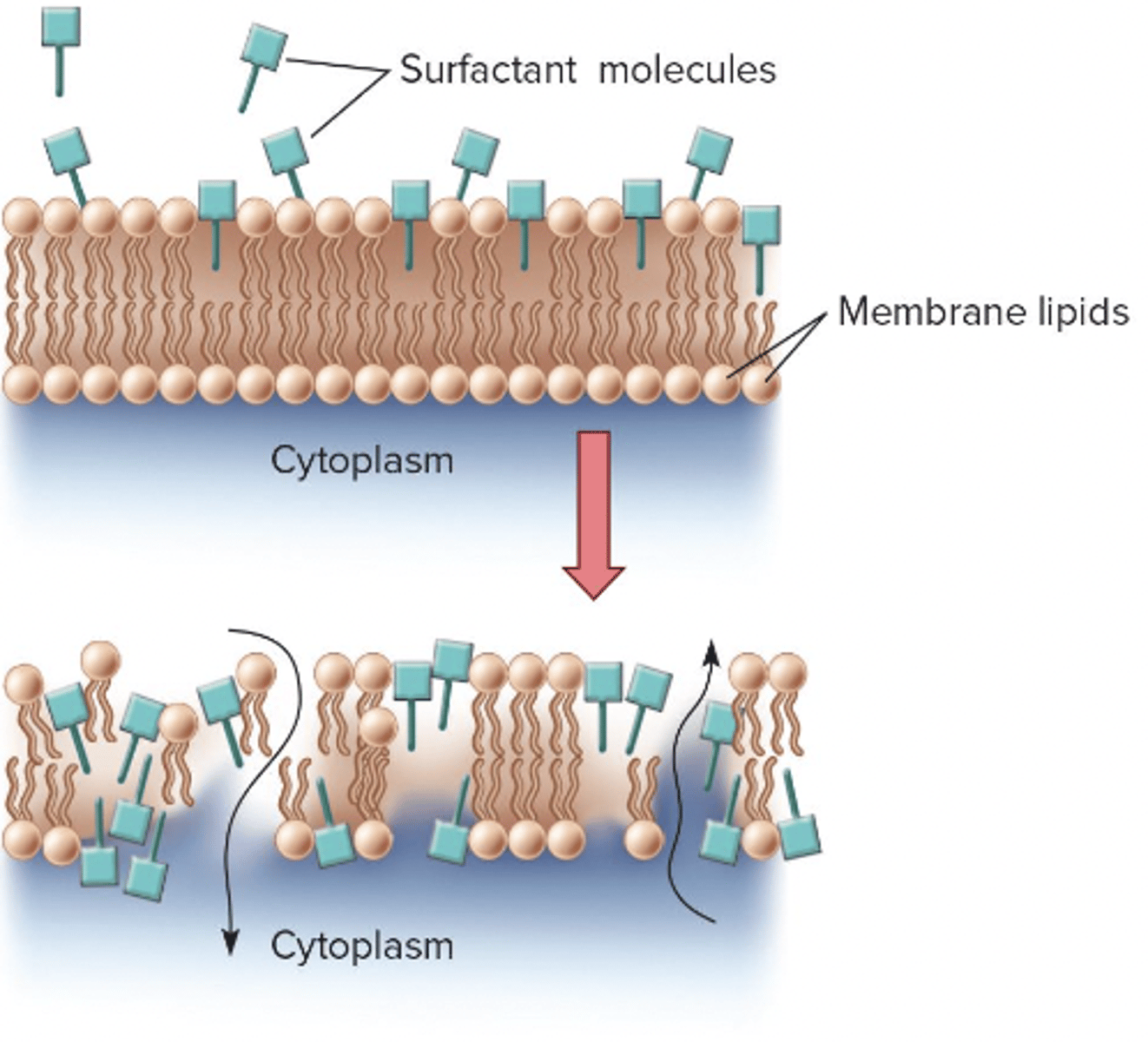
-detergent surfactants
Antimicrobial Agents' effect - on protein & nucleic acid synthesis
-prevention of replication, transcription, translation, peptide bond formation, protein synthesis;
-chloramphenicol, ultraviolet radiation, formaldehyde
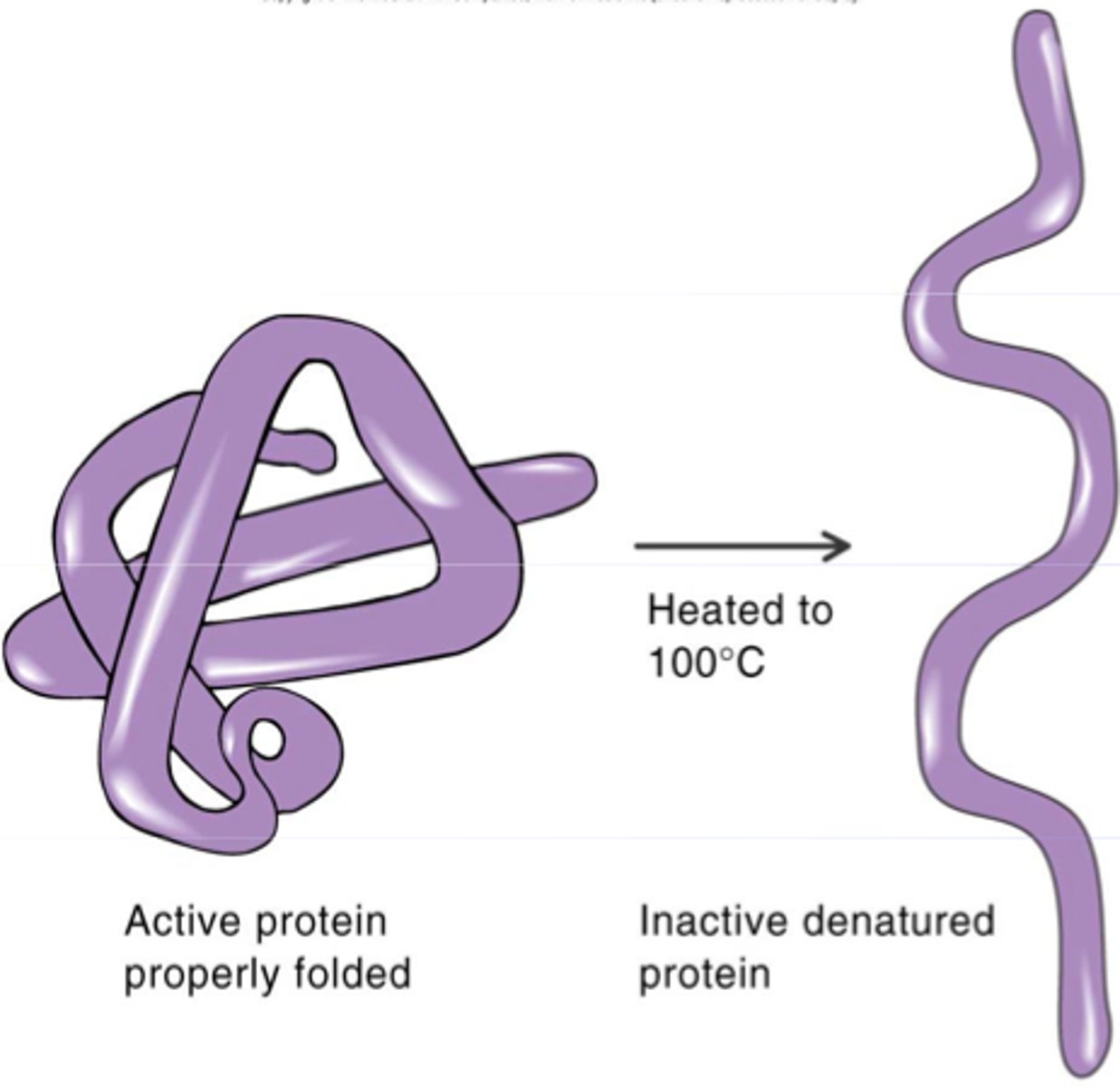
Antimicrobial Agents' effect - on proteins
-disrupt or denature proteins;
-alcohols, phenols, acids, heat
surfactants
Ex. Detergents, are molecules that can insert into the cell membrane, and therefore destroy the cell.
Is dry heat or moist heat more effective and why?
moist heat because it is more penetrating, lower temps, and shorter exposure time
Thermal death time (TDT)
•shortest length of time required to kill all test microbes at a specified temperature
Thermal death point (TDP)
lowest temperature required to kill all microbes in a sample in 10 minutes
Most resistant to methods of control?
bacterial endospores (usually require temperatures above boiling)
Pressurized Steam
Sterilization (autoclave) - most effective
nonpressurized steam (boiling) Tyndallization
disinfectant for substances that cannot withstand autoclaving
Pasteurization
heat is applied, 60-70°C for 15 sec- 30 mins to kill non-spore-forming pathogens
Effect of cold on microbes
•Microbiostatic - slows the growth of microbes
•Used to preserve food, media, and cultures
Desiccation (drying)
•Not effective microbial control
•Lyophilization - freeze drying; preservation
Radiation
Ionizing (x-rays) - sterilizing,
nonionizing (UV light) - disinfecting
Filtration
•Physical removal of microbes by passing a gas or liquid through a filter
•Used to sterilize heat-sensitive liquids
Germicidal: Halogens
-Chlorine - toxic, destroys proteins, used to treat water & inanimate objects
-Iodine/betadine - milder (interferes w/ protein bonds), used as disinfectants
-Both intermediate level of germicides
Germicidal: Phenolics
-Disrupt cell walls and membranes and precipitate proteins
-Low to intermediate level - bactericidal, fungicidal, virucidal, not sporicidal
-Lysol
-Triclosan - antibacterial additive to soaps
-Chloraseptic - active ingredient: Phenol 1.4%
Germicidal: Chlorhexidine
•A surfactant and protein denaturant with broad microbicidal properties
•Low to intermediate level
•Hibiclens, Hibitane
•Used as skin degerming agents for preoperative scrubs, skin cleaning, and burns
Germicidal: Alcohol
•Ethyl, isopropyl in solutions of 50-95%
•70% is better than 95% because 70% kills more microbes, where 95% has more of a preserving action.
•Act as surfactants dissolving membrane lipids and coagulating proteins of vegetative bacterial cells and fungi
•Intermediate level
Germicidal: Hydrogen Peroxide
•Produce highly reactive hydroxyl-free radicals that damage protein and DNA while also decomposing to O2 gas - toxic to anaerobes
•Antiseptic at low concentrations; strong (high level of activity) solutions are sporicidal (sterilizing)
Germicidal: Detergents & Soaps
•Quaternary ammonia compounds (quats) act as surfactants that alter membrane permeability of some bacteria and fungi
•Very low level
•Soaps - mechanically remove soil and grease containing microbes (for skin and for inanimate objects)
Germicidal: Heavy Metals
•Solutions of silver and mercury kill vegetative cells in low concentrations by inactivating proteins
•Oligodynamic action
•Low level
•Merthiolate, silver nitrate, silver
Germicidal: Aldehydes
•Glutaraldehyde and formaldehyde kill by alkylating protein and DNA
•Glutaraldehyde in 2% solution (Cidex) used as sterilant for heat sensitive instruments
•High level
•Formaldehyde - disinfectant, preservative, toxicity limits use
-Formalin - 37% aqueous solution
•Intermediate to high level
Use only on inanimate objects due to toxicity
Germicidal: Gases & Aerosols
•Ethylene oxide, propylene oxide
•Strong alkylating agents
•Affects proteins, DNA
•High level
•Sterilize and disinfect plastics and prepackaged devices, foods
Germicidal: Dyes
•Aniline dyes are very active against gram-positive species of bacteria and various fungi (cell walls) ex. methylene blue
•Sometimes used for antisepsis and wound treatment
•Low level, narrow spectrum of activity
Prophylaxis
(prevention) Use of a drug to prevent potential for infection of a person at risk
Antimicrobials
any drug that works against microbes
Antibiotics
Substances naturally produced by some microbes to inhibit others (usually used against bacteria, ex. penicillin)
-do not work against viral infections
Semisynthetic Drugs
Drugs produced by modifying natural antibiotic structures, and are therefore partially or semi-synthetic (ex. Amoxicillin and ampicillin are modifications of penicillin).
Synthetic Drugs
Drugs completely man-made in design (ex. Sulfa drugs - Bactrim)
Narrow Spectrum Antibiotics
Effective against only certain microbes, ex. only Gram + bacteria or only Gram - bacteria.
Broad Spectrum Antibiotics
Effective against a wide range of microbes, ex. both Gram + and Gram - bacteria, or both bacteria and protozoa.
Antibiotics are produced naturally by which organisms?
(aerobic) bacteria and fungi
Cell Wall Inhibitors - block synthesis (peptidoglycan)
Penicillins, Cephalosporins, Vancomycin, Bacitracin
Cell Membrane - cause damage & disruption in metabolism or lysis
Polymyxins
DNA/RNA - Inhibit replication & transcription
ciprofloxacin
Protein Synthesis Inhibitors
Erythromycin, Tetracyclines, Streptomycin
Metabolic pathways - Block pathways & inhibit metabolism
sulfa drugs
How do antimicrobials affect cell walls, membranes, nucleic acids, proteins, and metabolism?
Cell walls and cell membranes- they block synthesis of peptidoglycan, causing the cell wall to lyse
Nucleic acid and protein synthesis- block their activity/reactions or their synthesis to prevent them from being made.
(safe s**)
Beta-lactam nucleus structure
3 carbon, 1 nitrogen ring
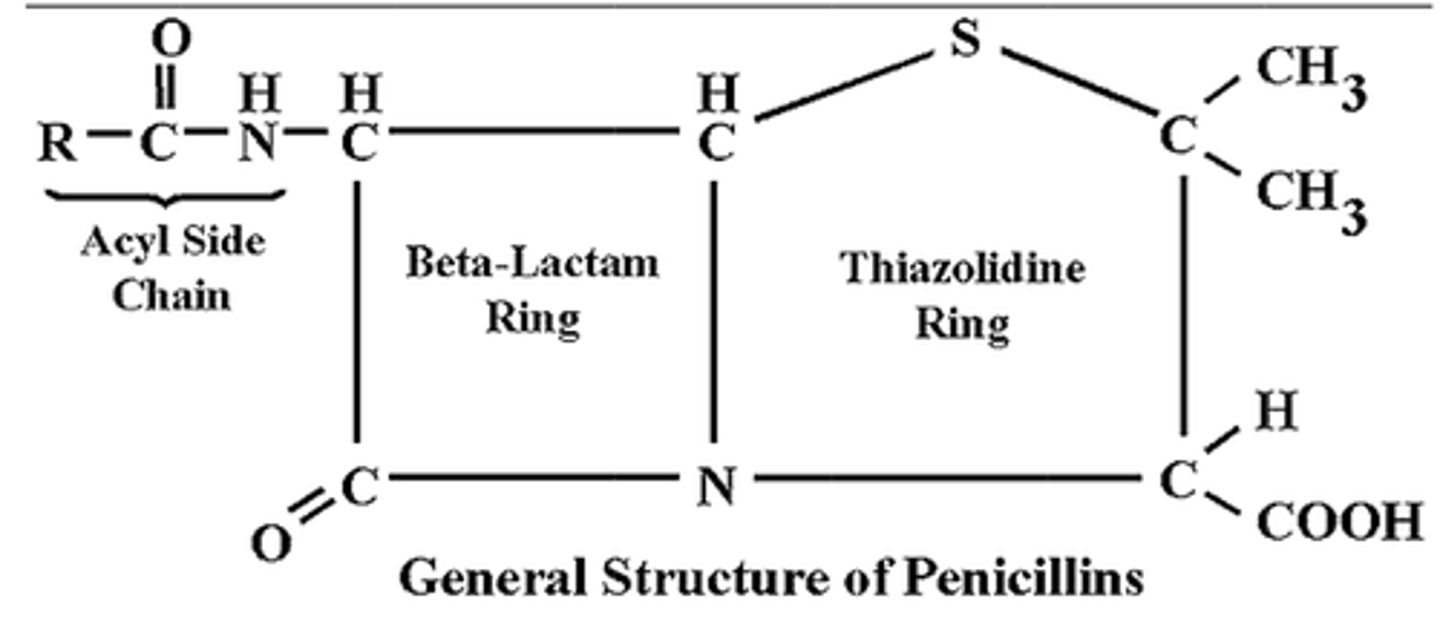
Beta-lactams prevalence as antimicrobial drugs
Greater than 1/2 of all antimicrobial drugs
Most prominent beta-lactams
penicillins
cephalosporins (1/3 of all antibiotics administered)
Drugs that Interfere with Protein Synthesis are generally
broad spectrum
what is especially difficult about treating fungal infections
a drug that is toxic to fungal cells is also toxic to human cells since they are both eukaryotic
Agents used to treat fungal infections
-Macrolide polyenes - topical and systemic treatments, Nystatin
-Synthetic Azoles - used to treat yeast infections, (thrush, athlete's foot, jock itch, ringworm, etc.)
what two ways can microbes possess drug resistance?
Intrinsic and acquired
Drug resistance- drug inactivation
Inactivation of a drug like penicillin by penicillinase, an enzyme that cleaves a portion of the molecule and renders it inactive

Drug Resistance - Decreased permeability
The receptor that transports the drug is altered, so that the drug cannot enter the cell.
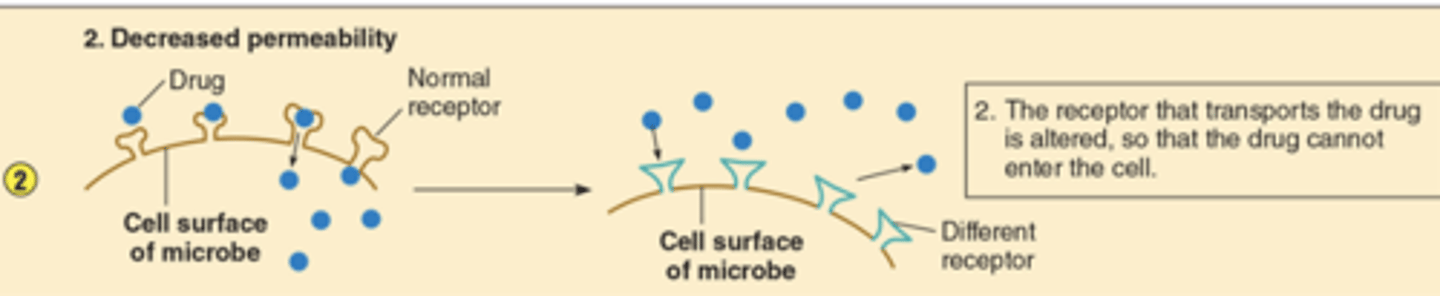
Drug Resistance - Activation of drug pumps
specialized membrane proteins are activated and continually pump the drug out of the cell
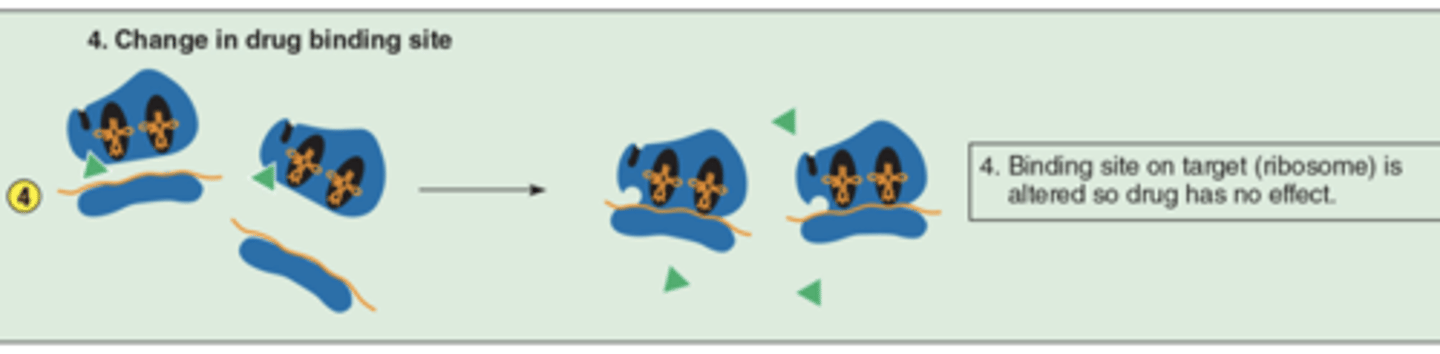
Drug Resistance - Change in drug binding site
binding site on target (ribosome) is altered so drug has no effect
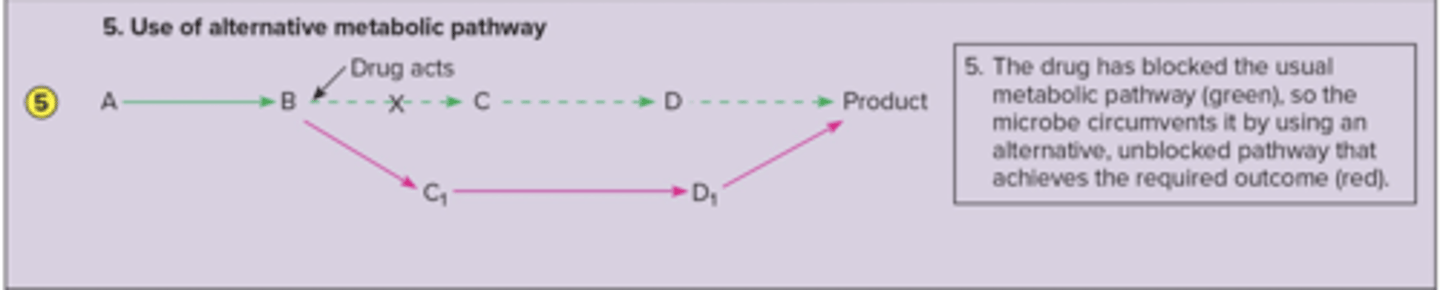
Drug Resistance - Use of alternate metabolic pathway
The drug has blocked the usual metabolic pathway (green), so the microbe circumvents it by using an alternate, unblocked pathway that achieves the required outcome (red).
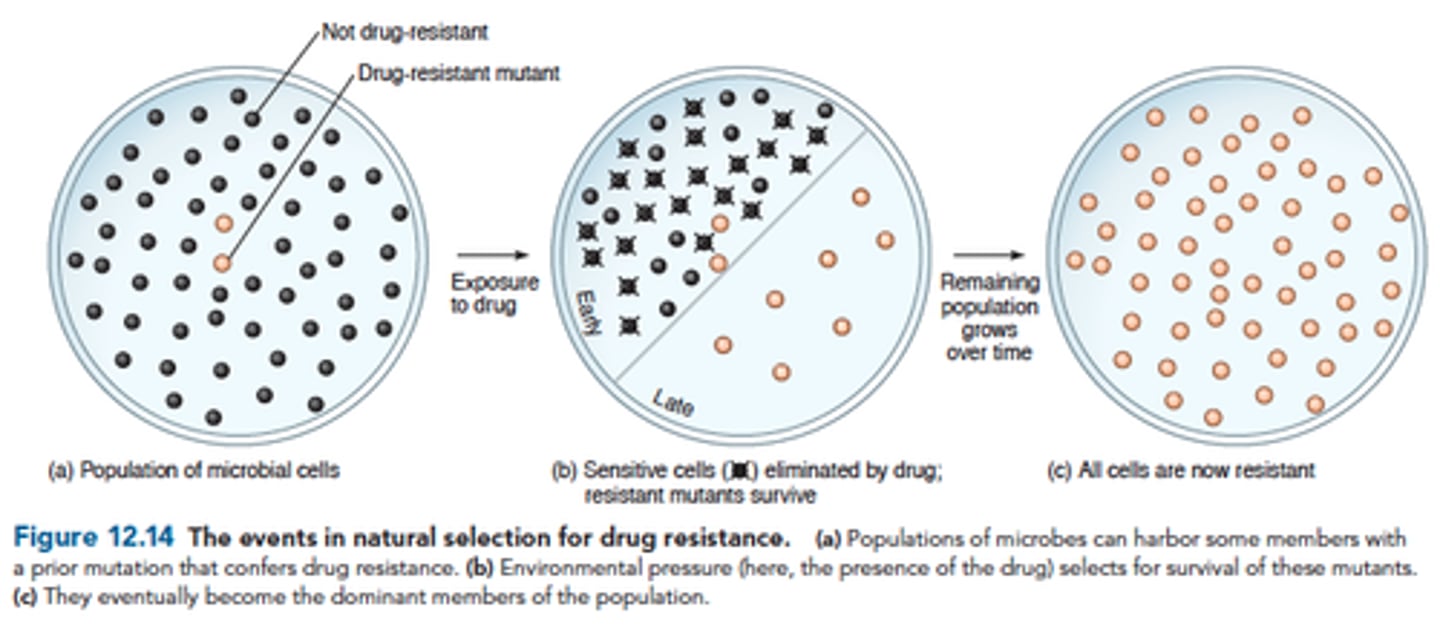
Natural selection & drug resistance
the drug is naturally selecting against the drug-susceptible microbes
selecting for the growth and survival of drug-resistant microbes, which take over
Side effects of antimicrobials
-damage to tissues due to drug toxicity
-allergic reactions
-superinfections possible
-resistance
How a superinfection can develop
antimicrobials prescribed for one infection can end up causing a much worse infection elsewhere in the body
Tests for drug susceptibility
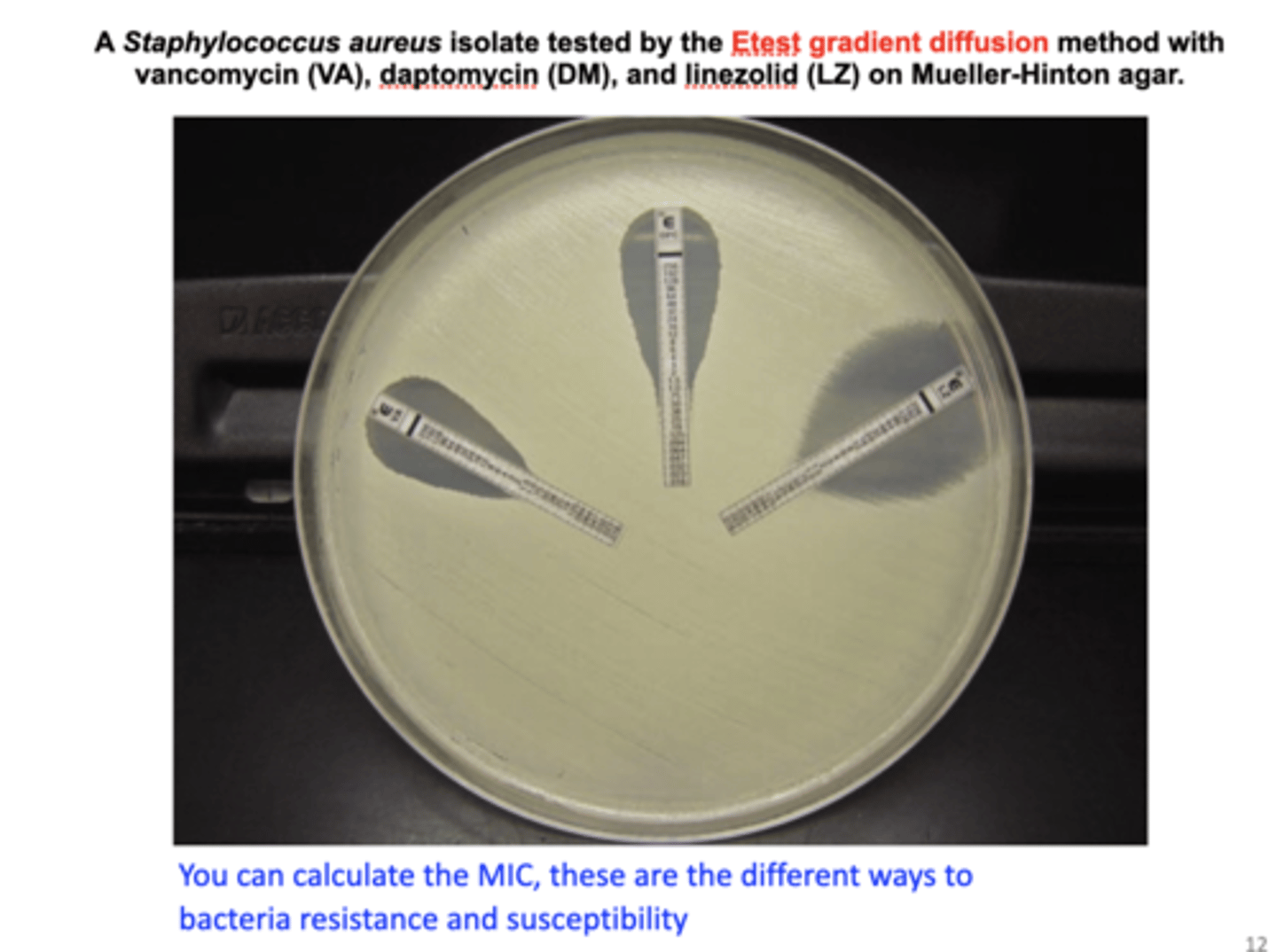
Kirby-Bauer disk diffusion test
E-test - gives MIC
Diffusion test- gives MIC
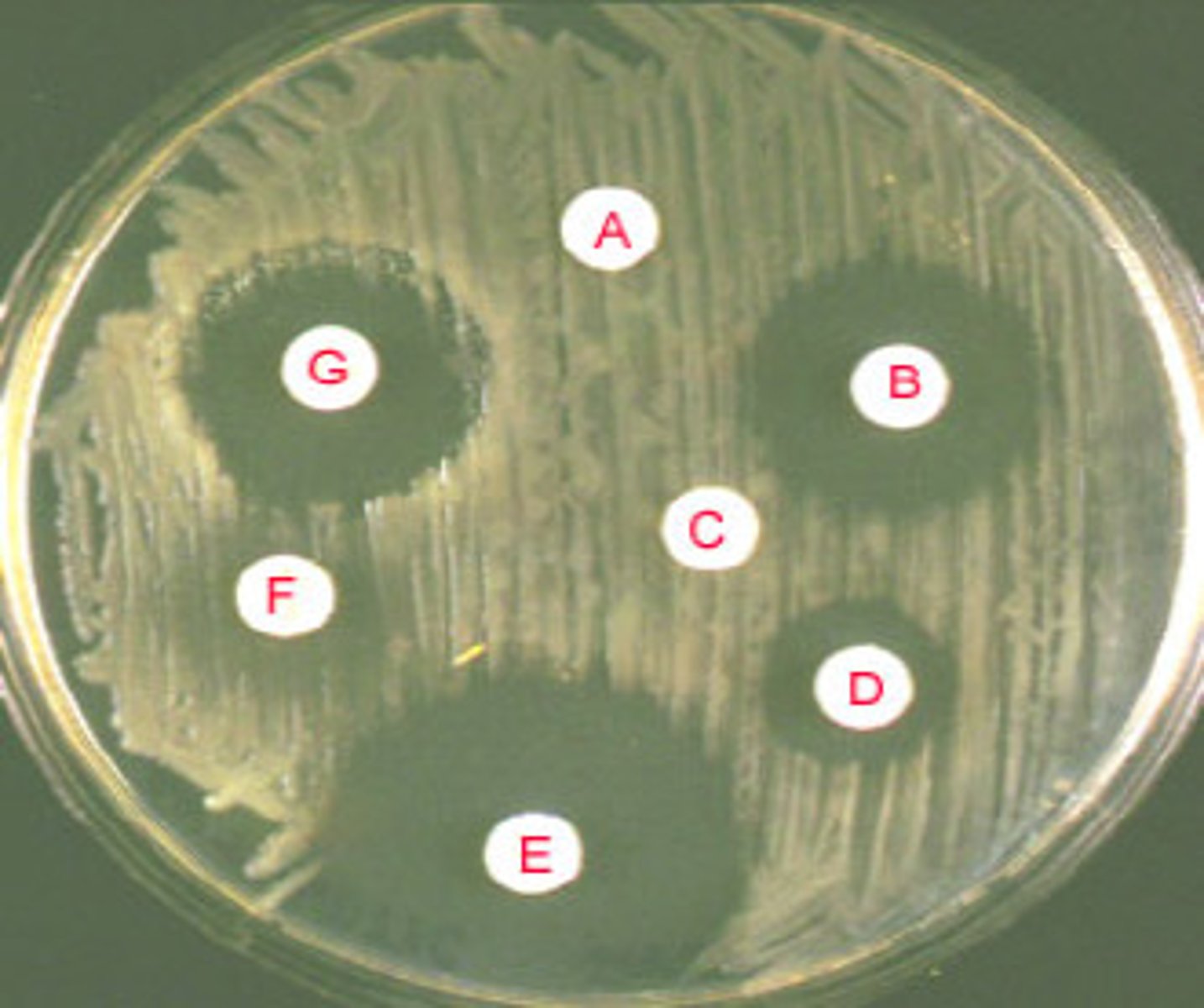
Kirby-Bauer disk diffusion test
simple, rapid method for determining susceptibility and resistance of a bacterial pathogen to antibacterial drugs. The test involves drug-impregnated disks placed on an agar plate inoculated with a bacterial lawn
E-test
uses a plastic-coated strip to test the MIC
broth tube dilution test
determines rate at which selected bacteria are destroyed by various chemical agents
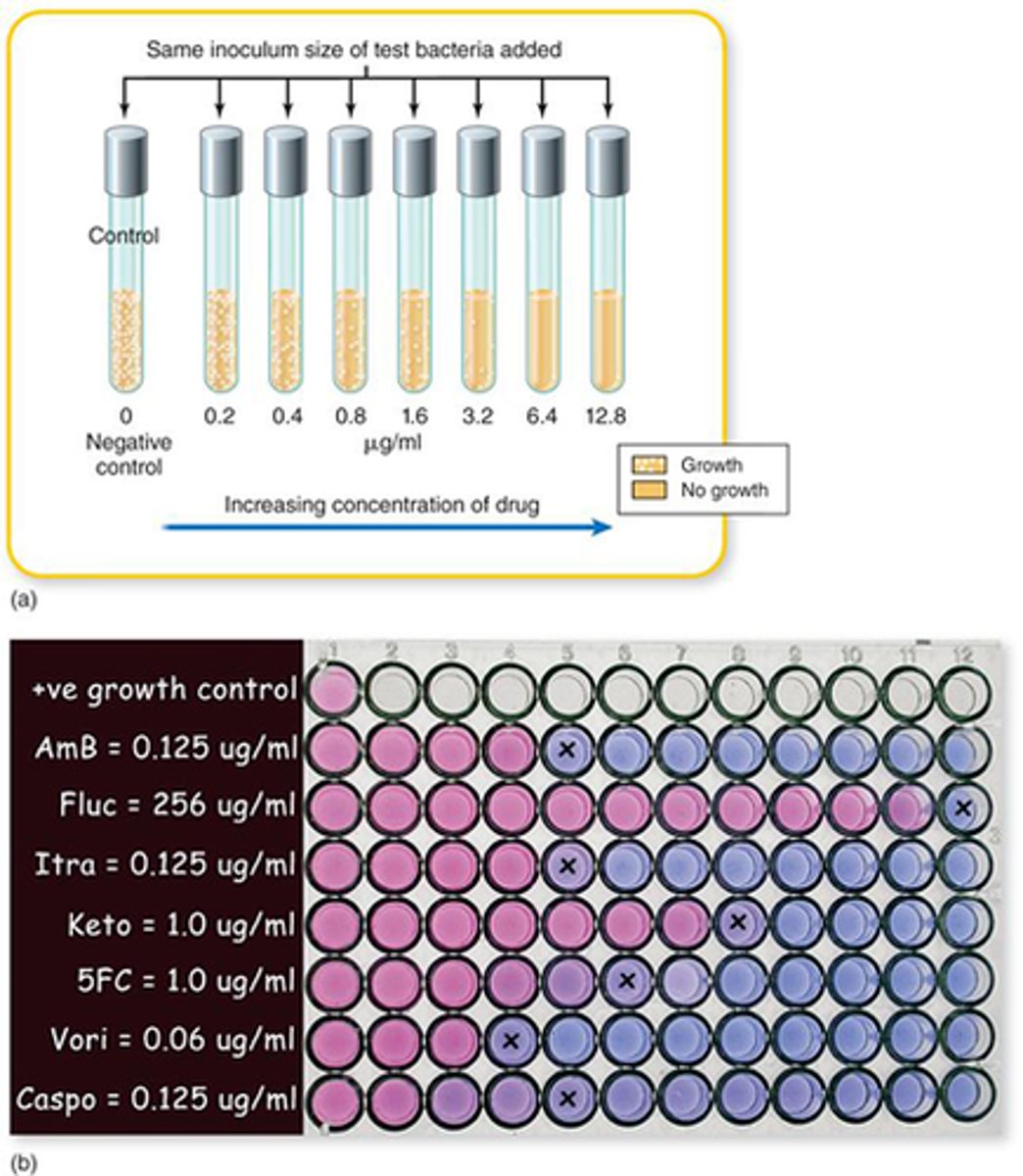
Define MIC
smallest concentration of a drug that visibly inhibits growth
Which parts of the human body should be sterile (microbe-free)?
internal organs, tissues, and fluids
Which sites of the body DO harbor normal flora/microbes?
skin & its continuous mucous membranes
upper respiratory tract
GI tract (parts)
outer opening of urethra
external genitalia
vagina
external ear & canal
external eye (lids, lashes)
Which microbes are considered normal flora?
Staphylococcus
Streptococcus
Escherichia coli
Candida
Enterobacter
Normal flora of skin
Staphylococcus
Streptococcus
Candida
Normal flora of GI tract
Escherichia
Enterobacter
Candida
Which microbial flora is found in the most places on the human body?
Candida
exogenous agents
originate from source outside the body
endogenous agents
already exist on or in the body (normal flora)
Portals of entry
characteristic route a microbe follows to enter the tissues of the body: skin, GI tract, respiratory tract, urogenital tract, transplacental (some diseases can cross the placenta and infect the fetus)
Ways microbes attach/adhere to hosts
fimbria or flagella/cilia
capsules or slime layers
spikes (viruses)
Infectious Dose (ID)
the minimum number of microbes necessary to cause an infection to proceed
Initial response of host defenses against microorganisms?
phagocytes, (white blood cells, WBCs)
endotoxin
toxin molecule secreted by a living bacterial cell into the infected tissue
exotoxin
not secreted but released after the cell is damaged
ex. hemolysis and A-B toxins
necrosis
tissue damage or death
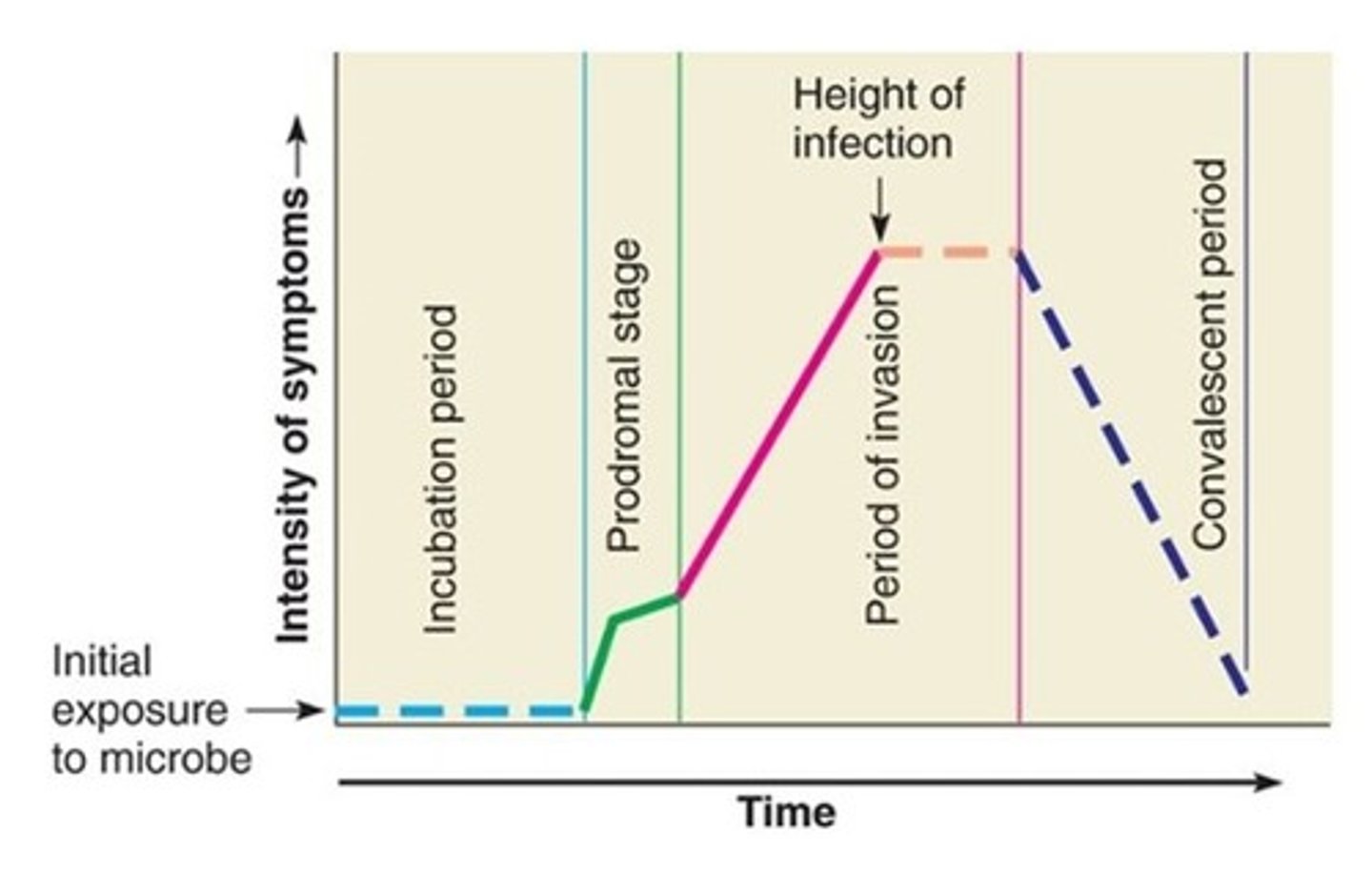
Process of infection & disease (4 stages)
incubation period
prodromal stage
period of invasion
convalescent period
incubation period
the period between exposure to an infection and the appearance of the first symptoms
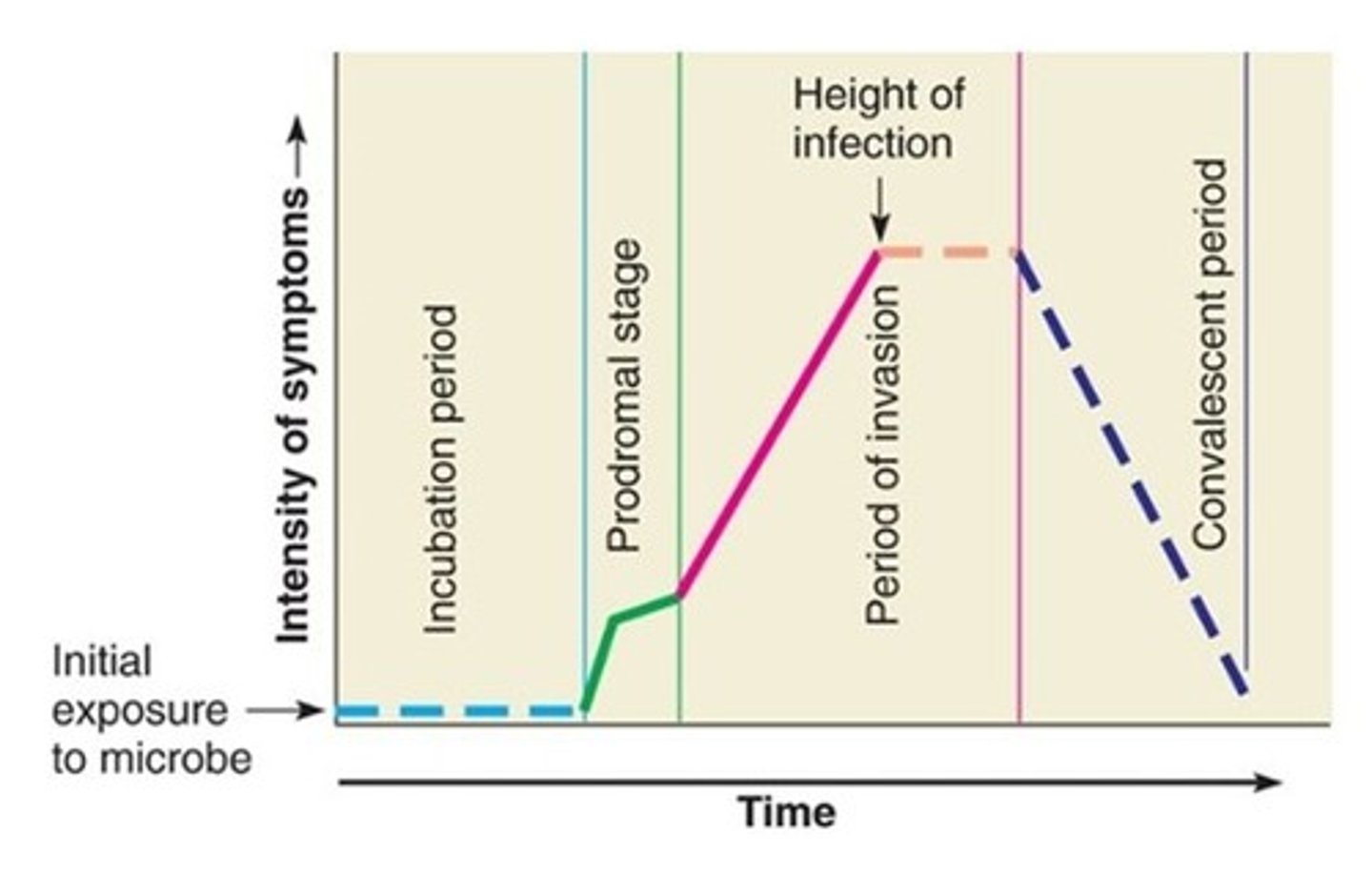
prodromal stage
vague feelings of discomfort; nonspecific complaints
period of invasion
multiplies at high levels, becomes well-established; more specific signs and symptoms
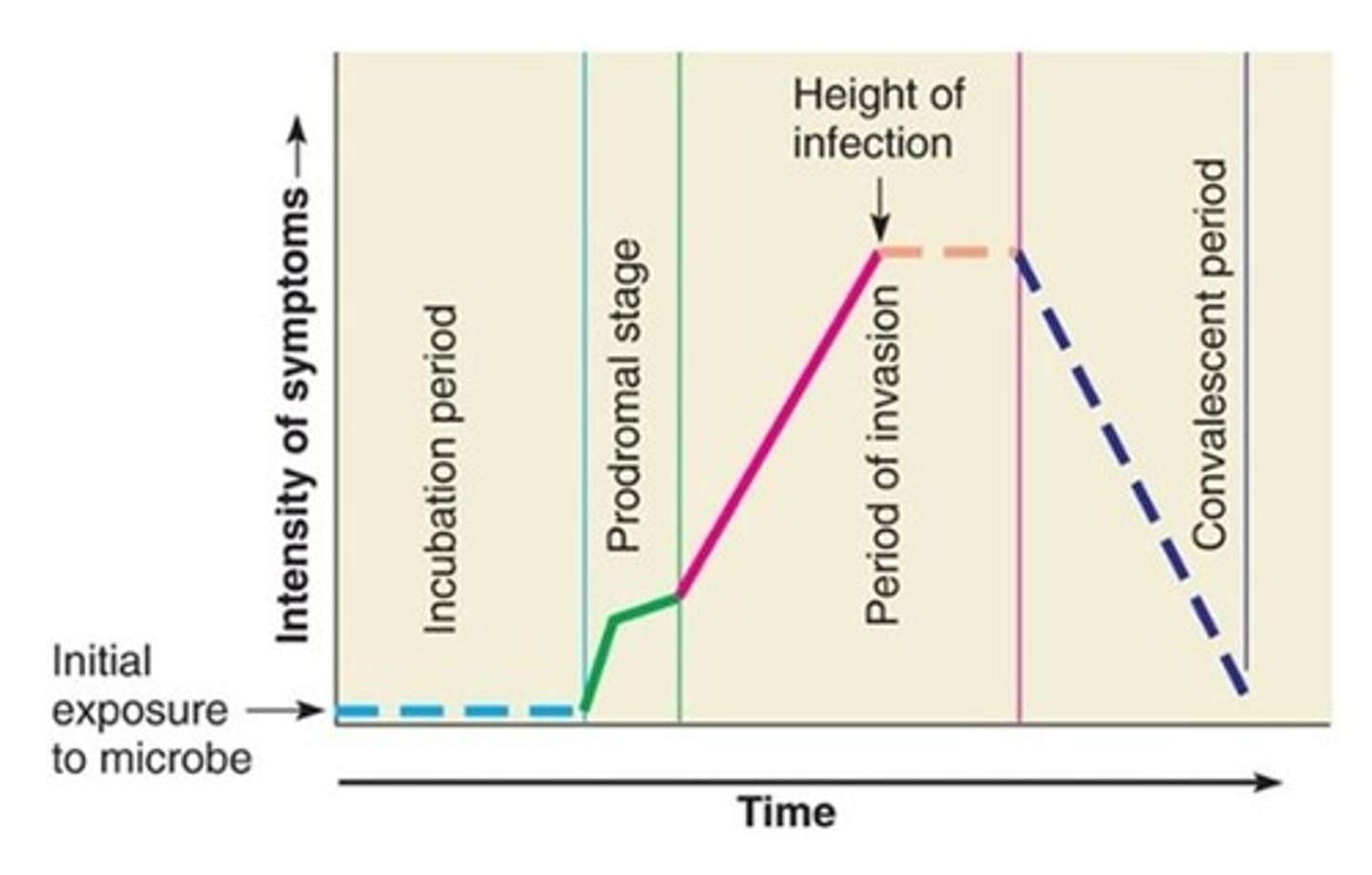
convalescent period
as person begins to respond to the infection, symptoms decline
localized infection
microbes enter the body and remains confined to a specific tissue
systemic infection
infection spreads to several sites and tissue fluids usually in the bloodstream
focal infection
when infectious agent breaks loose from a local infection and is carried to other tissues
(ex. heart patient with abscessed tooth à infection spreads to heart and causes endocarditis)
acute infection
comes on rapidly, with severe but short-lived effects (ex. flu, stomach virus)
chronic infections
progress and persist over a long period of time (ex. TB, HIV)
leukocytosis
increase in white blood cells
leukopenia
decrease in white blood cells
septicemia
microorganisms are multiplying in the blood and present in large numbers
patterns of transmission - direct contact
physical contact or fine aerosol droplets