A&P Chapter 1 Exam
 View linked note
 Call Kai
 Learn
Learn Practice Test
 Spaced Repetition
 Match
Match Flashcards
 Knowt Play
1/297

There's no tags or description
Looks like no tags are added yet.
Name | Mastery | Learn | Test | Matching | Spaced | Call with Kai | Chat |
|---|
No analytics yet
Send a link to your students to track their progress
298 Terms
Abdominopelvic
“abs" and pelvic regions of the body, containing organs such as the stomach and intestines.
gluteal
gluts/butt
inferior
below/lower than a body region
proximal
nearest to the trunk or point of origin of a body part
sacral region
“sack” “crack”
lateral
sides of trunk or body part, leaving middle
vertebral region
spin/vertebrae
distal
distance from body
neck region
front of neck
hip region
hips
deltoid region
shoulders
thoracic
chest
neck
back of neck
head region
head
medial
middle of body (arrows pointing to middle)
anterior
front of bodyp
posterior
back of body
lumbar region
back hip region
scapular
back of shoulder
axillary region
armpits
anatomy
study of form and structure
physiology
how body functions
scientific medthod
examine, ask questions (symptoms), look for signs, develop hypothesis, experiment and test
microscopic
needs aid for the naked eye (microscope)
Cystology
study of cells (looked at only from microscope)
Histology
study of tissue (only seen with microscope)
gross anatomy/ macroscope
visible to the naked eye (dissected to examine)
Systemic anatomy
study of each body system, one organ at a time (gross anatomy)
studying skeletal system
systematic
regional anatomy
study of structures in a body region
study all structures in the arm: bones, muscles, nerves, blood vessels
regional anatomy
surface anatomy
what you can see from the outside about the inside
studying the pulse of a wrist
surface anatomy
comparative anatomy
similarities and differences in different parts and species
comparing bones of a human arm to a dog’s leg
comparative
embryology
changes form conception of birth
how the human body develops form an embryo into a fetus.
embryology
Pathologic Anatomy
macro/micro changes resulting in disease
Radiographic
internal structures visualized by scanning procedures
Cardiovascular Physiology
studies how heart, blood, blood vessels function
neurophysiology
functioning of nerves and nervous system organs
Pathophysiology
function of body system during disease or injury
respitory
study of how the respiratory organs
reproductive
how the reproductive system functions, hormones and cycle
buccel region

facial region
“face” eyes-chin
frontal region

mental region

nasal region
nose
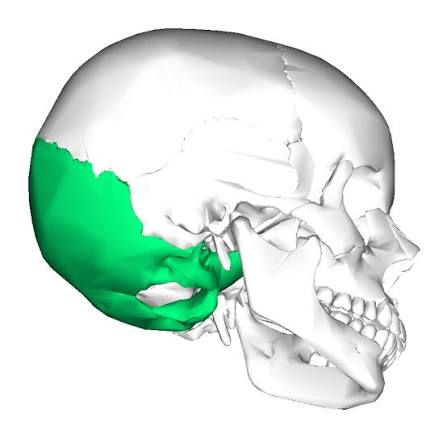
occipital region
oral region

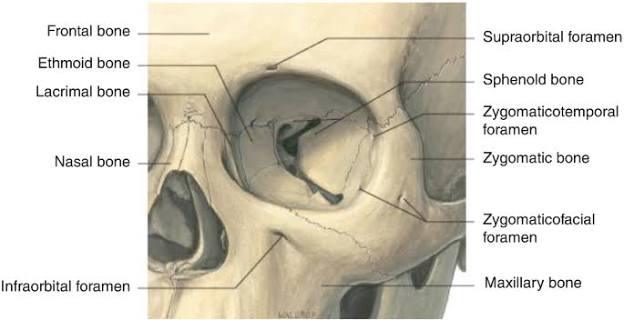
orbital region
parietal region

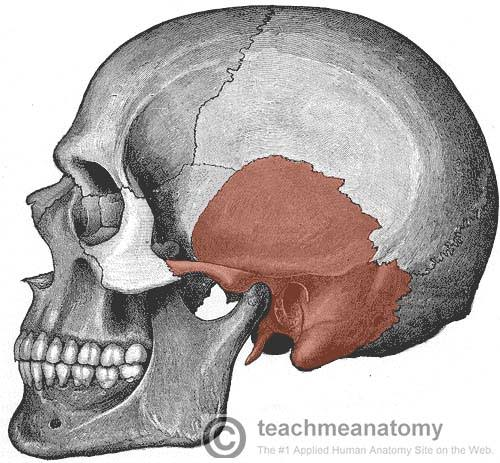
temporal region
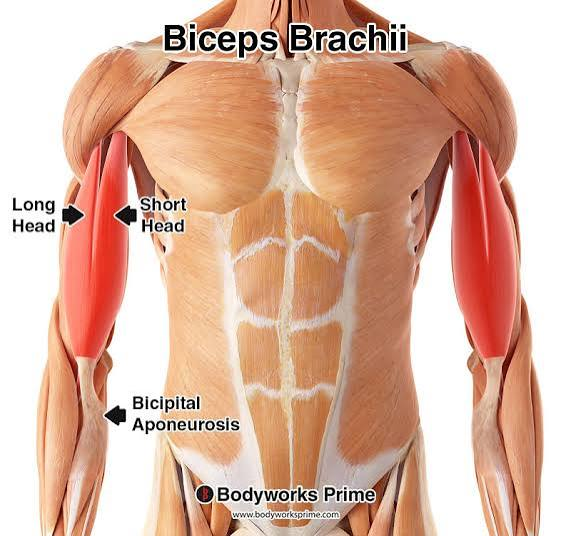
brachial region
antebrachial region
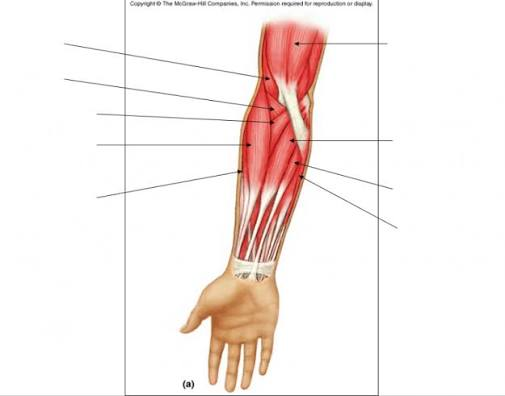
carpal region
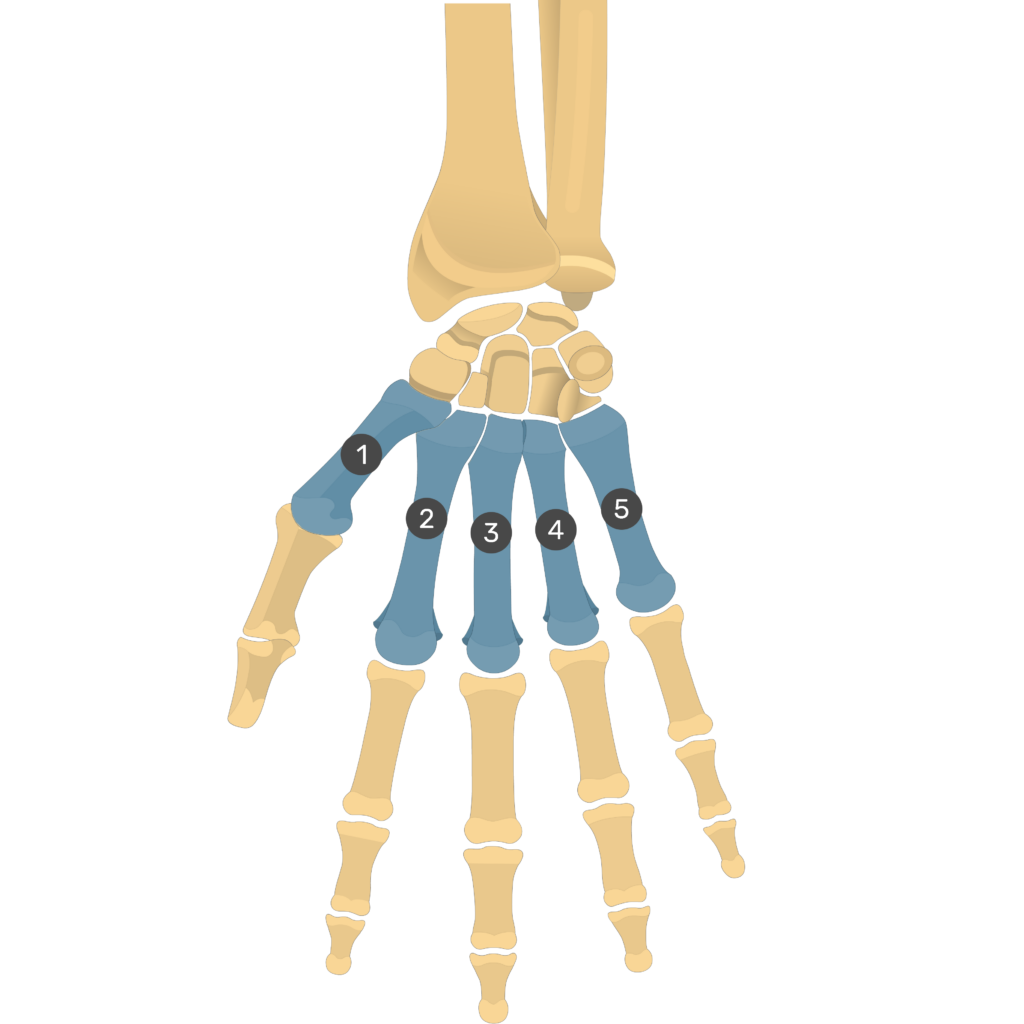
cubital fossa

digits of foot
toes
digits of hadn
fingers
dorsum of foot
very top of foot
dorsum of hand

femoral region
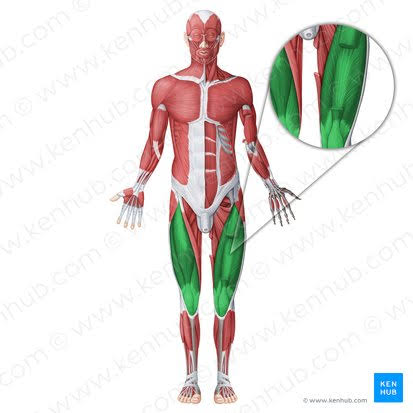
foot region
footha
hand region
hand
head
“head”
knee region
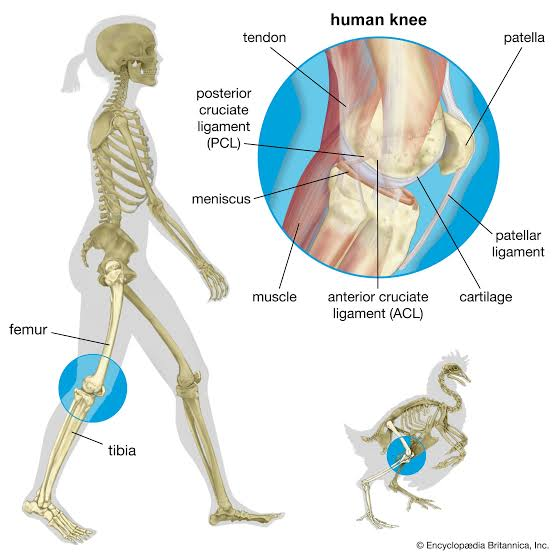
lower limb
entire leg
mammory region

metacarpal region
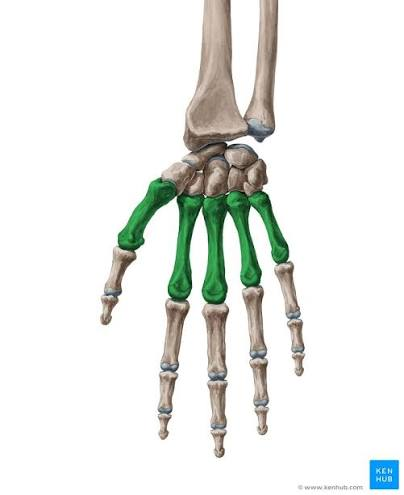
metatarsal region

pectoral region
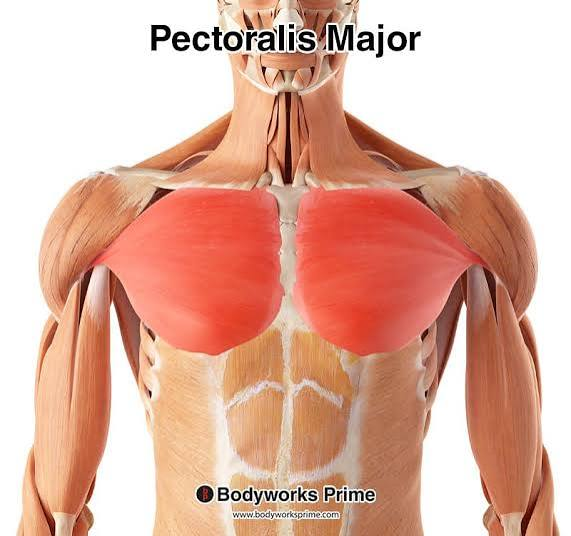
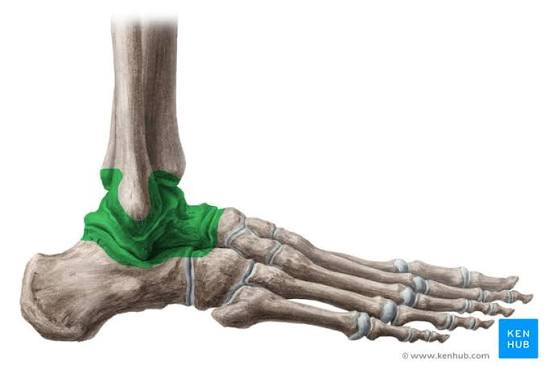
talocrural
upper limb

sural region

epigastric
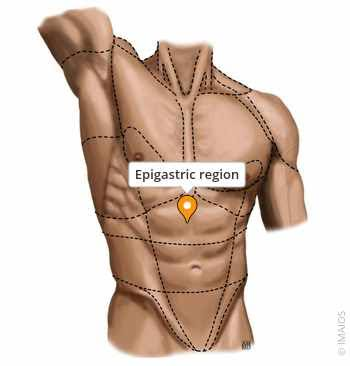
left hypogastric region
top left corner
left inguinal region
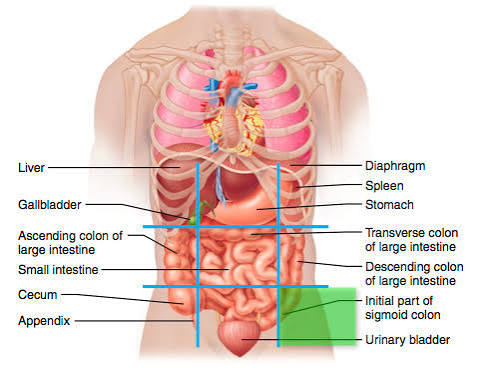
left lateral region of abdomen
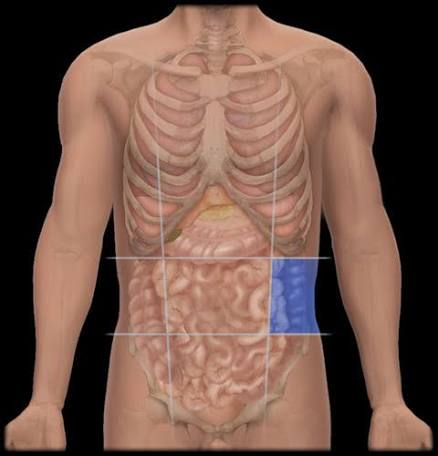
midclavicular lines
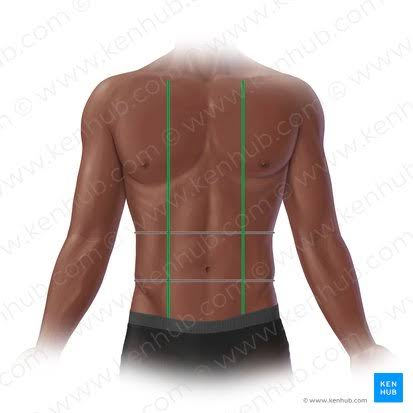
right hypochondriac region
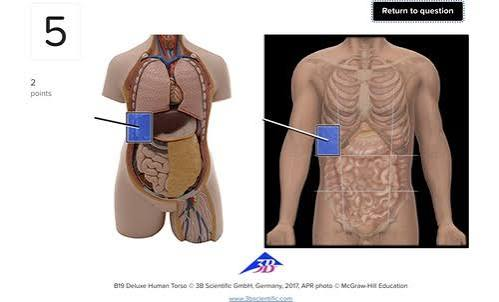
right inguinal region

right lateral region of abdomen
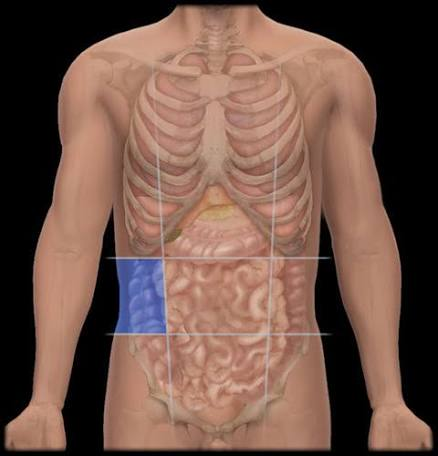
subcostal plane
above bellybutton line
umbilical region
middle core peice

left lower quadrant
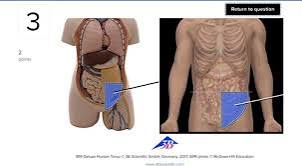
left upper quadrant

median plane
line through middle of quadrant/abdomen
right lower quadrant

right upper quadrant

transumbilical plane
line through quadrant left to right
oranganization
body’s structure and order
metabolism
sum of all chemical reactions that occur in body
Anabolism
small molecule join to form large (apart of metabolism)
Canabolism
large broken down to small
body using amino acids to build muscle proteins
anabolism
your body breaking down food for energy
catbolism
body breaking down food for energy and building new molecules
metabolism
responsiveness
ability to create and sense stimuli
pulling hand when touching someting hot
responsiveness