VCE Chemistry Organic Reaction Pathways (VCE Chemistry Unit 4)
 Call Kai
 Learn
Learn Practice Test
 Spaced Repetition
 Match
Match Flashcards
 Knowt Play
1/14

There's no tags or description
Looks like no tags are added yet.
Name | Mastery | Learn | Test | Matching | Spaced | Call with Kai | Chat |
|---|
No analytics yet
Send a link to your students to track their progress
15 Terms
Substitution, aqueous NaOH (OH⁻), no catalyst
Reaction type:
Haloalkane → Alkanol (not catalyzed)
substitution of H2O, catalyst (unspecified)
Reaction type:
Haloalkane → Alkanol (catalyzed - lesser used)
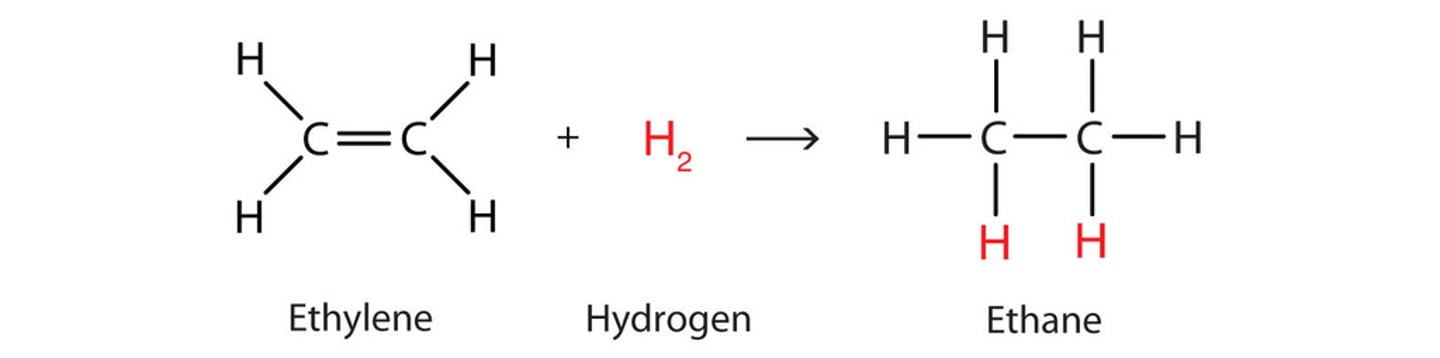
addition of H₂, catalyst Ni
Reaction type:
Alkene → Alkane
Addition/addition polymerization, catalyst (unspecified)
Reaction type:
Alkene → Poly(alkene)
Addition of halogen (eg Cl₂), NO catalyst
Reaction type:
Alkene → Dihaloalkane
Addition of halide (eg HCl), no catalyst
Reaction type:
Alkene → Haloalkane
Acidified (H+) strong oxidant (MnO₄⁻ (permanganate) or Cr₂O₇²⁻ (dichromate))
low temperature and short reaction time to avoid further oxidation
Reaction type:
Primary Alkanol → Aldehyde
Acidified (H+) strong oxidant, MnO₄⁻ (permanganate) or Cr₂O₇²⁻ (dichromate)
Reaction type:
Secondary Alkanol → Ketone
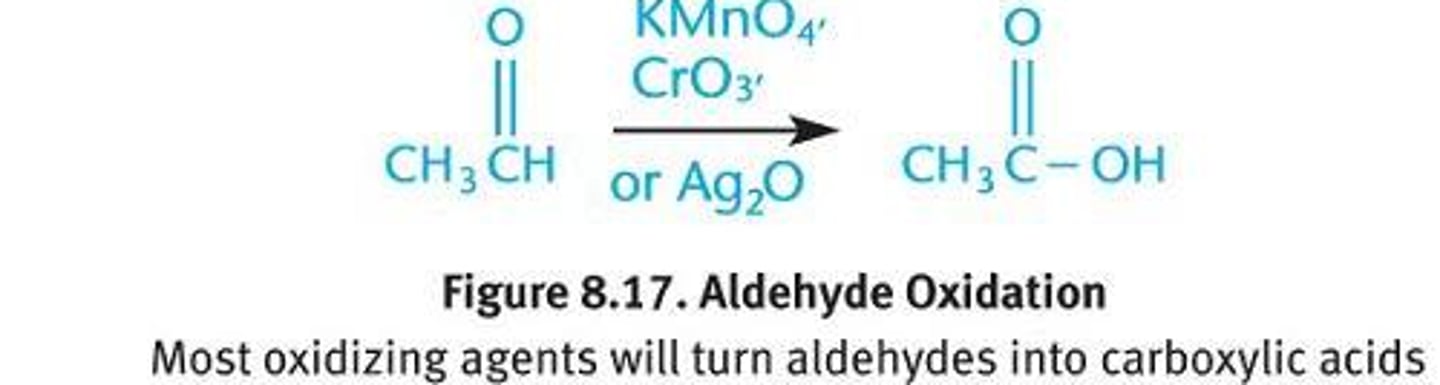
Acidified (H+) strong oxidant, MnO₄⁻ (permanganate) or Cr₂O₇²⁻ (dichromate), heat (warm temperature)
Reaction type:
Aldehyde → Carboxylic Acid
Acidified (H+) strong oxidant MnO₄⁻ (permanganate) or Cr₂O₇²⁻ (dichromate), heat (warm temperature) and longer reaction time to favour formation of carboxylic acid over aldehyde
Reaction type:
Primary Alkanol → Carboxylic Acid
Addition of steam (H₂O), catalyst of phosphoric acid (H₃PO₄) and high temperature (300 ̊C). Gas phase reaction.
Reaction type:
Alkene → Alkanol
Substitution of Halogen (Cl₂), catalyst of UV light. Further substitutions can occur if sufficient halogens are present.
Reaction type:
Alkane → Haloalkane
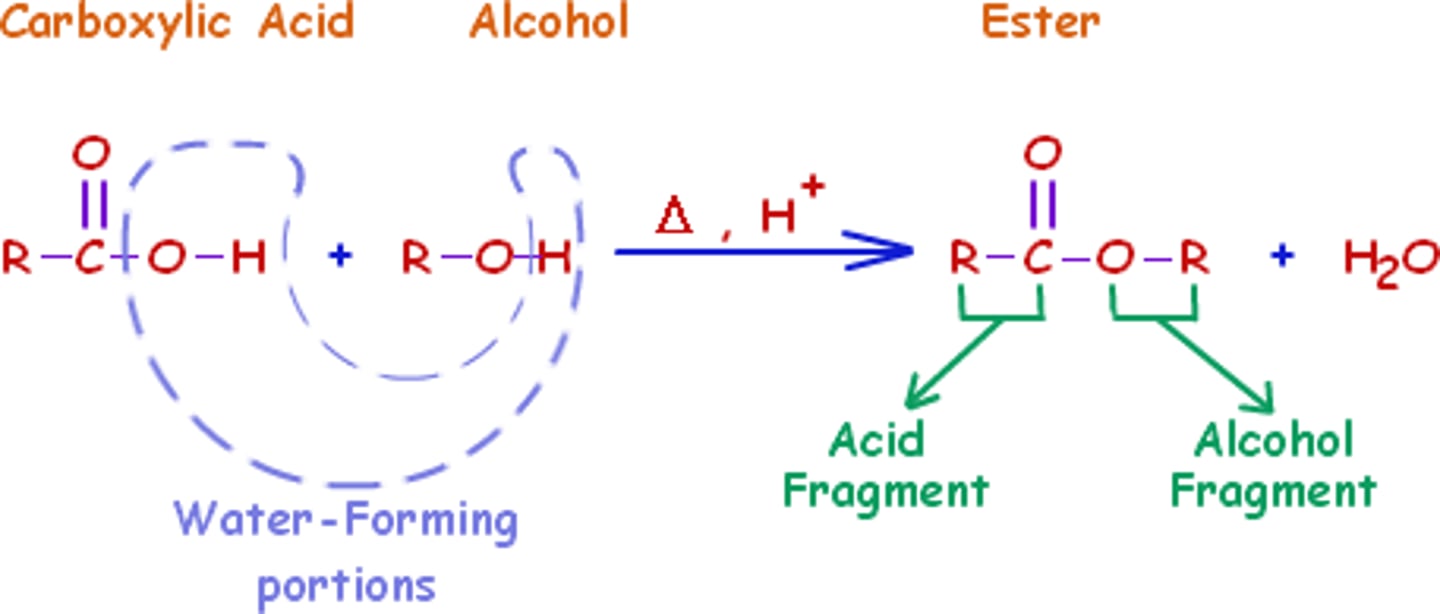
Condensation/Esterification, catalyst: concentrated H2SO4
Reaction type:
Carboxylic acid + Alcohol → Ester + water
Substitution reaction, reagent is ammonia
Haloalkane → Amine
Hydrolysis with H₂O, heat and catalyst of alkali or dilute acid.
Ester + water → Carboxylic acid + Alcohol