Lecture 9- toxicants affecting the cardiac and respiratory systems
 Call Kai
 Learn
Learn Practice Test
 Spaced Repetition
 Match
Match Flashcards
 Knowt Play
1/72

There's no tags or description
Looks like no tags are added yet.
Name | Mastery | Learn | Test | Matching | Spaced | Call with Kai | Chat |
|---|
No analytics yet
Send a link to your students to track their progress
73 Terms
arrhthmias
Bradycardia - Tachycardia
AV blockade
QT Prolongation
what will happen when a arrhythmia occurs
decrease cardiac function
chronic heart toxicity will cause
hypertrophy
malignant arrhythmia
xenobiotics can cause
etal gene expression causing heart hypertrophy
cell death causing heart failure
anti- arrhythmics
Na channel block, β blocker, K channel block, Ca channel block
inotropics
glycosides, Ca sensitizing, sympathomimetics
CNS drugs
phenothiazines, tricyclic antidepressants – postural hypotension
local anesthetics
cocaine, lidocaine, bupivacaine – Na channel block
anthracyclines
doxorubicin – ROS induced cardiomyopathy
antineoplastics drugs
5-fluorouracil (ECG), cyclophosphamide (hemorrhagic necrosis)
antibiotics
Aminoglycocides – reduce Ca channel, Ca binding
Macrolides - erythromycin
Flouroquinolones - moxifloxicin
antihistamines
terfenedine, astemizole
prokinetic drug
cisapride
methylxanthines
theophylline, caffeine
sildenafil
PDE 3 inhibitors
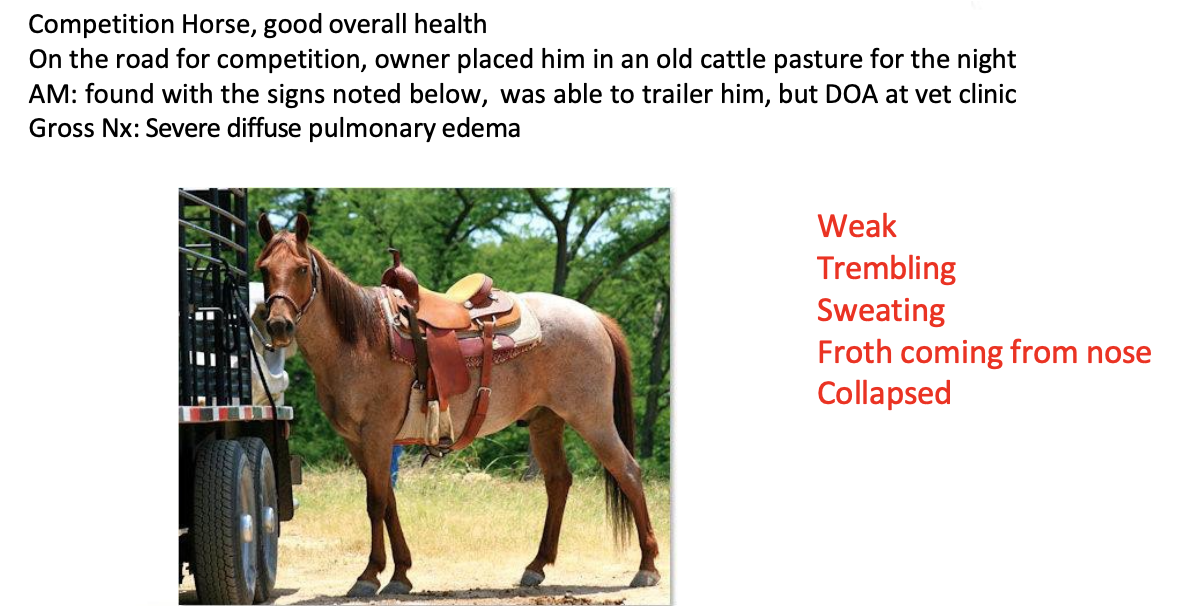
Ionophores – carboxylic polyether antibiotics, isolated from Streptomyces cinnamonensis
given as feed additive, coccidiostat
what does monensin do to horses
prolong depolarization, repolarization, V-tach, AV block
what does monensin do to cattle
QT, QRS prolongation, 1 degree AV block, muscle damage
ionophore toxicity often the result of
mixing error at feed mill
tri-aza-pentadiene compound used in flea collars of dogs.
amitraz
amitraz exerts toxicity by
inhibiting the enzyme monoamine oxidase and works as an a2- adrenergic receptor agonist
cardiac effect of a2 adrenergic agonists
bradycardia, first and second degree atriventricular and diminished cardiac output
good example of meloidae consumption
blister beetle
where can blister beetle be found
alfalfa fields where large swarms tend to congregate
when the fields are harvested the blister beetles are crushed and incorporated into the bales of hay
blister beetles contain what
cantharidin that is an inhibitor of the serine- threonine protein phosphatase
cantharidin blocks
the adenosine A1 receptors which regulate myocardial oxygen consumption, yielding anti adrenergic effect in ventricular cardiac myocytes
cardiac symptoms of cantharidin
increased heart rate and myocardial dysfunction and often colic in horses
thumps- diaphragmatic contraction due to hypocalcemia
signs of bufo toad poisoning
profuse, sometimes frothy salivation,
accompanied by vigorous head shaking,
pawing at the mouth, and retching
Cardiac and CNS involvement can be life-
threatening
how do bufo toads poison
parotoid glands secrete a milky- white fluid known as bufotoxin a mix of steroid lactone sthat include glycosides (bufadienolides) as well as epinephrine, norepinephrine, and serotonin
where are foxglove found
roadsides and meadows

foxglove
toxic principles of fox glove
Several digitalis glycosides.
All parts of the plant contain the toxic components; both fresh and dry material are
toxic.
toxicokinetics of foxglove
Absorbed from the GI tract and Half-life in dogs is 16 to 40 hours.
GI involvement eliminated by hepatic metabolism and in the urine.
including anorexia, colic and diarrhea often precede CV signs.
mechanism of toxicity of foxglove
inhibition of Na K pump resulting primarily in intracellular calcium imbalance and cardiac rhythm disturbances
toxic dose foxglove
has not been determine for plant material but blood level > 3 ng/ml are toxic in dogs
what causes during digitalis cardiac toxicity
Sinus bradycardia and arrest
A/V block (usually 2nd degree)
Atrial tachycardia with A/V Block
Development of junctional rhythm PVC’s, VT/ V fib (bi-directional VT)
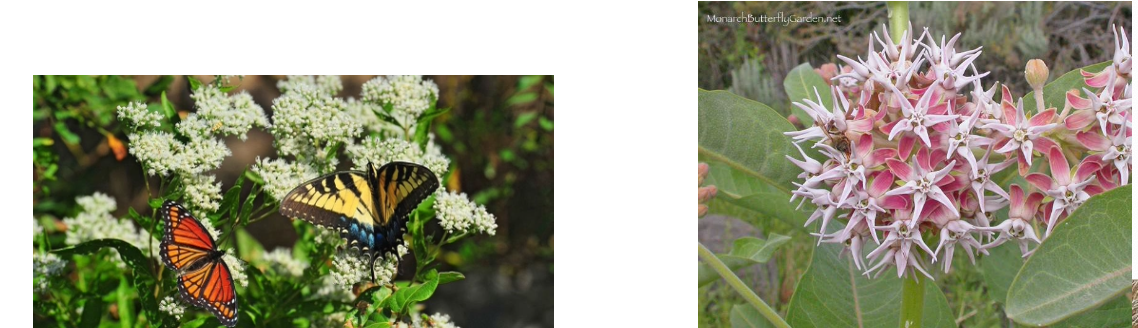
milkweed
toxic priniple of milkweed
cardenolides
galitoxin
toxicokinetics of milkweed
depending on the animal and plant symptoms usually appear within hours
mechanism of toxicity for milkweed
Several digitalis glycosides.
All parts of the plant contain the toxic components; both fresh and dry material are
toxic.
clinical signs of milkweed
begin with ataxia, depression, and weakness, labored breathing and in severe cases cardiac arrhythmias and seizures
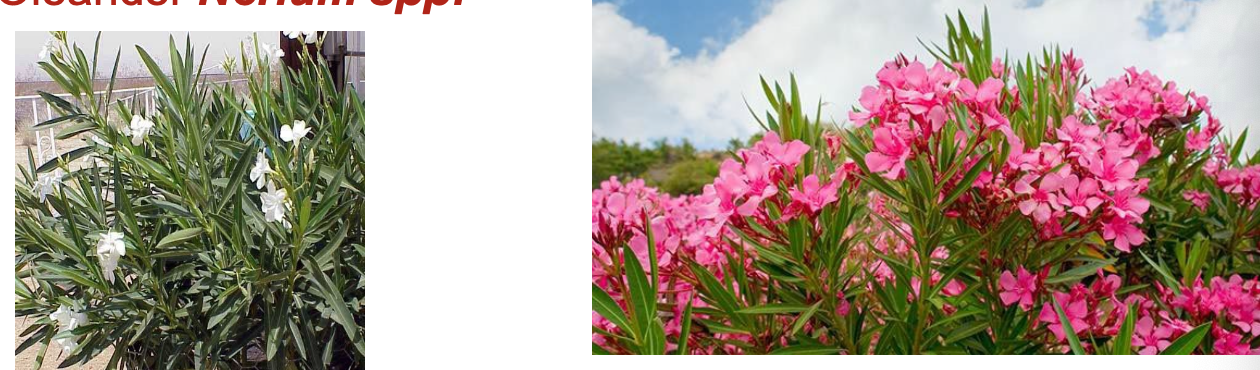
oleander nerium
toxic principles of oleander nerium
cardiac glycosides, oleandrin and neriine being the principle toxic agents
what is the most toxic part of oleander nerium
red flowers
toxicokinetics of oleander nerium
readily absorbed from the GI tract; large dose can be fatal within an hour
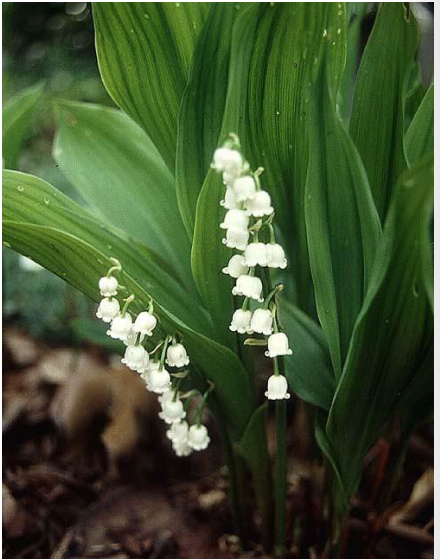
lilly of the valley
toxic principle of lilly of the valley
cardiac glycosides, convallotoxin
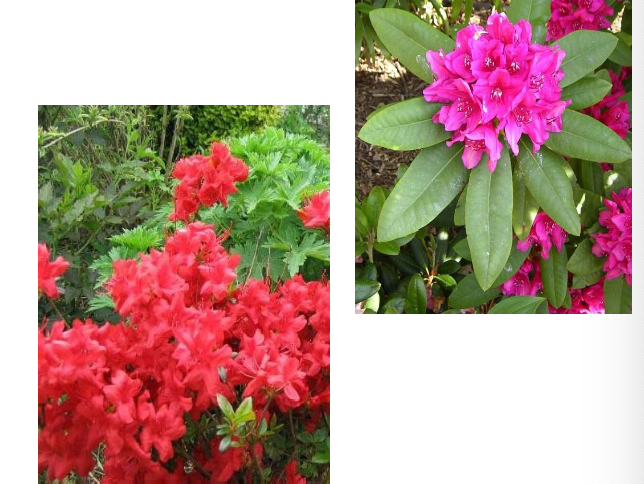
azalea
toxic principle of azalea
grayanotoxins
mechanism of toxicity of azalea
bind to voltage gated sodium channel producing a state of depolarization
diagnosis of azalea
depression, excess salivation, vomiting, bradycardia, arrhythmias, and seizures
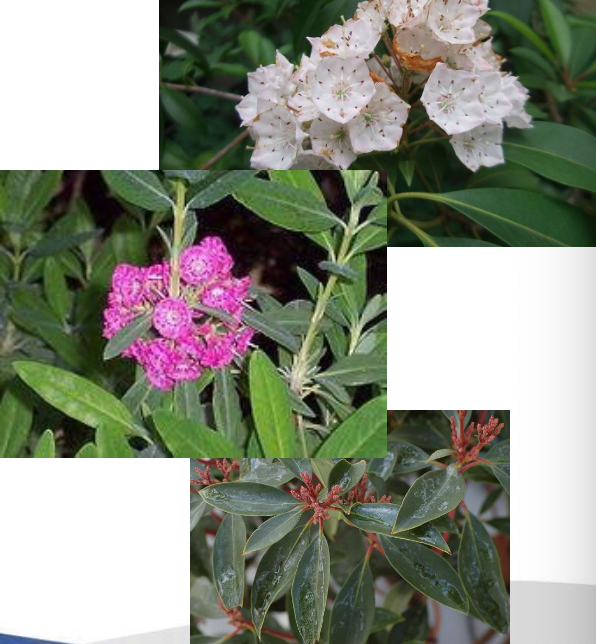
mountain laurel
what part of mountain laurel is the most poisonous
green part, flowers, twigs, and pollen
toxic principle of mountain laurel
grayanotoxins
mechanism of toxicity of mountain laurel
bind to voltage gated sodium channel producing a state of depolarization
clinical signs of mountain laurel
initial symptoms are excessive salivation, perspiration, vomiting, dizziness, weakness and paresthesia in the extremities and around the mouth, low blood pressure and sinus bradycardia
avocado toxic principle
persin
most poisonous part of avocado
leaves, bark, skin or pit
what does persin cause
myocardial necrosis
what can persin do to lactating animals
hemorrhage of mammary gland
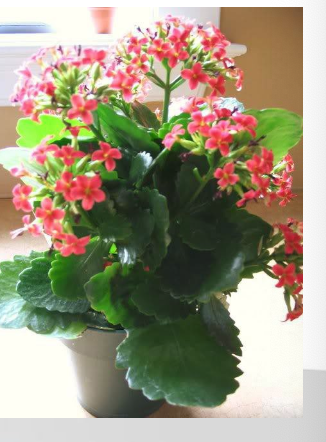
kalanchoe
toxic principle of kalanchoe
bufadienolides
when do clincial signs show for kalanchoe
after consuming 7 mg/ kg
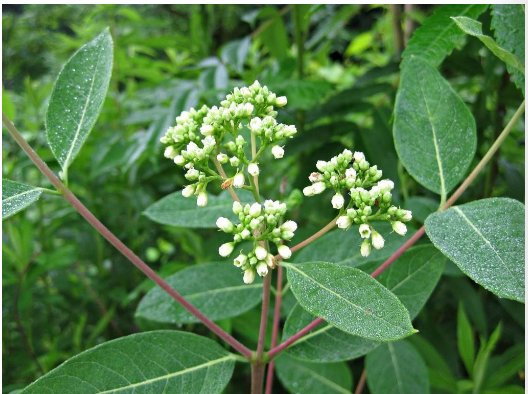
dogbane
what does dogbane contain
a resin, apocynin, and cardiac glycoside similar to foxglove digitalis
what animal is most affected by dogbane
sheep
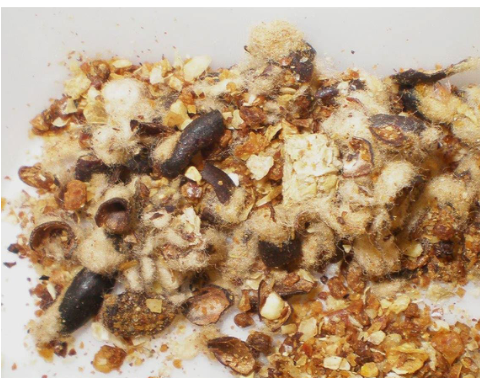
cottonseed
what is the major toxic ingredient in cottonseed
gossypol
prolonged exposure to cottonseed can cause
acute heart failure resulting from cardiac necrosis; hepatic, renal, reproductive, or other systems may also be affected
what type of animals are most affected by cottonseed
monogastrics
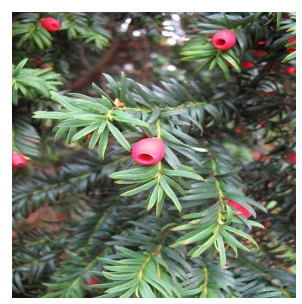
Yew Taxus
toxic principle of yew taxus
taxine alkaloids
mechanism of toxicity of yew taxus
taxine alkaloids produce direct effects on cardiac ion channels resulting primarily in conduction disturbances