Casa B-07A
 Call Kai
 Learn
Learn Practice Test
 Spaced Repetition
 Match
Match Flashcards
 Knowt Play
1/447

There's no tags or description
Looks like no tags are added yet.
Name | Mastery | Learn | Test | Matching | Spaced | Call with Kai | Chat |
|---|
No analytics yet
Send a link to your students to track their progress
448 Terms
What are the three basic sign categories
regulatory, information & warning

What does this shape and sign identify
Regulatory - a cirlce indicates a regulatory requirment and mandatory action

What does this shape and sign identify
Red - prohibation - prohibits an action

What does this shape and sign identify
Green - permission - allows an action

What does this shape and sign identify
Blue - Mandatory - requires an action

What does this shape and sign identify
Information - a sqaure indictes that the sign is for inofrmation only

What does this shape and sign identify
Red - Fire - provides information on fire equipment

What does this shape and sign identify
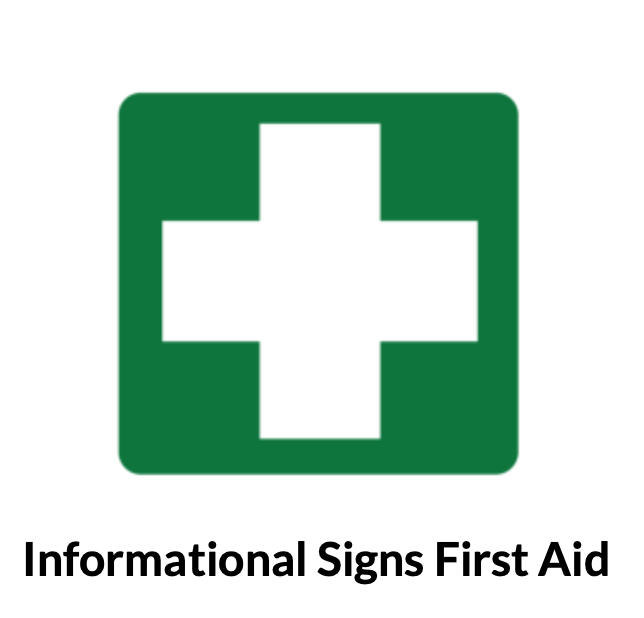
Green - First Aid/ Saftey equipment - provides informtion on first aid and saftey equipment

What does this shape and sign identify
Blue - Mandatory - provides general information or directions

What does this shape and sign identify
Warning - a triangle indicates caution or danger
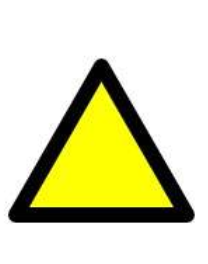
What does this shape and sign identify
Black on Yellow - indicates a potential risk
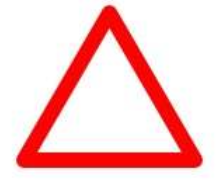
What does this shape and sign identify
Red on White - warns against a definite danger that can cause irreversible and serious injury or death
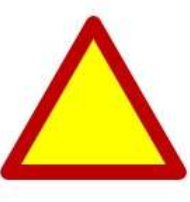
What does this shape and sign identify
Maroon on Yellow - indicates a radiation risk
A green and White sign indicates?
First Aid Equipment
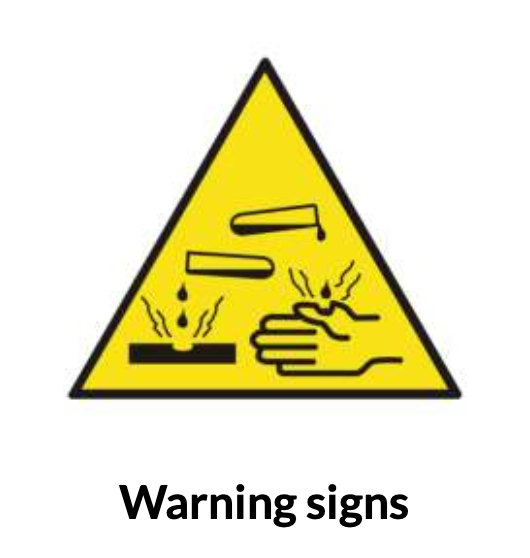
A yellow and black sign indicates
warning signs
Where can saftey colours be located?
Indicator lights or buttons, Pipes, Separate work areas, Machinery, Vehicles, aisles, floors and stairs
Red Indicator light or button identifies and controls?
Danger/Alarm - Stop/ emergency stop
Yellow/Amber Indicator light or button identifies and controls?
Caution - intervention
Green Indicator light or button identifies and controls?
Safe Condition - Start/On
Orange Indicator light or button identifies and controls?
Means warning - Steps, guardrails, low beams, storage cabinets for flammable materials, containers for corrosives or unstable materials
Yellow Indicator light or button identifies and controls?
Caution - Hazardous parts of machines which may cut, crush or injure a worker inside of movable guards or the inside of transmission guards for gears, pulleys, chains, etc. Exposed parts (edges only) of pulleys, gears, rollers, cung devices, power jaws, etc.
Things to remember when posting a sign
Signs should be; clearly visible and eaily read, an appropriate distance between sign and hazard, related signs should be placed side by side, no more than 4 signs in a row, directional signs should be visible from all angles
How high should a sign be hung from the ceiling?
2.2m above the floor
How can you make signs easy to read?
A signal word (DANGER/WARNING), Hazard symbol, information about consequences, intrstructions from how to avoid hazard
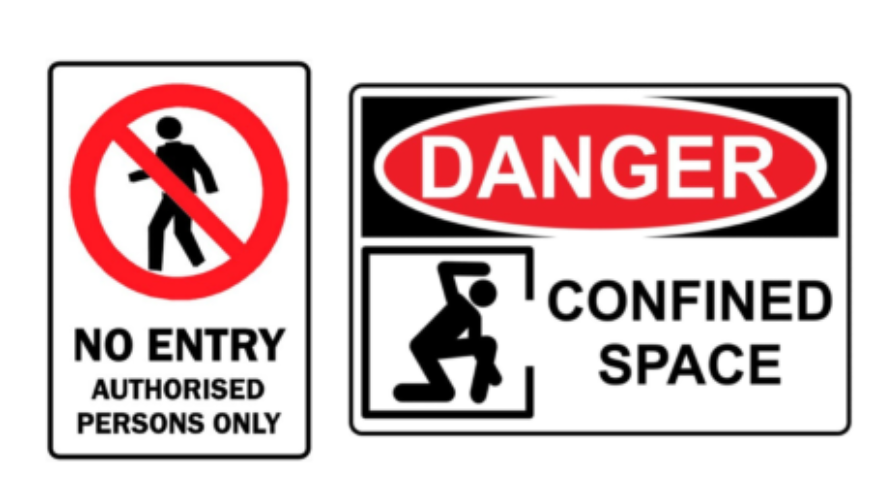
DANGER meaning?
To warn of an immediate or grave hazard that will de昀椀nitely cause serious, irreversible injury or death.
WARNING meaning?
To draw attention to a potential risk that could result in serious injury or death
CAUTION meaning?
To alert people to a potential risk that can cause minor or moderate injury. It may also be used to warn against unsafe practices.
What is an example of a cockpit signage?
Warning tags in the cockpit
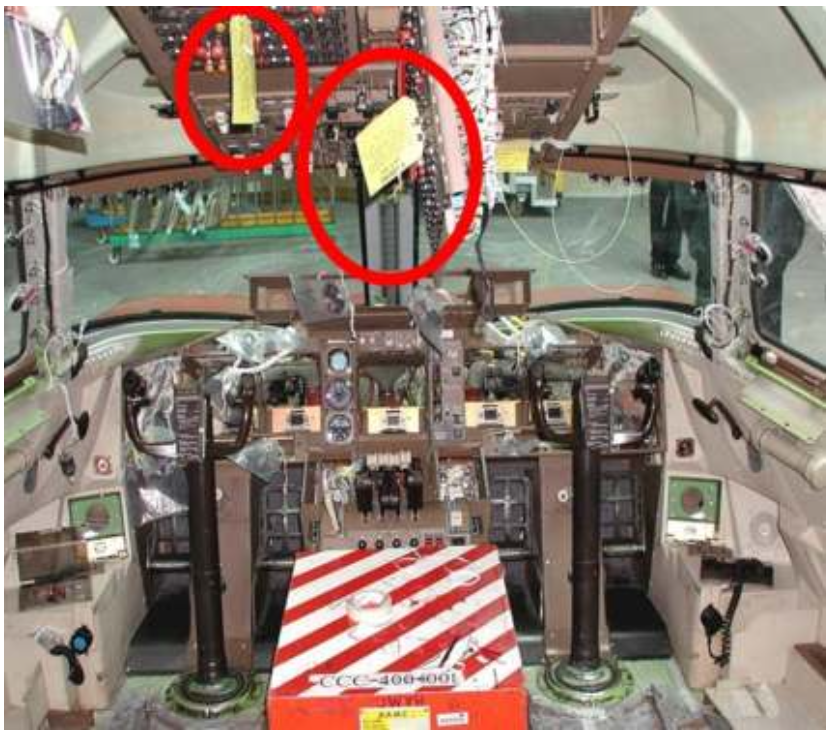
What is an example of a preventative cockpit measure
switches in the cockpit - with cooper saftey wire
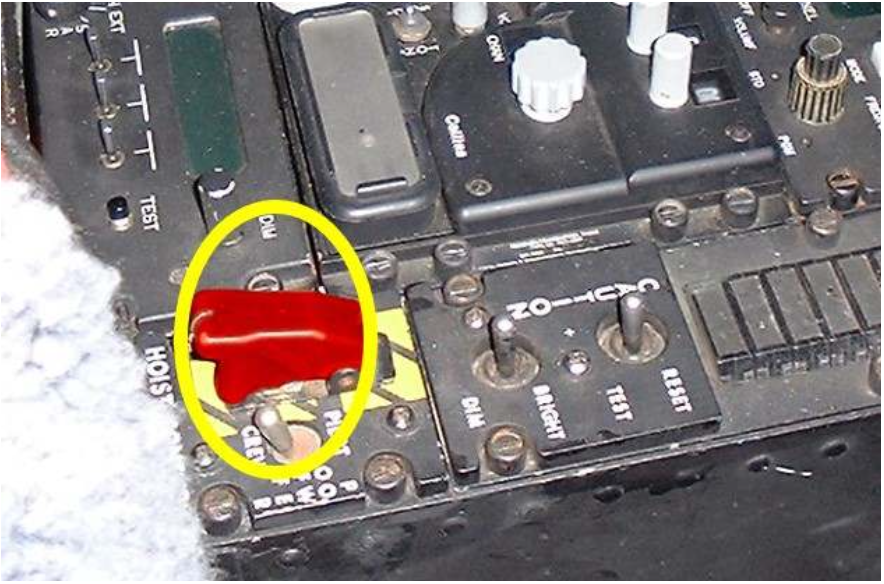
What role to handles play in the saftey in the cockpit?
Red handles or levers indicate emergency operation or release
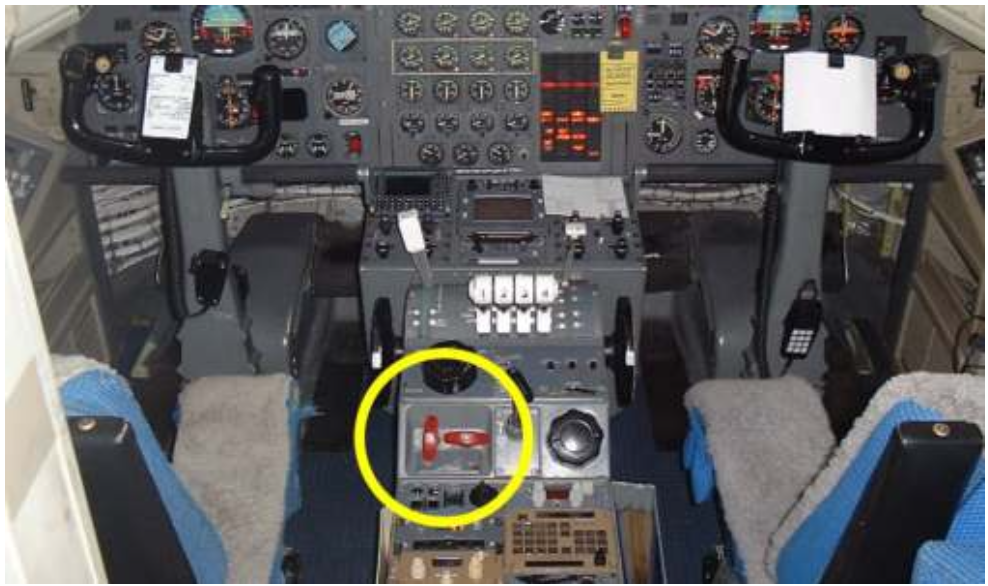
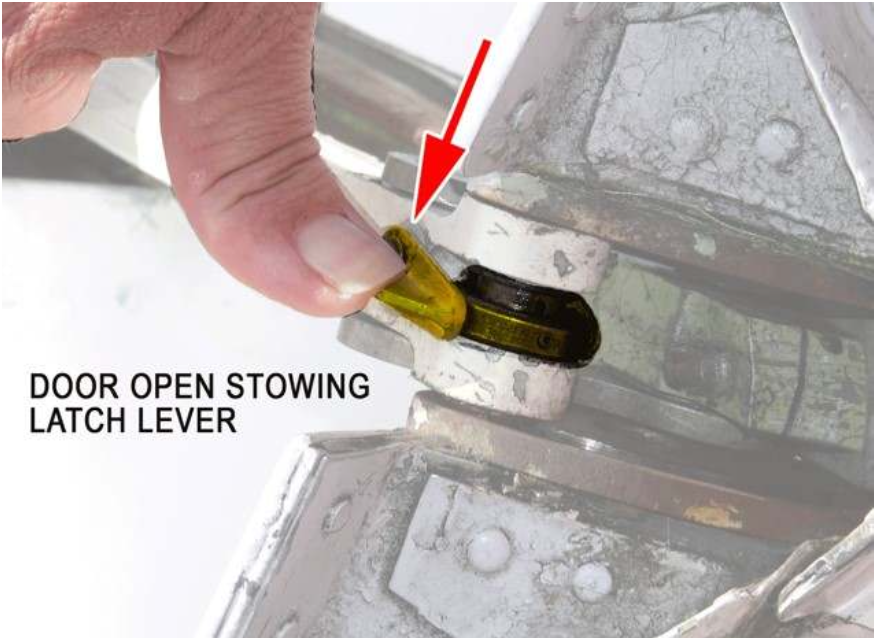
Why are some components painted yellow on aircraft?
for easy identification - like door stowing latches
What is a biological hazard?
Hazardous material is any material that, because of its quantity, concentration, or physical or chemical characteristics, may pose a substantial hazard to human health or to the environment when purposefully released or accidentally spilled.
What does this sign indicate?
Tie-down point/ mooring point


What does this sign indicate?
Jacking point

What does this sign indicate?
Earthing Point

What does this sign indicate?
Lifting Point
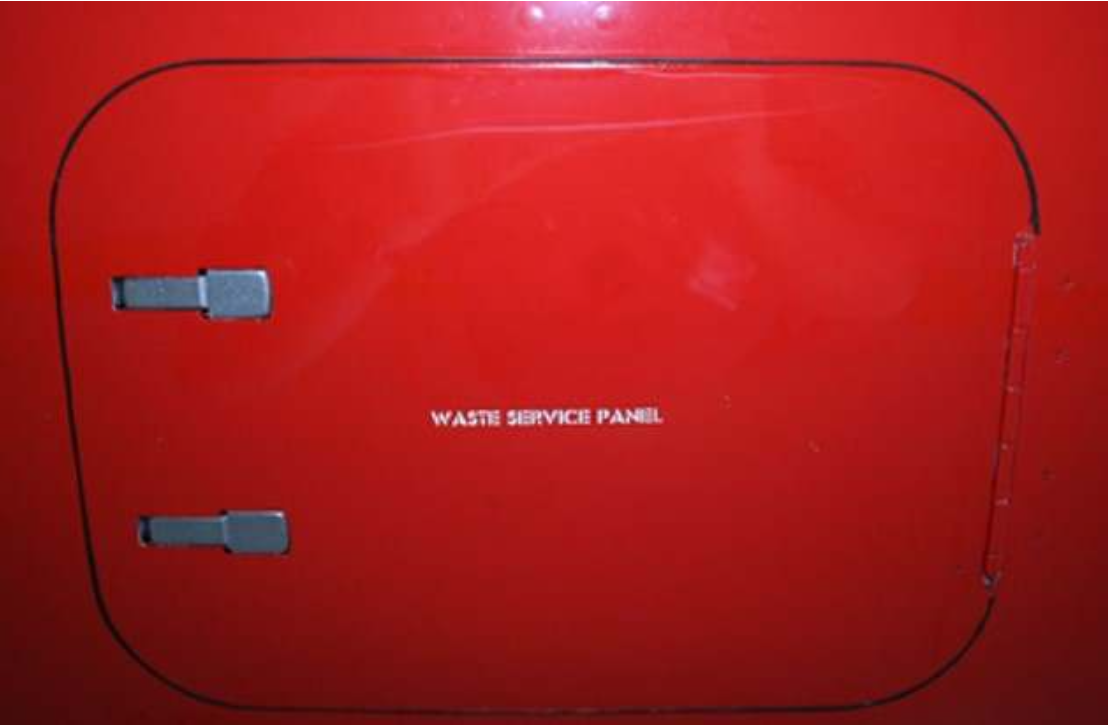
How are access panels identified?
by the aircraft manufacturer’s alphanumeric code, while servicing panels are placarded with their description. This can be found in the AMM
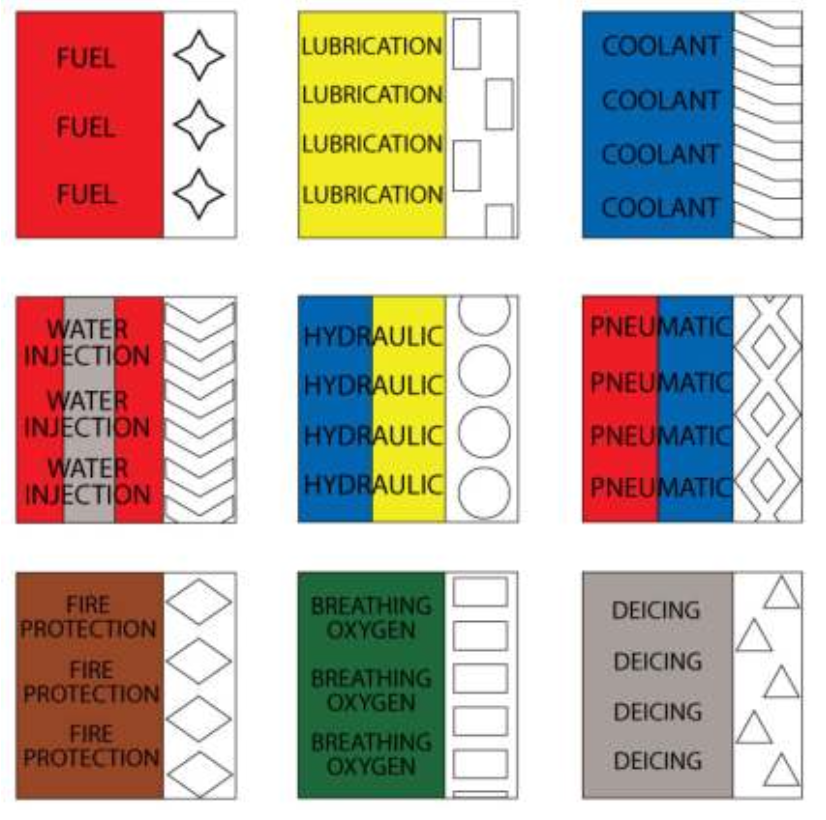
Fluid line identification are coloured to?
Aircraft fluid hoses, pipes and tubing are identified by colour-coded decal strips. The name of the fluid is
printed across the decal, followed by a standardised symbol. Normally, the symbol identifies the direction of flow.
What is the rule with aircraft propellers?
Treat all propellers as ‘Live’ at all times.
This is particularly important with piston-engine aircraft which have magneto grounding switches which are not always reliable
Why is there a higher risk at night with propellor aircraft?
At night, be aware that rotating propellers may appear stationary under the effect of strobe lighting.
What is FOD
foreign objects and debris
How is FOD caused, and why is it important to eliminate it?
Foreign object damage (FOD) is often caused by poor housekeeping and everyday carelessness. The use of protective covers, FOD walk-arounds and a positive Tool Control Program can eliminate the problem.
FOD can cause damage to the aircraft and present as a hazard to engineers.
When working on aircraft wheels and tyress it is important to always?
Inflate to the Maintenance Manual recommended pressure. Use the gas recommended in the Maintenance Manual - typically nitrogen. Use a regulated supply, not high-pressure shop air. Deflate the tyre before attempting to split the wheel.
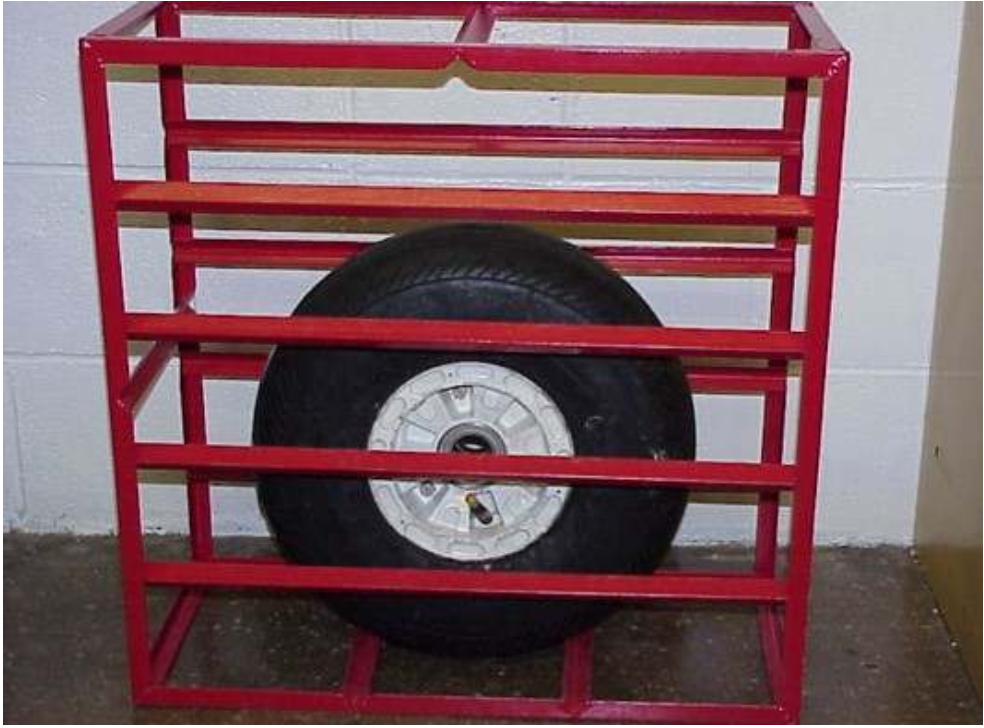
What is the purpose of the wheel saftey cage?
The cage is protection against injury caused by a bursting tyre, wheel or wheel tie-bolt failure.
Name a few compressed air hazards
Inspect air lines for abrasion, chemical damage, cracking, etc.
Never direct the jet of air towards persons, animals or your body.
Never look into the end of a compressed air device.
Never use compressed air to blow dust or dirt off clothing or body parts.
No horseplay with air hose.
Never kink the hose to stop airflow 3 turn it off at the control valve.
When using air for cleaning, make sure the pressure is no higher than 30 psi.
Always wear eye protection when using compressed air.
Before attempting to disconnect a hose from an air line, cut the air off and bleed the remaining air from the line.
Do not modify any air tool. Even the holes on the side of a compressed air blower or nozzle are there for a reason. Air at over 20 or 30 psi can cut through skin.
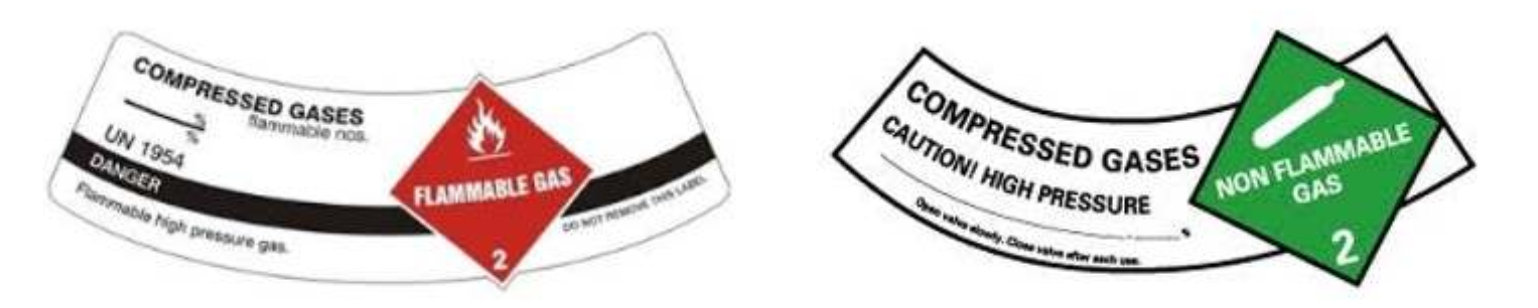
Will Oxygen burn?
Oxygen itself will not burn; however, combustion cannot occur without oxygen
Why is oxygen so dangerous?
As the atmosphere becomes more oxygen enriched, the ignition temperature of substances decreases. In a 100% oxygen-enriched atmosphere, there is a thousandfold increase in the ignitability of mostubstances.
What are common ignition sources of oxygen?
burning cigarette, engine exhaust, an electrical arc, a spark - inclduing an electrostatic spark
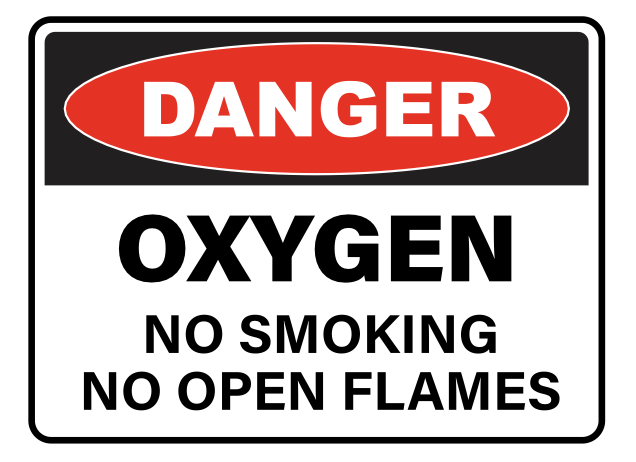
What should you do to prepare the aircraft for oxygen servicing?
Always refer to chapter 12 and 35 of the AMM, Ensure that the aircraft is grounded.
Then ground the oxygen trolley to the aircraft.
Switch off aircraft electrical power.
There must be no operating powered equipment within 50 feet of the servicing area. Aircraft must not be serviced with fuel, oil, or anti- icing fluids.
Ensure the oxygen servicing area is free of combustible materials, especially fluids.
Describe the importance of cleanliness
Keep hands, clothing, tools, and the work area clean. No oil, grease, hydraulic fluid, or dirt. Use only oxygen-clean components.
Contamination can cause fire or explosion. Only use components from a sealed, labeled bag confirming oxygen-clean status, since some fittings look identical to non-oxygen-clean parts. If parts need cleaning, follow approved oxygen system cleaning procedures, including tube caps and plugs. The image shows fire damage caused by oxygen contacting components with leftover petroleum-based lubricant.
why is it important to operate an Oxygen Valve Slowly
Open and close oxygen shutoff valves slowly. Release oxygen line connections slowly too.
Fast action raises system temperature to ignition point. Rapid valve opening or pressure release causes high-velocity oxygen, pushing particles fast enough to generate frictional heat. Dead ends, like a regulator on a cylinder, can heat oxygen through compression instead. Either way, fire risk.
What is an oxygen-safe lubricant?
PFPEs are tested and approved for oxygen compatibility. They're non-flammable and resist deterioration.
Fluorine replaces hydrogen in the molecule, making it stable in reactive environments. Their strong film-forming ability creates a thick oil layer, cutting friction and wear, extending equipment life. Non-oxidizing oils mean longer-lasting greases.
Qantas uses Krytox
What PSI are oxygen bottles filled to?
1850PSI approximately
What is the oxygen purity SAE standard
SAE AS8010D
Why must moisture levels in oxygen systems be kept extremely low?
Because moisture can cause corrosion and freezing problems.
What is the minimum pressure at which an oxygen cylinder should be discharged?
50 PSI
Why must a cylinder not be discharged below 50 psi?
To prevent moisture from entering the cylinder/system.
What does the lettering on an oxygen cylinder say?
AVIATOR’S BREATHING OXYGEN
What are the key things to remember about oxygen cylinder servicing?
Follow AS1065A for quality/serviceability, AS8010D for purity, keep moisture extremely low, never discharge below 50 psi, and ensure the cylinder is correctly identified as Wakefield Green with visible white lettering.
What does LOX stand for?
Liquid Oxygen
Why does LOX require special precautions?
extremly low temperature and explosive nature
What PPE is mandatory when handling LOX?
Protective clothing, face sheilf, gloves, apron, and shoes
What does EHP stand for?
Extra high pressure
What colour are oxygen replenishment cylinders?
Black and white neck
What is the max PSI of an EHP oxygen cylinder
3600 PSI
Why are oxygen clinders hydrostatically tested?
To ensure their continued saftey
What is checked during a hydrostatic test?
Stress cracks and corrosion
what pressure is used during a hydrostatic test?
1.67 times the cylinder’s rated pressure
Who can establish the cylinder’s service life limit?
regulatory authorities, the manufacturer and/or the airline
Can oil or grease be used around oxygen systems?
No
Can oxygen be used to dust off components or work areas?
No
What should oxygen systems be kept away from?
High temperatures and ignition sources
Why should oxygen valves never be opened rapidly?
It can cause a rapid rise in temperature
What type of tools must be used on oxygen systems?
Tools from a dedicated oxygen tool kit.
What must be grounded before oxygen servicing?
The aircraft, oxygen cart and equipment.
What must be checked when refilling an oxygen system?
That only Aviator’s Dry Breathing Oxygen is being used.
Remember: Electricity can KILL
The human body is not designed to withstand a continuous application of electricity
What determines the current flowing through the body during an electric shock?
The voltage and resistance of the circuit (the body).
What can dangerous current through the body do to the heart?
Cause it to stop or go into ventricular fibrillation.
What can happen below 2 mA?
Mild sensation.
What happens at 2–8 mA?
Obvious and increasingly painful shock sensation.
What happens at 8–12 mA?
Muscle spasms and pain.
What happens at 12–20 mA?
Loss of muscle control; you may be unable to let go of a live conductor.
What can happen at 20–50 mA across the chest?
Breathing may stop due to interference with heart and lung muscles.
What can happen at 50–100 mA across the chest?
ventricular fibrillation can occur.
What can happen at 100–200 mA?
The heart may stop beating.
What can happen above 200 mA?
Severe burns.
Can a very high voltage always cause a dangerous shock?
No. The current and duration also matter.
Why can a static electricity shock of 20,000+ volts be relatively harmless?
It has extremely low current and very short duration.
Is a 9 V battery normally capable of driving a dangerous current through the body?
No, its voltage is insufficient.
Why is a 240 V AC power point dangerous?
It can drive a very dangerous current through the body and can be potentially lethal.
Approximately how much voltage can a lightning strike have?
About 300 million volts.
Approximately how much current can lightning deliver?
Around 30,000 amps.
Name four chemicals/substances aircraft engineers may work with.
Oils/greases, hydraulic fluids, paints, cleaning compounds, sealants or solder.
Why are chemical fumes dangerous?
They can be inhaled and may cause harmful effects.
Do all dangerous chemical fumes have a smell?
No
What should you do if noxious fumes are detected?
Inform colleagues and the supervisor immediately so the area can be evacuated and the source investigated.
What are solvents mainly used for?
Cleaning/dissolving oils and greases before inspection or assembly.
Name two hazardous solvents.
Acetone and trichloroethylene.
How can solvents enter the body?
Inhalation, ingestion or absorption through the skin.