B15.4 Sexual reproduction in humans
 Call Kai
 Learn
Learn Practice Test
 Spaced Repetition
 Match
Match Flashcards
 Knowt Play
1/28

There's no tags or description
Looks like no tags are added yet.
Name | Mastery | Learn | Test | Matching | Spaced | Call with Kai | Chat |
|---|
No analytics yet
Send a link to your students to track their progress
29 Terms
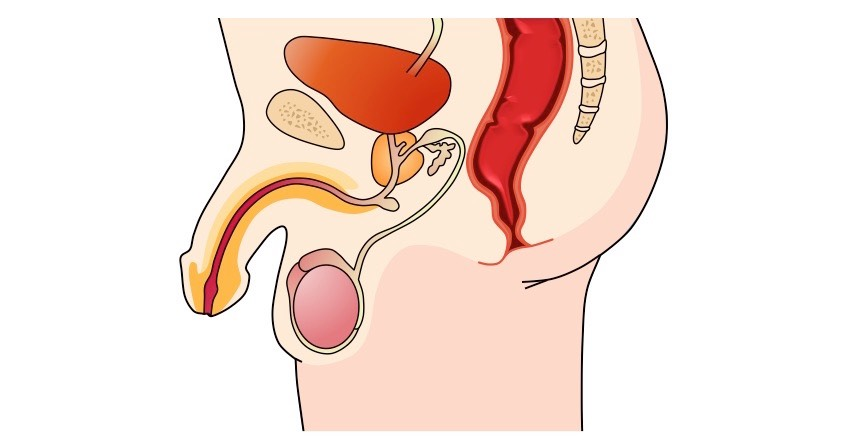
Label male reproductive system diagram
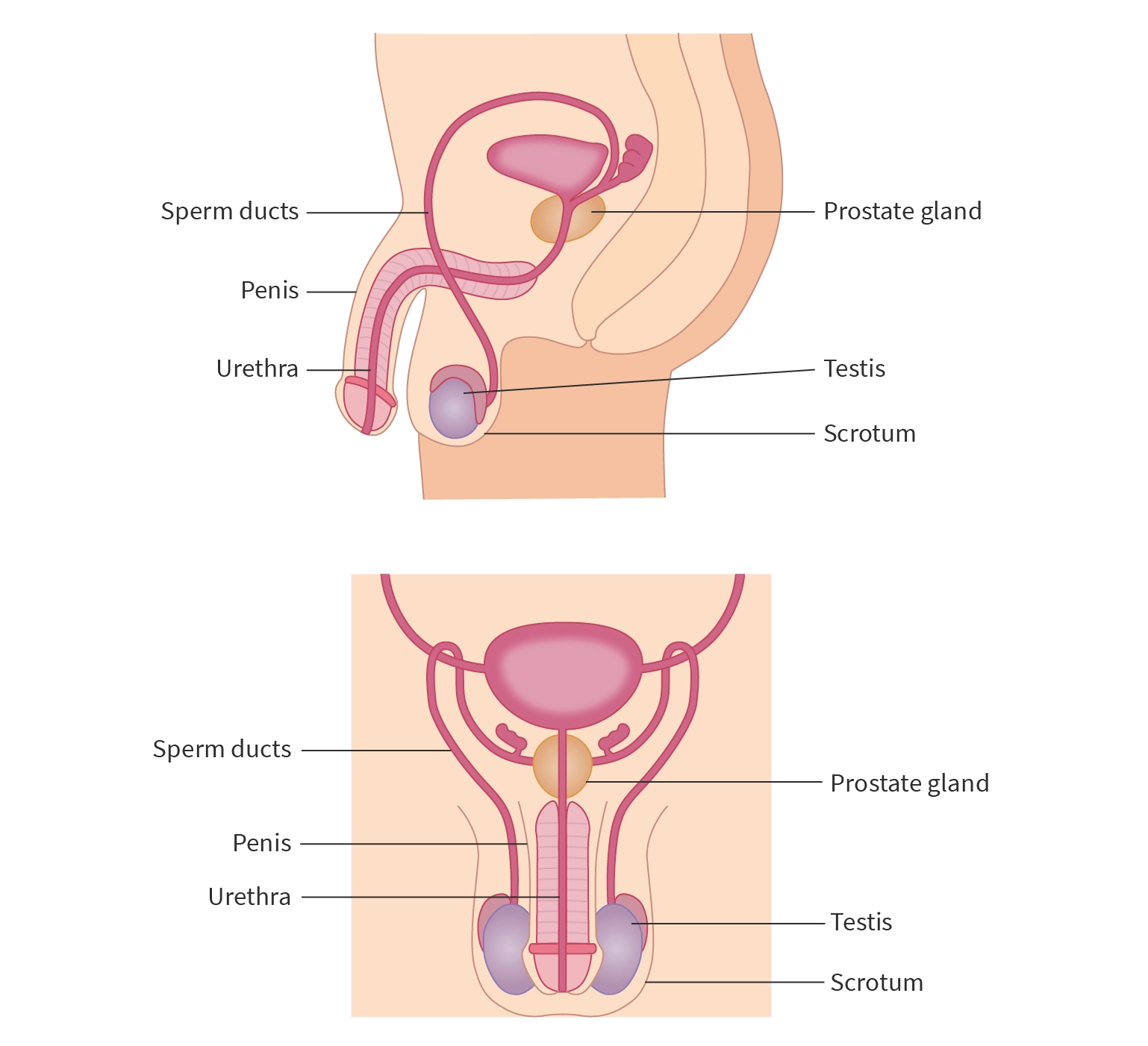
What is the function of the testes?
Produces sperm (male gamete) and testosterone (male hormone)
What is the function of the scrotum?
Sac supporting the testes and covering them, maintains sperm at a temperature slightly lower than the rest of the body
What is the function of the sperm ducts?
Tube where sperm passes through which connects testes to urethra for ejaculation
What is the function of the prostate gland?
Produces semen — fluid which provides sperm cells with nutrients
What is the function of the urethra?
Tube running down center of penis — can carry out semen or urine
What is the function of the penis?
Passes urine out of the body from the bladder and allows semen to pass into the vagina during intercourse
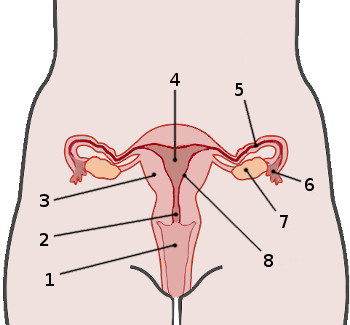
Label female reproductive system diagram
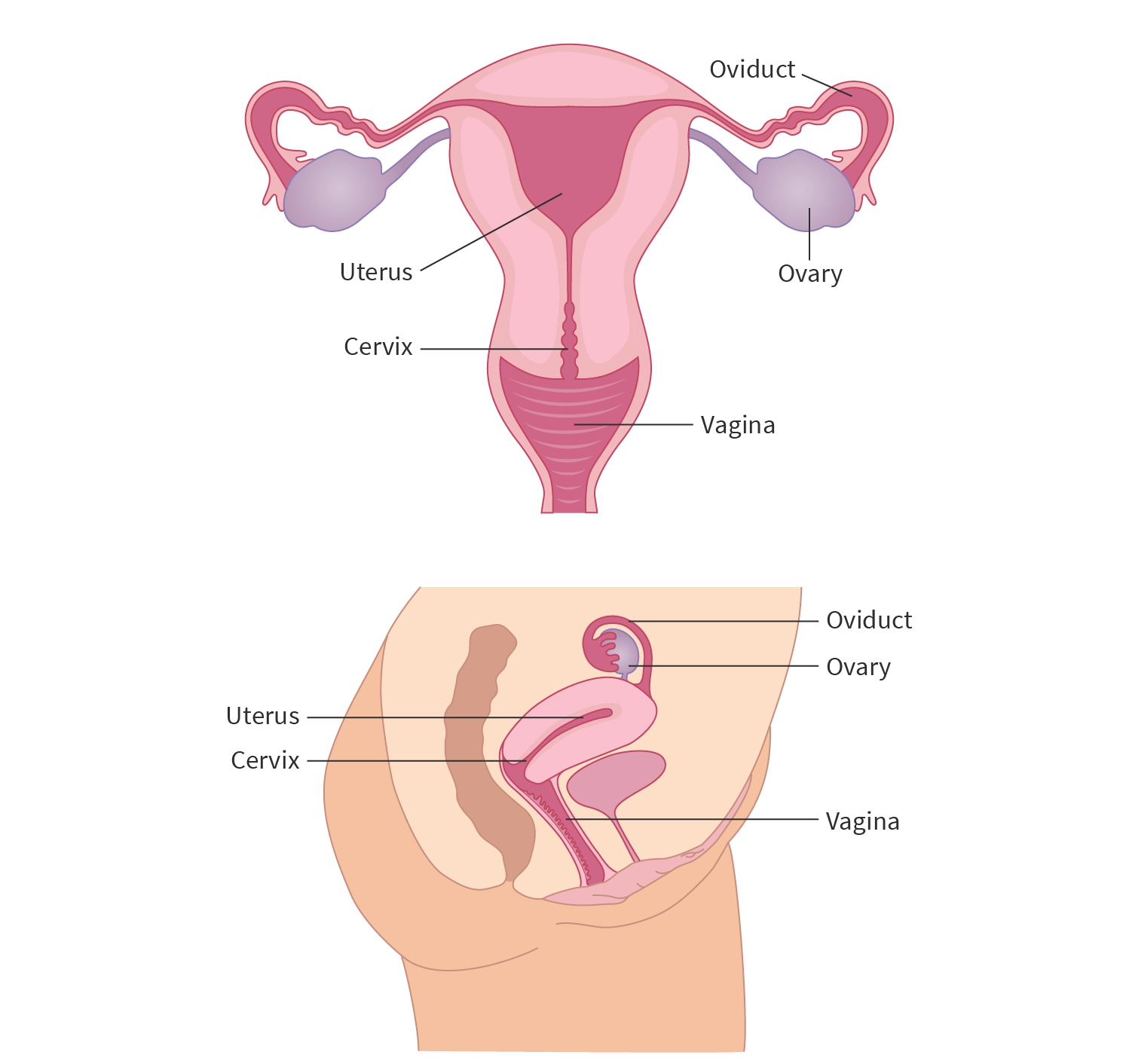
What is the function of the ovaries?
Contains egg cells (female gametes) which mature and hormones (oestrogen and testosterone)
What is the function of the oviducts?
Connects ovary to uterus, lined with ciliated cells to push released ovum down the duct — fertilisation occurs here
What is the function of the uterus?
Organ with soft lining where fertilised zygote implants in its lining to develop into a fetus during pregnancy
What is the function of the cervix?
Ring of muscle between vagina and uterus — keeps fetus in place during pregnancy
What is the function of the vagina?
Muscular canal that leads to inside of woman’s body — male’s penis and newborn can pass through here
What is fertilisation and where does it take place?
The fusion of the nuclei from a male gamete (sperm cell) and a female gamete (egg cell)
Takes place in oviducts
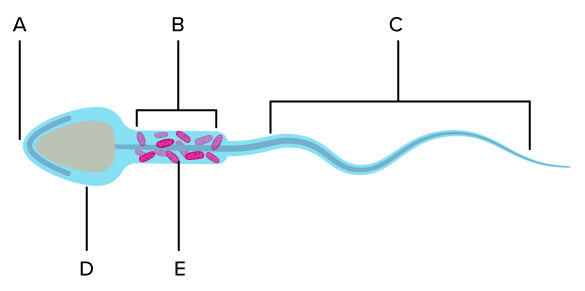
Label parts of male gamete
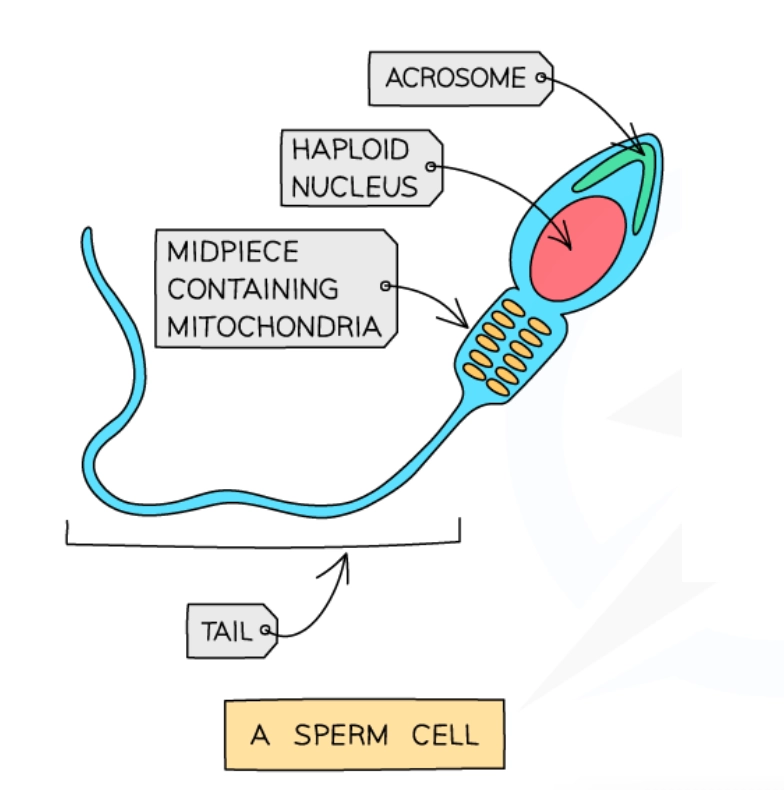
What are the adaptations of a sperm cell?
Has flagellum (tail): allows it to swim to the egg cell
Contains enzyme in acrosome (head region): allows it to digest through the jelly coat and cell membrane of the egg cell when it is in contact with one
Contains many mitochondria: to provide sperm cell energy from respiration so that the flagellum can move back and forth, which allows it to swim to the egg
Describe the sperm cell in terms of size, structure, motility and numbers
Size: very small
Structure: head region and flagellum, has many structural adaptations
Motility: capable of movement
Numbers: produced everyday in huge numbers
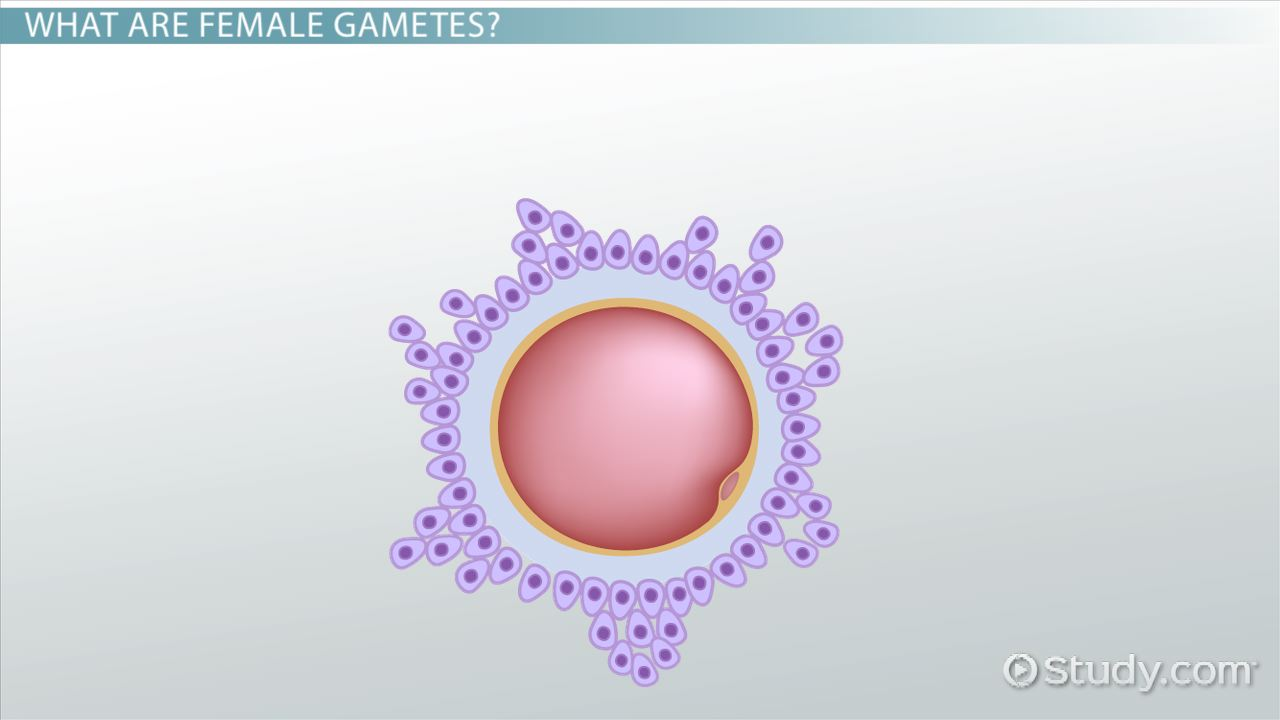
Label parts of a female gamete
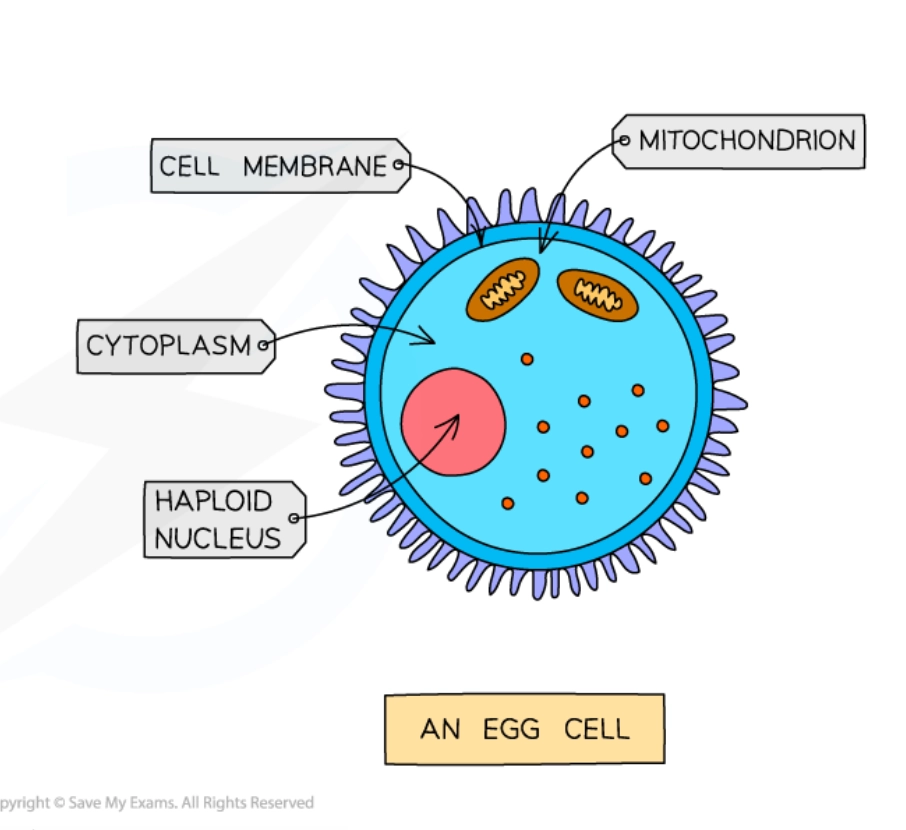
What are the adaptations of an egg cell?
Has cytoplasm which contains a store of energy: provides energy needed for dividing the zygote after fertilisation
Has a jelly-like coating which changes after fertilisation: forms an impenetrable barrier after fertilisation to prevent other sperm nuclei from entering
Describe the egg cell in terms of size, structure, motility and numbers
Size: large
Structure: round cell covered in jelly coating, has few structural adaptations
Motility: not capable of movement
Numbers: many immature eggs in each ovary, only one is released per month
What are the two types of sexual characteristics?
Primary sexual characteristics: differences in reproductive organs between males and females
Secondary sexual characteristics: changes — controlled by hormones — that occur during puberty
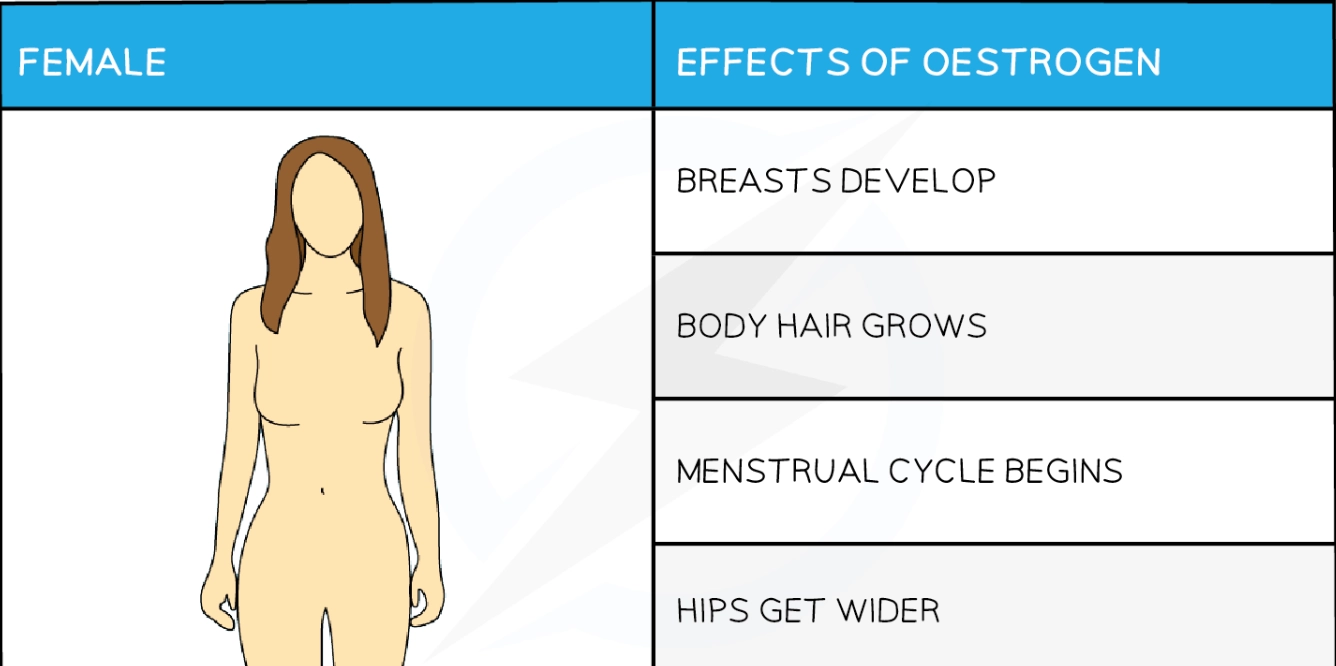
What are the female secondary sexual characteristics?
Emotional changes
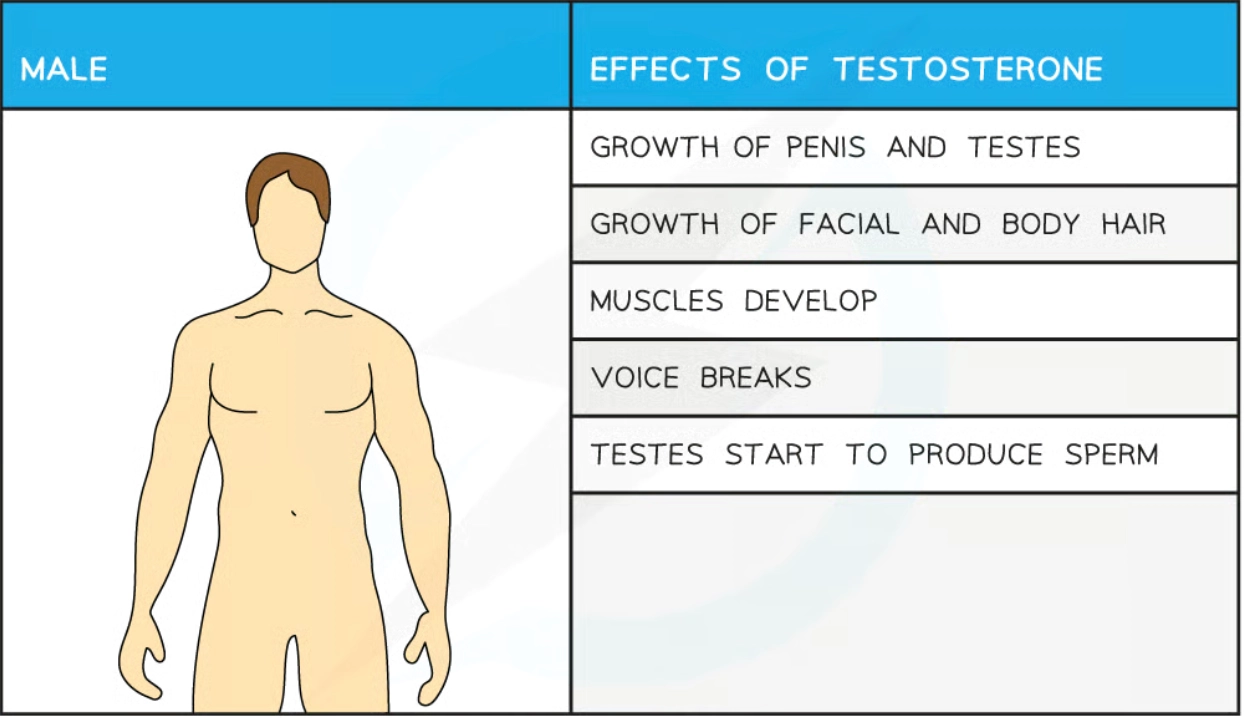
What are the male secondary sexual characteristics?
Emotional changes
What is the menstrual cycle?
A 28 day process controlled by hormones where changes in the ovaries cause the uterus lining (endometrium) to thicken to prepare for pregnancy, or shed if pregnancy does not happen
Has 4 stages
What are the names of the 4 stages of the menstrual cycle?
Menstruation
Follicular
Ovulation
Luteal
Describe the first phase of the menstrual cycle briefly
Stage #1: Menstruation Days 1-5
Endometrium breaks down and is removed from the body
Referred to as a “period”
Describe the second phase of the menstrual cycle briefly
Stage #2: Follicular Days 6-13
Egg matures in ovary
Endometrium rebuilds
Describe the third phase of the menstrual cycle briefly
Stage #3: Ovulation Day 14
Egg is released from ovary
Egg begins to slowly move towards the uterus via the oviduct
Describe the fourth phase of the menstrual cycle briefly
Stage #4: Luteal phase Days 15-28
Endometrium maintained
If no fertilisation then the endometrium breaks down
If fertilisation occurs then the cycle is broken