Cell stuff etc
 Call Kai
 Learn
Learn Practice Test
 Spaced Repetition
 Match
Match Flashcards
 Knowt Play
1/74

There's no tags or description
Looks like no tags are added yet.
Name | Mastery | Learn | Test | Matching | Spaced | Call with Kai | Chat |
|---|
No analytics yet
Send a link to your students to track their progress
75 Terms
MODERN CELL THEORY
The cell is the most basic unit of life
All organisms are made of cells
All cells arise from other cells
All cells have similar biomolecules and biochemical reactions
All cells contain genetic material which is passed from one cell to another
All chemical and physiological processes in the body happen in the cell
BIOMOLECULES
Molecule produced by living organism
Carbohydrate
Made of: Monosaccharides (ex starch, cellulose)
Protein
Made of: Amino acids (ex enzymes, hormones)
Lipid
Made of: Fatty acids, glycerol (ex steroids, fats)
Nucleic acid
Made of: Nucleotides → made of nitrogenous base, pentose/five-carbon sugar (sugar backbone), >=1 phosphate group
Nucleic acid: DNA (Deoxyribonucleic acid)
Nitrogenous base pairing: Adenine-Thymine (A-T), Cytosine-Guanine (C-G) → purine: adenine, guanine ; pyrimidine: thymine, cytosine
Sugar backbone: Deoxyribose
Double strands
Nucleic acid: RNA (Ribonucleic acid)
Nitrogenous base pairing: Adenine-Uracil (A-U), Cytosine-Guanine (C-G) → purine: adenine, guanine ; pyrimidine: uracil, cytosine
Sugar backbone: Ribose
Single strand
TYPES OF CELLS
Cell type
Prokaryote
No true nucleus
No membrane-bound organelles
Mostly unicellular
Kingdoms: Archaea, Bacteria
Unique organelles: Nucleoid region, capsule, plasmid (extra circular DNA), pilli
Eukaryote
True nucleus
Membrane-bound organelles
Unicellular, multi
Kingdoms: Animalia, Plantae, Fungi, Protista
Organelles also present in prokaryotes: Ribosomes, cytoplasm, cell membrane, genetic material
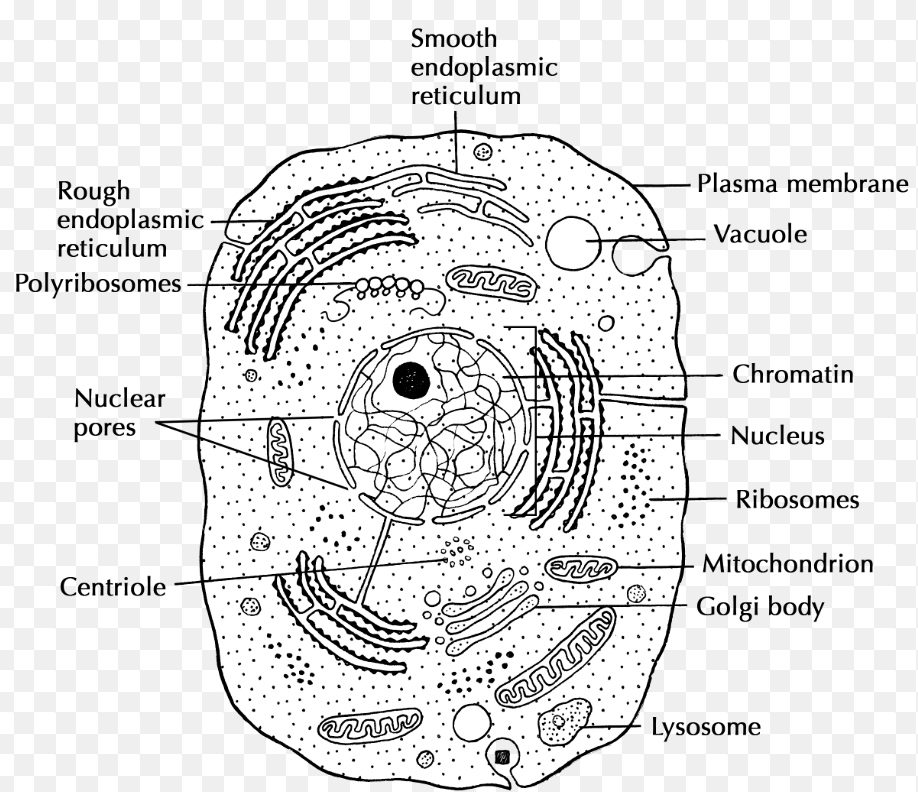
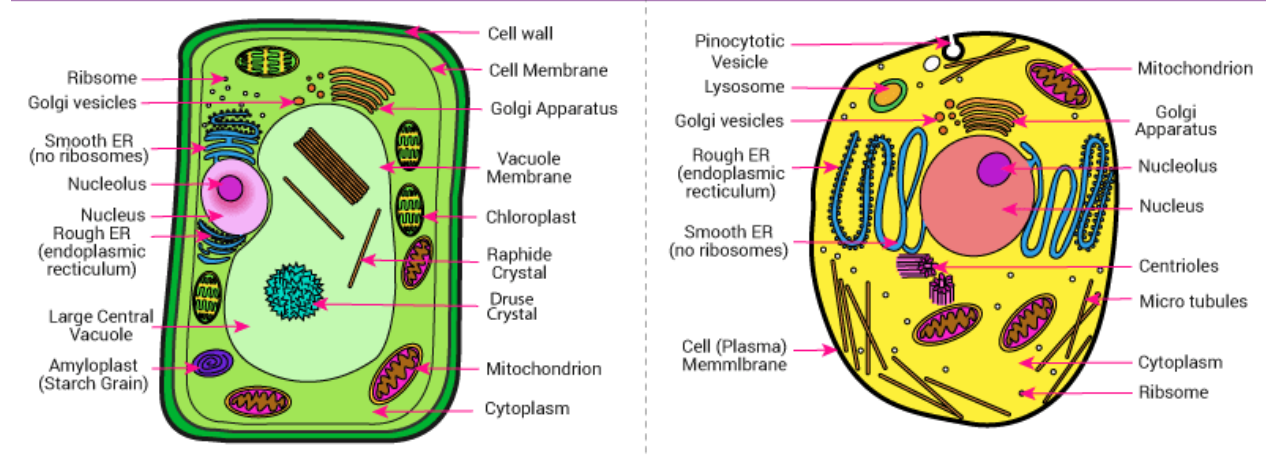
ORGANELLE
Cell organs
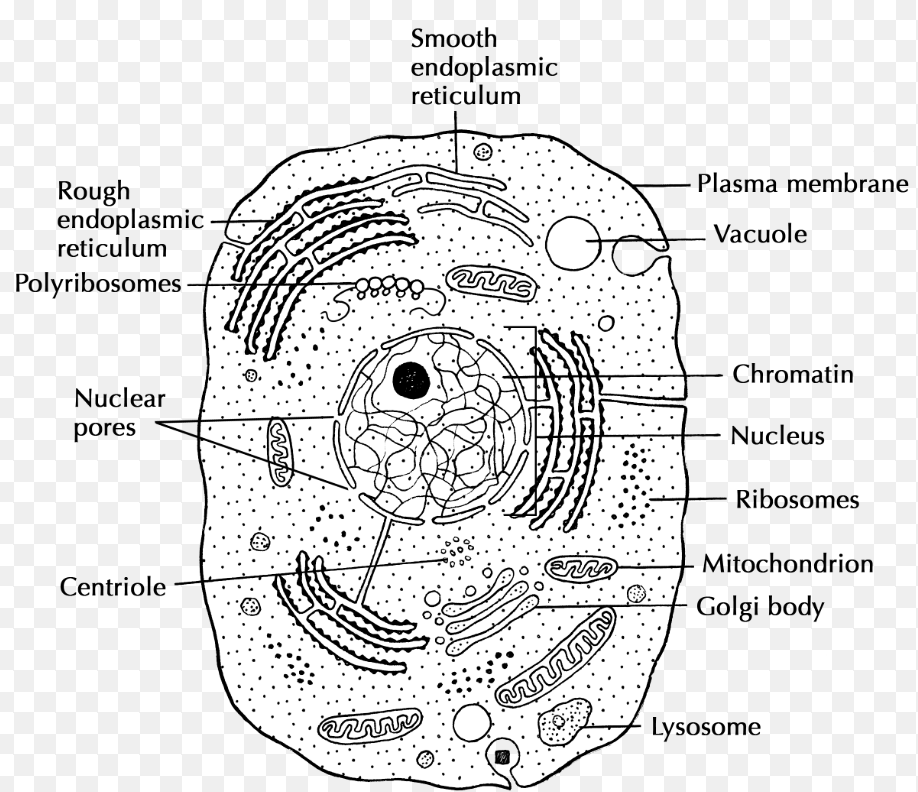
Cell membrane
Cell communication and transportation
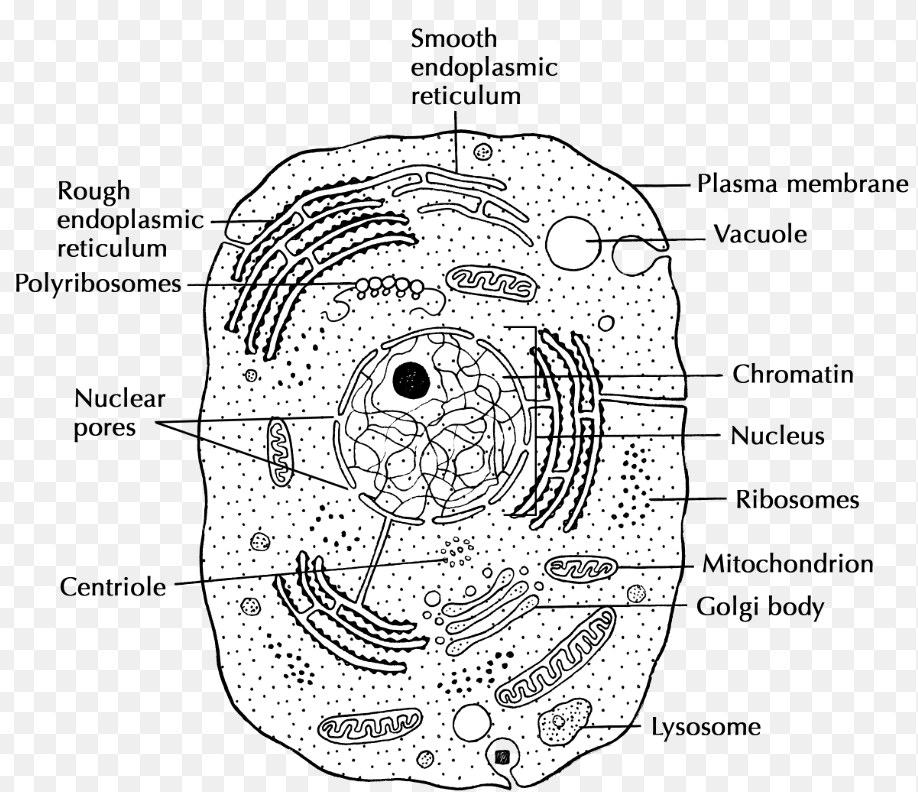
Genetic material
Store genetic info
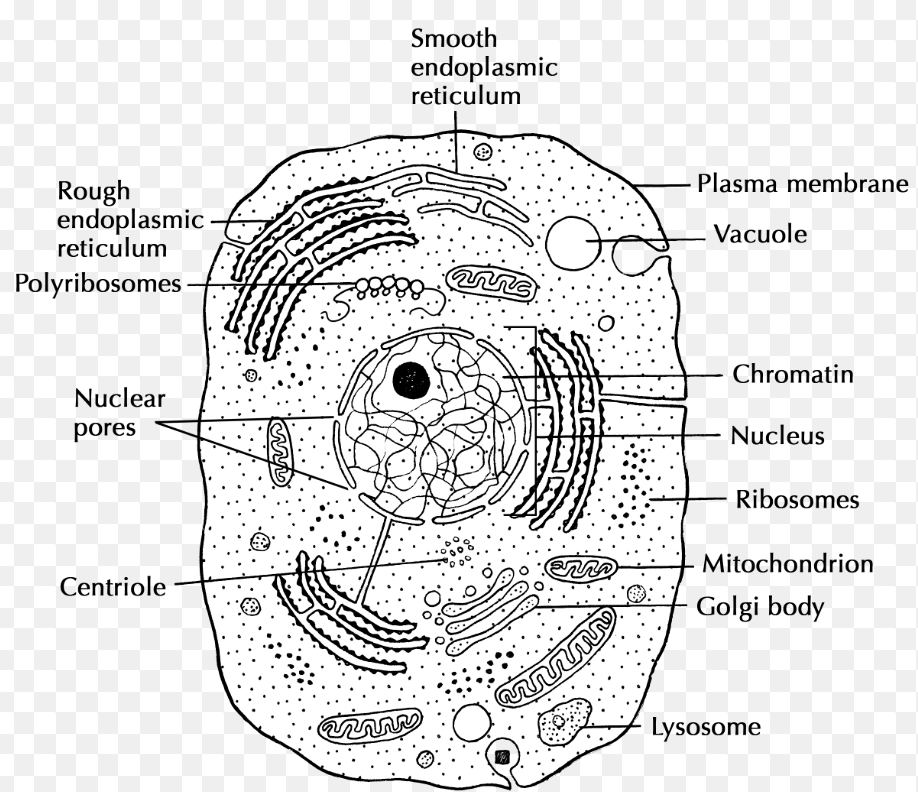
Ribosomes
Protein synthesis
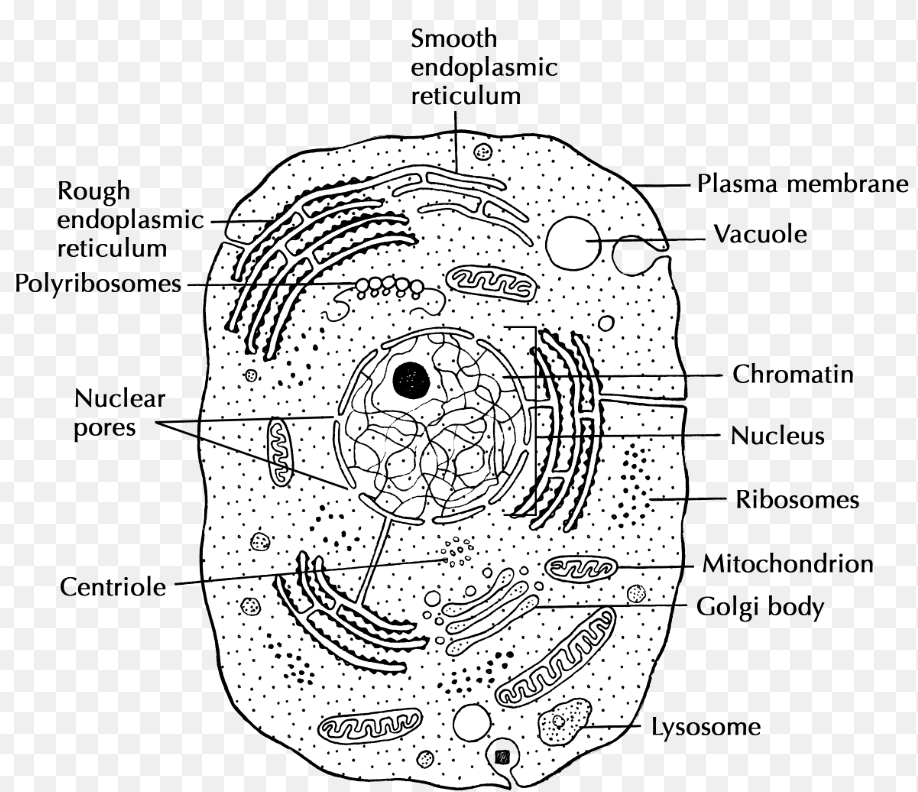
Nucleus
Command center
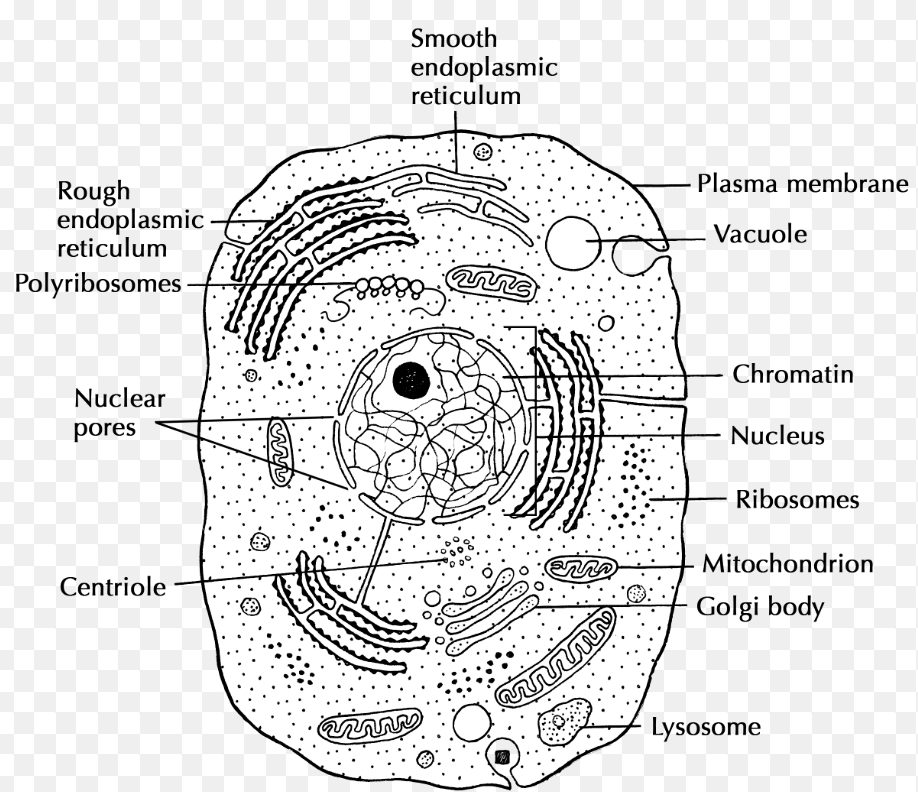
Golgi apparatus
Transpo of proteins and other cellular components
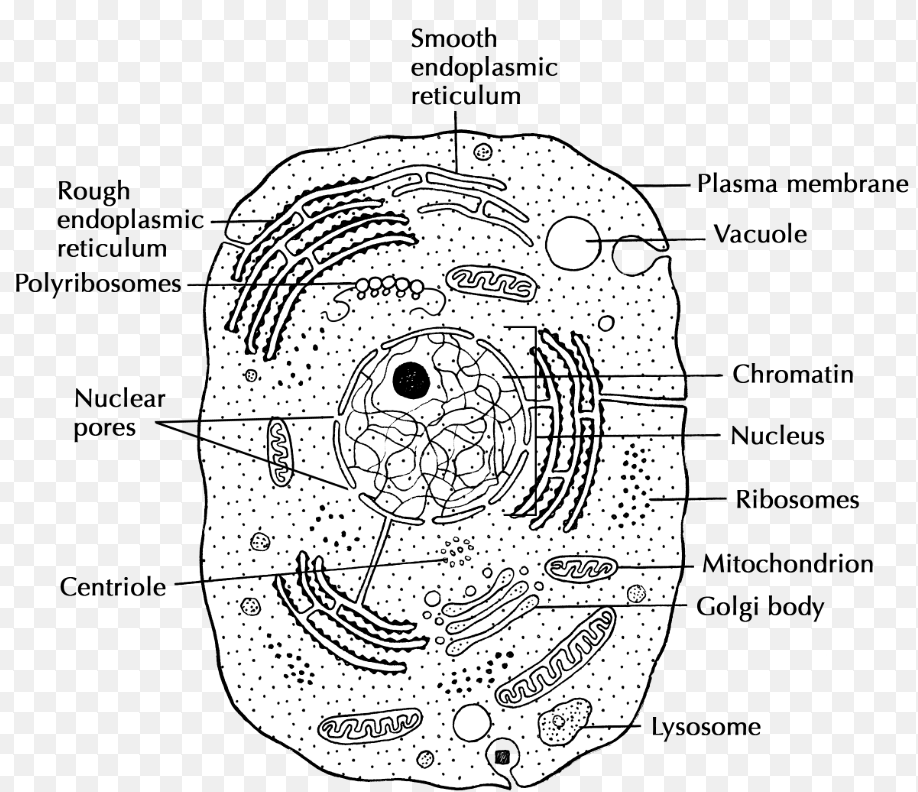
Endoplasmic reticulum
Protein synthesis and lipid production
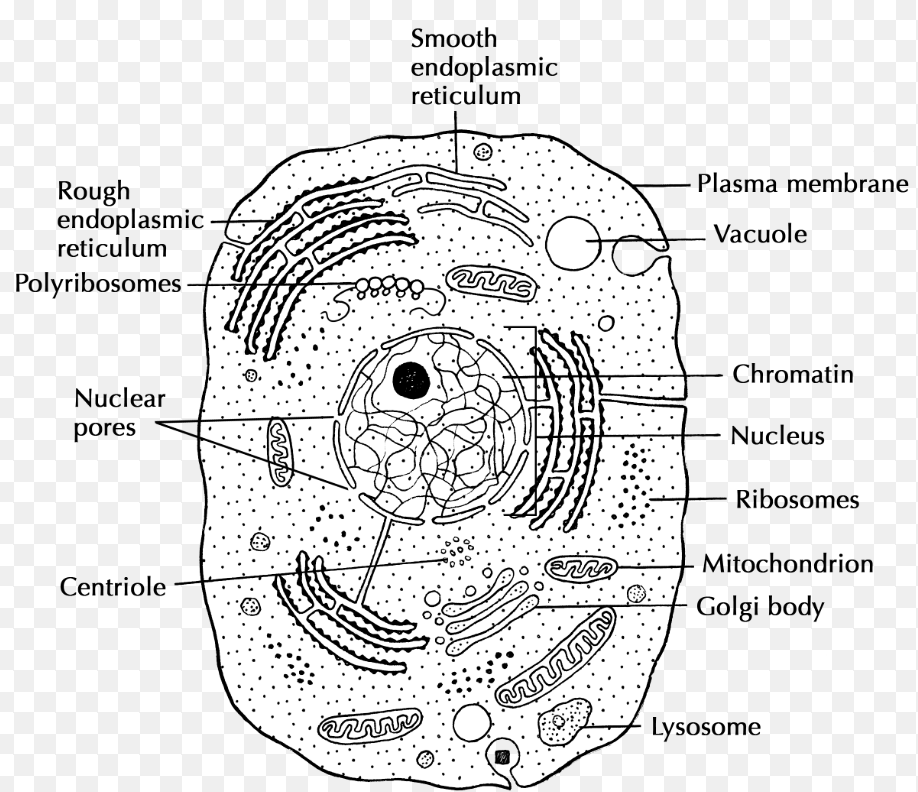
Mitochondria
ATP synthesis
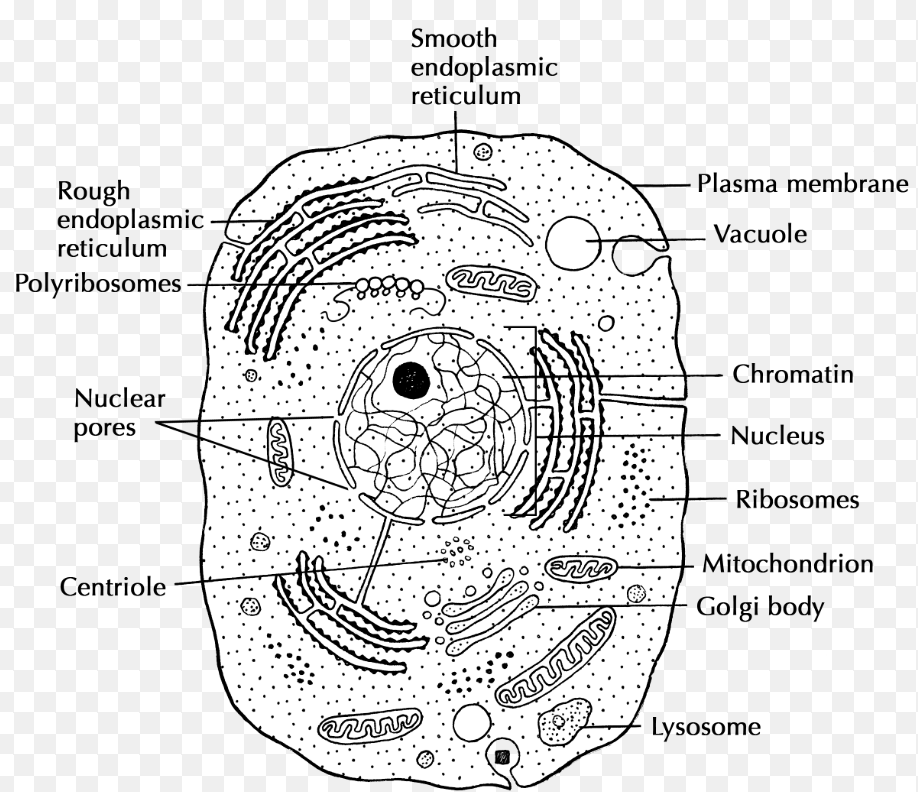
Vacuole
Storage of food and other cellular components (does lysosome’s job for plants)
Chloroplast
Plant cell specific: Photosynthesis
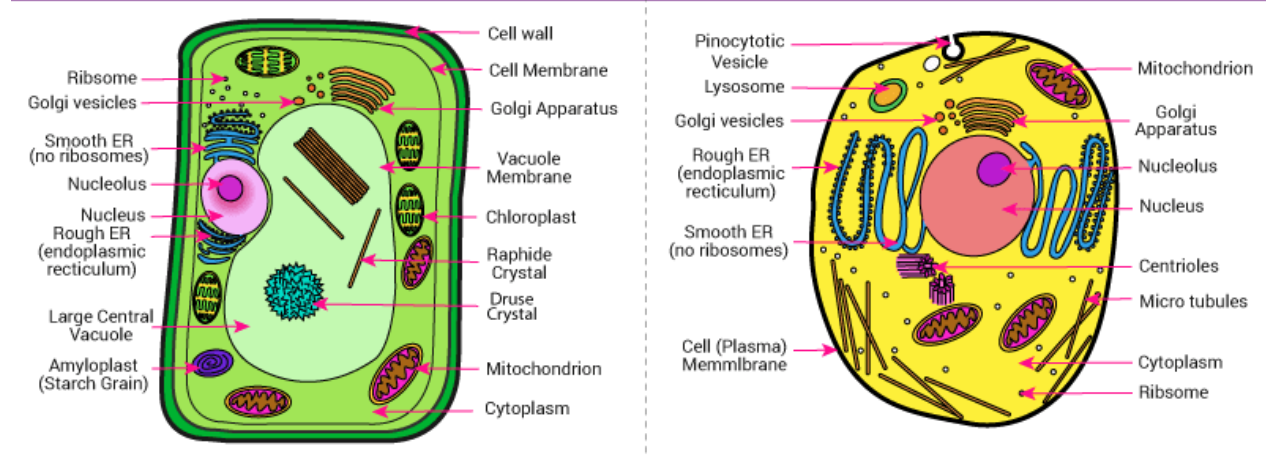
Cell wall
Plant cell specific: Structural support, protection, control cell transpo
Plasmodesmata
Plant cell specific: channel through the plant cell wall that allows molecules and substances to move in and out of the cell
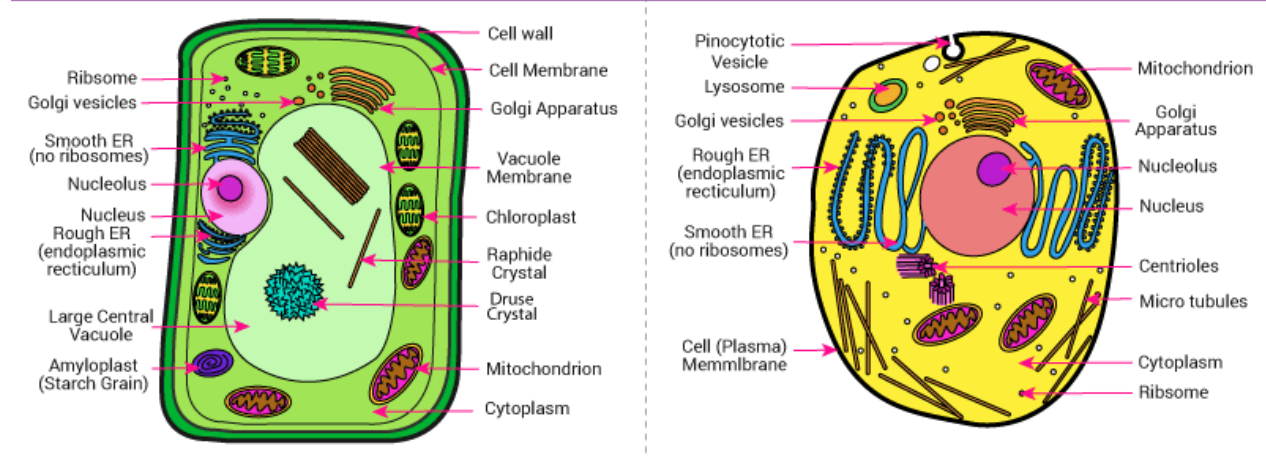
Lysosome
Animal cell specific: Cellular digestion
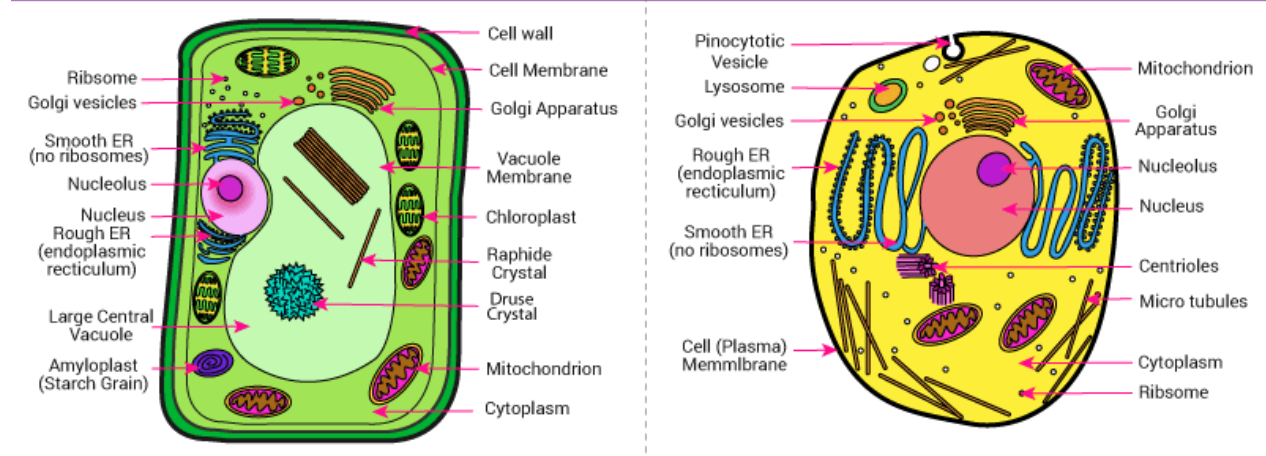
Centriole
Animal cell specific: Production of spindle fibers during cell division
CELL DIVISION
How parent cell divides into daughter cells
Either mitosis (exact replicas) or meiosis (reproduction: needs fertilization)
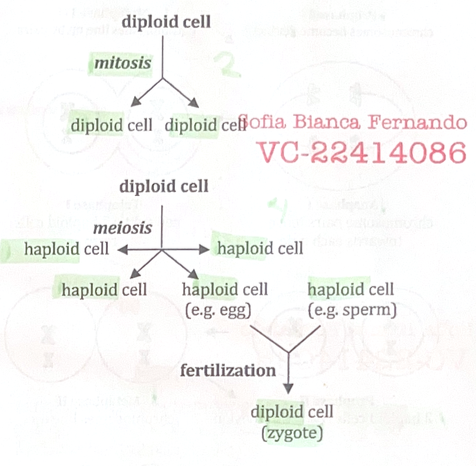
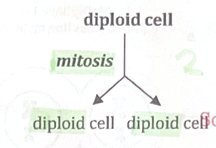
Mitosis
Equational division
Diploid (2n) → diploid (2n) (always 2 copies of each/sets of chromosomes)
2 daughter cells
Produces somatic or body cells
For growth and repair
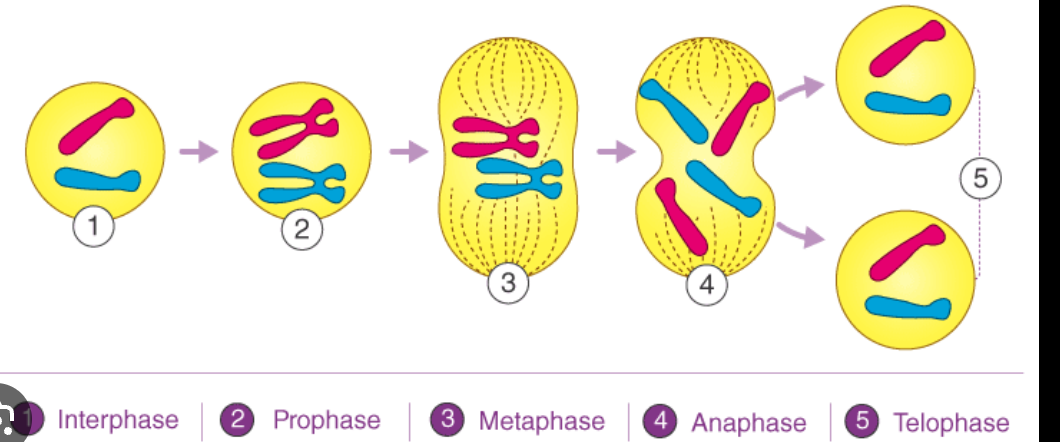
Stages: Prophase, metaphase, anaphase, telophase
Mitosis stage: Prophase
Chromosomes become distinct in diploid cell
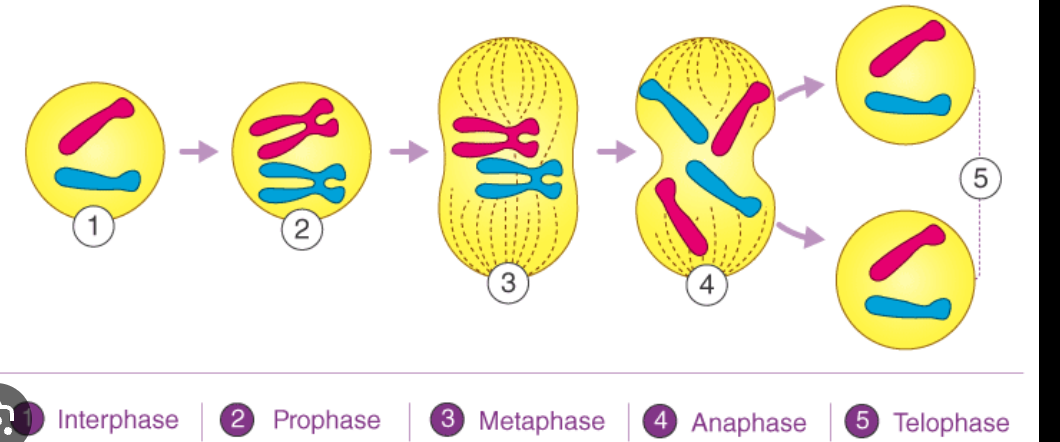
Mitosis stage: Metaphase
Chromosomes line up
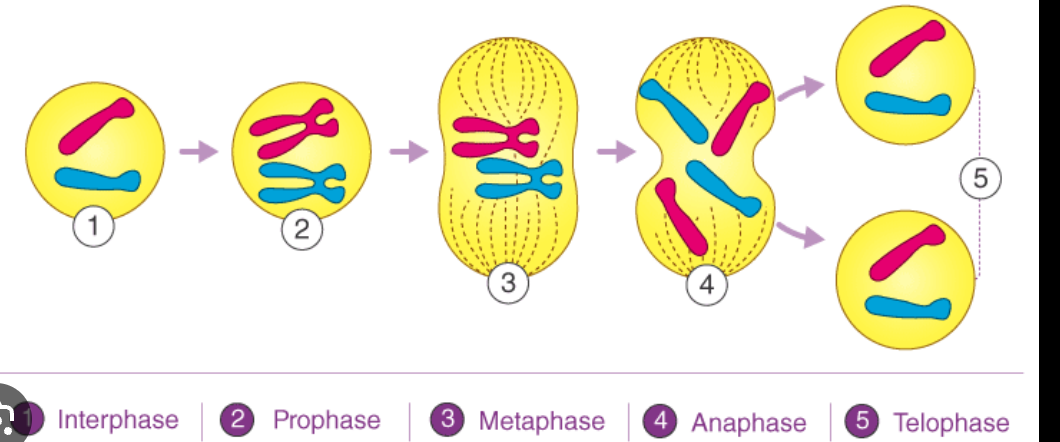
Mitosis stage: Anaphase
Sister chromatids head towards opposite poles
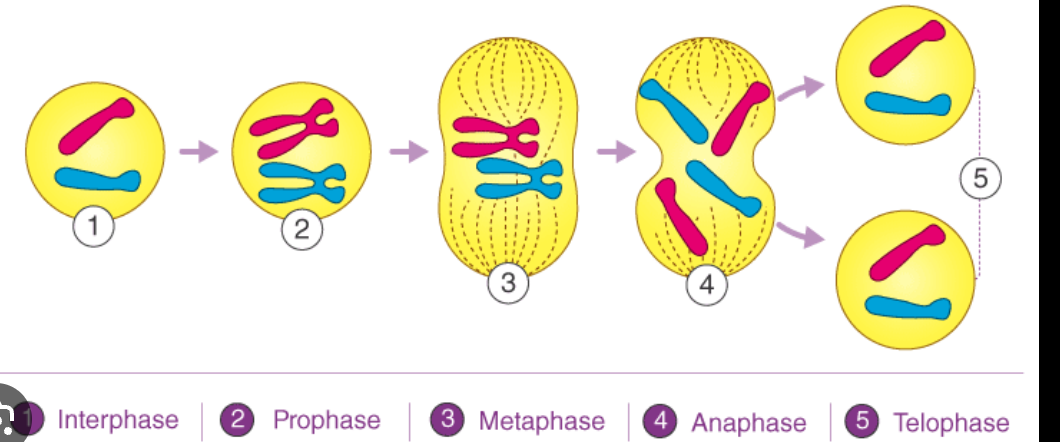
Mitosis stage: Telophase
Cell splits = 2 diploid cells
Meiosis
Reductional division
Diploid (2n) → haploid (n) (1 copy of each chromosome)
4 daughter cells
Produces sex cells or gametes
For reproduction
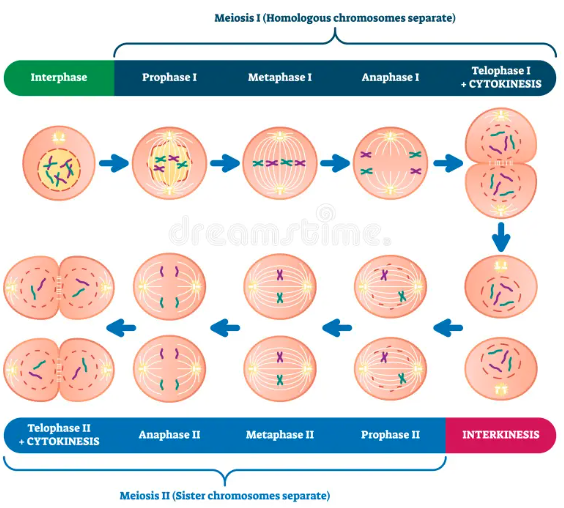
Stages: Prophase I, Metaphase I, Anaphase I, Telophase I, Prophase II, Metaphase II, Anaphase II, Telophase II
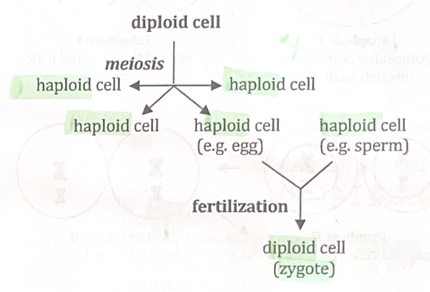
Meiosis stage: Prophase I
Chromosomes become distinct
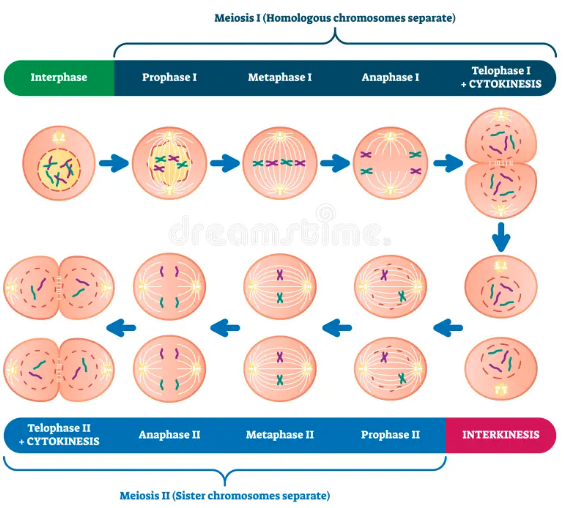
Meiosis stage: Metaphase I
Chromosomes line up by pairs
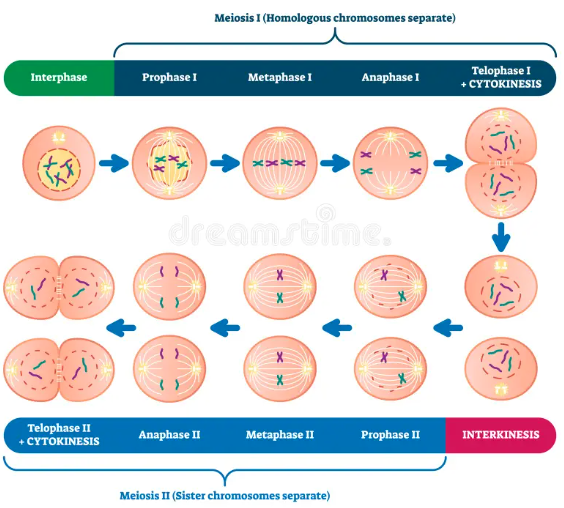
Meiosis stage: Anaphase I
Chromosome pairs move towards opposite poles
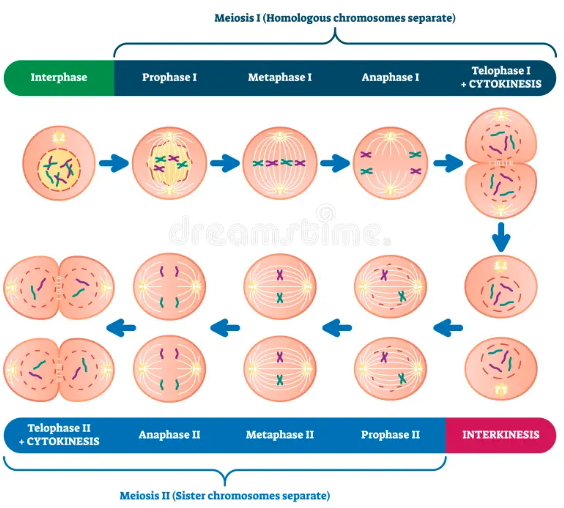
Meiosis stage: Telophase I
Cell splits = 2 haploid cells
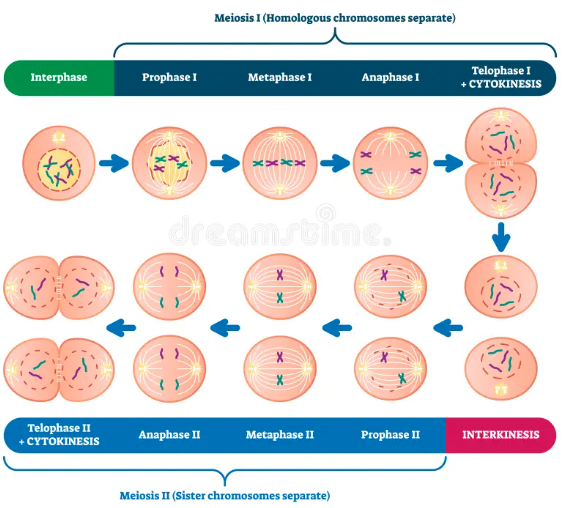
Meiosis stage: Prophase II
2 haploid cells ready for division
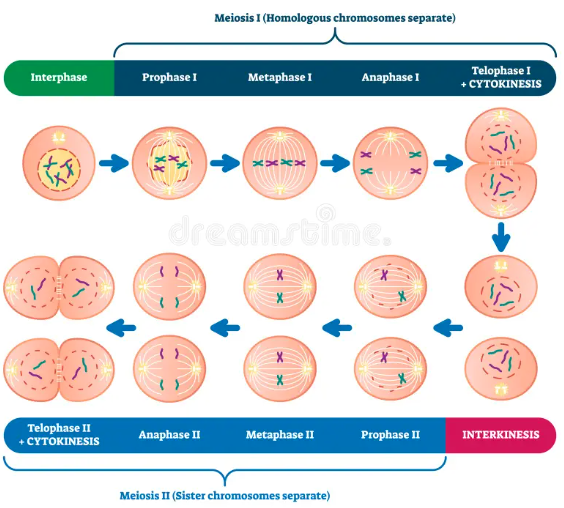
Meiosis stage: Metaphase II
Chromosomes line up
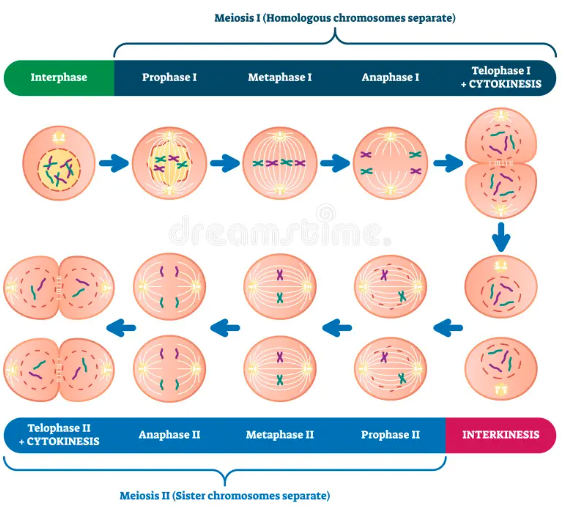
Meiosis stage: Anaphase II
Sister chromatids go towards opposite poles
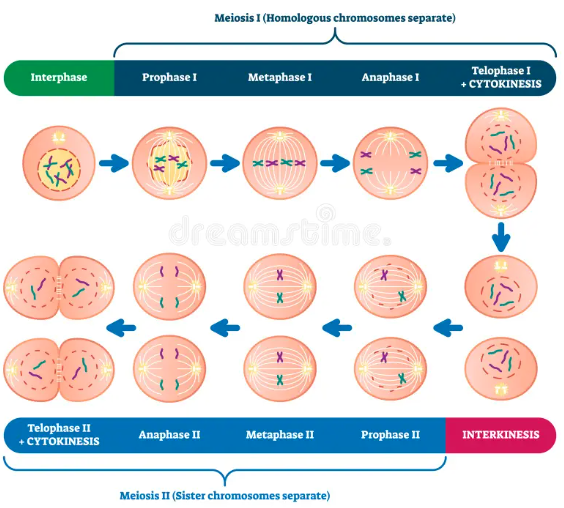
Meiosis stage: Telophase II
Each cell splits = 4 haploid cells
DEVELOPMENT OF GAMETES
Development of sex cells, mix of mitosis and meiosis
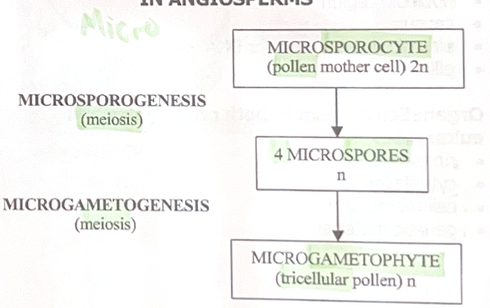
Development of male gametes in angiosperms
1. Microsporocyte (pollen mother cell) 2n
→ Microsporogenesis (meiosis) →
2. 4 Microspores n
→ Microgametogenesis (meiosis) →
3. Microgametophyte (tricellular pollen) n
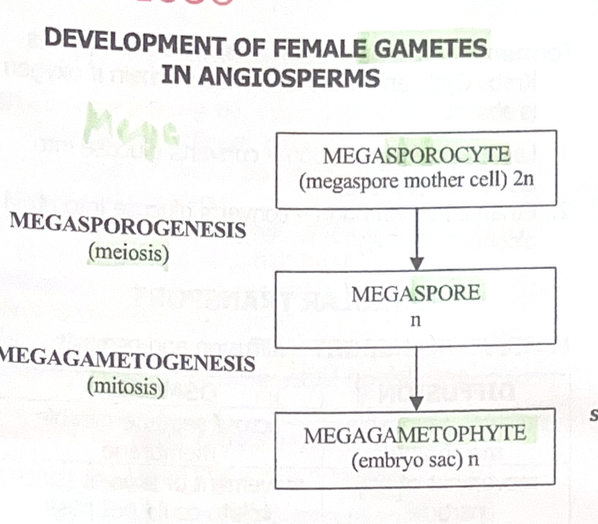
Development of female gametes in angiosperms
1. Megasporocyte (megaspore mother cell) 2n
→ Megasporogenesis (meiosis) →
2. Megaspore n
→ Megagametogenesis (mitosis) →
3. Megagametophyte (embryo sac) n
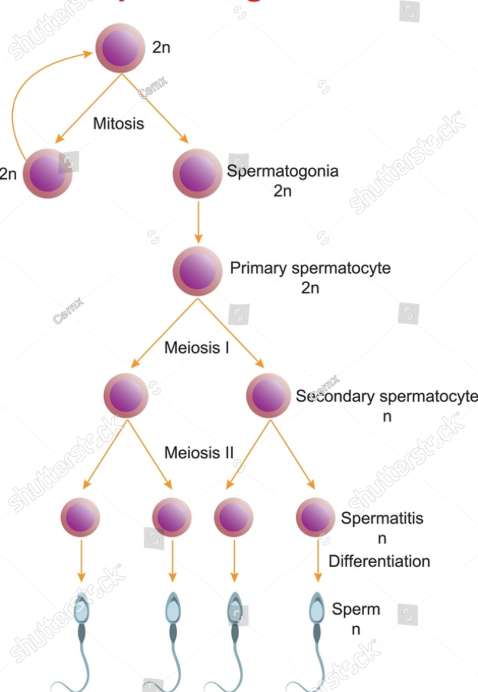
Spermatogenesis - development of sperm
1. Spermatogonium (2n)
2. Primary spermatocyte (2n)
→ Meiosis (stage I) →
3. 2 secondary spermatocyte (n) each
→ Meiosis (stage II) →
4. 2 spermatids (n) each
5. 1 sperm (n) each
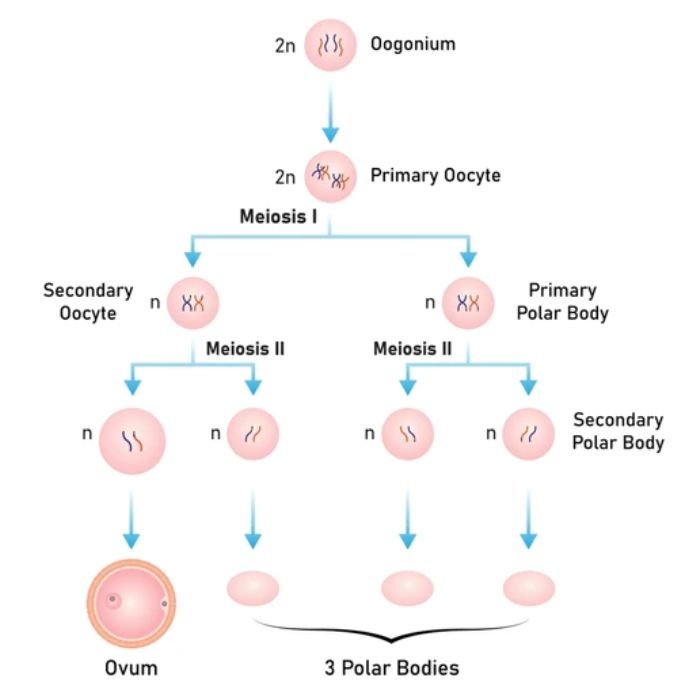
Oogenesis - development of egg
1. Oogonium (2n)
2. Primary oocyte (2n)
→ Meiosis (I) →
3. Secondary oocyte (n), Primary polar body (n)
→ Meiosis (II) →
4. Egg (n), Polar bodies (n) (will disintegrate)
METABOLISM
Refers to all chemical reactions of cell → Anabolism (build up, synthesize), Catabolism (break down)
Proteins, fats, polysaccharides -catabolism→ ←anabolism- amino acids, fatty acids and glycerol, glucose

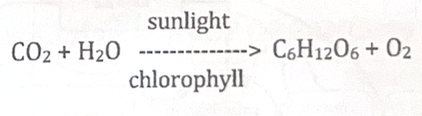
Photosynthesis
Anabolic
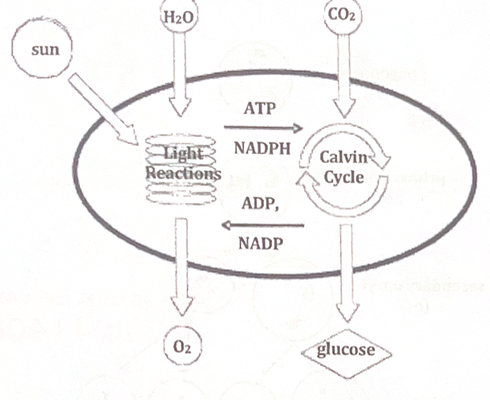
Stages: Light-dependent reactions, light-independent reactions/Calvin Cycle
Photosynthesis stage: Light-dependent reactions
Conversion of light energy and water to chemical energy and oxygen (H2O → O2)
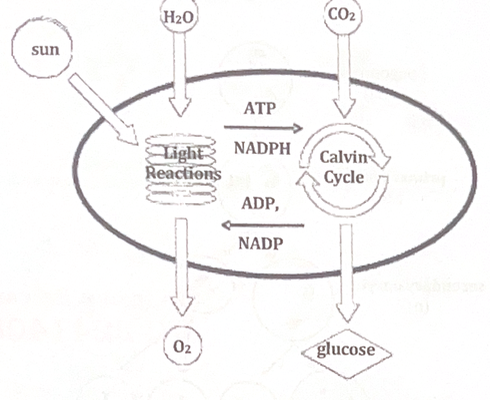
Photosynthesis stage: Light-independent reactions/Calvin Cycle
Using chemical energy from previous stage: Formation of carbohydrate molecules from carbon dioxide (CO2 → C6H12O6)
Respiration
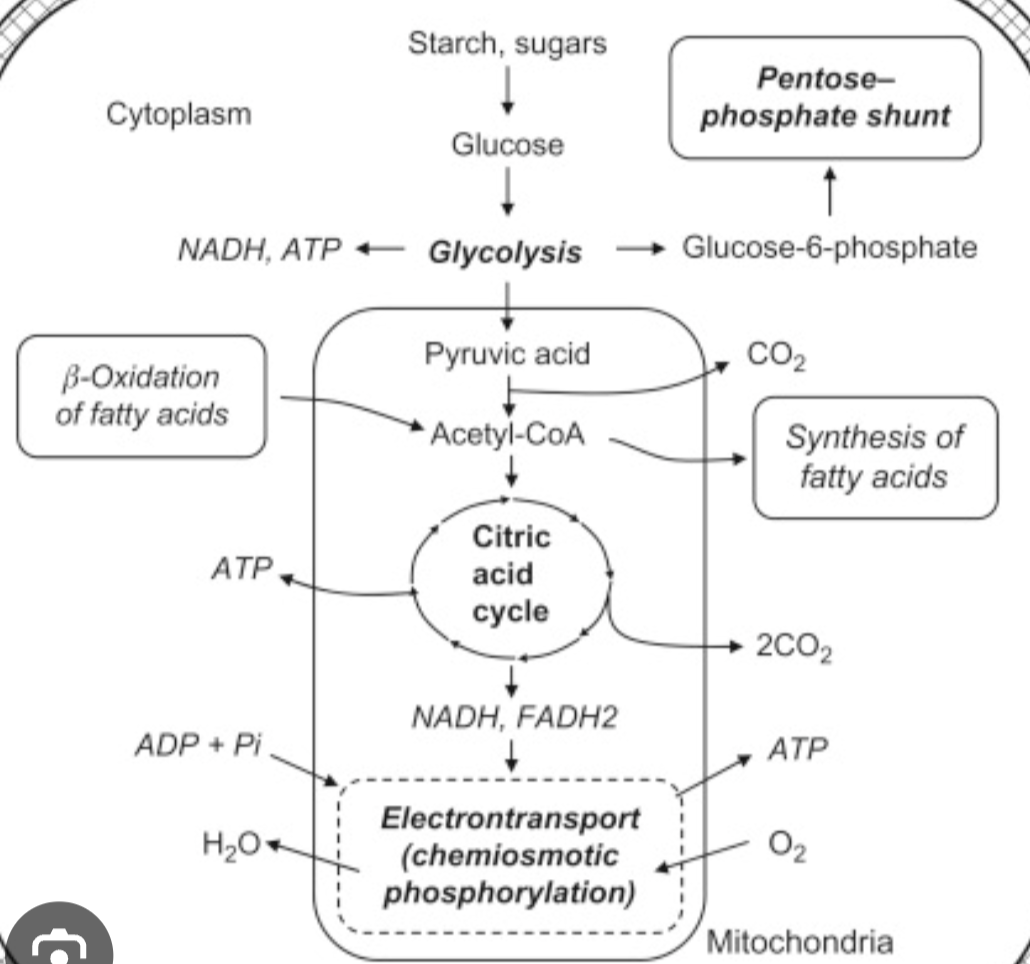
Catabolic: Using glucose to produce ATP (Adenosine triphosphate) (main energy carrying molecule used by all cells, necessary in all functions)
Glucose, ATP, NAD+ → ATP, H2O
Stages: Glucolysis, Oxidation of pyruvate, Citric Acid/TCA/Krebs Cycle, Oxidative Phosphorylation
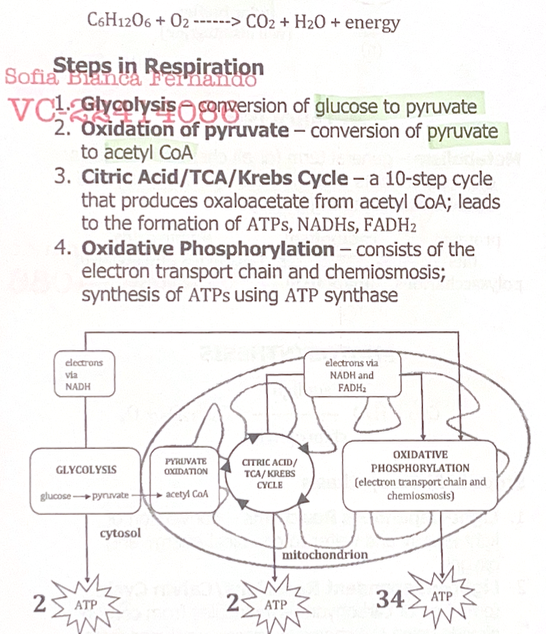
Respiration stage: Glucolysis
Conversion: glucose → pyruvate
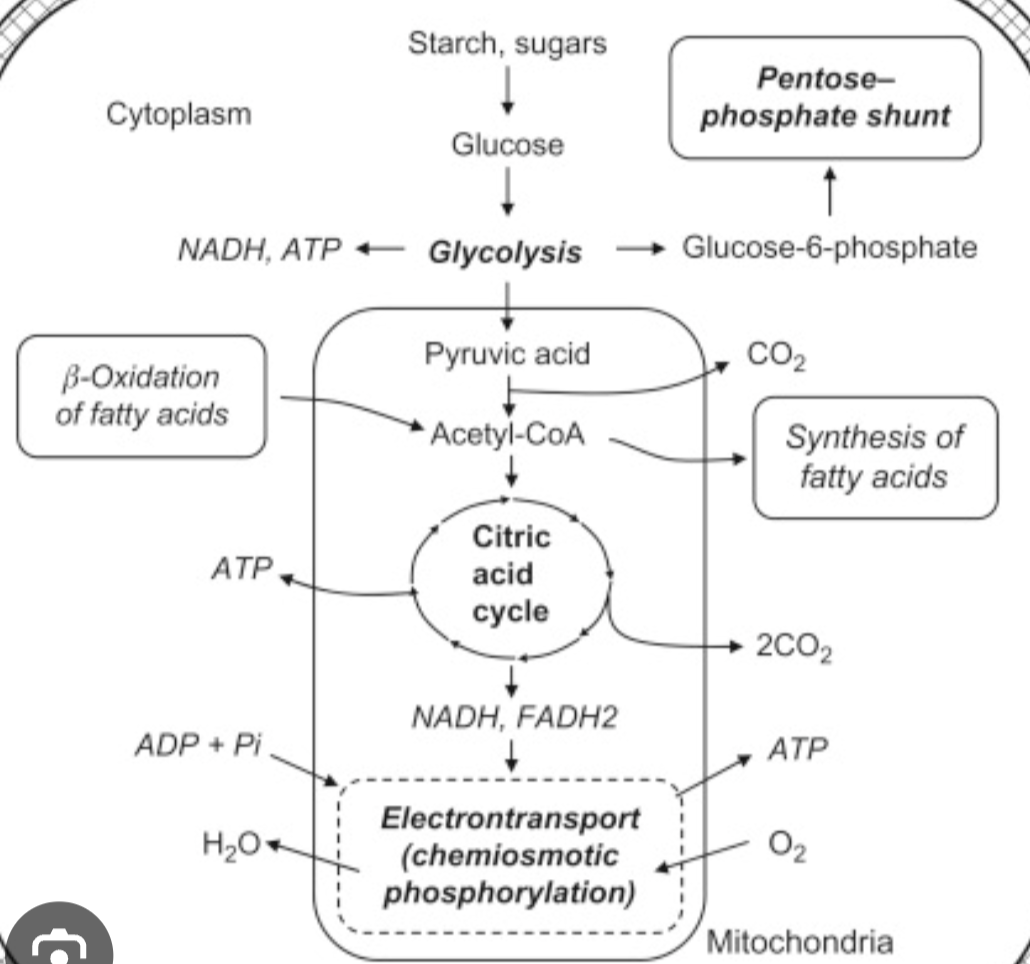
Respiration stage: Oxidation of pyruvate
Conversion: pyruvate → acetyl CoA
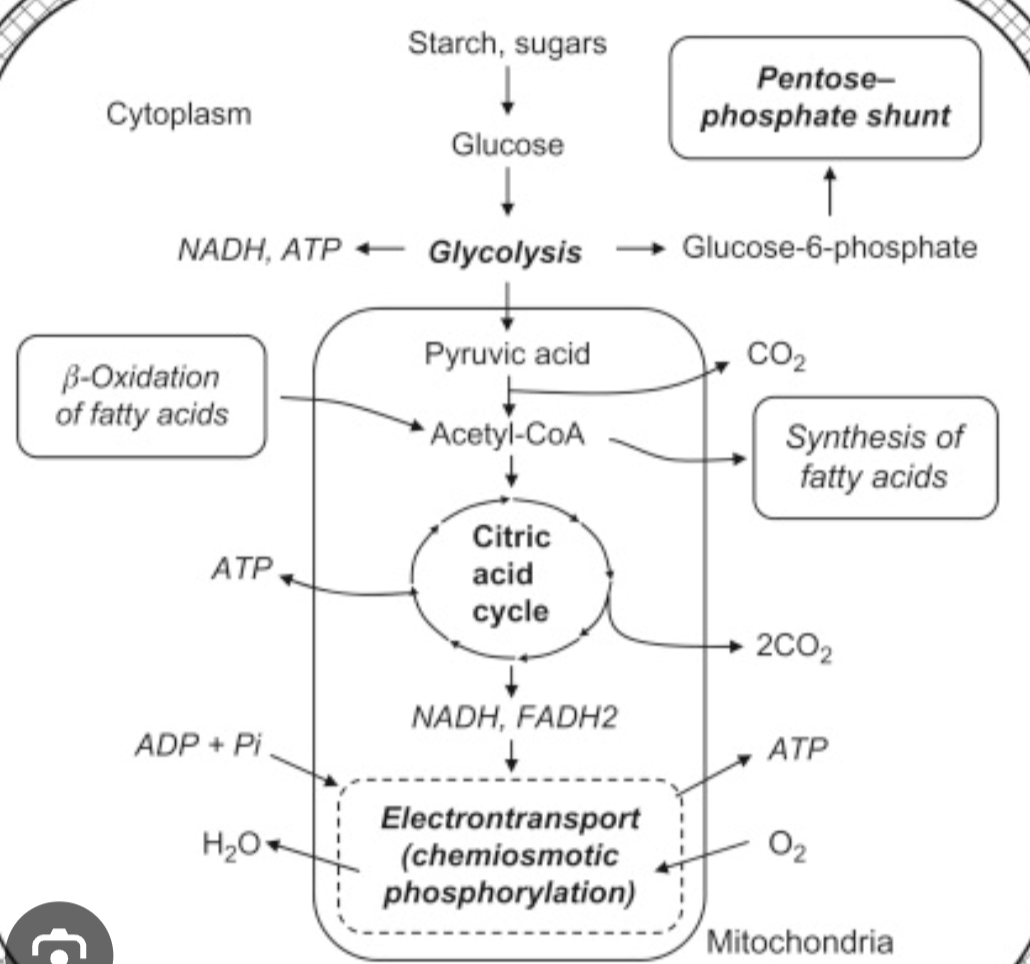
Respiration stage: Citric Acid/TCA/Krebs Cycle
10-step cycle: Produces oxaloacetate from acetyl CoA = ATPs, NADHs, FADH2
OR if no oxygen: Fermentation - anaerobic respiration
Lactic acid fermentation - convert: glucose → lactic acid (C3H6O3)
Ethanol fermentation - convert: glucose → ethyl alcohol (C2H5OH)
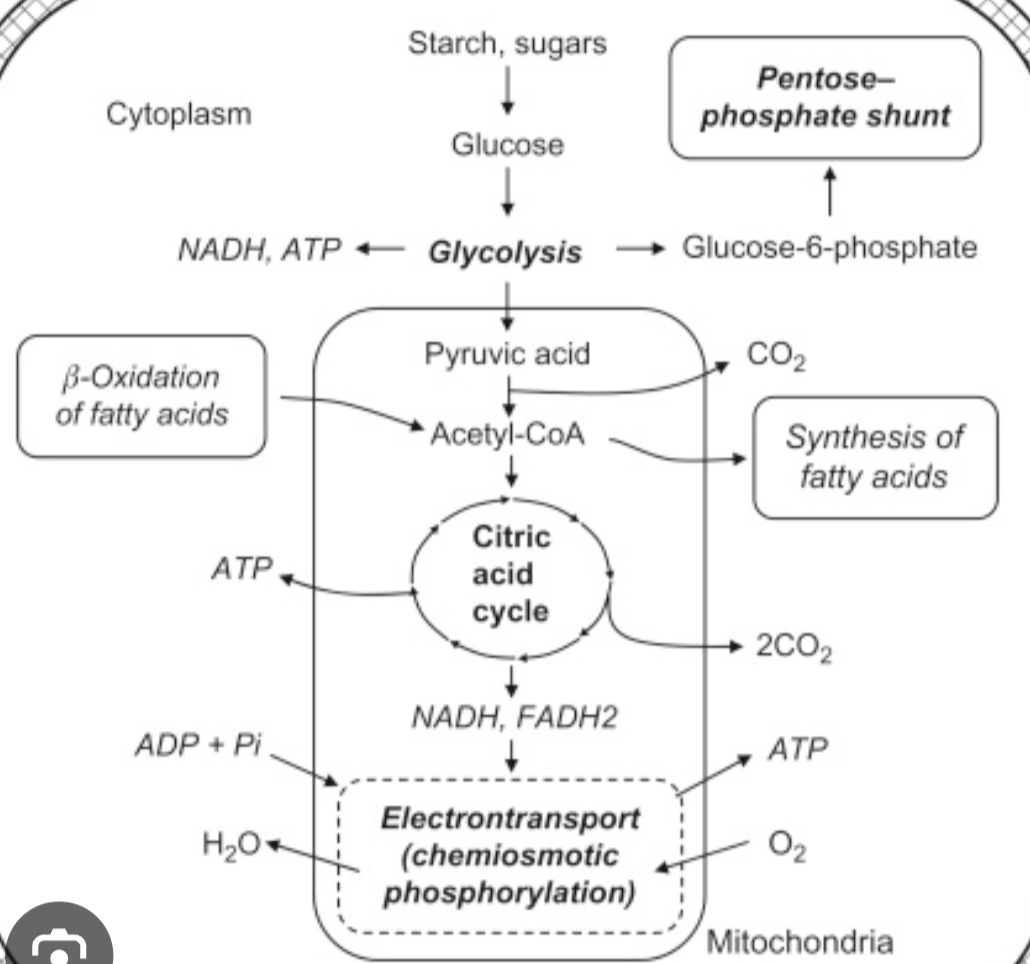
Respiration stage: Oxidative phosphorylation
Electron transport chain and chemiosmosis: synthesis of ATPs using ATP synthase
CELLULAR TRANSPORT
How cells move substances (molecules, ions) across/within cells
Passive transport
Move molecules w/o energy
Diffusion, osmosis
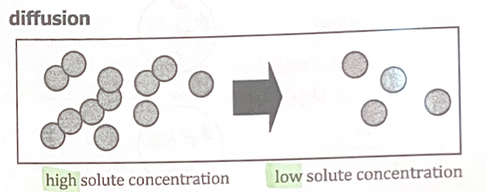
Passive transport: Diffusion
No semi-permeable membrane
Movement of any particle
High to low solute concentration
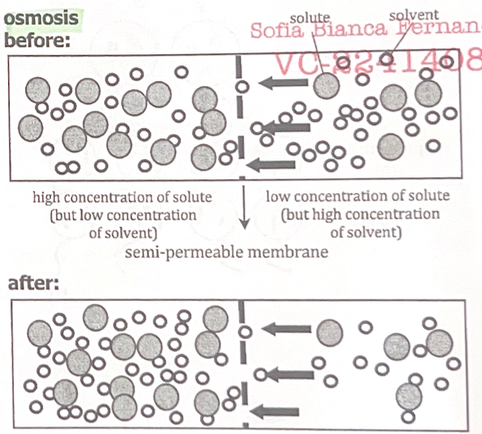
Passive transport: Osmosis
Across semi-permeable membrane
Movement of solvent (solute can’t pass through membrane)
Low to high solute concentration
Active transport
Uses ATP (energy) to move molecules
eg Phagocytosis (cell-eating, engulf large particles like bacteria foreign particles), pinocytosis (cell-drinking, absorb extracellular fluids and dissolved solutes or nutrients), uptake of glucose in intestine
GENETICS
Study of genes
Allele
Gene form for certain trait (eg red and white alleles for flower color)
Homozygous
Purebred: Having 2 of same allele
Heterozygous
Half-bred: Having 2 diff alleles for certain trait
Recessive
Hidden or masked gene
Dominant
Expresses gene
Phenotype
Organism’s physical characteristics
Genotype
Organism’s actual genetic composition
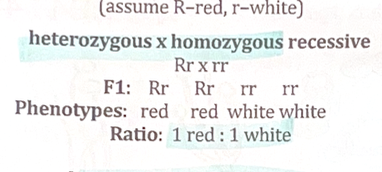
Common cross: Heterozygous x homozygous recessive
= phenotype ratio 1 dominant:1 recessive
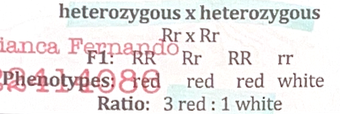
Common cross: Heterozygous x heterozygous
= phenotype ratio 3 dominant: 1 recessive
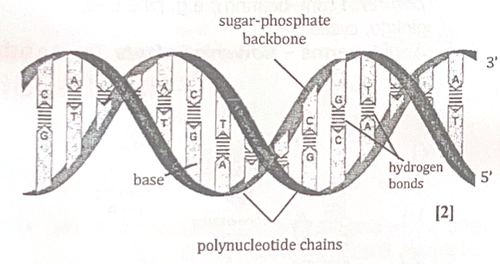
DNA DOUBLE HELIX STRUCTURE
Adenine-Thymine (A-T) and Cytosine-Guanine (C-T) base pairings
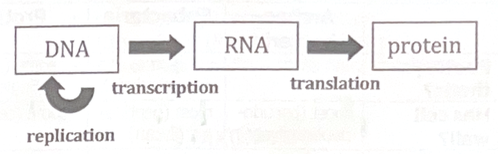
CENTRAL DOGMA OF MOLECULAR GENETICS
Process in which information in DNA is converted into functional product: Shows flow of genetic information (info in DNA is crucial for all proteins, RNA acts as messenger)
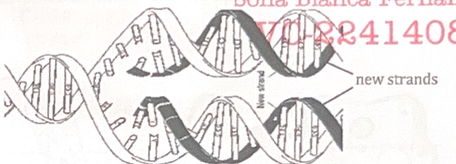
Replication
DNA → DNA
DNA double chain unzips = new complementary strand per unzipped strand = 2 complete double-chains
Transcription
DNA → RNA
A-T → A-U (uracil) base pairing
Translation
RNA → Protein
Messenger RNA from transcription used as template for synthesis of amino acids (3 base codes per amino acid)
One Gene-One Enzyme Hypothesis
Each gene in organism’s genome is responsible for the encoding of a single, specific enzyme that regulates a specific step in the metabolic pathway