Remedying digestive function in cattle + approach to diarrhoea
 Call Kai
 Learn
Learn Practice Test
 Spaced Repetition
 Match
Match Flashcards
 Knowt Play
1/66

There's no tags or description
Looks like no tags are added yet.
Name | Mastery | Learn | Test | Matching | Spaced | Call with Kai | Chat |
|---|
No analytics yet
Send a link to your students to track their progress
67 Terms
state 3 common signs of abdominal/digestive discomfort in cattl
restlessness
kicking at flank
anorexia
what is the william’s test and what is it used to identify?
push sharply into reticulum with one hand whilst listening for a grunt in the trachea with a stethoscope
detects traumatic reticuloperitonitis
what is the wither’s test?
a test used to detect subtle pain in a cow by placing pressure on the withers which should elicit a buckling of the knees

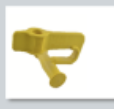
Identify this
drinkwater mouth gag
Identify
wedge mouth gag
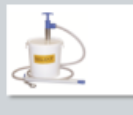
Identify
transfaunation pump
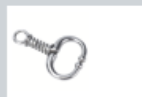
Identify
bulldog clip

Identify
trochar and cannula

Identify
toggle sutures
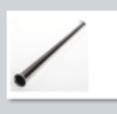
Identify
frick speculum
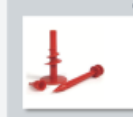
Identify
corkscrew trochar and cannula
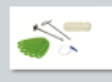
Identify
trocar roll set
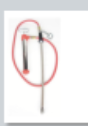
Identify
stomach pump

What is this?
liver biopsy set
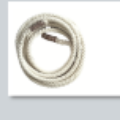
What is this?
casting rope
what colour should rumen fluid be? (3)
green
green brown
yellow brown
what colour shouldn’t rumen fluid be/
milky to brown
what odour should rumen fluid have
aromatic
what smell shouldn’t rumen fluid have?
sour or acid
what should the pH of the rumen be?
5.5-7.5
what do each of these rumen pH indicate?
<5.5
>7.0
>8.0
grain engorgement
inactive rumen
urea toxicity
why do we use mouth gags?
they’re used for safe examination of the oral cavity and to hold the mouth in an open position
why may we want to stomach tube a cow?
collect rumen fluid sample for diagnosis
transfaunation
relieve gassy bloat
oral rehydration therapy
what restraint do we need for stomach tubing a cow
crush
nose the cow
briefly outline how to stomach tube a cow
put a frick speculum into the cows mouth over the hillus
push the tube to advance it - no force should be necessary
pass the tube through the speculum and into the oesophagus - you should be able to visualise this externally
advance into the rumen and check it’s location
how do we check the stomach tube is actually in the rumen
smell
place against cheek - no air should be felt.
what do we use to introduce fluid/remove it from the rumen once we’ve stomach tubed?
a pump with fluid in it
how do we remove a stomach tube?
unlock and kink the tube, lower the cows head, switfly remove and remove the speculum
why do we want the cows head to be lowered if possible?
to reduce the risk of aspiration of fluids
what are 4 risks with stomach tubing?
fluid administered to the lungs
damage to the teeth/mouth
reflux
inflammatory response in the oesophagus
what sample do we need to analyse rumen fluid properly?
100-200ml of fluid AFTER the first 100ml of fluid has been brought up.
why is the abomasum prone to displacement?
it’s only loosely suspended by the greater omentum and is held in place by the weight of the rumen above it.
what is abomasal volvulus?
the displacement of the abomasum to the right and lateral to the liver
what clinical signs do we expect with abomasal volvulus?
complete anorexia
obvious, progressive reduced milk production
where is the ‘ping’ used to detect a DA typically heard in an LDA?
b/w rib 9-13 in the upper third of L abdomen
what do we call a closed technique of DA correction?
percutaneous
what is the non-open technique used to correct a DA?
role and toggle/blind-stitch method
what does the roll and toggle technique involve?
casting the cow into dorsal recumbency and suturing the abomasum to the ventral body wall using toggle pins attached to suture
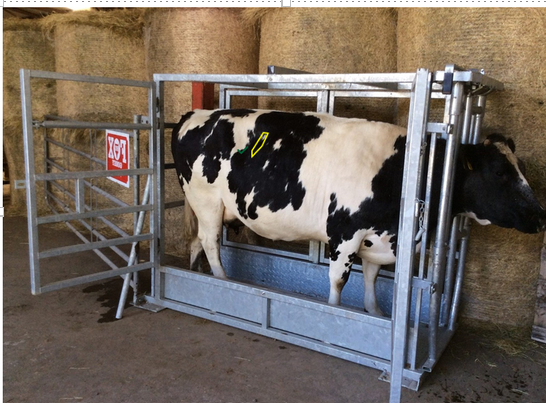
What is this showing the location of?
liver biopsy
how do we determine the site of liver biopsy?
draw a line from the tuber coxae to olecranon and from the greater trochanter of the femur to the wing of atlas of C1
find the 10th intercostal space
2 inch gap!
what anaesthetic do we need for liver biopsy?
around 5ml of 2% lidocaine under the skin
why may we want to obtain a liver biopsy?
metabolic health
signs of fatty liver disease
histopathology of hepatic disease/parasitic infection
photosensitisation
fibrosis
neoplasia
abscessation
How do we perform a liver biopsy, having obtained the correct position to perform it
insert the needle/trochar parallel to the ground
angle cranioventrally towards contralateral shoulder
advance trochar about 6cm to penetrate skin, muscle, diaphragm and liver capsule
collect sample
State 7 clinical/history signs of diarrhoea
anorexia/reduced feed intake
pyrexia
colic signs
diarrhoea
ventral/limb oedema
hypovolaemia
hypoproteinemia
state the aetiology and pathogenesis of diarrhoea in horses (6 points)
large intestinal
increased water loss
failure of absorption
hypersecretion
intestinal dysbiosis
inflammation
4 common differentials for diarrhoea in neonatal horses
foal heat
rotavirus
salmonella
clostridia
common differential for weanling horses with diarrhoea?
parasites
common differentials for adult horses with diarrhoea (4)
clostridia
salmonella
parasites
antibiotics
what are diagnostic options for diarrhoea in horses
specific diagnostics
predictive markers
faecal analysis
what are predictive markers in horses when exploring diarrhoea of:
acute inflammation
chronic inflammation
leukopenia
leucocytosis
what are 2 general treatments groups for diarrhoea in horses?
specific therapy
supportive therapy
what are the 3 types of dogs that present with diarrhoea
bright patient + diarrhoea
more quiet with chronic diarrhoea/not getting better
collpased, dehydrated, hypovolaemic, severe diarrhoea case
what are the 4 known mechanisms of diarrhoea
secretory diarrhoea
inflammation/infiltration
osmotic diarrhoea
disruption in motility
state 7 possible differentials for diarrhoea in dogs
gastritis/enteritis with different causes - bacteria/viral etc.
parasites
foreign body
IBD
allergy
sever/chronic - neoplasia
what are the 2 diagnostic steps we should take for our diarrhoea dogs?
TEMPERATURE
good clinical exam
if the dog has a temperature with diarrhoea, what can we give that we can’t give to cats?
paracetamol
what are 10 clinical signs/history of a lizard with diarrhoea?
lethargy
anorexia
weight loss
behaviour changes
straining to defecate
large volume of faeces of variable consistency
cloacal prolapse
stomach thickening
do foreign bodies typically cause diarrhoea in lizards?
no they cause impactions
what are some common differentials in lizards of diarrhoea? (6)
endoparasites
protozoa
bacterial infection/overgrowth
viral
stress
incorrect husbandry
what are diagnostic steps of a lizard with diarrhoea?
faecal parasitoloty
examine husbandry
faecal PCR
faecal or cloacal swab culture
what treatment can we give to lizards with diarrhoea?
supportive treatment
tube feeds
fluis
treat underlying cause
salmonella
what issue that causes stomach thickening in lizards and diarrhoea, isn’t treatable?
cryptosporidium
what are 6 common differentials of diarrhoea in calves?
rotavirus - 8-14 d/o
coronavirus
cryptosporidium
salmonella
enterotoxigenic E.coli
coccidiosis
how does corona/rota virus/crypto cause diarrhoea in calves?
target SI enterocytes
unable to digest lactose/abs H2O/nutrients
how does crypto cause diarrhoea in calves?
loss of absorptive SI area
how does E.coli cause diarrhoea in calves?
sticks to SI lining, creates toxins and reduces absorption
What vaccines can we give the dam 2-12w prior to calving to help reduce the risk of disease causing diarrhoea?
salmonella
E.coli (ETEC/K99)
rotavirus
cornavirus