IB Biology B4.1: Adaptations to environment
 Call Kai
 Learn
Learn Practice Test
 Spaced Repetition
 Match
Match Flashcards
 Knowt Play
1/28

There's no tags or description
Looks like no tags are added yet.
Name | Mastery | Learn | Test | Matching | Spaced | Call with Kai |
|---|
No analytics yet
Send a link to your students to track their progress
29 Terms
Habitat
The natural home or environment of an organism.
Species
A group of organisms that can interbreed and produce fertile offspring.
Population
A group of individuals of the same species living in a specific area.
Community
A group of different species that live together in one area.
Ecosystem
A biological community of interacting organisms and their physical environment.
Biotic
Relating to or resulting from living things, especially in their ecological relations.
Abiotic
Physical rather than biological; not derived from living organisms.
Xerophyte
A plant adapted to survive in an environment with little water.
Prop Roots
Roots that grow above the ground to provide support.
Aerial Roots
Roots that are exposed to the air and help in climbing.
Optimum Range
The range of environmental conditions that is most favorable for a species.

Zone of Stress
The area where environmental conditions are less than optimal for a species.
Zone of Intolerance
The area where environmental conditions are too extreme for a species to survive.
Types of transect line sampling:
continous line: every species touching tape measure
interuppted line: species touching line at intervals
continous belt: qudrats places end-toend- along line
interuppted belt: qudrats placed at intervals
Mutualism
A symbiotic relationship where both species benefit.
Coral Reef formation
symbiotic relationship between xooxanthellae and coral polyps
Polyps provide shelter
polyps respire →CO2 →used by xooxanthellae in photosynthesis →O2 released
Factors envolved in coral reef formation
water depth: ↓ light ↓ photosynthesis
pH: ↓ pH = outer calcium layer on polyps dissolves
Salinity: osmotic potential
Temp: Coral bleaching
Water clarity: ↓ light
Biome
a large community of plants and animals that has occurred as a result of environmental factors (temp + rainfall)
many ecosystems
similar communities →similar selection pressures →similar morphology
Climograph
A graphical representation of the relationship between temperature and precipitation over a specific period.
Desert
↓ rain ↑ temp (day) ↓ temp (night)
sparse vegetation (spines) + burrowing nocturnal animals
Grasslands
semi arid (20-30º)
↑ grass
↑ grazers ↓ predators
Tundra
↓ rain (-40-18º)
no trees + dark periods
animals migrate when harsh
Taiga
↑ snow (-40-20º)
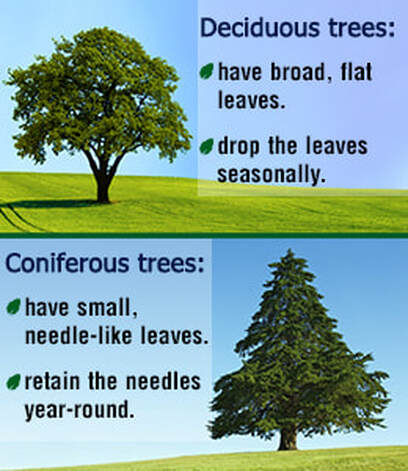
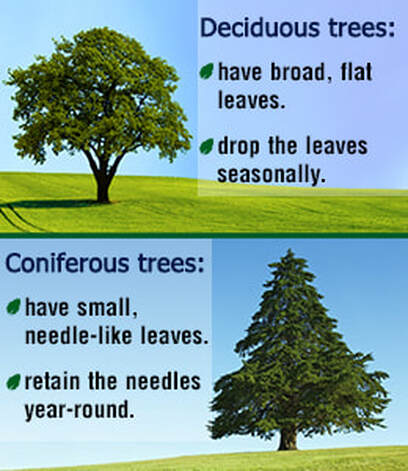
coniferous trees
adapted animals
Tropical rainforest
↑ rain (20-25º)
↑ biodiversity
nutrient-poor soil ( rain overland flow)
Temperate forest
↑ rain: 4 moderate seasons
rich soil
↑ biodiversity
deciduous trees
Sand Dune grass species
Marram Grass in:
↓ water
↑ salinity
↓ nutrients
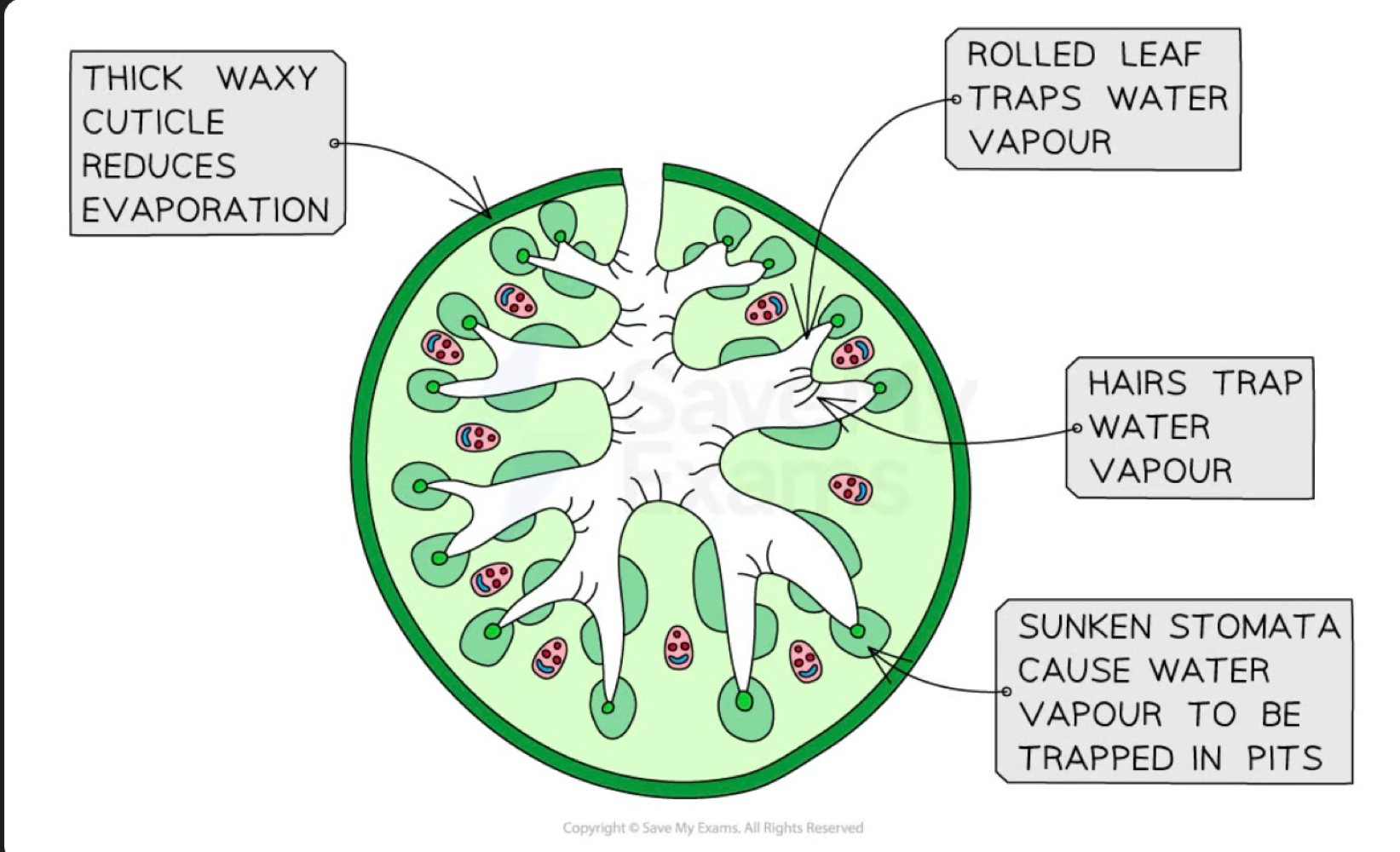
is a Xerophyte
thicky waxy cuticle (↓ evaporation)
rolled leaves + hairs trap water vapour
sunken stomata traps water in pits
Challenges:
dry air →steep coc. grad →evaporation
↓ soil →lost water not replaced
Tropical Tree species
Mangrove trees in:
↑ salinity
↓ fresh water
↓ oxygen
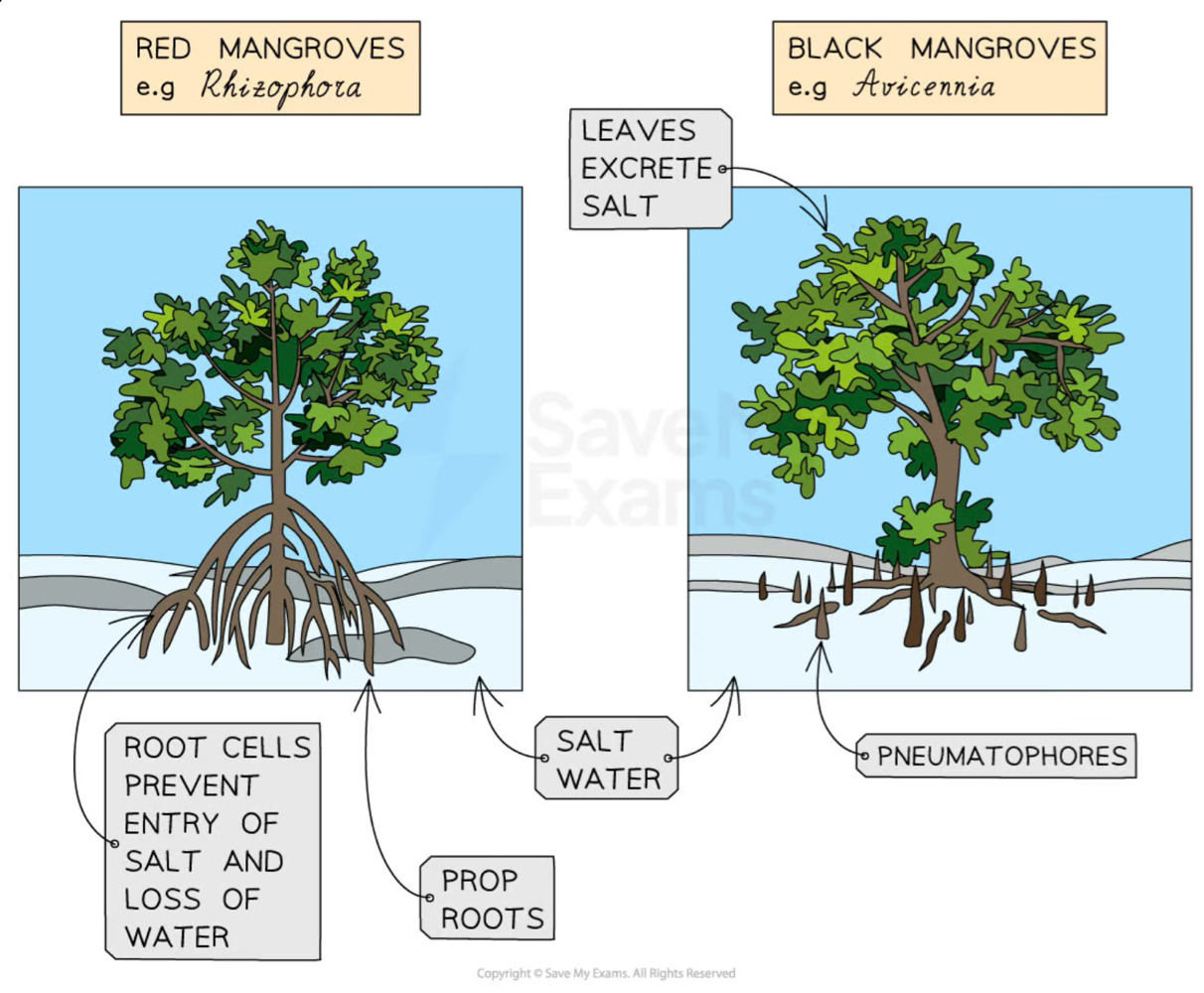
Red Mangroves | Black Mangroves |
|
|
Challenges:
cells in underwater roots cant take oxygen and rspire
↓freshwater so osmotic potential
Hot desert adaptations
Saguro Cactus
thicky waxy cuticle
spines (↓ SA:VOL)
cells can expand to store water
deep tap roots
Kangaroo Rat
burrowing animal (in day)
↓ urine
Tropical adaptation
Kapok tree
rapid growth →tall →↑ sunlight
wide butress roots: ↑ support
Orchid mantis
mimcry- looks like flower so can eat insaect polinators

