Exam 2 CR 3
 Call Kai
 Learn
Learn Practice Test
 Spaced Repetition
 Match
Match Flashcards
 Knowt Play
1/409

There's no tags or description
Looks like no tags are added yet.
Name | Mastery | Learn | Test | Matching | Spaced | Call with Kai | Chat |
|---|
No analytics yet
Send a link to your students to track their progress
410 Terms
Presentation of Malrotation / Volvulus
Distended abdomen
Fussy infant
Vomiting
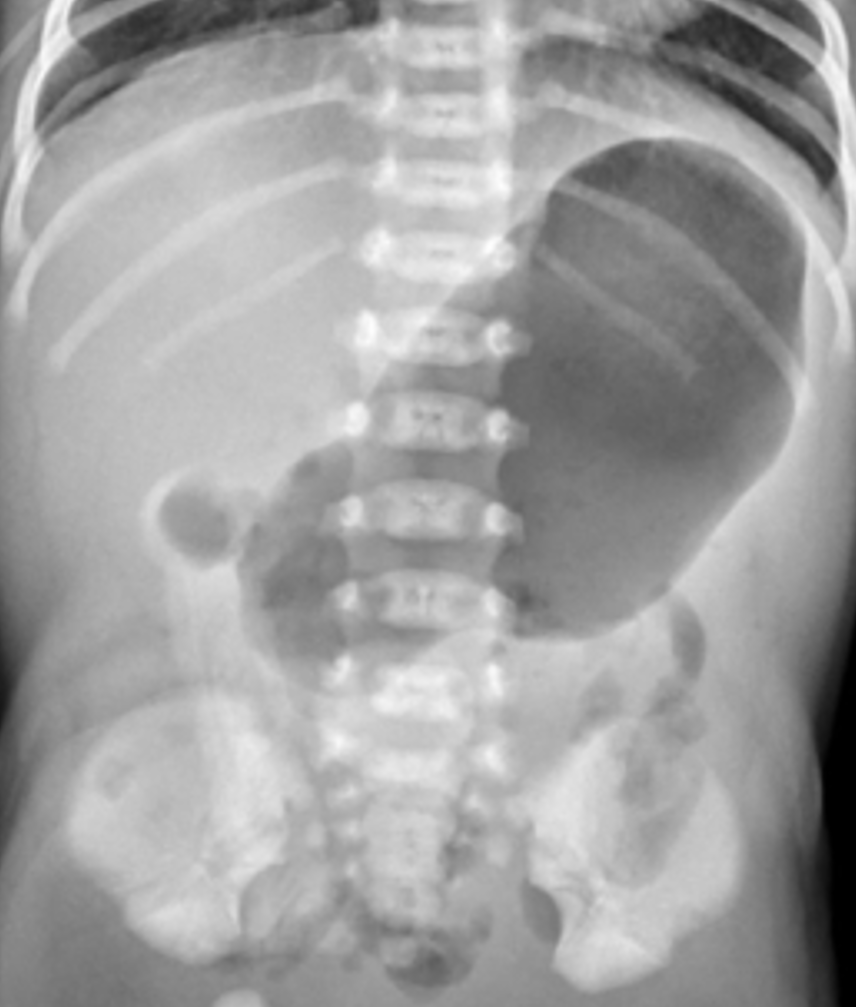
Malrotation
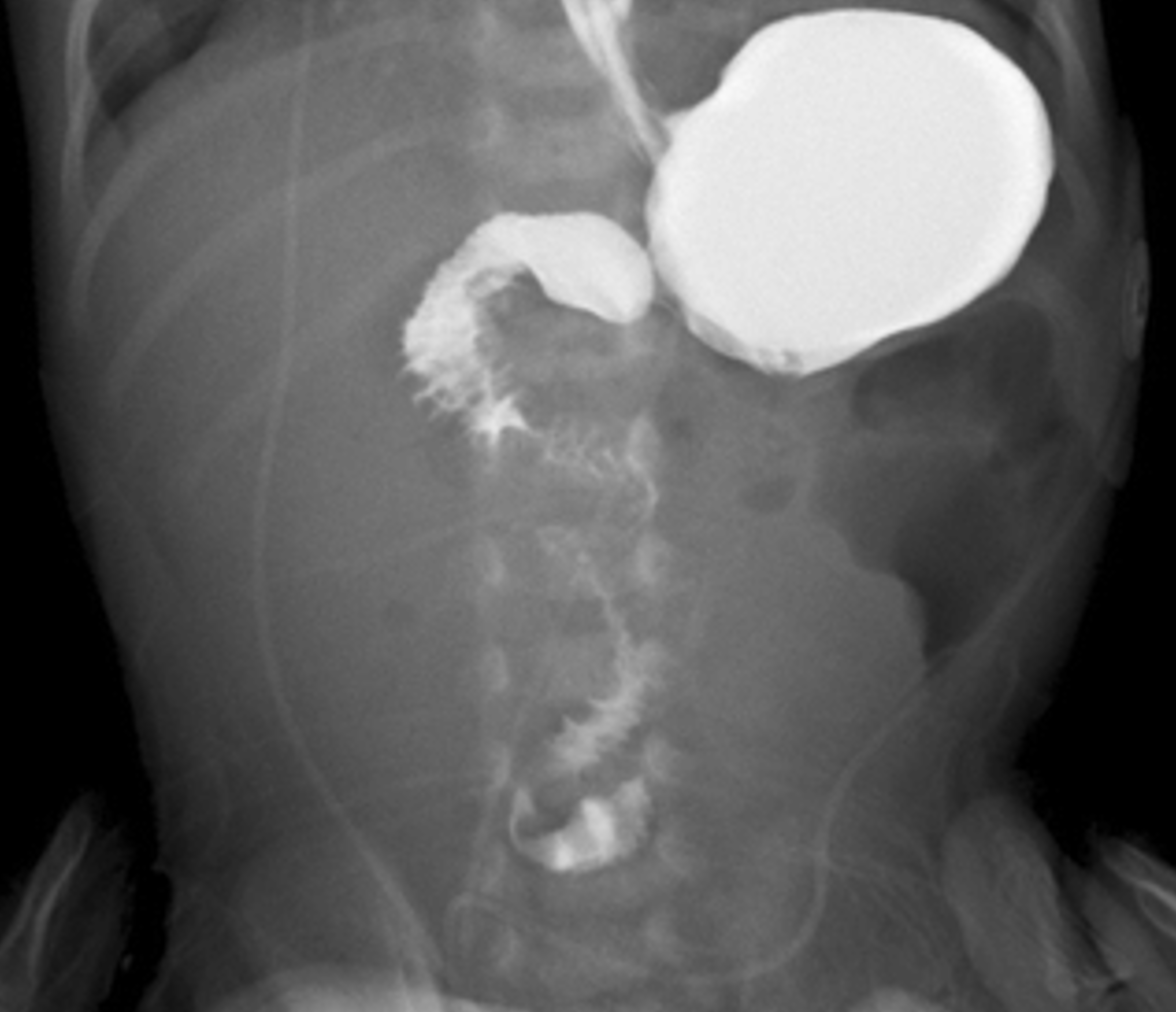
Malrotation
How is malrotation / volvus dx
XR → Cutoff wth promixal dilation
Follow with NG tube with barium
Ladd’s procedure
Untwisting of volvulus
Ladd’s bands divided
Tack down small and large bowel
Presentation of Kawasaki Disease
Fever for > 5 days
Bilateral conjunctivitis
Changes to lips and oral cavity (starwberry tongue_
Cervical lymphadenopathy
extremity changes
Polymorphous rash
What is the risk of untreatd Kawsaki disease
coronary aneurysms
Treaetment for Malrotation
Labb’s Procedure
Treatment of Kawasaki Disease
IVIG within 10 days
Steroids
Aspirin
Risk Factors for Intussusception
Males
Viral illness
Presentation of Intussception
Vomiting
Inconsable infant
Bloody Stools
How is intussception dx
XR → Dense intestinal
US → Telescoping of intestine
Treaetment for Intussceoption
Air enema
Surgery if fail
Risk of Air enema
Perforation
Presentation of Orbital Blowout Fracture
Eye pain
Nausea and vomiting
Strabismus
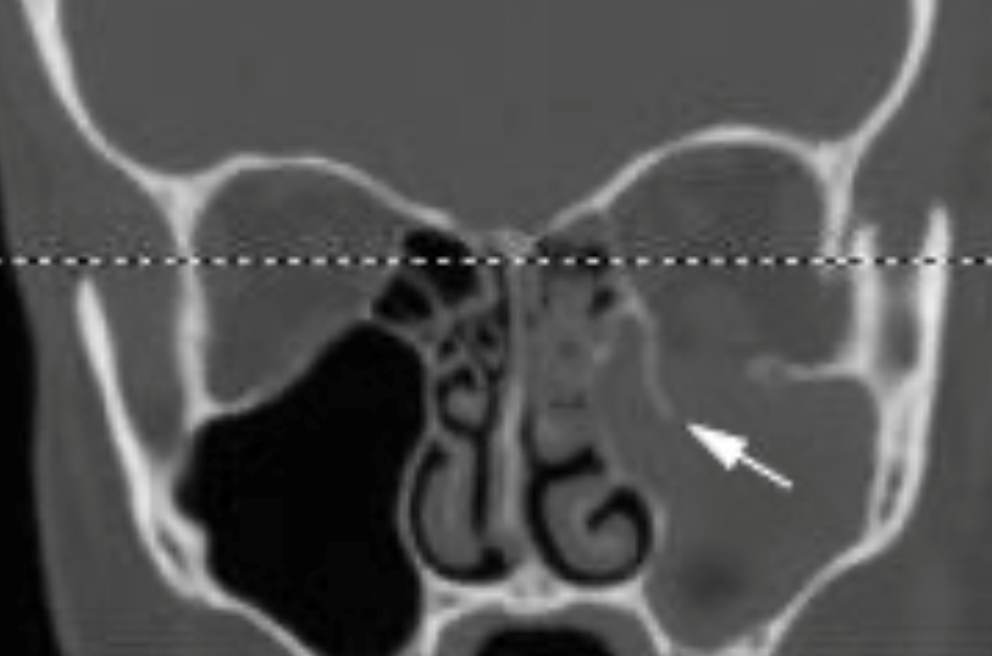
Oribtal Blowout
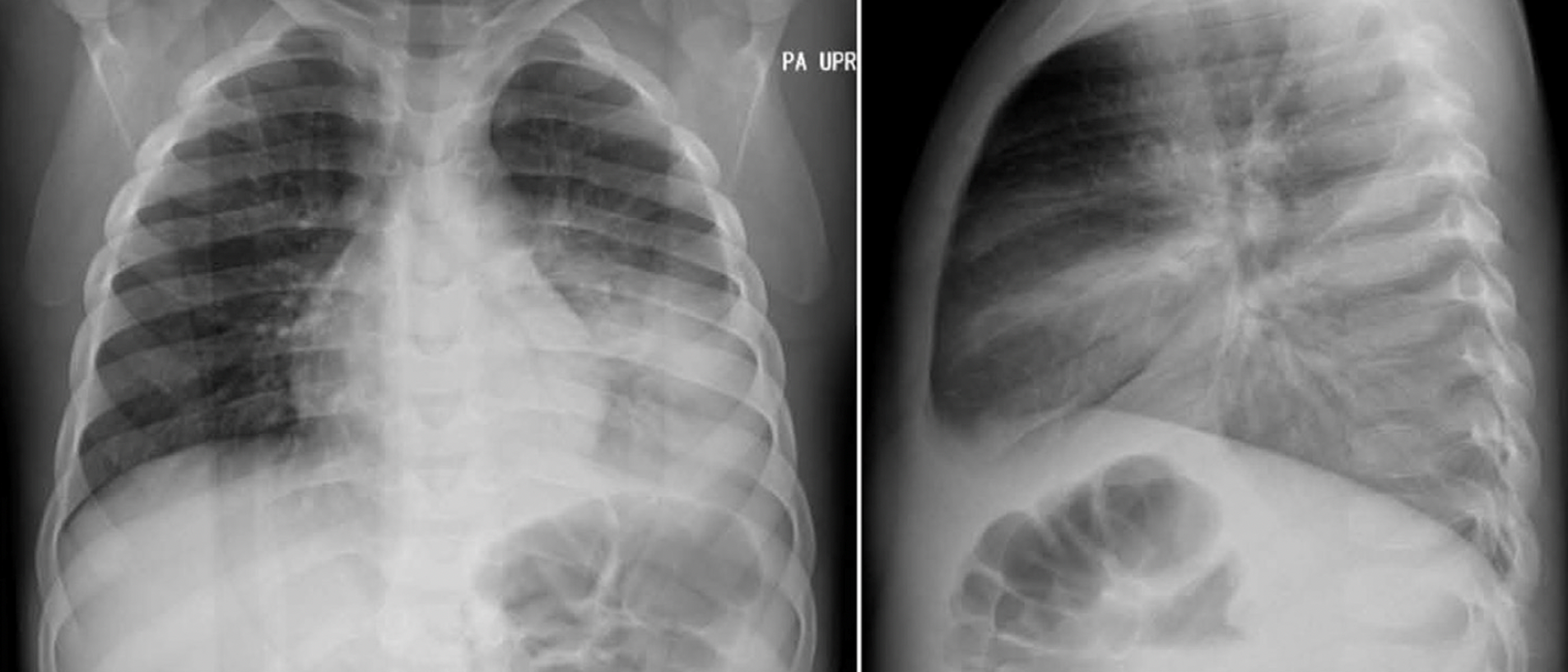
Pnuemonia
Treatment for Peds Pneumonia
PO Amoxicillin x 7days for
Managment for Septic Shock
O2
Vanco + Ceftriaxone
40cc/kg blous
Epi Drip
ETCO2 Montioring
Treatment for Pleural Effusion
Chest Tube
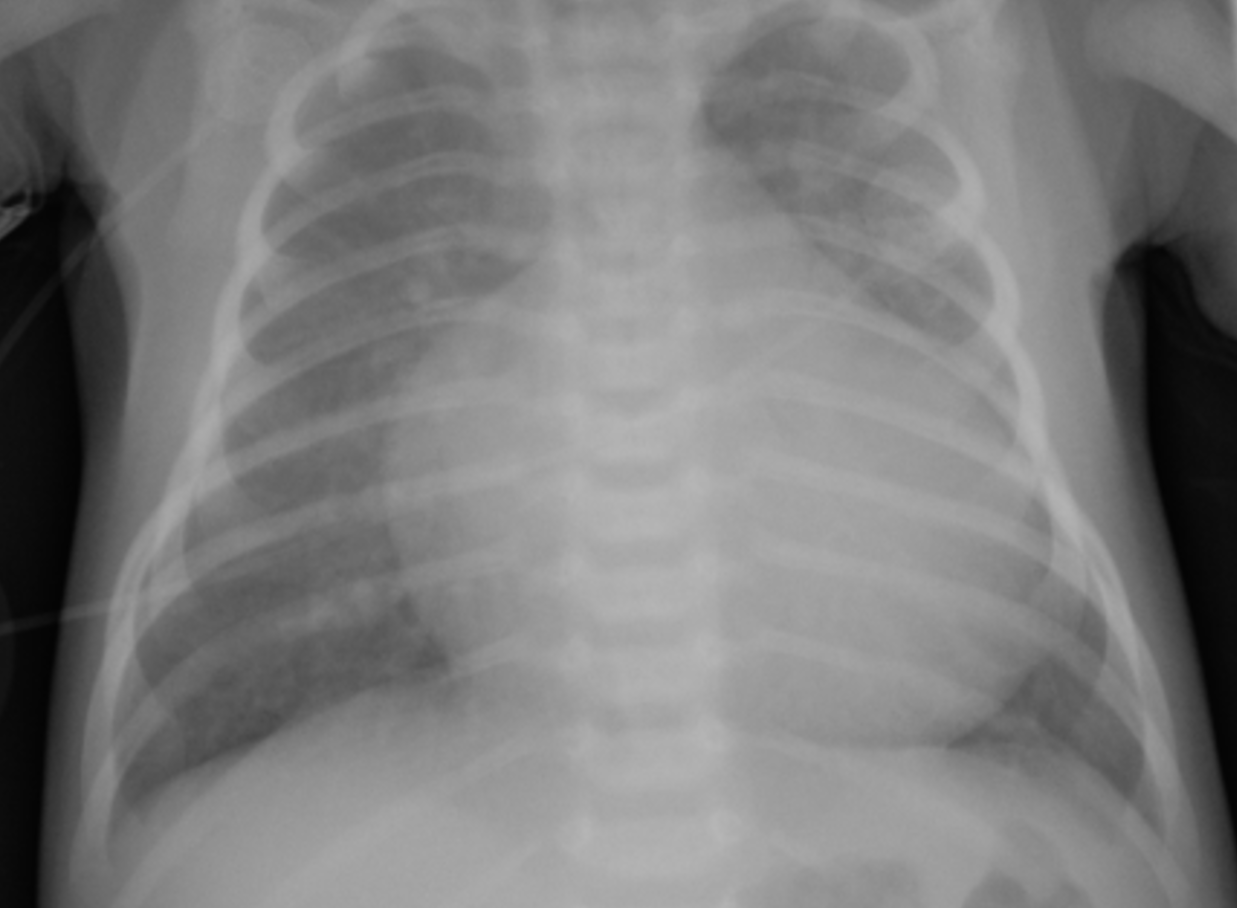
What abnormality
Cardiomegaly
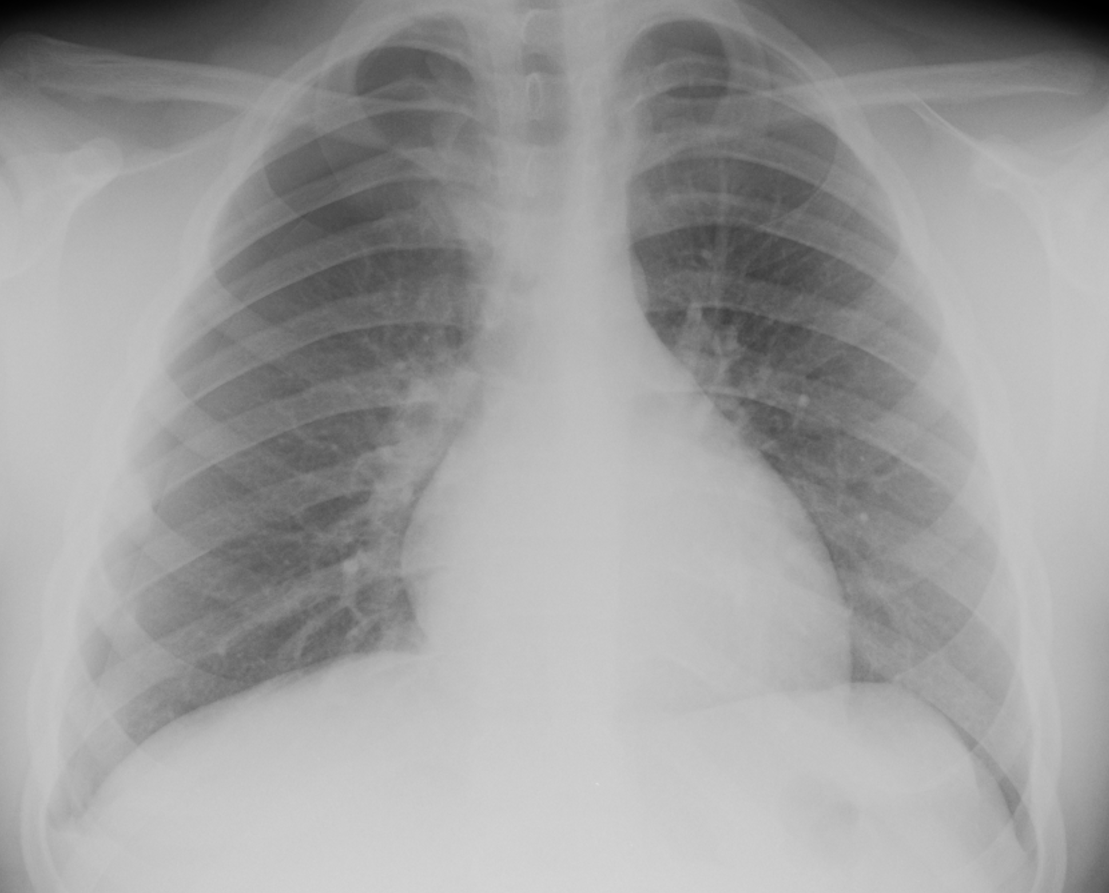
Pnuemothorax
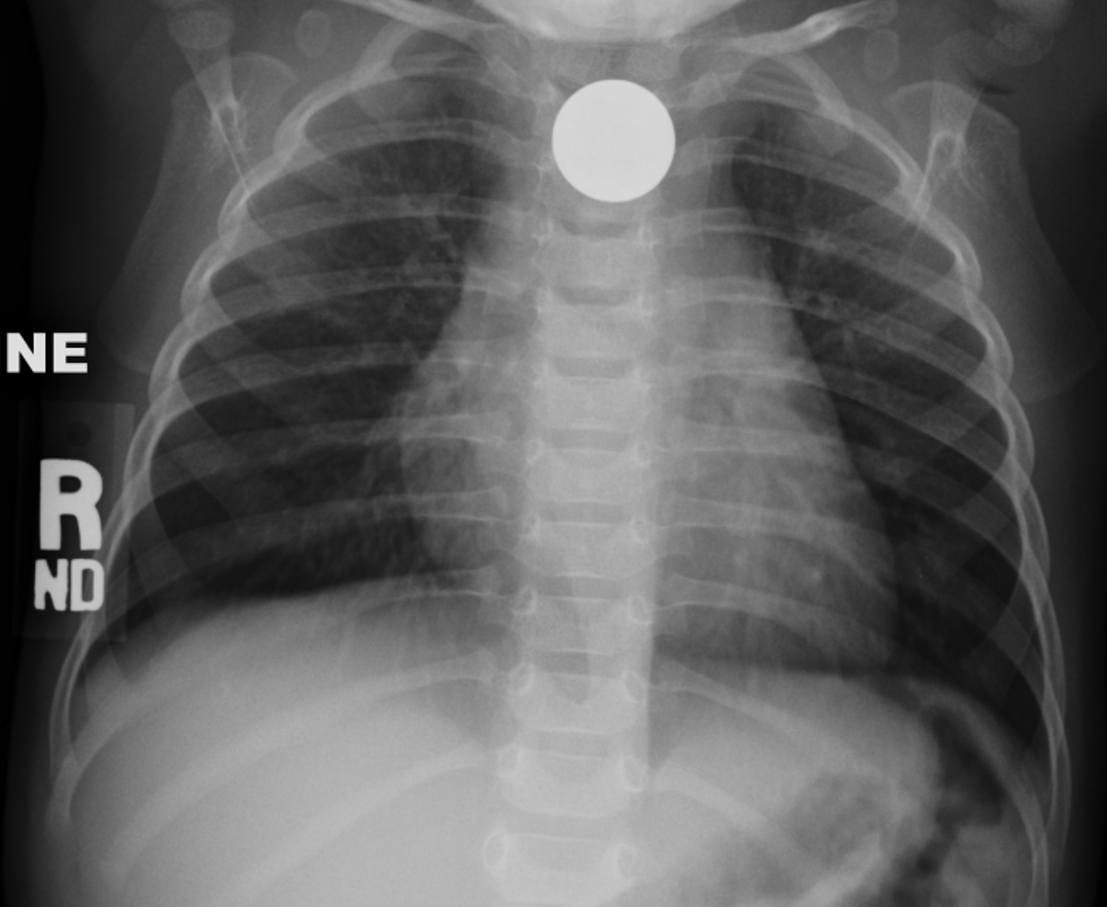
Esophageal Foreign Body
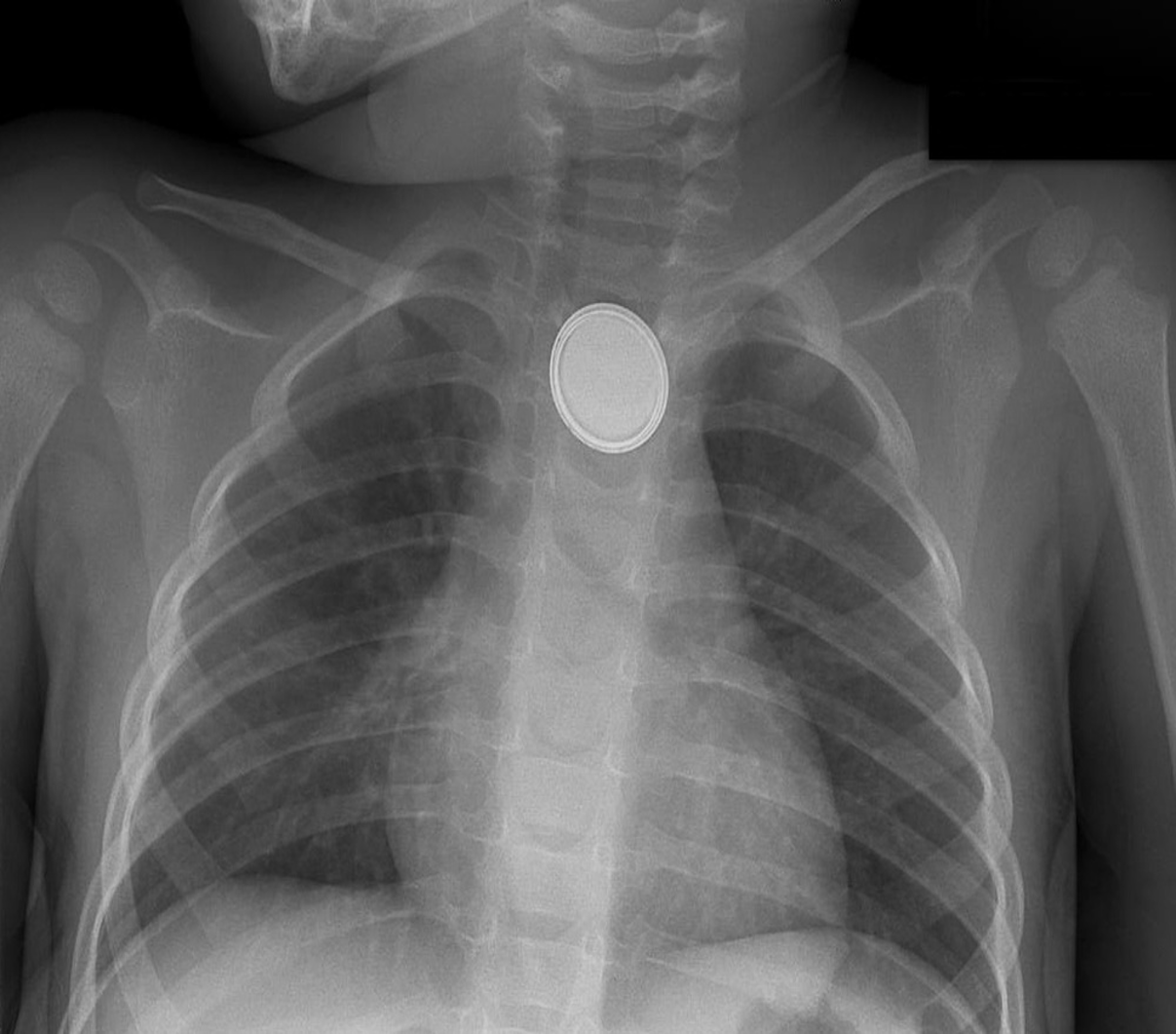
Disc Battery in Esophagus
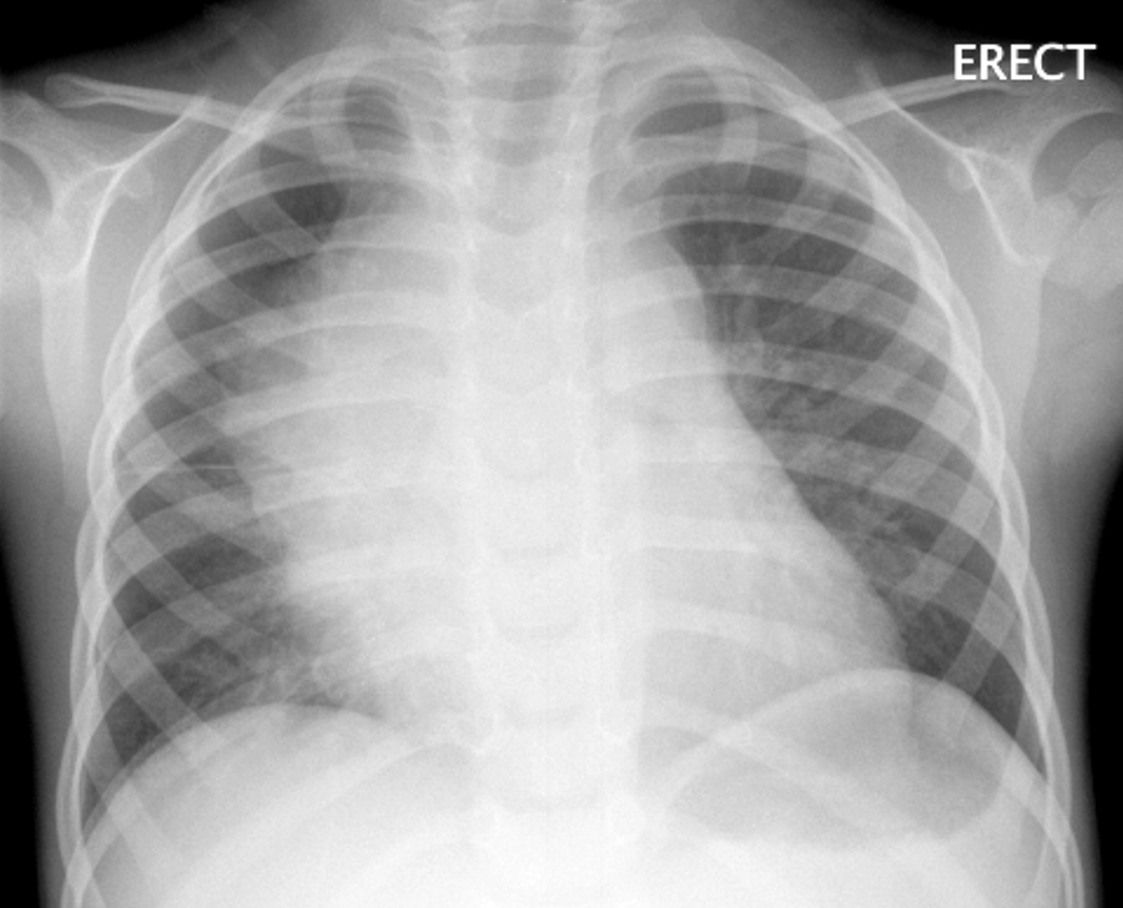
Anterior mediastinal mass
What is the ddx for an anterior mediastinal mass
Thymoma
Teratoma
Thyroid
Terrible Lymphoma
What is the general approach to evaluating an ill infant
ABC’s
O2, IV, monitor
D-stick
CXR
EKG
Chemistry, CBC, UA, urine and blood cultures, Utox
Consider LP and head CT
Antibiotics
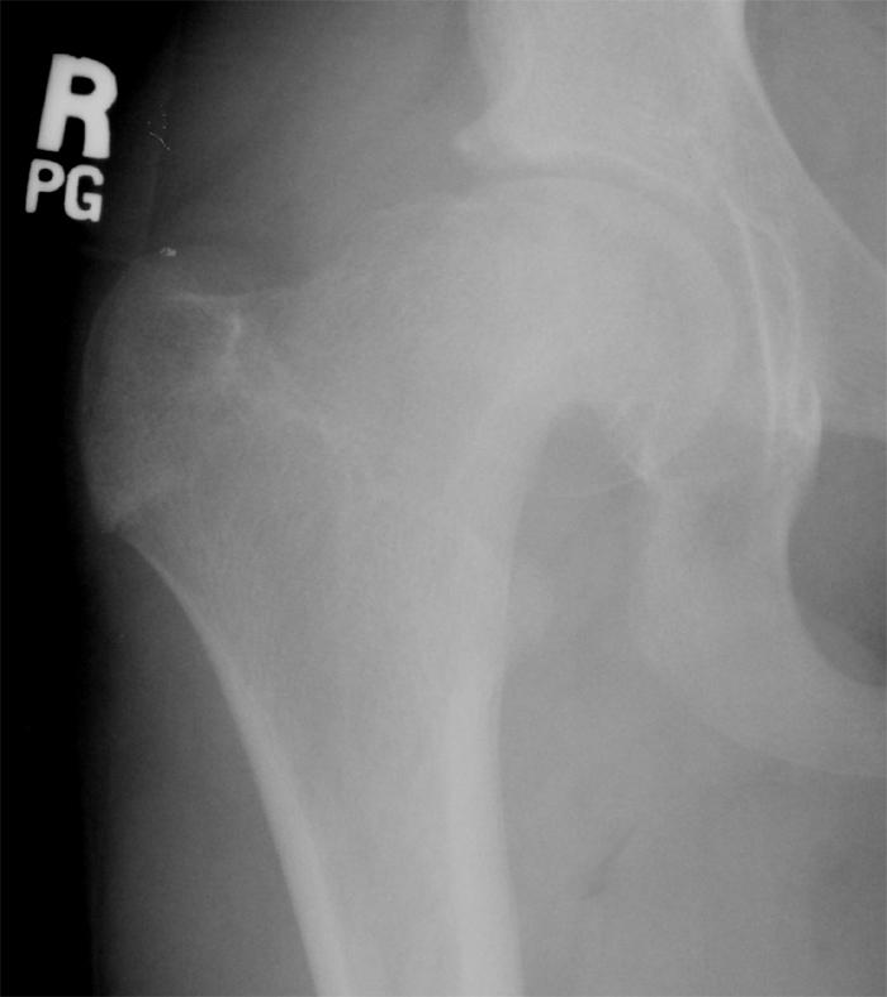
Slipped Capital Femoral Epiphysis (SCFE)
Most common hip condition in adolescents
Slipped Capital Femoral Epiphysis (SCFE)
Treatment for Slipped Capital Femoral Epiphysis (SCFE)
femoral osteotomy
Psoas Sign
Pain with thigh extension (iliopsoas muscle irritation)
Obturator Sign
Pain with internal rotation of flexed hip (obturator internus muscle irritation)
Rovsing’s Irritation
Pain in RLQ with palpation in LLQ (peritoneal irritation)
Pediatric Appendicitis Score
An approach to working up cases of possible appendicitis
What are signs of peds appendicitis
Anorexia
Migration of pain to RLQ
N/V
RLQ pain with coughing or hopping
Fever > 38 C
RLQ tenderness
WBC > 10
ANC > 7500
How does appendicitis appear on US
Noncompressible, blind-ending tubular structure with diameter > 6 mm
Target-like appearance in transverse view
Intraluminal hyperechoic foci may represent appendicolith
Most common surgical cause of abdominal pain
Appendicitis
Management of Appendicitis
Morphine (does not alter exam findings)
NPO
Antibiotics
Appendectomy
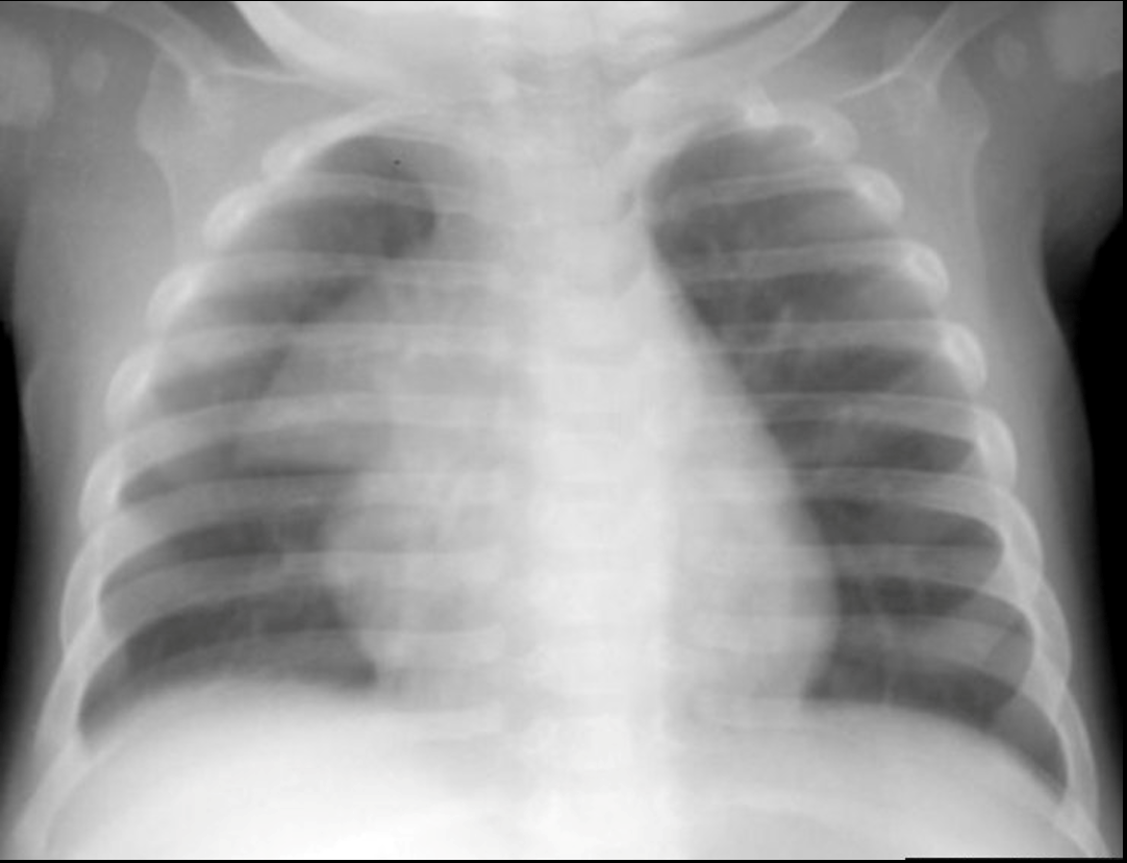
Thymu
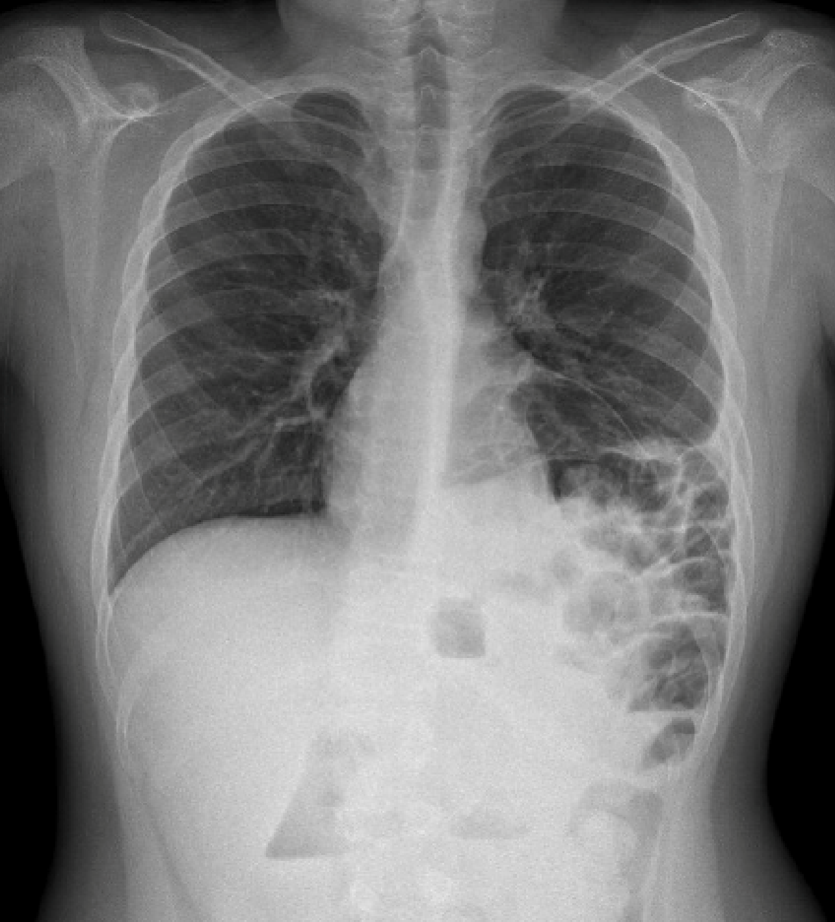
Congenital diaphragmatic hernia
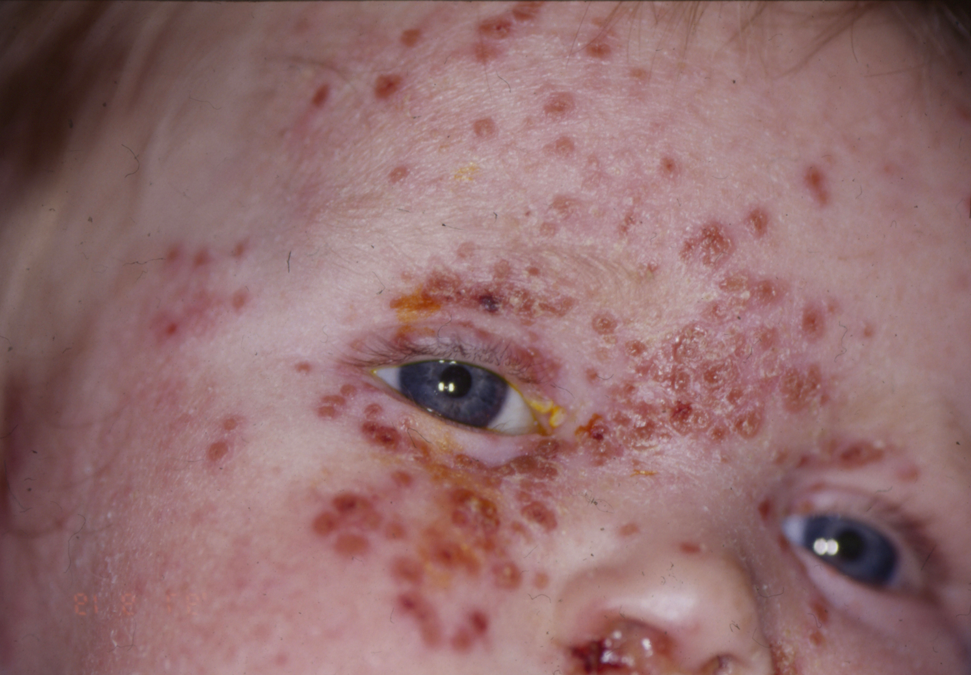
Eczema herpeticum
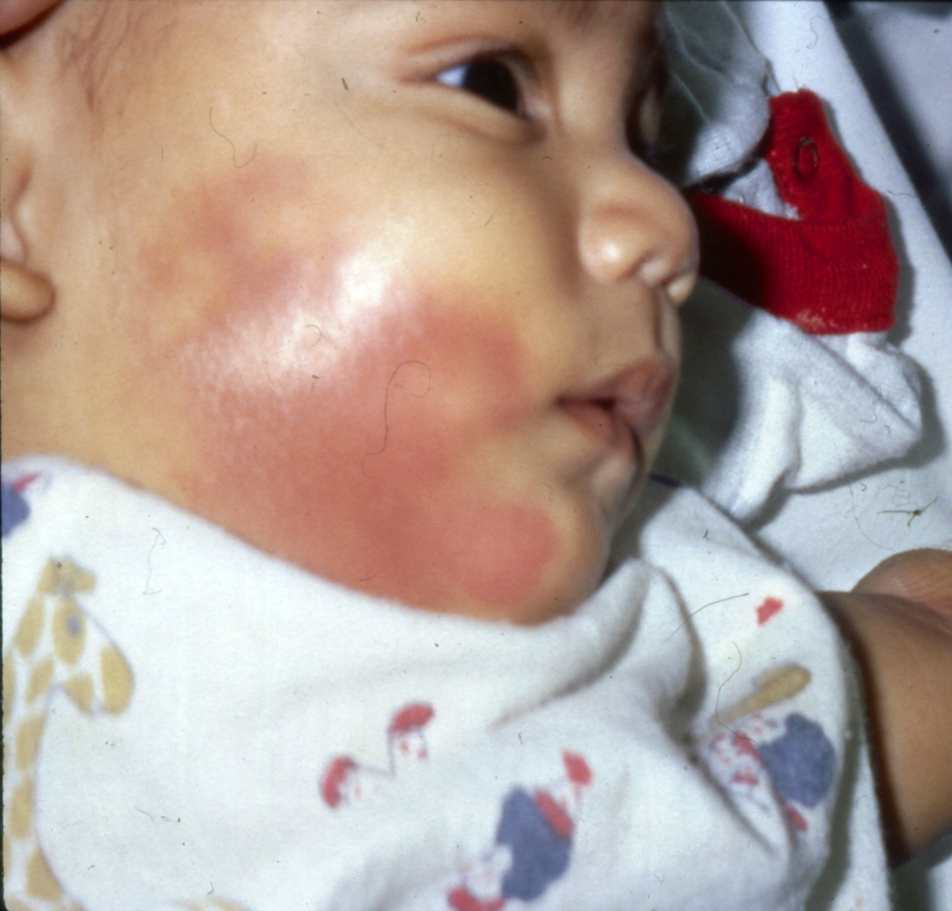
Buccal cellulitis
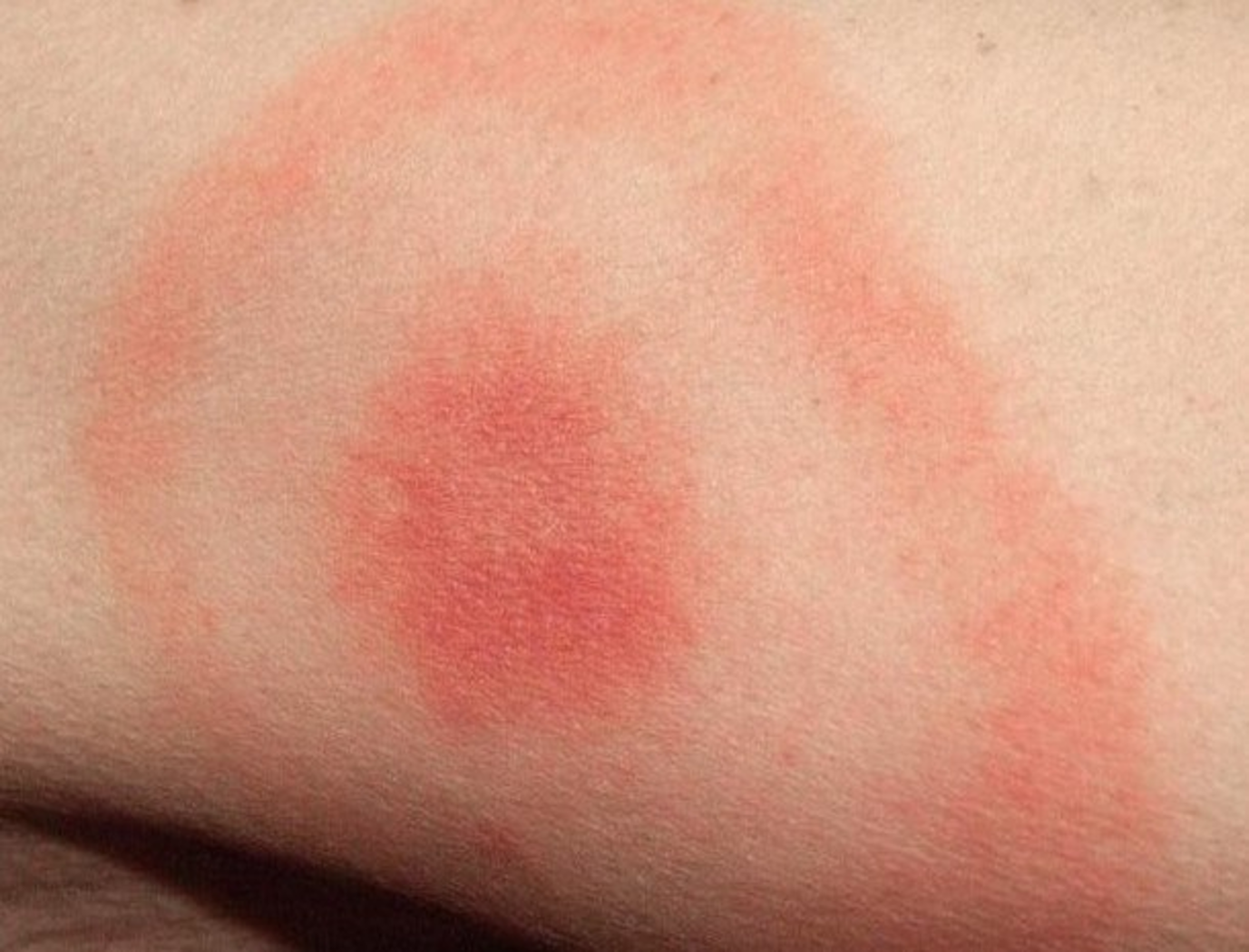
Erythema migrans-
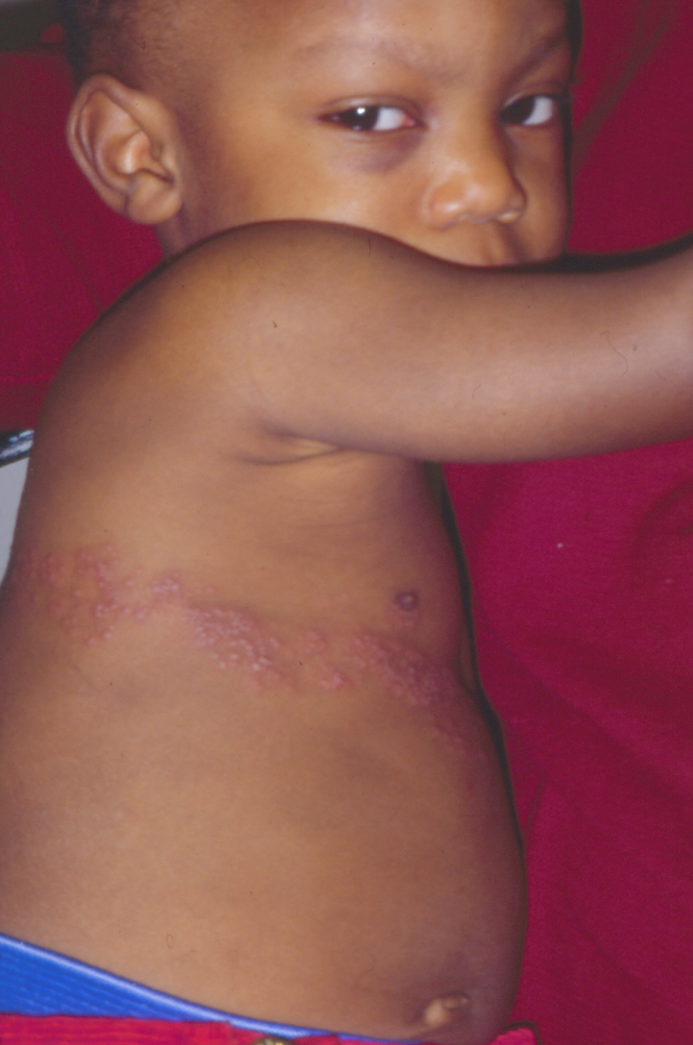
Herpes zoster
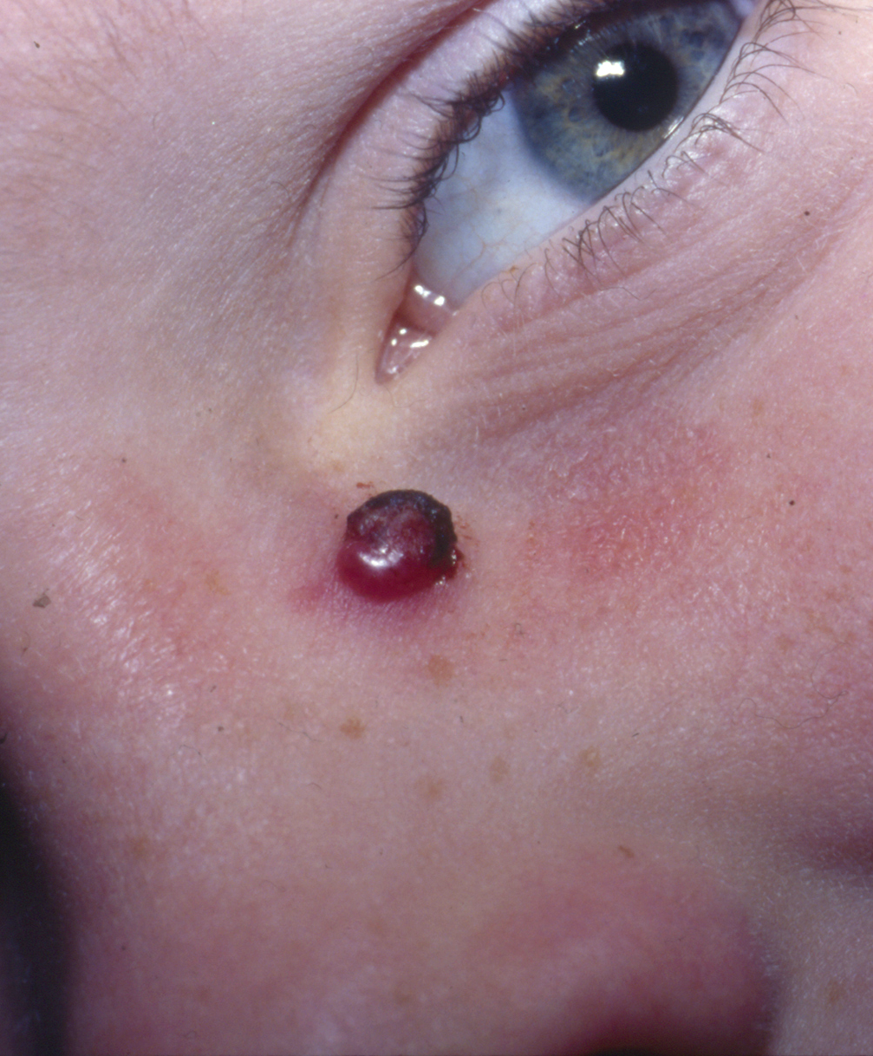
Pyogenic granuloma
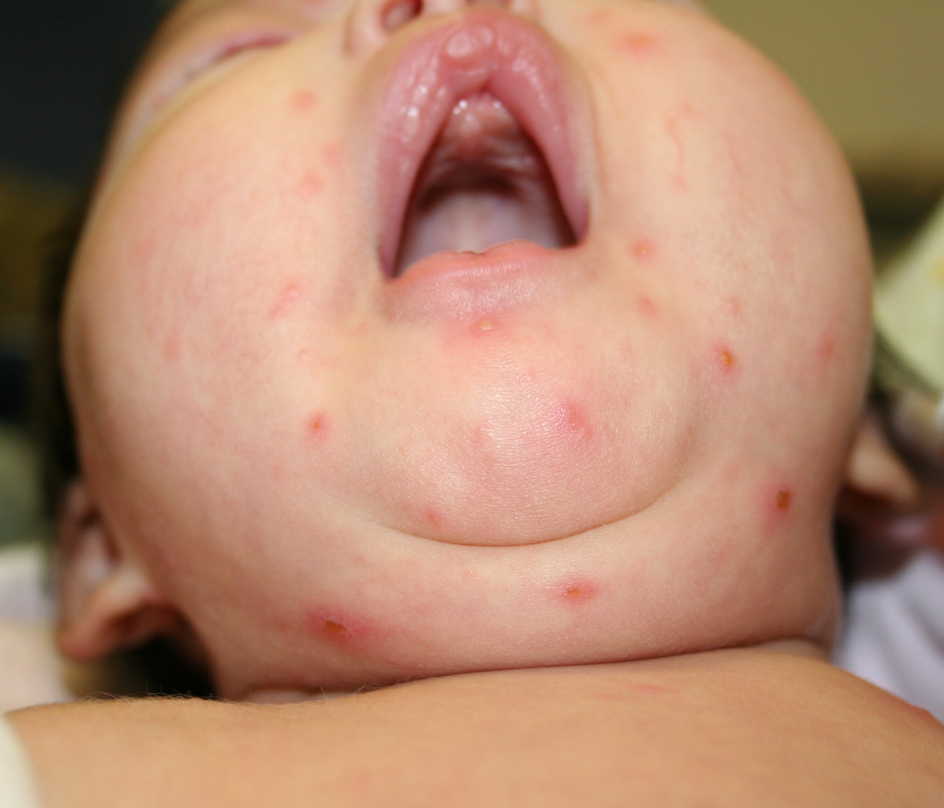
varicella
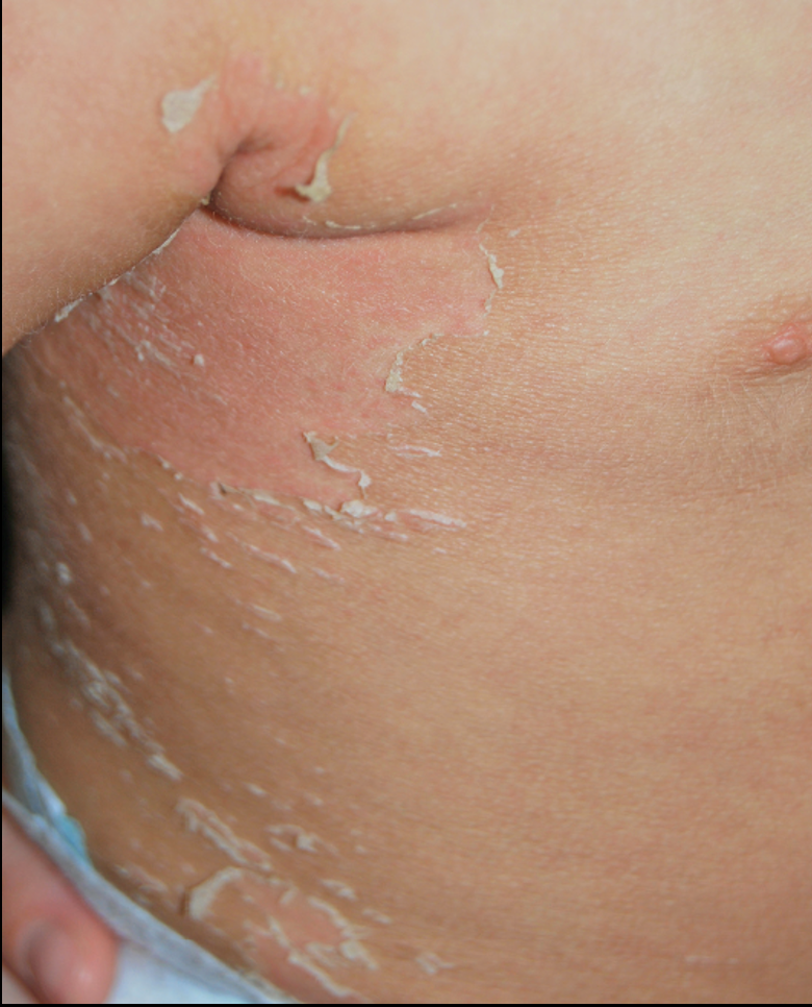
SSSS
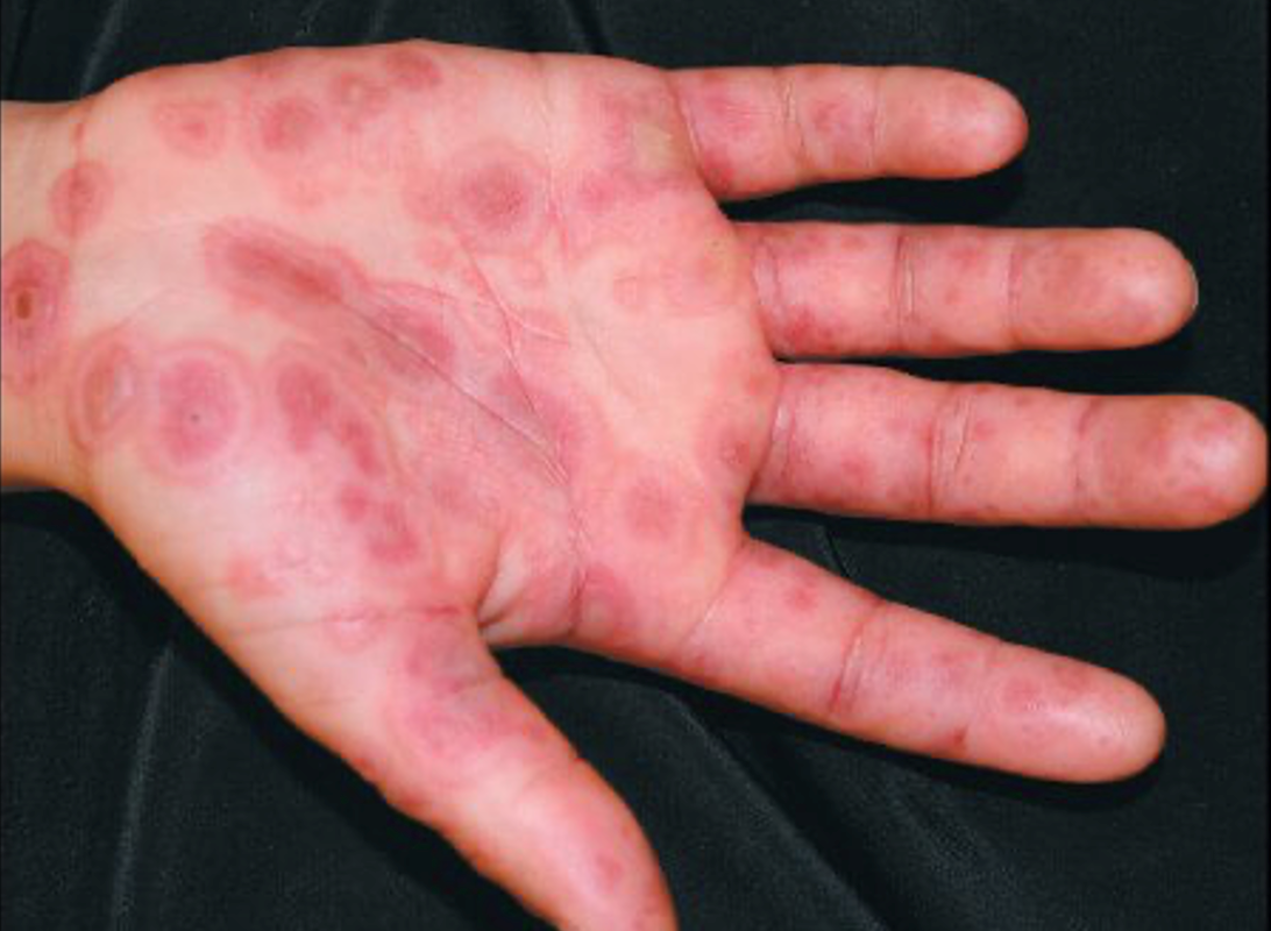
Erythema multiforme
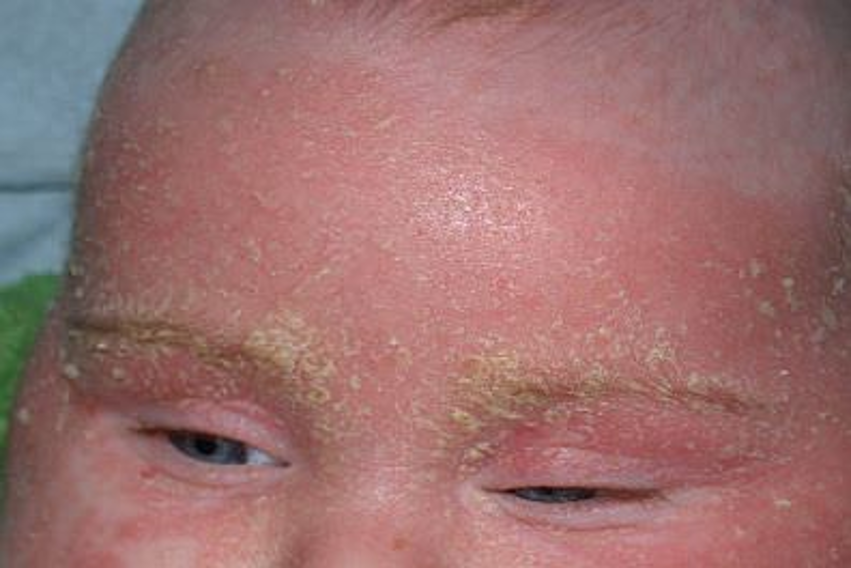
Cradle cap, seborrheic dermatitis
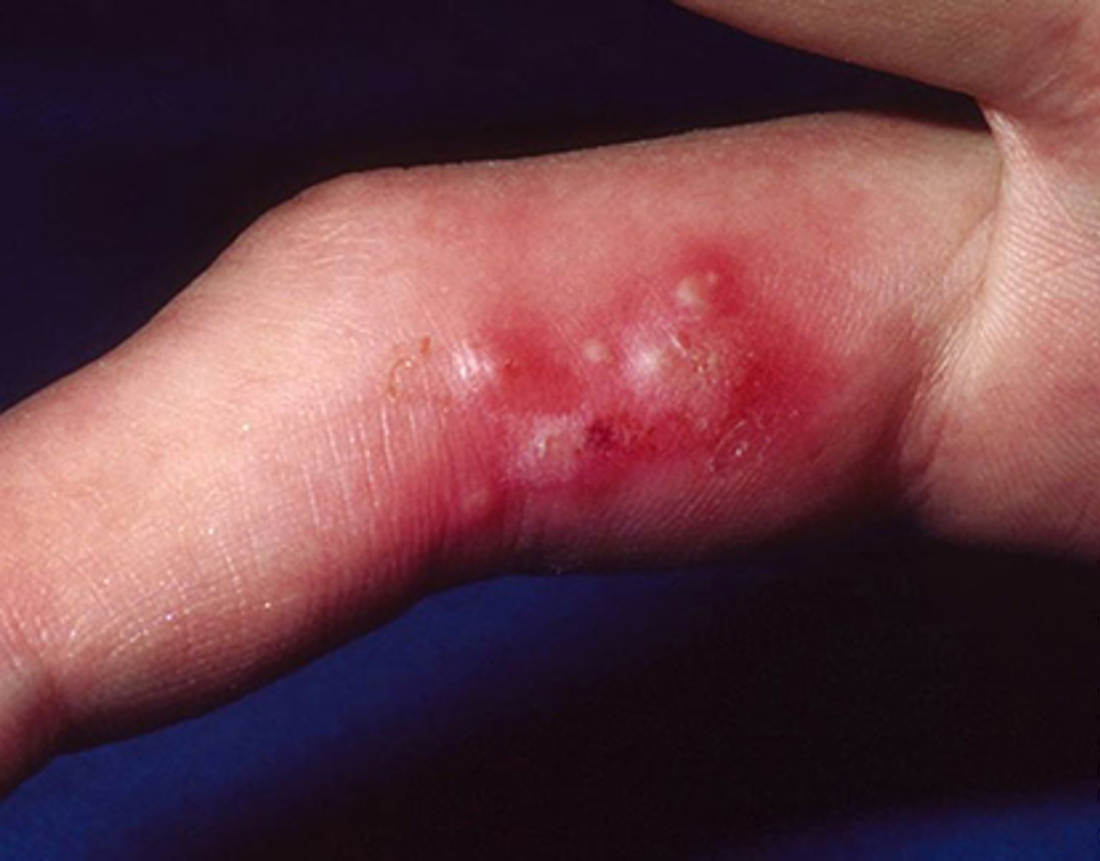
Herpetic whitlow
What are the phases of disaster response
Preparation
Response
Recovery
Mitigation / Prevention
Mitigation / Prevention (Diseaster Prep)
Efforts taken to reduce the negative consequences of a disaster or decrease the probability of it happening
What can a hospital do to mitigate/prevent disasters
Community education
Consulting/providing medical knowledge to emergency preparedness teams
Examining potential causes of disasters within the hospital
Preparation (Disaster Preparedness)
Planning, training, and educating for events that cannot be prevented
How can we prepare for disasters
Designating specific teams that are meant to specialize in disaster planning and response and undergo training in this area
Developing protocols and written Incident Action Plans for organized and cohesive responses
Drills and simulations to provide practice in response as well as evaluation of shortcomings that should be addressed
Community education
Response (Disaster Prep)
Efforts taken to reduce morbidity, mortality, and property damage after a distaster has happened
What can happen if response teams are acting independently of each other
Chaos, mistakes, inefficiency, higher levels of morbidity and mortality, possibly harm to responders and others
How do we prevent response teams from acting independently from each other
Incident Command System as well as the other 3 parts of the disaster response cycle
What teams may be part of the disaster responce
EMS, Fire, Police, Medevac
911 Communications,
Emergency Behavioral Health Team,
County and State Emergency Management
Hospital personnel
Coroner/morgue,
Search and rescue teams
Codes,
Utility companies,
American Red Cross
Incident command system (ICS)
Common hierarchy and procedures that allow responders from different agencies to work together effectively, regardless of incident type or size
Incident Commander-
Top of the hierarchy, overseeing all on-site disaster response efforts
Public Information Officer-
Primary liaison between the incident management team and the public, responsible for delivering accurate, timely, and coordinated information
Safety Officer-
Authority on incident safety, responsible for hazard identification, injury prevention, protective equipment readiness, and accident investigations in coordination with OSHA
Liaison Officer-
Single point of contact for assisting and cooperating agencies, speaking on behalf of the Incident Commander, and ensuring inter-agency coordination.
Reaches out to the hospitals to determine capabilities, and patients are distributed based on this information
Operations Section Chief-
Responsible for directing and coordinating all tactical operations, ensuring resources are appropriately deployed, and Incident Action Plans are properly implemented
Planning Section Chief-
Oversees the distribution and tracking of resources (personnel as well as supplies)
Logistics Section Chief-
Oversees the ordering and managing of resources, also ensuring food, medical, and other essential services for incident personnel
Finance Section Chief-
Manages all financial and cost-related aspects of the disaster response
What are the levels of triage
Green - Minor
Yellow - Delayed
Red - Immediate
Black - Dead / Dying
Emergency Behavioral Health (EBH)/ Disaster Crisis Outreach and Referral Teams (DCORT) teams
Operated by most counties and overseen and deployed by the state to address behavioral health impacts of disasters, which can include acute stress, grief, trauma, and mental health crises
Function of EBH / DCORT Teams
Assess and triage behavioral health needs in the field.
Provide crisis intervention and stabilization for individuals in distress.
Support responders with stress management and resilience training.
Coordinate with existing systems to avoid duplication and ensure continuity of care
Psychological First Aid
an evidence based modular approach to mental health in the immediate aftermath of disaster and crisis events.
Reunification center-
designated area set up during disasters for families and significant others to meet up with nonhospitalized survivors or to get information about their loved ones’ status or whereabouts
Moral Injury-
a recognized psychological harm or life circumstance, rather than a standalone disorder, this occurs when an individual perpetrates, witnesses, or fails to prevent acts that deeply violate their moral code
Recovery (Disaster Prepare)
Actions taken to return to normal after a disaster
when was HIV first recognized in the US
1981
when was HIV first detected and isolated in the Us
1984
AZT
First FDA approved treatment for HIV in 1987
When was the first protease inhibitor for HIV approved
1995
when did the CDC recommend screening HIV in 13-64 y/o
2006
when did PreP come out
2010
when did the first injectable ART come out
2021
How did HIV come about
Primate to humar species jumping event
HIV
A ssRNA+ virujs
What genes are in HIV
3 structural genes
6 regulatory genes
what are the structural gnes of HIV
gag
pol
env
What does HIV infect in the body
CD4 T-cells
How does HIV infect a cell
Uses reverse transcriptase (RT) to transcribe its RNA genome into double stranded DNA
Will then integrate its DNA into host DNA within nucleus
what is the common characteristics between HIV-1 and HIV-2
Share same genetic structure and viral replication function
Both cause AIDS
How does HIV-1 and HIV-2 differ
HIV-1 is global and responisble for pandemic whereas HIV-2 is a strand concentrated Western and Central Africa
HIV-1 is more virulent and replicates faster than HIV-2
HIV-1 is more transmissble and more rapid
HIV-2 requires subtype specific tests for antigen/antibody testing
What are the methods of HIV transmission
Sexual Transmission
Mother-to-Child
IV Drug Use
Exposure to Infected Blood
Nosocomial / Occupational
Risk Factors for Sexual Transmission of HIV
Higher viral load
Advanced immunodeficiency
Receptive anal intercourse
sex durng menses
Uncircumcised
STI Coinfection
Risk Factors for Mother to Child HIV Transmission
BReast abscess
Infant Thrush
Where is the highest prevelance for IVDA HIV tranmission
Northeast USA
How can we prevent sexual transmission of HIV
Condoms
Prompt STI treatment
circumcision
PrEP
PEP
Communication
How can we prevent perinatal transmission of HIV
Routine screening & ART (Zidovudine)
Avoidance of breastfeeding
Scheduled Cesarean delivery
How can we prevent IVDA transmission of HIV
PrEP: ~75% risk reduction
Needle exchange programs
Medication-assisted treatment
How can we prevent blood transmission of HIV
HIV serologic testing of all blood donor
Testing of all organ and tissue donations
How can we prevent Occupational transmission of HIV
PPE
Sheathing needles
PEp
What are the stages of HIV
Stage 1: CD4 > 500 or CD4 > 26%
Stage 2: CD4 200-499 or 14-25%
Stage 3: AIDS